Viral Food Trends Taking Over Social Media
Scroll through any social feed and you’ll see the same dishes appearing everywhere. Someone in Tokyo makes it, then Brooklyn, then Melbourne.
Within days, your cousin is posting their attempt at dinner. Food trends move faster than ever now, fueled by algorithms that know exactly what will make you stop scrolling and start craving.
These aren’t the food fads of previous decades that took years to spread through magazines and cooking shows. Modern food trends explode in hours.
A recipe gets posted at breakfast and by dinnertime, grocery stores have sold out of the key ingredient. The speed is wild, but so is the creativity.
The Butter Board Phenomenon
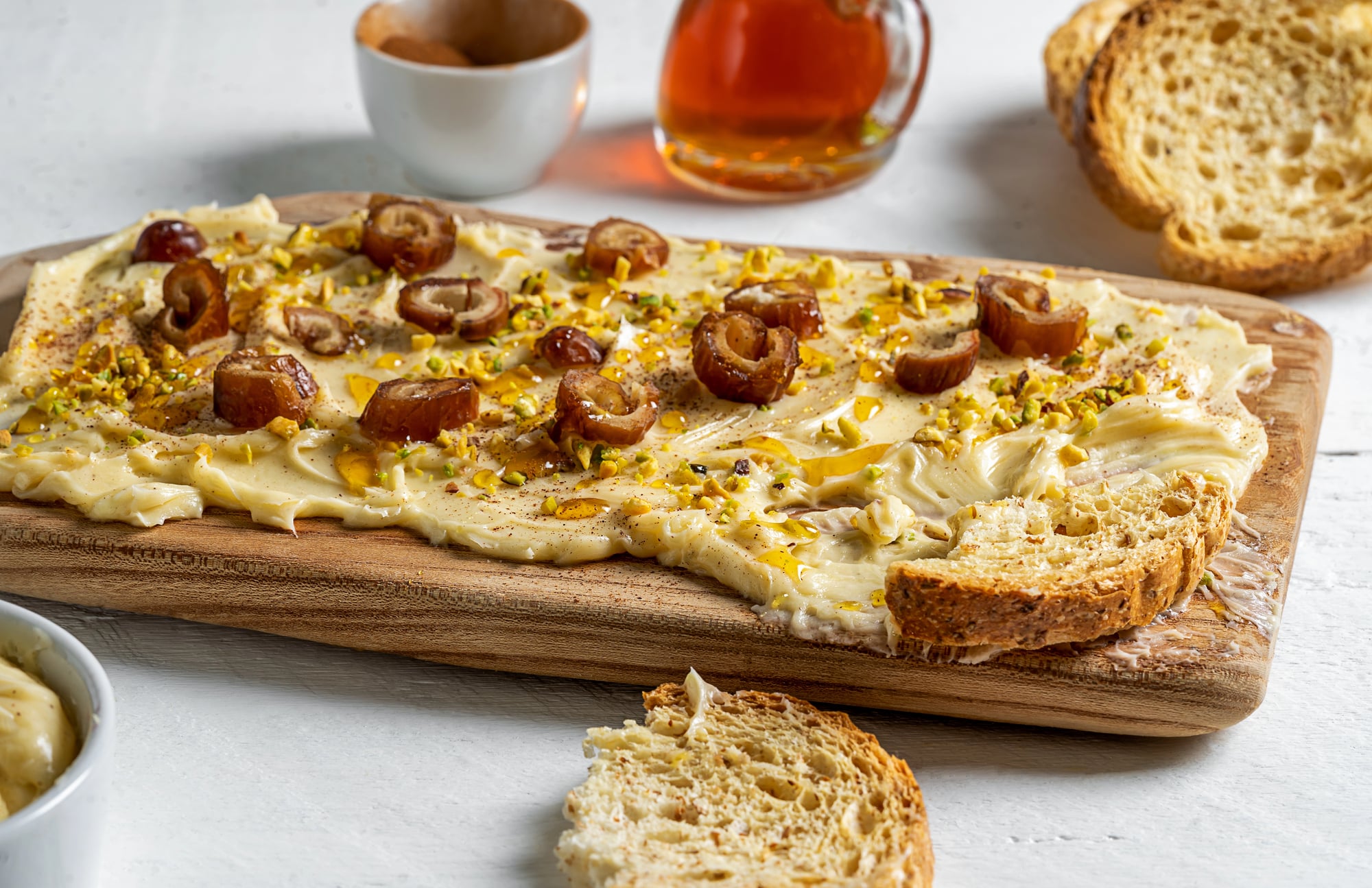
Someone spread butter on a wooden board and the internet lost its mind. The concept seems almost too simple to work, but that’s exactly why it took off.
You soften quality butter, smear it across a serving board, then top it with whatever strikes your mood—flaky salt, honey, edible flowers, herbs, citrus zest.
The trend sparked because it looks stunning in photos and feels fancy without requiring actual cooking skills. You can make one in five minutes and it photographs like something from a high-end restaurant.
Plus, people love customizing it with their own flavor combinations, which creates endless variations to share and recreate.
Tinned Fish Gets a Glow-Up

Canned fish used to hide in the back of pantries, reserved for emergencies or camping trips. Then social media discovered that tinned fish from Portugal and Spain has been elevated to an art form for decades.
Suddenly everyone wanted beautifully packaged anchovies, mackerel, and sardines. These aren’t your grandmother’s tuna cans.
The packaging alone makes them gift-worthy. But the real appeal comes from how easy they make entertaining.
Open a few tins, add some good crackers, pickled vegetables, and nice butter. You’ve created a spread that looks impressive but required zero cooking.
The trend taps into something deeper too. People want convenient foods that still feel special.
Tinned fish delivers that balance perfectly.
Gochujang Everything

Korean chili paste found its moment and refuses to let go. Gochujang started appearing in recipes where it had no business being—caramel sauce, compound butter, cocktails, ice cream.
The fermented paste adds depth that regular hot sauce can’t match. Sweet, spicy, funky, and complex all at once.
Chefs and home cooks love it because a single ingredient does so much work. One spoonful transforms boring roasted vegetables into something you’d order at a restaurant.
It elevates marinades, dressings, and dips without overwhelming other flavors. The accessibility helps too.
You can find gochujang at regular supermarkets now, not just specialty Asian markets. And once you buy a tub, it lasts forever in the fridge, ready whenever inspiration strikes.
The Crookie Invasion

Someone in Paris had the brilliant idea to stuff a croissant with cookie dough and bake it. The result was so aggressively indulgent that it became an instant sensation.
Crispy, flaky layers on the outside, molten chocolate chip cookie on the inside. Bakeries worldwide scrambled to add crookies to their menus.
The hype reached such heights that lines formed around blocks for a taste. Some places sold out within an hour of opening.
The frenzy felt disproportionate for what is essentially two desserts merged together, but that’s how viral food trends work now. The crookie represents a larger pattern in trending foods—maximalism.
More is more. Why choose between a croissant and a cookie when you can demolish both in a single pastry?
Dubai Chocolate Bar Mania

A chocolate bar from Dubai became one of the most searched recipes online. The original costs a fortune and rarely stays in stock, so people started making their own versions at home.
The filling combines tahini, shredded phyllo pastry, and pistachios, all covered in chocolate. What makes this trend interesting is how it spread.
Most people had never tried the original bar but were replicating it based on videos and descriptions. They trusted the collective enthusiasm enough to hunt down specialized ingredients and attempt a recipe they’d never tasted.
The trend shows how social media creates desire for things you didn’t know existed. Yesterday you were content with regular chocolate bars.
Today you’re ordering kataifi dough from specialty stores and roasting pistachios at midnight.
Cloud Bread’s Fluffy Return

Cloud bread came back, and this time it brought better techniques. The original version from years ago was mostly egg whites and sweetener—functional for low-carb diets but nothing special taste-wise.
The new wave uses Japanese milk bread techniques to create something actually worth eating. These pillowy rounds puff up in the oven and stay impossibly soft.
They tear apart like cotton candy but taste like proper bread. The visual appeal is undeniable.
Every slice looks like a cartoon cloud come to life. The trend gained traction because it delivers on both aesthetics and flavor.
Previous viral breads often disappointed when you actually ate them, but cloud bread holds up. It makes excellent sandwiches and French toast while still providing those crucial photo opportunities.
Smash Burgers Dominate

The smash burger trend refuses to die, which makes sense because the technique actually improves the burger. You take a loose orb of ground beef and smash it hard onto a screaming hot griddle.
The meat develops a crispy, caramelized crust while staying juicy inside. Home cooks embraced this method because it works on regular stovetops and produces restaurant-quality results.
No special equipment needed beyond a good spatula and confidence to press down hard. The technique also cooks fast, making it perfect for weeknight dinners.
Food trucks and new restaurants built entire brands around smash burgers. Some places offer nothing else on the menu.
The trend shows that people will always chase a perfectly executed simple thing over complicated mediocre food.
Boursin Pasta Takes Over Dinner

A block of Boursin cheese baked with cherry tomatoes and garlic became one of the most made recipes of recent years. The cheese melts into a creamy sauce that coats pasta perfectly.
No heavy cream needed, no complicated steps. Just roast, stir, and eat.
The recipe’s success came from its foolproof nature. Even people who claimed they couldn’t cook were posting successful attempts.
The ingredient list stays short and everything happens in one pan. Plus it tastes significantly better than the effort required would suggest.
Grocery stores sold out of Boursin for weeks. The company probably didn’t anticipate a random TikTok video would cause a supply crisis.
Other brands tried creating their own viral pasta recipes, but none matched the original’s sticky power.
Dalgona Coffee’s Whipped Frenzy
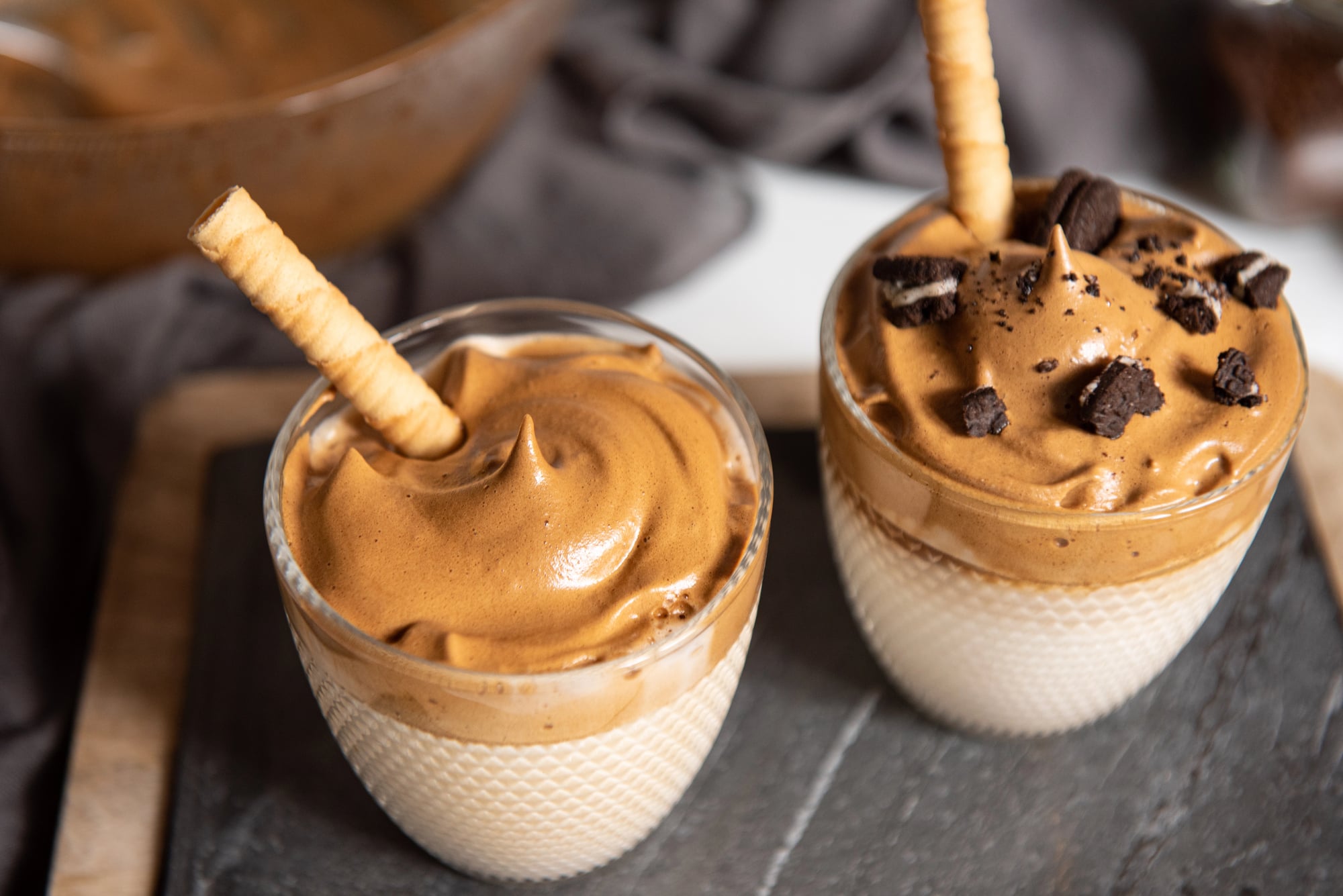
Whipped coffee became the drink of early pandemic life. Equal parts instant coffee, sugar, and hot water, beaten until thick and fluffy, then spooned over milk.
The process was meditative and the result was photogenic. People who never posted food photos suddenly had feeds full of beige foam.
The trend worked because it required almost nothing—just instant coffee, which most households already had, and a willingness to whip by hand for a few minutes. No espresso machine, no special ingredients, no barista skills.
Just patience and a whisk. The fad faded as quickly as it arrived, which is typical for drink trends.
But for a few months there, dalgona coffee united people across time zones and continents. Everyone was drinking the same aggressively sweet, intensely caffeinated beverage and feeling connected through it.
Pasta Chips Crunch Through Feeds

Cooked pasta, tossed in oil and spices, then air-fried until crispy. The concept sounds strange until you try it.
The result is a surprisingly addictive snack that combines the satisfaction of chips with the comfort of carbs you’re already familiar with. The trend caught on partly because it solved a problem—what to do with leftover pasta.
But mostly because it introduced a new texture to a familiar food. People love discovering that something they’ve eaten their whole life can transform into something completely different with one simple technique.
Every pasta shape produces different results when crisped up. Bowties work well.
Rigatoni becomes dangerous to eat because you can’t stop. Spaghetti turns into crunchy little nests.
The experimentation is half the fun.
Green Goddess Salad Dressing Returns
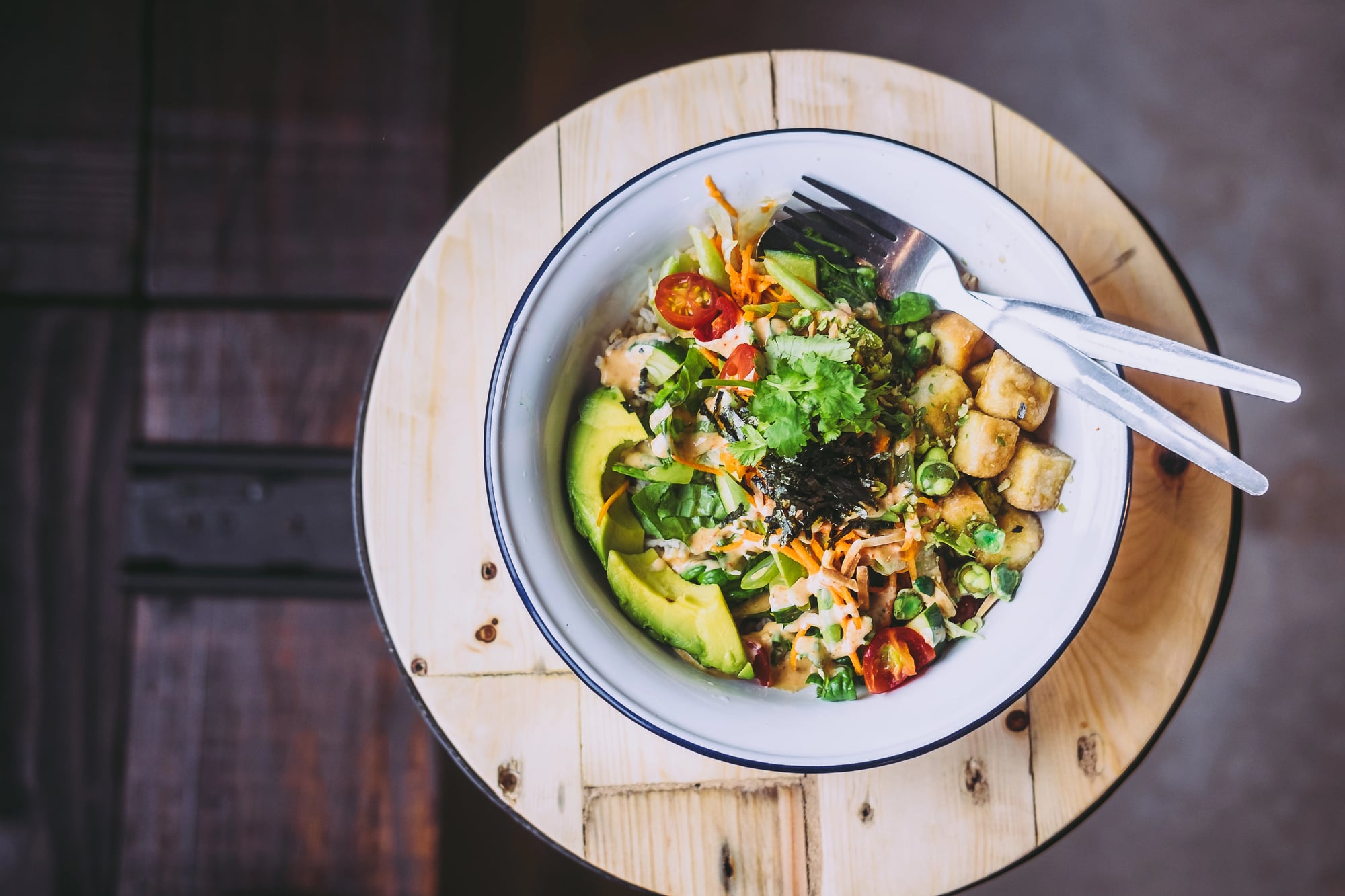
Somehow a dressing from the 1920s became the hottest condiment of the moment. The original recipe called for mayonnaise, sour cream, anchovies, herbs, and lemon.
Modern versions lighten it up with Greek yogurt and more fresh herbs, but the concept stays the same. People went wild for it because the green goddess pairs well with literally everything.
Salads obviously, but also grain bowls, roasted vegetables, chicken, fish, and as a dip for crackers or crudités. One batch lasts all week and improves every meal it touches.
The bright green color doesn’t hurt its social media performance either. It photographs beautifully and signals freshness before you even taste it.
Food trends often need that visual hook to really take off, and this one delivers.
Hot Honey Drizzles Over Everything

That mix of sugary and sharp? It’s been around. Yet somehow, hot honey stepped into the spotlight.
Floral nectar meets fiery kick – strangely good on things you wouldn’t expect. Sure, pizza welcomes it.
But so do golden chunks of fried bird, cold scoops of dessert, tangy dairy spreads, even drinks with a pour and a stir. Something shifted when eateries began slipping hot honey onto their offerings.
Soon after, supermarkets followed – shelves filling up with different makers’ versions. In a rush of months, it went from rare curiosity to regular fixture.
Few saw how quickly a small trend would spread so wide. Five minutes is all it takes to make it yourself – warm honey with crushed chilies, let them sit together, then filter or keep bits in.
What started small now lives on countertops everywhere, thanks to bold taste meeting little effort. Not every new thing lasts, yet this sticks around simply by making meals better.
When Tastes Travel Through Screens

Faster than a web search, food fads spread. In the span it takes to power up a device, something new dominates every plate.
Certain ideas stick around, quietly shaping kitchens for years after. Flashy ones fade fast – just digital snapshots remain, along with half-used ingredients tucked in fridges.
What stands out most? Seeing ideas leap continents in hours.
A cook in Seoul tries something fresh. By dusk, another in São Paulo tweaks it using what grows nearby.
Movement of flavors isn’t new – this speed is. So is the shared effort.
Each trending recipe, however odd, shows folks reaching across distance. The act ties them.
Eating matters. Doing it separately yet simultaneously changes nothing – and everything.
Screens link hands without touching. Familiarity forms fast, even with those never met.
More from Go2Tutors!

- The Romanov Crown Jewels and Their Tragic Fate
- 13 Historical Mysteries That Science Still Can’t Solve
- Famous Hoaxes That Fooled the World for Years
- 15 Child Stars with Tragic Adult Lives
- 16 Famous Jewelry Pieces in History
Like Go2Tutors’s content? Follow us on MSN.