11 Everyday Objects That Were Used as Spy Tools
Throughout history, intelligence agencies have mastered the art of hiding sophisticated surveillance equipment inside the most mundane objects. The best spy tools are ones that blend seamlessly into everyday life — items so ordinary that they’d never arouse suspicion even under close scrutiny.
During the Cold War especially, both sides of the Iron Curtain developed increasingly creative ways to disguise cameras, recording devices, and communication equipment as common household items. Here is a list of 11 everyday objects that were used as spy tools, revealing how intelligence agencies turned the ordinary into the extraordinary.
Wristwatches
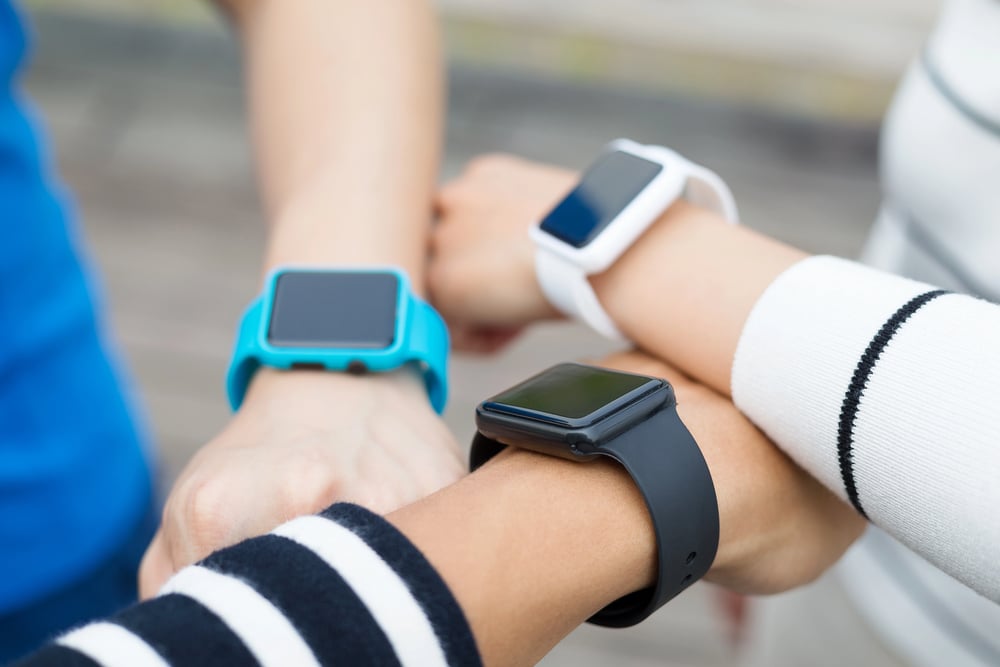
The CIA’s Office of Technical Services developed numerous timepieces that contained hidden cameras, microphones, and even poison delivery systems. One notable example was a watch that could photograph documents when the wearer pretended to check the time — the camera lens was concealed behind what appeared to be a normal watch crystal.
Soviet agents also used watches equipped with tiny microphones that could record conversations, with the recording mechanism hidden in the watch’s unusually thick case.
Umbrellas

Perhaps the most famous umbrella spy tool was the Bulgarian umbrella used to assassinate Georgi Markov in London in 1978. The umbrella’s tip contained a mechanism that could inject a ricin-filled pellet into a target with just a slight poke — making it appear like an accidental bump on a crowded street.
The KGB also developed umbrellas with hidden cameras and recording devices, taking advantage of the fact that people often carried them in unpredictable weather.
Reading Glasses
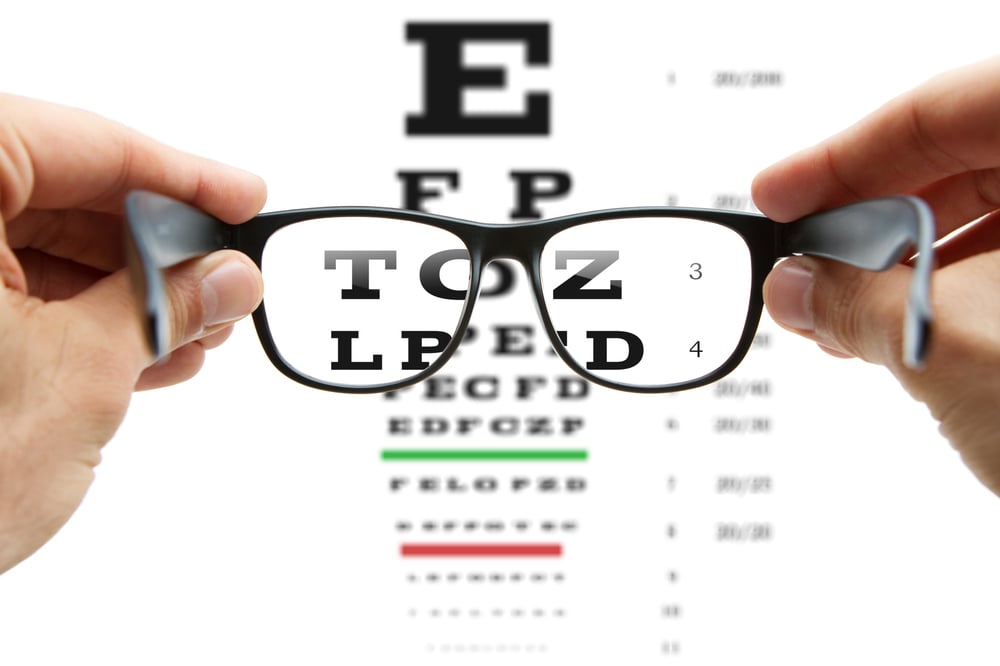
Intelligence agencies discovered that eyeglasses provided the perfect cover for surveillance equipment because they were positioned right at eye level. The CIA created glasses with tiny cameras built into the frames that could photograph whatever the wearer was looking at — activated by pressing a hidden button disguised as a nose pad adjustment.
These devices were particularly valuable for agents who needed to photograph documents or gather intelligence while maintaining normal conversation.
Fountain Pens

The classic fountain pen became a favorite hiding spot for various spy gadgets because it was something professionals carried everywhere without question. Some pens contained miniature cameras that could photograph documents when the pen was held over them — the user would pretend to write while actually taking pictures.
Other versions concealed listening devices, radio transmitters, or even small amounts of poison for emergency situations.
Shoes

Footwear offered unique advantages for concealing surveillance equipment because it was always present and rarely examined closely by others. The CIA developed shoes with hidden compartments in the heels that could store microfilm, money, or small communication devices — accessible through a secret panel that looked like normal wear on the sole.
Soviet agents used shoes with built-in transmitters that could send signals to handlers while the agent walked normally through target areas.
Lipstick Cases
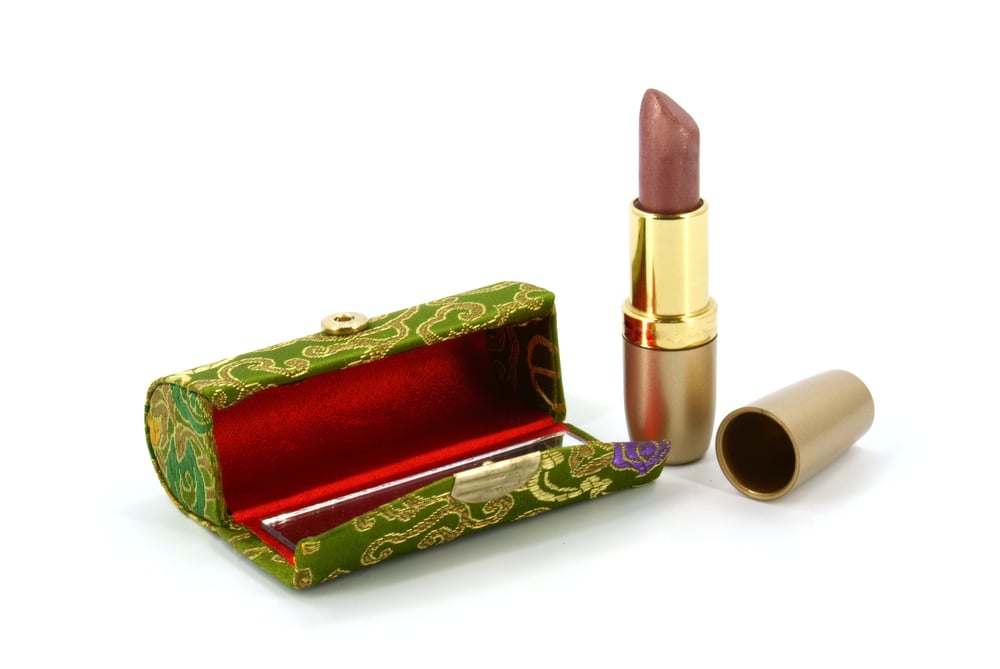
Women’s makeup containers proved ideal for spy equipment because they were personal items that others wouldn’t think to examine. The KGB created lipstick cases that contained single-shot firearms — small enough to be concealed in a purse but deadly at close range.
Other versions held cameras, listening devices, or communication equipment, all disguised within what appeared to be ordinary cosmetic products that wouldn’t seem out of place in any woman’s belongings.
Coffee Cups

Every day drinking vessels became sophisticated surveillance tools when equipped with hidden recording devices and transmitters. Intelligence agencies developed coffee cups with microphones built into the bottom that could record conversations at nearby tables — perfect for café meetings where sensitive information might be discussed.
The recording equipment was waterproof and designed to function even when the cup contained hot liquid, making the disguise completely convincing.
Briefcases

Professional briefcases offered ample space for concealing complex surveillance equipment while maintaining the appearance of normal business accessories. The CIA created briefcases with hidden cameras that could photograph documents placed on top of them — the lens was concealed beneath what appeared to be a standard leather surface.
Other versions contained radio equipment, recording devices, or even small printing presses for creating false documents on the spot.
Newspapers

Daily newspapers became perfect props for surveillance operations because reading them in public was completely normal behavior. Intelligence agencies developed newspapers with hidden cameras that could photograph targets when the agent pretended to read — the lens was concealed behind a small opening that looked like normal printing wear.
These devices were particularly useful for surveillance in parks, train stations, and other public areas where loitering might otherwise seem suspicious.
Coat Buttons

Clothing buttons provided excellent hiding spots for miniature surveillance equipment because they were so numerous and ordinary that no one would think to examine them closely. The KGB developed coat buttons that contained tiny cameras capable of taking photographs when the agent pressed them in a specific sequence — the images were stored on microfilm that could be developed later.
Other button cameras were designed to look like standard military or civilian dress buttons, making them virtually undetectable.
Pocket Calculators

As electronic calculators became common in the 1970s, intelligence agencies quickly recognized their potential as covers for surveillance equipment. The CIA created calculators that functioned normally but also contained hidden cameras, recording devices, and radio transmitters — all powered by the same battery that ran the mathematical functions.
These devices were particularly useful for agents working in offices or technical environments where calculators were expected equipment.
Hidden in Plain Sight

The genius of these spy tools lay not in their technological sophistication but in their psychological invisibility — they succeeded because they exploited people’s tendency to overlook the familiar and mundane. Intelligence agencies understood that the most effective surveillance equipment wasn’t necessarily the most advanced, but rather the kind that could operate undetected in everyday situations.
These innovations remind us that during the height of the Cold War, the line between ordinary objects and sophisticated espionage equipment was often thinner than anyone realized, and the most dangerous secrets were sometimes hidden in the most innocent-looking places.
More from Go2Tutors!

- The Romanov Crown Jewels and Their Tragic Fate
- 13 Historical Mysteries That Science Still Can’t Solve
- Famous Hoaxes That Fooled the World for Years
- 15 Child Stars with Tragic Adult Lives
- 16 Famous Jewelry Pieces in History
Like Go2Tutors’s content? Follow us on MSN.