12 Places on Earth With Extended Darkness
Earth’s rotation creates predictable day-night cycles for most inhabited regions. Yet scattered across our planet’s polar extremes are places where darkness doesn’t just fall – it settles in for weeks or months at a stretch.
These extended dark periods have shaped everything from architectural choices to social calendars, creating communities uniquely adapted to life when the sun takes its longest breaks. Here’s a look at 15 locations where darkness lingers far beyond what most of us consider normal.
Tromsø, Norway

Sitting above the Arctic Circle, Tromsø disappears into polar night from November to January. The sun doesn’t even peek above the horizon for nearly two months – though a deep blue twilight briefly illuminates midday skies.
Locals don’t just survive this darkness; they’ve embraced it through kaleidoscopic building facades. Streets awash in carefully designed lighting schemes, and winter festivals that transform dark days into community celebrations.
Barrow, Alaska
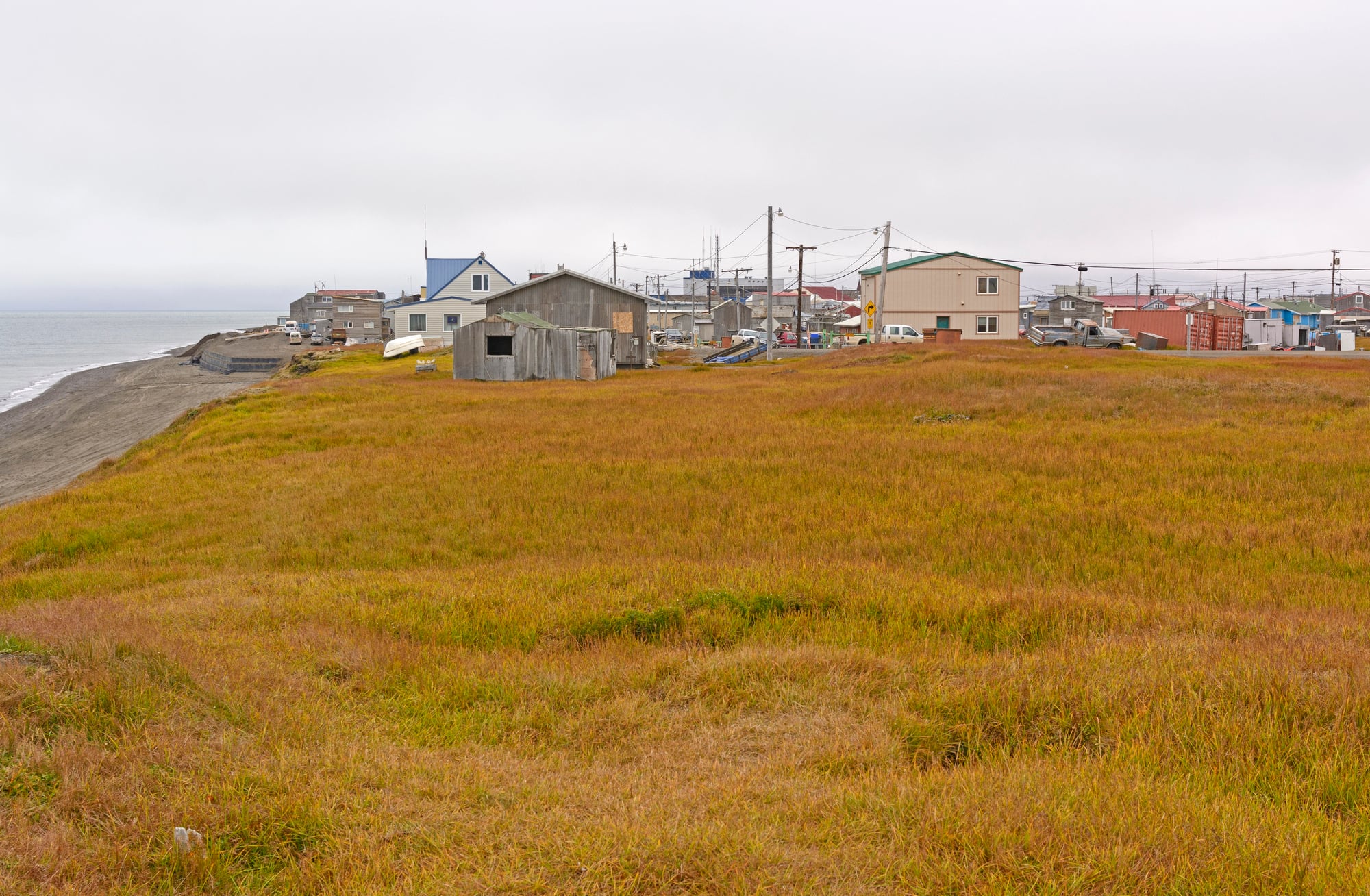
Officially renamed Utqiagvik yet still commonly called Barrow, America’s northernmost town goes dark for a solid stretch each winter. The sun sets in mid-November and won’t be seen again till late January – creating what locals call the “permanent midnight.”
Generations of Iñupiat people have developed intricate social structures centered around this sunless season. Community gatherings and traditional knowledge helping residents thrive despite conditions that would challenge most outsiders.
Svalbard, Norway
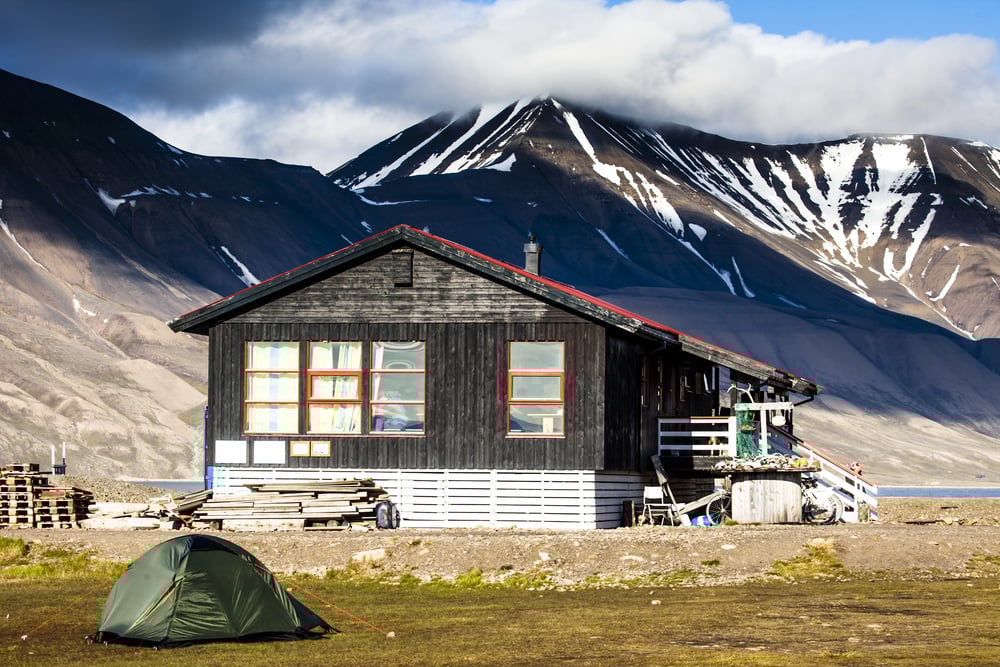
This isolated archipelago halfway between Norway and the North Pole endures one of Earth’s most dramatic dark periods – a multi-month stretch without sunrise. From mid-November through February, Svalbard’s hardy residents navigate life by moonlight, stars, and the ethereal glow of aurora displays.
The community doesn’t hibernate, though. Universities remain in session, coal mines operate around the clock, and a surprisingly rich calendar of concerts and events keeps social connections strong despite the perpetual night.
Murmansk, Russia
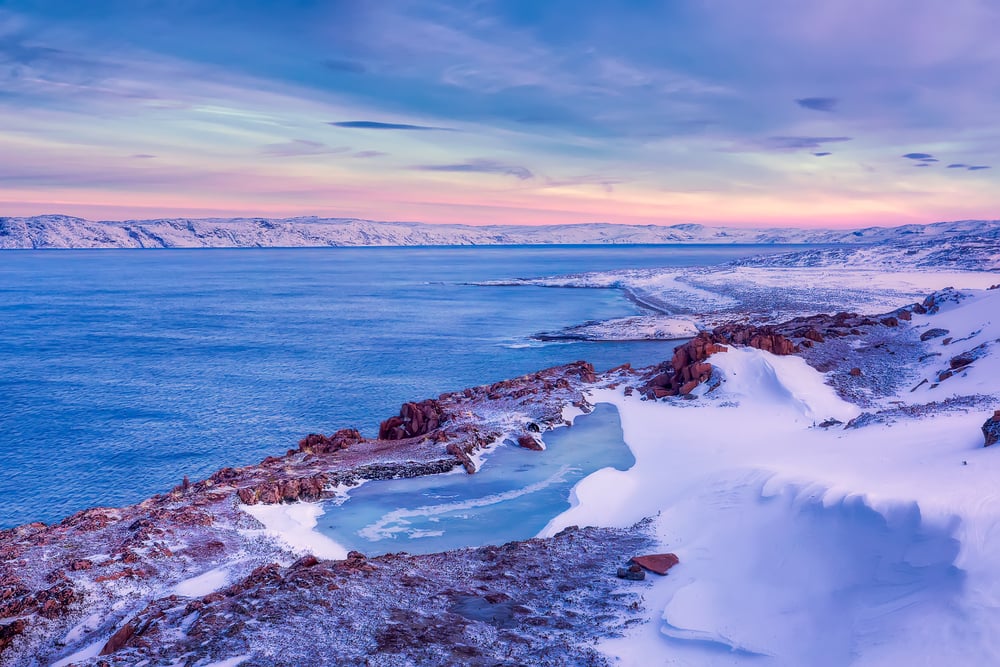
As the largest city north of the Arctic Circle – with nearly hundreds of thousands of residents – Murmansk offers a unique glimpse at urban life during polar night. The sun vanishes completely from early December through mid-January, though civil twilight provides a few hours of blue-hued glow around noon.
Unlike smaller Arctic settlements, this industrial port city buzzes with normal urban activity despite the darkness. Restaurants, theaters, and nightlife perhaps more vibrant than ever during winter’s peak.
Reykjavík, Iceland
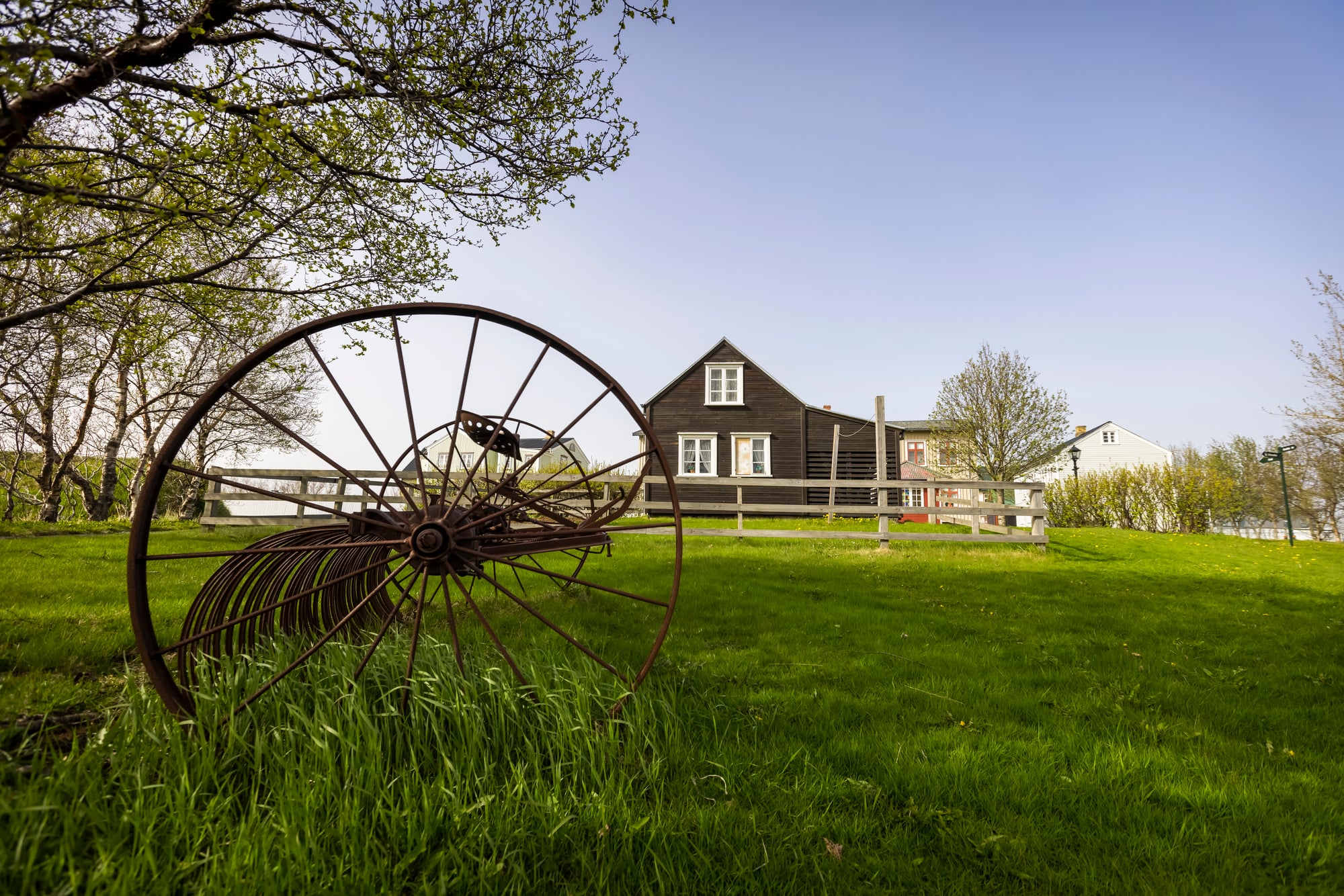
While Iceland’s capital doesn’t experience complete polar night, winter daylight here becomes both precious and strange. From November through January, the sun makes a brief, low arc across the southern horizon – rising around late morning and setting by mid-afternoon.
Twilight periods stretch unusually long, creating what photographers call “the golden hour” that lasts all day. Icelanders have perfected winter living through the strategic use of candlelight, cozy indoor gatherings, and residential design that maximizes exposure to what little sunlight appears.
Kiruna, Sweden
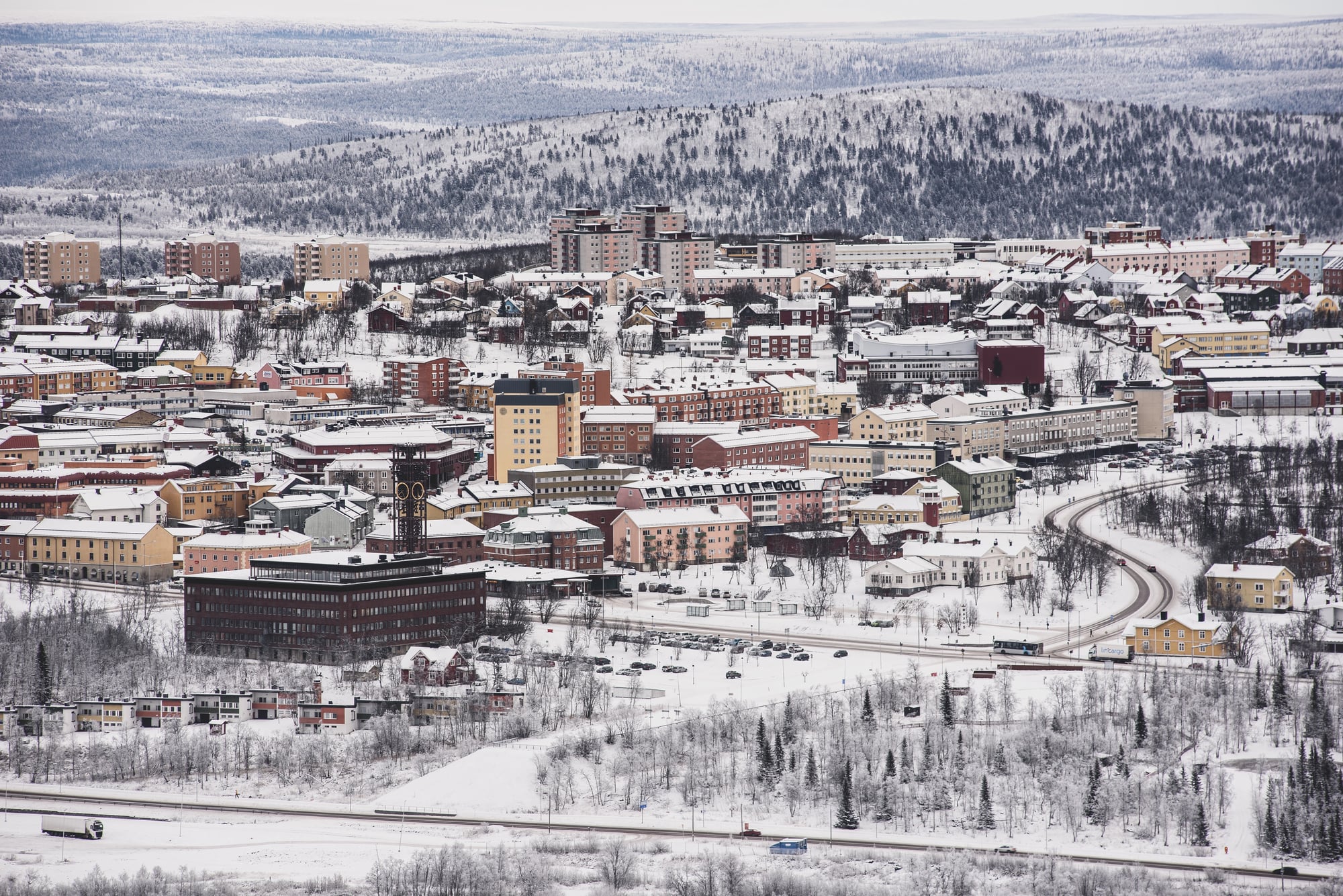
Sweden’s northernmost city endures about a month without sunrise each winter. The mining community’s connection to darkness runs deeper than most – the city’s economic backbone is an iron ore mine operating nearly a kilometer underground.
Kiruna has turned its dark season into a tourist attraction, with the nearby Ice Hotel drawing visitors specifically for the dark period. The town also serves as a launchpad for northern lights expeditions, transforming darkness from a limitation into an asset.
Dikson, Russia

This remote Russian port town on the Kara Sea endures polar night annually. Once a bustling Soviet settlement with several thousand inhabitants, today’s smaller population faces darkness in what’s considered one of Earth’s most isolated inhabited locations.
The combination of darkness, extreme cold, and geographic isolation creates challenging conditions that few communities face. Temperatures regularly drop below freezing during the dark period, while howling Arctic winds create near-constant blizzard conditions.
Longyearbyen, Svalbard
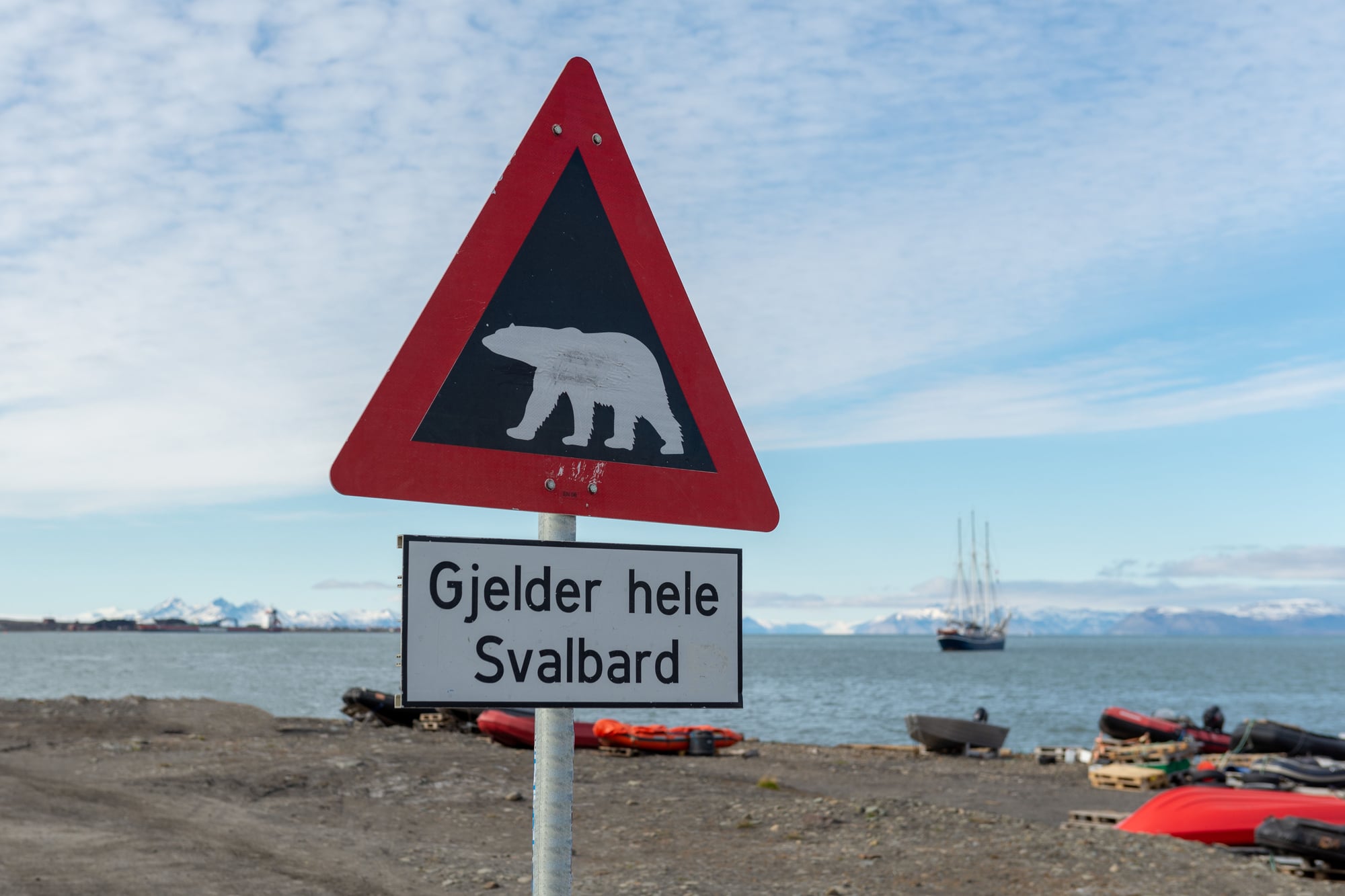
The administrative hub of Svalbard and the world’s northernmost proper town experiences complete darkness from mid-November until late January. This former mining settlement has developed unique cultural adaptations including mandatory firearm training – not because of human threats but because polar bears become nearly impossible to detect during the dark months.
The town calendar revolves around darkness, with special celebrations marking the sun’s departure and return. The “return of the sun” festival is held each March.
Northwest Territories, Canada

Communities across Canada’s far north, including regional capital Yellowknife and more remote settlements like Inuvik, face dramatically shortened daylight throughout winter. Indigenous communities in these regions have developed sophisticated cultural practices tied to the dark season.
Traditional knowledge passed through generations guides everything from hunting techniques to psychological wellness during extended darkness. Modern adaptations include light therapy clinics in community centers and specialized architectural designs maximizing exposure to limited daylight.
Nuuk, Greenland
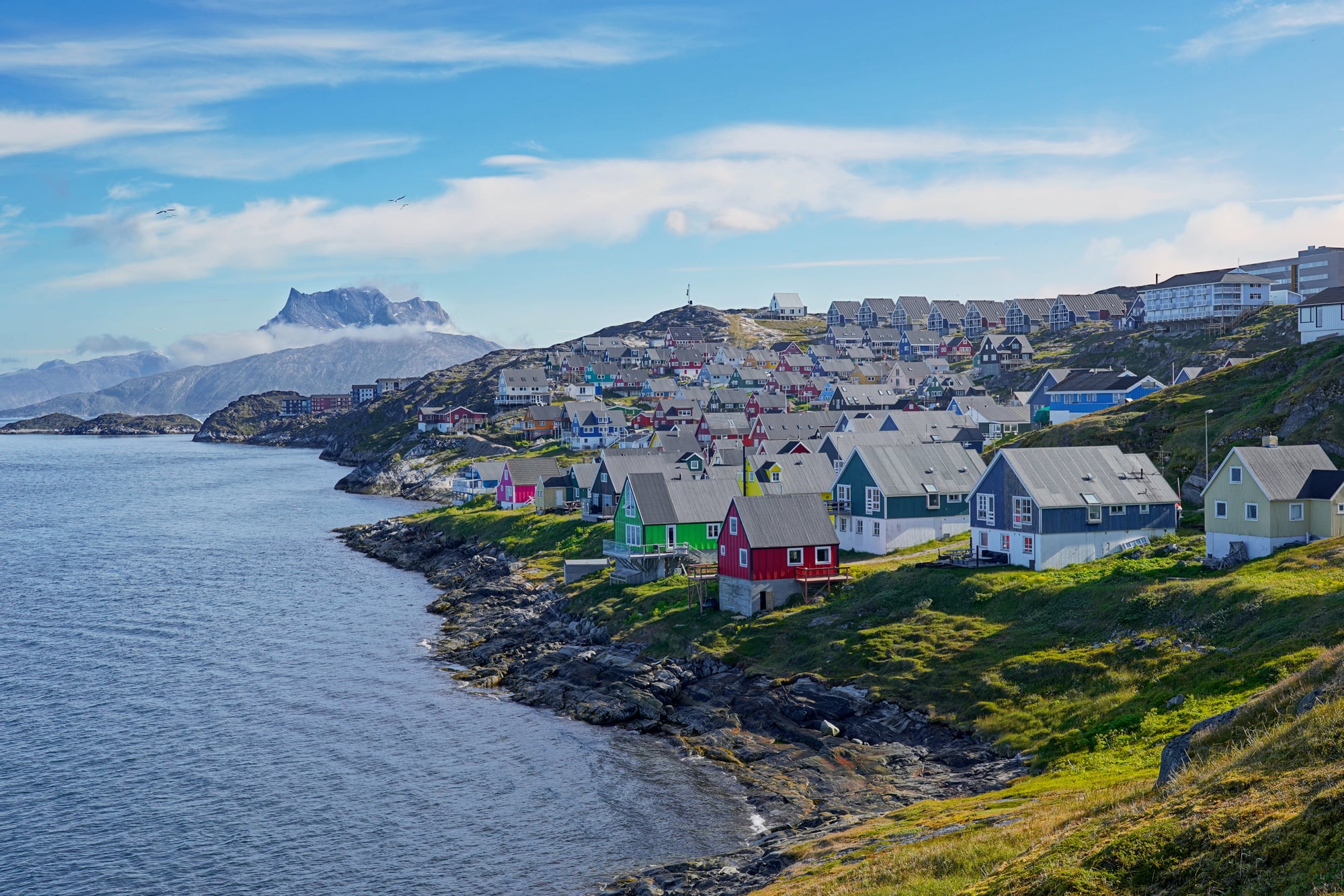
Greenland’s capital receives just a few hours of indirect daylight during winter days. The sun barely clears the horizon, creating an extended twilight period that bathes the city’s distinctive colorful houses in supernatural blue light.
Residents maintain surprisingly active lifestyles despite minimal daylight, with winter activities continuing regardless of light conditions. Fishermen head out in pre-dawn darkness, schools operate normal hours, and outdoor recreation adapts to the conditions rather than shutting down entirely.
Northern Siberia
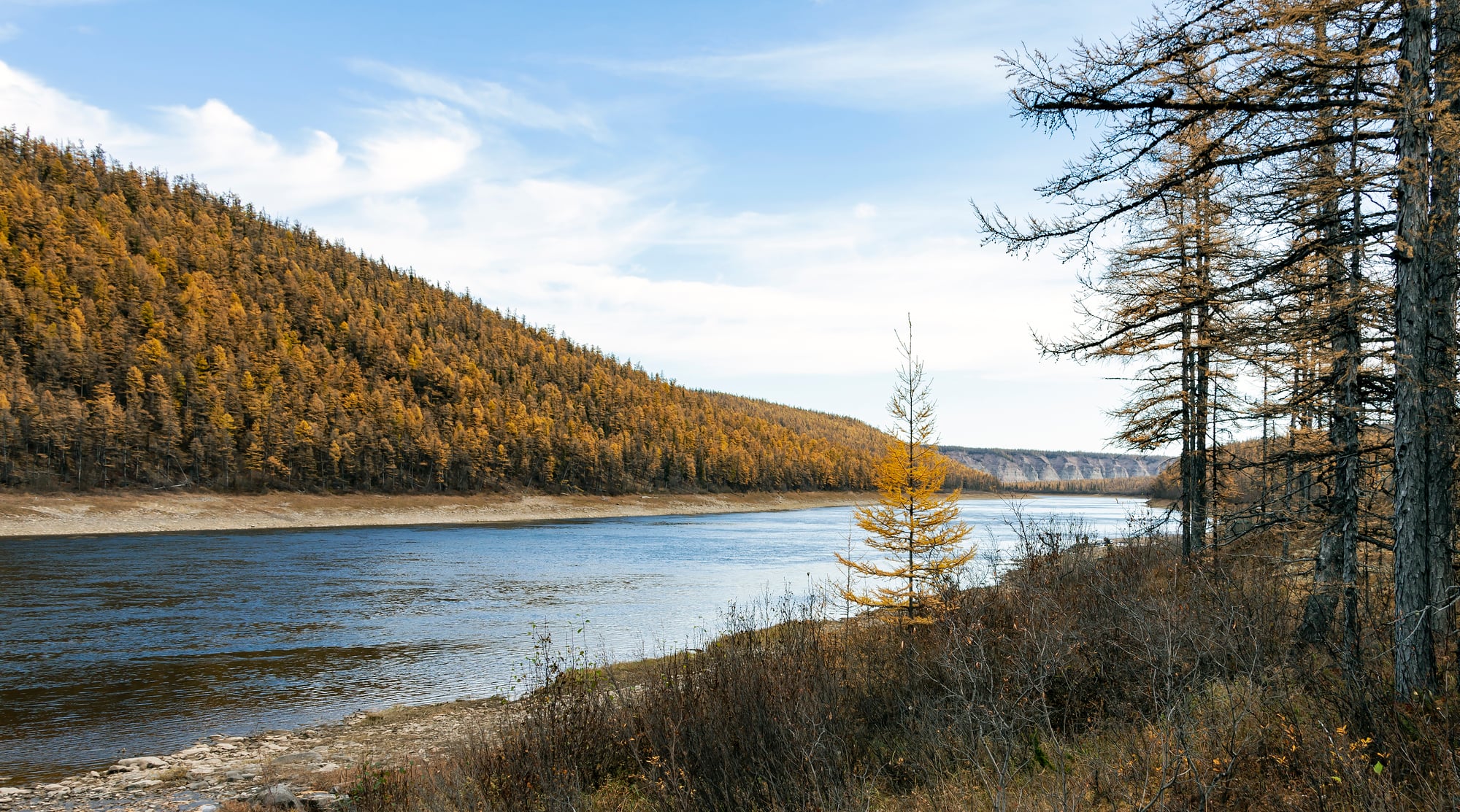
Vast stretches of northern Russia experience extended darkness, with industrial cities like Norilsk facing weeks without sunlight. This nickel-mining center of thousands of people operates continuously despite darkness, with production never slowing despite the harsh conditions.
Workers often complete entire seasonal shifts without seeing daylight, using headlamps and industrial lighting to navigate the city’s extremes. The combination of industrial pollution, darkness, and record-breaking cold creates living conditions that test human adaptability to its limits.
The Enduring Human Spirit
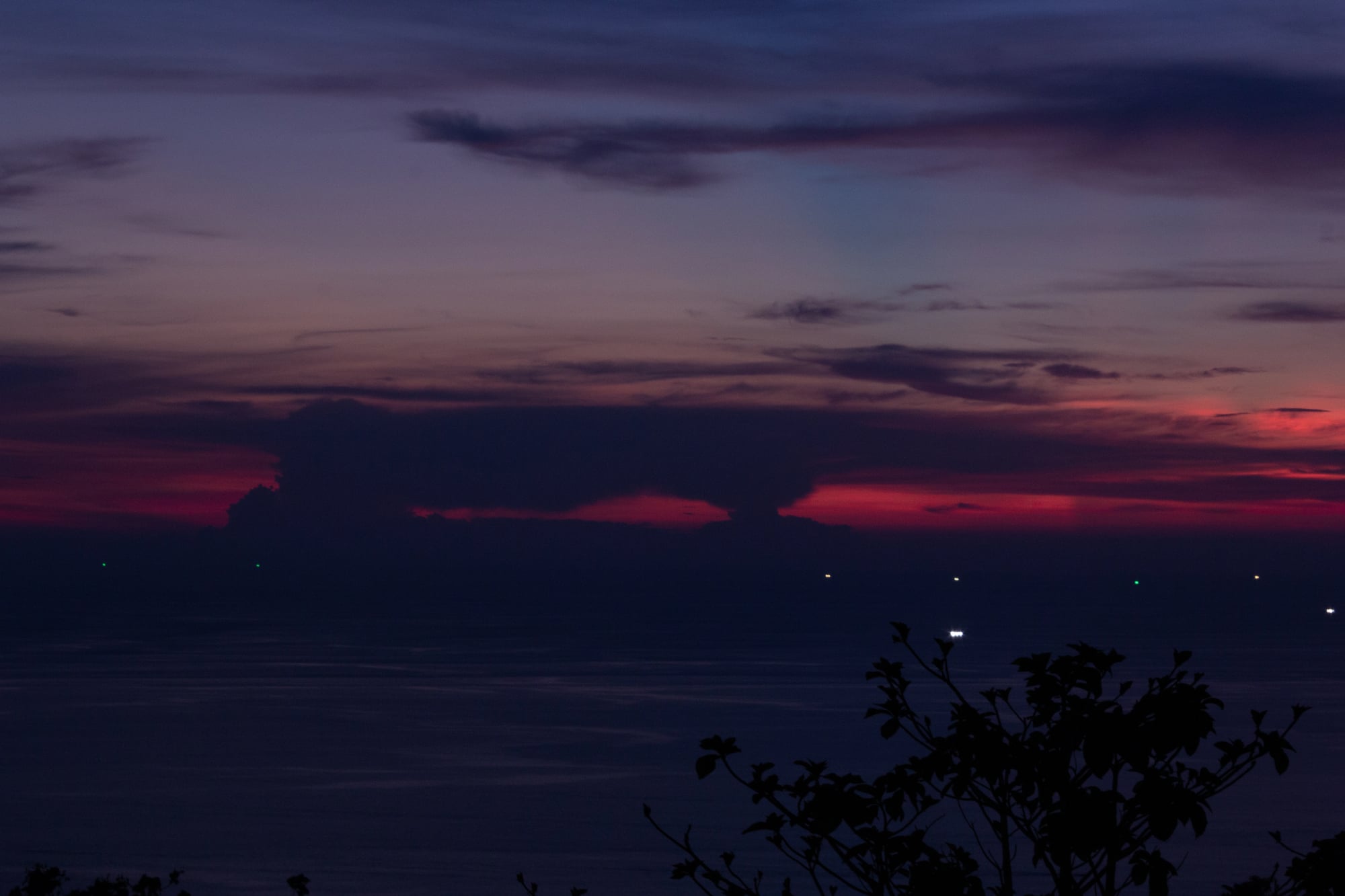
These remarkable places demonstrate the astonishing adaptability of human societies. Where most would expect only hardship, communities have crafted meaningful existences within extreme darkness.
They’ve developed specialized knowledge about living well when light becomes scarce – insights increasingly relevant as modern populations struggle with artificial light cycles and disconnection from natural rhythms. Perhaps most inspiring isn’t just survival in darkness, but how these communities have transformed limitation into opportunity, finding beauty in auroras, stars, and the profound quiet that accompanies Earth’s longest nights.
More from Go2Tutors!

- The Romanov Crown Jewels and Their Tragic Fate
- 13 Historical Mysteries That Science Still Can’t Solve
- Famous Hoaxes That Fooled the World for Years
- 15 Child Stars with Tragic Adult Lives
- 16 Famous Jewelry Pieces in History
Like Go2Tutors’s content? Follow us on MSN.



