Forgotten 80s Slang We Should Bring Back
The 1980s gave us big hair, neon everything, and some of the most creative slang in history. People threw around phrases that made perfect sense at the time but sound totally bizarre today.
Some of these expressions deserve a second chance because modern language could use a little more personality. Here are the words and phrases from the 80s that need to make a comeback.
Rad

This short version of ‘radical’ packed so much enthusiasm into three letters. Everything cool was rad, from new sneakers to a friend’s skateboard trick.
The word had energy that ‘cool’ just doesn’t capture anymore. It felt bigger and bolder, like the person saying it was genuinely excited.
Gnarly

Surfers started using gnarly to describe dangerous waves, but by the 80s, everyone used it for anything intense or awesome. A gnarly math test could be brutally hard, while a gnarly concert was incredibly good.
The word worked both ways depending on how you said it. It had this rough texture that matched whatever crazy thing you were talking about.
Tubular

Another surf term that broke into mainstream vocabulary, tubular described something as excellent or cool. The image of riding inside a wave’s tube gave the word this visual punch that stuck in your head.
Saying something was tubular felt way more creative than just calling it good. The Teenage Mutant Ninja Turtles kept this one alive into the early 90s before it eventually faded.
Bogus
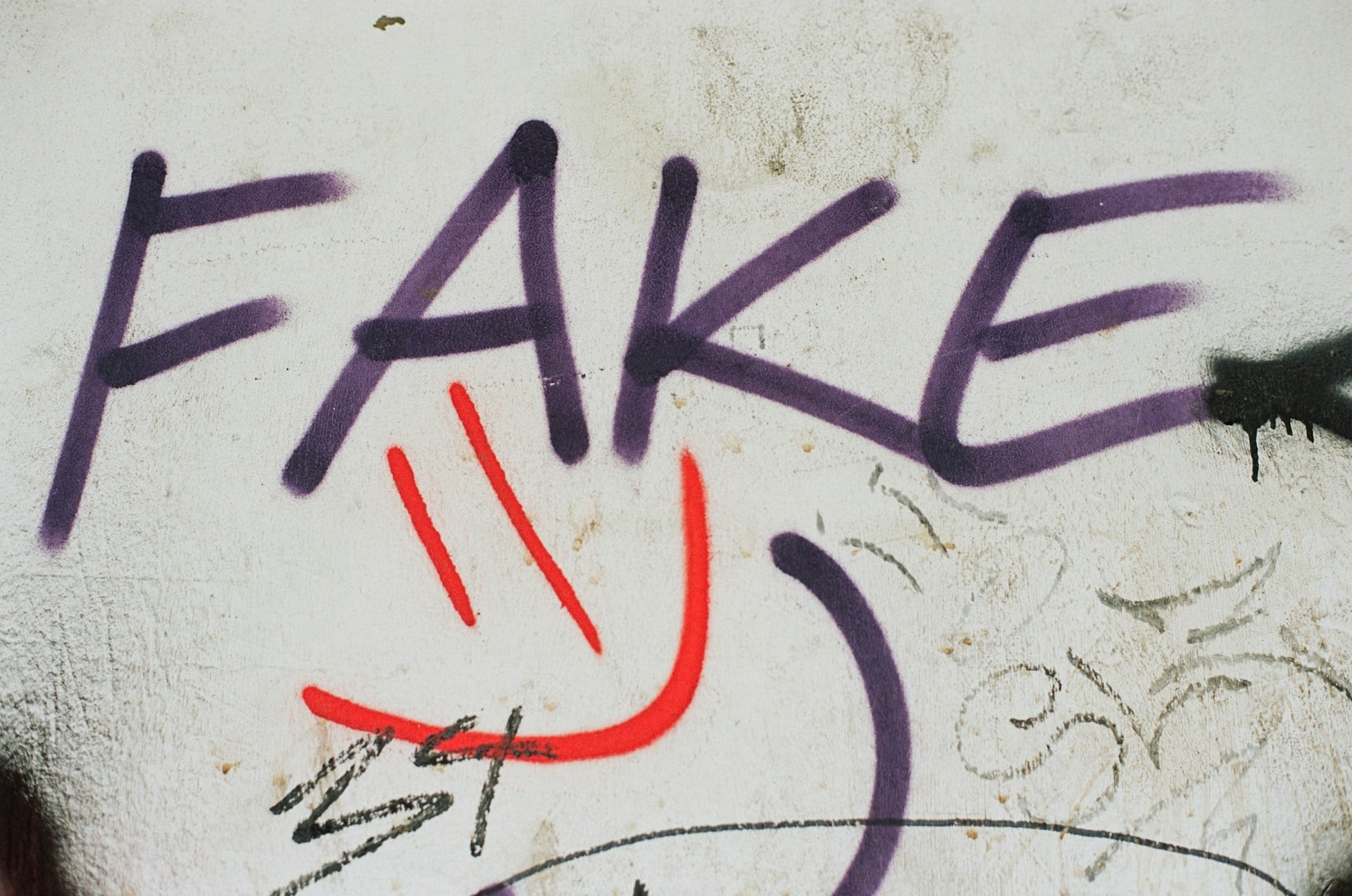
When something was fake, unfair, or just plain wrong, it was bogus. The word carried disappointment without being mean about it.
Teachers giving pop quizzes were bogus, and so were friends who canceled plans at the last minute. Bill and Ted’s Excellent Adventure cemented this term in pop culture history with their time-traveling adventures.
Gag me with a spoon
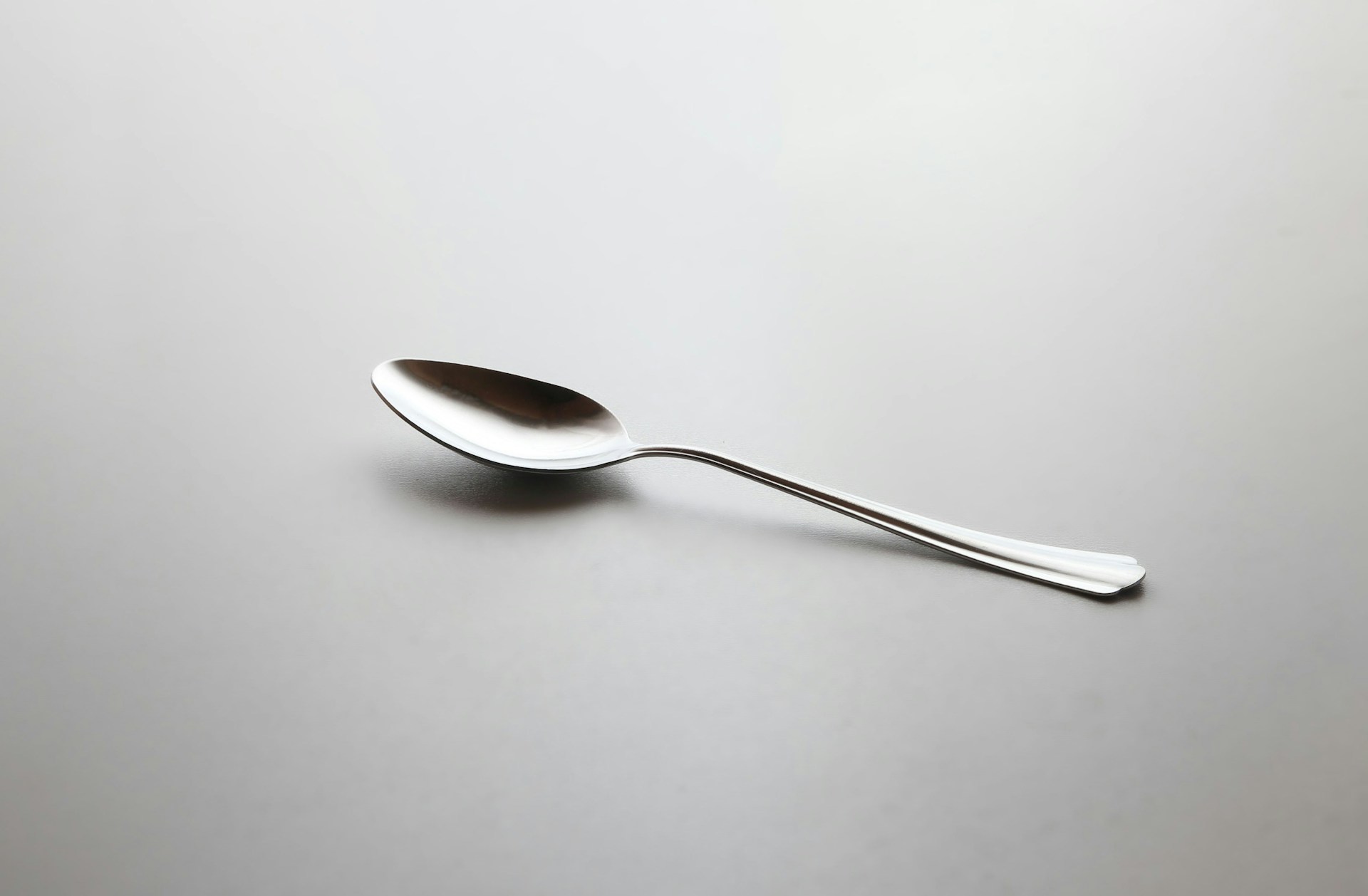
Valley Girls made this phrase famous for expressing disgust or disbelief. It sounds ridiculous now, which is exactly why it worked so well back then.
The exaggeration was the whole point, turning mild annoyance into dramatic comedy that made everyone laugh. Someone bragging too much or a particularly cheesy romantic moment could trigger this response.
Grody

Short for grotesque, grody describes anything gross or unpleasant. Cafeteria food, dirty gym socks, or the bathroom at a gas station were all grody.
The word even sounded kind of gross when you said it out loud, which was perfect. Adding ‘to the max’ at the end cranked up the disgust level even higher.
Bodacious
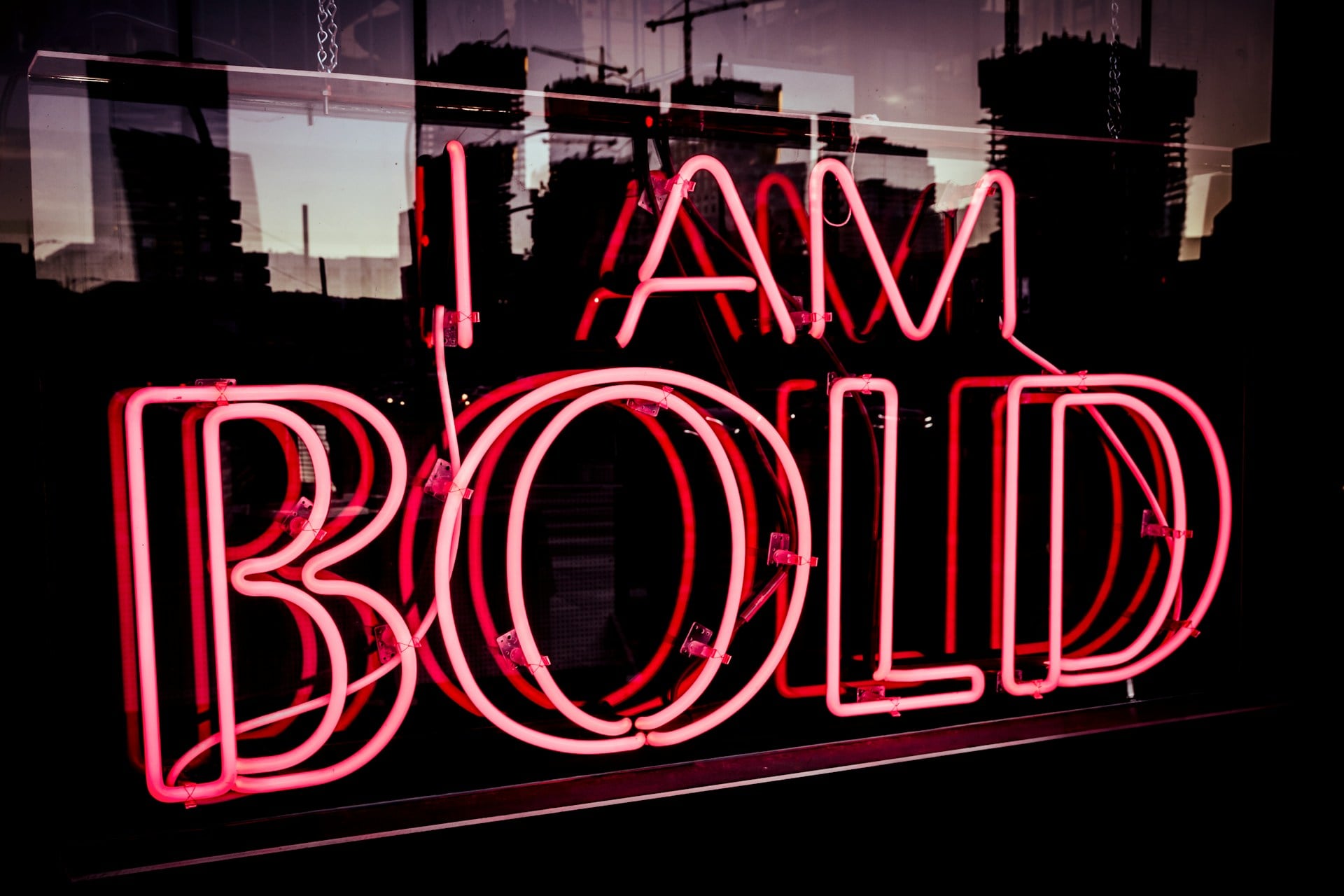
This combination of bold and audacious created something way bigger than either word alone. Outstanding, impressive, and excellent all rolled into one satisfying package.
A bodacious guitar solo or a bodacious burger conveyed serious appreciation for something special. The word demanded attention just like the things it described, with all those syllables bouncing around.
Totally

Sure, people still use it totally, but not with the same commitment the 80s brought to it. Valley Girls stretched it into three or four syllables and used it to agree with absolutely everything their friends said.
Totally was enthusiasm, confirmation, and emphasis all smashed together in one word. Like, totally became its own complete sentence that didn’t need any other words to make sense.
Righteous

It’s a clever trick that something righteous was both morally upright and really cool. A good man was someone you could genuinely confide in with your secrets.
Righteous parties, righteous waves, and righteous music all expressed strong approval without requiring an explanation. The word made a seamless and effortless connection between being awesome and being a good person.
Psych

Yelling ‘psych!’ after tricking someone was the ultimate 80s gotcha moment that left people groaning. The word came from ‘psyched out,’ meaning you fooled somebody into believing something ridiculous.
Kids used it constantly to take back statements or pranks, especially when they convinced someone to do something embarrassing. The key was getting someone to believe your story before dropping the psych bomb and watching their face change.
Take a chill pill

This phrase told someone to calm down and relax without starting a fight about it. Friends used it when someone was overreacting about something small or stressing too much over nothing.
The pill reference made it funny rather than preachy, like you were prescribing medicine for their bad mood. It acknowledged that the person was worked up while offering a solution wrapped in humor.
Talk to the hand

The 90s claimed this one, but it started in the late 80s as the ultimate conversation ender. Holding up a hand and dismissing someone with this phrase shut down arguments faster than anything else.
Talk to the hand because the face ain’t listening was the complete version, though most people shortened it. Rude as it definitely was, the gesture and words together created a memorable way to walk away from drama.
What’s your damage

Heathers made this phrase iconic for asking what someone’s problem was in the snarkiest way possible. It implied the person had some serious issues worth examining, maybe even therapy-level stuff.
Friends used it jokingly when someone was acting strange or extra moody for no apparent reason. The question suggested psychological analysis without getting too deep or serious about anyone’s actual feelings.
Veg out

Doing nothing productive and just relaxing was vegging out, like a vegetable sitting there doing vegetable things. People vegged out in front of the TV after school or on lazy Sunday afternoons when homework could wait.
The phrase captured that satisfying feeling of turning your brain completely off and just existing for a while. It sounded way more fun than saying ‘doing nothing’ or ‘being lazy,’ which both had negative vibes attached.
Stellar

Borrowing from astronomy, stellar meant something was outstanding or exceptional in every way. A stellar performance or stellar idea went way beyond just being good or even great.
The word reached for the stars both literally and in terms of praise. It felt a bit more sophisticated than awesome but still casual enough for everyday conversations with friends.
Choice
When something was chosen, it was top-notch or premium quality, the best you could get. The word implied selection and exclusivity, like you picked the absolute best option from everything available.
A choice parking spot or choice slice of pizza meant you scored something other people wanted too. It worked as both an adjective and an exclamation of approval depending on the situation.
Eat my shorts

Bart Simpson made this phrase explode everywhere, though people were actually saying it before the show even started. It was a dismissive insult that wasn’t quite cursing but definitely wasn’t something you’d say to your grandmother.
The absurdity made it funny rather than genuinely offensive or mean-spirited. Telling someone to eat your shorts ended arguments with humor instead of escalating into real anger.
Words that refuse to die

Language changes whether we like it or not, but sometimes it leaves behind expressions that were actually better than what replaced them. The 80s had real confidence in its slang that made every phrase feel intentional and fun to say out loud.
More from Go2Tutors!

- The Romanov Crown Jewels and Their Tragic Fate
- 13 Historical Mysteries That Science Still Can’t Solve
- Famous Hoaxes That Fooled the World for Years
- 15 Child Stars with Tragic Adult Lives
- 16 Famous Jewelry Pieces in History
Like Go2Tutors’s content? Follow us on MSN.