12 Presidential Elections Where Scandals Played a Major Role
American presidential campaigns have always been messy affairs, though some elections stand out for their particularly explosive controversies. Financial improprieties, personal indiscretions, and outright corruption have shaped not just individual races but the entire trajectory of American politics.
Here is a list of 12 presidential elections where scandals took center stage and influenced the outcome in dramatic ways.
The Credit Mobilier Affair (1872)
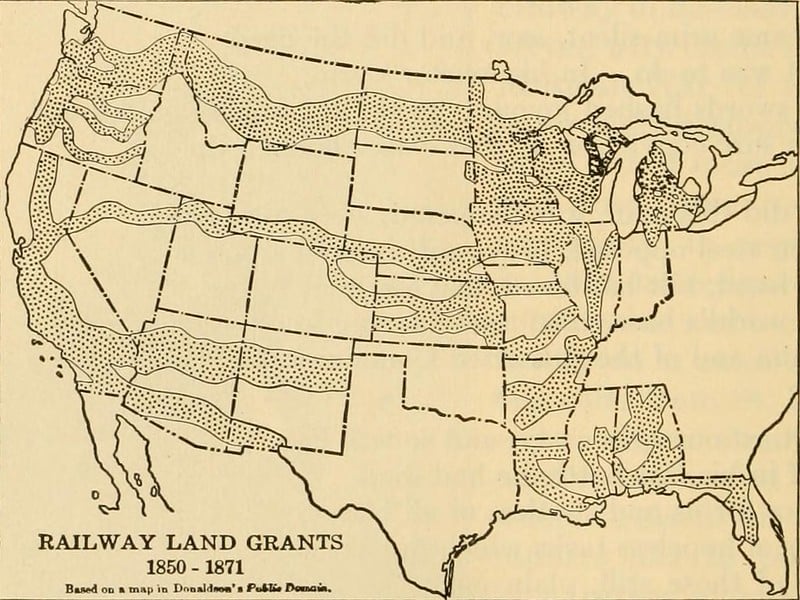
The 1872 election saw Ulysses S. Grant’s administration drowning in the Credit Mobilier scandal — a construction company had overcharged the government for railroad work while distributing shares to congressmen to avoid investigation. Grant himself wasn’t directly implicated, yet the corruption stench around his presidency made him vulnerable. His opponent, Horace Greeley, tried to capitalize on the scandal but died shortly after the election, leaving Grant to win by default despite the controversy swirling around his administration.
The Mulligan Letters (1884)

James G. Blaine’s presidential hopes nearly crumbled when the Mulligan Letters surfaced, revealing his questionable financial dealings with railroad companies while serving as Speaker of the House. The letters contained damaging phrases like ‘burn this letter’ — making Blaine look guilty of corruption. Grover Cleveland managed to overcome his own scandal involving an illegitimate child partly because voters saw Blaine’s corruption as worse than Cleveland’s personal moral failings.
The Teapot Dome Scandal (1924)

Warren G. Harding’s death in 1923 meant he never faced voters over the Teapot Dome scandal, though the corruption cast a long shadow over the 1924 election. Secretary of the Interior Albert Fall had secretly leased government oil reserves to private companies in exchange for bribes — a clear violation of public trust. Calvin Coolidge, who inherited the presidency, managed to distance himself from the scandal enough to win election in his own right, despite the affair damaging Republican credibility for years.
The Hiss Case (1952)
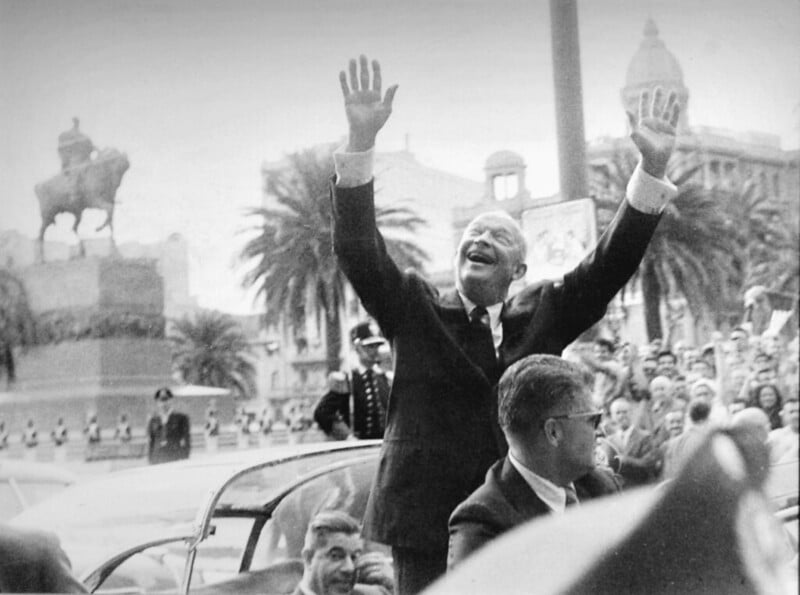
Alger Hiss’s conviction for perjury in 1950 became a major issue in the 1952 election — Republicans used it to paint Democrats as soft on communism. Richard Nixon had made his name pursuing Hiss, while Democrats struggled to defend their record on communist infiltration. The scandal helped Dwight Eisenhower defeat Adlai Stevenson by reinforcing fears about Democratic national security policies during the height of the Cold War.
The Checkers Speech (1952)

Nixon nearly got dropped from Eisenhower’s ticket when reports emerged about a secret fund from California businessmen supporting his political activities. The future president saved his candidacy with his famous ‘Checkers’ speech — where he admitted to keeping only one gift, a cocker spaniel named Checkers that his daughters loved. The emotional television appeal worked, allowing Nixon to stay on the ticket and help Eisenhower win the presidency.
The Bay of Pigs Invasion (1960)

The failed CIA-backed invasion of Cuba in April 1961 technically happened after the 1960 election, yet the planning occurred during the campaign and influenced the Kennedy-Nixon debates. Kennedy had been secretly briefed on the operation but couldn’t discuss it publicly — while Nixon couldn’t defend the plan without revealing classified information. The awkward dynamic helped Kennedy appear more knowledgeable on foreign policy, contributing to his narrow victory.
Watergate (1972)
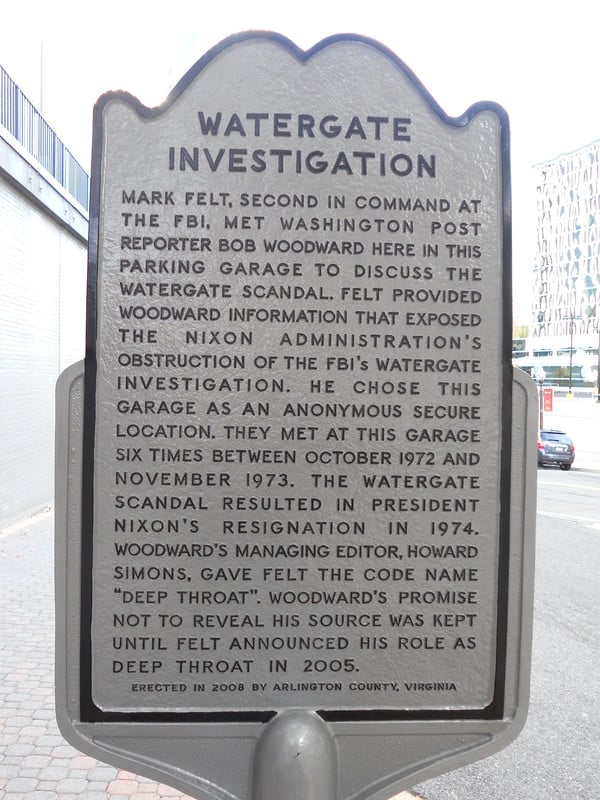
The break-in at the Democratic National Committee headquarters in June 1972 initially seemed like a minor burglary. It would eventually destroy Nixon’s presidency, though during the 1972 campaign, Nixon’s team successfully portrayed it as a ‘third-rate burglary’ with no connection to the White House. George McGovern couldn’t make the scandal stick during the election — Nixon won in a landslide, though the investigation that followed would force his resignation two years later.
The Iran Hostage Crisis (1980)

Jimmy Carter’s presidency became defined by the 444-day hostage crisis in Iran, which began in November 1979 and dragged through the entire 1980 campaign. The nightly news coverage of American captives made Carter look weak and ineffective on the world stage — a devastating image for an incumbent president. Ronald Reagan capitalized on the crisis, asking voters if they were better off than four years ago, while rumors swirled about possible deals to delay the hostages’ release until after the election.
Iran-Contra (1988)

The Iran-Contra scandal dominated headlines during the 1988 campaign — the Reagan administration had secretly sold weapons to Iran and used the proceeds to fund Nicaraguan rebels. George H.W. Bush, as Reagan’s vice president, had to defend his role in the affair while claiming limited knowledge of the operations. Despite the controversy, Bush managed to win the election, though questions about his involvement in the scandal continued to dog him throughout his presidency.
The Lewinsky Scandal (1998)

Bill Clinton’s affair with White House intern Monica Lewinsky exploded into public view just as the 1998 midterm elections approached. Republicans expected to gain seats by running against Clinton’s moral failings and his impeachment proceedings — a strategy that seemed politically sound. However, the strategy backfired as voters punished Republicans for what they saw as overreach, with Democrats actually gaining seats in the House, a rare occurrence for the president’s party in midterm elections.
The Bush v. Gore Recount (2000)
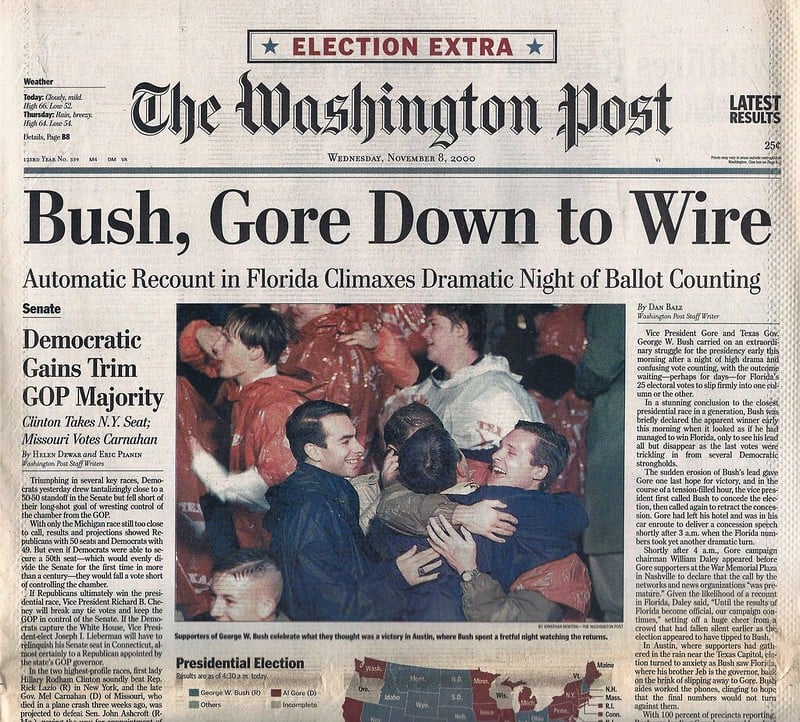
The 2000 election became a constitutional crisis when the results in Florida were too close to call, triggering a recount that lasted 36 days. Accusations flew about voter suppression, ballot irregularities, and partisan interference by Florida officials including Governor Jeb Bush, George W. Bush’s brother. The Supreme Court’s decision to stop the recount in Bush v. Gore remained controversial. Many Democrats viewed Bush’s presidency as illegitimate and the election as stolen.
The Access Hollywood Tape (2016)

Donald Trump’s vulgar comments about women, recorded in 2005 and released in October 2016, created the biggest scandal of that election cycle. The tape seemed to doom Trump’s chances, with many Republicans calling for him to withdraw from the race. Trump’s campaign managed to survive the controversy by shifting focus to Hillary Clinton’s email server and other issues, ultimately winning the election despite the damaging recording.
When Politics Gets Personal
These scandals remind us that American voters have always had to weigh personal character against political positions when choosing their leaders. Some candidates survived massive controversies while others were destroyed by relatively minor infractions, often depending on timing and how well they managed the crisis. The common thread running through all these elections is that scandal doesn’t automatically doom a candidate. It’s how they respond to it that often determines their fate. In the end, these controversial elections shaped not just who won the White House, but how Americans think about presidential character and the standards they expect from their leaders.
More from Go2Tutors!

- 16 Historical Figures Who Were Nothing Like You Think
- 12 Things Sold in the 80s That Are Now Illegal
- 15 VHS Tapes That Could Be Worth Thousands
- 17 Historical “What Ifs” That Would Have Changed Everything
- 18 TV Shows That Vanished Without a Finale
Like Go2Tutors’s content? Follow us on MSN.