18 Eiffel Tower surprises you never heard

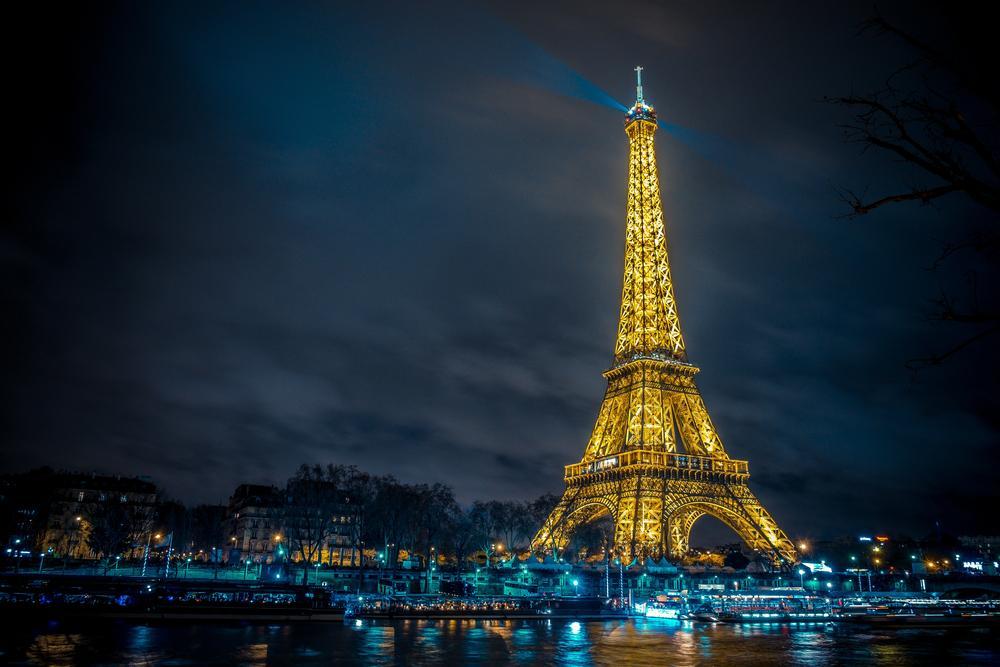
The Eiffel Tower stands tall over Paris like an iron giant, welcoming millions of visitors each year. Most people know it's tall, it's French, and it looks pretty impressive against the Parisian skyline. But this famous landmark hides some incredible secrets that would surprise even seasoned travelers.
From construction workers getting mysterious illnesses to secret apartments in the clouds, the Tower has stories that sound more like fiction than fact. Here is a list of 18 Eiffel Tower surprises you never heard.
It Was Built With Puddle Iron, Not Steel

The Eiffel Tower isn't made from steel like most people assume. It's constructed entirely from puddle iron, which came from the Pompey forges in eastern France. This special iron went through a refining process called puddling that removed excess carbon, creating almost pure iron that Gustave Eiffel considered the strongest material available at the time.
Construction Workers Got 'The Bends'

In 1887, men working on the Eiffel Tower reported severe pain, difficulty breathing, and partial paralysis after working in pressurized air chambers. They were suffering from what we now know as decompression sickness or 'the bends.' The workers had to use these pressurized chambers to build the tower's foundations below the water level of the Seine River.
Gustave Eiffel Had a Secret Apartment at the Top

Gustave Eiffel built himself a small apartment on the top level of the structure, complete with plush rugs, oil paintings, and even a grand piano. Only VIPs like Thomas Edison were allowed to visit this sky-high hideaway. The apartment remained unused after Eiffel's death in the 1920s and wasn't opened to public viewing until 2015.
It Was Supposed to Be Demolished After 20 Years

The Eiffel Tower was supposed to be destroyed only 20 years after its construction. Eiffel saved his creation by proving its scientific value – he installed an antenna on top and conducted wireless telegraphy experiments. When World War I broke out, the tower's radio capabilities became essential for military communications, sealing its permanent fate.
Only One Worker Died During Construction
Despite the dangerous work and record-breaking construction timeline, the official number of Eiffel Tower construction deaths was just ONE. This incredibly low casualty rate was thanks to safety features like rails and screens that prevented workers from falling. More than 300 people were involved in the construction, making this safety record truly remarkable for the 1880s.
Eiffel Invented the Garbage Chute for the Tower

Gustave Eiffel invented the garbage chute specifically for the tower construction, creating a long hollow tube fixed to the tower frame through which construction waste could fall downward. There simply wasn't enough space to store waste materials on the tower itself during the building process.
It Shrinks About Six Inches in Winter

The tower gets noticeably shorter when temperatures drop. Metal contracts when it freezes, so the tower shortens about six inches in total. During summer heat, it expands and grows taller again, and it also sways two to three inches in the wind.
The Tower Leans Away From the Sun

The tower has a slight inclination away from the side that faces the sun, with the highest deviation recorded in 1976 when the top inclined 18 centimeters. This happens because the metal expands more on the sunny side than the shaded side, causing the entire structure to lean slightly away from the heat.
It Was Once a Giant Advertisement for Citroën

Between 1925 and 1936, a quarter-million colored bulbs attached to three sides of the tower spelled out the 100-foot vertical letters of the French automobile company Citroën. The advertisement was so bright it could be seen from nearly 20 miles away, and Charles Lindbergh used it as a beacon when he landed in Paris in 1927.
The Lighting Is Copyrighted
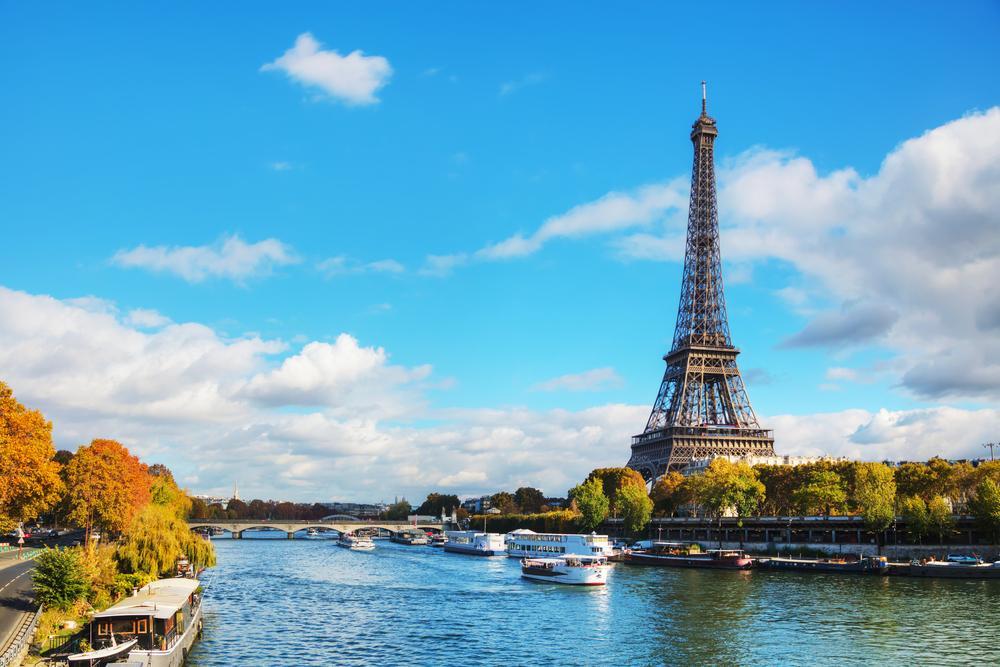
While the tower design is in the public domain, the lighting display is copyrighted, meaning it is illegal to commercially distribute any photographs of it. You can still take photos for personal use, but professional photographers need special permission to publish nighttime images of the illuminated tower.
It Changes Colors Every Seven Years

The tower is completely repainted every seven years using 60 tons of paint. Over the decades, it has sported reddish-brown, yellow, yellow-brown, and chestnut brown colors before adopting the current 'Eiffel Tower Brown' in 1968. The tower is painted in three progressively lighter shades from bottom to top to make it appear uniform against the sky.
It Has Its Own Ice Rink

In 2004, the Eiffel Tower began hosting a seasonal ice rink on the first level. Visitors who pay to access the first floor can use the rink and rent ice skates for free, giving them expansive views of Paris while they glide around on ice 200 feet above the ground.
Wind Turbines Power Its Shops

In 2015, workers installed two wind turbines on the second level of the structure that convert wind into electricity for the tower's shops and restaurants. The same eco-friendly makeover included a system to collect and funnel rainwater into the tower's toilets.
It Intercepted Enemy Messages During WWI

The French military used the tower's radio and telegraph center to communicate with ground troops and battleships during World War I, and it also intercepted enemy messages. In 1916, the tower picked up a message about a female spy known as Mata Hari, leading to her capture and arrest.
Hitler Ordered Its Destruction

During World War II, when the German army occupied Paris, Hitler ordered General Dietrich von Choltitz to destroy the Eiffel Tower along with other historic monuments as Allied forces approached. Fortunately, the general refused to carry out the order, saving the Iron Lady from demolition.
It Has 1,665 Steps to the Top

While Gustave Eiffel added three hydraulic lifts in 1889, the 1,665 steps that lead all the way to the top have always been one of the highlights. On inauguration day, Gustave Eiffel climbed right to the top – reportedly 1,710 steps in total – to hoist the French flag.
The Metal Weighs Less Than the Air Around It
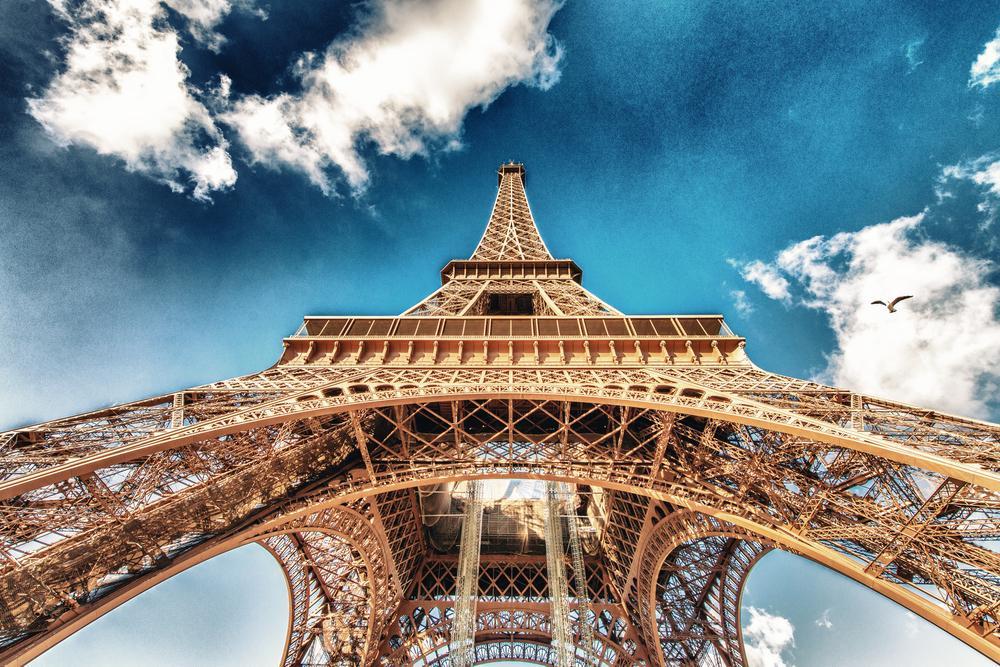
If the 7,300 tonnes of metal in the structure were melted down, it would fill the tower's square base to a depth of only 6.25 centimeters. Even more amazing, a cubic box surrounding the tower would contain 6,200 tonnes of air, weighing almost as much as the iron itself.
Each Rivet Required a Team of Four Men
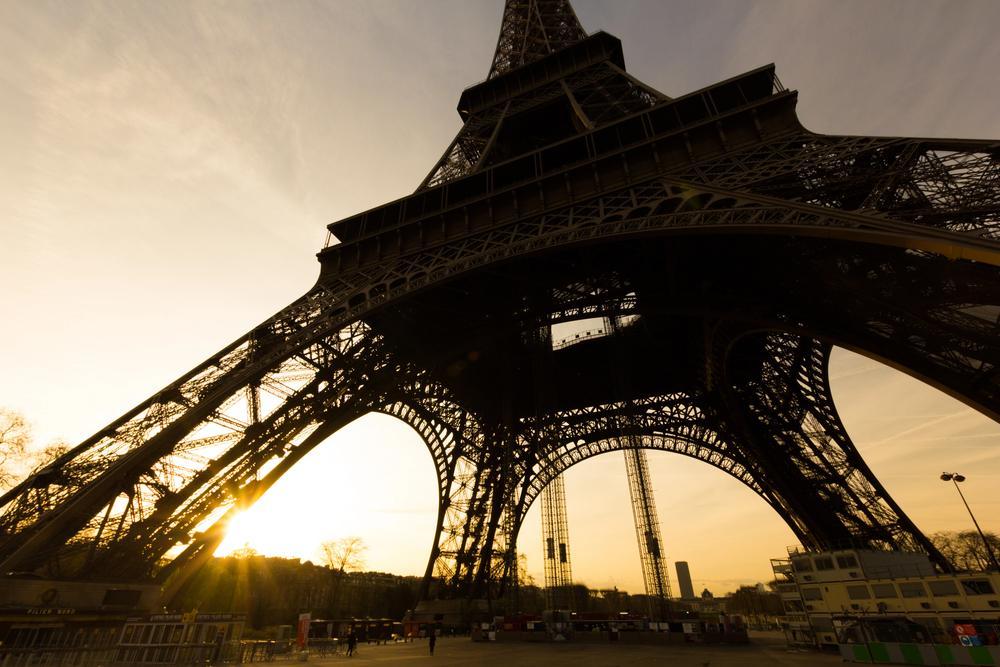
A team of four men was needed for each rivet assembled: one to heat it up, another to hold it in place, a third to shape the head and a fourth to beat it with a sledgehammer. The tower used 2.5 million rivets to hold together its 18,038 metal pieces, with only one-third of the rivets actually installed on-site.
More from Go2Tutors!

- 16 Historical Figures Who Were Nothing Like You Think
- 12 Things Sold in the 80s That Are Now Illegal
- 15 VHS Tapes That Could Be Worth Thousands
Like Go2Tutors’ content? Follow us on MSN.