Biggest Ships Ever Constructed
Out there on the waves, humans keep stretching how far they can go. Long ago, small boats took daring travelers through uncharted oceans.
Now, massive hulls stretch longer than neighborhoods once did. These aren’t merely large crafts – they’re moving landscapes shaped by steel and purpose.
Some carry enough weight to match mountains of cargo. What used to be dreams now cuts through saltwater every day.
Out on the open water, huge ships do all sorts of jobs – carrying goods long distances or offering giant floating holidays. Some of these machines rank among the biggest ever made.
Seawise Giant
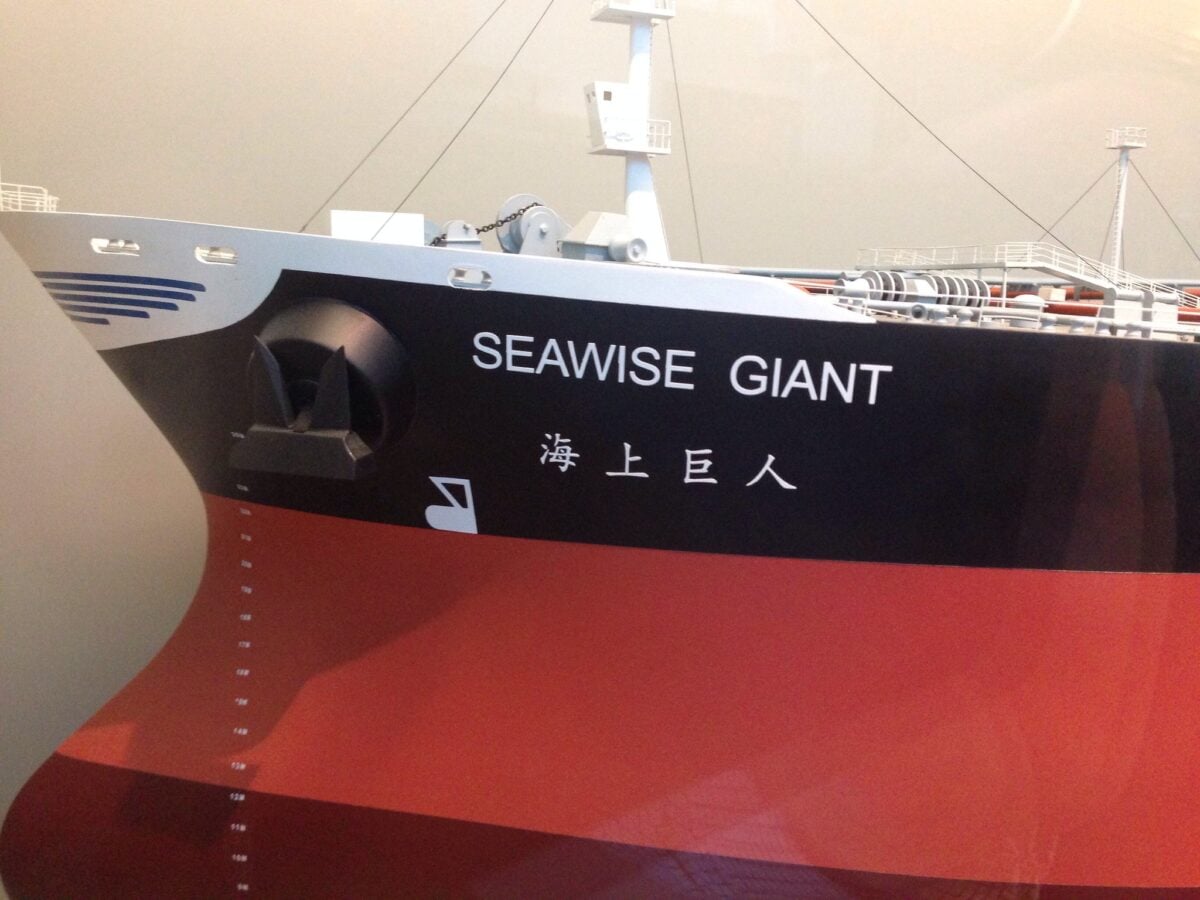
Almost hard to believe, but this oil tanker claimed the title of longest ship ever built – measuring 1,504 feet end to end. Taller than the Empire State Building when laid flat, its size feels unreal.
Carrying more than 4 million barrels of crude, it moved like a city on water. Finished in 1979, war damage struck during conflict between Iran and Iraq.
By 2010, it ended up dismantled, memory fading into steel history.
Pioneering Spirit

When the vessel launched in 2014, offshore building shifted dramatically. Stretching 1,253 feet, it lifts full oil platforms from the sea – work once needing many ships and endless days.
Across its broad deck, you could line up more than a few football fields without running out of space. Instead of slow teamwork among boats, one machine now handles what took squads before.
This craft rewrote how rigs are removed, also how fresh ones take their place.
TI Class Supertankers
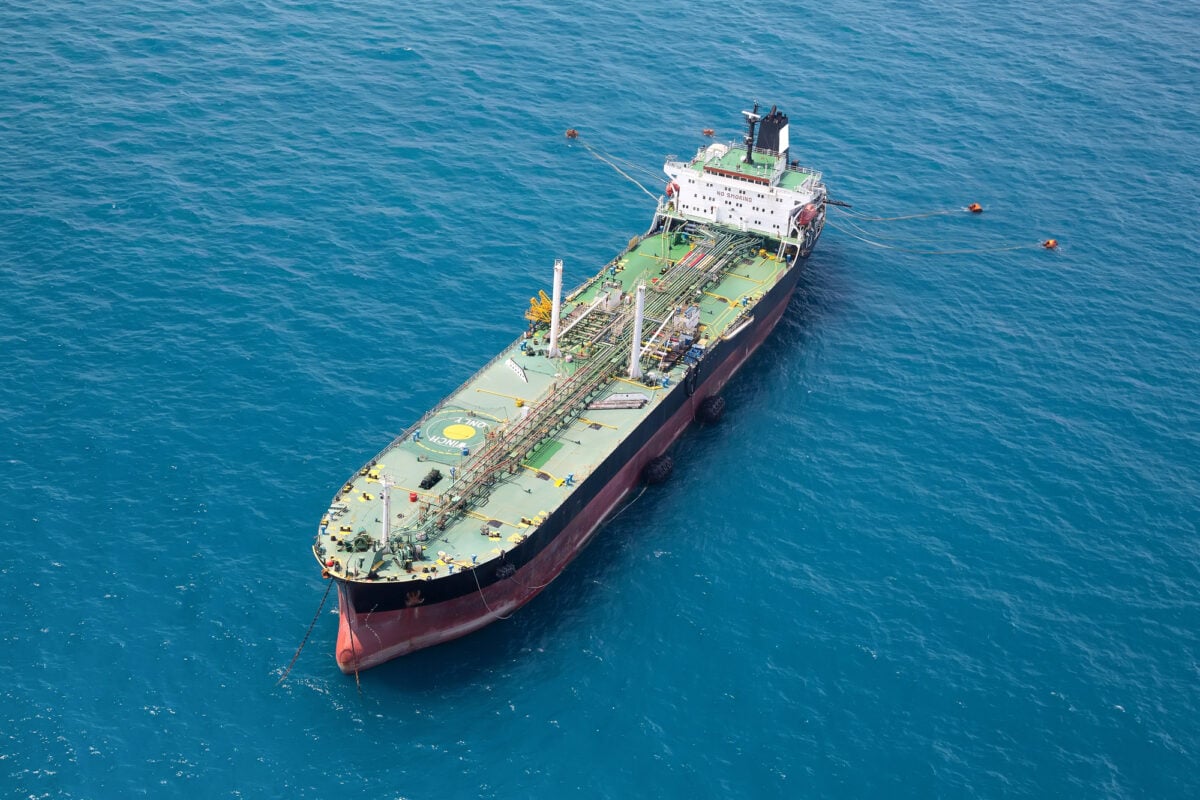
One after another, four identical ships form this fleet of giant oil movers, every hull measuring 1,246 feet long. Moving vast amounts of crude worldwide, each carries roughly 3.2 million barrels, helping supply global demand.
So big are these tankers that only a few harbors can receive them without difficulty. Built at a price near $100 million apiece, the expense seems smaller once you see their massive cargo reach distant markets.
Prelude FLNG

Out on open water, this huge floating setup works like a full-scale gas factory. Stretching 1,601 feet, it beats the Seawise Giant in length – even if it never moves from its place at sea.
Instead of shipping raw fuel inland, everything gets handled onboard: making it, cleaning it, holding it. No pipelines needed, which cuts down both cost and complexity across deep-ocean stretches.
Shell put it together to reach pockets of gas far too distant or tricky to access any other way.
Emma Maersk And The Ships Like Her
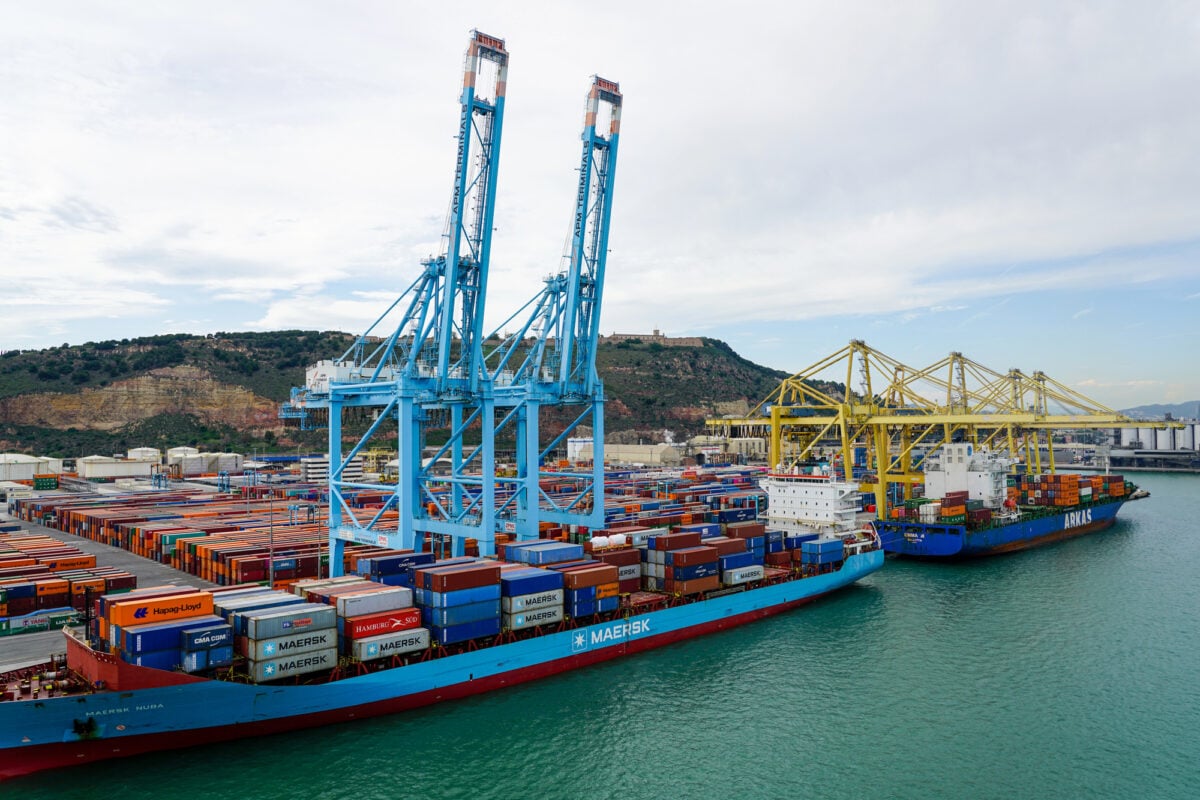
Back in 2006, the moment this cargo ship hit water, eyes widened across global trade circles – simply because of how massive it was. Stretching long and wide, the Emma Maersk holds close to 15,000 uniform crates, piled high like toy bricks along its surface.
Because of that scale, a single journey moves vast loads: think gadgets, chairs, clothes – all bound for countless shops at once. Yet despite its bulk, the ship uses engines built for smart performance, sipping fuel more wisely than many lighter, outdated models do.
Batillus Class Tankers
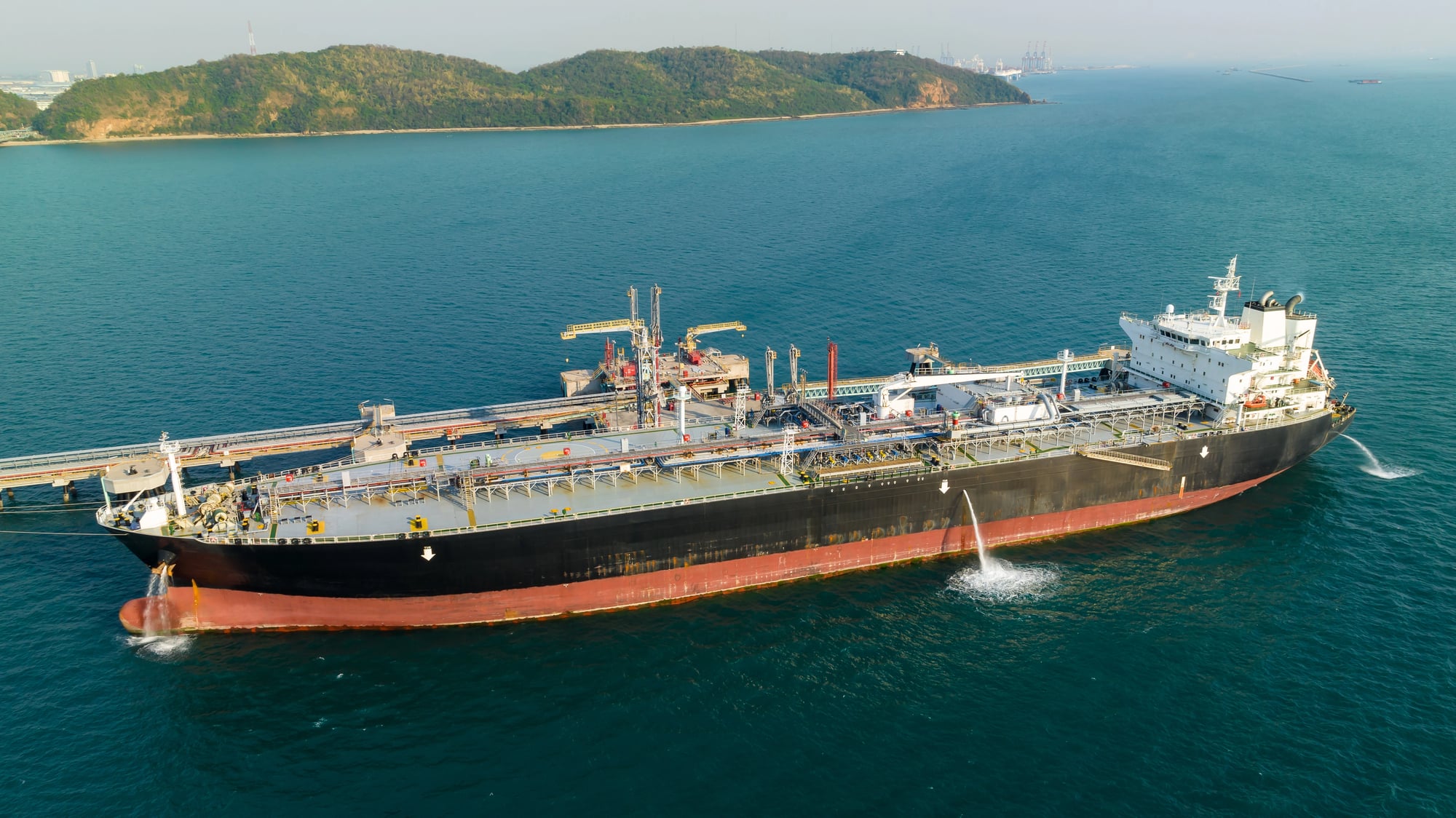
A quartet of massive tankers came out of France, these giants hitting the water in the 1970s. Stretching 1,312 feet, each one hauled 555,000 tons of unrefined oil.
Because of their size, the Suez route was off limits, so were many key harbors. Though none remain – broken down years later – their shape and scale shaped future ships across generations.
Esso Atlantic And Esso Pacific
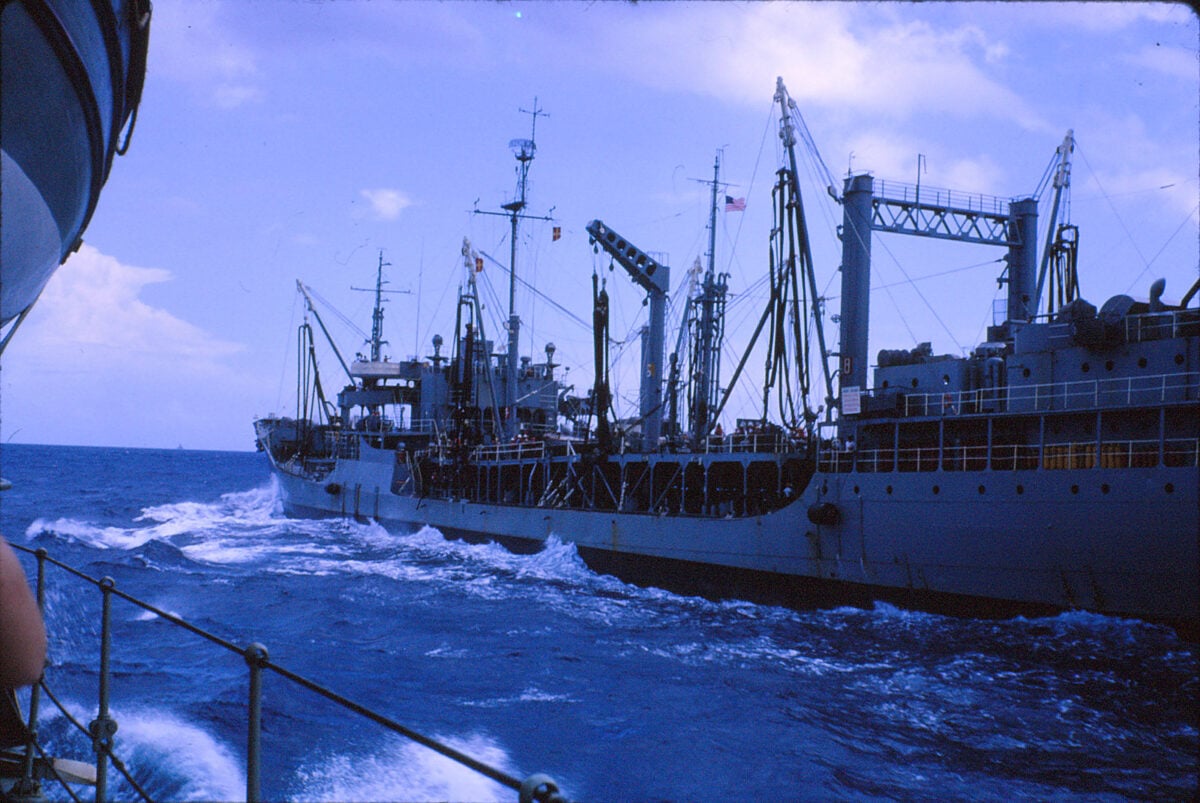
Back in the 1970s, these two massive tankers tested how big a shipyard could go. Stretching longer than four football fields, each one moved nearly half a million tons of oil when full.
From the Middle East they sailed, carrying crude to processing hubs across Europe and beyond into North America. Though both eventually wound up dismantled, years of crossing open waters left deep marks on maritime history.
Miles piled up quietly beneath their hulls, wave after wave.
Oasis Class Cruise Ships
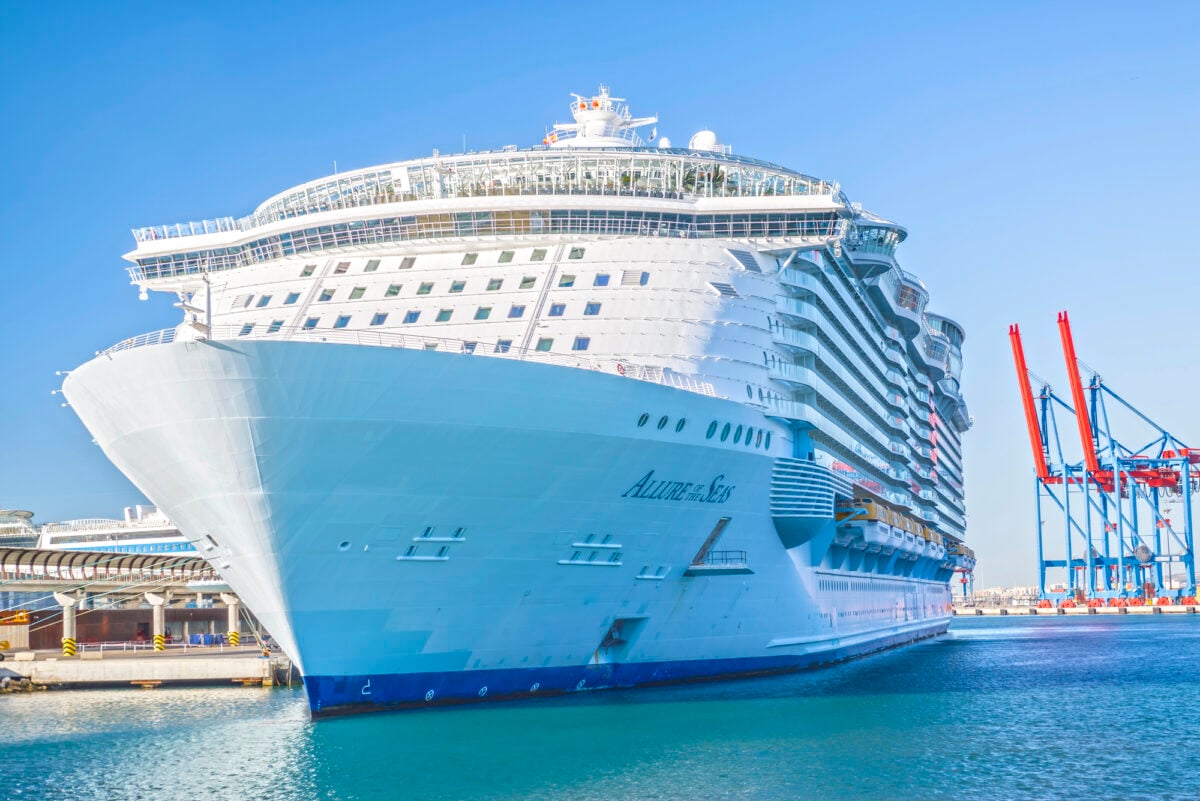
Out here floats something wild – Royal Caribbean shook things up hard with their sea-going playgrounds. Not just boats, really.
More like cities that move on waves. Take Oasis of the Seas or its sibling Symphony – they haul more people than some villages see in years, counting staff too.
Up top, you’ll find whole zones built for wandering: thrill rides zipping across decks, rinks where skaters spin under open sky, green patches where real dirt grows living trees. Stretching longer than three football fields laid end to end, they rise high, matching towers of twenty floors if set upright beside land streets.
MOL Triumph
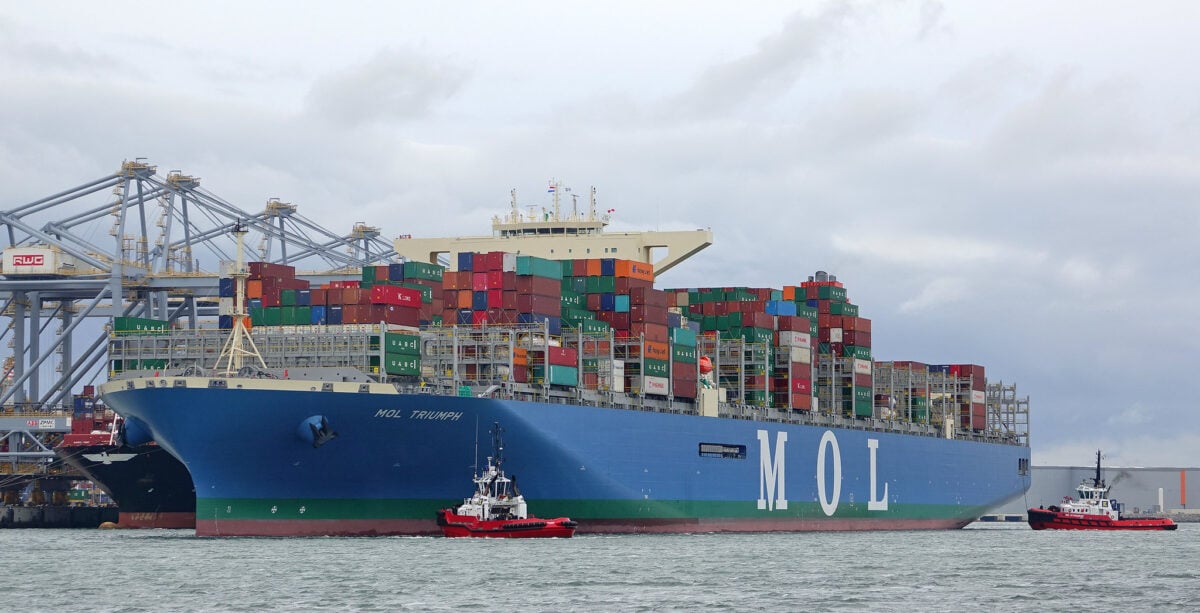
Container shipping keeps getting bigger, and this vessel proves it. Launched in 2017, the MOL Triumph can carry over 20,000 standard containers, setting new records for cargo capacity.
The ship’s engines generate enough power to light a small city while pushing this massive hull through the water at speeds up to 22 knots. Japanese engineers designed it with fuel efficiency in mind, making it cleaner than older container ships despite its enormous size.
Berge Emperor And Berge Empress

These bulk carriers from the 1970s specialized in hauling iron ore, and they did it on a scale that seemed crazy at the time. Each ship could carry over 400,000 tons of raw materials, helping feed the world’s steel mills.
They measured about 1,125 feet long, which meant maneuvering them required careful planning and skilled crews. Both vessels eventually went to scrapyards after decades of hard service.
Vale Brasil
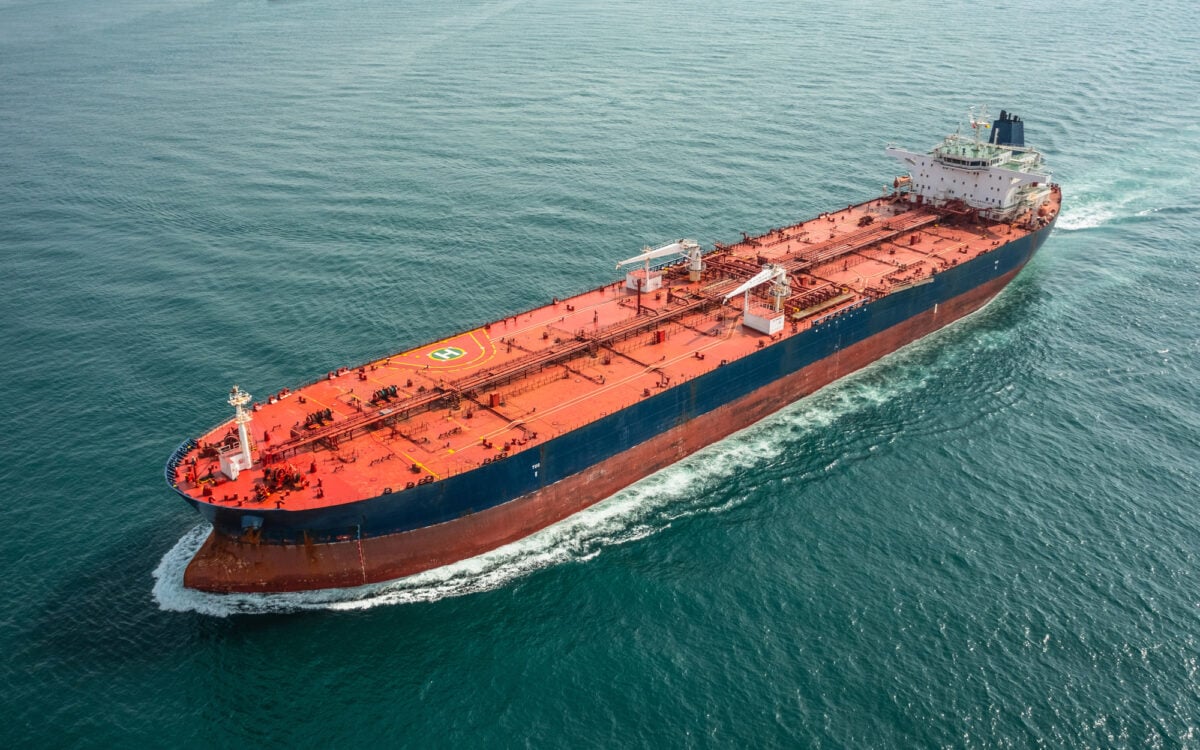
Mining giant Vale commissioned this enormous ore carrier to transport iron ore from Brazil to Asia. The ship stretches 1,188 feet and can haul 400,000 tons of cargo in a single trip.
Its sheer size caused controversy because many ports couldn’t handle vessels this large, forcing expensive infrastructure upgrades. The Vale Brasil represents a bet that bigger really is better when it comes to moving raw materials around the globe.
MSC Gülsün

Mediterranean Shipping Company pushed container capacity even further with this 2019 launch. The ship can carry 23,756 standard containers, making it one of the largest container vessels afloat.
It runs on cleaner fuel than older ships and features advanced navigation systems that help it navigate crowded shipping lanes. At 1,312 feet long, it’s basically a moving island of commerce.
Q-Max LNG Carriers

Qatar built these specialized ships to transport liquefied natural gas from its massive offshore fields. Each vessel measures about 1,132 feet long and can carry enough LNG to heat a city for weeks.
The spherical tanks that hold the super-cold gas give these ships a distinctive appearance that’s easy to spot. They were designed specifically to be the largest vessels that could dock at Qatar’s LNG terminals.
USS Enterprise
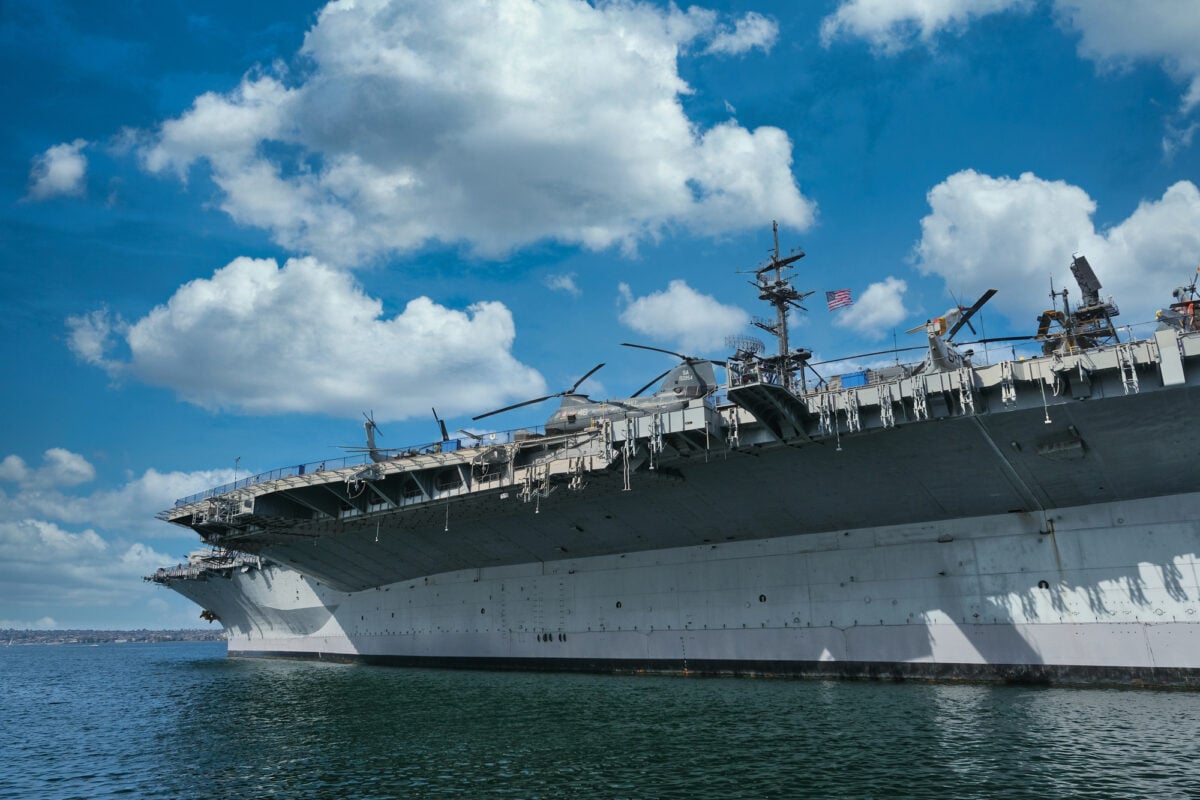
This aircraft carrier served the U.S. Navy for over 50 years, making it both massive and historic. The ship stretched 1,123 feet and could carry around 90 aircraft, turning it into a mobile air force base.
Eight nuclear reactors powered the vessel, giving it virtually unlimited range. The Enterprise participated in everything from the Cuban Missile Crisis to operations in Afghanistan before finally being decommissioned in 2017.
Knock Nevis
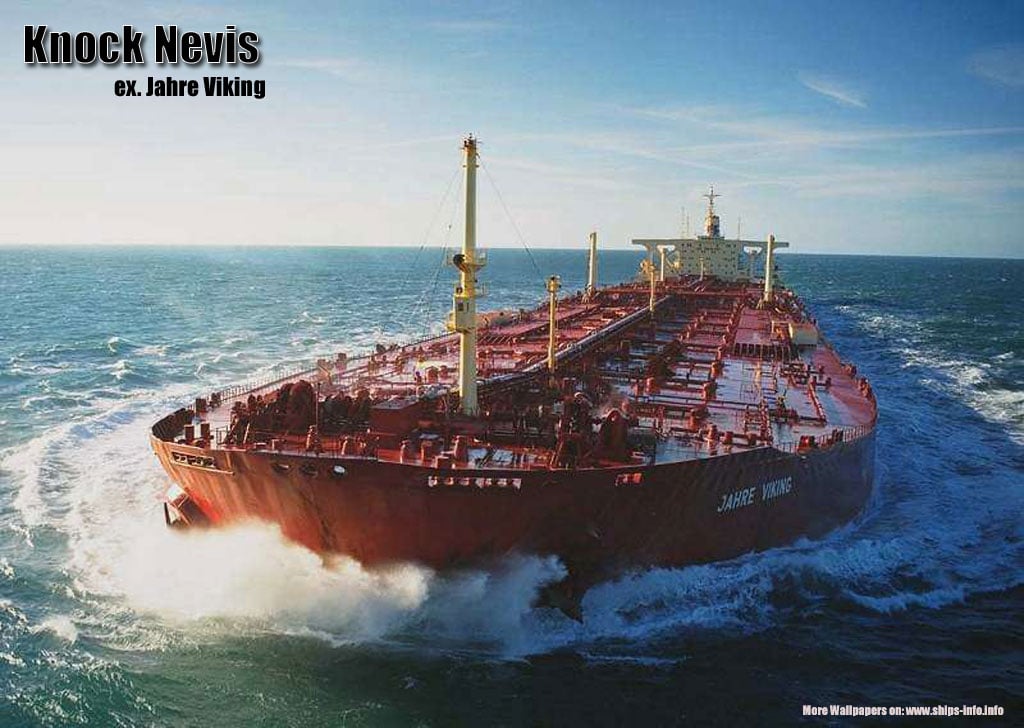
This ship had several names during its long career, but it’s the same vessel as the Seawise Giant mentioned earlier. After getting damaged in war, it was rebuilt and renamed multiple times, continuing to haul oil until 2004.
The ship then became a floating storage facility before finally heading to the scrapyard. Its record as the longest ship ever built still stands today, and probably will for a long time to come.
Where Size Meets Purpose
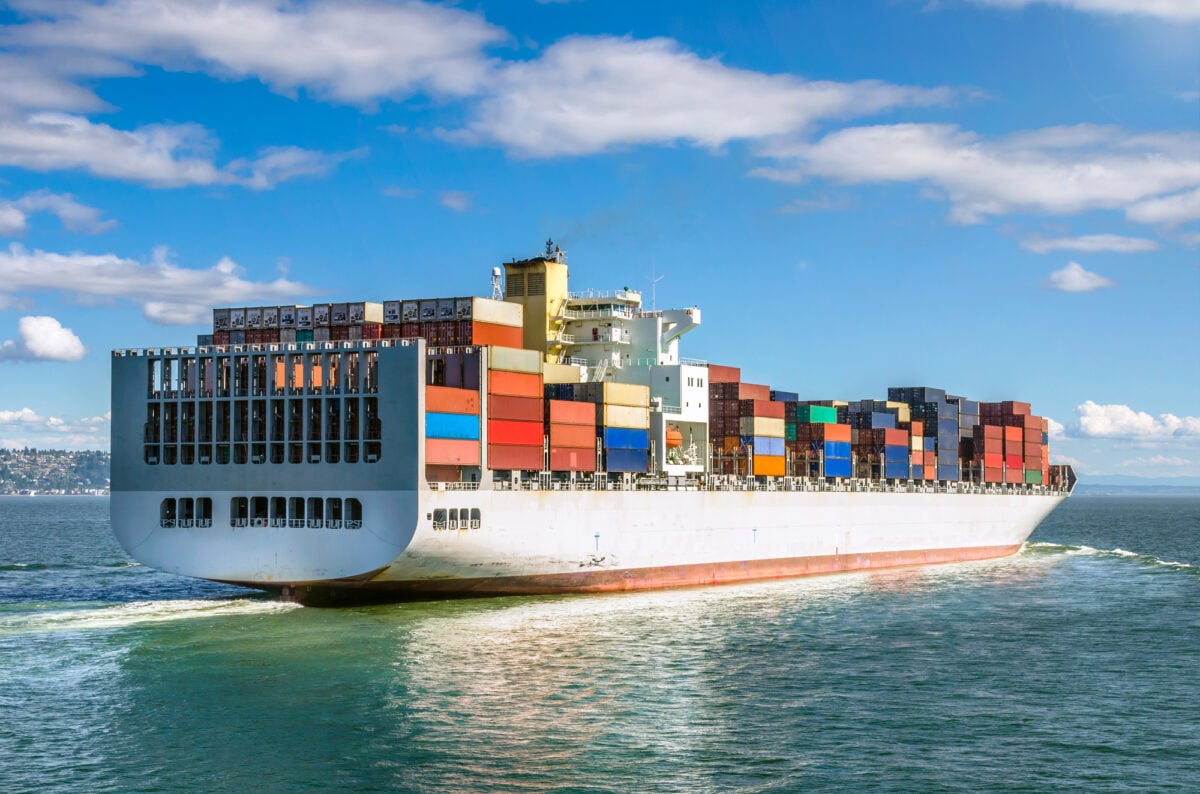
These enormous vessels changed how the world moves goods, energy, and people across the oceans. Each ship represents years of engineering work and millions of dollars in investment, all aimed at doing things bigger and better than before.
As technology improves, who knows what even larger ships might appear in the years ahead. But for now, these giants stand as proof that when humans decide to build something truly huge, they can make it happen.
More from Go2Tutors!

- The Romanov Crown Jewels and Their Tragic Fate
- 13 Historical Mysteries That Science Still Can’t Solve
- Famous Hoaxes That Fooled the World for Years
- 15 Child Stars with Tragic Adult Lives
- 16 Famous Jewelry Pieces in History
Like Go2Tutors’s content? Follow us on MSN.



