Famous Spies and Their Daring Missions
The world of espionage has always captured our imagination, but the real stories of actual spies often surpass anything Hollywood could dream up. These men and women risked everything, operating in the shadows while shaping the course of history.
Some became heroes, others traitors, but all of them led lives stranger than fiction. Here is a list of famous spies whose daring missions changed the world.
Richard Sorge
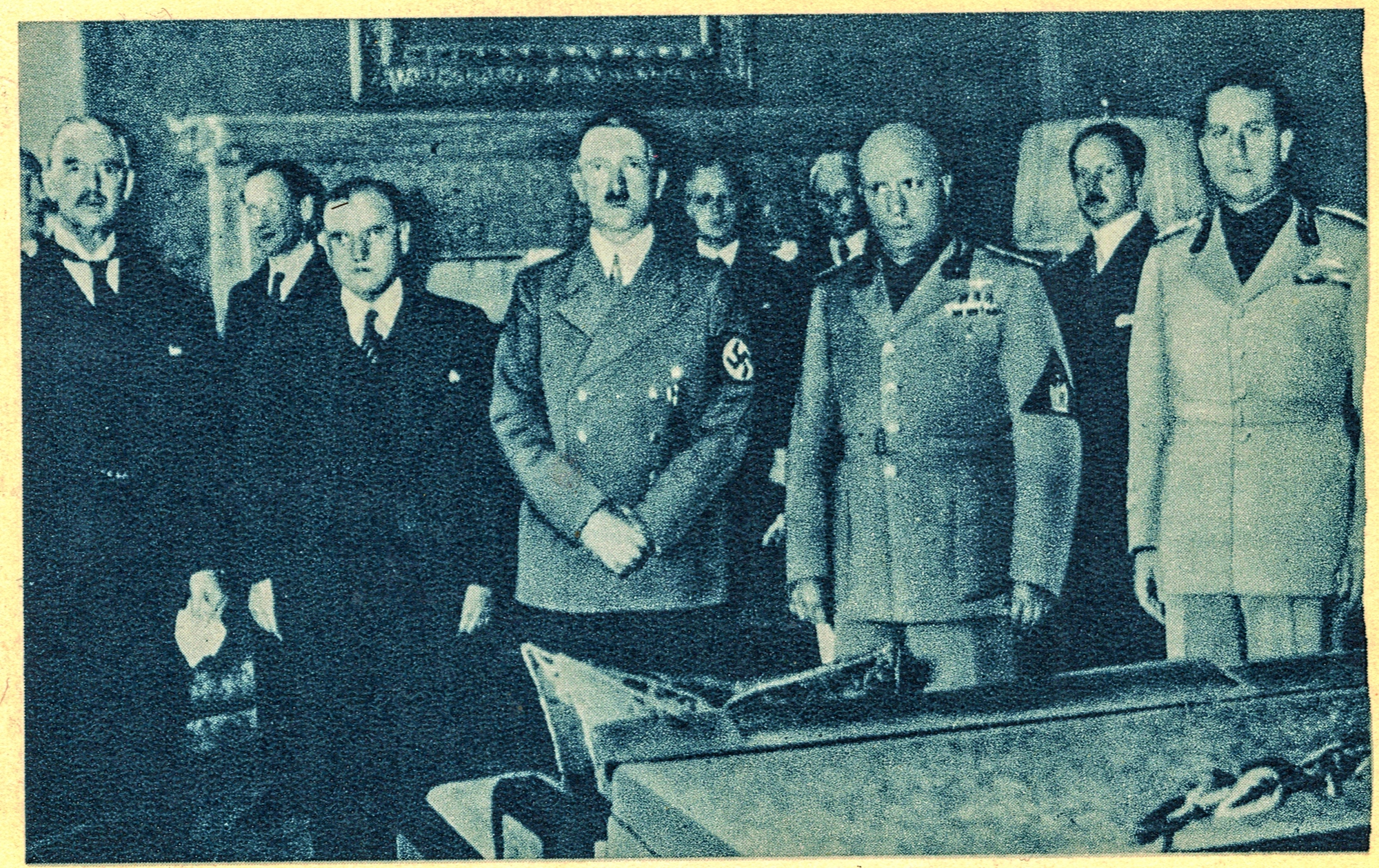
Richard Sorge pulled off one of the most impressive acts of espionage in World War II while working as a German journalist in Tokyo. This Soviet spy joined the Nazi Party as cover and became so trusted by the German ambassador that he worked out of the German embassy itself.
His biggest accomplishment came in 1941 when he confirmed that Japan wouldn’t attack the Soviet Union from the east, allowing Stalin to move 400,000 troops westward to defend Moscow against Hitler’s advance. The Japanese eventually caught him in October 1941, and he was hanged three years later, with Moscow coldly denying they’d ever heard of him.
Juan Pujol Garcia
Garcia wanted to fight fascism so badly that when the British rejected him as a spy, he approached the Germans instead and pretended to work for them. Operating from Lisbon, he invented an entire network of 27 fictional spies and fed the Nazis a steady stream of believable misinformation without ever setting foot in England.
The British finally recruited him in 1942, giving him the codename ‘Garbo’ for his incredible acting skills. His masterpiece was convincing Hitler that the D-Day invasion would happen at Pas de Calais instead of Normandy, causing the Germans to hold back crucial reinforcements and helping ensure Allied victory.
Eli Cohen

Cohen infiltrated the highest levels of Syrian society in the early 1960s by posing as a wealthy Syrian businessman named Kamal Amin Thaabet. He threw lavish parties where Syrian military officers and government officials would drink freely and share state secrets, which Cohen then transmitted to Israel by radio.
He became so trusted that he was nearly appointed Syria’s deputy minister of defense. Soviet-made tracking equipment finally pinpointed his radio transmissions in January 1965, and he was publicly hanged in Damascus that May, but the intelligence he gathered proved crucial to Israel’s victory in the 1967 Six-Day War.
Virginia Hall

Hall earned the nickname ‘The Limping Lady’ from the Nazis, who considered her one of the most dangerous Allied spies despite her prosthetic leg. This American worked for both British intelligence and the OSS in occupied France, organizing resistance networks and coordinating sabotage missions.
She once escaped the Gestapo by hiking 50 miles over the Pyrenees mountains into Spain in winter, all on her artificial limb. Her work disrupting German operations and coordinating jailbreaks made her a legend among French resistance fighters.
Aldrich Ames
Ames spent nearly a decade as a mole inside the CIA, selling secrets to the Soviet Union for over $2.7 million starting in 1985. This counterintelligence officer compromised at least 100 CIA operations and caused the execution of at least 10 agents who were working for the United States.
His betrayal is considered one of the worst intelligence disasters in American history. The CIA finally caught him in 1994, and he’s now serving life in prison without the possibility of parole.
Mata Hari
The exotic dancer born Margaretha Zelle became synonymous with the femme fatale spy, though the truth of her espionage remains murky to this day. She used her stage persona and romantic relationships with high-ranking military officers during World War I to allegedly gather intelligence.
The French arrested her in 1917 and executed her by firing squad for spying for Germany, but many historians now believe the evidence against her was circumstantial at best. She may have been a scapegoat for French military failures more than an actual master spy.
Kim Philby

Philby was part of the Cambridge Five, a group of British intelligence officers who spied for the Soviet Union from the 1930s through the 1950s. He rose to become a high-ranking MI6 officer while secretly feeding Moscow everything he learned about Western intelligence operations.
His betrayal compromised countless operations and agents before he fled to the Soviet Union in 1963. He lived out his days in Moscow as a KGB general, having dealt one of the most damaging blows to British intelligence in its history.
Klaus Fuchs
This German theoretical physicist worked on the Manhattan Project and passed atomic bomb secrets to the Soviet Union, dramatically accelerating their nuclear weapons program. Fuchs believed the Soviets had a right to the information and methodically photographed classified documents at Los Alamos.
British intelligence caught him in 1950 after decrypted Soviet messages revealed there was a mole in the atomic program. He served nine years in prison before being released and moving to East Germany, where he continued his physics career.
Harriet Tubman

Most people know Tubman for the Underground Railroad, but few realize she also served as a spy for the Union Army during the Civil War. She led reconnaissance missions deep into Confederate territory, gathering intelligence on troop movements and supply routes.
In 1863, she even guided a raid up the Combahee River in South Carolina that freed more than 700 enslaved people and destroyed Confederate supplies. Her intelligence work was so valuable that she became the first woman to lead an American military expedition.
Dušan Popov
This Serbian playboy worked as a double agent for British intelligence during World War II, living the kind of glamorous lifestyle that later inspired Ian Fleming’s James Bond character. Popov warned the FBI in August 1941 that Japan was planning an attack on Pearl Harbor, but FBI Director J. Edgar Hoover didn’t trust him and ignored the warning.
He continued feeding false information to the Germans throughout the war while enjoying the high life in Lisbon and London. Unlike his fictional counterpart, Popov survived the war and lived to age 68.
Robert Hanssen
Hanssen betrayed his country for 22 years while working as an FBI counterintelligence agent, selling secrets to the Soviet Union and later Russia for over $1.4 million. He used dead drops in Virginia parks to pass classified information, including the identities of American intelligence sources, some of whom were executed.
What made his case particularly devastating was that he was supposed to be catching spies, not being one. The FBI finally arrested him in 2001, and he died in prison in 2023 while serving a life sentence.
Krystyna Skarbek
Skarbek, who also went by Christine Granville, was Britain’s longest-serving female agent during World War II. This Polish countess skied into occupied Poland multiple times to help resistance fighters escape and gather intelligence.
When the Gestapo arrested her in 1941, she bit her tongue until it bled and convinced them she had tuberculosis, securing her release. She continued running dangerous missions in France until the war’s end, though she was tragically murdered in London in 1952 by an obsessed acquaintance.
Julius and Ethel Rosenberg
The Rosenbergs became the first American civilians executed for espionage when they were put to death in 1953 for passing atomic bomb secrets to the Soviet Union. Julius obtained classified documents from his brother-in-law David Greenglass, who worked at Los Alamos on the Manhattan Project.
The extent of Ethel’s involvement remains debated, with many historians believing she was less involved than prosecutors claimed. Their execution during the height of Cold War paranoia remains one of the most controversial cases in American legal history.
Nathan Hale
Hale volunteered to go behind British lines during the American Revolution to gather intelligence on troop movements, despite having no espionage training. The 21-year-old schoolteacher was caught almost immediately when he encountered a British sympathizer who recognized him.
He was hanged in New York City in September 1776, allegedly saying “I only regret that I have but one life to lose for my country” before his execution. Though his mission failed, he became an enduring symbol of patriotic sacrifice for the young American nation.
Benedict Arnold
Arnold was one of the Continental Army’s best generals before he became America’s most infamous traitor. Bitter over perceived slights and financial troubles, he conspired to hand over West Point to the British in 1780 for £20,000.
The plot unraveled when American forces captured British Major John André carrying the plans, forcing Arnold to flee to British protection. He lived out his remaining years in England, despised by both Americans and British alike, his name becoming forever synonymous with betrayal.
Sidney Reilly
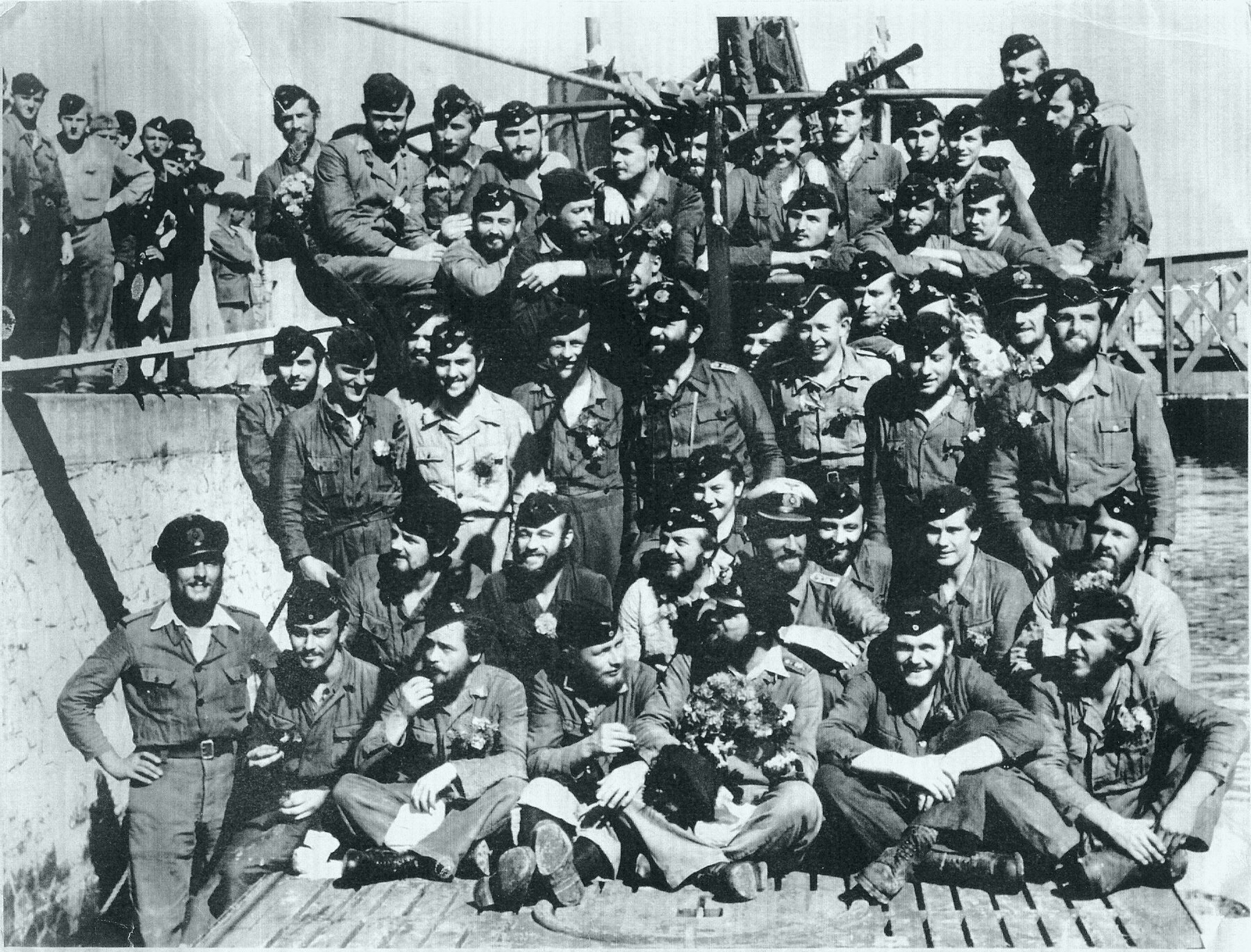
Reilly earned the title ‘Ace of Spies’ for his daring exploits working for British intelligence in the early 20th century. This shadowy figure of uncertain origins claimed to have operated in multiple countries using various identities.
He famously got involved in a failed 1918 plot to assassinate Lenin during the Russian Revolution. The Soviets eventually lured him back to Russia in 1925 with promises of helping overthrow the regime, then captured and executed him, though the exact circumstances of his death remain mysterious.
Agent 355
The Culper Spy Ring’s most mysterious member was known only by the code number 355, which meant “lady” in their cipher system. This unidentified woman operated in British-occupied New York during the Revolutionary War, gathering intelligence from conversations with redcoat officers.
She helped expose Benedict Arnold’s treason and contributed to the arrest of British intelligence chief Major John André. Her true identity was never revealed, protecting her family, but historians speculate she may have been a shopkeeper who picked up valuable gossip from chatty British customers.
When Shadows Shape History
These spies operated across different centuries and countries, yet they all understood that information could be more powerful than armies. Their missions changed the outcomes of wars, prevented attacks, and exposed secrets that governments desperately wanted to keep hidden.
Some died as heroes, others as traitors, and a few simply vanished into history’s shadows. The intelligence they gathered in dimly lit rooms and dangerous meetings reminds us that history’s biggest moments often hinge on the smallest stolen secrets.
More from Go2Tutors!

- The Romanov Crown Jewels and Their Tragic Fate
- 13 Historical Mysteries That Science Still Can’t Solve
- Famous Hoaxes That Fooled the World for Years
- 15 Child Stars with Tragic Adult Lives
- 16 Famous Jewelry Pieces in History
Like Go2Tutors’s content? Follow us on MSN.