Largest Non-Nuclear Explosions
When you think about the most powerful explosions in history, nuclear weapons probably come to mind first. But humanity has witnessed devastation on a massive scale long before the atomic age—and continues to see it today.
Industrial accidents, military operations, volcanic eruptions, and deliberate detonations have all produced blasts that rival some tactical nuclear weapons in their destructive power. These events share a common thread: the sudden release of enormous energy in a confined space.
Whether it’s ammonium nitrate stored in a harbor, a mountain of TNT buried underground, or the catastrophic pressure inside a volcano, the results can reshape landscapes and change history.
The Halifax Explosion Changed a City Forever

On December 6, 1917, the French cargo ship SS Mont-Blanc collided with a Norwegian vessel in Halifax Harbor. Mont-Blanc was loaded with wartime explosives: TNT, picric acid, benzol, and guncotton.
The collision sparked a fire that burned for about 20 minutes before the ship exploded. The blast produced roughly 2.9 kilotons of force—the largest human-made explosion before the nuclear age.
It flattened the Richmond district of Halifax, killed nearly 2,000 people instantly, and injured 9,000 more. The explosion created a tsunami that reached 18 meters high in the harbor and was felt over 400 kilometers away.
Buildings collapsed across the city. Glass shattered in windows up to 80 kilometers distant. A piece of the ship’s anchor, weighing half a ton, landed more than three kilometers from the explosion site.
The disaster left thousands homeless in the middle of a harsh Canadian winter.
Texas City Saw America’s Deadliest Industrial Accident
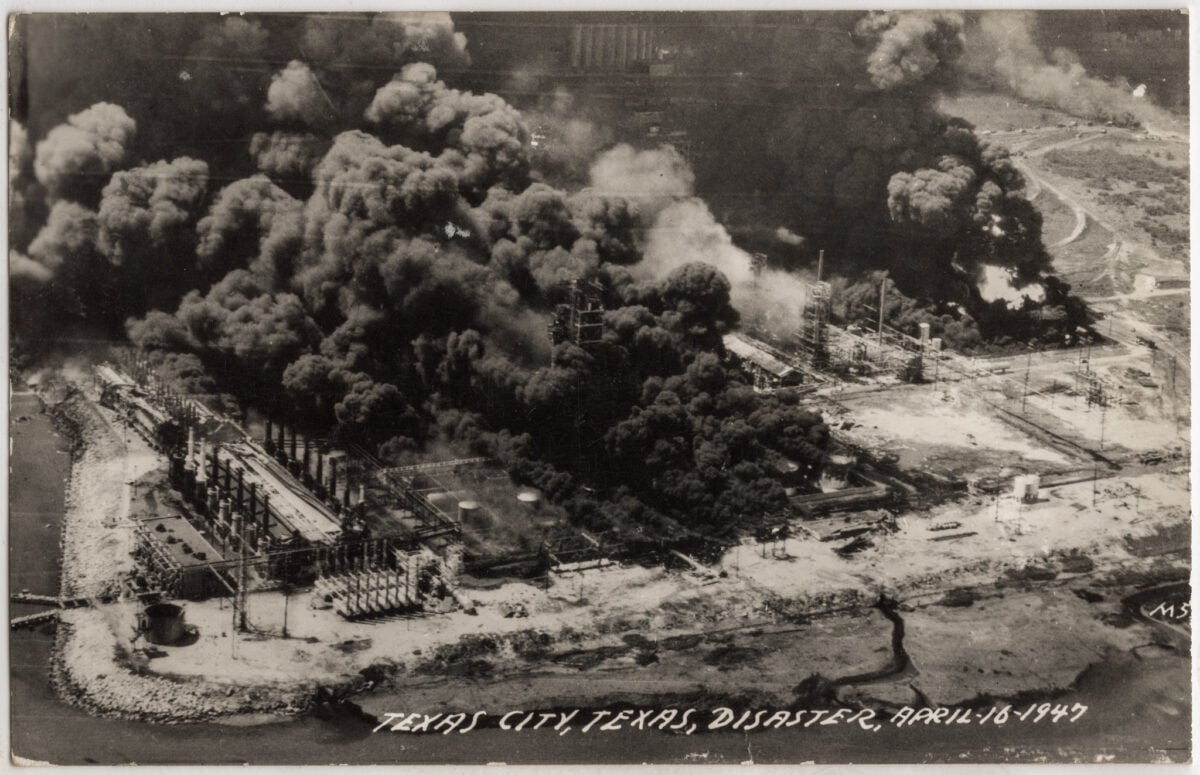
The SS Grandcamp docked in Texas City on April 16, 1947, carrying 2,300 tons of ammonium nitrate fertilizer. Workers noticed smoke coming from the hold early that morning.
Attempts to fight the fire failed, and the captain ordered the hold sealed and filled with steam—a decision that turned out to be fatal. The ship exploded around 9:12 AM with a force estimated at 2.7 to 3.2 kilotons.
The blast destroyed the nearby Monsanto chemical plant and damaged refineries across the area. A chain reaction began when the SS High Flyer, also carrying ammonium nitrate, exploded the next day.
At least 581 people died, though the actual number was likely higher since some victims were never found. The explosion destroyed over 1,000 buildings and damaged 3,500 more.
Windows broke in Galveston, 16 kilometers away. People felt the shock as far as 400 kilometers distant.
Port Chicago Loaded Death Into the Night

On July 17, 1944, two ships were being loaded with ammunition at the Port Chicago Naval Magazine in California. The work happened at night under floodlights. Sailors, many of them African American enlisted men with no training in handling explosives, moved the munitions quickly to meet wartime demands.
At 10:18 PM, an explosion with an estimated force of 1.6 to 2.2 kilotons destroyed both ships and killed 320 men instantly. The blast created a 20-foot-deep crater where the pier once stood. Buildings in San Francisco, 48 kilometers away, shook.
People reported seeing the flash of light over 300 kilometers away. The disaster led to the Port Chicago Mutiny, when 258 surviving sailors refused to continue loading ammunition under unsafe conditions.
Fifty men faced court-martial. The incident became a catalyst for racial integration in the U.S. Navy.
Oppau Exploded on a Quiet Morning

The BASF chemical plant in Oppau, Germany, stored thousands of tons of ammonium sulfate and ammonium nitrate mixed together. The mixture had a tendency to harden into solid blocks.
Workers regularly used small dynamite charges to break up these blocks—a practice that had been done safely over 20,000 times. On September 21, 1921, one of these routine blasts triggered a catastrophic chain reaction.
An estimated 4,500 tons of the mixture exploded with a force around 1.5 to 2 kilotons. The blast killed between 500 and 600 people and injured thousands more.
The explosion left a crater 90 meters wide and 20 meters deep. It destroyed every building in Oppau and heavily damaged neighboring towns. The shock wave traveled hundreds of kilometers.
Investigations never conclusively determined why this particular detonation triggered the larger explosion when thousands of previous ones had not.
Beirut’s Port Held a Ticking Clock
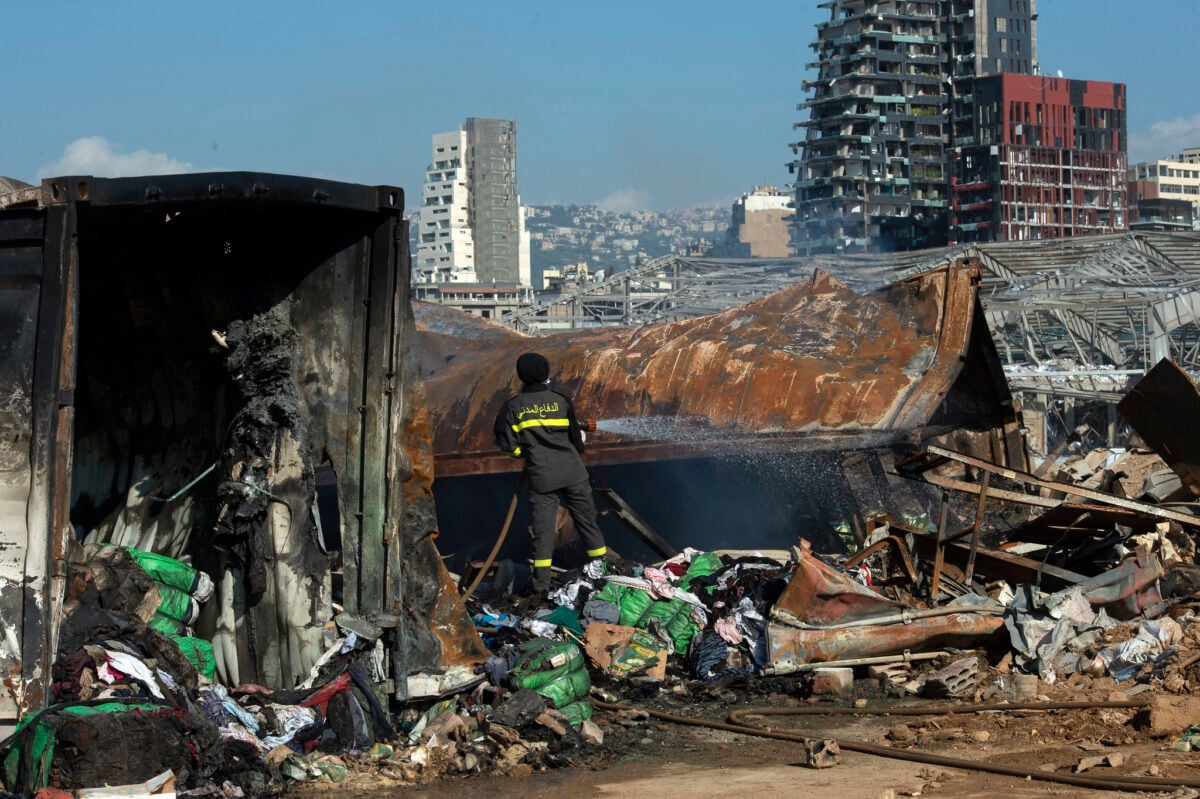
For years, 2,750 tons of ammonium nitrate sat in a warehouse at the Port of Beirut. The material had been confiscated from an abandoned ship in 2013 and stored improperly despite repeated warnings about the danger.
Welding work near the warehouse in August 2020 apparently sparked a fire. The explosion on August 4, 2020, produced a blast estimated between 0.5 and 1.12 kilotons.
It killed at least 218 people, injured more than 7,000, and left 300,000 homeless. The explosion destroyed or damaged half the buildings in Beirut, causing an estimated $15 billion in property damage.
You can see the shock wave in videos taken that day—a white hemisphere expanding outward from the port before the massive dust cloud follows.
The blast was heard in Cyprus, over 200 kilometers away. Windows shattered across the Lebanese capital.
Heligoland Disappeared in Smoke
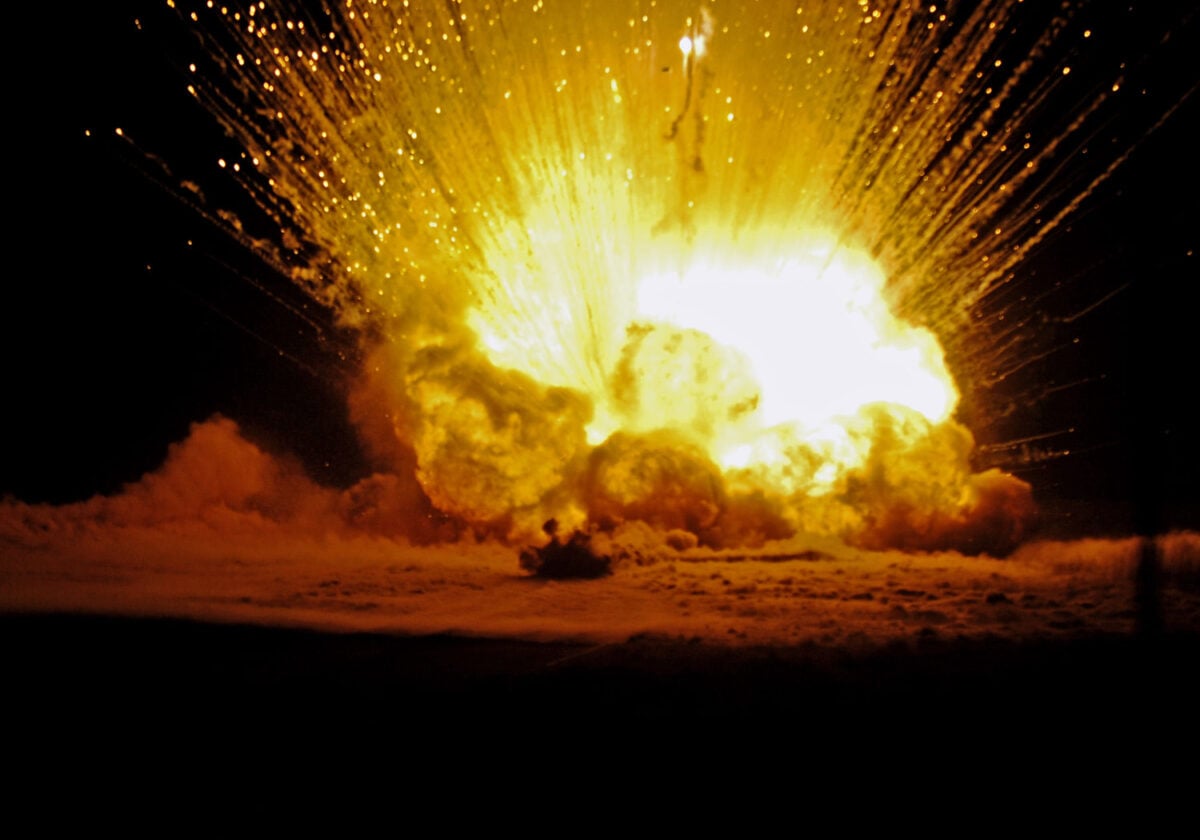
After World War II, the British Royal Navy decided to destroy German military installations on the island of Heligoland in the North Sea. Operation Big Bang, carried out on April 18, 1947, used 6,700 tons of surplus ammunition and explosives.
The explosion created a blast estimated at 3.2 kilotons—one of the largest planned non-nuclear explosions ever. The detonation changed the shape of the island itself, creating new cliffs and altering the coastline.
The mushroom cloud rose several kilometers into the air. Seismometers recorded the explosion across Europe.
Fish died by the thousands in the surrounding waters. The island remained uninhabitable and off-limits until 1952, when former residents were finally allowed to return and rebuild.
Tianjin Lit Up the Night Sky
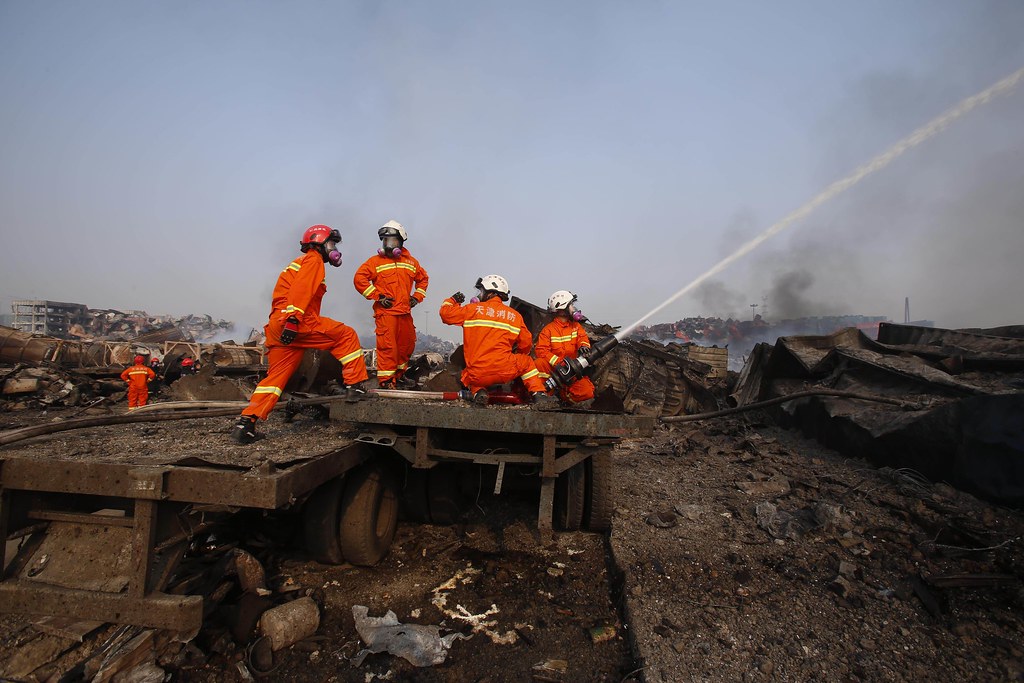
On August 12, 2015, a fire broke out at a container storage station in the port of Tianjin, China. The facility held dangerous chemicals, including calcium carbide and ammonium nitrate, stored in violation of safety regulations.
Firefighters arrived without knowing what was burning. Two explosions occurred within 30 seconds of each other.
The first registered 2.3 on the Richter scale. The second, larger blast measured 2.9 and produced an estimated 0.336 to 0.45 kilotons of force.
The explosions killed 173 people, including 99 firefighters and 11 police officers. The blasts created a crater 100 meters wide.
Shipping containers flew through the air like toys. The shock wave shattered windows in buildings kilometers away.
Satellites in orbit detected the heat signature.
Minor Scale Tested America’s Assumptions

In 1985, the U.S. Defense Nuclear Agency detonated 4,744 tons of ANFO (ammonium nitrate/fuel oil) in a tunnel at the White Sands Missile Range. The test, called Minor Scale, was designed to calibrate instruments and study air blast effects.
The explosion produced approximately 4 kilotons of force—larger than many tactical nuclear weapons. Scientists used the data to understand how conventional explosions compared to nuclear ones and to improve detection systems.
Unlike accidents, this detonation happened under controlled conditions with extensive instrumentation. The blast still impressed observers with its power, creating a mushroom cloud visible for miles and leaving a crater 90 feet deep.
Flixborough Leaked Before It Exploded

On June 1, 1974, a temporary pipe at the Nypro chemical plant in Flixborough, England, ruptured. Cyclohexane, a highly flammable liquid, escaped and formed a vapor cloud.
Within seconds, the cloud found an ignition source. The explosion killed 28 workers and injured 36 more.
The blast, estimated at 15 to 45 tons of TNT equivalent, destroyed the plant and damaged buildings in surrounding villages. Houses up to eight kilometers away suffered damage.
The disaster led to major changes in British industrial safety regulations. What made Flixborough particularly devastating was the vapor cloud explosion—a phenomenon where flammable gas forms a large cloud before igniting all at once.
The resulting pressure wave can be just as destructive as a high explosive detonation.
Krakatoa Shook the Entire World
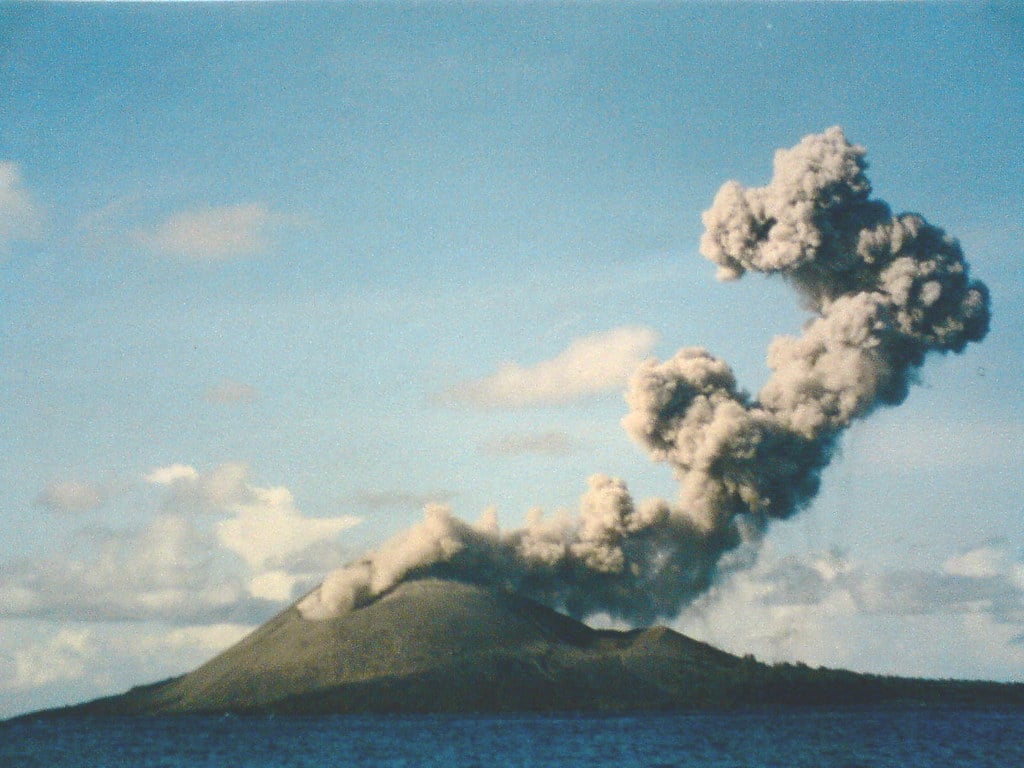
The 1883 eruption of Krakatoa remains one of the most violent volcanic events in recorded history. On August 27, the volcano produced four massive explosions, the largest around 10:02 AM.
This final blast released an estimated 200 megatons of energy—roughly 13,000 times more powerful than the Hiroshima bomb. The sound traveled around the globe four times.
People heard it in Perth, Australia, nearly 3,200 kilometers away, and in Rodrigues Island near Mauritius, nearly 5,000 kilometers distant. The pressure wave circled the Earth seven times over the following five days.
Tsunamis generated by the explosion killed approximately 36,000 people in Java and Sumatra. Waves reached heights of 40 meters and traveled across the Indian Ocean, with effects detected as far as the English Channel.
The explosion ejected so much ash into the atmosphere that global temperatures dropped for years afterward.
Mount Tambora Created the Year Without Summer
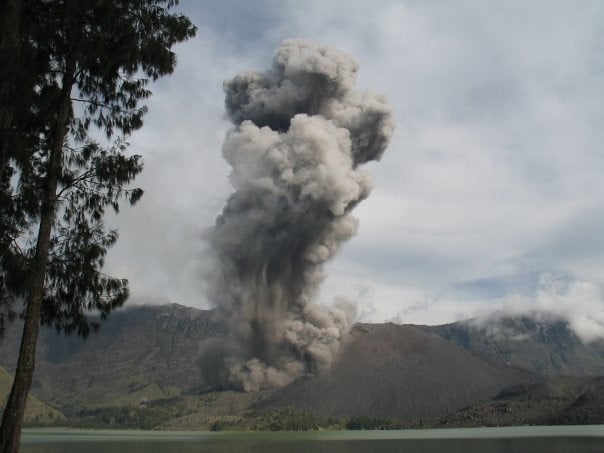
The 1815 eruption of Mount Tambora in Indonesia produced the most powerful volcanic explosion in recorded human history. The eruption released an estimated 800 megatons of energy—about 60,000 times the power of the Hiroshima bomb.
The explosion killed approximately 71,000 people directly through pyroclastic flows, ash fall, and tsunamis. But the global effects proved even more catastrophic.
The volcano ejected so much material into the stratosphere that it blocked sunlight worldwide. The year 1816 became known as the Year Without Summer.
Crops failed across Europe and North America. Snow fell in June in New England. Famines spread across the Northern Hemisphere.
The death toll from starvation and disease in the years following the eruption likely exceeded 100,000 people.
N1 Rocket Destroyed the Launchpad

On July 3, 1969, the Soviet Union attempted to launch its N1 rocket—designed to send cosmonauts to the Moon. Just seconds after liftoff, an engine shutdown triggered the rocket’s automatic safety system, which shut down all 30 first-stage engines simultaneously.
The massive rocket, fully fueled with 2,300 tons of kerosene and liquid oxygen, fell back onto the launch pad and exploded. The blast, estimated at 7 kilotons, created the largest explosion in the history of rocketry.
It destroyed the launch complex and set the Soviet lunar program back years. Films of the explosion show a hemispherical fireball expanding from the pad.
The shock wave damaged facilities kilometers away. Despite the incredible violence, no one died because the launch bunker’s design protected personnel.
Grand Slam Proved a Point

During World War II, British engineer Barnes Wallis designed the Grand Slam, a 22,000-pound earthquake bomb. The weapon wasn’t meant to destroy targets through blast alone—it was designed to penetrate deep underground before detonating, creating seismic shock waves.
While individual Grand Slam bombs contained about 4.7 tons of explosives, tests conducted after the war involved multiple bombs detonated simultaneously. These tests produced blasts measuring several tons of TNT equivalent and demonstrated the bombs’ effectiveness against hardened targets.
The Grand Slam successfully destroyed viaducts, submarine pens, and other reinforced structures that conventional bombs couldn’t touch. Only the enormous Avro Lancaster bomber, specially modified, could carry the weapon.
The Explosions That Shape Tomorrow

These blasts represent more than just destruction. They’re lessons written in fire and pressure—about the need for proper chemical storage, the dangers of rushing wartime production, the awesome power contained in Earth’s geology, and the thin margin between safety and catastrophe.
Modern industrial facilities operate under stricter regulations because of Halifax and Texas City. Chemical storage protocols exist because of Beirut and Tianjin.
Rocket engineers design fail-safes differently because of the N1 disaster. Each tragedy forced humanity to confront the reality that power, whether chemical, mechanical, or geological, demands respect.
You live in a world built on explosive energy. It powers construction, mining, space exploration, and countless industrial processes.
Understanding these historical events helps us remember that this power comes with responsibility—and that complacency can turn routine operations into historic catastrophes.
More from Go2Tutors!

- 16 Historical Figures Who Were Nothing Like You Think
- 12 Things Sold in the 80s That Are Now Illegal
- 15 VHS Tapes That Could Be Worth Thousands
- 17 Historical “What Ifs” That Would Have Changed Everything
- 18 TV Shows That Vanished Without a Finale
Like Go2Tutors’s content? Follow us on MSN.



