13 Forgotten Explorers Who Redrew the Map
History books often celebrate the same handful of famous explorers—Columbus, Magellan, Cook—while countless others who charted unknown territories and revolutionized our understanding of geography fade into obscurity. These lesser-known pathfinders braved the same dangers, endured similar hardships, and sometimes made even more remarkable discoveries than their famous counterparts.
Here’s a look at 13 overlooked explorers whose expeditions literally changed how we see the world.
Ibn Battuta
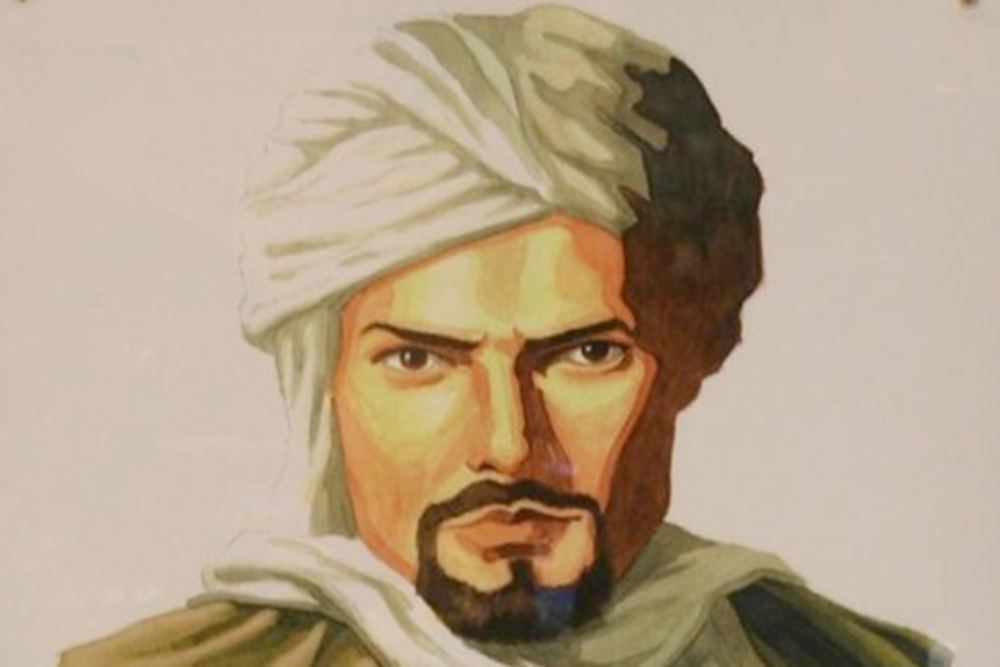
While Marco Polo gets all the glory, this 14th-century Moroccan traveler covered over 75,000 miles across Africa, the Middle East, and Asia—three times Polo’s distance. Setting out for a pilgrimage to Mecca in 1325, Battuta kept going for 29 years, visiting modern-day India, Southeast Asia, China, and crossing the Sahara to Mali.
His detailed accounts of distant cultures provided unprecedented geographical knowledge to medieval cartographers, though European historians largely ignored his achievements for centuries.
Yi Sun-sin
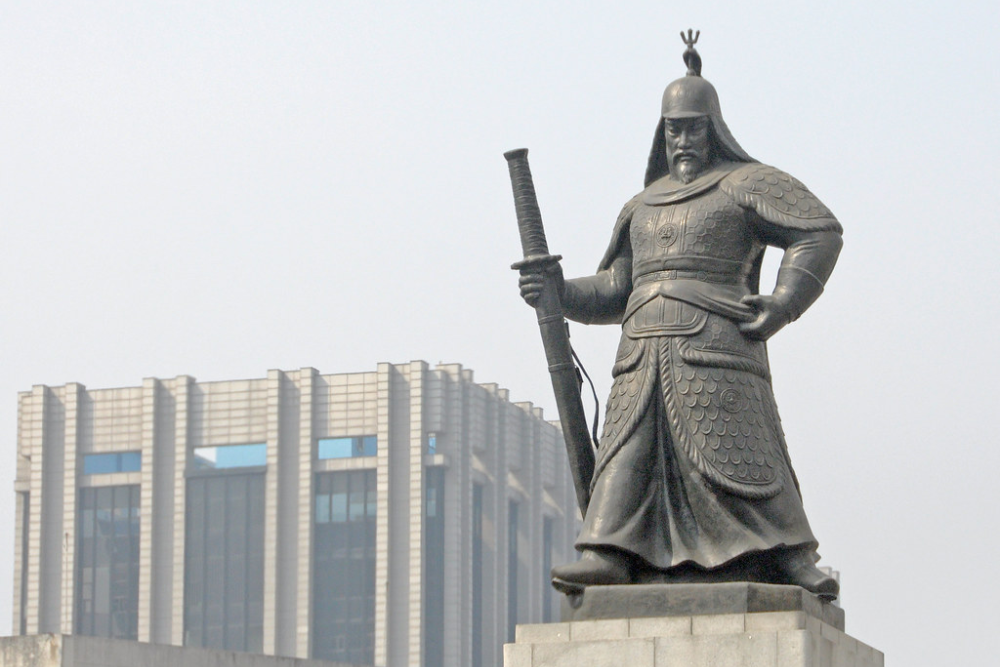
This 16th-century Korean admiral never received proper recognition outside East Asia, despite revolutionizing naval warfare and mapping countless coastal territories. When Japanese forces invaded Korea in 1592, Yi—who had never commanded a ship before—created innovative “turtle ships” with iron-plated roofs and devastating firepower.
His detailed nautical charts of the Korean Peninsula and surrounding waters remained the standard for centuries, though Western histories typically overlook his cartographic contributions.
Like Go2Tutors’s content? Follow us on MSN.
Xuanzang
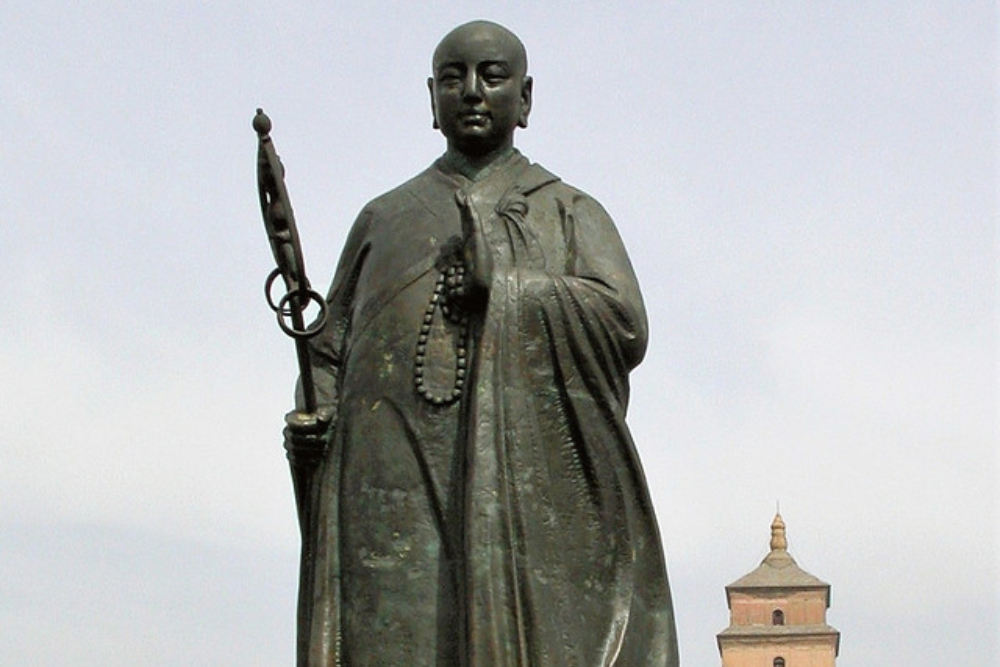
In the 7th century, a Buddhist monk named Xuanzang set out on an epic 17-year journey from China to India, covering over 10,000 miles. He defied an imperial ban to do it, driven by a deep desire to seek out sacred texts and deepen his understanding of Buddhism.
Along the way, he carefully documented everything he saw—landscapes, local customs, languages, and political borders across Central Asia and the Himalayan region. His records gave the world some of the first accurate maps of these remote kingdoms.
While Xuanzang is a celebrated figure in China and the inspiration behind the beloved novel “Journey to the West,” he’s still relatively unknown in the West, despite the remarkable legacy he left behind.
Jeanne Baret
The first woman to circumnavigate the globe did so disguised as a man aboard Louis-Antoine de Bougainville’s expedition in 1766. Serving as assistant to the expedition’s naturalist (and her lover) Philibert Commerson, Baret collected thousands of plant specimens throughout South America and the South Pacific.
Her botanical knowledge helped map previously uncharted island ecosystems, though her remarkable journey remained obscured by gender prejudice for centuries.
Ahmad ibn Fadlan
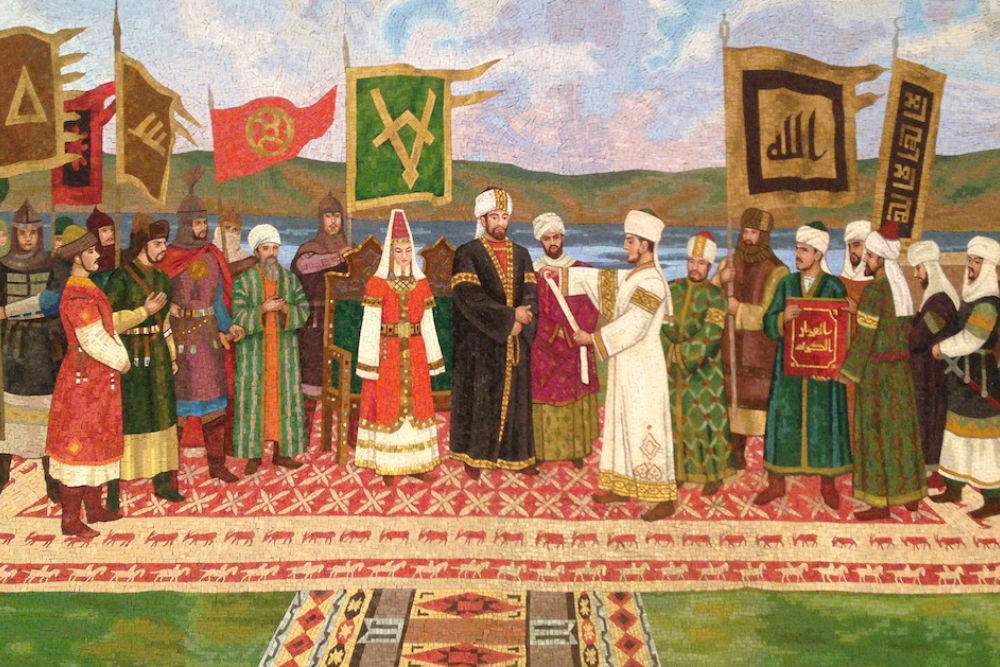
This 10th-century Arab diplomat ventured deep into Eastern Europe and Central Asia, providing the first detailed accounts of Vikings, Bulgars, and Khazars. Sent by the Abbasid Caliph to the Volga Bulgars in 921, Ibn Fadlan documented rivers, mountain ranges, and settlements previously unknown to Middle Eastern geographers.
His journals contain invaluable ethnographic details while establishing geographical connections between Islamic lands and northern Europe—though his contributions remain overshadowed by later European explorers.
Like Go2Tutors’s content? Follow us on MSN.
Matthew Flinders
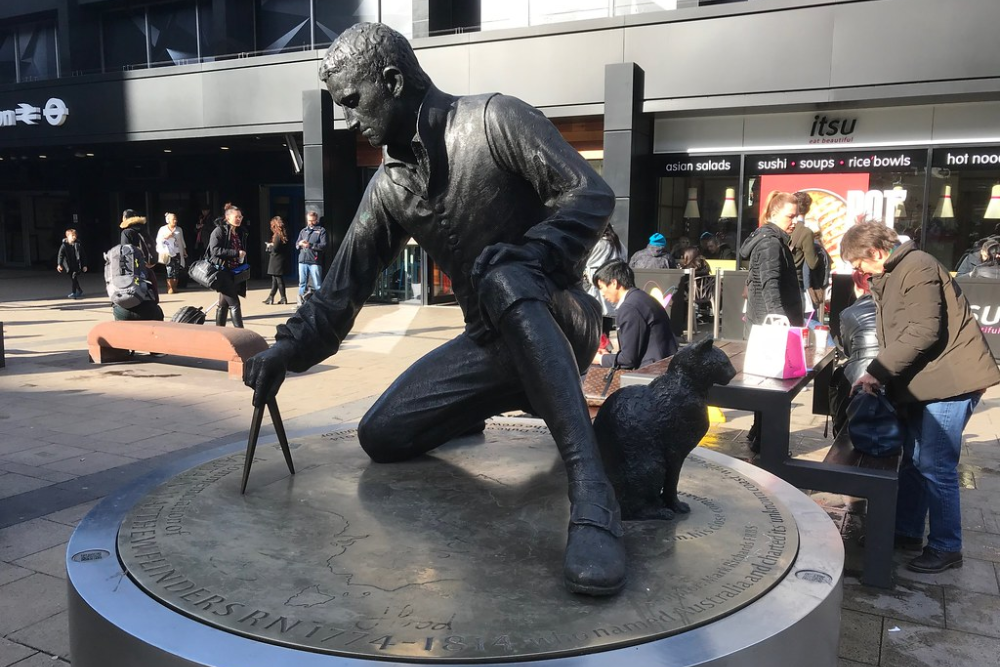
Between 1801 and 1803, British naval officer Matthew Flinders became the first person to sail around Australia, proving it was one large continent rather than a series of islands. He mapped nearly the entire coastline with incredible precision—sometimes working from a tiny open boat when his main ship couldn’t sail.
Flinders was also the one who proposed the name “Australia” for the land. But despite his groundbreaking work, his life took a harsh turn. On his way home, he was captured by the French and held prisoner for six years.
By the time he was released, others had published discoveries based on his maps, and he died in relative obscurity—his achievements largely unrecognized during his lifetime.
Sven Hedin
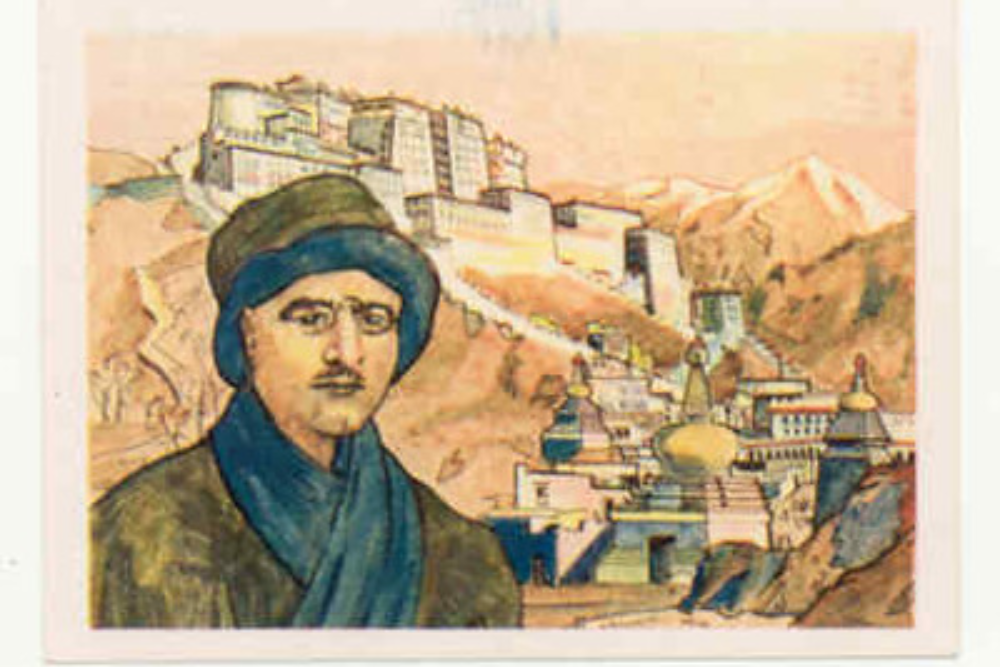
This Swedish explorer mapped vast swaths of Central Asia between 1893 and 1935, discovering the source of the Brahmaputra River and charting the shifting desert lakes of Xinjiang. Through four major expeditions, Hedin documented thousands of miles of terrain in Tibet, Mongolia, and western China that had never appeared on modern maps.
Despite creating the first accurate atlases of these regions and discovering lost cities along the Silk Road, Hedin’s associations with Nazi Germany later tarnished his reputation and contributions.
Alexandrine Tinné
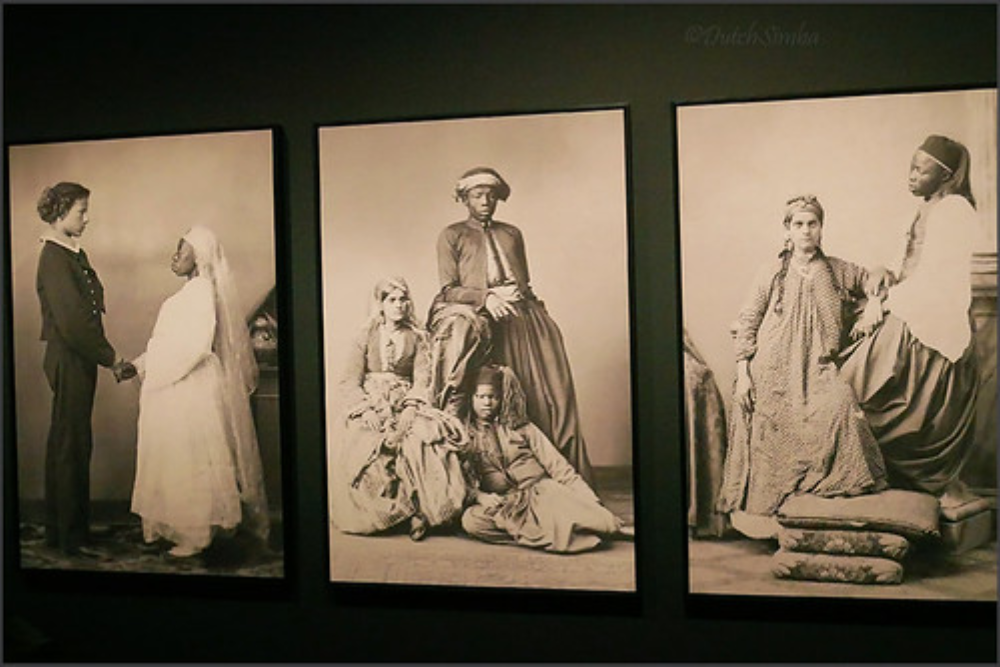
This wealthy Dutch explorer ventured deep into uncharted regions of North and Central Africa in the 1860s, where few Europeans—and certainly no European women—had traveled before. Tinné mapped portions of the Nile and its tributaries while documenting previously unknown lakes and mountain ranges.
Her ethnographic observations provided new insight into Saharan cultures before she was murdered by Tuareg guides in 1869 at age 33, cutting short what might have been one of the most significant African mapping expeditions of the era.
Like Go2Tutors’s content? Follow us on MSN.
Manuel de Oyarzábal
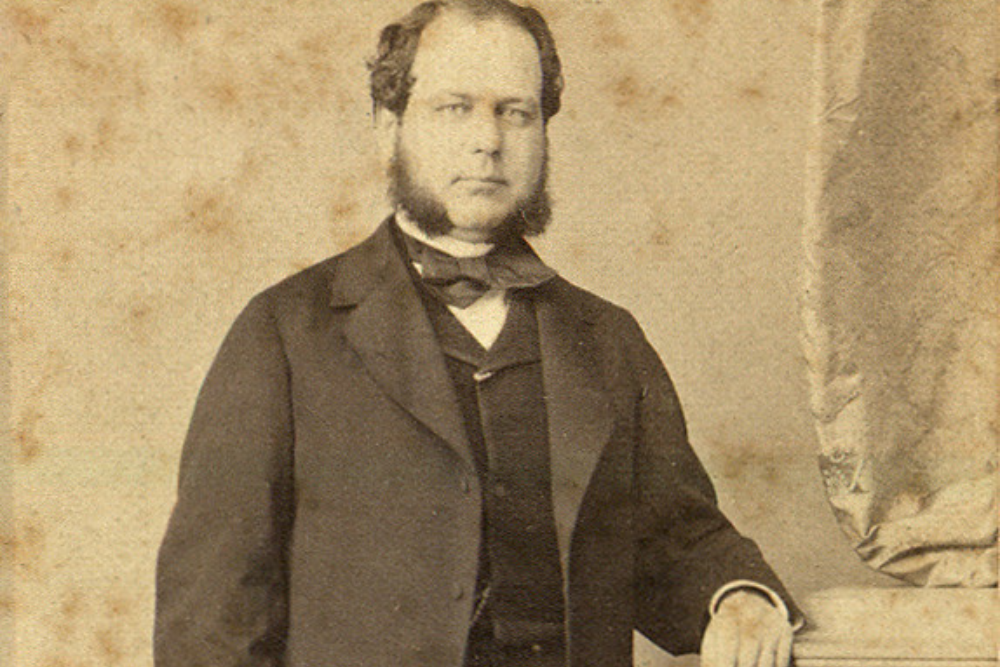
This Spanish naval officer led the overlooked Malaspina Expedition’s scientific teams from 1789 to 1794, producing the first detailed coastal maps of Patagonia, Alaska, and the Pacific Northwest. While the expedition was suppressed for political reasons—its leader imprisoned for alleged sedition—Oyarzábal secretly preserved crucial charts and scientific findings.
His meticulous coastal surveys corrected major cartographic errors regarding North America’s western shores, though he died before receiving recognition for this monumental contribution to maritime navigation.
George Washington De Long
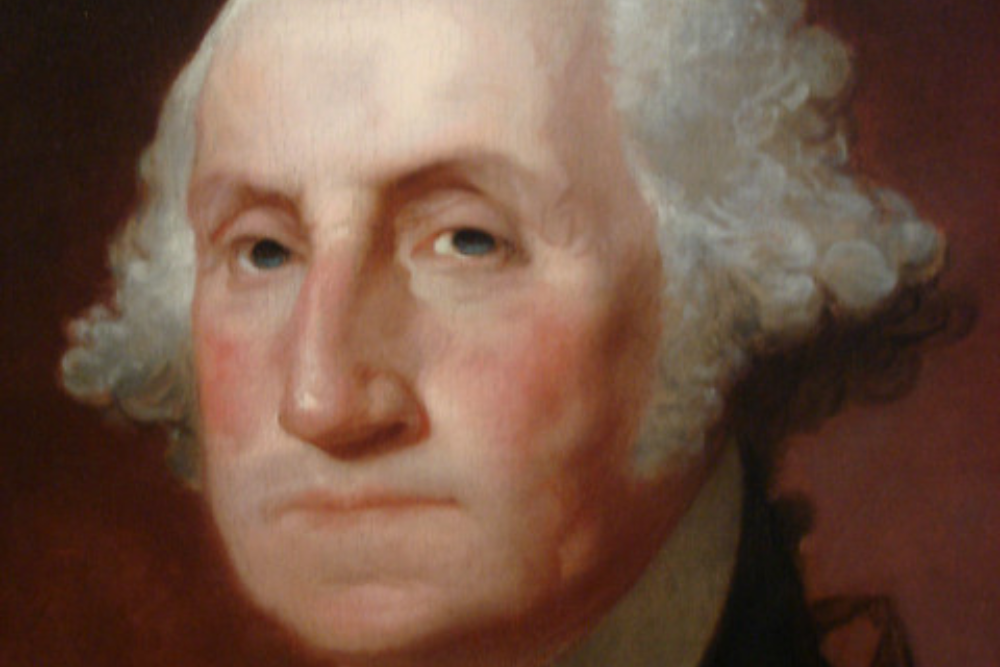
This American naval officer led the ill-fated Jeannette Expedition in 1879, attempting to reach the North Pole through the Bering Strait. Though his ship became trapped in ice and eventually sank, De Long discovered new Arctic islands and disproved the prevailing theory of an “Open Polar Sea.”
The expedition’s tragic end—with De Long and most crew members perishing—overshadowed its geographical achievements, which included proving that Greenland was separate from other Arctic landmasses, fundamentally redrawing northern hemisphere maps.
Nain Singh Rawat
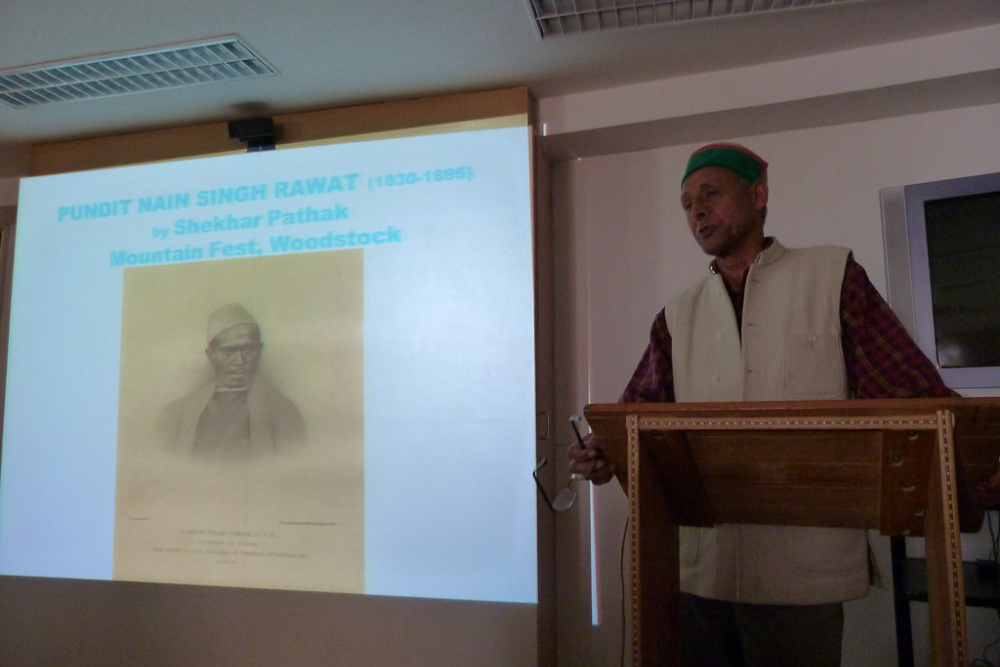
This Indian explorer secretly mapped Tibet and the Himalayan region in the 1860s, working for the British Survey of India disguised as a Buddhist monk. Trained to take precisely 33-inch steps to measure distances accurately, Singh determined the exact location of Lhasa, charted the Tsangpo (upper Brahmaputra) River, and identified the true source of the Indus.
His extraordinary surveys—conducted while counting prayer beads that concealed surveying equipment—created the first reliable maps of Tibet despite the region being closed to foreigners.
Like Go2Tutors’s content? Follow us on MSN.
Andrés de Urdaneta
This Augustinian friar and former conquistador solved one of colonial navigation’s greatest challenges by discovering the return route from the Philippines to Mexico in 1565. Previous expeditions had reached Asia via the Pacific but couldn’t find favorable winds to return eastward.
Urdaneta’s northerly route—tracking far above the equator to catch prevailing westerlies—established the Manila-Acapulco trade route that connected continents for 250 years. His pioneering work in Pacific wind patterns revolutionized maritime cartography while enabling the first global trade networks.
Xu Fu
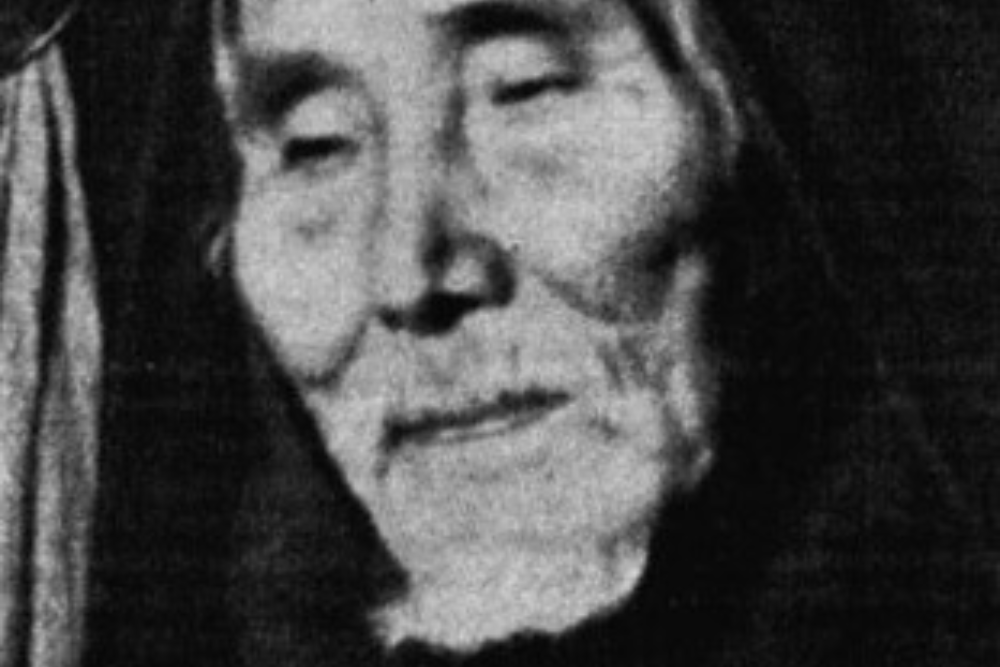
This Qin Dynasty explorer allegedly led a massive expedition searching for immortality elixirs in 219 BCE, sailing with thousands of young men and women to find mythical islands east of China. Though often dismissed as legend, archaeological evidence suggests Xu’s fleet may have reached Japan, Korea, or even North America nearly 1,700 years before Columbus.
Some Japanese traditions credit him with introducing agriculture and metallurgy to the islands. While the true extent of his voyages remains debated, Xu’s expeditions potentially represent one of history’s earliest organized attempts at Pacific exploration.
Beyond the Familiar Names
These overlooked pathfinders remind us that exploration history extends far beyond the handful of names featured in textbooks. Their achievements—mapping uncharted territories, connecting distant civilizations, and correcting geographical misconceptions—profoundly shaped our understanding of the world.
Through extraordinary perseverance and often at tremendous personal cost, these forgotten explorers literally redrew the maps that guided human movement, trade, and cultural exchange across centuries.
Like Go2Tutors’s content? Follow us on MSN.
More from Go2Tutors!

- 16 Restaurant Chains That Went Too Fast
- 12 Things Sold in the 80s That Are Now Illegal
- 15 Strange Things People Have Tried to Ban (And Failed)
- 16 Collectibles People Tossed Out Too Soon
- 17 Myths from Your Childhood That Were Actually Based on Real Things
Like Go2Tutors’s content? Follow us on MSN.