Music Videos Banned From MTV
MTV launched in 1981 with the promise of bringing music to television screens across America, but not every video made the cut.
From its earliest days, the network faced tough decisions about what content crossed the line for their audience.
Some videos featured too much skin, others pushed religious boundaries, and a few just made executives nervous about angry phone calls from concerned parents.
The reasons for banning varied wildly over the decades.
Sometimes it was obvious why a video got pulled, but other times MTV’s decisions seemed more about protecting advertisers than viewers.
Here is a list of music videos that were deemed too controversial for the channel that claimed it wanted your MTV.
Queen – Body Language

Queen earned the distinction of having the first video ever banned by MTV in 1982.
The clip featured sweaty bodies in a steam room, writhing around in tight workout gear while Freddie Mercury watched from the sidelines.
MTV claimed the ‘homoerotic undertones’ made it unsuitable for viewers, though by today’s standards the whole thing looks pretty tame.
Duran Duran – Girls on Film

This video was shot just weeks before MTV launched, intended for nightclub screens rather than television.
The band filmed models mud-wrestling, pillow-fighting in lingerie, and giving massages in nurse outfits.
MTV heavily edited the clip, while the BBC banned it outright, but the controversy only made Duran Duran more popular.
Queen – I Want to Break Free
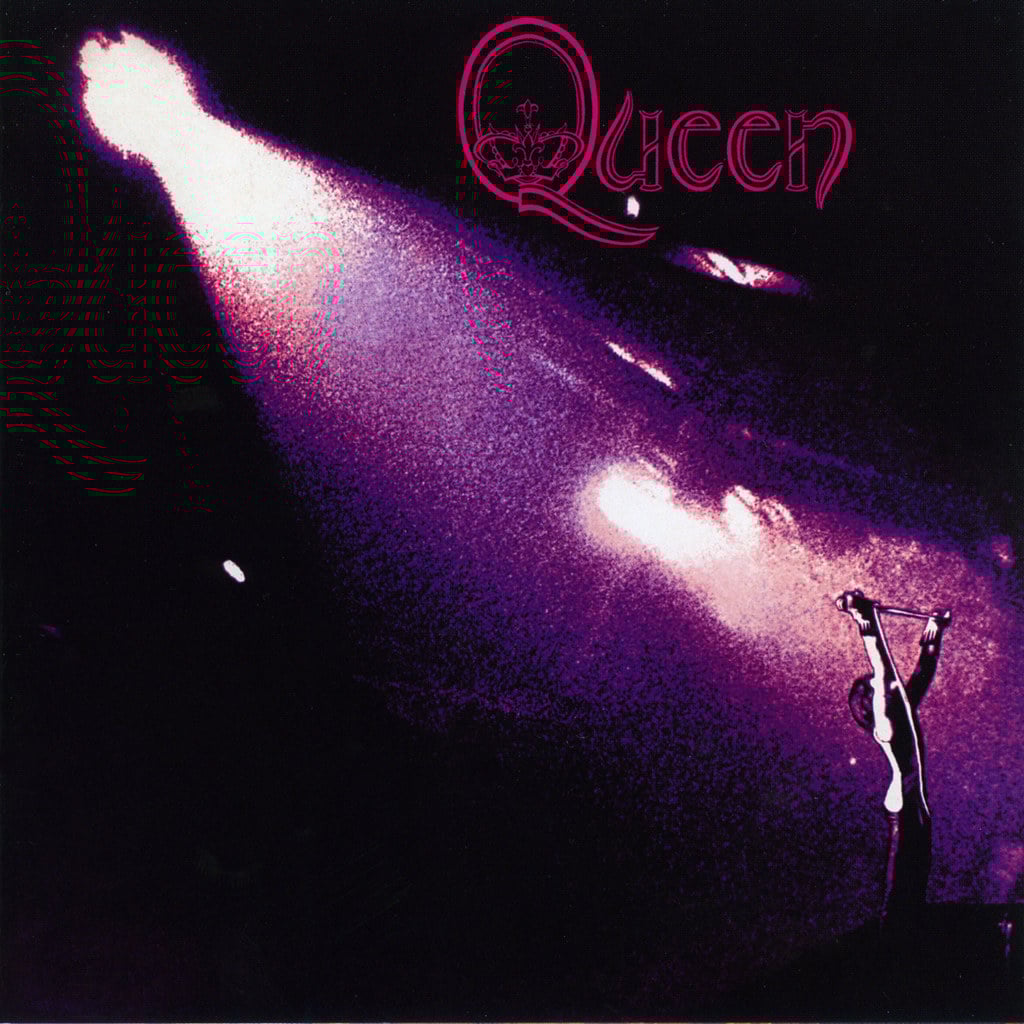
Freddie Mercury and the band dressed up as characters from the British soap opera ‘Coronation Street,’ with the guys wearing dresses and doing housework.
MTV banned it for supposedly promoting cross-dressing, completely missing that it was a parody of a popular TV show.
The video became an anthem for the LGBTQ+ community and remains one of Queen’s most beloved clips.
Twisted Sister – Be Chrool to Your Scuel

The video featured zombie students rising up against their teachers, with Dee Snider and Alice Cooper fighting off an army of the undead.
MTV said the zombie content was ‘too gross,’ which Snider found ridiculous since Michael Jackson’s ‘Thriller’ had won awards for basically the same thing.
The band felt they were being made an example of during the height of parental concern about rock music.
Mötley Crüe – Girls, Girls, Girls

Shot at the Seventh Veil Strip Club in Los Angeles, the original version featured dancers performing without their tops.
MTV rejected it immediately, so the band filmed a second version with the dancers wearing bikinis instead.
The edited version became one of the most popular music videos of 1987, proving that sometimes a little censorship doesn’t hurt sales.
Neil Young – This Note’s For You
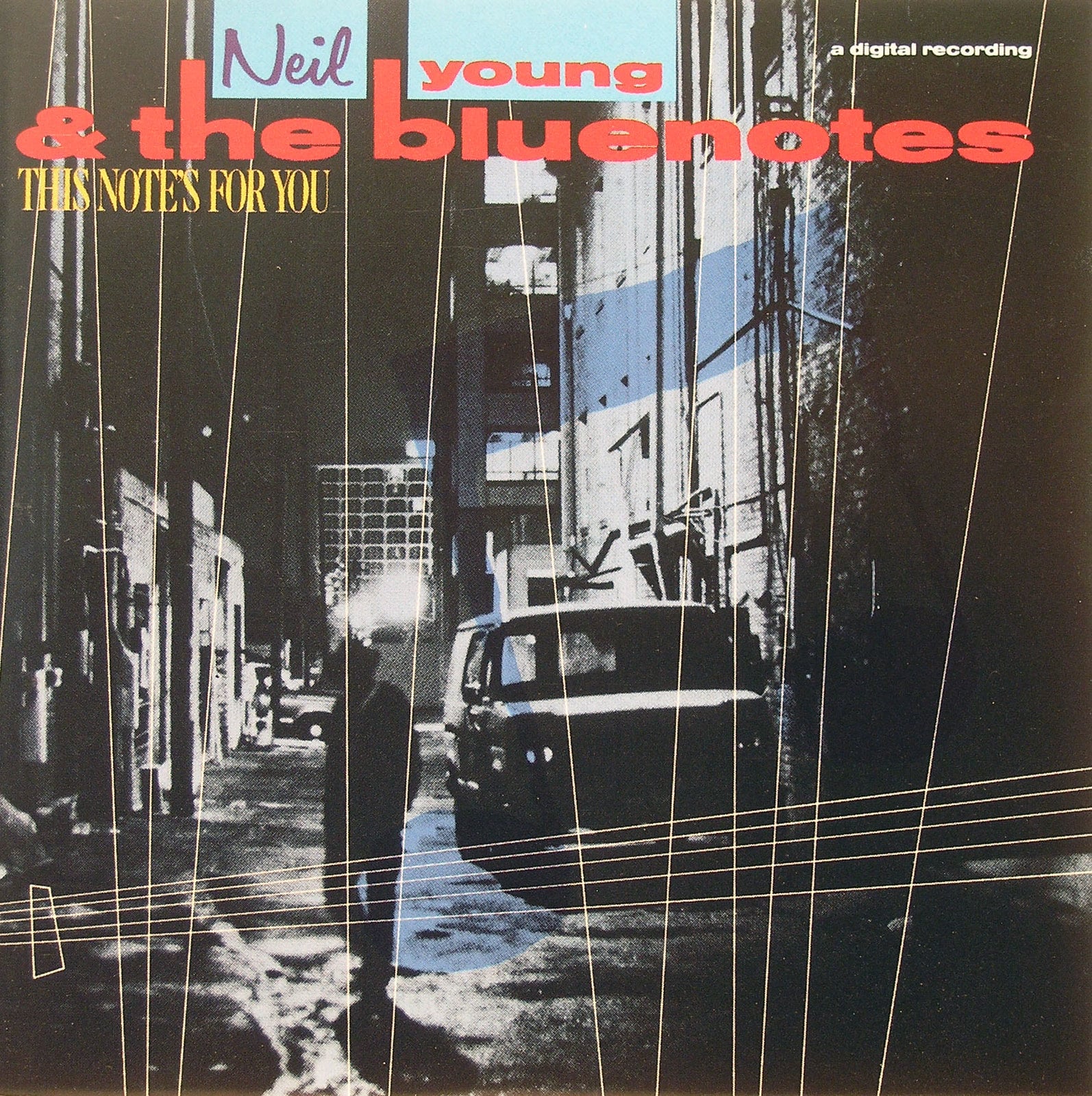
Young created a video mocking corporate sponsorship and product placement, which didn’t sit well with MTV’s major advertisers like Pepsi.
The network refused to air it, prompting Young to write an angry letter asking what the ‘M’ in MTV stood for—music or money.
He got the last laugh when the video won Video of the Year at the 1989 VMAs, an award presented by the very network that banned it.
Megadeth – A Tout le Monde
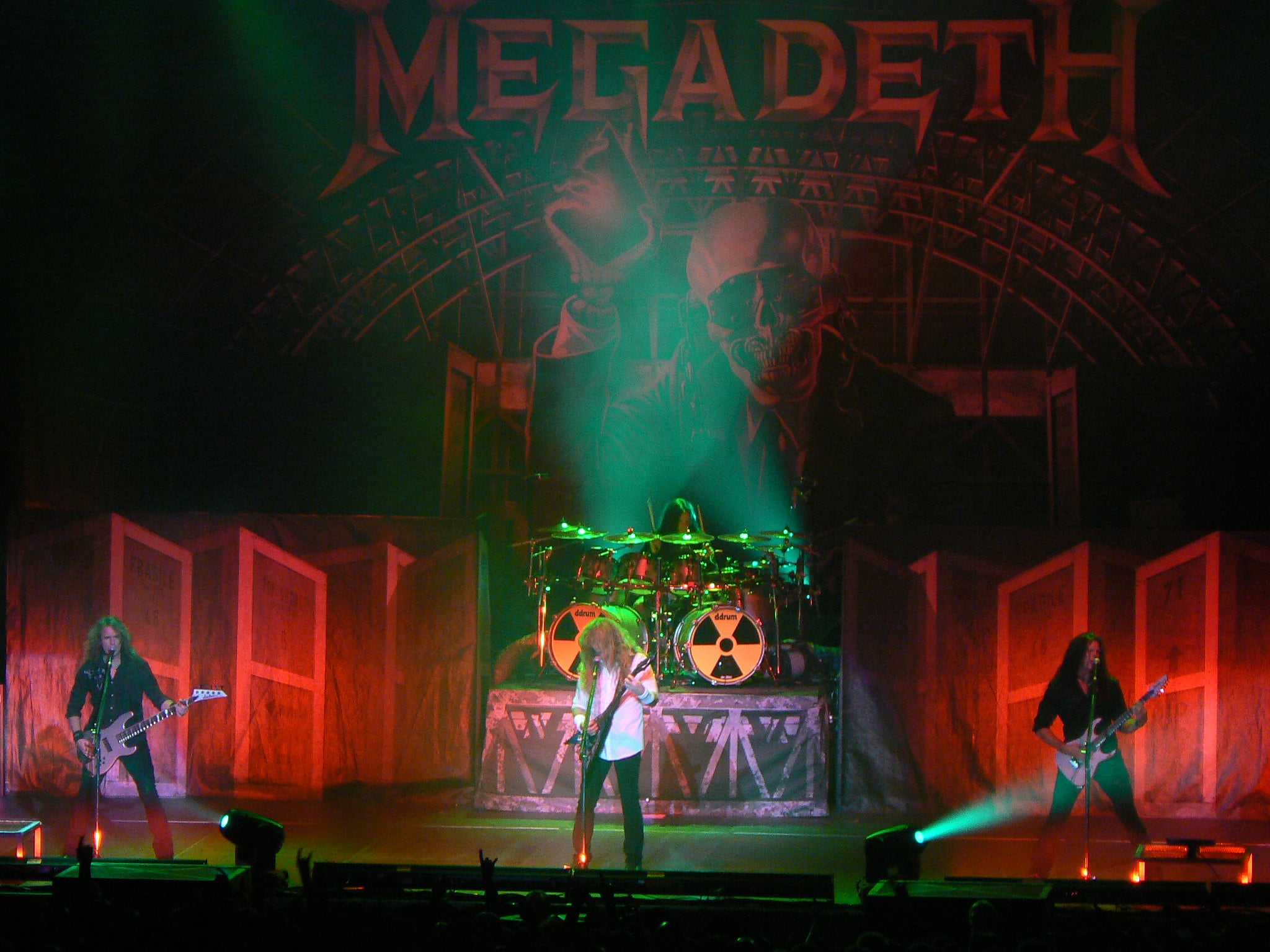
MTV banned this video because they interpreted the lyrics as promoting self-harm.
Dave Mustaine actually wrote the song about the death of his former bandmate Cliff Burton, and the French lyrics translate to ‘to the whole world, to all my friends, I love you, I have to go.’
The misunderstanding shows how quick MTV was to pull content based on assumptions rather than actual intent.
Soundgarden – Jesus Christ Pose
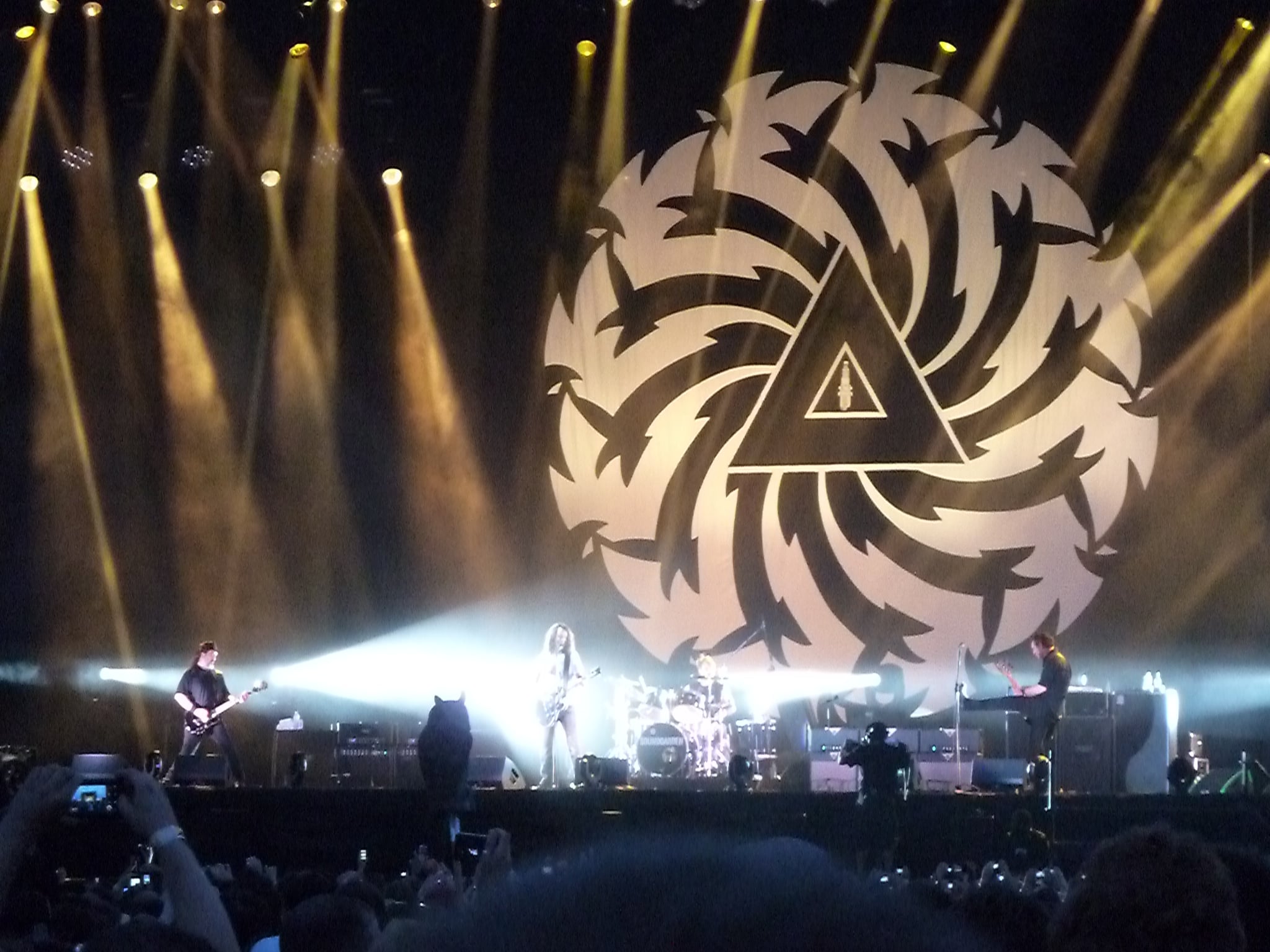
The video featured people and objects nailed to crosses, including a blindfolded girl and a mechanical skeleton.
MTV banned it for blasphemous religious imagery, particularly bothered by the crosses that flashed between upright and inverted positions.
The controversy was typical of the early ’90s when religious groups kept a close eye on rock music.
Nine Inch Nails – Closer
Trent Reznor’s disturbing masterpiece included a beating heart connected to machinery, a monkey tied to a crucifix, and Reznor himself in bondage gear.
The notorious lyric ‘I wanna f— you like an animal’ didn’t help matters.
MTV eventually aired a heavily censored version with ‘scene missing’ cards covering the explicit parts, turning the video into something like a bizarre puzzle.
Madonna – Justify My Love
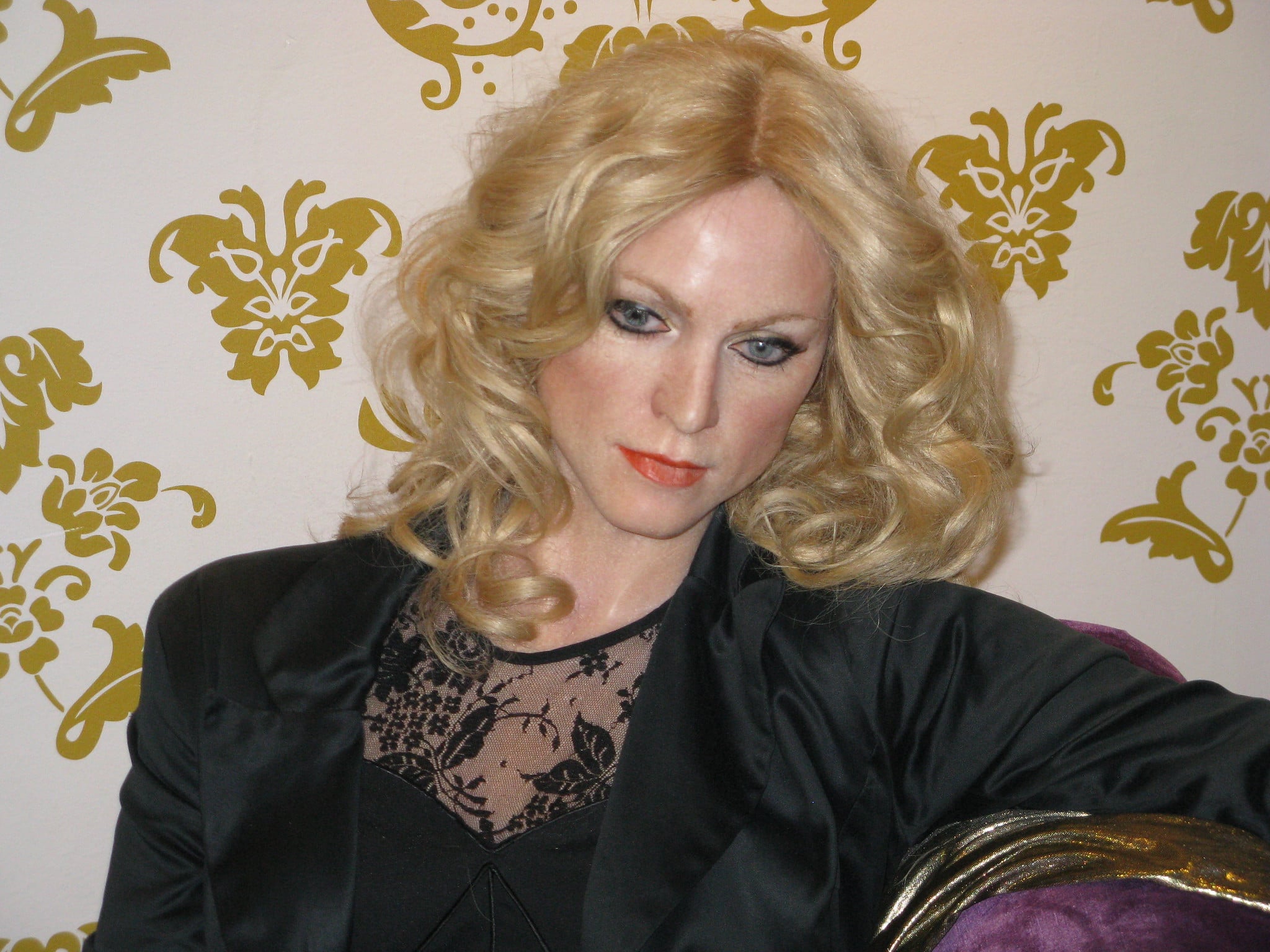
Madonna pushed boundaries with a black-and-white video full of bedroom activities that MTV wouldn’t touch.
She turned the ban into profit by releasing it as the first-ever VHS video single, packaged in a plain black sleeve like adult entertainment.
ABC’s Nightline aired the video during an interview with Madonna, giving it more exposure than MTV ever could have.
Marilyn Manson – (s)aint

Manson started the video covered in blood while cutting up a Bible with a razor.
His own label Interscope banned it from American airwaves, not just MTV.
The video was designed to provoke, and it succeeded beyond expectations, cementing Manson’s reputation as the poster child for controversial music in the late ’90s.
Foo Fighters – Low

Dave Grohl and Jack Black played drunken hillbillies who trash a hotel room while filming themselves with a handheld camera.
The two friends dressed in wigs and lingerie, acting increasingly outrageous as the video progressed.
MTV banned it for provocative content, though guitarist Chris Shiflett described it as just ‘Dave and Jack Black being incredibly sketchy.’
M.I.A. – Born Free
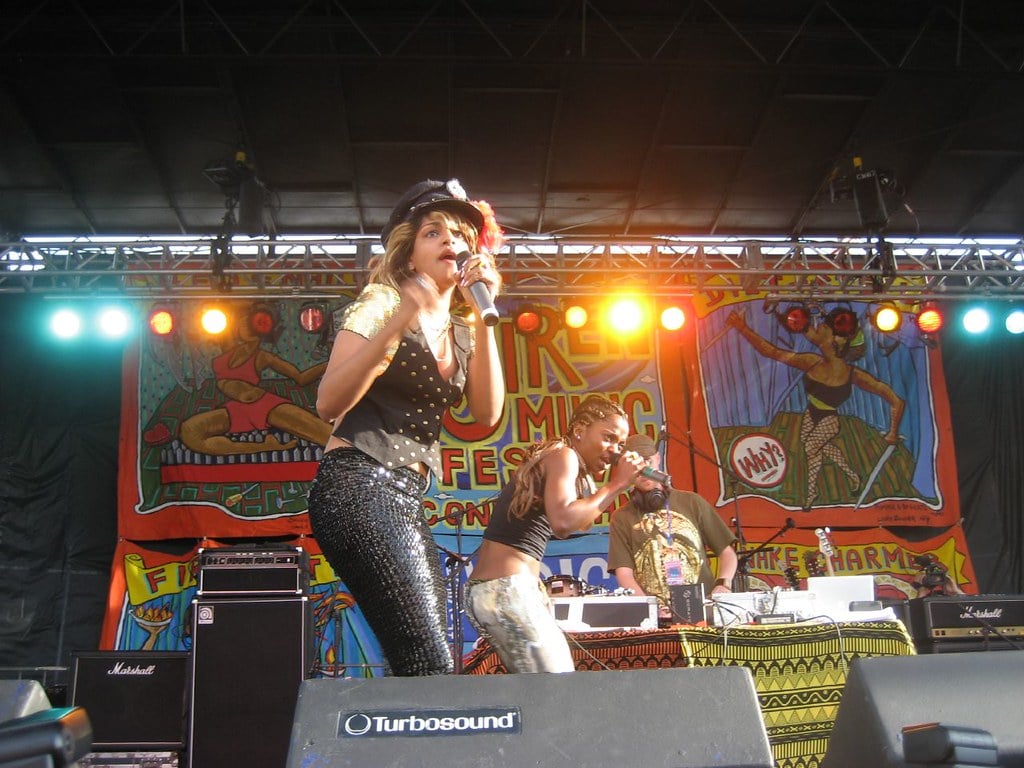
This violent video served as a metaphor for real genocide, showing disturbing imagery that YouTube initially blocked in the US and UK.
M.I.A. defended her artistic choices by claiming Justin Bieber’s videos were ‘more of an assault to my eyes and senses’ than her own work.
The controversy followed her to the Super Bowl, where she caused another scandal by flipping off the camera during Madonna’s halftime show.
Lady Gaga – Alejandro
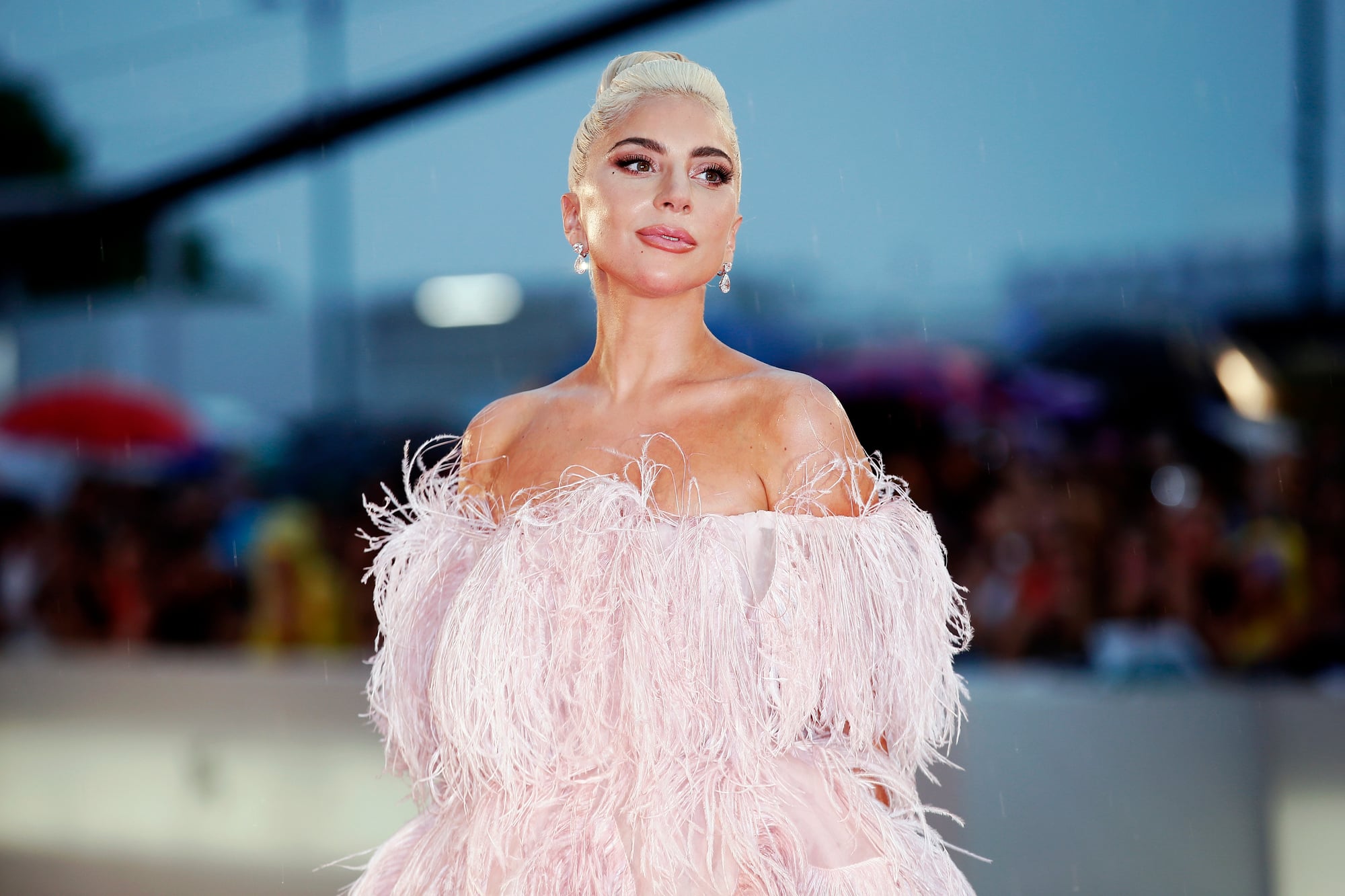
MTV didn’t ban this video completely but relegated it to late-night rotation on a sister channel.
The clip featured bondage, simulated intimacy, religious imagery, and Gaga dressed as a nun in vinyl.
By this point MTV rarely played music videos anyway, making the ‘banned’ status somewhat meaningless in practical terms.
When Controversy Became Currency
MTV’s banning practices reflected the cultural anxieties of each decade, from fears about gender expression in the ’80s to concerns about violence and explicit content in the ’90s.
Many artists discovered that getting banned actually boosted their careers, turning censorship into free publicity.
The rise of the internet eventually made MTV’s decisions irrelevant, since fans could watch anything they wanted online.
These videos remind us that pushing boundaries has always been part of rock and roll, and sometimes the best way to get attention is to make someone tell you no.
More from Go2Tutors!

- The Romanov Crown Jewels and Their Tragic Fate
- 13 Historical Mysteries That Science Still Can’t Solve
- Famous Hoaxes That Fooled the World for Years
- 15 Child Stars with Tragic Adult Lives
- 16 Famous Jewelry Pieces in History
Like Go2Tutors’s content? Follow us on MSN.