Creative Desserts From Around the Globe
Every culture has its own way of ending a meal on a sweet note. Some countries stack layers of delicate pastry and cream while others deep-fry dough until it turns golden and crispy.
The diversity in how people around the world satisfy their sweet tooth tells stories about tradition, available ingredients, and pure creativity in the kitchen.
Desserts reveal something deeper about the places they come from. The techniques passed down through generations, the local flavors that define a region, and the celebrations that inspire new creations all come together in these final courses that people remember long after the plates get cleared.
Here are some of the most interesting sweet treats that kitchens across the globe have created. These aren’t your standard cakes and cookies—they’re the desserts that make you stop and wonder how someone ever thought to combine those ingredients in the first place.
Mochi From Japan

Japan’s chewy rice cakes wrapped around sweet fillings have been around for centuries but still feel modern somehow. The outer layer is made from pounded glutinous rice that creates this unique texture—not quite sticky, not quite firm, just perfectly soft.
Inside, you’ll typically find sweet red bean paste, though ice cream versions became wildly popular in recent decades. Making traditional mochi requires serious arm strength since the rice gets pounded with wooden mallets until it reaches the right consistency.
The contrast between the slightly powdery exterior and the smooth filling inside creates an experience that’s hard to compare to anything else.
Tres Leches Cake From Latin America

This cake literally translates to ‘three milks cake’ and lives up to its name by getting soaked in evaporated milk, condensed milk, and heavy cream. The sponge cake absorbs all that liquid without falling apart, creating something that’s simultaneously light and incredibly rich.
People across Latin America debate which country invented it, with Mexico, Nicaragua, and several others claiming ownership. The top usually gets covered with whipped cream and sometimes fruit, though the real magic happens in that milk-soaked middle layer.
Eating tres leches feels less like biting into cake and more like experiencing some form of dairy cloud.
Baklava From The Middle East and Mediterranean
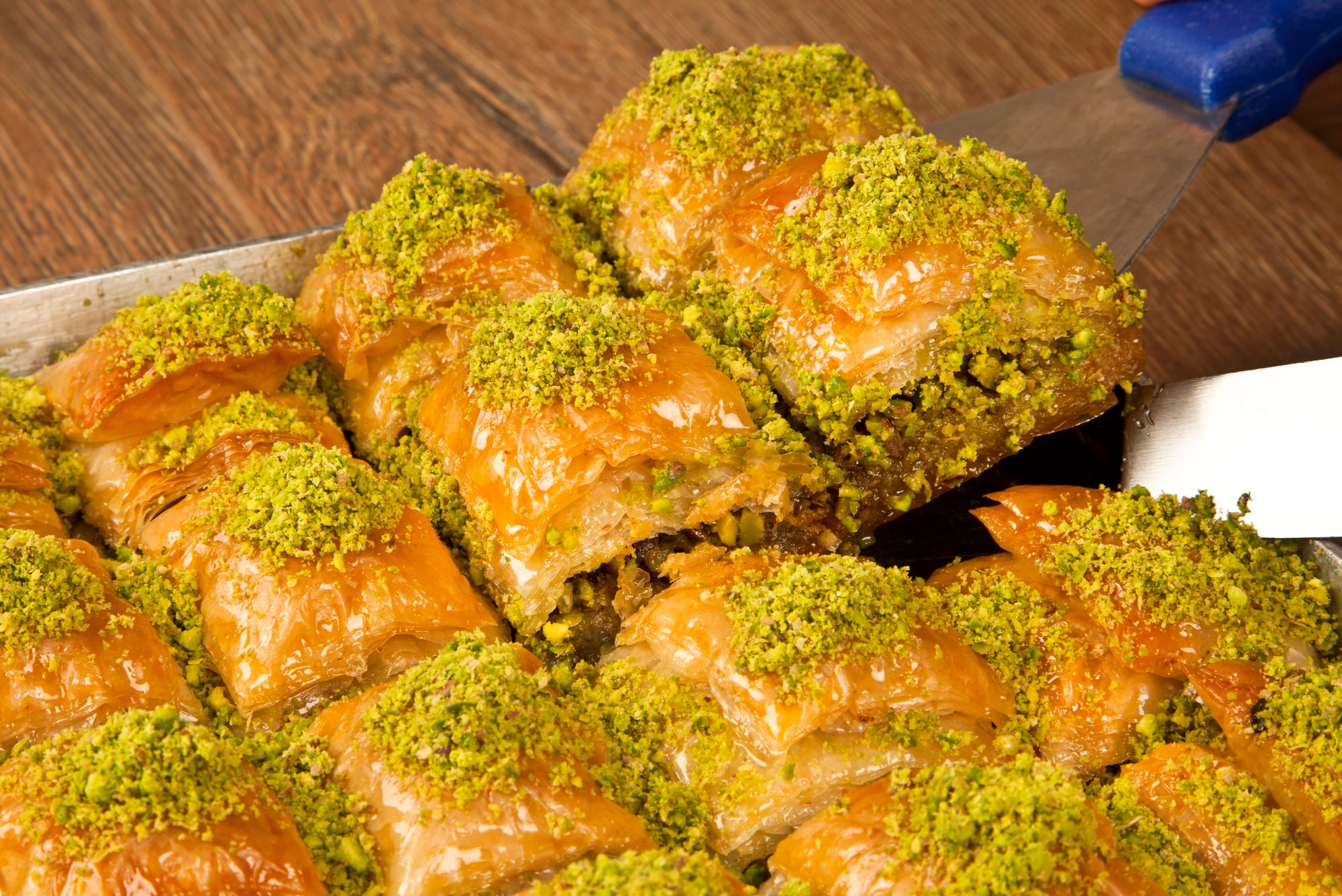
Layers upon layers of thin phyllo dough get brushed with butter, stacked with chopped nuts, baked until golden, then drenched in honey syrup or sugar syrup flavored with lemon and rose water. The number of layers can reach up to 40 in traditional recipes, each one crispy and delicate.
Turkey, Greece, and various Middle Eastern countries all have their own versions with slight variations in nuts, spices, and sweetness levels. The combination of crunchy pastry and sticky-sweet syrup creates textures that shatter and melt at the same time.
Good baklava should make your fingers slightly sticky and your taste buds equally happy.
Pavlova From Australia and New Zealand

This meringue-based dessert sparked one of the friendliest rivalries in the Southern Hemisphere, with both Australia and New Zealand claiming they invented it. Named after the Russian ballerina Anna Pavlova who toured both countries in the 1920s, it features a crispy outer shell and a soft, marshmallow-like interior.
The top gets piled with whipped cream and fresh fruit, usually passion fruit, strawberries, or kiwi. The technique requires beating egg whites with sugar until stiff peaks form, then baking at low temperature so the outside crisps without the inside drying out.
When you crack through that shell to reveal the pillowy center, you understand why people still argue about who made it first.
Gulab Jamun From India
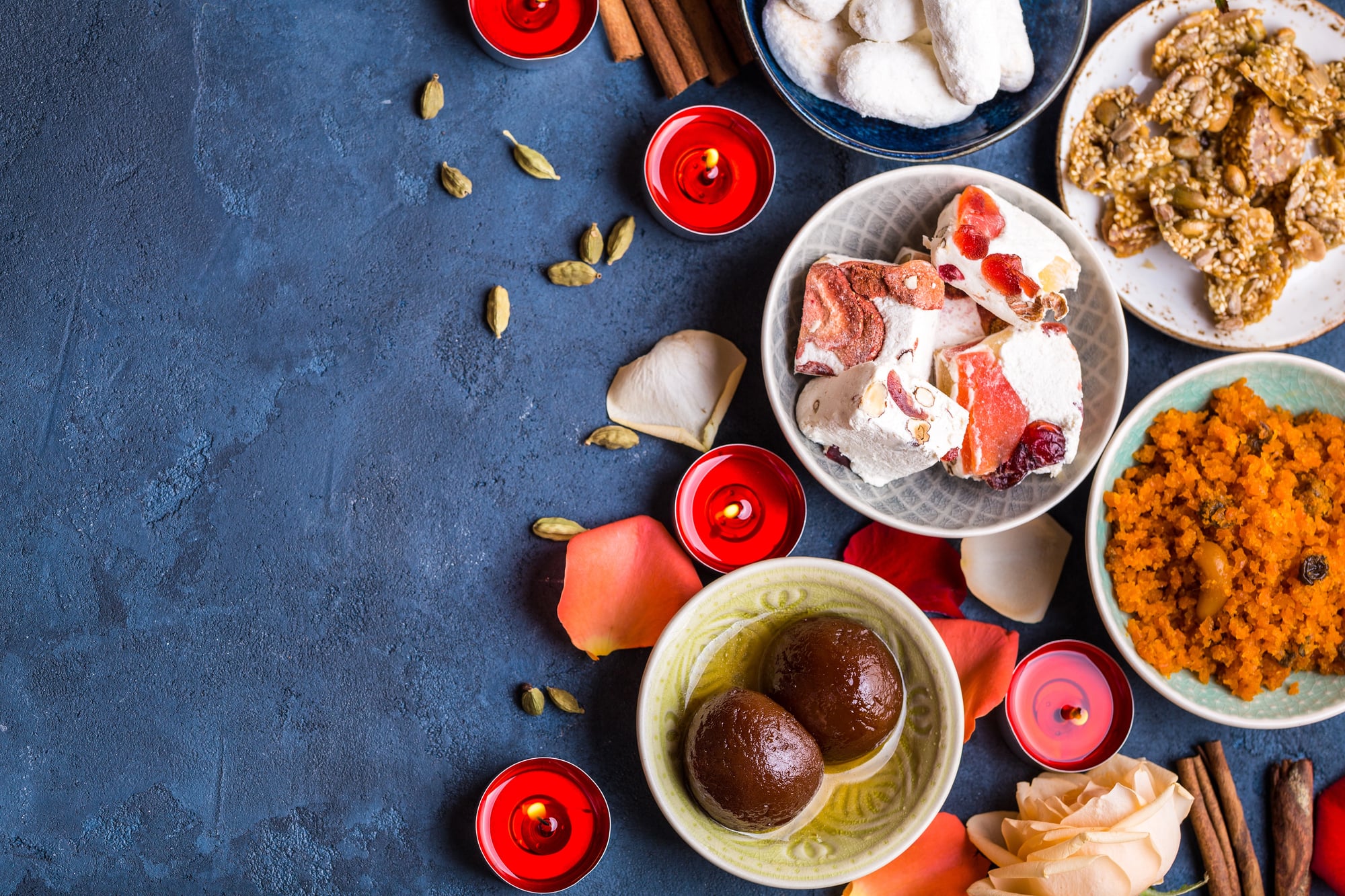
These deep-fried dough rounds soaked in rose-flavored sugar syrup appear at practically every Indian celebration and festival. Made from milk solids and flour, the dough gets formed into small spheres and fried until they turn deep brown.
Then they take a long bath in syrup infused with cardamom, rose water, and saffron, absorbing sweetness until they practically glow. Served warm, they’re soft enough to fall apart on your tongue while delivering an intensity of flavor that doesn’t apologize for itself.
The syrup-to-dough ratio matters tremendously—too much and they become soggy, too little and they stay dry inside.
Churros From Spain

Spain gave the world these ridged sticks of fried dough that became street food legends across multiple continents. The dough gets piped through a star-shaped nozzle straight into hot oil, creating those distinctive ridges that hold cinnamon sugar so well.
In Spain, people dip them in thick hot chocolate for breakfast, treating them less like dessert and more like a morning ritual. The outside should crunch when you bite it while the inside stays soft and slightly chewy.
Latin American countries adopted churros and ran with them, creating filled versions with dulce de leche, chocolate, or fruit.
Tiramisu From Italy

This no-bake Italian classic layers coffee-soaked ladyfinger cookies with mascarpone cheese mixture and gets dusted with cocoa powder on top. The name means ‘pick me up’ in Italian, referring to the caffeine from the espresso used to soak those cookies.
Traditional versions use raw eggs in the mascarpone mixture, though many modern recipes skip this for safety reasons. The dessert needs several hours in the refrigerator for all the flavors to meld together properly and for the cookies to soften without turning mushy.
When done right, tiramisu delivers coffee flavor that doesn’t overpower the creamy sweetness of the mascarpone.
Flan From Spain and Latin America
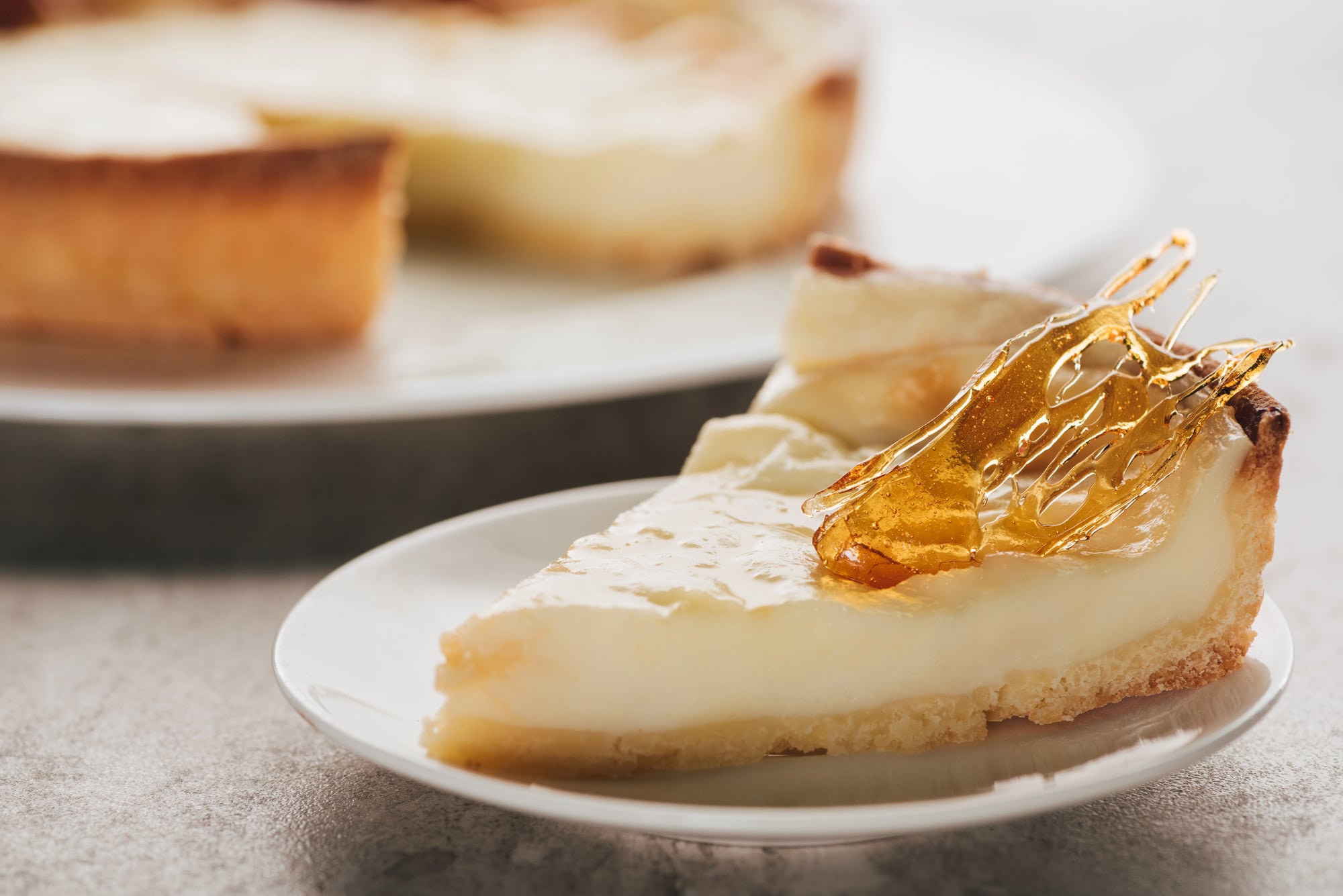
This caramel custard dessert shows up across Spanish-speaking countries with slight regional variations but the same basic concept. Eggs, milk, sugar, and vanilla get combined and baked in a water bath with caramelized sugar coating the bottom of the pan.
After cooling and flipping, that caramel becomes a sauce that pools around the silky custard. The texture should wobble slightly but hold its shape, with a smoothness that comes from careful temperature control during baking.
Some versions add coconut, cream cheese, or coffee, but purists insist the simple version showcases technique better than any additions could.
Kulfi From India and Pakistan
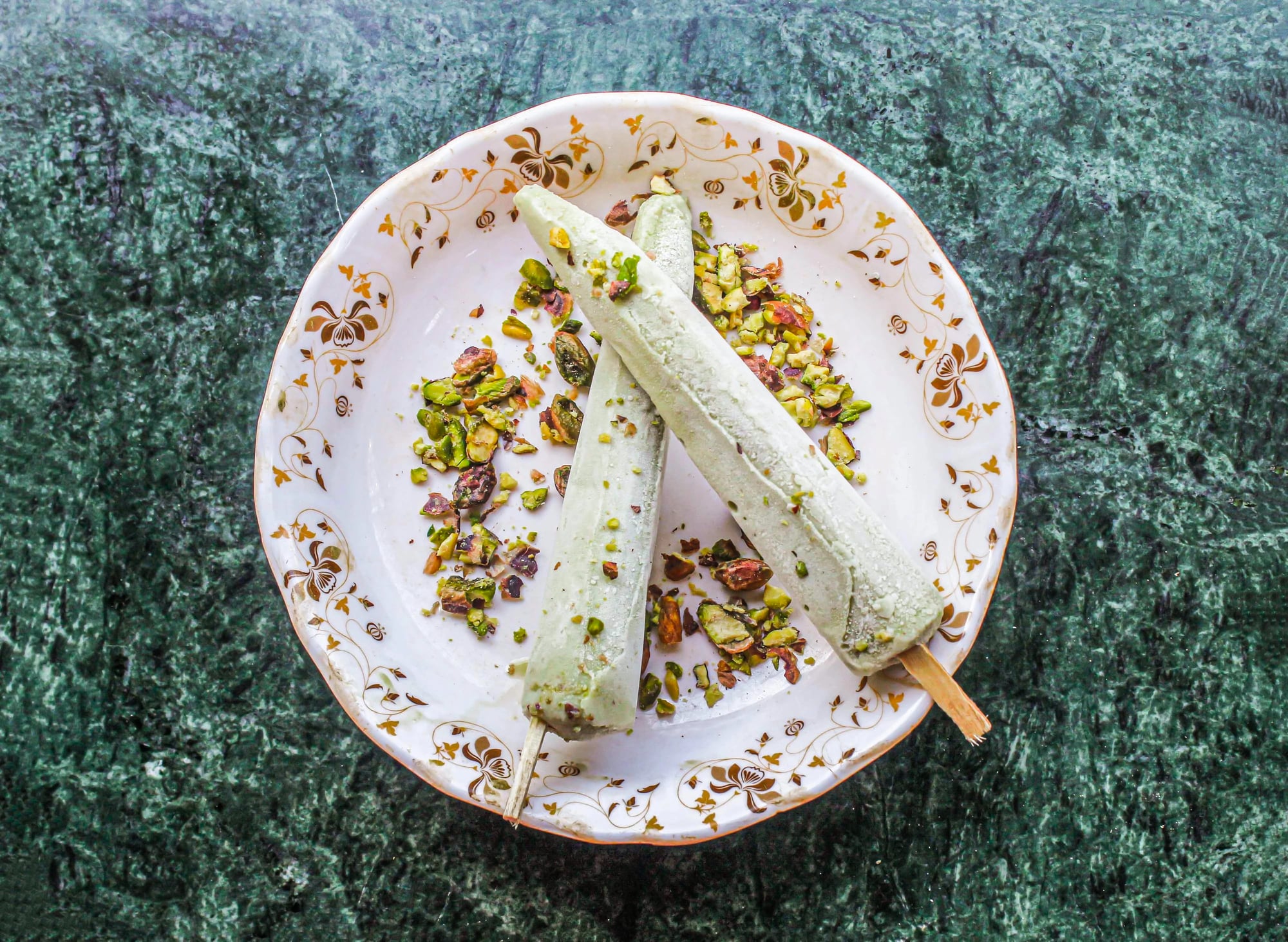
This frozen dairy dessert predates ice cream by centuries and differs from it in texture and density. Instead of churning air into the mixture, kulfi gets made by slowly reducing milk until it thickens, then freezing it in molds.
The result is denser and creamier than regular ice cream, with flavors like cardamom, pistachio, mango, or rose. Traditional preparation involved freezing the mixture in metal cones packed in ice and salt, though modern freezers made the process much simpler.
The slow melting quality means kulfi lingers on your palate longer than typical ice cream, letting those spices and flavors fully develop.
Lamingtons From Australia

These small sponge cakes get dipped in chocolate icing then rolled in desiccated coconut, creating Australia’s unofficial national cake. Legend says they were invented by accident when a maid dropped a sponge cake in chocolate and covered the mistake with coconut.
The Queensland town of Lamington claims the dessert originated there in the late 1800s, though historical records remain fuzzy. Some versions split the cake and add jam and cream in the middle, creating what Australians call a ‘cream lamington’.
The key is getting enough coconut to stick without the chocolate layer being so thick it overwhelms the light sponge inside.
Brigadeiros From Brazil
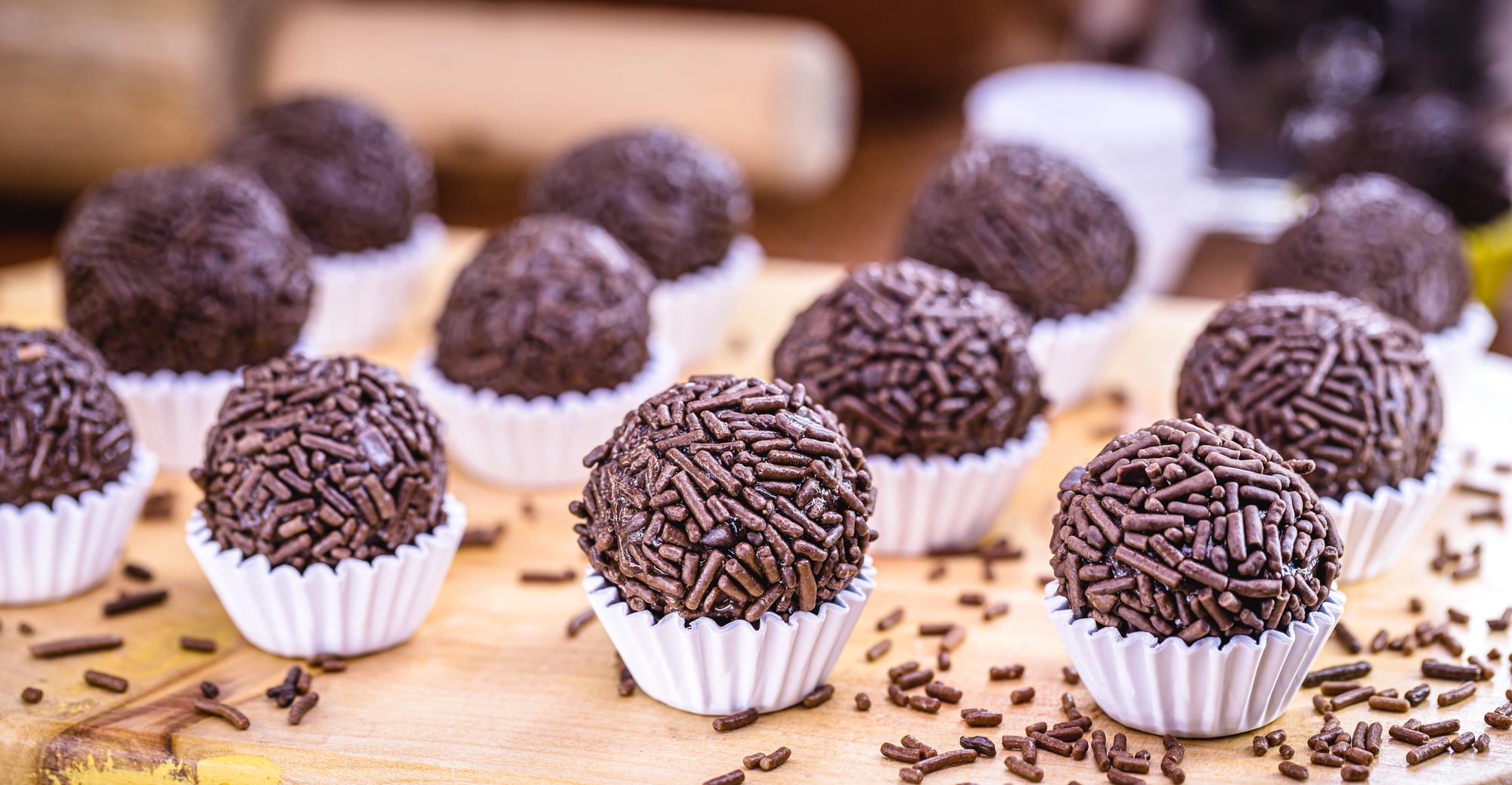
Brazil’s answer to chocolate truffles uses condensed milk, cocoa powder, butter, and chocolate sprinkles to create these intensely sweet little orbs. Originally called ‘negrinho’ (little black one), they got renamed after a 1940s political candidate named Brigadeiro Eduardo Gomes.
The mixture gets cooked on the stovetop until it thickens enough to roll into orbs once cooled. Chocolate sprinkles traditionally cover the outside, though creative variations now include coconut, pistachios, or colorful sprinkles.
Brigadeiros appear at every Brazilian birthday party and celebration, often replacing traditional cake entirely.
Knafeh From The Middle East
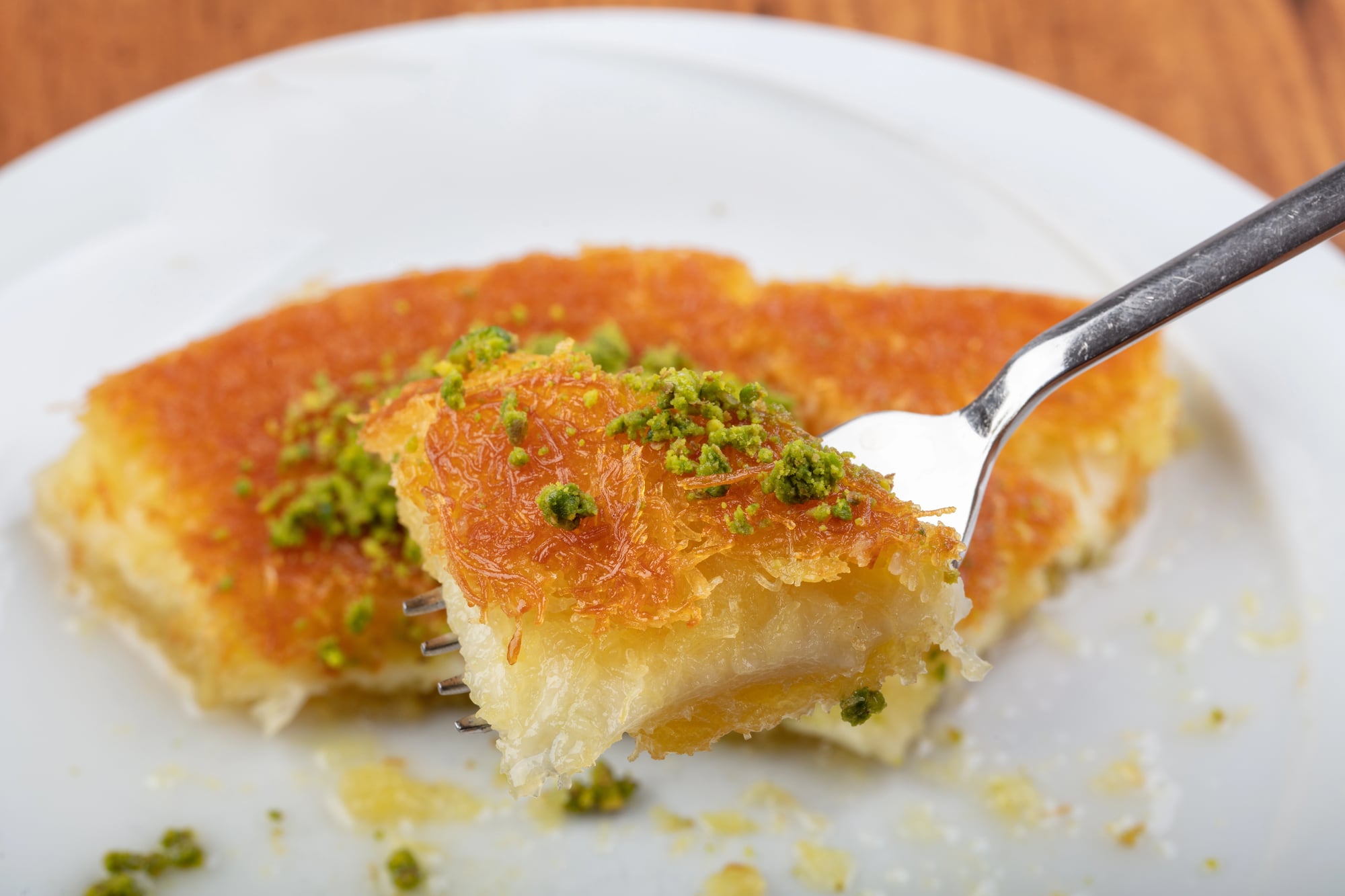
This cheese-based pastry dessert soaks shredded phyllo dough or semolina in sugar syrup and layers it with stretchy white cheese. The combination of sweet and savory initially confuses people unfamiliar with Middle Eastern desserts, but that contrast defines knafeh’s appeal.
The cheese used is mild and unsalted, often akkawi or nabulsi, chosen specifically for how it melts and stretches. Orange blossom water or rose water flavors the syrup, and crushed pistachios often garnish the top.
Served hot, the cheese pulls apart in long strings while the crispy pastry shatters.
Basbousa From Egypt
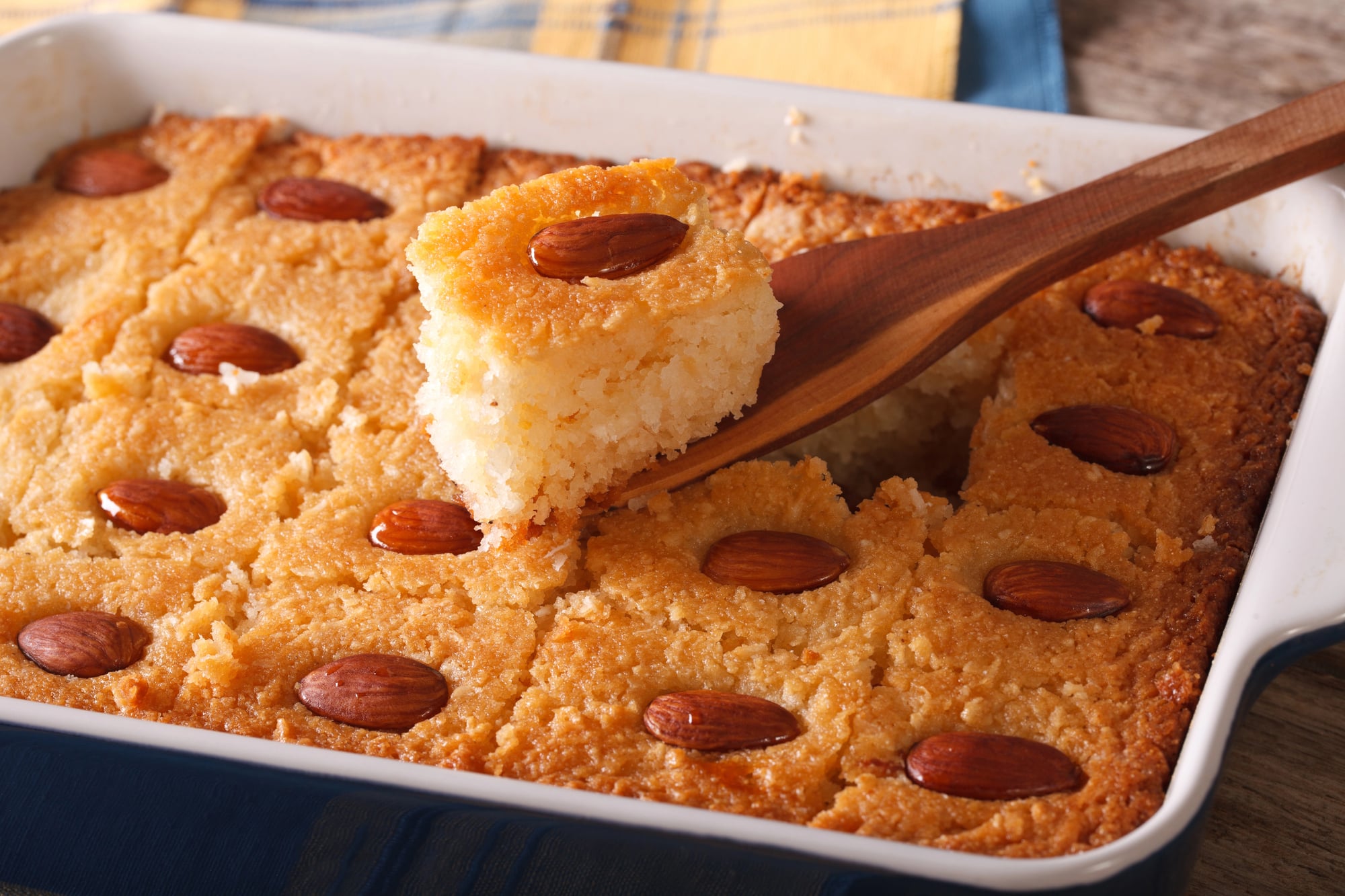
This semolina cake soaked in simple syrup goes by different names across North Africa and the Middle East. The batter contains semolina, sugar, yogurt, and butter, gets baked until golden, then gets drenched in syrup while still hot so it absorbs maximum sweetness.
Many versions top each piece with a single almond before baking or add coconut to the batter. The semolina creates a grainy texture completely different from regular flour cakes, with a density that holds up well to all that syrup.
Cutting the cake into diamond shapes before baking allows more edges to caramelize and more surfaces to soak up syrup.
Mille-Feuille From France
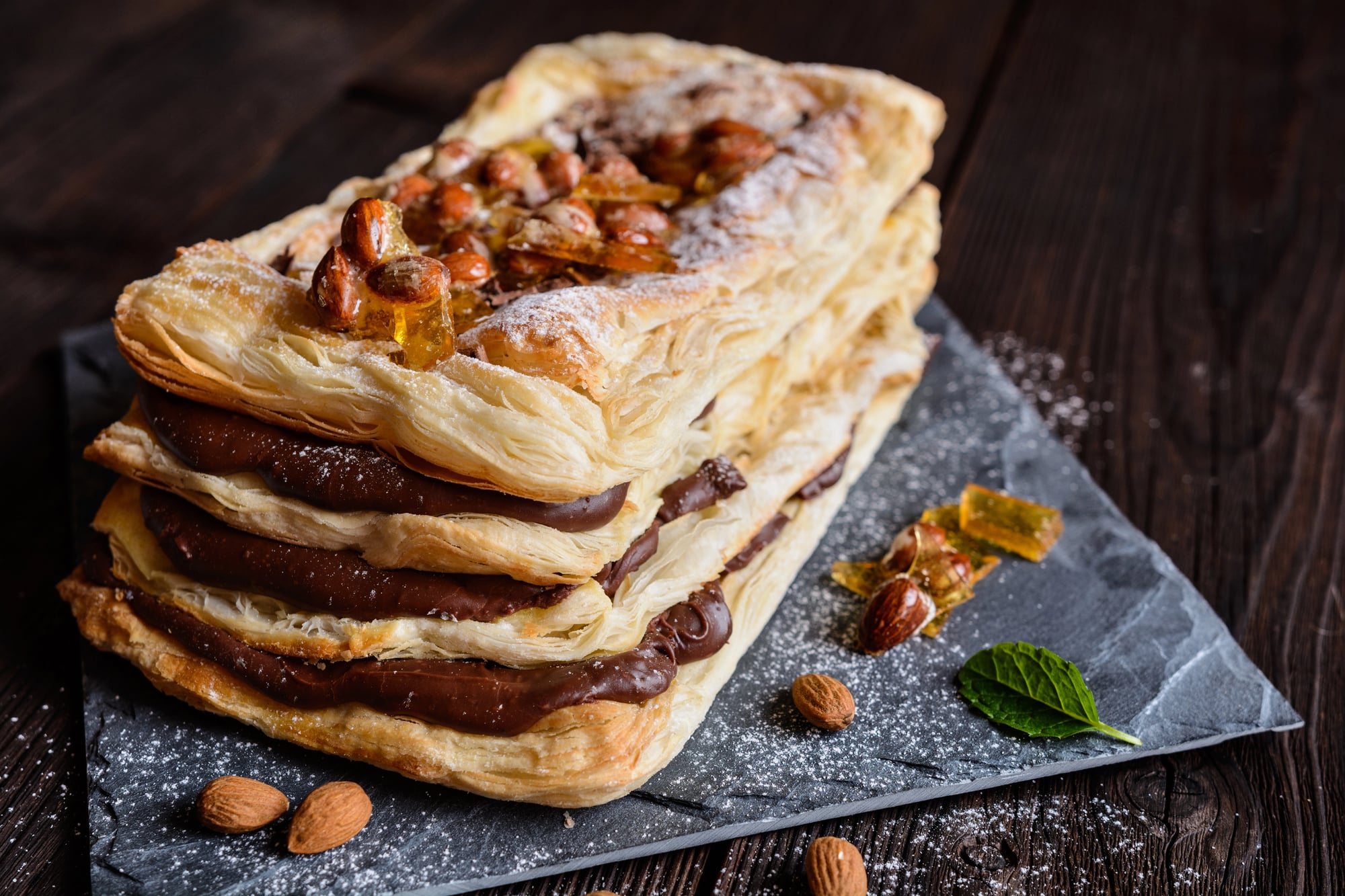
The French name means ‘thousand leaves’ though the actual number of layers is closer to a few hundred from folding and rolling puff pastry. Three layers of crispy puff pastry alternate with two layers of pastry cream, topped with fondant icing that often features decorative chocolate stripes.
Making proper puff pastry requires patience and precision, folding butter into dough repeatedly to create all those flaky layers. When you bite into a well-made mille-feuille, the pastry shatters into countless crispy shards while the cream provides smooth contrast.
The French take this dessert seriously enough that it appears as a technical challenge in baking competitions worldwide.
Rasmalai From India and Bangladesh

These soft cheese dumplings swimming in sweetened, thickened milk flavored with cardamom and saffron deliver luxury in every spoonful. The cheese gets made by curdling milk, then kneading it until smooth enough to form into patties that get cooked in sugar syrup.
After cooking, the patties go into the flavored milk where they soak up liquid and expand. Served chilled, rasmalai provides a cooling finish to spicy meals while offering enough richness to satisfy serious sweet cravings.
The cheese should be soft enough to compress easily but still hold together, and the milk should coat your spoon without being too thick.
Conkies From Barbados

Come November, this sweet treat shows up at Barbadian independence events without fail. Held together by steam, it brings cornmeal, coconut, and pumpkin into one blend alongside sweet potato, raisins, spice.
Wrapped tight in banana leaf folds, the mix stays damp through cooking. That wrapping? It slips a quiet earthiness into every bite. Think less cake, not quite porridge—its richness comes from squash, tubers, fruit—not buckets of sugar dumped in.
Some families tweak the mix, one favoring extra pumpkin while another pushes coconut stronger. To unwrap the parcel of banana leaves is to find warmth tucked in layers, steam rising slow. A bite brings surprise—not planned but familiar—like presents that know you before you do.
Loukoumades From Greece

Golden bubbles rise in sizzling oil when festival crowds gather round. Spoonfuls of risen batter drop straight into heat, swelling fast into lopsided rounds. Crisp shells form quickly, ready to catch thick syrup as it falls.
Honey flows after warming, often carrying hints of cinnamon bark or peel. Each puff soaks it up while steaming, soft within like sugared mist. Cinnamon dust follows the drip, sticking where warmth stays.
Irregular shapes stack on plates, never uniform, always uneven. Inside, pockets of air make them nearly weightless despite their shine. A few kinds come topped with crumbled walnuts or a sprinkle of sesame, adding a crunch that breaks the softness. All through Greece, roadside cooks fry them fresh by the hour, where the scent of hot oil and sweet syrup pulls people in long before they see the stall.
Where Sugar Takes Us

Old flavors live on through these sweets, passed down long before written records mattered much. Each generation tweaked methods just enough to fit where they were, yet never let go of what gave each dish meaning.
One region’s festival delight turned into another’s common snack, sailing far beyond its origin and shifting shape when new supplies arrived. Even as fresh confections appear constantly, familiar classics stay close at hand—showing how dessert after dinner speaks a universal tongue, no matter the place or time.
More from Go2Tutors!

- The Romanov Crown Jewels and Their Tragic Fate
- 13 Historical Mysteries That Science Still Can’t Solve
- Famous Hoaxes That Fooled the World for Years
- 15 Child Stars with Tragic Adult Lives
- 16 Famous Jewelry Pieces in History
Like Go2Tutors’s content? Follow us on MSN.



