13 Frozen Tv Dinners From Childhood That Disappeared
The foil tray came out of the oven too hot to touch, and the peas were always a little too soft. Somehow that was dinner, and for millions of kids it was a favorite one.
Many of those trays, boxes, and pot pies have since vanished from the freezer aisle.
Some belonged to household names that changed hands until their familiar meals disappeared. Others were short-lived experiments that only a certain generation remembers.
Here are thirteen frozen dinners that once fed American families and are now mostly memories.
The Original Swanson Turkey Tray
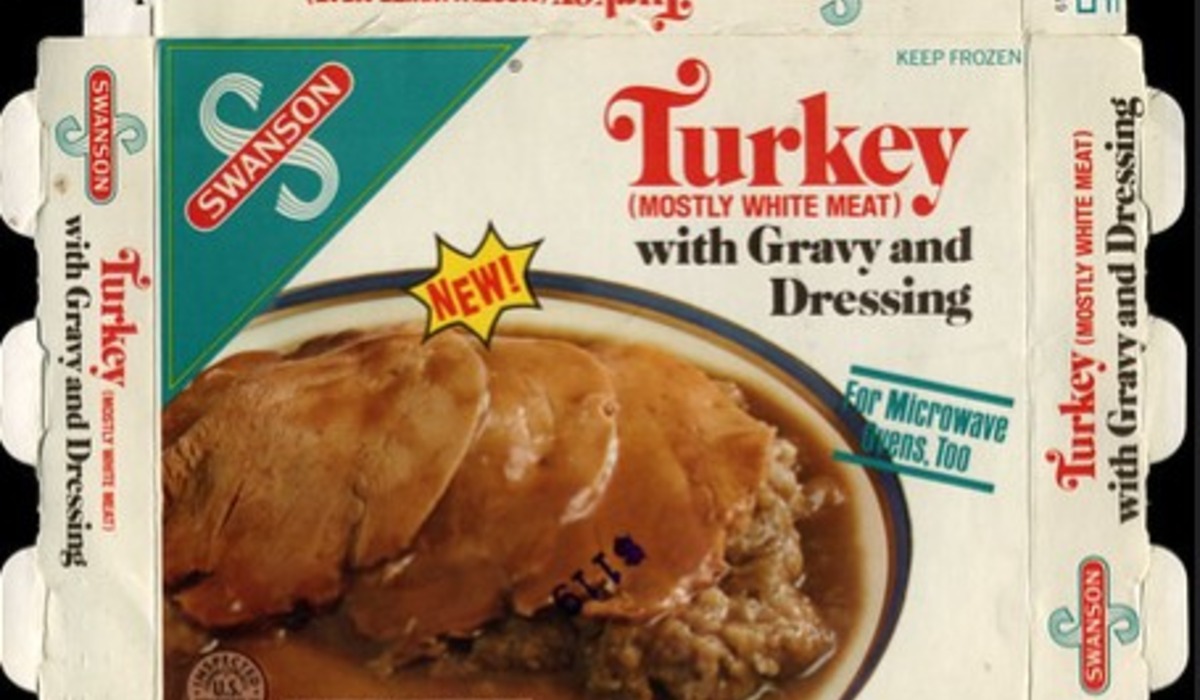
Swanson introduced its famous TV dinner in 1954, building on an idea developed in 1953. The story reportedly grew out of a mountain of leftover Thanksgiving turkey.
Gerry Thomas, a Swanson salesman, is widely credited with the concept of an aluminum tray divided into compartments for turkey with cornbread dressing and gravy, peas, and sweet potatoes. His role in the invention has since been disputed, with other accounts crediting the Swanson brothers and their team.
The dinner went into a box designed to look like a television set, which was a clever nod to the era’s newest household obsession. Swanson sold millions of the dinners within a year, and the frozen tray became a fixture of American kitchens.
The brand still appears on frozen products, but the classic TV dinner format that helped launch the category has changed considerably.
Libbyland Kids Dinners
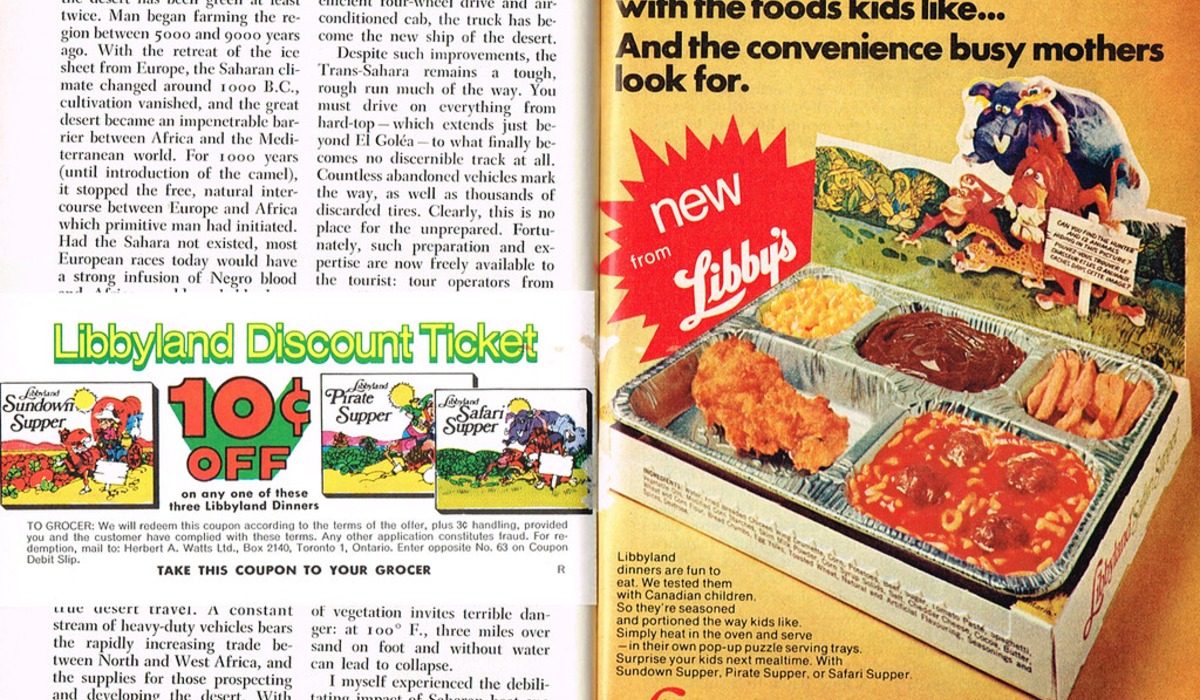
Libby’s, better known for canned goods, tried its hand at kid-focused frozen meals in the 1970s under the Libbyland name. The pitch was simple and effective: dinner came with a hidden treat that children could discover as they ate.
That made it a memorable example of a frozen meal marketed around fun as much as convenience for the adults who bought it. Kid Cuisine later occupied similar territory in grocery stores, and Libbyland faded without much ceremony.
Few kids who found those surprises ever forgot them.
Swanson Fun Feast
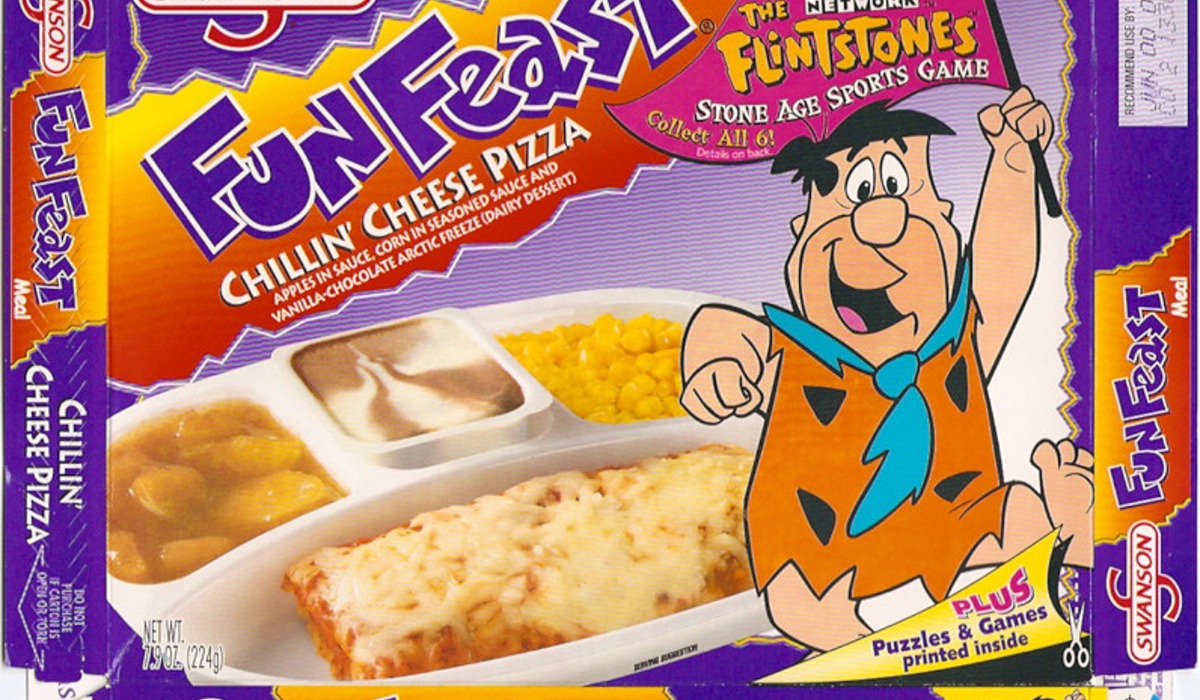
Swanson also went after young appetites with Fun Feast, a line of frozen dinners aimed squarely at children rather than their parents. The bright packaging and kid-friendly menu set it apart from the grown-up trays sitting beside it in the freezer case.
Part of the appeal was that a child could pick a dinner that felt like it was made for them. The line eventually disappeared from the freezer aisle, leaving behind plenty of fuzzy memories of cartoon-covered boxes.
Le Menu by Swanson
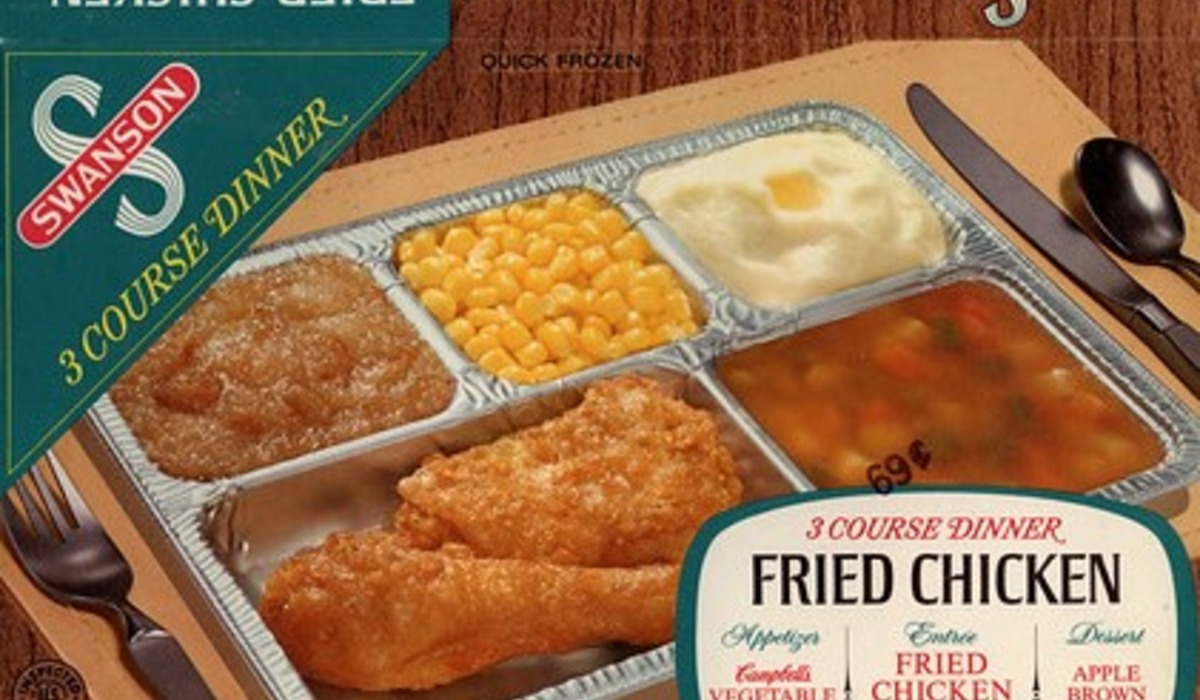
Le Menu arrived in the early 1980s as Swanson’s attempt to make the frozen dinner feel like a restaurant meal. Where the classic tray promised speed, this line promised sophistication, with fancier entrees and packaging that looked a step above the usual foil.
Frozen foods aimed at adults who wanted something nicer were a growing category at the time, and Le Menu was one of the better-known entries. Tastes and competitors changed, however, and the line was discontinued in the United States in the 1990s.
Now it surfaces mostly in lists of forgotten gourmet dinners from the decade.
The Budget Gourmet
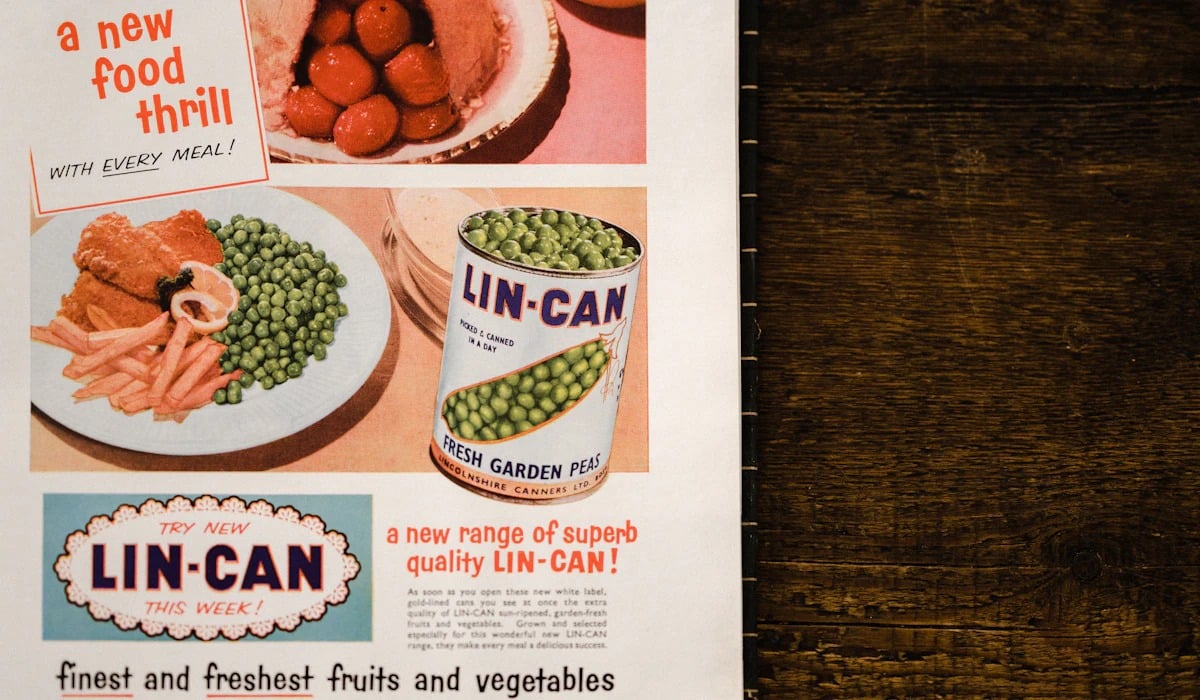
The Budget Gourmet promised restaurant-style entrees at a supermarket price, and the pitch worked through much of the 1980s and early 1990s. Its dishes came in boxes with glossy photos and sauces that felt a notch fancier than the competition.
The brand eventually disappeared from the frozen-food market, although its exact discontinuation timeline is not well documented. Shoppers who grew up on those boxes remember them as the dinner that felt like a treat on a weeknight.
Chun King Dinners
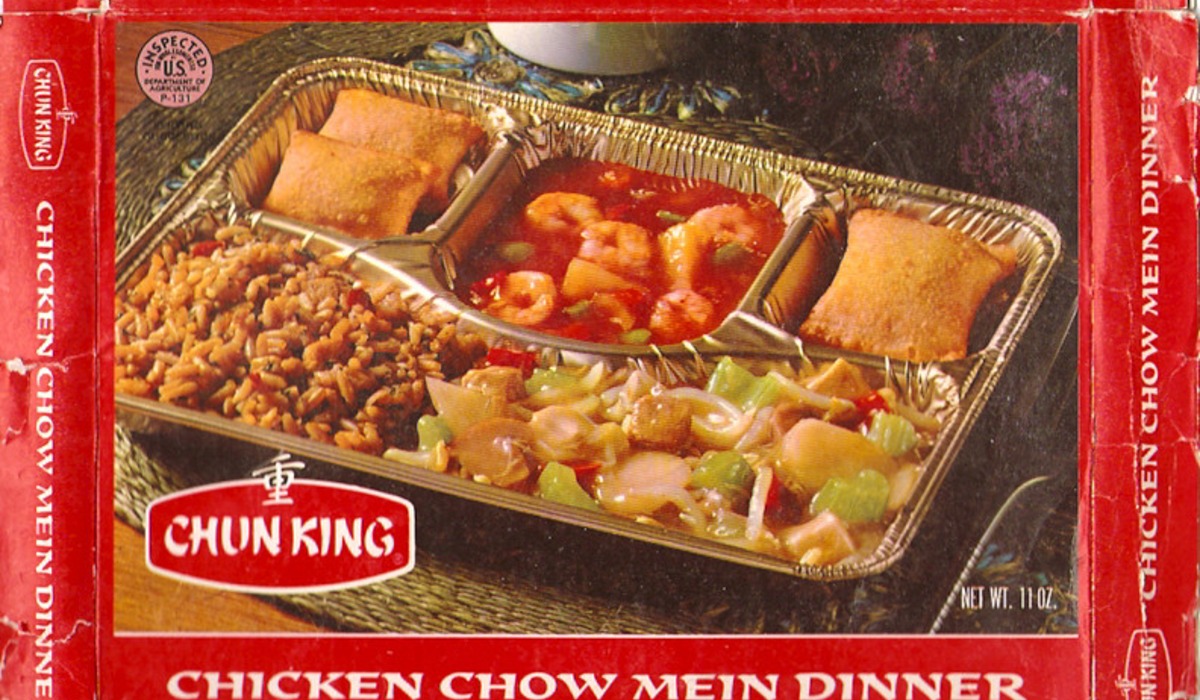
Chun King, built by Minnesota entrepreneur Jeno Paulucci, brought Chinese-American food to supermarket shelves in cans and later in frozen dinners. Paulucci sold the company to R.J.
Reynolds in 1966 for about $63 million, a staggering sum for a prepared-food business at the time. The Chun King name became familiar through its canned Chinese-American foods, and its frozen-food line later expanded the brand’s reach.
Today the Chun King name belongs largely to food history, though the story of its founder is still told in Minnesota.
Morton Frozen Dinners and Pot Pies
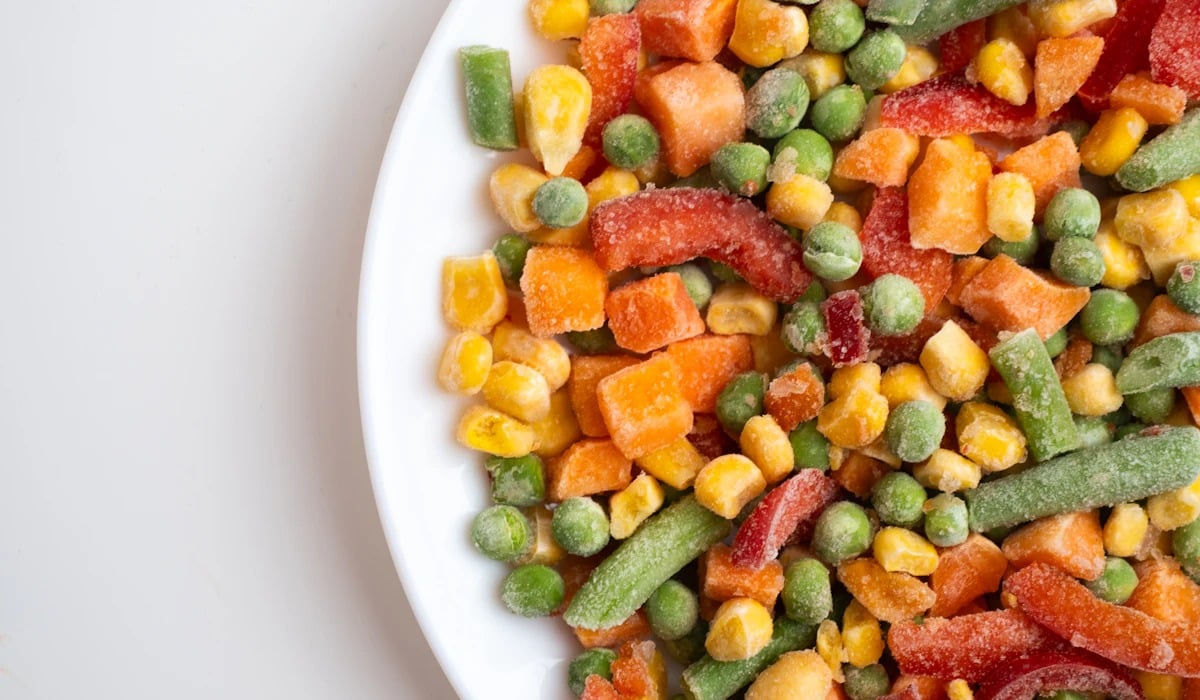
Morton Frozen Foods was a major name in affordable frozen meals through the 1960s and beyond, selling dinners and pot pies that regularly landed on family tables. The brand later became part of ConAgra, and its once-familiar frozen dinners faded from the market.
Fans have campaigned for their return, and food-history enthusiasts have praised the company’s pot pies. The company’s honey buns are remembered just as fondly by those who grew up with them.
Patio Mexican-Style Dinners
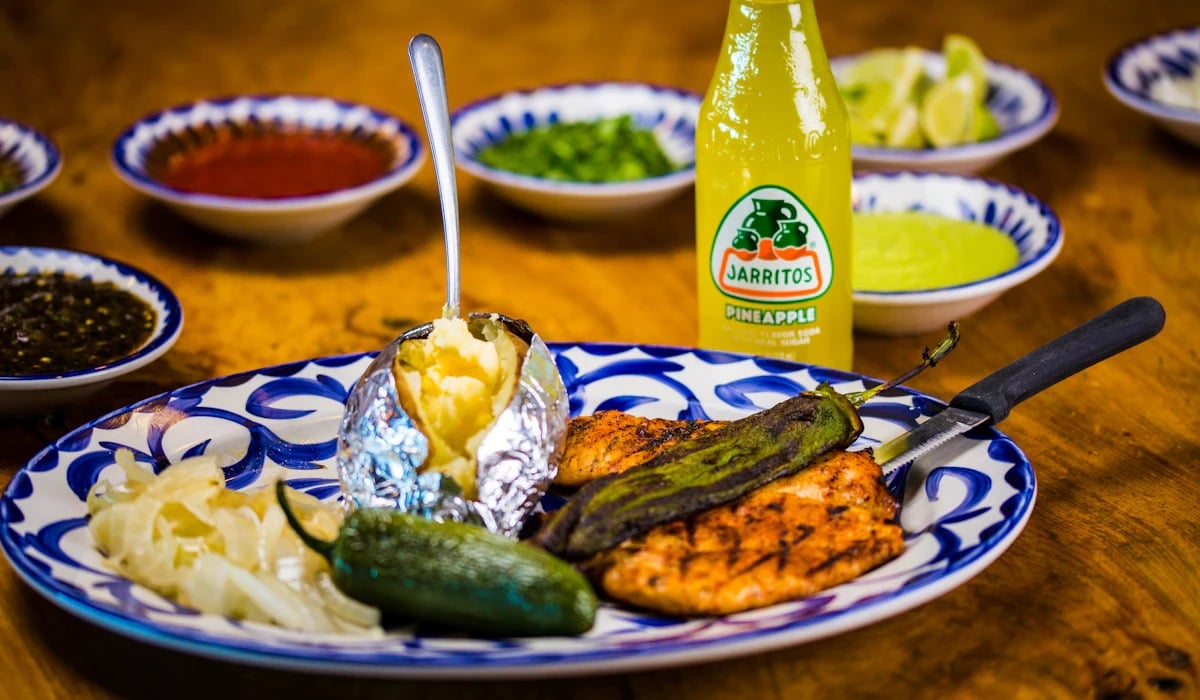
Patio sold frozen Mexican-style dinners built around a tray of tamales, beef enchiladas, and chili sauce. For many kids outside the Southwest, those trays were the first taste of enchiladas they ever had.
The brand dates back to the mid-20th century, placing it within the era when frozen dinners were becoming a familiar convenience. Its old-style dinner trays are now a nostalgic memory for shoppers who remember rice and refried beans sharing space with a pile of orange sauce.
Tyson Looney Tunes Meals
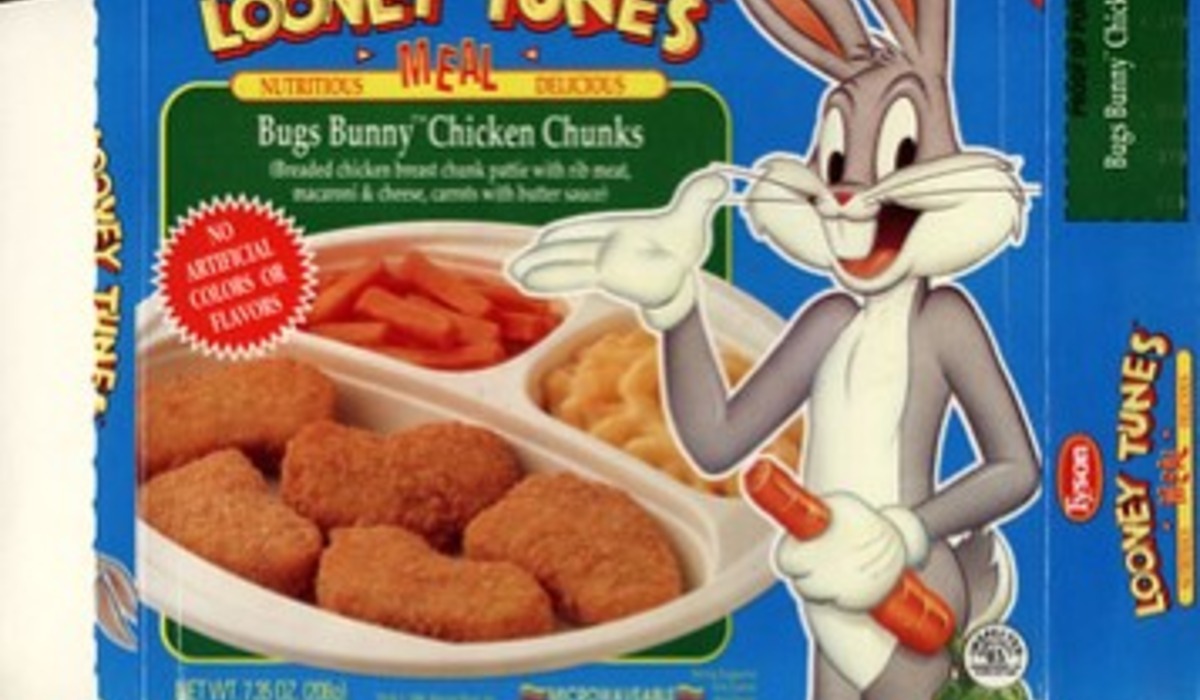
Tyson packaged frozen kids meals around Bugs Bunny and his Looney Tunes friends, giving cartoon fans a reason to beg for dinner. The meals appealed to children who were already glued to Saturday morning programming and wanted that same cast on their plates.
The product line eventually disappeared from the market as children’s frozen meals and licensed products continued to change. Kid Cuisine remained a recognizable name in that corner of the freezer aisle.
Freezer Queen Dinners
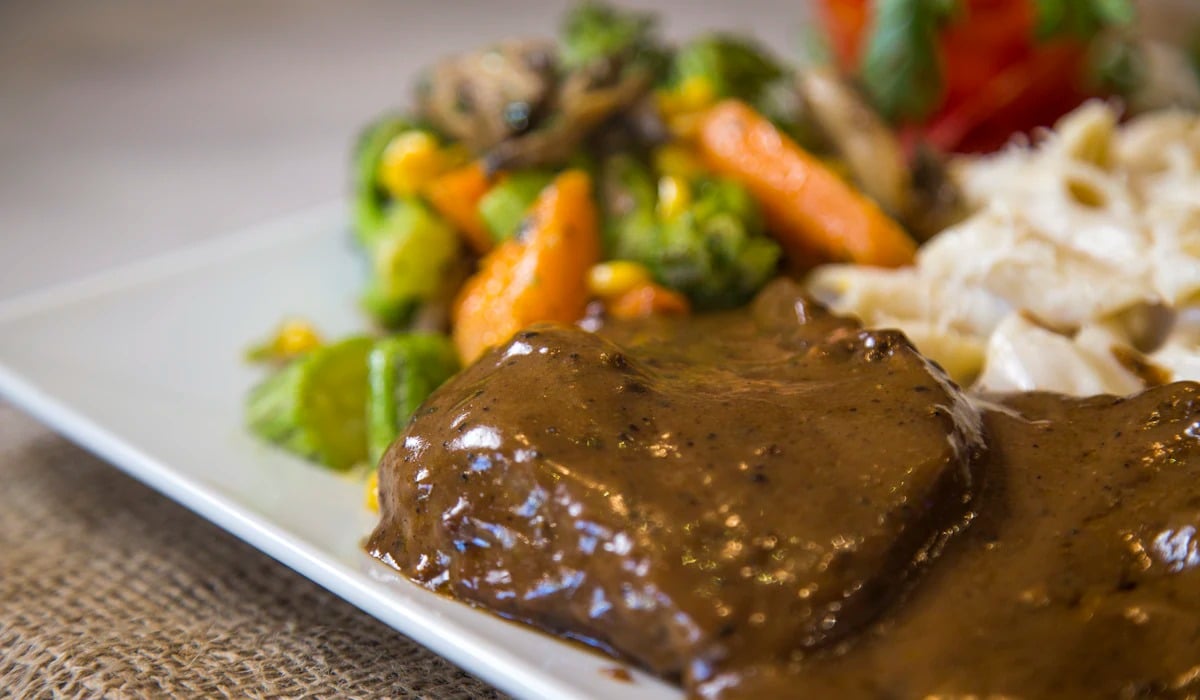
Freezer Queen was a familiar sight in frozen-food cases, selling inexpensive entrees and family-size meals for shoppers watching their grocery budgets. Its name carried a bit of mid-century charm, and the packaging looked right at home next to the competition.
The brand eventually disappeared after its Buffalo production plant closed in 2006 and its frozen-meal line was replaced by another brand. Anyone who grew up eating Freezer Queen on a tight budget likely remembers it for how filling it was.
Armour Dinner Classics
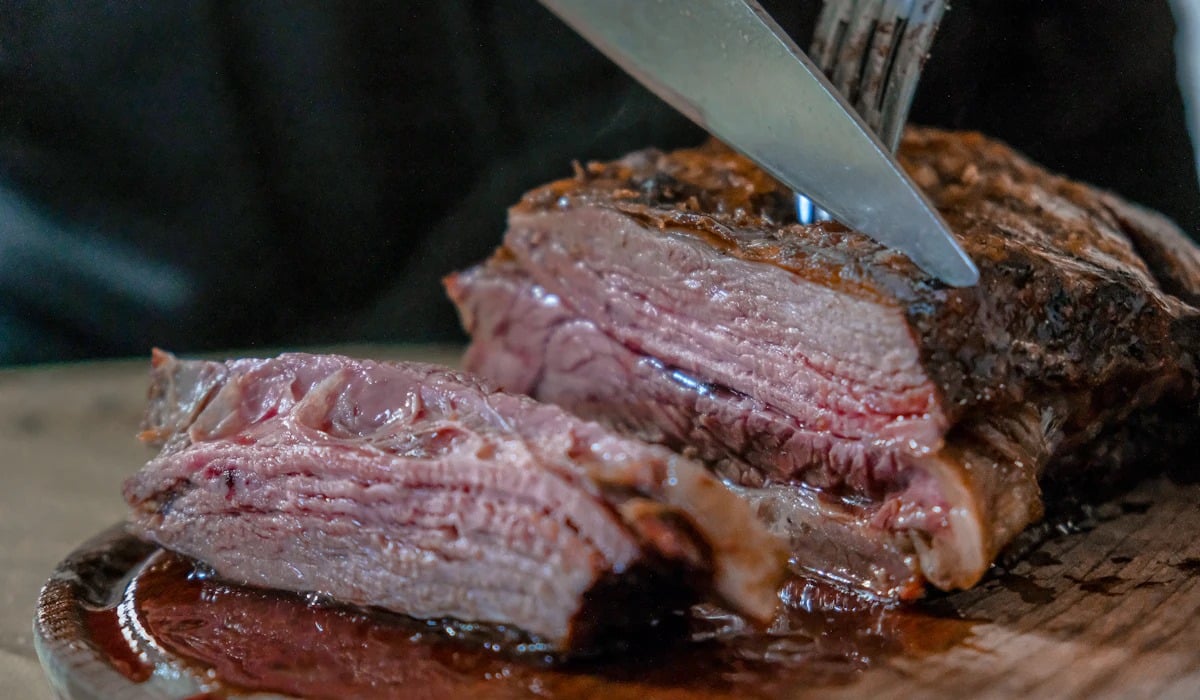
Armour, a name best known in the meat business, also sold frozen dinners under the Dinner Classics banner. The line aimed to give shoppers a simple, dependable dinner with familiar combinations like meat, vegetables, and a starch.
Although the Dinner Classics name appeared in trademark records, that alone doesn’t establish how long the meals remained available. Fans of those trays tend to remember them as the sort of dependable meal that showed up on busy weeknights.
Howard Johnson’s Frozen Entrees
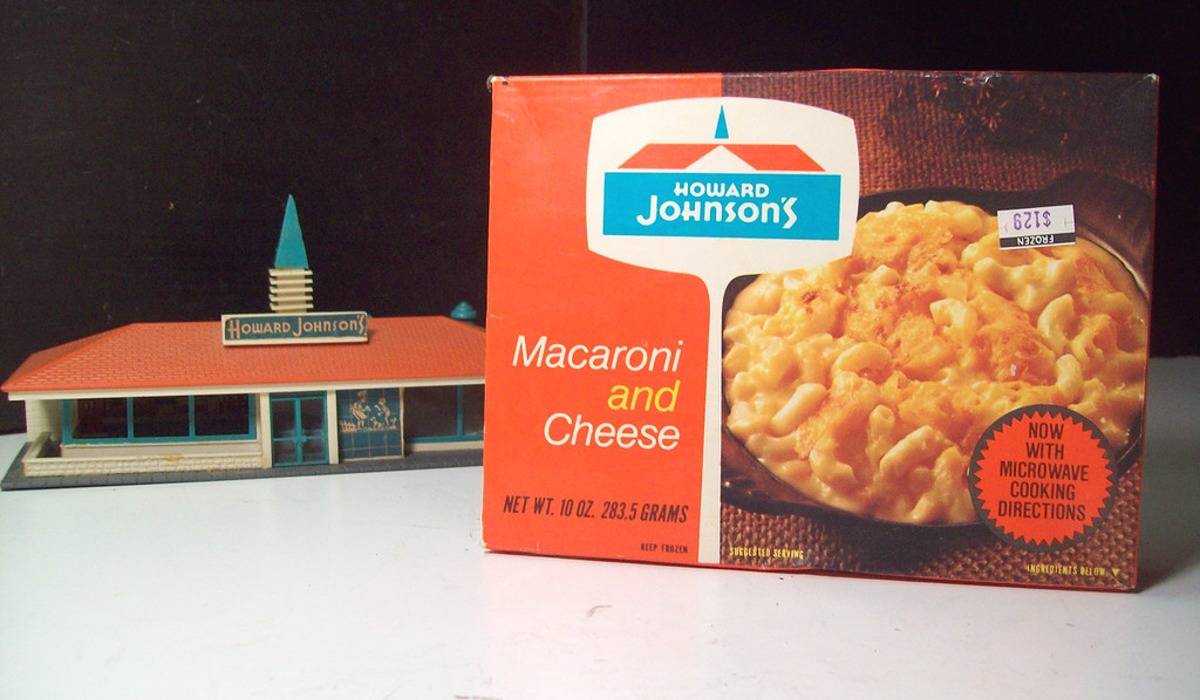
Howard Johnson’s was famous for its orange-roofed restaurants along American highways, but frozen grocery products associated with the restaurant brand also offered shoppers a taste of its familiar fare at home. Families could heat up comfort food reminiscent of the meals served during summer road trips.
As the restaurant chain faded, its grocery-store offerings also became harder to find. Plenty of people who grew up near a HoJo’s still recall those trips fondly.
Kitchens of Sara Lee Casseroles
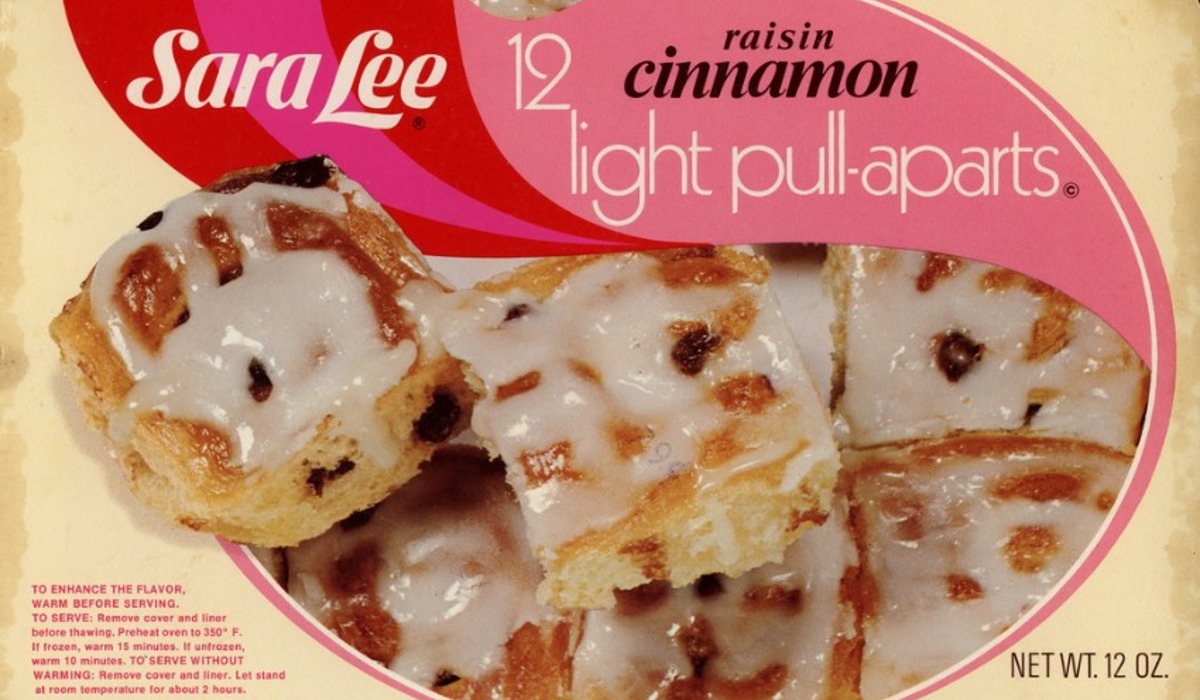
Sara Lee built its reputation on cheesecake, but the company also became known for frozen foods, including baked goods and other convenience products. Ready-to-bake casseroles associated with the Sara Lee name offered busy households a way to serve a home-style dinner without cooking from scratch.
Over time, the company’s product lines and business structure changed, and these casseroles faded from the freezer case. Today, the Sara Lee name remains associated with familiar baked goods and desserts, while the casseroles are mostly a memory.
The Freezer Aisle as Family Album
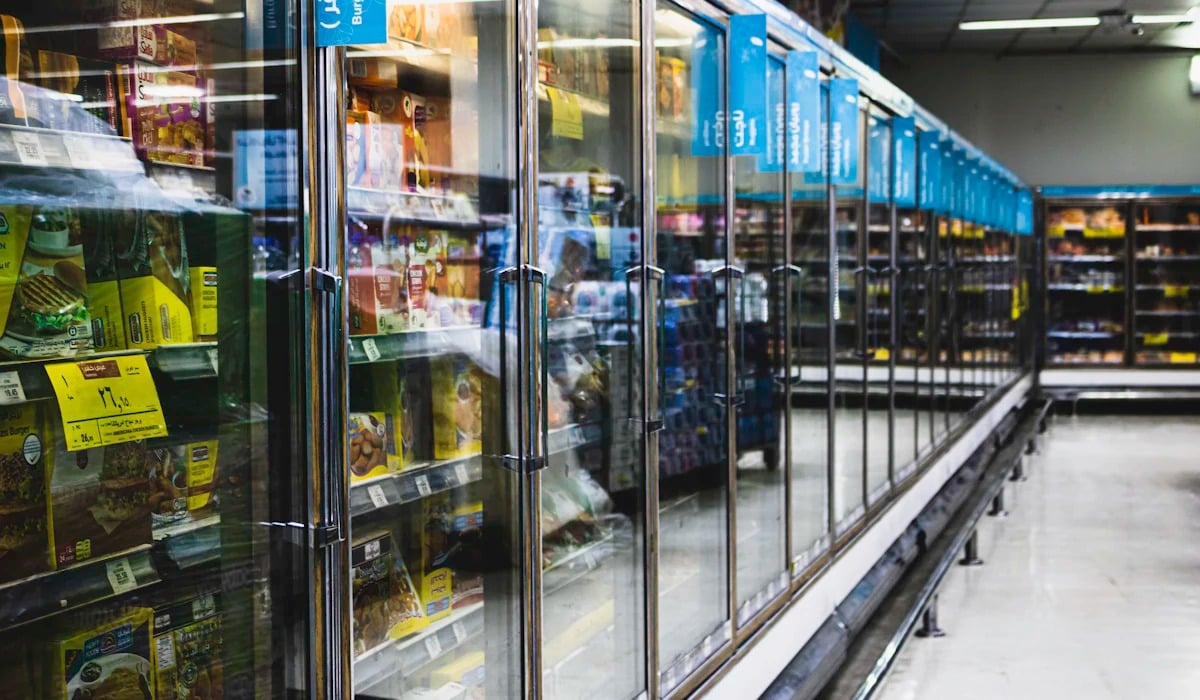
Frozen dinners were never really about great food. They were about the moment of quiet that came with a tray on the coffee table, a favorite show on, and one less thing for a busy parent to worry about.
The brands that faded away took those small rituals with them, and the packaging became a kind of time capsule.
Each of the dinners on this list can still spark an argument over which one was best. That kind of passion proves the freezer aisle was more than a place to buy food.
It was where a generation learned what comfort looked like, one foil tray at a time.
MORE FROM GO2TUTORS!

- The Romanov Crown Jewels and Their Tragic Fate
- 13 Historical Mysteries That Science Still Can’t Solve
- Famous Hoaxes That Fooled the World for Years
- 15 Child Stars with Tragic Adult Lives
- 16 Famous Jewelry Pieces in History
Like Go2Tutors’s content? Follow us on MSN.