13 Historic Letters That Changed the World
Throughout history, the simple act of putting pen to paper has sparked revolutions, ended wars, and reshaped entire civilizations. While today we fire off emails and text messages without much thought, there was a time when a single letter could alter the course of human events.
These weren’t just casual notes between friends—they were carefully crafted pieces of correspondence that carried the weight of nations and the hopes of generations. From ancient Persian queens to modern civil rights leaders, the power of written words has consistently proven mightier than armies.
Here is a list of 13 letters that didn’t just deliver messages—they delivered history itself.
Einstein’s Atomic Warning

On August 2, 1939, Albert Einstein signed what would become one of the most consequential letters in human history. Addressed to President Franklin D. Roosevelt, Einstein warned that German scientists might soon develop ‘extremely powerful bombs of a new type’ using nuclear chain reactions in uranium.
The letter wasn’t Einstein’s idea alone—physicist Leo Szilard actually drafted it, knowing Einstein’s fame would get Roosevelt’s attention. Within months, Roosevelt had established the Manhattan Project, setting in motion the creation of atomic weapons that would end World War II and define the nuclear age.
Lincoln’s Beard Decision
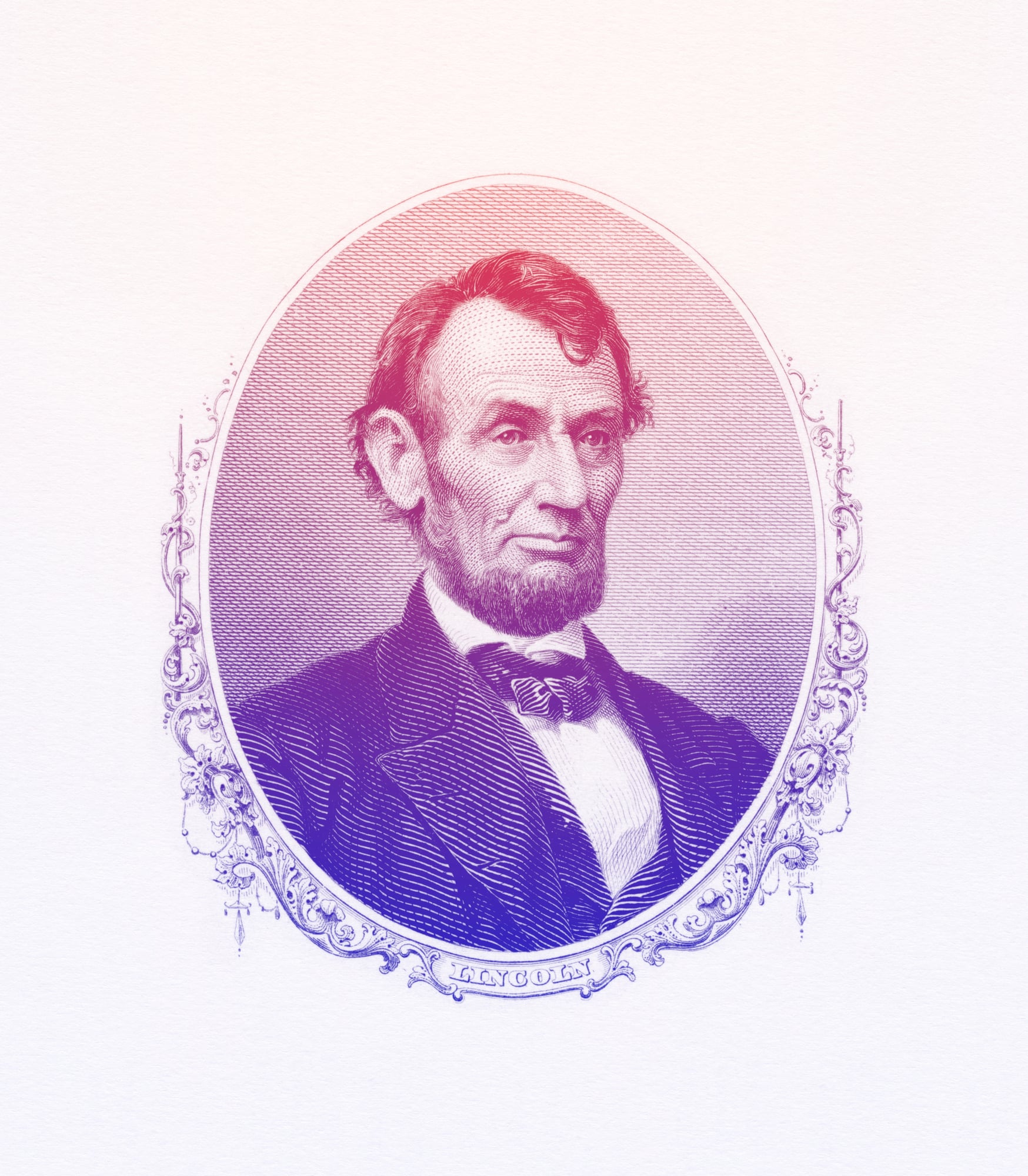
An 11-year-old girl named Grace Bedell changed the face of American history—literally. In October 1860, she wrote to presidential candidate Abraham Lincoln suggesting he grow a beard because his face looked ‘so thin’ and ‘all the ladies like whiskers.’
Lincoln was initially hesitant, wondering if facial hair might seem like ‘silly affectation,’ but he took her advice anyway. When his train stopped in Grace’s hometown of Westfield, New York, on the way to his inauguration, Lincoln made sure to meet the girl who gave him his most iconic look.
Like Go2Tutors’s content? Follow us on MSN.
Martin Luther King’s Birmingham Letter

Sitting in a Birmingham jail cell in April 1963, Martin Luther King Jr. crafted what many consider the most powerful piece of civil rights writing ever produced. His ‘Letter from Birmingham Jail’ was a response to local clergy who criticized his nonviolent protests as ‘unwise and untimely.’
King’s passionate defense of civil disobedience included the now-famous line: ‘Injustice anywhere is a threat to justice everywhere.’ Written on scraps of newspaper and smuggled out piece by piece, the letter galvanized the civil rights movement and helped shift public opinion toward equality.
Darwin’s Evolution Confession
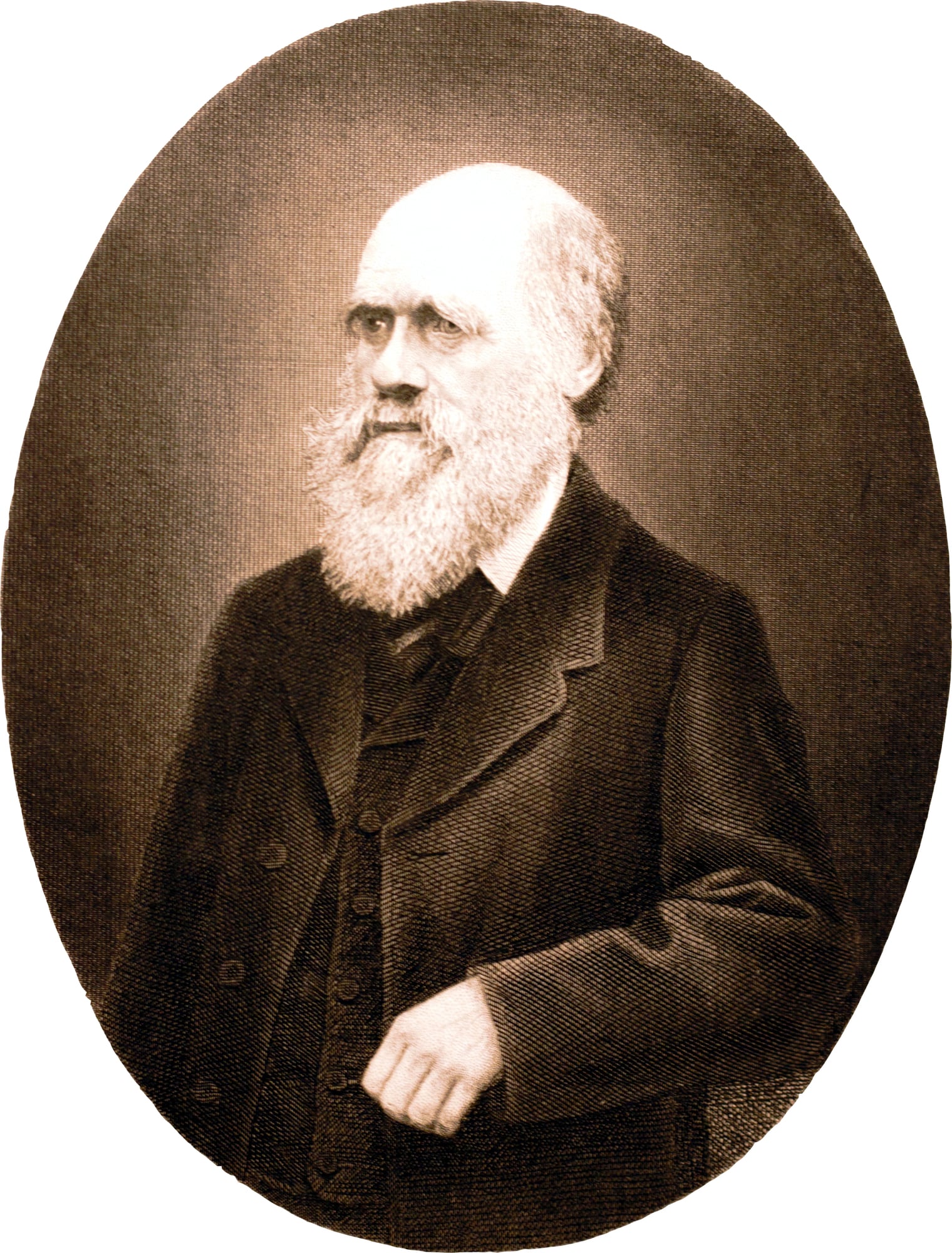
In January 1844, Charles Darwin wrote to his botanist friend Joseph Dalton Hooker about a revolutionary idea that was eating at him. He confessed that he was becoming convinced that species were not ‘immutable’—that animals could change over time.
Darwin admitted this notion felt like ‘confessing a murder’ because it went against everything the scientific establishment believed. This letter marked the beginning of a 15-year correspondence that helped Darwin develop his theory of evolution, ultimately leading to ‘On the Origin of Species’ and fundamentally changing how humans understand their place in the natural world.
Zola’s J’Accuse

French novelist Émile Zola turned journalism into a weapon with his explosive open letter ‘J’Accuse!’ published on January 13, 1898. The letter defended Jewish army captain Alfred Dreyfus, who had been wrongfully convicted of treason in a case riddled with antisemitism.
Zola’s scathing indictment of the French military and government sparked a national scandal that divided France for years. Though Zola himself was convicted of libel and fled to England, his letter eventually helped exonerate Dreyfus and exposed the deep-seated prejudice within French society.
Like Go2Tutors’s content? Follow us on MSN.
The Balfour Declaration

On November 2, 1917, British Foreign Secretary Arthur James Balfour wrote a brief letter to Baron Rothschild that would reshape the Middle East forever. The letter expressed Britain’s support for ‘the establishment in Palestine of a national home for the Jewish people.’
Though only 67 words long, this document became the foundation for the eventual creation of Israel in 1948. The Balfour Declaration remains one of the most controversial pieces of correspondence in modern history, its effects still reverberating through Middle Eastern politics today.
Churchill’s Defiant Response

In May 1940, as Nazi Germany swept across Europe, Winston Churchill received a letter from assistant private secretary Eliot Crawshay-Williams urging him to negotiate peace with Hitler. The letter argued that Britain couldn’t possibly win against the German war machine.
Churchill’s handwritten response was characteristically blunt: ‘I am ashamed of you for writing such a letter. I return it to you—to burn & forget.’ This exchange perfectly captured Churchill’s refusal to surrender, embodying the British spirit that would ultimately help defeat fascism.
Roosevelt and Churchill’s Partnership

The correspondence between Franklin D. Roosevelt and Winston Churchill during World War II created the foundation of the ‘special relationship’ between America and Britain. Their letters, numbering in the hundreds, coordinated military strategy, shared intelligence, and built the personal trust necessary for the Allied victory.
One particularly crucial letter came in December 1940, when Churchill warned Roosevelt that Britain was running out of money to buy American weapons. This correspondence led directly to the Lend-Lease program, which kept Britain fighting until America entered the war.
Like Go2Tutors’s content? Follow us on MSN.
Susan B. Anthony’s Suffrage Petition

In 1878, Susan B. Anthony submitted a letter to Congress along with volumes of petitions demanding women’s right to vote. Her correspondence outlined the legal and moral arguments for women’s suffrage, challenging the all-male legislature to live up to the Constitution’s promises of equality.
Though it would take 42 more years, Anthony’s letter and the accompanying petitions laid the groundwork for the 19th Amendment. Her persistence in letter-writing campaigns across the country helped transform public opinion about women’s political rights.
Gandhi’s Appeal to Hitler
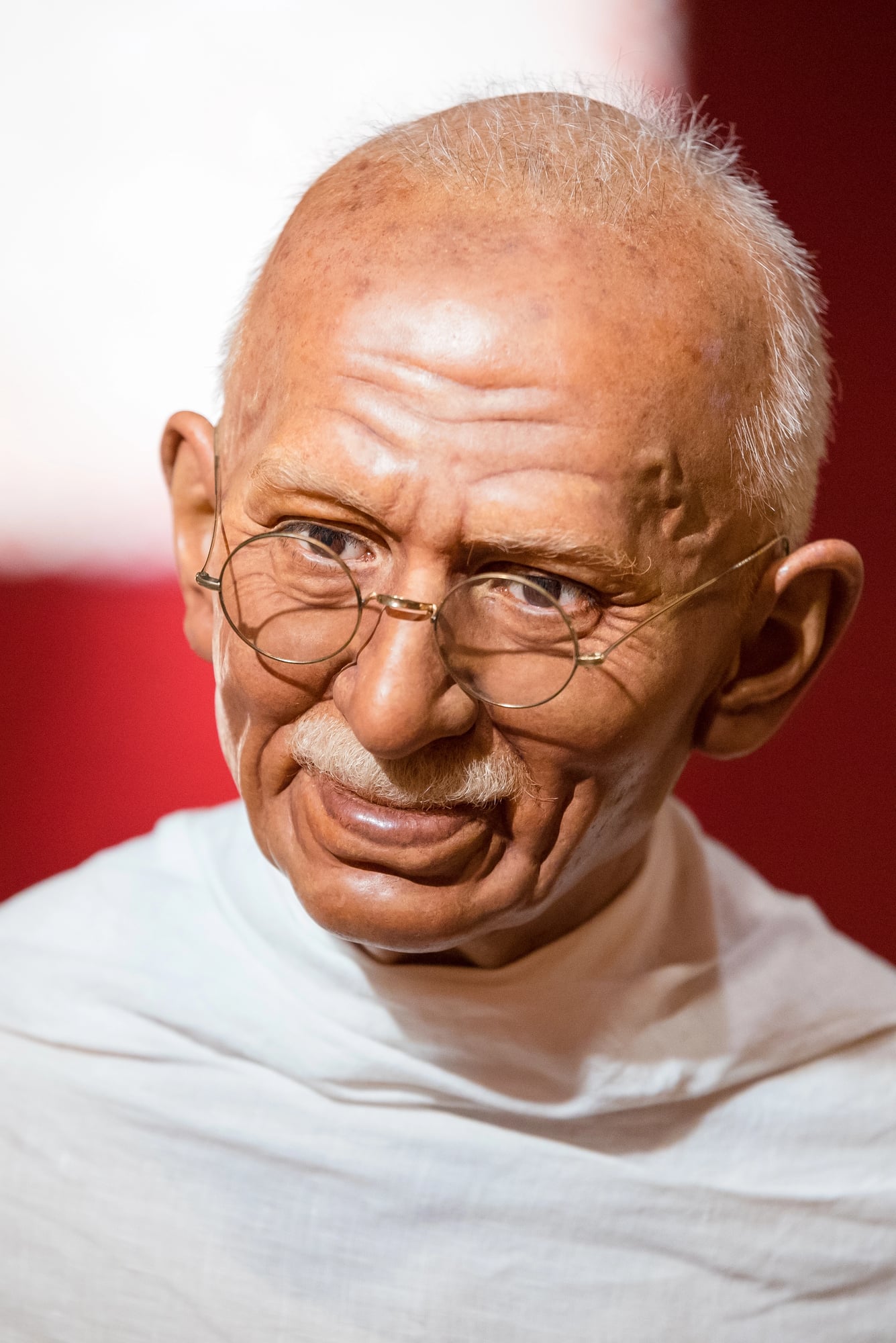
On July 23, 1939, Mahatma Gandhi wrote one of history’s most remarkable letters—a personal appeal to Adolf Hitler to avoid war. Addressing him as ‘Dear Friend,’ Gandhi urged Hitler to find a peaceful solution to his grievances rather than resort to violence.
The letter never reached Hitler, as British authorities intercepted it, but it demonstrated Gandhi’s unwavering commitment to nonviolence even in the face of obvious evil. This correspondence perfectly encapsulated the moral clarity that made Gandhi a global icon of peace.
Elizabeth Cady Stanton’s Declaration

Elizabeth Cady Stanton’s letter to the editor accompanying the 1848 Seneca Falls Convention’s ‘Declaration of Sentiments’ marked the beginning of the organized women’s rights movement in America. Her correspondence articulated why women deserved the same rights as men, using the language of the Declaration of Independence to make her case.
Stanton’s letter challenged readers to confront the contradiction of a democracy that excluded half its citizens from political participation. This piece of correspondence launched a movement that would eventually secure voting rights for women.
Like Go2Tutors’s content? Follow us on MSN.
Andrei Sakharov’s Peace Letter
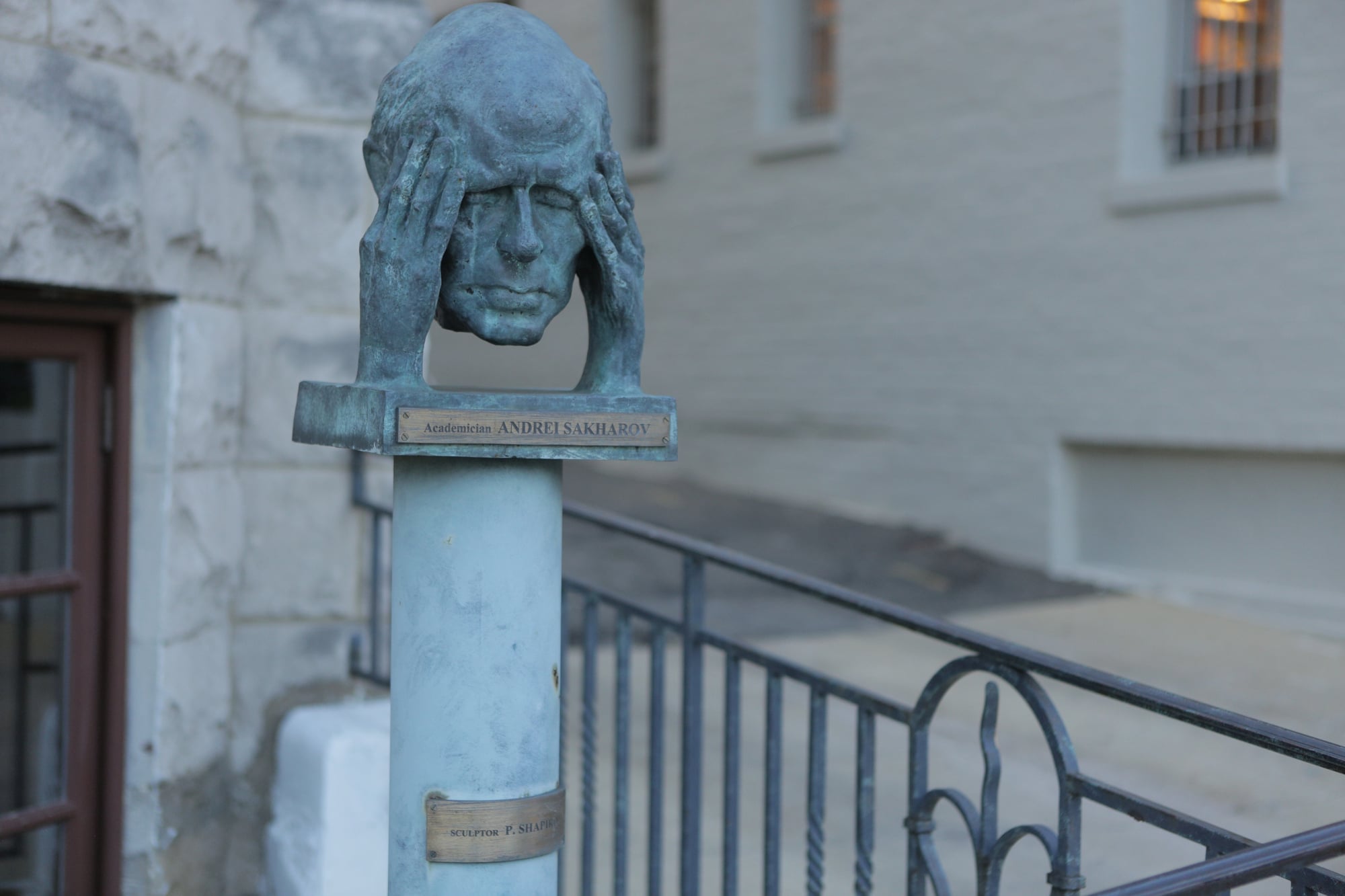
In 1973, Soviet physicist Andrei Sakharov wrote an open letter to the Soviet Premier criticizing his government’s nuclear weapons testing and advocating for peace and disarmament. As one of the fathers of the Soviet hydrogen bomb, Sakharov’s letter carried enormous moral weight.
His correspondence brought global attention to the dangers of nuclear proliferation and helped establish him as one of the world’s leading human rights activists. The letter cost Sakharov his position and led to years of persecution, but it also helped change international discussions about nuclear weapons.
Harriet Beecher Stowe’s Uncle Tom Letter
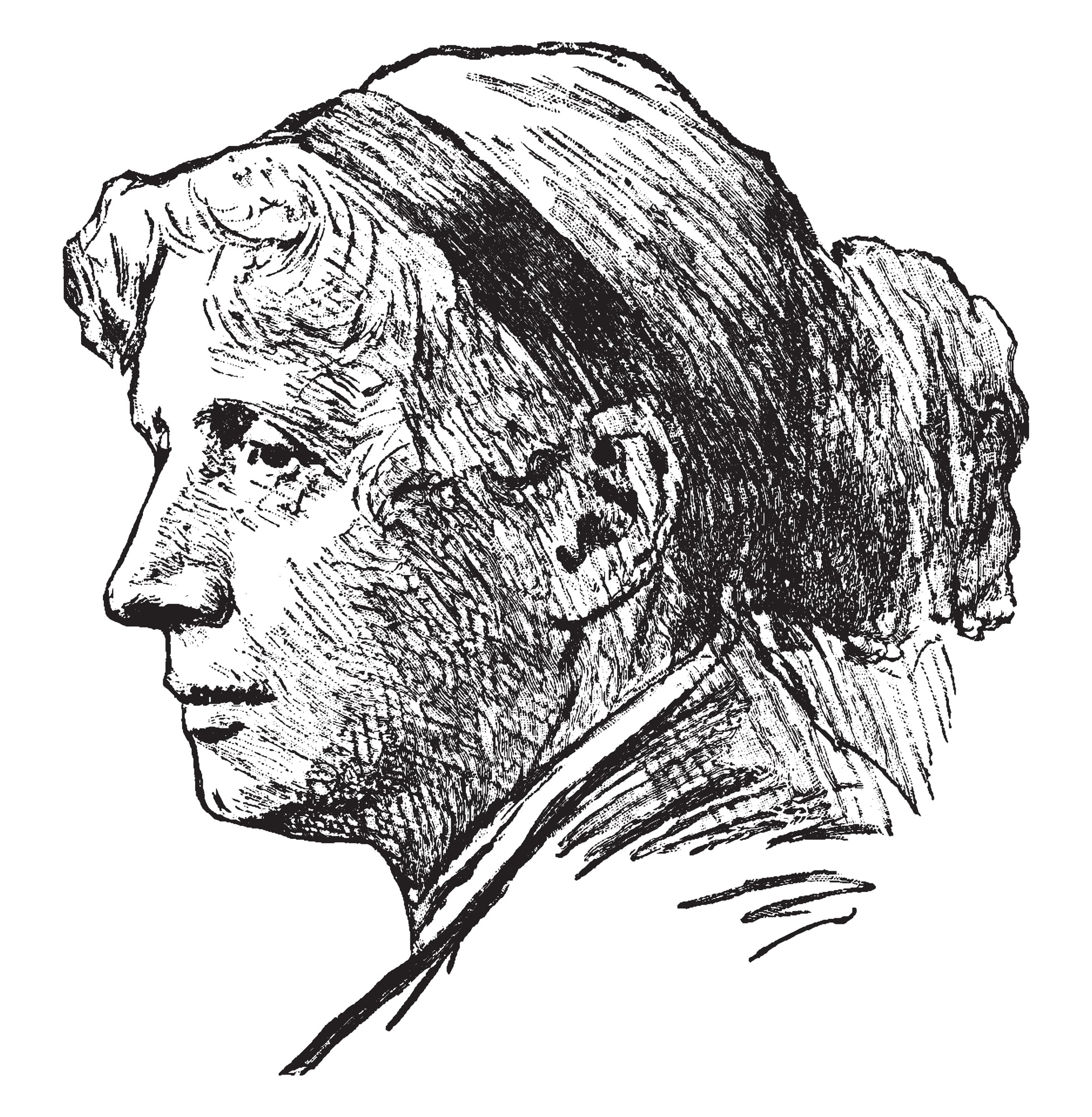
Harriet Beecher Stowe’s letter to the editor published as a preface to ‘Uncle Tom’s Cabin’ in 1852 explained her motivation for writing the novel and challenged readers to confront the reality of slavery. Her correspondence argued that Americans could no longer claim ignorance about the horrors of human bondage.
The letter helped amplify the novel’s impact, turning it into a cultural phenomenon that sold over 300,000 copies in its first year. When Abraham Lincoln allegedly told Stowe she was ‘the little woman who wrote the book that made this great war,’ he was acknowledging how her letter and novel had helped push America toward the Civil War.
The Lasting Power of Written Words

These 16 letters prove that in the right hands, at the right moment, written words can move mountains. From ancient Persia to modern America, from scientific breakthroughs to civil rights victories, these correspondences shaped the world we inhabit today.
They remind us that behind every great historical moment, there was often someone with enough courage to pick up a pen and write what needed to be said. In our age of instant digital communication, these letters stand as monuments to the enduring power of thoughtful, purposeful writing to change hearts, minds, and history itself.
Like Go2Tutors’s content? Follow us on MSN.
More from Go2Tutors!

- 16 Historical Figures Who Were Nothing Like You Think
- 12 Things Sold in the 80s That Are Now Illegal
- 15 VHS Tapes That Could Be Worth Thousands
- 17 Historical “What Ifs” That Would Have Changed Everything
- 18 TV Shows That Vanished Without a Finale
Like Go2Tutors’s content? Follow us on MSN.