17 Rare Earth Metals and Their Uses
Rare earth metals might sound like something pulled from a sci-fi plot, yet they’re all around. These seventeen metallic elements are tucked into smartphones, drive electric cars, and even help doctors carry out advanced medical procedures. Despite the name, most aren’t scarce in quantity — the challenge lies in how tricky and costly they are to extract and refine.
Quietly, they’ve become the backbone of modern tech. From powering wind turbines to enabling military guidance systems, these elements keep the wheels of progress turning. Here’s a look at each of the 17 rare earth metals and how they shape everyday life.
Neodymium

Neodymium forms the strongest permanent magnets known, making it indispensable in today’s tech. Those crisp smartphone sounds, the hum of a computer hard drive, and the rotation of huge wind turbines all rely on its magnetic power. Electric vehicle motors use neodymium magnets too — turning electricity into motion with remarkable efficiency.
Dysprosium

Think of dysprosium as a strength coach for neodymium magnets. It helps them stay powerful even in extreme heat. Hybrid car motors run hot, yet dysprosium keeps their magnets steady. It’s also used in military systems where reliability in harsh conditions can make all the difference.
Terbium

Pass electricity through terbium and it glows an intense green. That property made it a star in older TVs and computer screens. While display tech has evolved, terbium still plays a role in specialized lighting and certain medical imaging tools. In a way, it’s nature’s green highlighter.
Europium
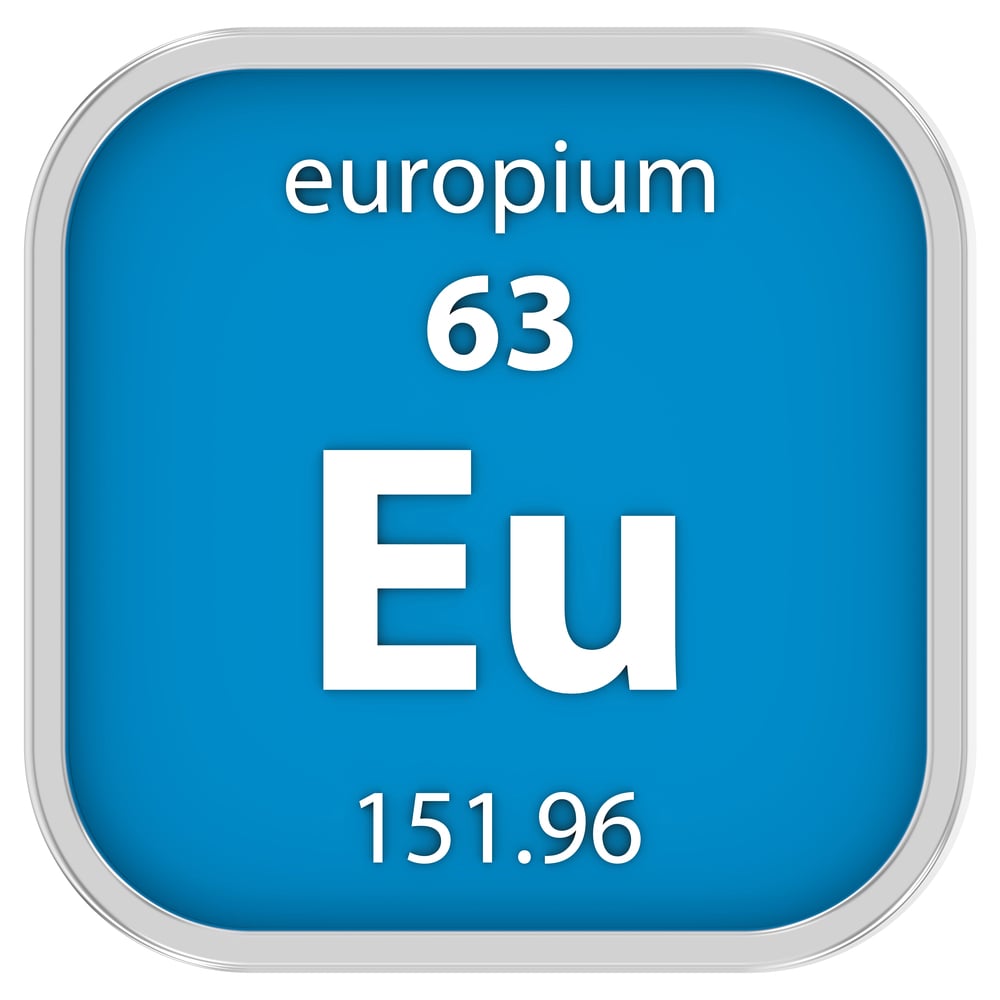
In traditional color displays, europium delivers the perfect red glow. Combined with other phosphors, it creates the full color spectrum for older TVs and fluorescent lights. It’s the “red paint” on the electronic artist’s palette.
Yttrium

Yttrium underpins materials used in advanced medicine and high-tech industries. Surgeons use yttrium-based lasers for pinpoint procedures, while manufacturers rely on yttrium ceramics that handle extreme heat. It’s also a key ingredient in synthetic garnets for powerful laser systems.
Cerium
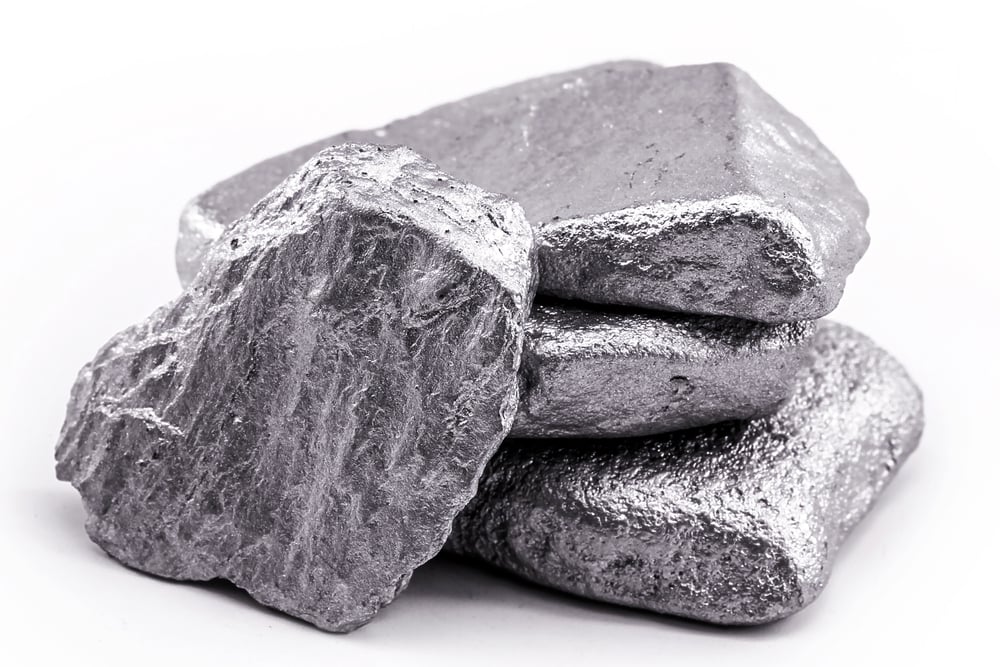
Cerium is an industrial multitasker. In glassmaking, it removes the greenish tint, producing crystal-clear lenses and windows. In cars, cerium compounds in catalytic converters help turn toxic exhaust into less harmful gases.
Lanthanum
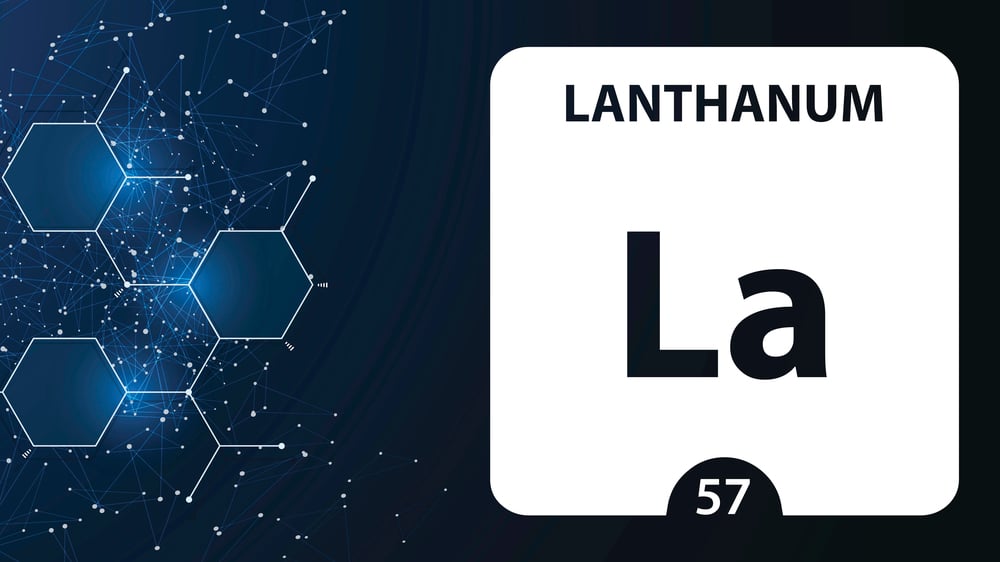
Photographers benefit from lanthanum in high-end lenses, which reduces distortions and sharpens images. It also boosts battery storage capacity in hybrid vehicles — meaning longer battery life and fewer charges.
Praseodymium

Praseodymium teams up with neodymium to make some of the strongest magnets in existence. Aircraft makers also use it in jet engine alloys that withstand flight’s extreme stresses. It can even give glass and ceramics a distinctive green hue.
Gadolinium
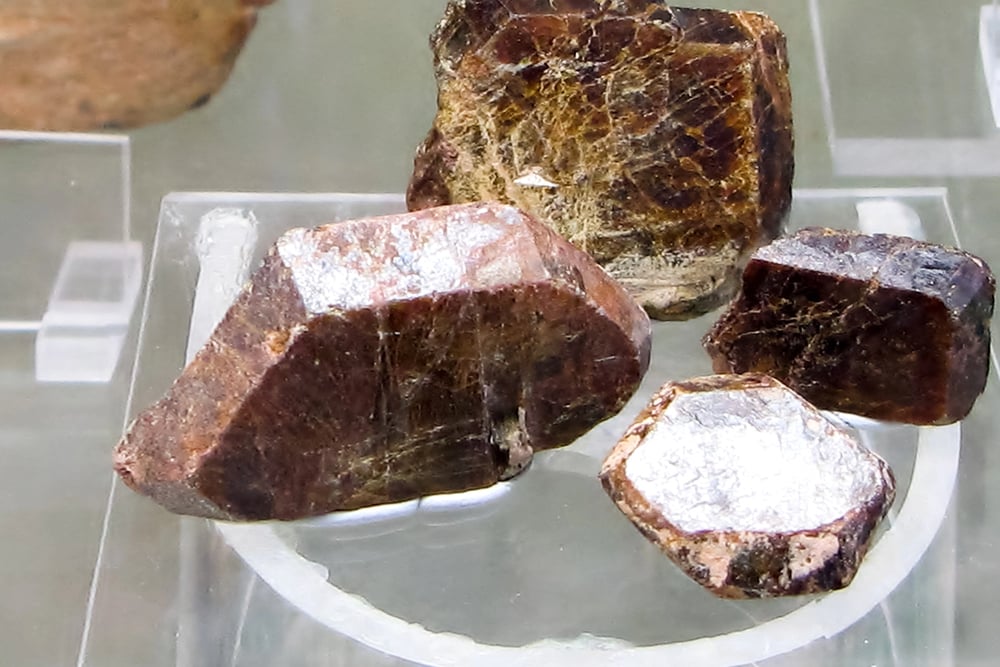
In MRI scans, gadolinium acts like a spotlight, enhancing contrast so doctors can see details clearly. Its unusual magnetic properties also make it useful in cooling systems and neutron detection devices.
Samarium

Samarium-cobalt magnets remain stable in high heat and resist corrosion, making them a go-to in satellites, spacecraft, and certain medical devices. Their durability suits environments where failure isn’t an option.
Lutetium

The rarest and priciest of the group, lutetium has niche uses in medical imaging and experimental cancer treatments. Because it’s so scarce, researchers are still uncovering potential applications.
Erbium

Erbium keeps global communication flowing. In fiber optics, it amplifies light signals so they can travel vast distances without fading — crucial for undersea internet cables.
Holmium

Holmium can generate magnetic fields stronger than nearly any other element. It’s also used in medical lasers for precise treatments, from kidney stones to cancer therapy.
Thulium
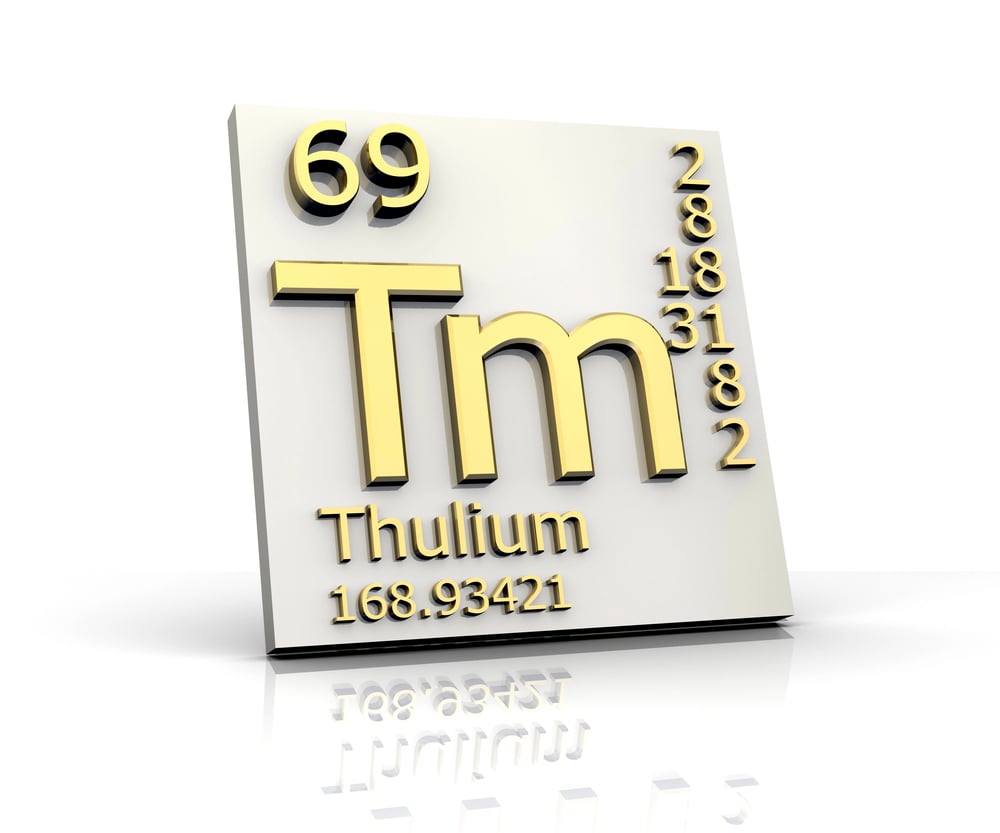
Portable X-ray units often use thulium as a radiation source, making imaging possible far from hospitals. It’s also found in certain precision lasers for manufacturing and research.
Ytterbium
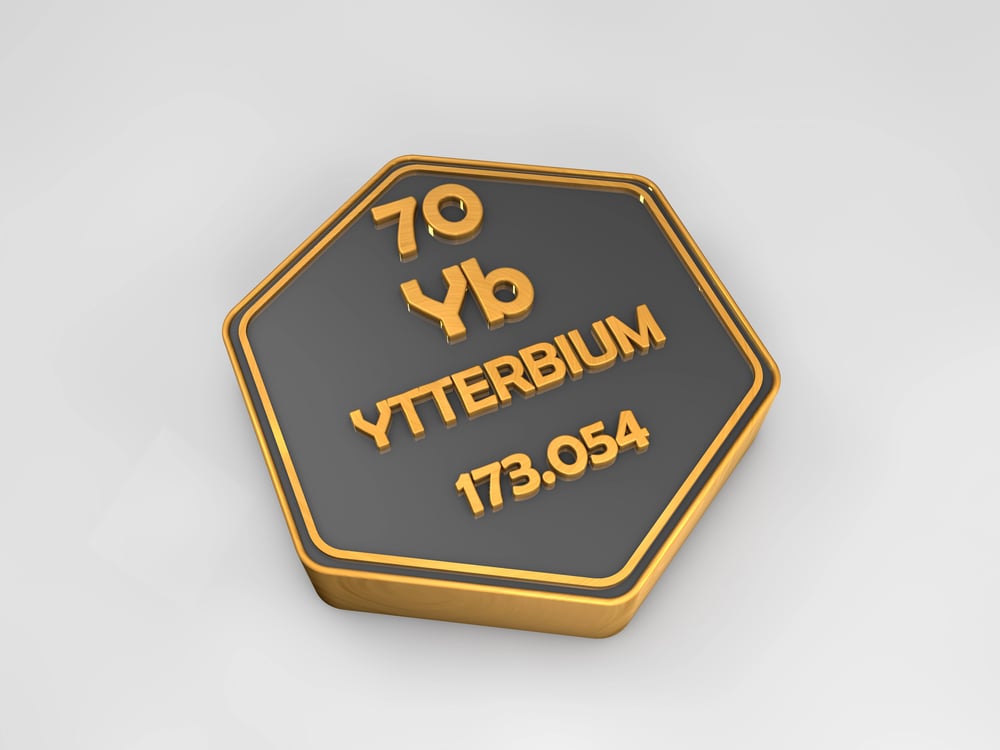
Ytterbium lasers can cut metal with astonishing precision, serving industries from automotive to electronics. It’s also being explored for ultra-accurate atomic clocks.
Scandium
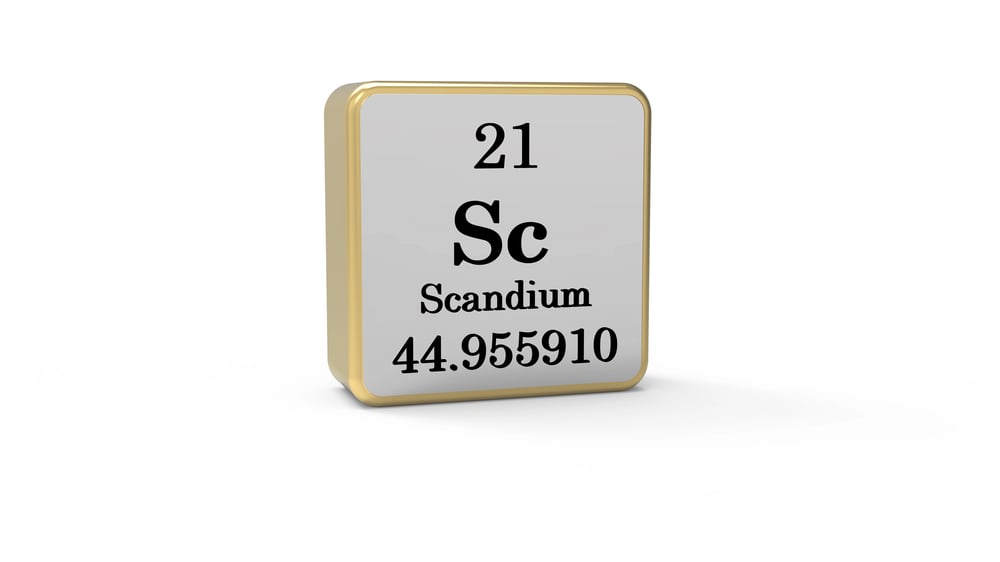
A small dose of scandium turns aluminum into a super-strong yet light alloy — ideal for aircraft and spacecraft. It’s also valuable in fuel cells and high-intensity lighting.
Promethium

Unique among rare earths, promethium doesn’t occur naturally. Made in labs and reactors, it’s used in specialized research and atomic batteries for satellites. It glows faint blue but decays quickly into other elements.
The Elements That Shape Tomorrow

These seventeen metals have quietly shifted the course of industry and innovation. Once obscure names on the periodic table, they now underpin technologies driving clean energy, advanced medicine, and even space travel. As demand grows for electric vehicles, renewable power, and high-tech devices, their importance will only deepen — turning them from niche curiosities into critical resources for the future.
More from Go2Tutors!

- 16 Historical Figures Who Were Nothing Like You Think
- 12 Things Sold in the 80s That Are Now Illegal
- 15 VHS Tapes That Could Be Worth Thousands
- 17 Historical “What Ifs” That Would Have Changed Everything
- 18 TV Shows That Vanished Without a Finale
Like Go2Tutors’s content? Follow us on MSN.



