Most Downloaded Apps Ever
Your phone holds dozens of apps, maybe hundreds. Some you use daily.
Others sit forgotten on your screen. But a handful of apps have reached numbers that most developers only dream about.
Billions of downloads. Not millions.
Billions. These apps didn’t just get popular for a moment.
They became essential. They changed how people communicate, work, shop, and entertain themselves.
Some dominated for years. Others exploded seemingly overnight.
WhatsApp’s Global Reach
WhatsApp crossed three billion downloads before most apps even reached one billion. The messaging app works in nearly every country and supports more than 60 languages.
That universal approach helped it become the communication tool for entire continents. The appeal is straightforward.
WhatsApp lets you send messages and make calls using internet data instead of traditional phone networks. This matters enormously in countries where international calls cost a fortune.
Families separated by borders stay connected without paying premium rates. Friends scattered across cities create group chats that replace expensive conference calls.
More than 140 billion messages flow through WhatsApp every single day. That’s roughly 18 messages for every person on Earth, daily.
The numbers seem impossible until you consider how many group chats exist, how many photos get shared, how many quick voice notes replace lengthy conversations. The app also added end-to-end encryption, meaning not even WhatsApp can read your messages.
For privacy-conscious users, this feature alone drives loyalty. Your conversations stay between you and the people you’re talking with.
Facebook’s Staying Power
Facebook launched in 2004 and accumulated over three billion downloads across its lifetime. The social network survived countless predictions of its demise.
Younger users supposedly abandoned it. Privacy scandals threatened its reputation.
Competitors arrived with fresher interfaces and newer features. Yet Facebook remains.
It adapted faster than critics expected. The platform added video streaming when YouTube gained traction.
It incorporated Stories when Snapchat made them popular. It built a Marketplace when people started buying and selling through social media.
Facebook doesn’t lead trends anymore, but it copies them effectively enough to retain users. The network connects families across distances.
Your grandmother probably uses Facebook more than any other social platform. High school classmates find each other decades later.
Community groups organize local events. Small businesses advertise without paying for traditional marketing.
The platform serves multiple purposes simultaneously, and that versatility keeps download numbers climbing.
Instagram’s Visual World

Instagram has been downloaded more than 3.8 billion times since 2010. The photo-sharing app started simple.
You took a picture, applied a filter, posted it. The square format and vintage filters created a distinct aesthetic that felt both nostalgic and modern.
The app evolved beyond photos. Instagram added video capabilities to compete with Vine.
It launched Stories to match Snapchat’s temporary content. It introduced Reels when TikTok threatened to steal attention.
The platform constantly adds features that mirror whatever gains popularity elsewhere. Influencers built entire careers through Instagram.
Brands discovered they could reach audiences directly without traditional advertising. Regular users found that documenting their lives in carefully curated posts felt satisfying in ways that text-based platforms didn’t match.
The algorithm determines what you see, prioritizing content from accounts you engage with most frequently. This personalized feed keeps users scrolling longer than they intended.
You open Instagram to check one thing and find yourself still browsing twenty minutes later.
TikTok’s Rapid Rise
TikTok became the first non-Facebook app to reach three billion downloads. The achievement took only a few years, far faster than any competitor achieved similar numbers.
Short videos, addictive scrolling, and an algorithm that quickly learns your preferences created a platform that dominates attention spans globally. The app originally launched in China as Douyin in 2016.
ByteDance, the parent company, released the international version as TikTok in 2017. The company then bought Musical.ly for roughly one billion dollars and merged it into TikTok in 2018, giving the platform instant access to American and European markets.
TikTok reaches over 1.5 billion monthly active users. The typical user spends nearly an hour daily scrolling through endless videos.
Content ranges from comedy sketches to cooking tutorials to political commentary. The algorithm doesn’t care what you searched for previously.
It watches what you actually watch, what you finish, what you rewatch. The platform launched careers for creators who never imagined making money from social media.
Dance challenges go viral in hours. Songs become hits because they soundtrack trending videos.
Products sell out after appearing in the right TikTok post. The app created an economy around attention.
YouTube’s Video Dominance

YouTube counts downloads in the tens of billions because it comes pre-installed on most Android devices. Even accounting for this advantage, the platform remains the internet’s second-most-visited website after Google itself.
Over 2.5 billion monthly active users watch everything from music videos to educational content to gaming streams. The platform launched in 2005 and quickly became synonymous with online video.
Google bought it in 2006 for 1.65 billion dollars, which seemed expensive at the time. That purchase now looks remarkably cheap given YouTube’s current value and cultural influence.
Creators earn money through advertising revenue sharing. This monetization model encouraged people to produce content professionally rather than as a hobby.
Full production studios operate entirely on YouTube. Educational channels teach subjects ranging from quantum physics to guitar techniques.
Gaming content draws audiences that rival traditional sports broadcasts. YouTube also serves as a search engine.
People look for how-to videos, product reviews, news coverage, and entertainment. The platform indexes all this content, making it searchable and discoverable in ways that made television seem outdated.
Messenger’s Separate Identity
Facebook Messenger has exceeded three billion downloads as a standalone app. The company split messaging from the main Facebook app in 2014, forcing users to download Messenger separately if they wanted to continue chatting with Facebook friends.
Users complained about needing two apps instead of one. Facebook pushed forward anyway, betting that dedicated messaging deserved its own space.
The strategy worked. Messenger now supports group video calls, games, payment transfers, and business communications. The app became particularly useful for coordinating with multiple people simultaneously.
Group chats organize events, share photos, and maintain ongoing conversations that don’t require everyone’s immediate attention. The casual nature of Messenger makes it feel less formal than email but more organized than mass text messages.
Businesses adopted Messenger as a customer service channel. Automated chatbots answer common questions. Real humans handle complex issues.
The platform bridges the gap between traditional phone support and impersonal email tickets.
Snapchat’s Disappearing Act

Snapchat reached 200 million downloads by 2022, pioneering features that other platforms quickly copied. The app introduced disappearing messages, making conversations feel more spontaneous and less permanent.
Photos and videos vanish after viewing, encouraging users to share without worrying about creating a permanent record. Stories arrived on Snapchat first, showing a collection of photos and videos that disappeared after 24 hours.
Instagram copied the feature. Facebook copied it.
Even LinkedIn eventually added Stories. But Snapchat created the concept, proving that temporary content appealed to users tired of curating permanent profiles.
The augmented reality filters and lenses became Snapchat’s signature feature. Dog ears and flower crowns might seem silly, but they drove engagement and gave the platform a playful identity that distinguished it from more serious competitors.
The filters improved over time, incorporating facial recognition and 3D effects that impressed users even as they became commonplace. Younger users gravitated toward Snapchat because their parents and grandparents used Facebook and Instagram.
The app offered a space that felt more private, more fun, less formal. Even as other platforms adopted similar features, Snapchat maintained loyal users who preferred its interface and culture.
Telegram’s Privacy Focus

Telegram attracted users who wanted more privacy and features than WhatsApp offered. The app supports enormous group sizes, channels that broadcast to unlimited subscribers, and file sharing up to 2 gigabytes.
These capabilities make Telegram popular for communities, organizations, and groups that need robust communication tools. The platform emphasizes encryption and security, though not all chats use end-to-end encryption by default like WhatsApp does.
Secret chats offer enhanced privacy with self-destructing messages. The company maintains that it won’t share user data with governments or other parties.
Bots add functionality that WhatsApp doesn’t match. Telegram bots automate tasks, provide information, manage groups, and integrate with other services.
Developers built thousands of bots that extend what the platform can do, creating a mini ecosystem within the messaging app. In some regions, Telegram surpassed WhatsApp and Facebook Messenger in popularity.
Countries with internet restrictions found Telegram harder to block. Activists and journalists use it to communicate when other platforms face censorship.
Spotify’s Music Streaming

Spotify transformed how people access music. The app has been downloaded hundreds of millions of times and maintains over 200 million premium subscribers.
Instead of buying albums or individual songs, users pay a monthly subscription for unlimited access to millions of tracks. The algorithm creates personalized playlists that introduce users to new music based on listening history.
Discover Weekly drops fresh recommendations every Monday. Daily Mixes combine familiar favorites with similar artists.
The platform learns your taste and feeds it back to you, refined and expanded. Podcasts expanded Spotify beyond music.
The company acquired podcast networks and signed exclusive deals with popular creators. This diversification made Spotify the default audio app for many users, replacing both music players and dedicated podcast apps.
Artists earn fractions of cents per stream, creating ongoing debates about fair compensation. But the platform democratized music distribution, letting independent musicians reach global audiences without record label backing.
Anyone can upload to Spotify, though standing out from millions of other tracks remains challenging.
CapCut’s Editing Power

CapCut surged to over 250 million downloads in its first year alone. ByteDance launched the video editing app in April 2020, timing its release perfectly as TikTok’s popularity exploded.
Creators needed tools to edit videos before posting, and CapCut provided professional features in a beginner-friendly package. The app works seamlessly with TikTok, offering templates, effects, and music that match trending content.
Users can slow footage down, speed it up, reverse clips, add text, layer audio, and apply filters. These editing capabilities used to require desktop software.
CapCut put them on phones, free and accessible. The interface makes complex editing feel simple.
Drag clips around. Tap to trim.
Swipe to add transitions. The app assumes you want results quickly, so it optimizes for speed without removing advanced options for users who want precise control.
TikTok creators who produce high-quality content often use CapCut. The editing shows in the final product.
Smooth transitions, perfectly timed cuts, layered audio, creative effects. The app became essential infrastructure for the short-form video ecosystem that TikTok dominates.
Zoom’s Pandemic Boom

Zoom recorded more than 38 million downloads in January 2021 alone. The video conferencing app became essential during pandemic lockdowns when offices, schools, and social gatherings moved online.
The name became a verb. People didn’t video call anymore.
They zoomed. The platform wasn’t new in 2020.
Companies used Zoom for meetings before the pandemic made it ubiquitous. But the sudden shift to remote work overwhelmed the company’s infrastructure and exposed security weaknesses.
Zoom bombing became a term for uninvited guests disrupting meetings. The company fixed issues quickly, rolling out updates that improved security and stability.
Schools conducted classes through Zoom. Doctors held appointments.
Therapists ran sessions. Birthday parties, baby showers, and holiday gatherings happened in virtual rooms with dozens of participants.
The app replaced physical presence when physical presence became impossible. Zoom faced intense competition from Google Meet, Microsoft Teams, and other platforms.
But its early dominance and user-friendly interface kept many people loyal even as alternatives improved. The app proved that video conferencing could work at a massive scale, changing expectations for remote communication permanently.
Temu’s Shopping Surge

Temu shocked the app market by reaching over 500 million downloads remarkably quickly. The shopping app connects buyers directly with Chinese manufacturers, offering prices that traditional retailers can’t match.
Fashion, electronics, home goods, accessories. The catalog seems endless and the discounts appear too good to be true.
The app operates on a different model than Amazon or other established marketplaces. Products ship directly from factories, eliminating middlemen and allowing prices to drop significantly.
Delivery takes longer than domestic shipping, but many shoppers accept the wait for the savings. Temu spent heavily on marketing, running advertisements constantly across multiple platforms.
The app became the most downloaded in the United States, United Kingdom, Germany, France, and Italy during 2024. That simultaneous dominance across major markets demonstrated the company’s aggressive expansion strategy.
Critics questioned product quality and labor practices. Some items arrived damaged or didn’t match descriptions.
But the volume of sales suggested that enough customers had positive experiences to keep downloading and shopping. The app tapped into demand for affordable goods regardless of origin or ethics.
ChatGPT’s AI Explosion

ChatGPT achieved something unprecedented. An artificial intelligence chatbot became one of the most downloaded apps globally within months of launching.
The tool crossed 355 million monthly users, demonstrating that conversational AI had reached mainstream adoption. The app lets you ask questions and get detailed answers.
You can request help with writing, coding, math problems, recipes, travel planning, or virtually anything else. The AI doesn’t just retrieve information like a search engine.
It generates original responses tailored to your specific question. Students used it for homework help. Professionals used it to draft documents.
Programmers used it to debug code. The versatility made ChatGPT useful across demographics and professions.
The app represented a new category of mobile software, something between a search engine, a writing assistant, and a knowledgeable conversational partner. The technology sparked debates about education, employment, and the future of work.
Teachers worried students would cheat. Writers worried AI would replace them. But the app kept getting downloaded regardless of controversy.
The capability was too useful to ignore, and the interface made it accessible to anyone with a phone.
When Numbers Tell Stories
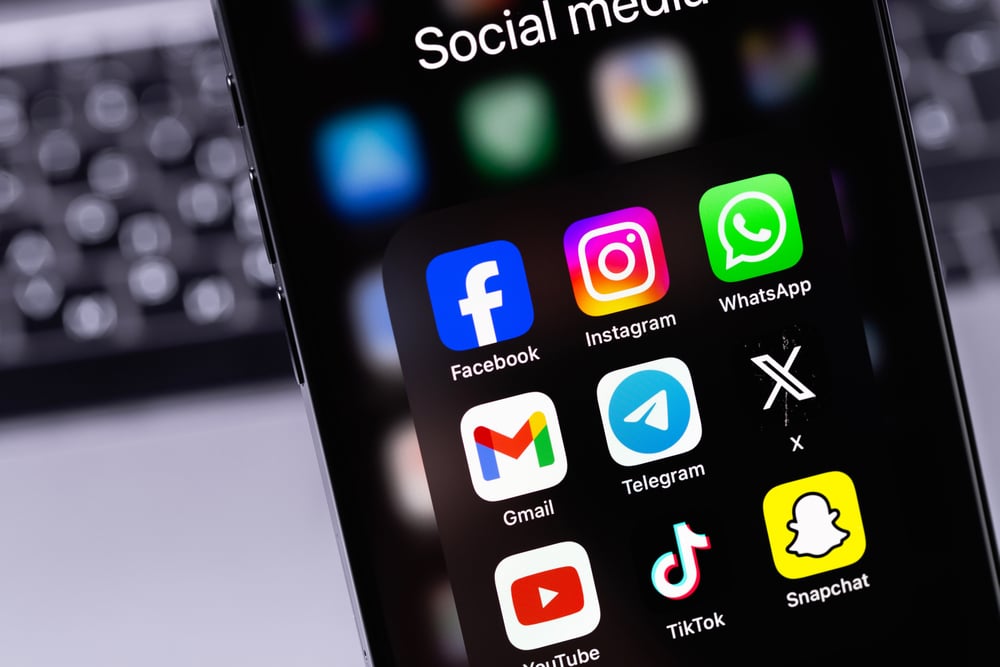
How many times something gets downloaded shows how far it spreads, yet says nothing about what it actually does. Families now talk daily across oceans because one app made it effortless.
A photo-sharing platform quietly turned everyone into a curator of their own image. Short videos thrived not because people lost focus, but because they gave time only to what felt worth it.
When doors closed to face-to-face talks, a video tool opened windows for nearly everything.
Folks kept coming back since these apps fixed real issues.
Communication got simpler, fun easier to reach, facts quicker to find. Running on phones, tablets, everywhere around the world.
When rivals showed up, changes followed without delay. Over time, using them just felt like part of the day.
Upward trends show no sign of slowing. Fresh entries are set to outpace past leaders.
Entirely new types of software will appear where none were seen earlier. Yet those hitting billion-download marks earned their place somehow.
Meeting real demands made the difference – offering solutions so fitting, so handy, they simply stayed put on phones without question.
More from Go2Tutors!

- 16 Historical Figures Who Were Nothing Like You Think
- 12 Things Sold in the 80s That Are Now Illegal
- 15 VHS Tapes That Could Be Worth Thousands
- 17 Historical “What Ifs” That Would Have Changed Everything
- 18 TV Shows That Vanished Without a Finale
Like Go2Tutors’s content? Follow us on MSN.