13 Newspaper Front Pages Announcing Historic Firsts
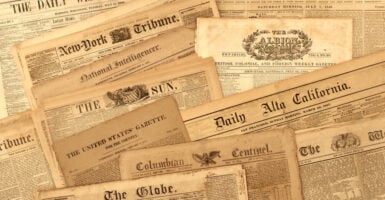
Most history arrives in hindsight. A front page is different, because it is written by people who have a deadline and no idea how the story ends.
The pages below captured a first at the moment it was still news, with all the confidence, confusion, and typos that implies. Some got the facts exactly right.
Others got them spectacularly wrong. All of them are now artifacts, proof of what it looked like when the world found out something had never happened before.
The Norfolk Paper That Gave the Wright Brothers Too Much Credit
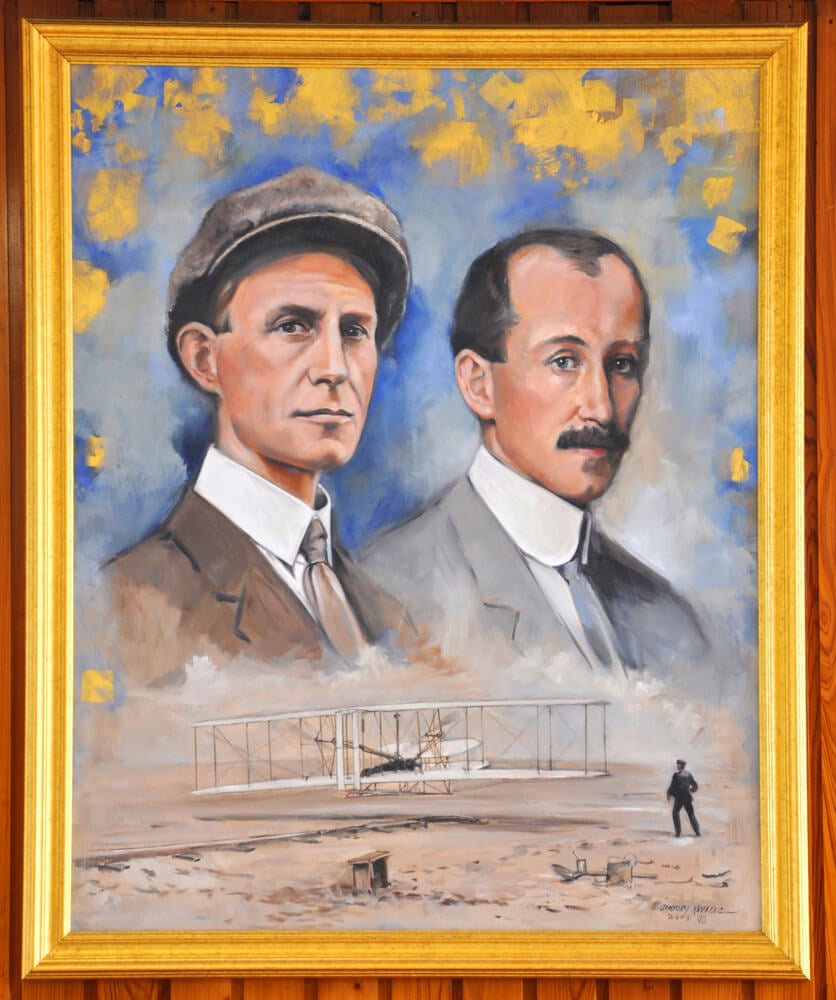
The Virginian-Pilot ran the first newspaper account of powered flight on December 18, 1903, one day after four flights at Kitty Hawk, North Carolina. The story was packed with errors, including a claim that the machine had flown three miles.
In reality the longest of the day’s flights lasted 59 seconds and covered 852 feet, while the first had managed just 12 seconds. Newspapers in the brothers’ hometown of Dayton, Ohio, were slower still to treat the news as a big deal.
A Moon Landing Typeset Within Hours
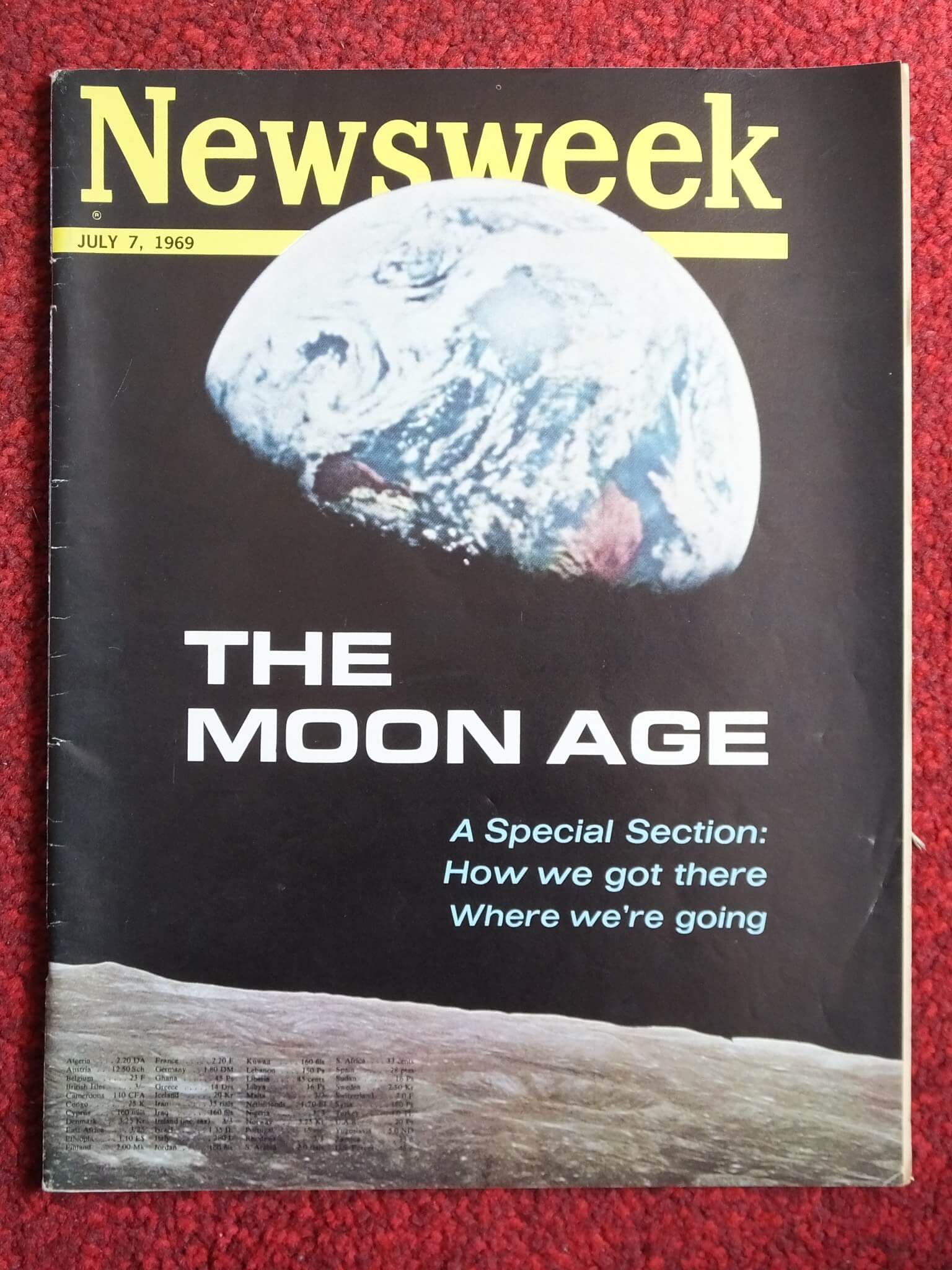
Apollo 11 touched down on the Moon at 4:17 p.m. Eastern time on July 20, 1969, and Neil Armstrong did not step onto the surface until nearly 11 p.m. The New York Times still had a front page on the street the next morning, dated July 21, announcing that people had walked on another world.
Editors had little time to rewrite the opening of the story once the first footprints were actually made. Intact copies remain some of the most traded newspapers in the collector market, with prices that swing sharply depending on condition.
Sputnik Makes the Front Page of the Times

When the Soviet Union launched Sputnik 1 on October 4, 1957, the New York Times covered the first artificial satellite in its edition of October 5. The satellite was only about 23 inches across and weighed 184 pounds, yet it circled the planet roughly every 96 minutes.
Its steady radio beeps could be picked up by amateur operators around the world. For American readers, the page marked the start of a space race they had not planned to lose.
The Observer Breaks the News of a Sheep

On Sunday, February 23, 1997, the Observer in Britain revealed that scientists had cloned an adult mammal for the first time. Reporter Robin McKie had the story ahead of the scientific paper that would formally announce it.
Dolly the sheep had actually been born on July 5, 1996, at the Roslin Institute near Edinburgh, and the team kept her existence quiet for about seven months. She was cloned from a mammary gland cell, which is why her name was a nod to Dolly Parton.
Christchurch Reads About Yuri Gagarin
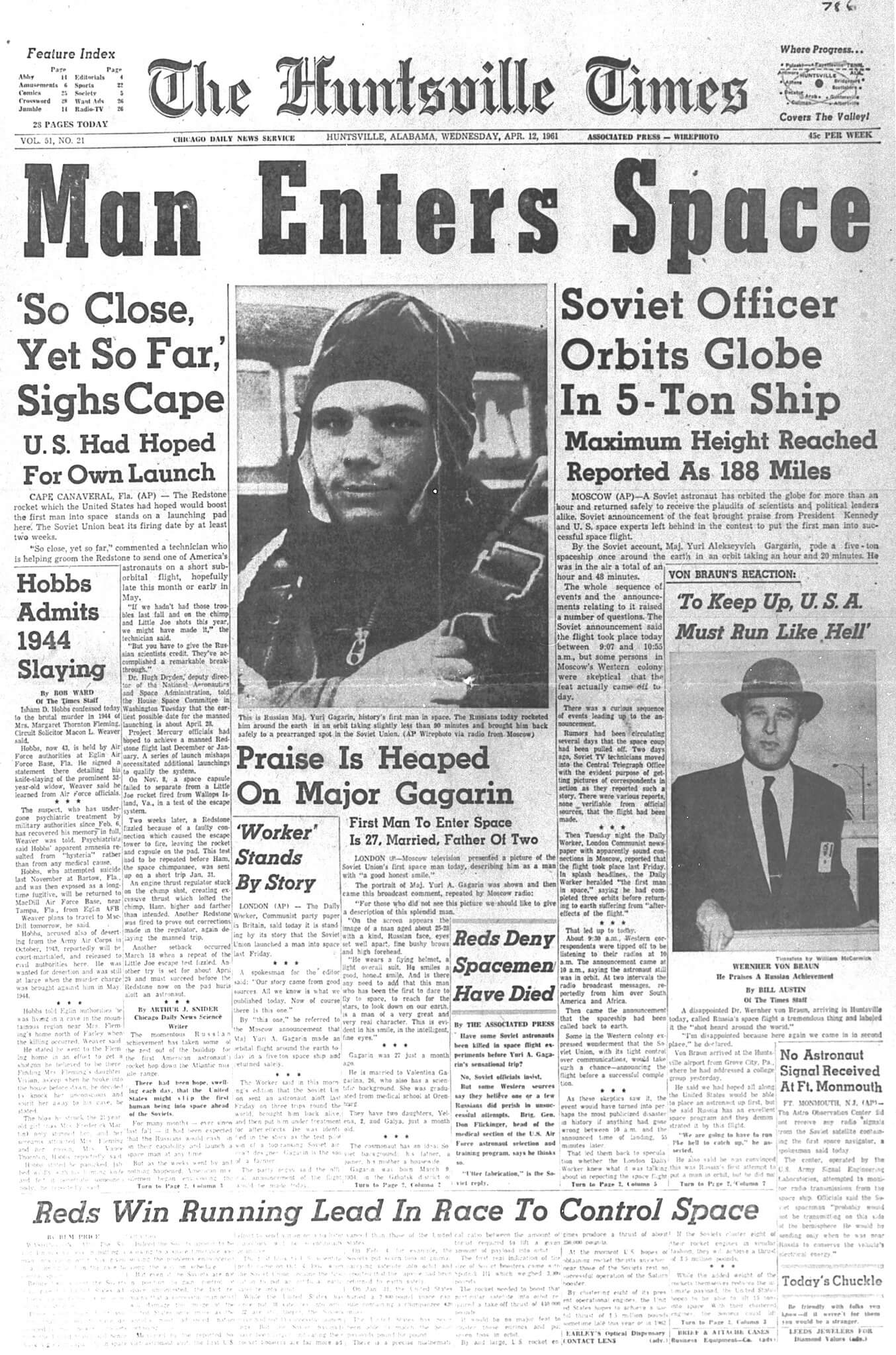
New Zealand’s Press, published in Christchurch, carried the news of the first human in space on April 13, 1961, a day after the flight. Yuri Gagarin, then 27 years old, circled the Earth once aboard Vostok 1 in a trip that lasted 108 minutes.
The Press is now part of the digitized collection at Papers Past, so anyone with a connection can read how a city at the far end of the world received the story. It is a reminder that a first like this belonged to every newsroom at once.
Paris at Night, New York in the Morning
Charles Lindbergh landed at Le Bourget Field outside Paris on the night of May 21, 1927, after flying the Spirit of St. Louis alone from New York in about 33.5 hours. The New York Times front page for May 22 told readers that the first solo nonstop crossing of the Atlantic had been completed.
The flight also earned Lindbergh the $25,000 Orteig Prize, offered years earlier to the first aviator to link New York and Paris without stopping. Crowds at the airfield reportedly swarmed the plane before he could climb out.
An Announcement From the President’s Ship

The New York Times of August 7, 1945, reported that an atomic bomb had been used in war for the first time, dropped on Hiroshima the day before. The announcement came from President Harry Truman, who delivered it while sailing home from the Potsdam conference aboard the USS Augusta.
The statement described the weapon as having the force of 20,000 tons of TNT. Readers were handed a new age of warfare on a Tuesday morning, along with their coffee.
A Pasture in Northern Ireland and the Times Front Page
Amelia Earhart took off from Newfoundland on May 20, 1932, exactly five years after Lindbergh, and landed in a pasture near Londonderry in Northern Ireland a little under 15 hours later. The New York Times front page of May 22 announced that she was the first woman to fly solo across the Atlantic.
She had been aiming for Paris but fuel and weather problems forced a stop short of it. Her red Lockheed Vega became one of the most photographed airplanes of its time.
John Glenn Circles the Globe Three Times
The New York Times of February 21, 1962, reported that John Glenn had become the first American to orbit the Earth. His Friendship 7 capsule completed three orbits in just under five hours before splashing down in the Atlantic.
Controllers had been worried by a warning signal suggesting the heat shield might be loose, so Glenn was told to keep a retro pack strapped on during reentry. Readers learned the happy outcome in print, with the drama of the final minutes filling the columns.
The Natchez Democrat Notes That Obama Made History
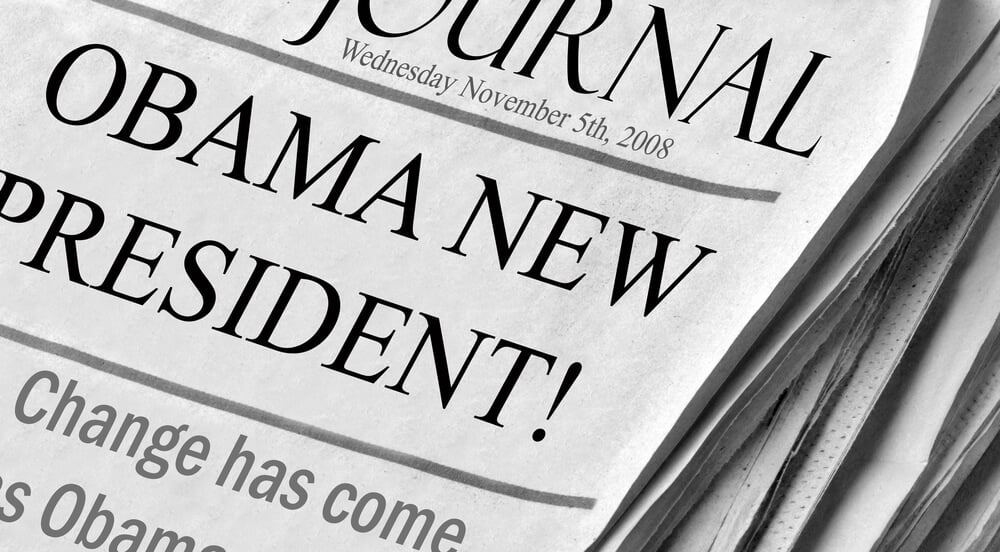
Even small-city papers understood the weight of the moment on November 5, 2008. The Natchez Democrat, serving a Mississippi River town, carried the news on its front page after Barack Obama became the first Black person elected president of the United States.
He defeated John McCain and collected 365 electoral votes. Most people remember the national papers, yet a page from a town of this size shows how far the news spread in a single night.
A Coded Message That Reached The Times
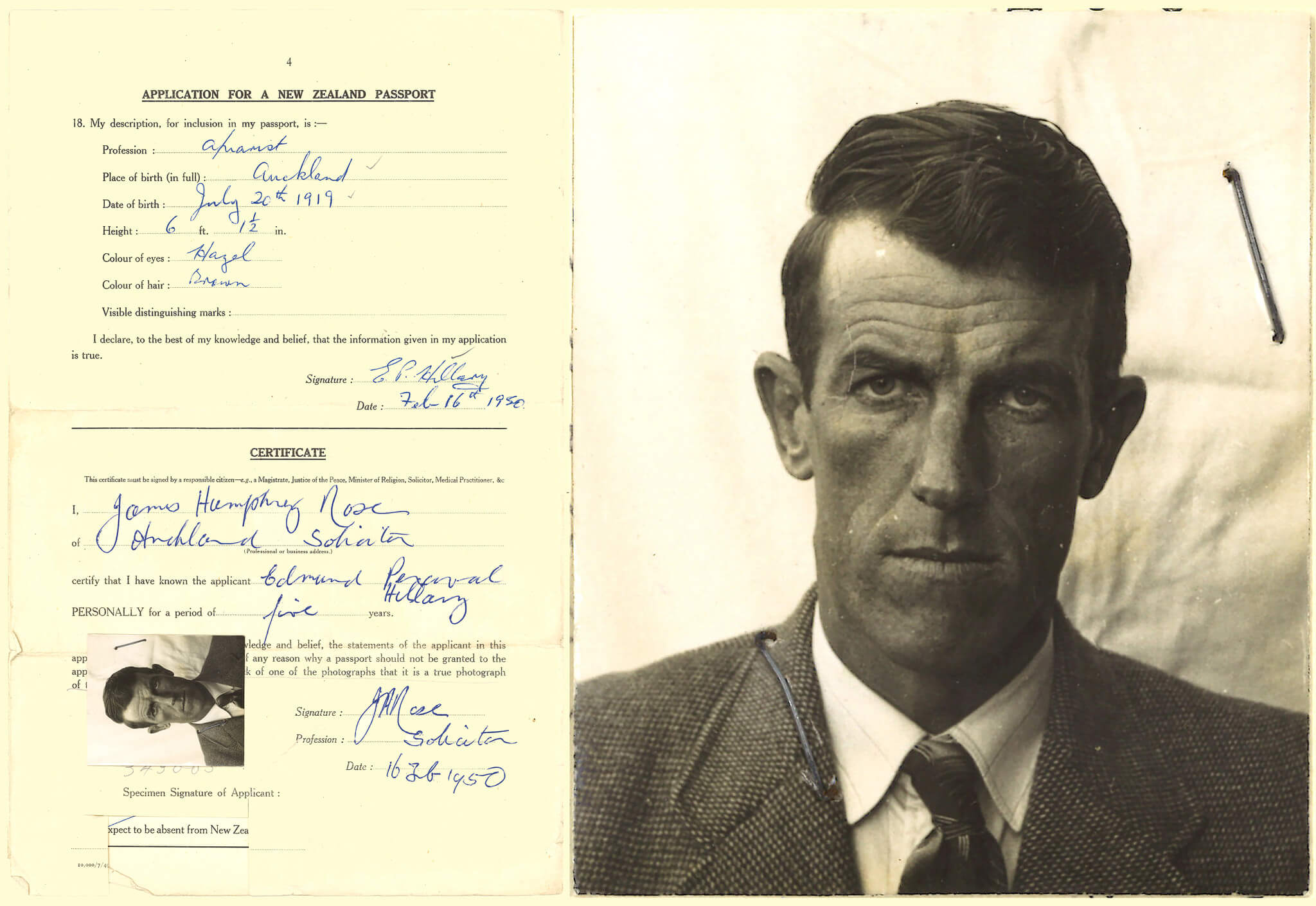
The Times of London reported on June 2, 1953, that Mount Everest had been climbed, with the news sharing the front page with the coronation of Queen Elizabeth II. Edmund Hillary and Tenzing Norgay had reached the summit on May 29.
The paper’s correspondent, James Morris, who later became the writer Jan Morris, sent the result back in a coded message disguised as a note about poor snow conditions. The trick kept rival papers from learning the story first.
Tennessee Casts the Deciding Vote for Women
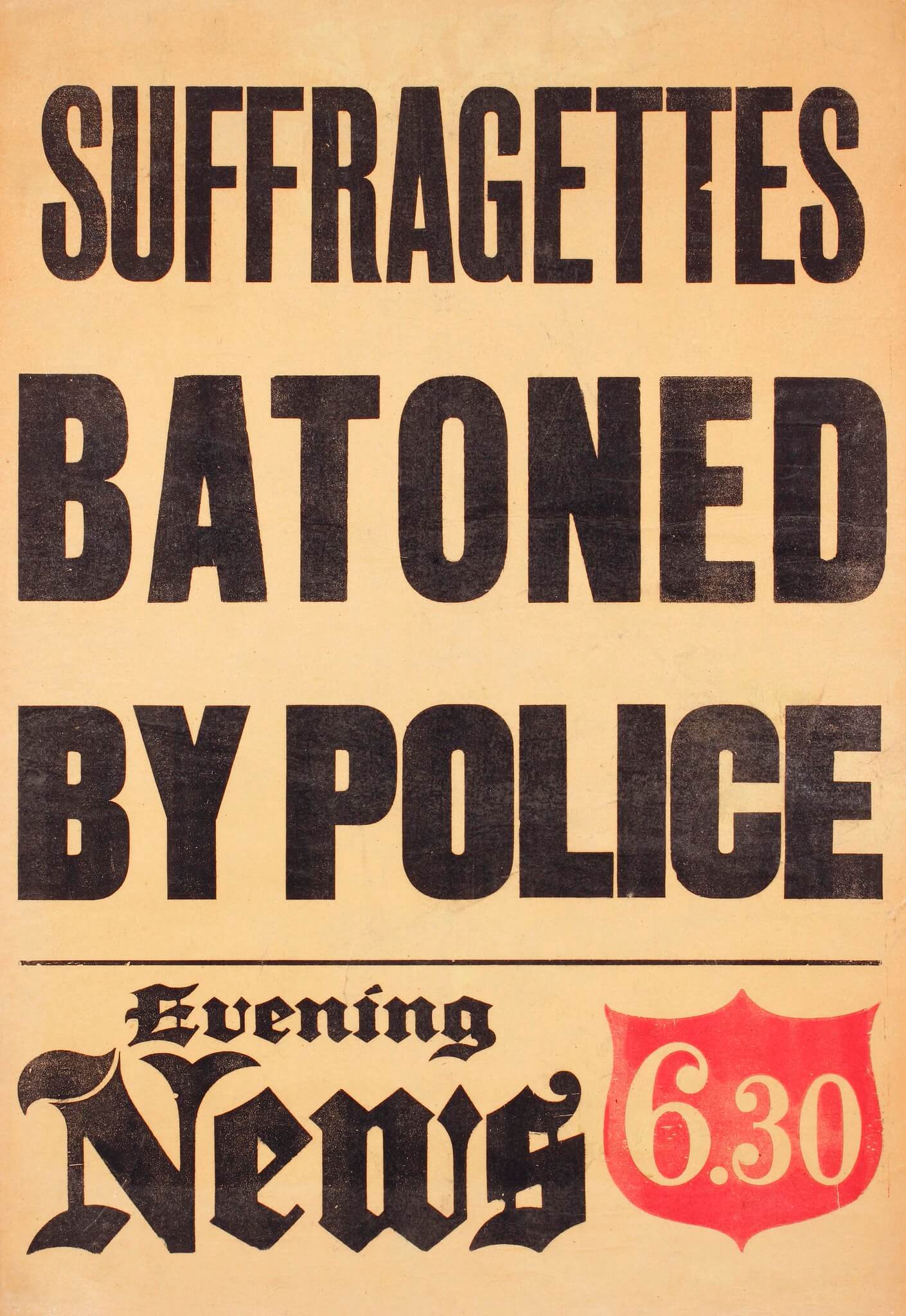
The New York Times for August 19, 1920, reported that Tennessee had ratified the 19th Amendment, giving women the right to vote nationwide. The vote in the state House was 49 to 47, and it came down to Harry Burn, the youngest member of the legislature, who changed his vote after reading a letter from his mother.
Tennessee was the 36th state to ratify, which was the number needed to put the amendment into the Constitution. A single legislator’s change of heart, in other words, settled the matter.
The Solicitor General Becomes a Justice
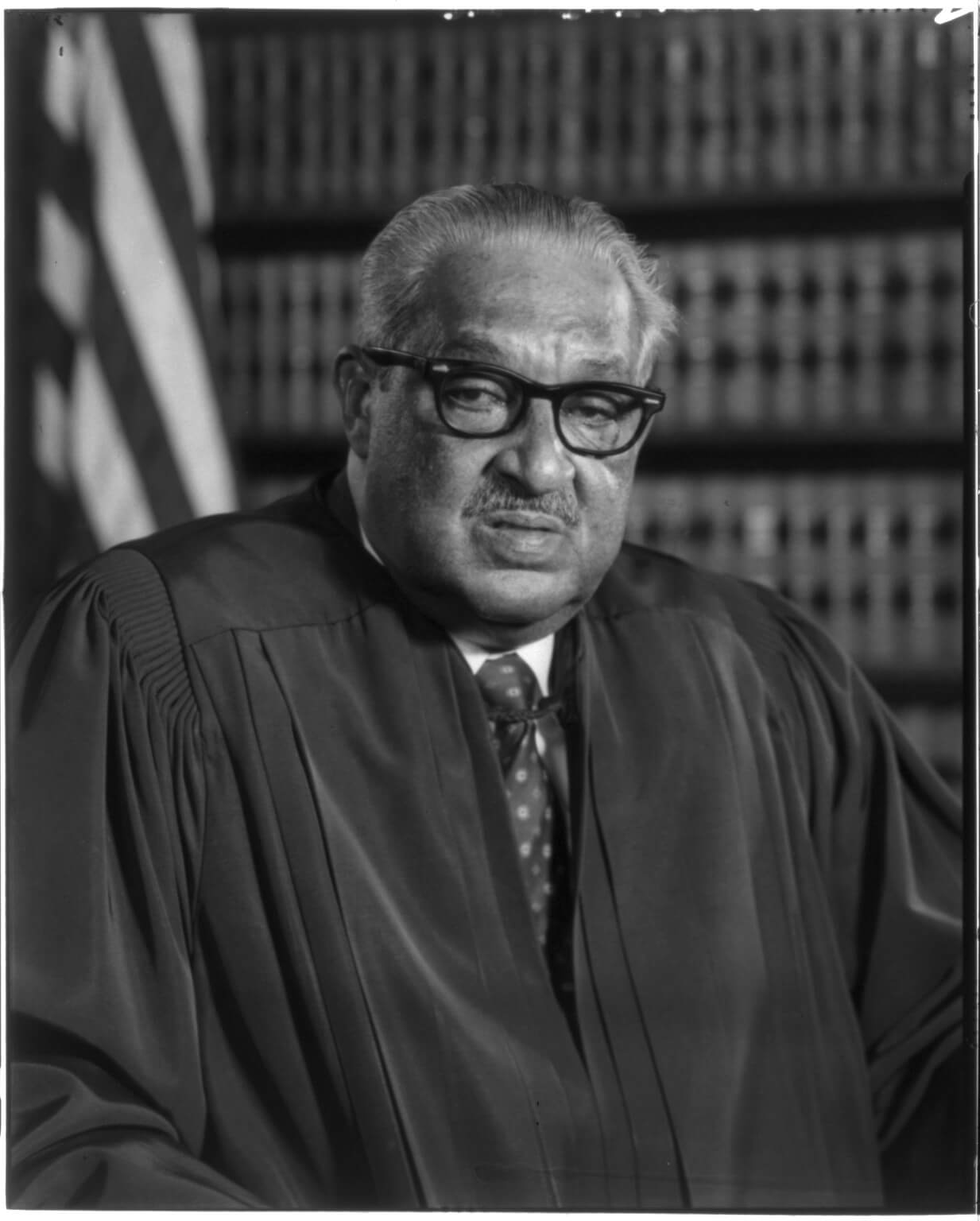
On June 14, 1967, the New York Times reported that President Lyndon Johnson had picked Thurgood Marshall for the Supreme Court. If confirmed, he would be the first Black justice in the court’s history.
Marshall had argued the landmark school desegregation case Brown v. Board of Education before the same court, and was serving as Solicitor General when he was named. The Senate confirmed him on August 30 by a vote of 69 to 11.
The Morning After the Impossible

Every one of these pages was printed on the assumption that readers would be surprised. A flight of a few seconds, a signal from orbit, a woman’s name on the Atlantic crossing, and a vote changed by a young legislator all arrived as news before anyone could say how they would be remembered.
Editors had to decide, in a few hours, how big to make the type. Some chose well and some chose badly. What survives is not just the fact of the first but the texture of the first day.
The mistakes, the typesetting, the cramped columns beside advertisements for hats all show that history rarely announces itself. It shows up as a stack of paper on a doorstep, and somebody has to decide it matters.
More from Go2Tutors!

- 27 Silver Dollars and Half Dollars Worth Keeping
- 28 Restaurant Menu Items Nobody Orders Anymore
- 17 Places Built in Seemingly Impossible Spots
- 27 Vintage Rings Worth More Than They Look
- 25 Restricted Sites Tourists Can’t Enter
Like Go2Tutors’s content? Follow us on MSN.