20 Modern Conveniences People Once Feared
It wasn’t always cheers for new gadgets. Take today’s ordinary objects – once seen as enemies creeping into society.
Resistance came fast, loud, from clinics, streets, offices. Machines we barely notice now stirred fear like storms.
Back then, quiet routines felt under attack by what later became routine. Fear walks in first, every time history shifts.
People misread change because panic paints the future gray. Progress follows close behind, though few notice right away.
Wrong guesses spread fast when uncertainty takes hold. This mix of dread and advancement sticks around, simply because new things feel risky until they do not.
Electricity In Homes
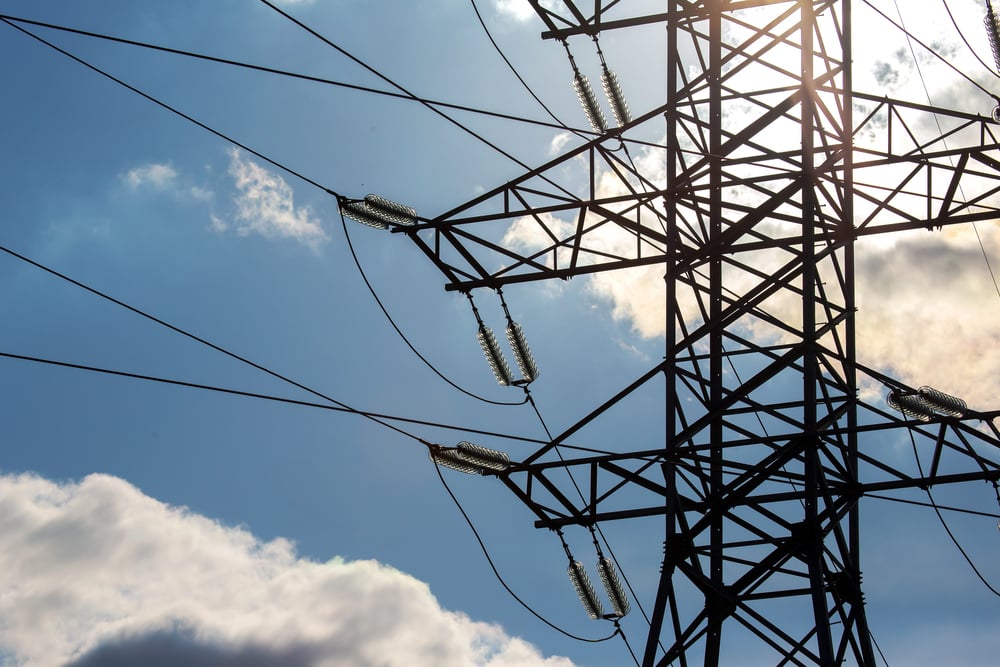
Folks in the late 1800s thought electric power might zap them dead while they slept. Headlines screamed danger, yet curiosity still crept into neighborhoods.
Wires snaked toward houses, though many blocked entry out of dread. Edison pushed horror tales about AC current – his wallet depended on it.
Now? Life without switches and sockets feels impossible.
The Telephone

Strange how quickly worry followed wonder. The phone’s ring could summon anyone, anytime, making walls feel thinner.
Voices traveling wire paths? To certain believers, that smelled like meddling beyond God’s design. Some called it ghost work.
Yet Twain found joy in the clicking device, welcoming its chime. Most others stood back, arms crossed, waiting to see what trouble came next.
The Refrigerator

One day, old fridges ran on stuff like sulfur dioxide – nasty if it escaped into the air. A leak could mean trouble, even danger, right where meals got made.
Not everyone trusted these machines sitting quietly by the wall. Years passed while engineers worked out better ways, swapping risky fluids for tamer ones.
Slowly, trust grew along with safety. Today? The kitchen feels incomplete without its constant hum in the corner.
Trains

Back when steam engines started hauling people in the 1820s, medical experts insisted our lungs couldn’t handle speeds past thirty miles an hour. A few actually argued breathing itself would become impossible – others said travelers could lose their minds mid-journey.
Female riders got special warnings: a doctor here, another there, claiming wombs might dislodge under motion’s force. Today? More reliable than walking down a sidewalk.
Elevators

Long ago, folks worried that if an elevator’s rope broke, it would drop fast. When Elisha Otis sliced the cord during a show in 1854—standing right inside—it still didn’t calm most minds.
Riders simply avoided going up too high, so buildings grew wide instead of tall. These days, countless trips glide between floors as though they’ve always been ordinary.
The Microwave Oven

Folks started eyeing kitchen microwaves like ticking boxes when they hit homes in the seventies. Many feared the invisible waves might spark tumors, zap fertility, or bring darker outcomes.
Whispers went around: meals cooked inside these machines could stay cold in spots yet scorch guts if swallowed. A few households wouldn’t even linger close during operation.
Experts kept stating the energy involved lacks power to alter DNA or harm tissue. Still, dread clung tighter than facts.
Automobiles

Folks back then found early automobiles downright scary – so much so that certain nations made it law for someone to march ahead of each car, swinging a crimson flag like a warning beacon. With horses bolting and walkers scattering, the new machines earned fierce backlash from those who saw them as threats to public order.
Urban forecasters even claimed such vehicles would unravel community bonds completely. The danger fears faded eventually, true, yet whether today’s endless traffic jams qualify as civilized remains an open question.
The Internet

When the internet became publicly available in the 1990s, parents, politicians, and journalists treated it like an open door to every danger imaginable. There were fears about predators, scams, misinformation, and the collapse of real human connection.
Some schools banned it outright. While some of those concerns had merit, the internet also became the largest library, communication tool, and economic engine in human history.
Vaccines

Edward Jenner faced public outrage when he introduced the smallpox vaccine in 1796. People literally believed that injecting material from a cow would cause them to grow animal features.
Cartoons from that era show people sprouting cow heads after vaccination. Smallpox was eventually eradicated in 1980, which is arguably the greatest public health achievement in recorded history.
Credit Cards
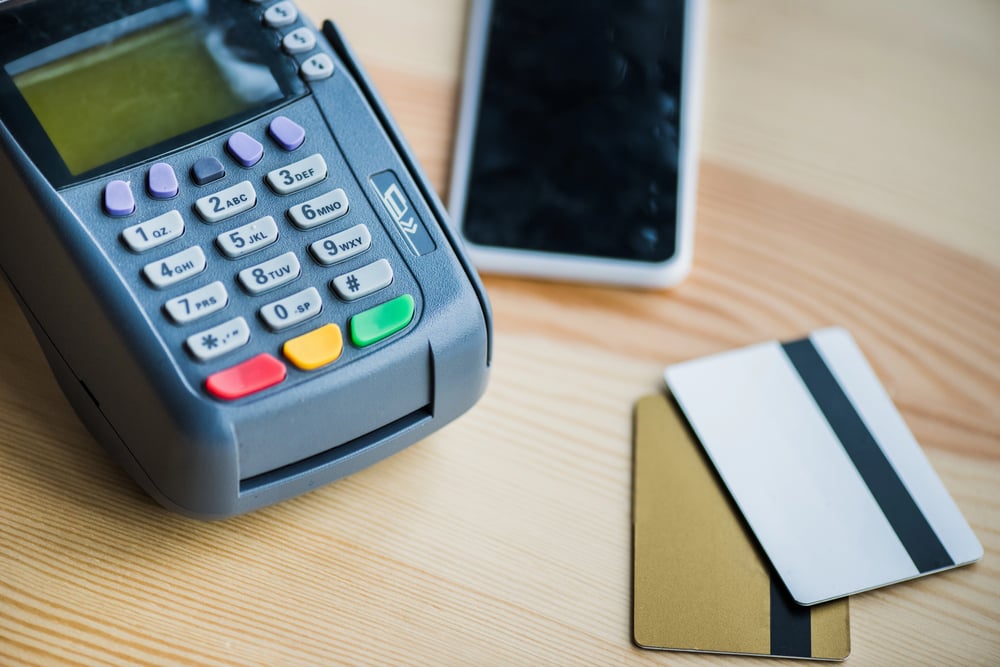
When credit cards launched in the 1950s, financial experts and everyday consumers worried they would encourage reckless spending and trap people in permanent debt. Some economists called it a scheme designed to exploit the middle class.
Others simply did not trust handing over a small piece of plastic in exchange for goods. Now most people cannot get through a single week without using one.
ATMs

Bank customers in the 1970s were deeply suspicious of ATMs, worried their money would vanish, the machine would eat their card, or thieves would figure out how to crack it open. Banks had to run major campaigns just to get people to try one.
A Barclays executive reportedly had to use the first ATM in England himself, on camera, to prove it was safe. Now over 3 million ATMs operate worldwide.
Anesthesia

Before anesthesia, surgery meant being held down by several people and hoping the procedure ended fast. When ether and chloroform arrived in the mid-1800s, patients feared they would never wake up or would say embarrassing things while under.
Some doctors refused to use it, arguing that pain during surgery was actually beneficial for recovery. Today, going under anesthesia is routine and closely monitored.
Blood Transfusions

The idea of transferring blood from one person to another horrified early medical communities and the general public. People feared the blood of another person would change their personality, their character, or their very identity.
Religious objections were also strong, with many groups seeing it as interfering with God’s plan. Blood transfusions now save millions of lives every year.
Photography

When photography first appeared in the 1830s, some people refused to be photographed because they believed the camera was literally capturing their soul. In certain cultures, the fear was so strong that subjects would cover their faces or flee.
Others worried a photograph could be used to put a curse on them. Now people take more photos in a single day than existed in the entire 19th century.
Washing Machines
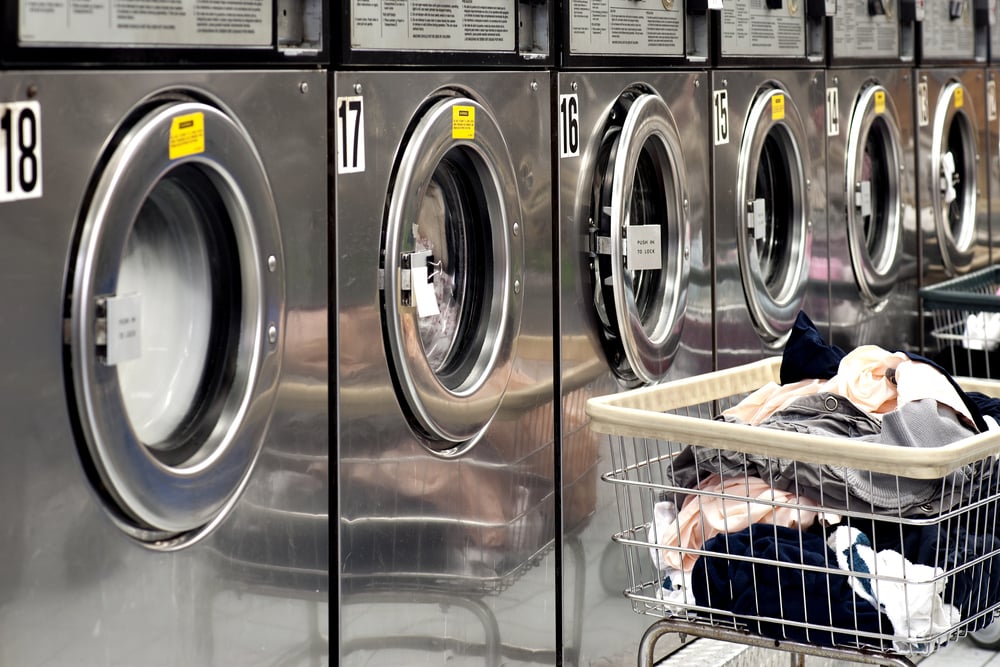
It sounds strange, but early washing machines faced resistance because people worried the mechanical agitation would damage fine fabrics beyond repair. There was also a widespread belief that using a machine, rather than hands, produced inferior results and meant the housewife was cutting corners.
Some communities even treated machine-washed clothes with suspicion. Today, handwashing an entire load of laundry is considered a chore for the especially dedicated.
Painkillers

Early versions of common painkillers like aspirin were met with distrust, with many people fearing they would become dependent or that the drug would damage their organs over time. Doctors were cautious about prescribing anything that reduced pain, partly because they feared it masked symptoms that needed attention.
Some patients refused any medication at all and chose to endure discomfort. Aspirin alone is now taken by hundreds of millions of people daily.
Flying In Airplanes

The Wright Brothers flew in 1903, but convincing the public to actually board a plane for leisure or business took decades. Early aviation accidents were widely reported and amplified fears that the whole enterprise was suicidal.
Even in the 1950s, passengers would write farewell letters before boarding transatlantic flights. Commercial aviation is now statistically the safest way to travel per mile.
GPS Navigation
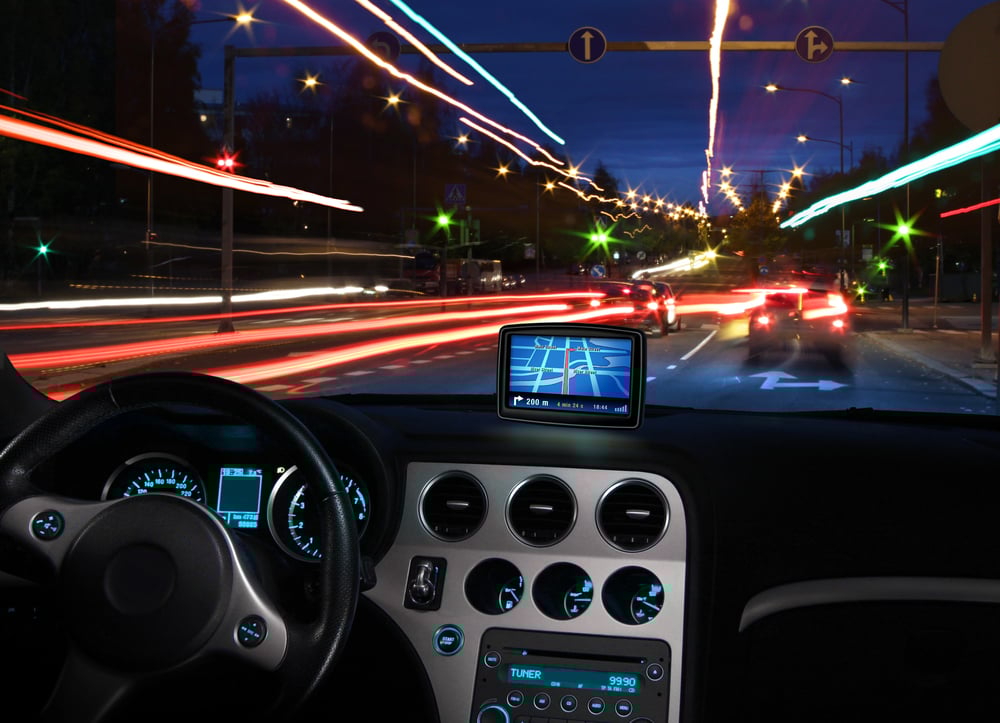
When GPS became available to civilians in the early 2000s, people worried it would make them completely unable to read a map or find their way without electronic help. Privacy advocates raised alarms that governments or corporations could track every movement.
Some drivers refused to trust the device and followed their own instincts, often with questionable results. GPS now guides emergency responders, delivery drivers, hikers, and billions of everyday commuters.
Cesarean Sections

For centuries, a C-section was performed only as an absolute last resort, and the fear of it was enormous. People believed the procedure was nearly always fatal for the mother, largely because early versions often were performed without proper sanitation or pain relief.
Even into the 20th century, many women refused the option outright, choosing prolonged and dangerous labor instead. Today, C-sections account for roughly one in three births in the United States and are considered a safe, routine procedure.
Dishwashers

The first home dishwashers, introduced around the 1950s, were viewed with suspicion by many homemakers who believed a machine could never clean dishes as well as careful hands. Others worried about water damage to wood cabinets or that the machine would use too much water and drive up bills.
Some households kept them purely as a status symbol but never actually used them. Now skipping the dishwasher feels like a minor personal sacrifice.
From Fear To The Everyday

The pattern is impossible to ignore: almost every tool that defines modern life was once treated as a threat. Fear shows up first, nearly every time, and then familiarity takes over.
What feels dangerous today, whether a new technology, a medical treatment, or a device nobody fully understands yet, often becomes the thing future generations cannot live without. The lesson is not that every new invention deserves blind trust.
It is that fear alone has never been a good reason to stop moving forward.
More from Go2Tutors!

- The Romanov Crown Jewels and Their Tragic Fate
- 13 Historical Mysteries That Science Still Can’t Solve
- Famous Hoaxes That Fooled the World for Years
- 15 Child Stars with Tragic Adult Lives
- 16 Famous Jewelry Pieces in History
Like Go2Tutors’s content? Follow us on MSN.