12 Times the Weather Changed the Outcome of a Major Event
Throughout history, weather has proven itself more than just background noise to human affairs. Military victories, sporting upsets, cultural touchstones – all have occasionally hinged on unexpected atmospheric conditions that nobody could’ve anticipated.
Mother Nature doesn’t care about human plans; she’s shown repeatedly that she remains the ultimate wild card in our carefully orchestrated events. Weather doesn’t just mess with your picnic plans or morning commute.
Here’s a list of 12 times when weather conditions completely altered the course of major events, sometimes changing history itself.
The Great Storm of 1588
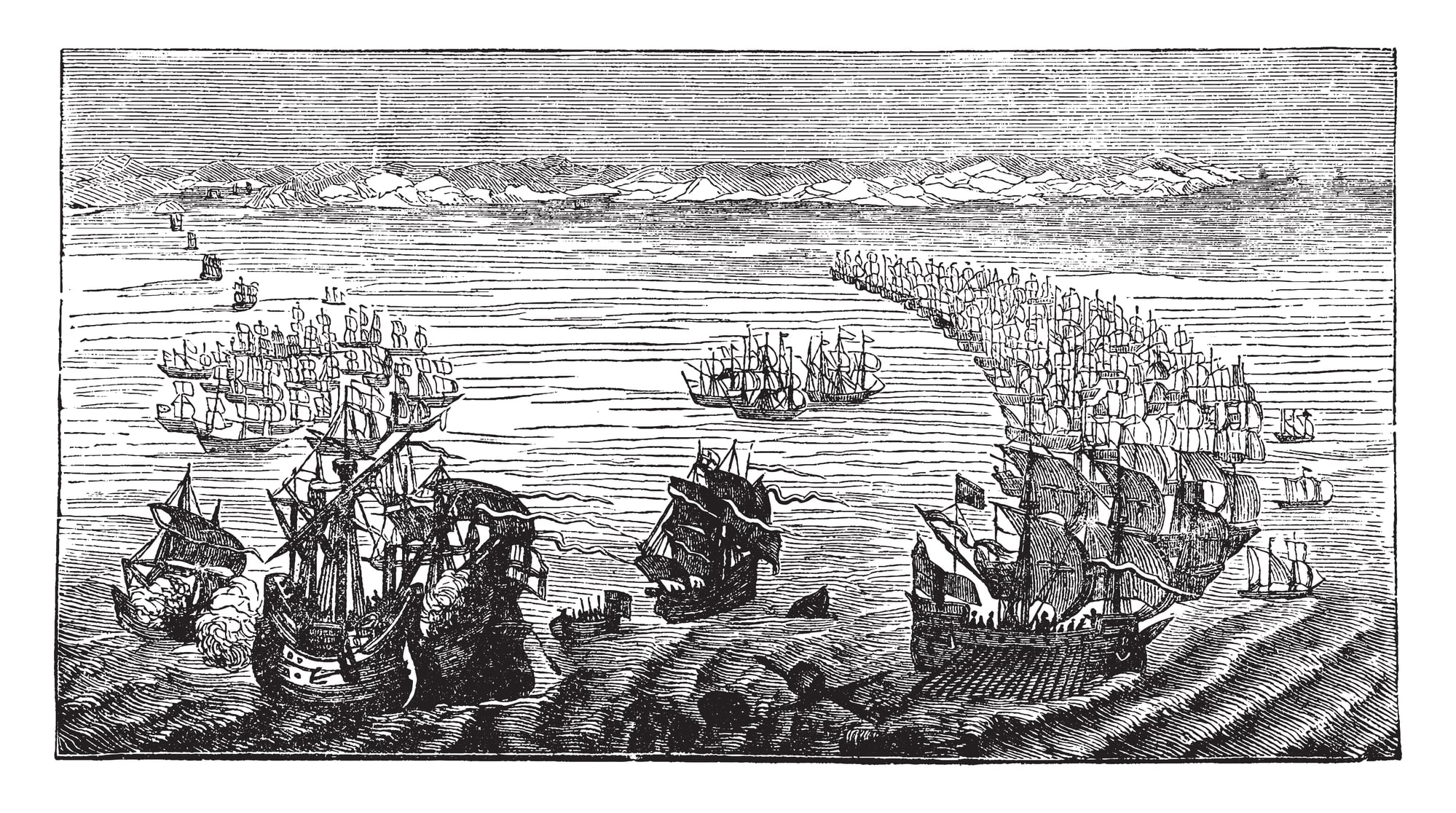
The Spanish Armada seemed invincible as it approached England – boasting what many considered the most formidable naval force of its era. Yet an unusually violent tempest in the English Channel scattered the Spanish vessels, forcing ships northward where jagged coastlines along Scotland and Ireland tore many apart.
This meteorological twist of fate helped England maintain sovereignty while establishing the foundations for its future naval dominance.
Napoleon’s Russian Retreat
Napoleon’s 1812 invasion of Russia started with promise but collapsed into catastrophe – largely thanks to meteorological factors nobody predicted. Winter arrived weeks earlier than usual, plunging temperatures to a brutal -40 degrees.
His Grande Armée, woefully unprepared for such conditions, watched helplessly as men froze to death and supply wagons became inaccessible beneath snowdrifts, forcing a desperate retreat that decimated his previously unstoppable forces.
Like Go2Tutors’s content? Follow us on MSN.
D-Day’s Narrow Window

The Allied invasion of Normandy in 1944 depended entirely on specific weather conditions suitable for both amphibious landings and air support operations. After postponing due to threatening storm systems – General Eisenhower received intelligence suggesting a brief 36-hour window of marginally acceptable conditions.
His calculated gamble to launch despite suboptimal weather caught German defenders completely off guard – they’d assumed no commander would attempt such a massive operation during such questionable meteorological circumstances.
The Year Without a Summer

Mount Tambora’s 1815 eruption in Indonesia triggered global climate disruption so severe that frost and snowfall occurred throughout the summer months across North America and Europe the following year. Widespread crop failures triggered famine while economic systems buckled under unprecedented agricultural collapse.
The persistent gloom and indoor confinement during normally pleasant months even shaped literary history – Mary Shelley conceived ‘Frankenstein’ during dreary indoor gatherings when sunshine and warmth simply never arrived.
The Super Bowl Ice Bowl

The 1967 NFL Championship – pitting Green Bay against Dallas – unfolded in conditions so extreme it earned the nickname ‘Ice Bowl’ for all time. Lambeau Field’s thermometers registered -15°F with windchill factors approaching -48°F – temperatures so severe they overwhelmed the underground heating system and froze the playing surface solid.
Equipment malfunctioned, players suffered frostbite – yet through these arctic conditions, the Packers somehow engineered their legendary game-winning drive that cemented both the contest and Coach Lombardi in football mythology.
Like Go2Tutors’s content? Follow us on MSN.
Hurricane Katrina’s Political Fallout

When response efforts failed miserably, Hurricane Katrina’s 2005 destruction of New Orleans turned from a natural disaster into a political calamity. Whether justified or not, the Bush administration came under heavy fire for what was seen as delays in planning relief efforts as flood levels rose.
In addition to exposing unsettling socioeconomic discrepancies that affected later election cycles and disaster management procedures across the country, television footage of trapped residents waiting for rescue damaged public trust in government institutions.
The Fog Bowl

The 1988 NFL playoff matchup between Chicago and Philadelphia suddenly disappeared from view when an impenetrable fog bank rolled across Soldier Field during second quarter play. Visibility dropped to roughly 15 yards – making it nearly impossible for players, officials, or fans to track game action with any clarity.
Broadcasters couldn’t provide meaningful commentary as their cameras captured little more than ghostly figures moving through dense mist. Chicago eventually claimed a 20-12 victory, though the bizarre atmospheric conditions prompted significant rule revisions regarding weather-related postponements.
The Hindenburg Disaster

While most remember the Hindenburg disaster for its catastrophic explosion, few realize how weather conditions contributed crucially to the tragedy. Thunderstorms forced the airship to delay landing – allowing static electricity to accumulate throughout the craft’s massive frame.
Upon attempting to dock during light rainfall, the wet mooring lines likely created electrical pathways that ignited hydrogen gas. This seemingly minor weather delay cascaded into one of aviation’s most spectacular and devastating accidents.
Like Go2Tutors’s content? Follow us on MSN.
The Boston Marathon Meltdown

Boston’s prestigious marathon faced unexpectedly dangerous conditions in 2012 when temperatures soared into the mid-80s – creating health hazards for thousands of participants trained for typical spring conditions. Race officials took unprecedented steps by offering deferrals to the following year’s event.
Elite runners abandoned competitive goals midrace, while medical tents overflowed with cases of dehydration and heat exhaustion. The unseasonable heat transformed what should’ve been an elite athletic showcase into a grueling test of basic survival.
The Moscow Winter of 1941
Hitler’s Operation Barbarossa aimed to conquer the Soviet Union before winter arrived – though delays and stubborn Russian resistance extended the campaign into increasingly cold conditions. When December brought temperatures plummeting to -30°F, German machinery failed catastrophically as lubricants solidified and engines seized.
Wehrmacht soldiers suffered massive casualties from exposure while wearing summer uniforms, yet Soviet troops – properly equipped for winter warfare – maintained operational capability through the brutal conditions that ultimately helped turn the tide of World War II’s Eastern Front.
Woodstock’s Mud Bath

The iconic Woodstock festival lives in cultural memory as much for its mud as its music. Unexpected heavy rainfall transformed the festival grounds into a massive, sloppy quagmire that created both challenges and unexpected camaraderie among attendees.
Weather conditions rendered ticket-taking operations impossible, effectively transforming what was planned as a commercial event into a free concert. The shared experience of enduring challenging conditions became central to the festival’s enduring mythology and place in counterculture history.
Like Go2Tutors’s content? Follow us on MSN.
The Challenger Disaster
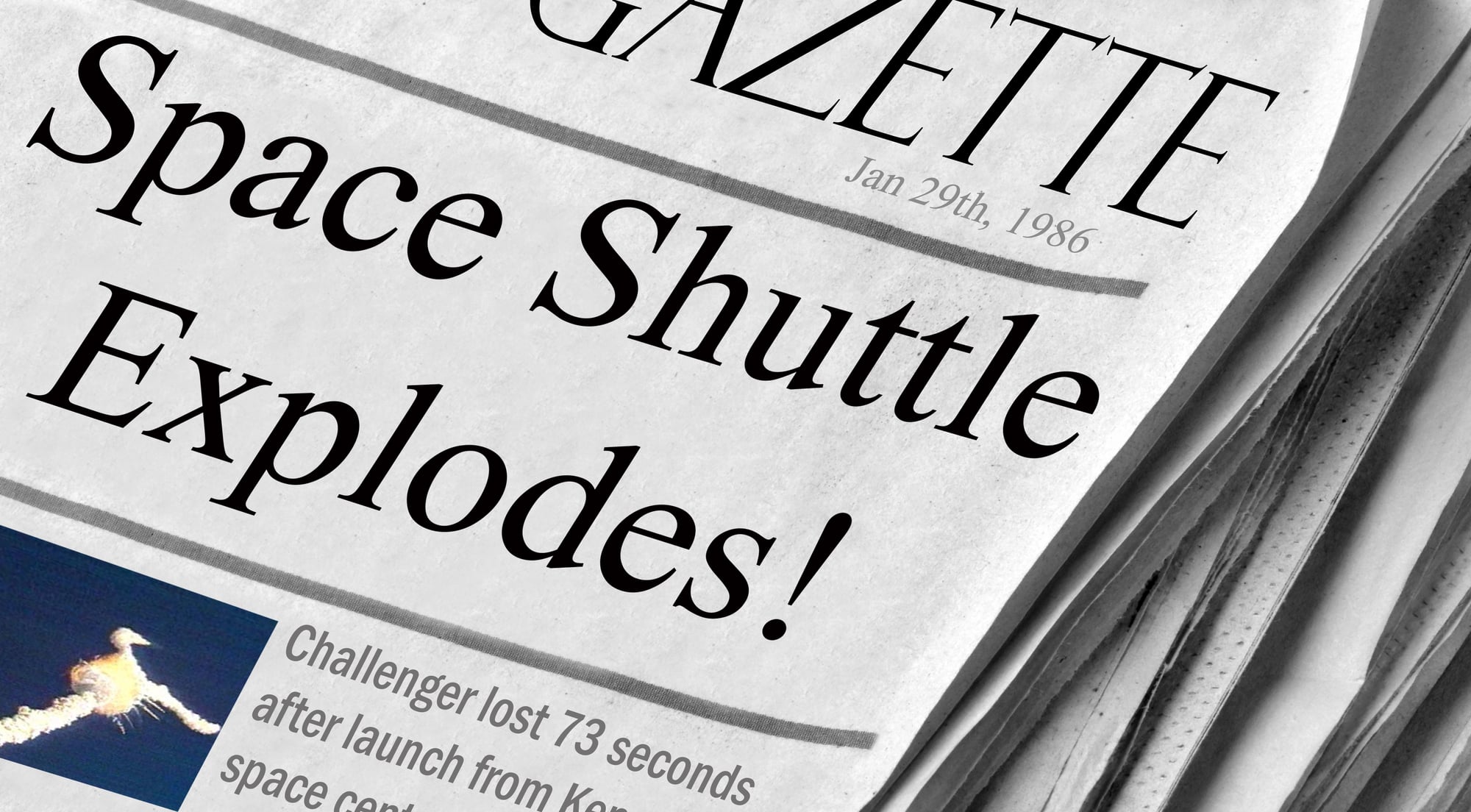
NASA proceeded with the Challenger shuttle launch in January despite Florida temperatures that had plunged to an unusually frigid 18°F overnight. These abnormal conditions compromised crucial O-ring seals within the solid rocket boosters.
Engineering teams raised serious concerns about launching in such cold weather, but administrative pressure overrode technical objections. The subsequent catastrophic failure 73 seconds after liftoff claimed seven lives and was directly attributed to cold-induced mechanical failures that might have been avoided under normal Florida temperatures.
Nature’s Unpredictable Influence

From ancient battlefields to modern stadiums, atmospheric conditions continue demonstrating their power to disrupt human expectations. These historical examples remind us that despite technological advancement, we remain subject to weather patterns capable of instantly redirecting outcomes and altering trajectories.
The relationship between meteorological phenomena and pivotal events offers valuable perspective on both our vulnerability to natural forces and our remarkable capacity to adapt when faced with nature’s unpredictable challenges.
More from Go2Tutors!

- 20 Historical Artifacts That Scientists Can’t Explain
- 20 Little-Known Historical Battles That Had Huge Consequences
- 20 Weapons from the Past That Were Deemed Too Barbaric for War
- 20 Abandoned Military Bases and the Stories Behind Them
- 20 Discontinued Snacks from the 70s and 80s That We Still Miss
Like Go2Tutors’s content? Follow us on MSN.