13 Old Bathroom Scales With Decorative Appeal
Early bathroom scales were built like small pieces of furniture, with cast-iron frames, enamel finishes, and large dials meant to be admired. Manufacturers competed on looks as much as accuracy, and the surviving examples show how seriously they took the competition.
Collectors now prize these scales for their color, shape, and graphics. Each one marks a moment when a household appliance briefly became a design object.
Health-O-Meter Model 100 and Its Drum Dial
Continental Scale Works of Chicago sold the Health-O-Meter Model 100 bath scale, which featured a cast-iron frame and a rack-and-pinion mechanism. The numbers appeared on a rotating drum-type dial, and the design was patented after its creator filed for protection in January 1917.
The scale became one of the earliest household names in personal weighing.
The German Scales That Came First
Germans introduced the first household bathroom scale in the early 1910s, and American manufacturers soon followed. After World War I, a slim figure became fashionable for women, and the idea of weighing yourself at home gained appeal.
Health-O-Meter became the leading household scale maker in the world during the 1920s and 1930s.
Detecto Cast Iron From Brooklyn
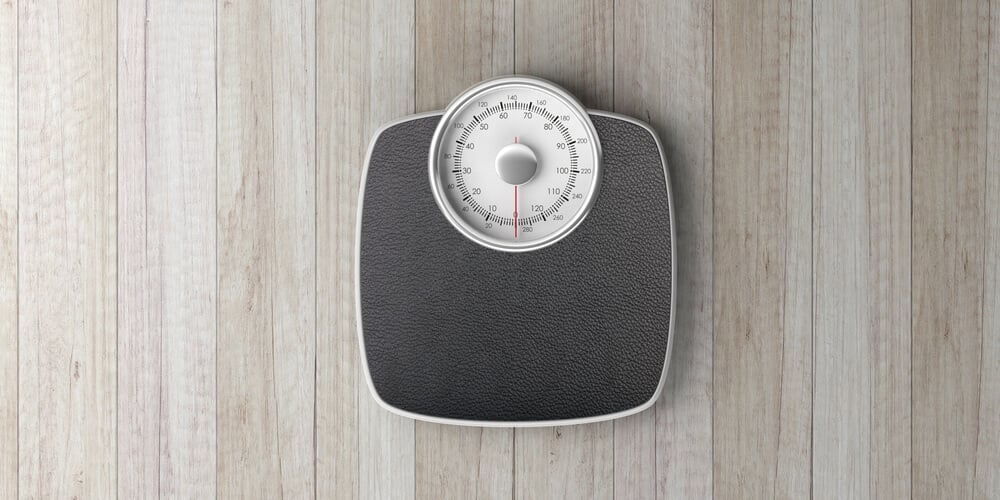
Jacobs Bros. Co. of Brooklyn produced Detecto bathroom scales in cast iron, and the line was widely used in homes and clinics in the 1940s. One surviving model reads up to 240 pounds, and collectors note how closely its style resembles that of the Health-O-Meter.
The heavy frame and wide footplate gave the scale a sturdy, medical look.
Hanson’s Weigh Master in Machine Age Style
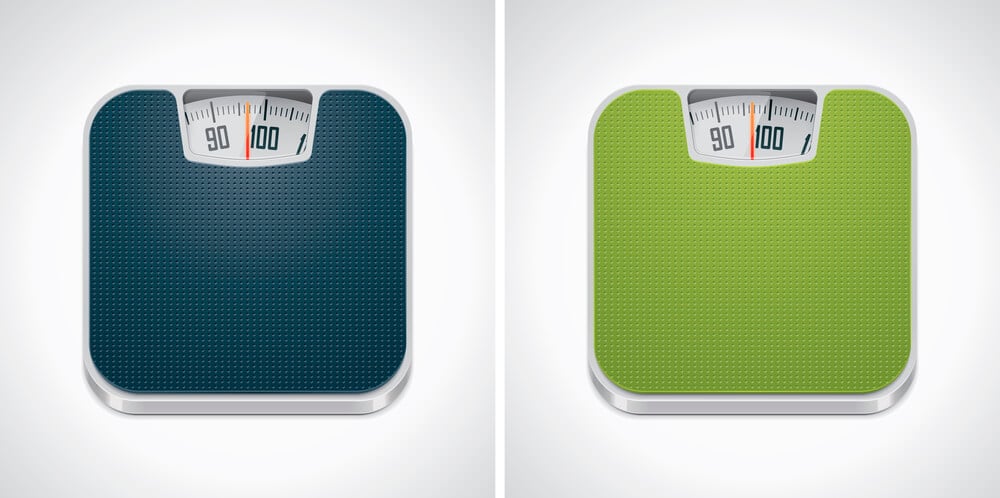
The Hanson Scale Company of Chicago, which traces its origins to the late 1800s, produced the Weigh Master, an Art Deco floor scale from the 1930s. The scale was sold as a doctor’s or bathroom model, and its streamlined shape fits the Machine Age fascination with speed and efficiency.
Surviving examples show painted finishes and clean geometric lines.
Hanson’s Lime Green Scale
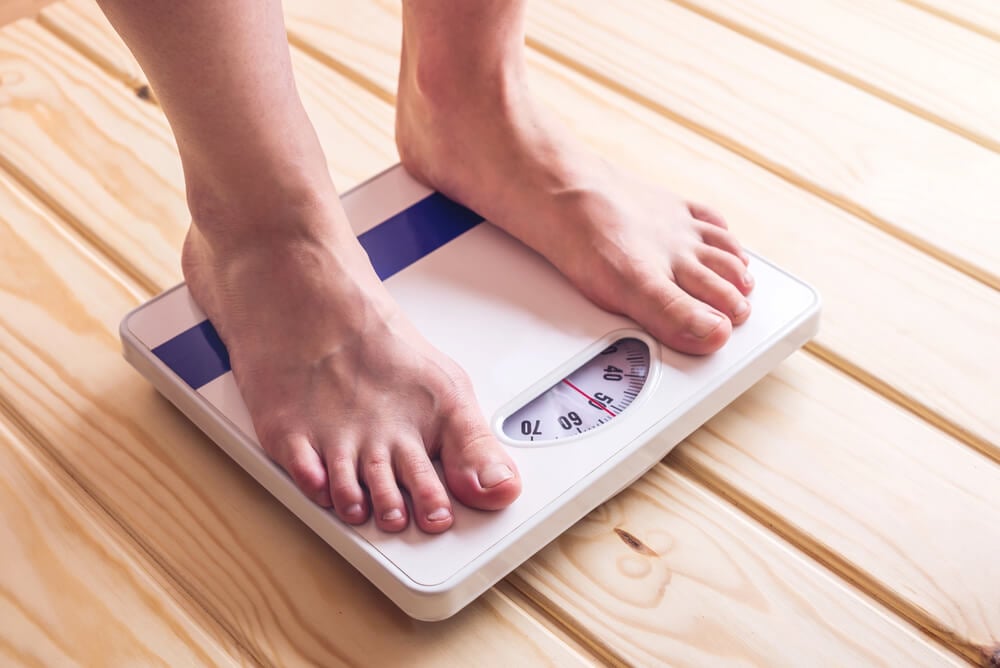
By the 1960s Hanson was producing bathroom scales in colors that matched the decade, including a vivid lime green. Some of these scales were promotional items given away by businesses.
A bright scale was easy to notice in a bathroom and made weighing in slightly more cheerful.
The Disclaimer on the Dial
Many vintage bathroom scales carry the phrase Not Legal for Trade on the dial, a reminder that home scales were not certified for commercial use. The words appear on both Health-O-Meter and Hanson examples.
Collectors often treat the tiny printing as part of the scale’s authentic character.
Borg-Erickson’s 1953 Design Landmark
Borg-Erickson introduced a bath scale in 1953 that sold for $15, and Fortune magazine later selected it as one of the top 500 designs of all time. The recognition turned a bathroom appliance into an object worth studying.
It showed that even a scale could be designed with the same care as a radio or a chair.
Borg-Erickson’s Milano of 1973

A later Borg-Erickson bath scale, the Milano, was designed in 1973 by Steve Unger. The name and the designer’s credit show that by the 1970s a bathroom scale was expected to look like something a designer had considered.
It belongs to a period when plastic and bold shapes were replacing cast iron.
NuTone’s Built-In Model 550 With an Atomic Pattern
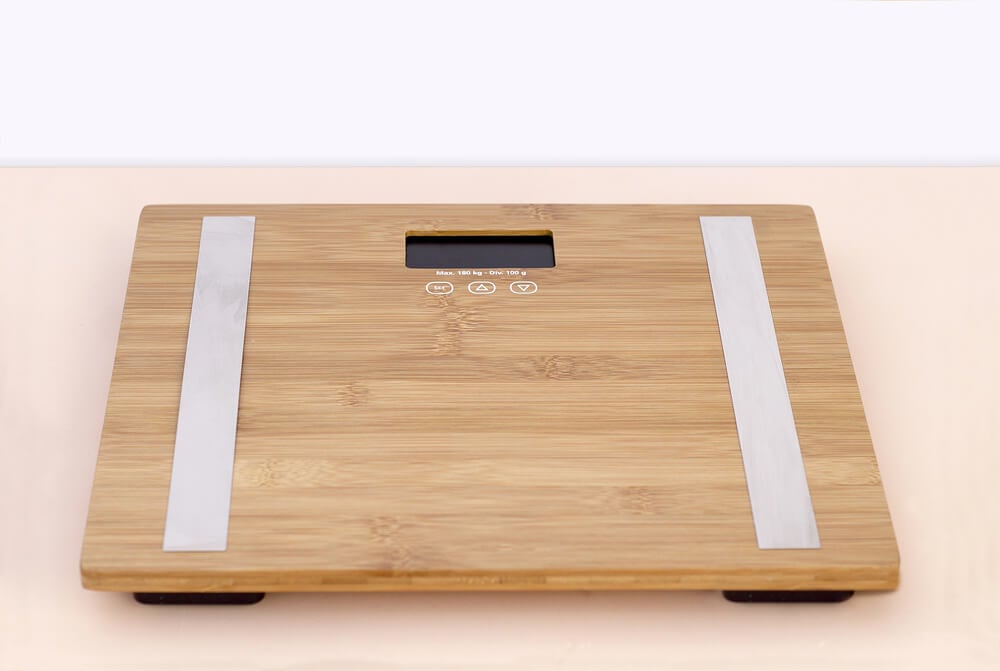
NuTone made built-in bathroom scales, including the Model 550, which featured an atomic pattern associated with mid-century design. The scale was designed to be installed in the bathroom rather than stored in a corner.
The star-and-orbit styling reflected the era’s optimism about science and modern living.
Toledo’s Green Porcelain Penny Scale
The Toledo Scale Company, founded in 1901, made the 8400A, an Art Deco coin-operated scale finished in green enameled porcelain. Public scales like this one stood in drugstores and train stations and offered a weigh-in for a coin.
The glossy enamel made the machine look clean, trustworthy, and slightly futuristic.
The Fortune-Telling Penny Scale
American Scale Manufacturing Company produced sidewalk penny scales that offered weight and fortune cards for a coin. The cards combined a person’s weight with a short prediction, turning a measurement into entertainment.
The cast metal bodies and large dials made the scales look like miniature monuments to the pastime.
Fairbanks and the Original Platform Scale
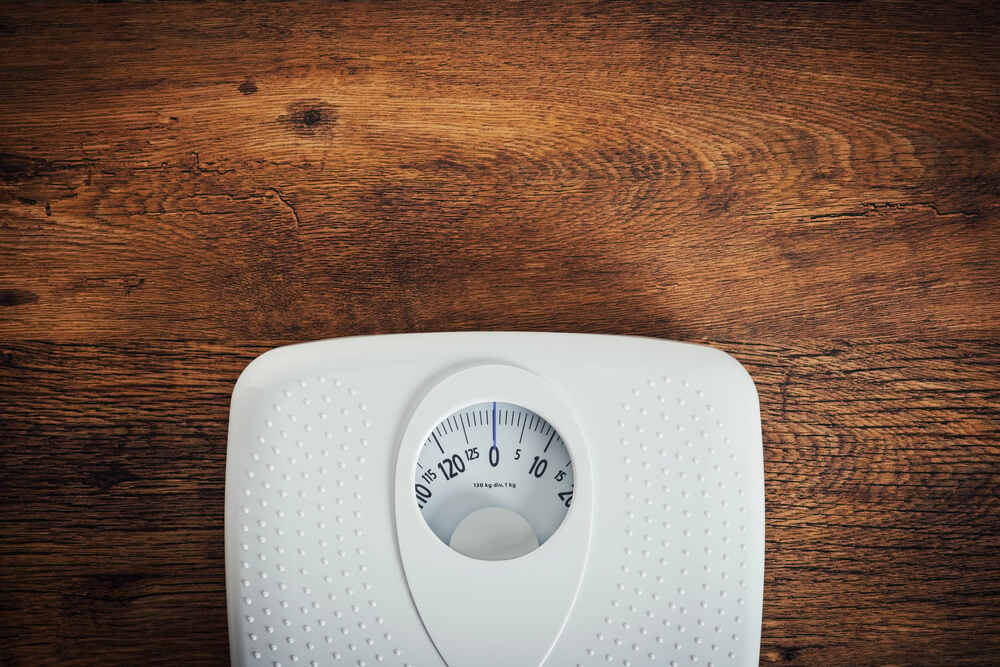
Thaddeus Fairbanks patented his platform scale in 1830 in St. Johnsbury, Vermont, creating a design that influenced scales for generations. Later Fairbanks scales were built with wrought iron and brass, and collectors prize examples that come with their original weights.
The ornate hardware shows how functional equipment could become decorative.
Harold van Doren’s Sentinel Scale
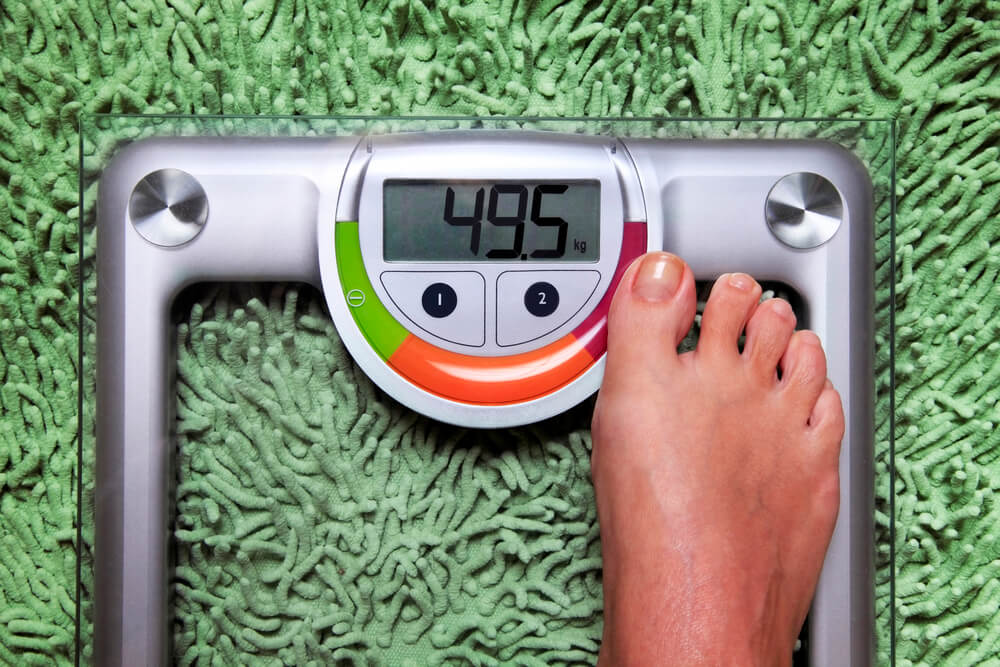
Industrial designer Harold L. van Doren designed the Sentinel Scale for Toledo in the 1930s, and an example made of plastic and metal is held by the Brooklyn Museum. The scale was a commercial model, but it shows how the same streamlined design ideas shaped the machines of the era.
Plastic housings gave designers freedom to create smooth, rounded forms.
When the Scale Was Meant to Be Seen
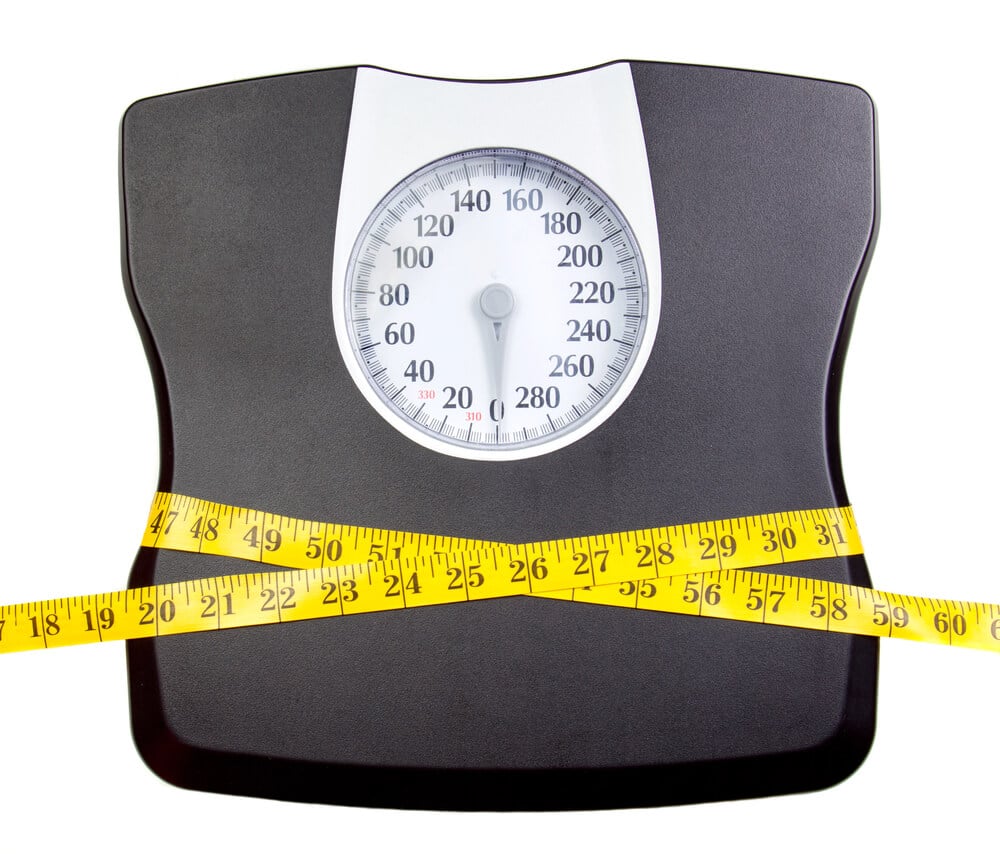
Old scales were designed to sit in plain view rather than hide in a closet. Their dials, enamel colors, and decorative castings were part of the bathroom’s furnishings.
The attention to appearance suggests that people once saw weighing as a daily ritual worth a handsome tool. Modern digital scales are lighter and more accurate, yet few of them have the presence of a cast-iron original.
The older models traded convenience for character, and collectors still pay for that trade. A well-kept dial and a clean enamel surface continue to look good in a bathroom corner.
More from Go2Tutors!

- 27 Silver Dollars and Half Dollars Worth Keeping
- 28 Restaurant Menu Items Nobody Orders Anymore
- 17 Places Built in Seemingly Impossible Spots
- 27 Vintage Rings Worth More Than They Look
- 25 Restricted Sites Tourists Can’t Enter
Like Go2Tutors’s content? Follow us on MSN.