Rare Natural Phenomena That Baffle Even Experts
Nature has a way of doing things that leave scientists scratching their heads. Even with all our technology and research, there are events happening on Earth that we still can’t fully explain.
These aren’t just pretty sights or interesting weather patterns. They’re genuine mysteries that challenge what we think we know about how the world works.
Let’s take a look at some of these puzzling events that continue to stump the people who study them for a living.
Sailing Stones
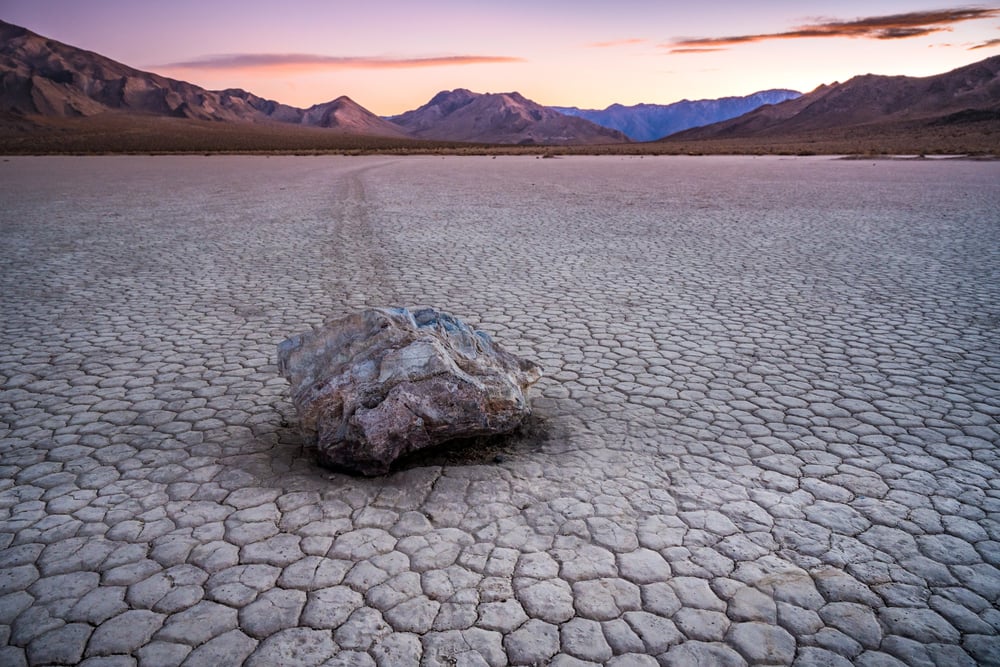
Out in Death Valley, California, rocks move across the desert floor all by themselves. These aren’t pebbles either.
Some of these stones weigh hundreds of pounds, and they leave long trails behind them in the dried mud. Scientists watched this happen for decades without understanding how it worked.
They finally figured out that thin sheets of ice form at night, and when the ice breaks up during the day, strong winds push the ice sheets around, dragging the rocks with them. Still, the exact conditions needed for this to happen remain tricky to predict.
Orb Lightning
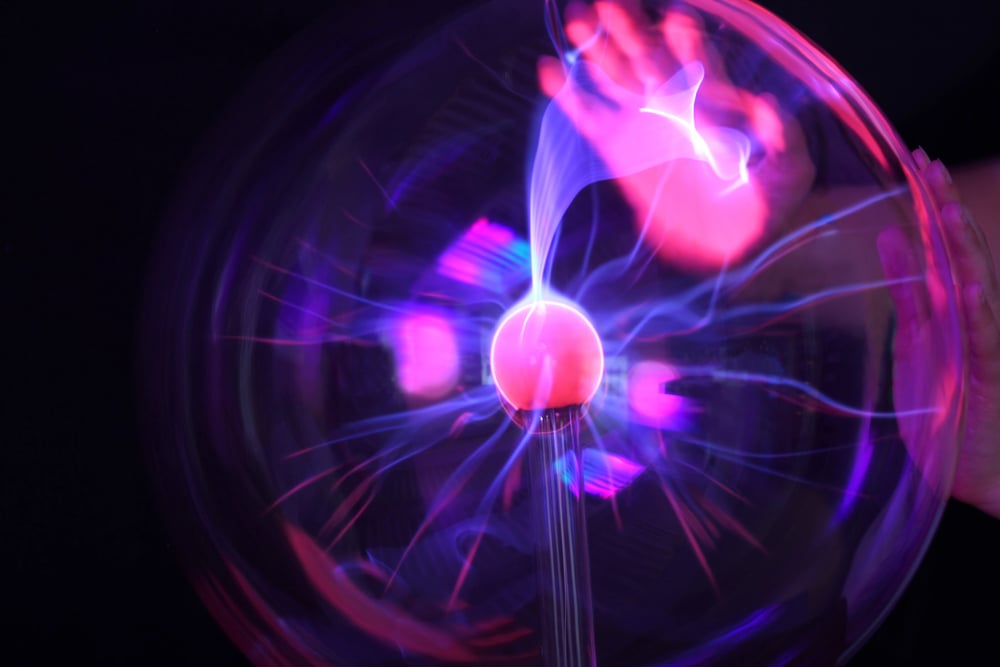
People have reported seeing glowing spheres of light during thunderstorms for centuries, but scientists still argue about whether orb lightning is even real. These floating orbs supposedly drift through the air, sometimes passing through walls or windows, before disappearing or exploding.
The problem is that orb lightning appears randomly and lasts only a few seconds, making it nearly impossible to study. Some researchers think it might be plasma held together by electromagnetic fields, while others believe it could be a type of chemical reaction.
Without reliable ways to recreate it in a lab, the mystery continues.
The Hessdalen Lights
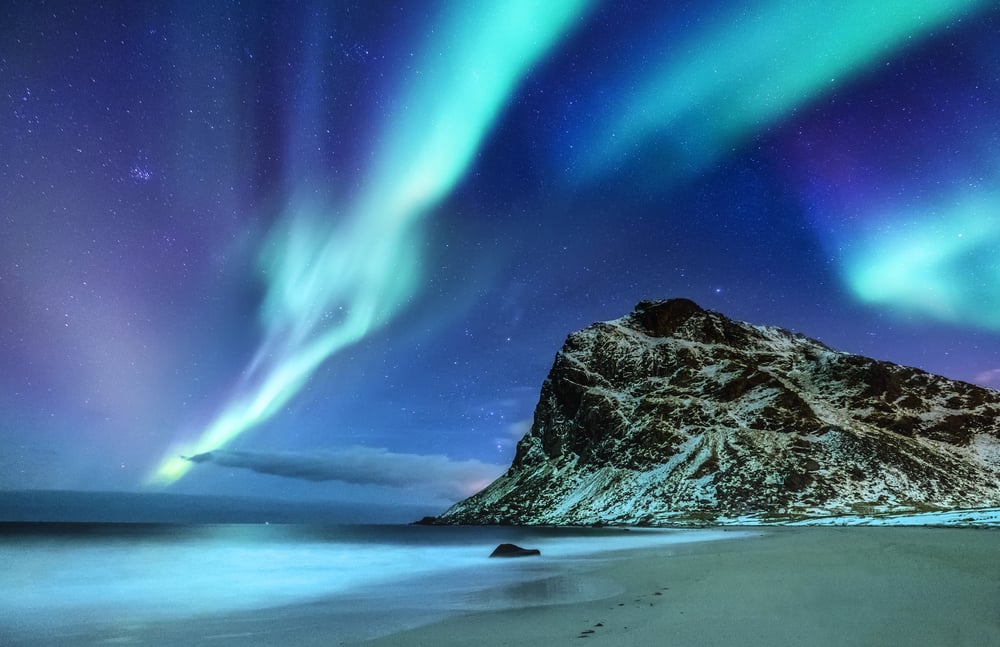
In a small valley in Norway, mysterious lights have been appearing in the sky since at least the 1930s. These aren’t planes or satellites.
The lights change colors, move in strange patterns, and sometimes last for over an hour. Scientists have set up monitoring stations in Hessdalen to study them, and they’ve confirmed the lights are real, but they can’t agree on what causes them.
Some think the lights come from gases released by rocks in the valley, while others suspect they’re related to the area’s geology creating some kind of battery effect. The lights keep showing up several times a week, completely ignoring our attempts to explain them.
Red Tide Bioluminescence
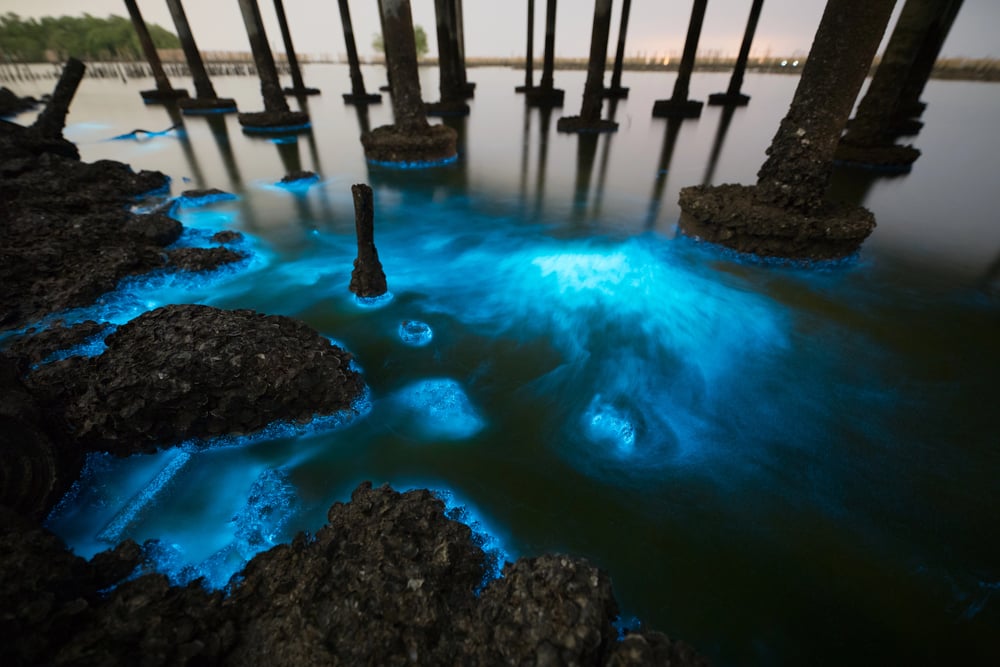
When certain types of algae bloom in the ocean, they can make the water glow bright blue at night. This happens when the algae get disturbed by waves or movement, and they release a chemical reaction that produces light.
What baffles scientists is how these tiny organisms coordinate this response and why they do it in the first place. The energy cost for producing light is high for such small creatures.
Some researchers think it might scare away predators or attract larger animals that eat the things trying to eat the algae. The fact that millions of these microscopic organisms can create such a spectacular light show still amazes researchers who study them.
Frost Flowers
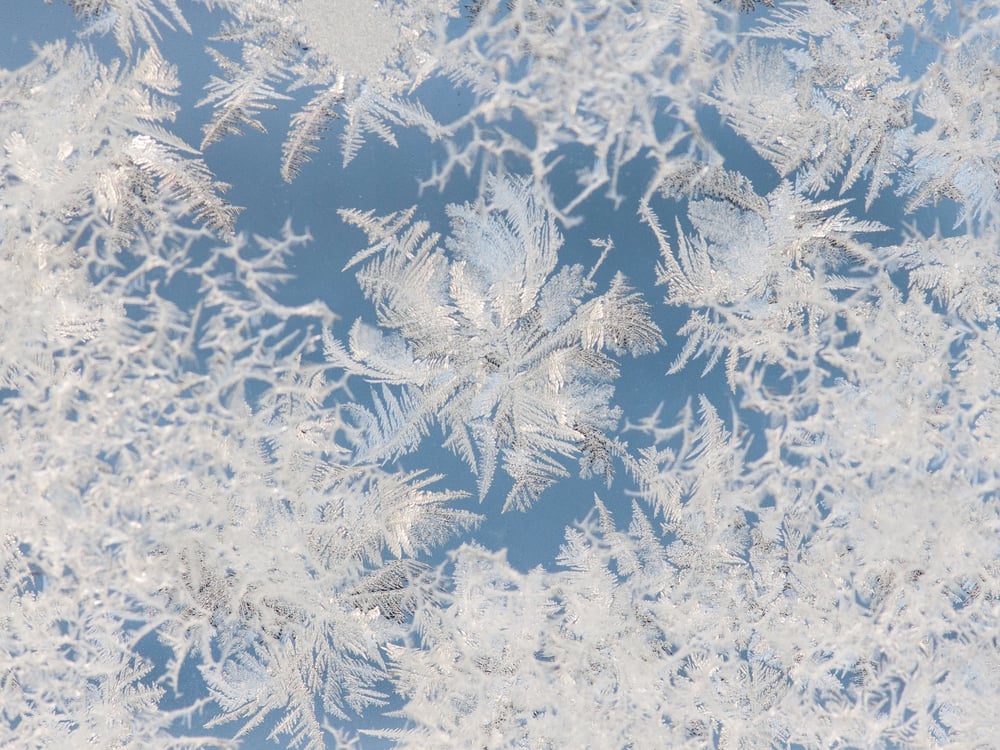
In the Arctic, delicate structures that look like white flowers appear on new sea ice during extremely cold weather. These frost flowers form when water vapor from the ocean freezes onto the ice surface in thin, petal-like shapes.
They only grow under very specific conditions, and they’re incredibly fragile. What makes them interesting to scientists is that they concentrate salt and other chemicals from the seawater, which might affect the chemistry of the atmosphere above the ice.
Researchers are still working out exactly how frost flowers form and what role they play in Arctic weather patterns.
Brinicles
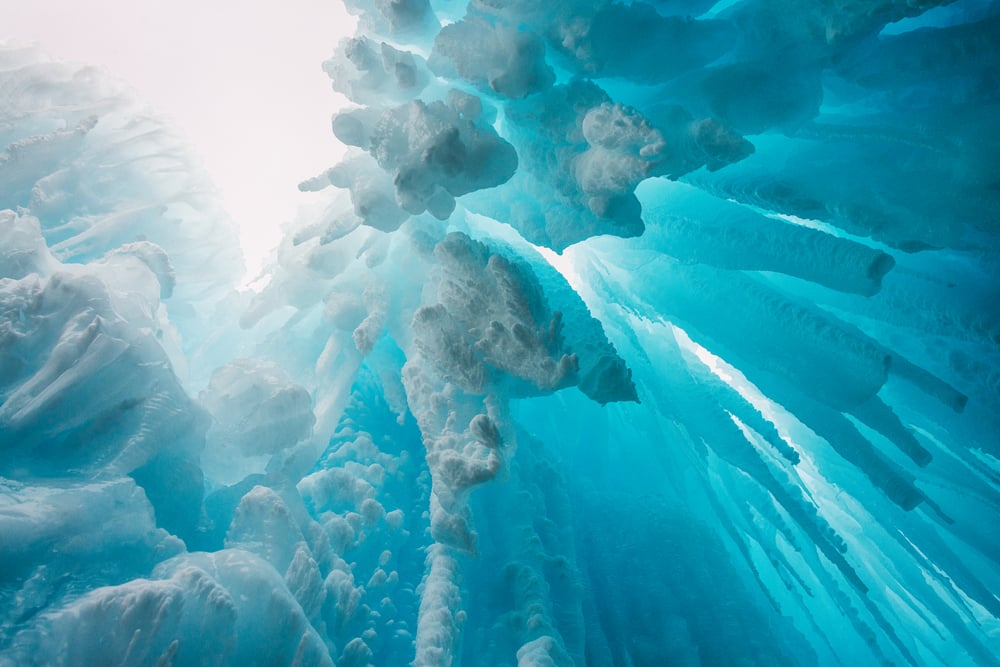
Underwater icicles called brinicles form in the polar oceans when super-cold, salty water sinks down from the sea ice above. This brine is so cold and so salty that it freezes the seawater around it as it descends, creating a hollow tube of ice that grows downward like a stalactite.
When a brinicle reaches the ocean floor, it spreads out and freezes everything it touches, including starfish and sea urchins. Scientists only recently captured this process on camera because it happens in remote areas under thick ice.
The exact conditions that trigger brinicle formation are still being studied.
Catatumbo Lightning

At the place where the Catatumbo River meets Lake Maracaibo in Venezuela, lightning storms happen almost every night for up to 10 hours at a time. This spot has more lightning than anywhere else on Earth.
The storms are so regular that sailors used them for navigation centuries ago. Scientists know that the unique geography of the area, with mountains surrounding the lake, creates the perfect conditions for these storms.
But they still can’t fully explain why the lightning is so persistent and concentrated in this one location. The storms also mysteriously stopped for several weeks in 2010, then started up again without any clear reason.
Ice Circles
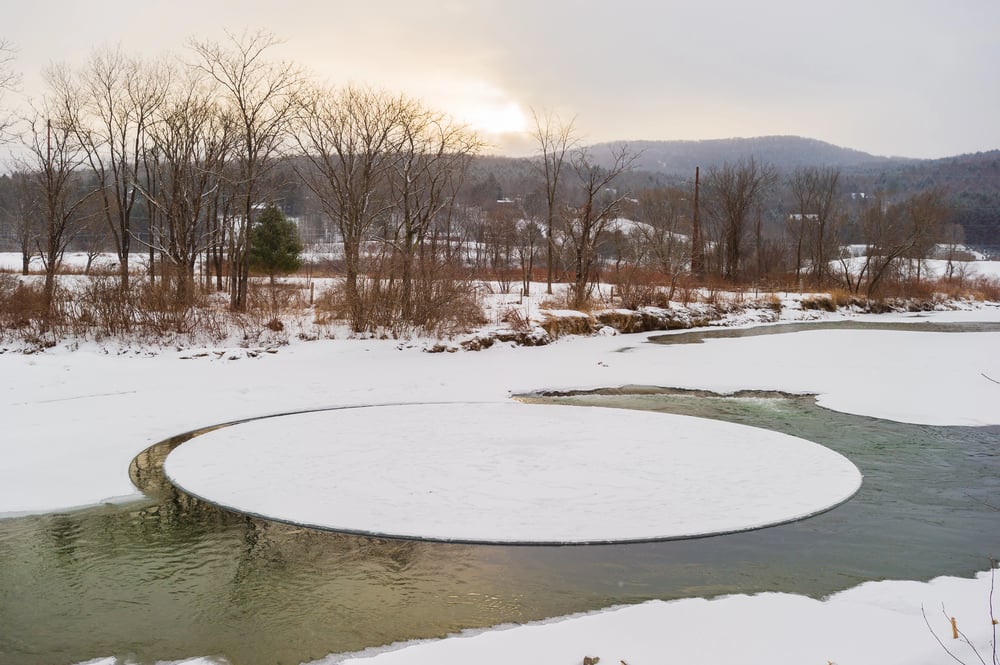
Perfect circles of spinning ice form in rivers during cold weather, and nobody is quite sure how they get started. These ice disks can be just a few feet across or as large as 300 feet in diameter.
They rotate slowly in the water, often for days at a time. Scientists think they form when a piece of ice gets caught in an eddy, and the rotation gradually grinds it into a circular shape.
However, this doesn’t explain why the circles are often so perfectly round or why they form in some rivers and not others under similar conditions.
Morning Glory Clouds
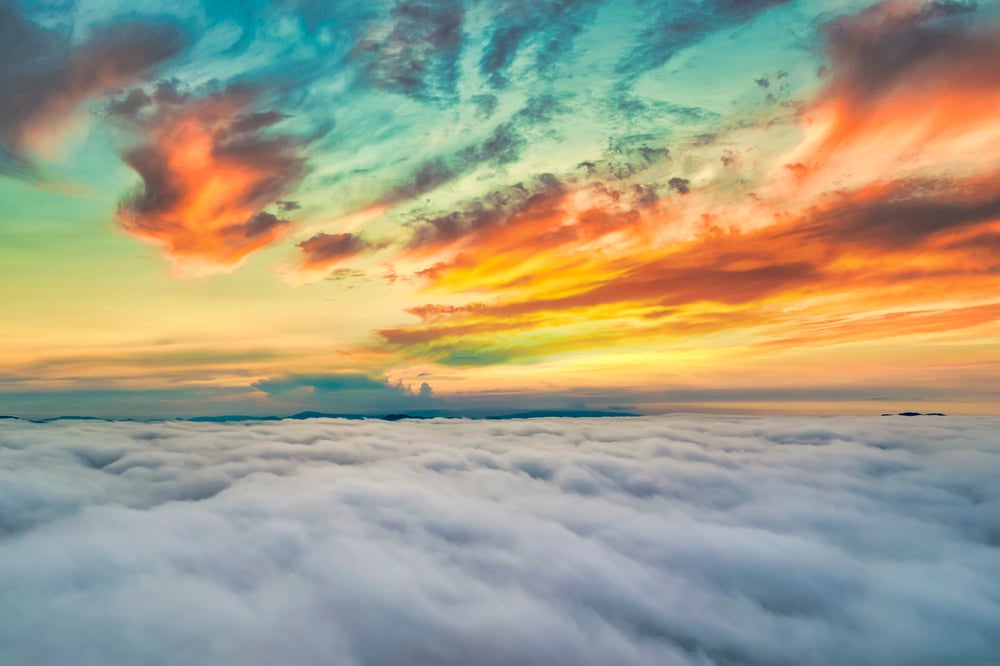
In northern Australia, enormous tube-shaped clouds roll across the sky during certain times of the year. These morning glory clouds can stretch for hundreds of miles and travel at speeds up to 35 miles per hour.
Pilots love flying through them, and meteorologists find them fascinating because they’re unlike any other cloud formation. The clouds form when sea breezes from different directions collide in just the right way, but predicting when and where they’ll appear is still extremely difficult.
Some years they show up regularly, and other years they barely appear at all.
Penitentes
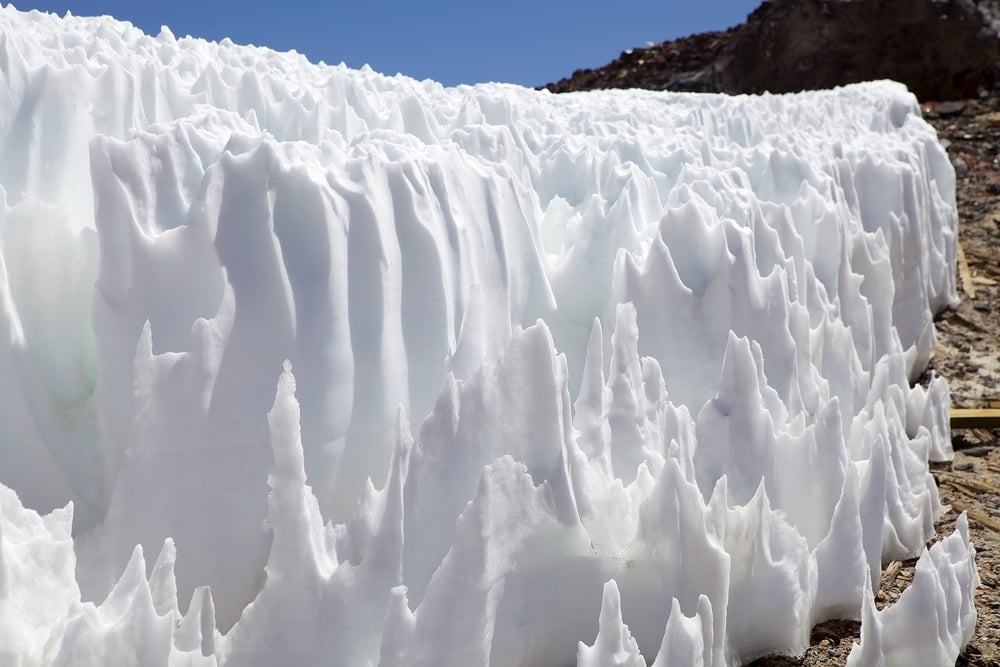
In high-altitude areas of South America, snow and ice form into tall, thin blades that point toward the sun. These ice spikes, called penitentes, can grow several feet tall and cover entire fields.
They form through a process called sublimation, where ice turns directly into water vapor without melting first. The sunlight evaporates some areas faster than others, leaving behind these pointed formations.
What puzzles scientists is how the penitentes all end up pointing in the same direction and why they form such regular patterns. The same physical process should create random shapes, not organized forests of ice blades.
Volcanic Lightning
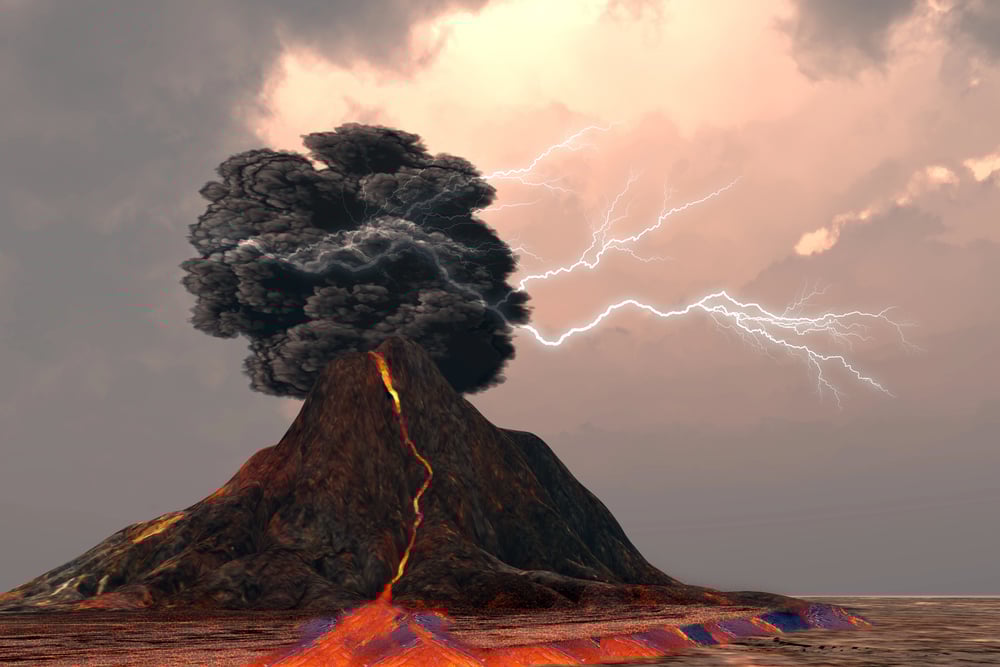
When volcanoes erupt, lightning sometimes flashes through the ash clouds in spectacular displays. This volcanic lightning is different from regular thunderstorm lightning, and researchers are still figuring out exactly how it forms.
The ash particles seem to create static electricity as they collide with each other, similar to how rubbing a balloon on your hair creates a charge. But the amount of electrical energy needed to create the lightning bolts seen during major eruptions is enormous.
Scientists are studying whether the heat from the volcano or the specific minerals in the ash play a role in generating such powerful electrical storms.
Fairy Circles
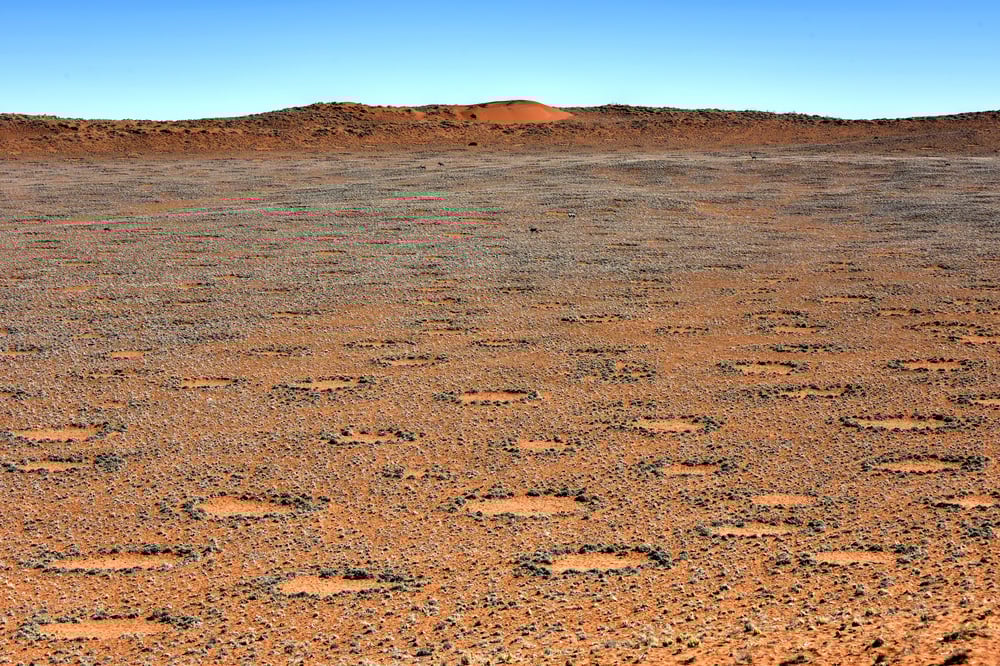
In the grasslands of Namibia and parts of Australia, circular patches of bare ground form regular patterns across the landscape. These fairy circles appear as if someone laid out millions of spots in a honeycomb pattern, each one with a ring of grass around the edge.
Scientists have proposed dozens of theories to explain them. Some think termites create the circles by eating vegetation in specific patterns, while others believe the plants organize themselves to compete for water more efficiently.
Recent research suggests both factors might be involved, but there’s still no complete explanation for why the circles are so uniform and widespread.
Rogue Waves
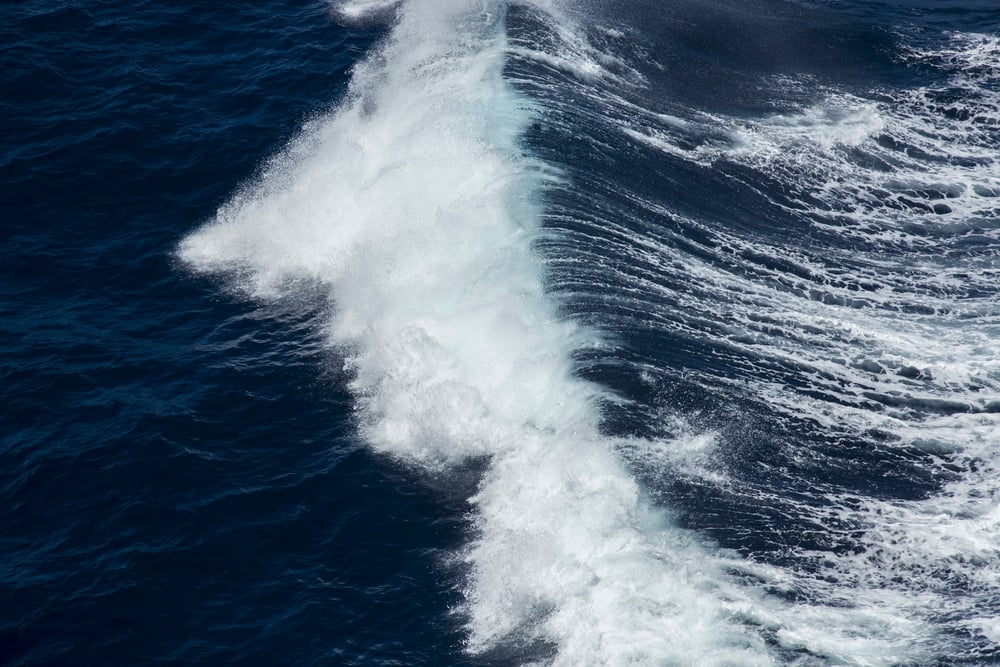
Ships at sea occasionally encounter single waves that tower three or four times higher than the surrounding waves. These rogue waves appear suddenly, often in otherwise calm conditions, and they’ve sunk large vessels without warning.
For years, scientists dismissed sailors’ reports of these giant waves as exaggerations or myths. Then in 1995, instruments on an oil platform measured a wave over 80 feet tall that matched the descriptions perfectly.
Researchers now know rogue waves are real, but predicting when and where they’ll form is still largely impossible. Current theories involve multiple smaller waves combining in just the right way, but the math doesn’t fully explain all the observations.
Green Flash
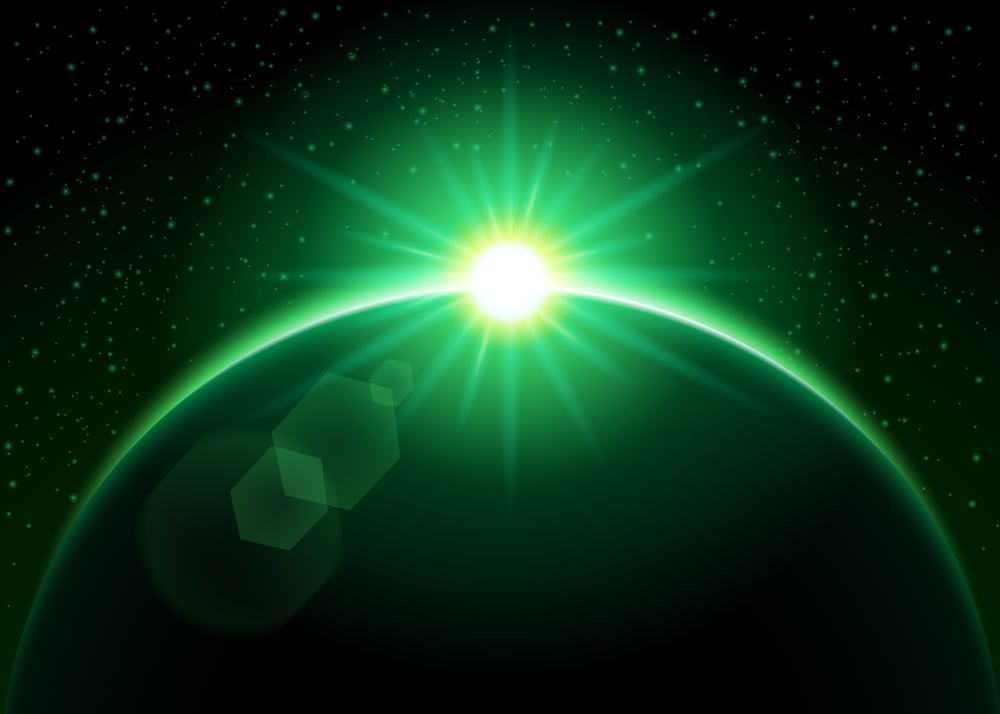
Just as the sun sets below the horizon, a brief flash of green light sometimes appears for a second or two. This green flash happens because the atmosphere bends different colors of sunlight by different amounts, like a prism.
When conditions are just right, the green wavelengths become visible after the red and yellow have already disappeared below the horizon. What makes this tricky is that you need an extremely clear atmosphere and a flat, distant horizon to see it.
Scientists understand the physics involved, but accurately predicting when a green flash will be visible is difficult because it depends on subtle variations in air temperature and clarity.
Bioluminescent Waves
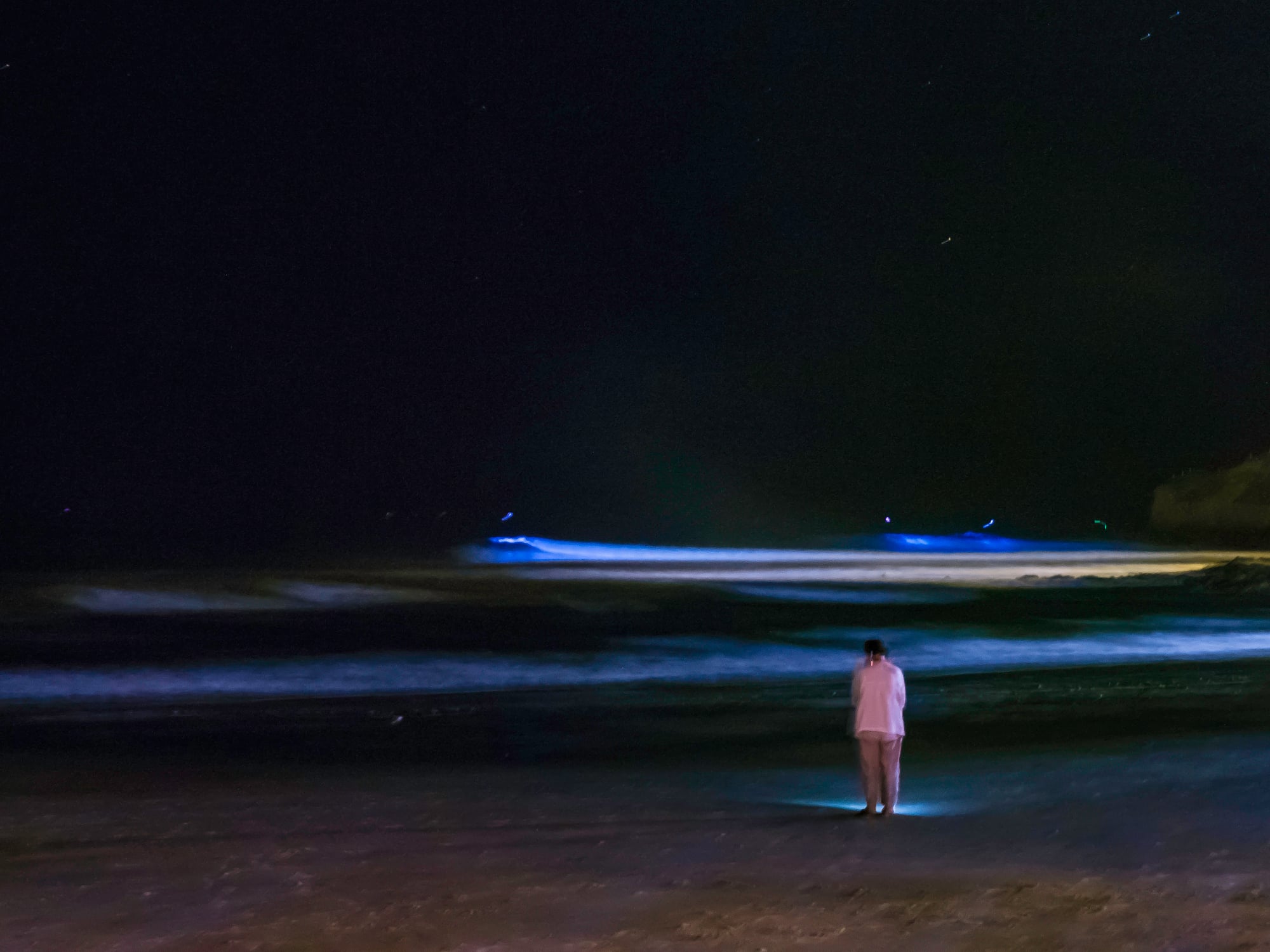
Different from the red tide phenomenon, these bright blue waves appear when certain conditions cause bioluminescent plankton to bloom in massive numbers. The waves light up when they crash on the beach, and even footsteps in the wet sand can trigger glowing blue footprints.
What researchers find puzzling is why these displays happen in some locations repeatedly while other beaches with similar conditions never see them. The triggers for these massive blooms aren’t fully understood.
Temperature, nutrients, and currents all play a role, but there seems to be something else involved that scientists haven’t identified yet.
Unexplained Booms

Communities around the world occasionally hear loud booming sounds that shake windows and rattle houses, but no one can find the source. These mystery booms, sometimes called skyquakes, don’t match the signatures of earthquakes, sonic booms from aircraft, or explosions.
They happen in areas without military activity or industrial operations that could explain them. Some researchers think they might be caused by meteors breaking up high in the atmosphere, while others suspect they come from gas releases deep underground.
The booms occur randomly, making them almost impossible to study with instruments, and eyewitness reports are often the only evidence they happened.
Naga Fireballs
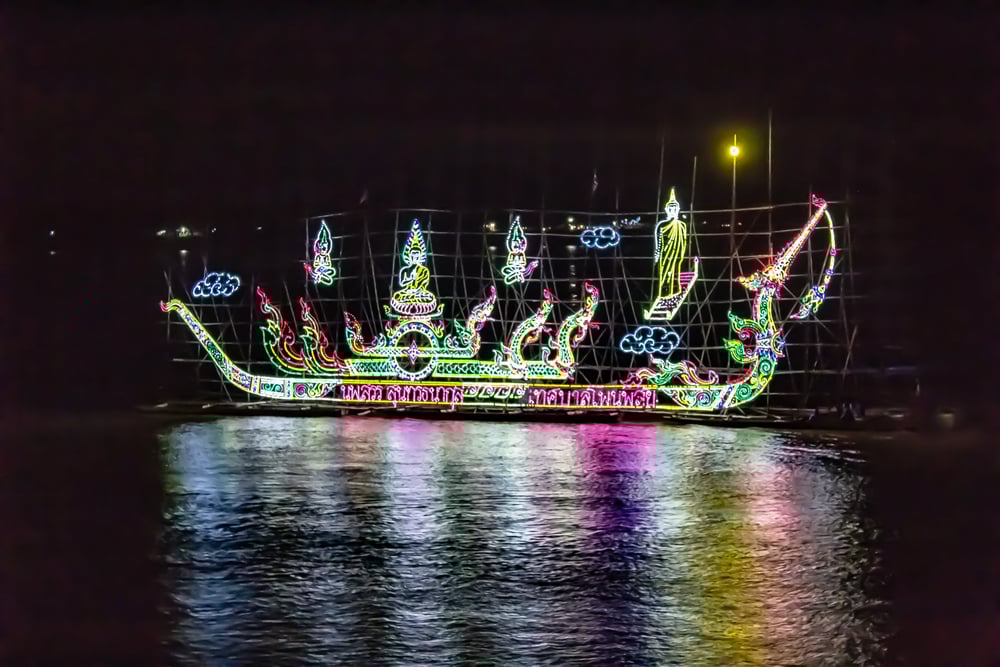
High above the Mekong, where Thailand meets Laos, bright orbs climb from the river at moments through the year. Not every tale agrees – some say a fire-breathing serpent sends them upward.
Researchers have stepped in, offering grounded ideas instead. Rising methane bursts, catching flame, may spark what people see.
Then again, odd shifts in air or charged patterns in wetness could play their part too. Each time, a new burst of flame surprises everyone – research fails to explain why they show up.
Year after year, these glowing shapes leave the water behind, ignoring whatever labs conclude.
Mammatus Clouds
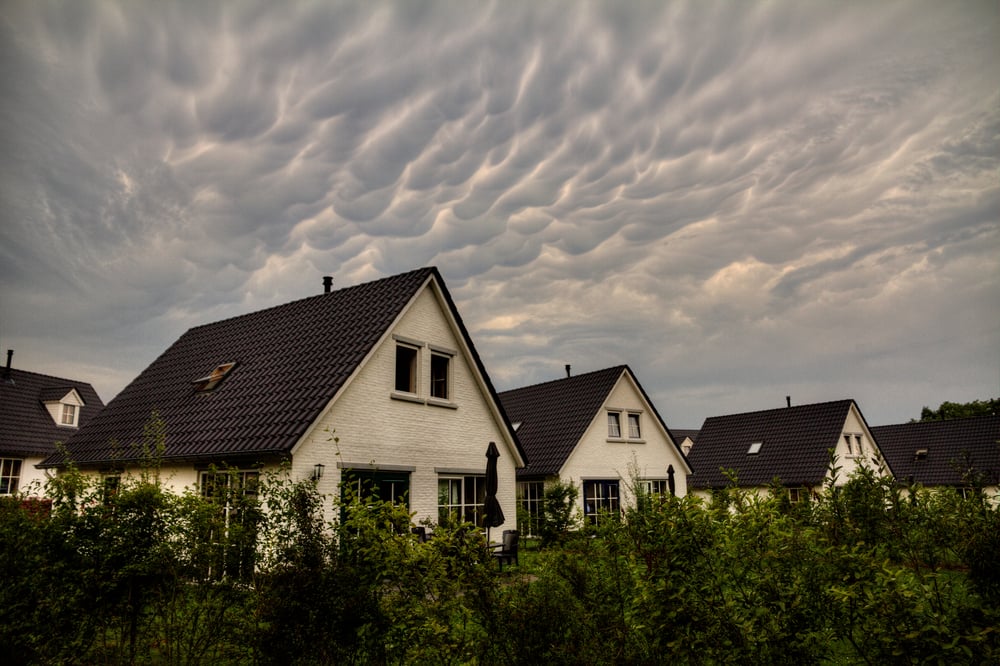
Hanging low beneath thunderstorm bellies, these odd cloud shapes resemble something out of a dream. Cold air diving into warmer layers below sets off the strange swollen forms known as mammatus.
After the heaviest rain fades, they tend to show up – filling the sky with scenes many camera users chase. Still unclear to researchers: why those sinking pockets organize themselves so neatly, like rows of bubbles caught mid-fall.
One moment they hang still, yet scientists still puzzle over the shifting winds that build them. Though thunder isn’t coming, their patterns shift each time – shaped by hidden forces we can’t fully trace.
Conclusion

Curiosity finds clarity here. What hides becomes clear. Questions meet answers quietly. The unknown turns familiar.
Secrets unfold without noise. Odd things keep happening that show how much we still do not know about the natural world.
Progress has been made, yet full answers stay beyond our grasp. The odd part? These are not lab theories or distant galaxy problems – they unfold right here.
With time and a bit of chance, anyone could see one firsthand. Better tools and growing evidence may crack some cases in years ahead. Then again, nature tends to swap old riddles for fresh ones without warning.
More from Go2Tutors!

- The Romanov Crown Jewels and Their Tragic Fate
- 13 Historical Mysteries That Science Still Can’t Solve
- Famous Hoaxes That Fooled the World for Years
- 15 Child Stars with Tragic Adult Lives
- 16 Famous Jewelry Pieces in History
Like Go2Tutors’s content? Follow us on MSN.