13 Wartime Photos of Families Rebuilding Their Lives
The photographs that follow the fighting are quieter than the ones taken during it. They show tables carried into unfinished rooms, children playing in cleared lots, and parents learning how to live in a city that was rebuilt around them.
The thirteen scenes below are drawn from the documented history of postwar recovery, each one tied to a real program, place, or date. They describe what the photographs of these places typically record.
The British Prefab
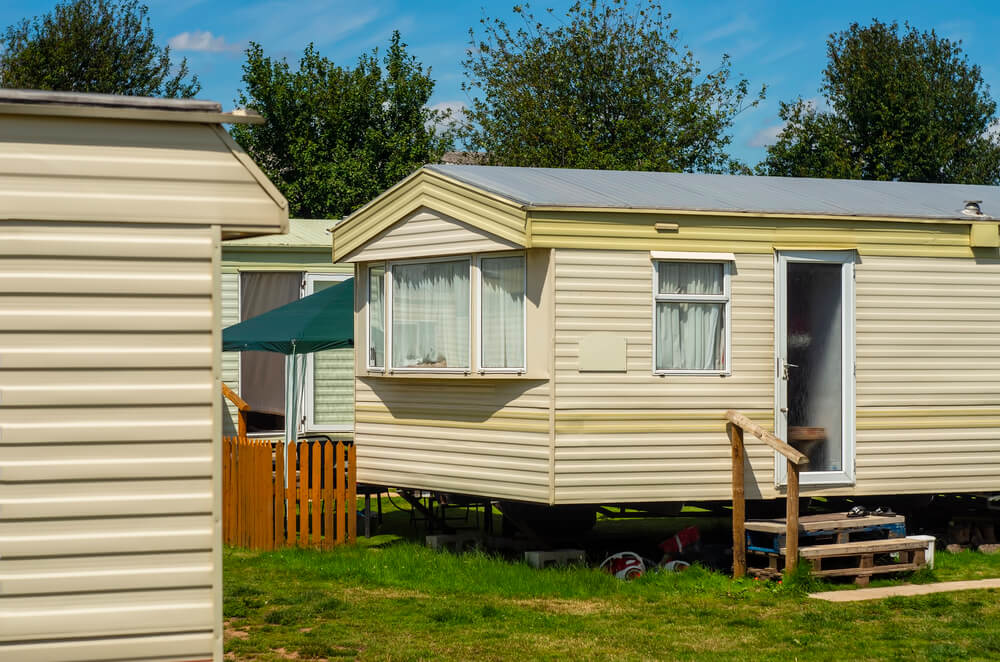
Britain’s Temporary Housing Programme produced 156,623 prefabricated homes between 1945 and 1949. Families photographed in front of them show small bungalows with tidy gardens, where vegetables often grew in the front plot.
Priority went to service families and to those who had been bombed out of their homes.
The Berlin Rubble Women
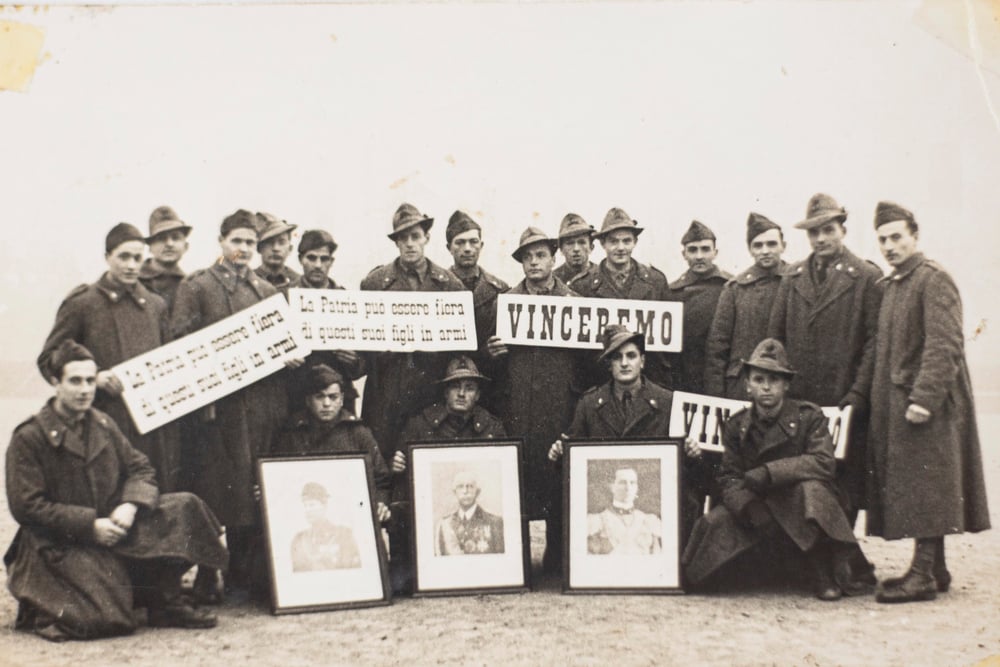
Photographs from 1946 show women in headscarves passing bricks hand to hand along lines in Berlin’s ruins. Estimates say the city held around 55 million cubic meters of rubble.
The number of women involved and the exact nature of their role remain debated, but the image has become a symbol of the cleanup.
Levittown
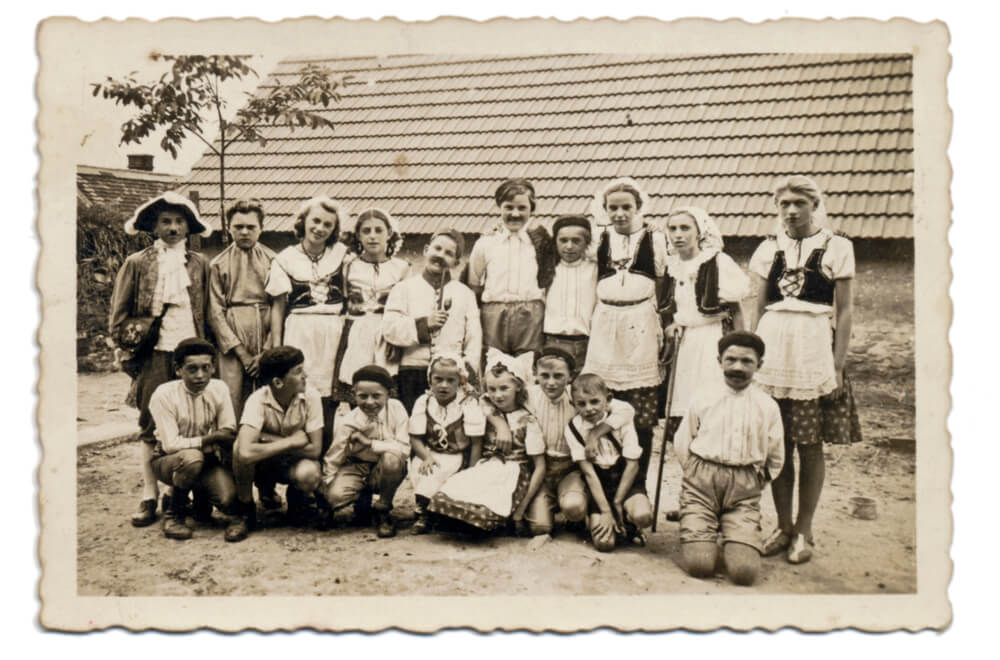
Construction at Levittown, New York, began in 1947, and the first families moved in that October. The development eventually reached about 17,000 homes, many bought by veterans using the GI Bill.
Early rentals ran around $65 a month, and photographs show identical houses on freshly graded lots with saplings in the yards.
Veterans in Streetcar Homes

Returning veterans in some American cities faced housing shortages severe enough that retired streetcars were converted into homes. Photographs show families living inside the old vehicles with curtains over the windows.
The scene captures how improvised the first postwar years were.
Warsaw’s Old Town
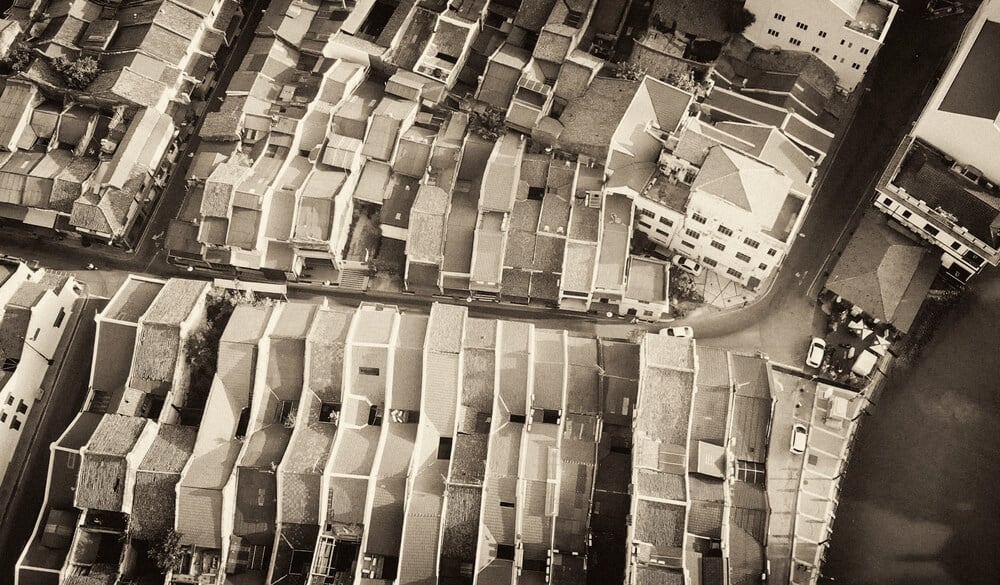
Residents began returning to Warsaw from January 1945, among ruins that had been systematically destroyed. The Old Town was later rebuilt using the eighteenth-century paintings of Bernardo Bellotto as a guide.
UNESCO listed the reconstructed district as a World Heritage site in 1980.
The Candy Bomber

During the Berlin Airlift, American pilot Gail Halvorsen began dropping small parachutes of candy to children, with the first drop in July 1948. Eventually about 250,000 parachutes fell and more than twenty tons of sweets were delivered.
Photographs show children at the edge of Tempelhof airfield looking up at the aircraft.
Rotterdam’s Lijnbaan
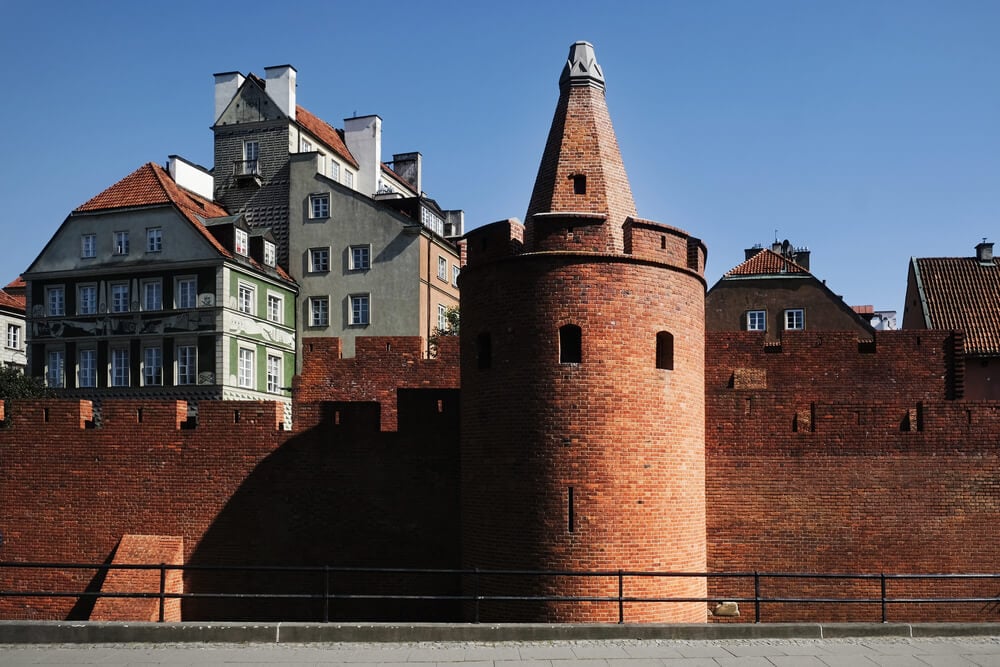
After German bombing destroyed Rotterdam’s center in May 1940, the city rebuilt with a new kind of street. The Lijnbaan opened on 9 October 1953 as the first purpose-built pedestrian shopping street in Europe.
Early photographs show families strolling through a car-free area where shopkeepers had feared no one would come.
Hiroshima’s Peace City
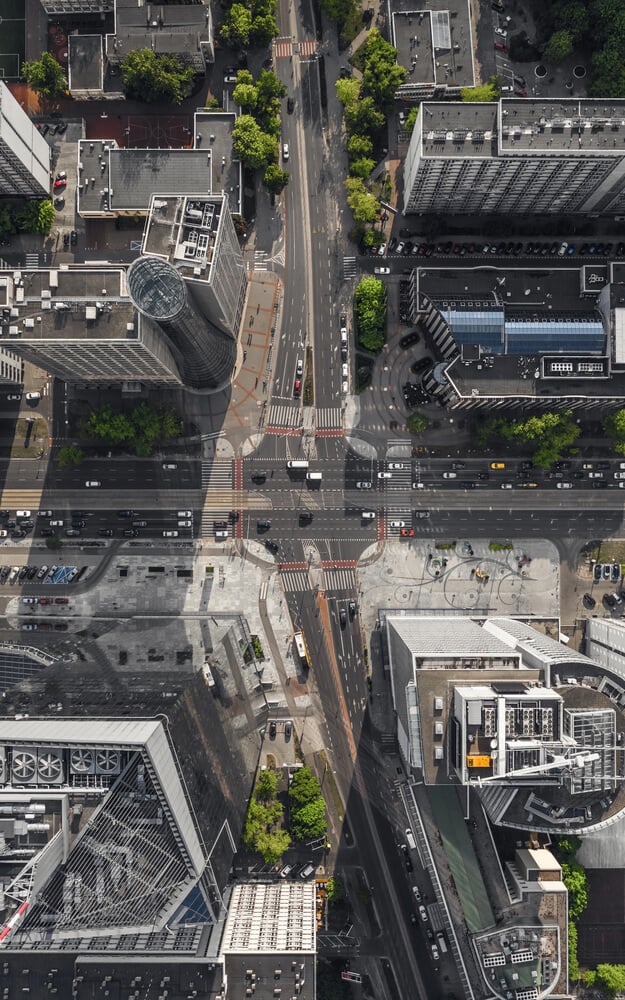
Hiroshima voted on a special law in a local referendum on 7 July 1949, and about 91 percent of voters approved. The Hiroshima Peace Memorial City Construction Law was promulgated on 6 August 1949, four years after the bombing.
Photographs from the period show new roads and fresh housing rising beside the preserved ruins.
The Karelian Evacuees

More than 400,000 Finnish Karelians, about 11 to 12 percent of Finland’s population, were relocated when the territory was lost in 1944. The Land Acquisition Act of 1945 allowed the government to create over 42,000 new farms between 1945 and 1958.
Photographs show families clearing fields and building houses on land that was strange to them.
Le Havre’s Concrete Town
Le Havre was heavily bombed during the war and rebuilt from 1945 under the architect Auguste Perret. He designed a city of concrete blocks arranged on a strict grid.
UNESCO added the town to its World Heritage list in 2005, and the early photographs show families settling into flats that felt radically new.
Operation Manna

In the last days of the war, Allied bombers dropped food over the western Netherlands, where people were suffering through the Hunger Winter. Photographs show crowds on rooftops waving at aircraft passing low overhead.
The drops saved lives while negotiations on the ground were still underway.
The War Brides at Pier 21
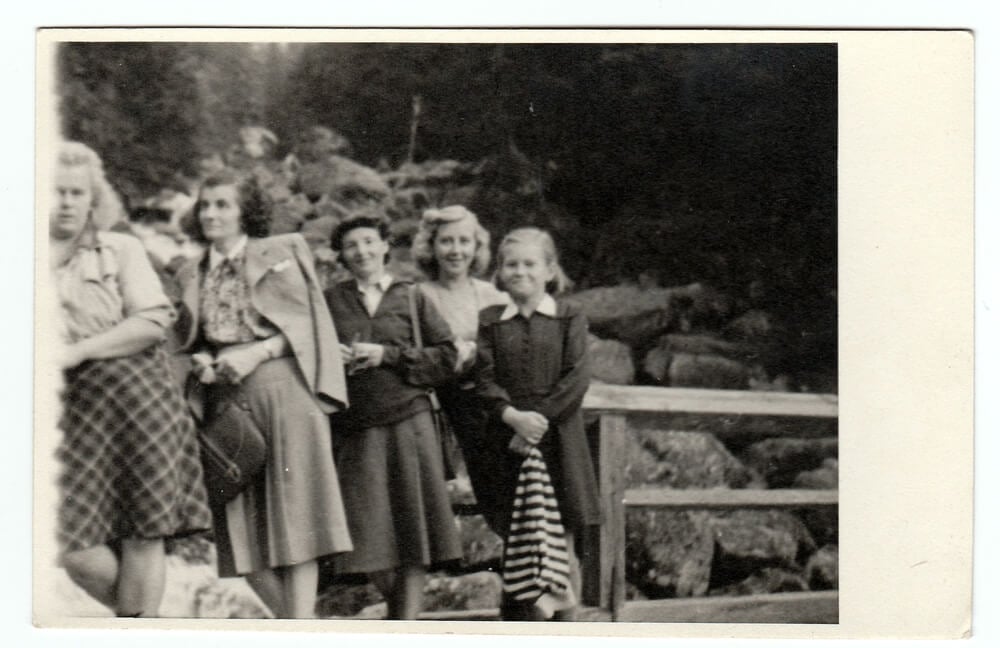
Tens of thousands of British women crossed to Canada as war brides, many with infants, arriving at Pier 21 in Halifax. Photographs show them stepping off ships in their best coats.
The immigration shed became a memorial and museum.
Coventry’s New Cathedral
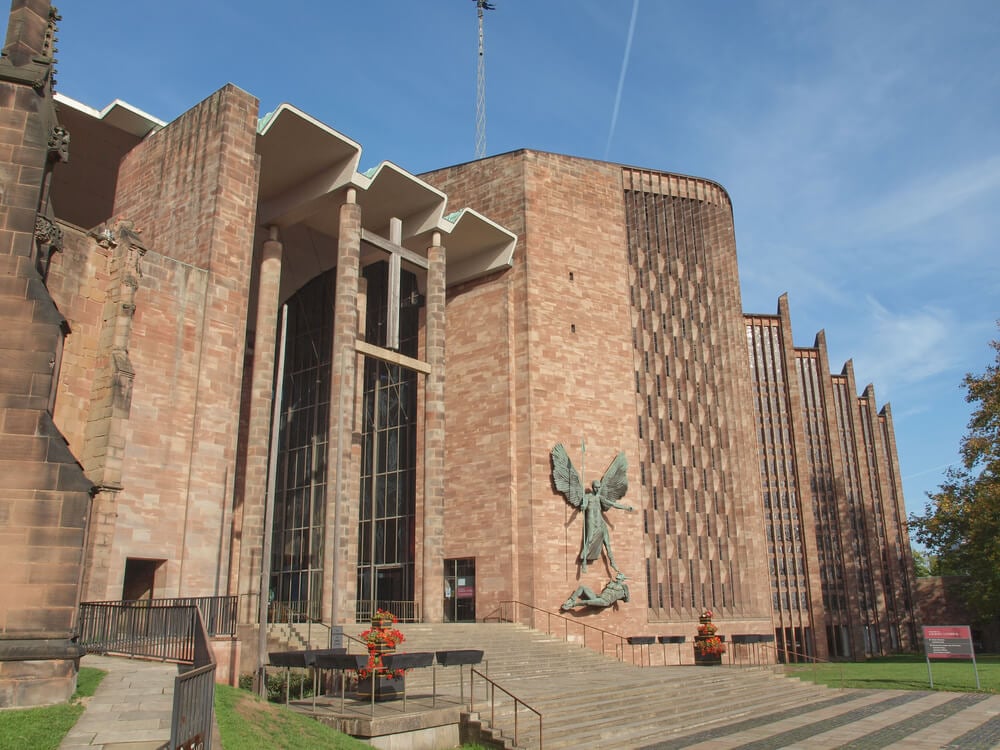
Coventry Cathedral was destroyed in the German air raid of 14 November 1940. The ruins were kept as a memorial beside a new cathedral consecrated in 1962.
Families photographed in front of the two buildings stand between a burned shell and a modern nave.
What the Pictures Hold Back

These images rarely show the effort behind the new roofs and clean streets. The labor of reclaiming a life from a ruin is mostly invisible, which is why the photographs of children, gardens, and market stalls carry so much weight.
They also show how varied the recovery was, with homes made from concrete, wood, and old trolley cars. The one constant is a family in front of a door, proving that whatever else had been lost, the household had made it through.
More from Go2Tutors!

- 27 Silver Dollars and Half Dollars Worth Keeping
- 28 Restaurant Menu Items Nobody Orders Anymore
- 17 Places Built in Seemingly Impossible Spots
- 27 Vintage Rings Worth More Than They Look
- 25 Restricted Sites Tourists Can’t Enter
Like Go2Tutors’s content? Follow us on MSN.