17 Ways AI is Revolutionizing Education
The classroom of 2025 looks nothing like the one you remember. While teachers were debating whether AI belonged in education, a quiet revolution was taking place behind the scenes.
Students were already using these tools, educators were discovering their potential, and the results were undeniable. The AI education market has grown from $5.88 billion in 2024 to $8.30 billion by 2025, and for good reason.
AI tools have proven to boost test scores by 62% using adaptive learning methods, while 53% of educational institutions report that AI considerably increases student engagement. The technology isn’t replacing teachers—it’s making them more effective than ever.
Here is a list of 17 ways AI is fundamentally changing how we teach and learn.
Personalized Learning Paths

Every student learns differently, yet traditional classrooms treat everyone the same. AI changes this completely by analyzing how each student absorbs information and creating custom learning experiences.
Squirrel AI, serving over 24 million students, has improved question accuracy rates from 78% to 93% through personalized learning paths. The system tracks billions of learning behaviors to understand exactly where each student struggles and excels, then adjusts the content accordingly.
Intelligent Tutoring Systems

Imagine having a personal tutor available 24/7 who never gets tired or frustrated. AI tutoring systems provide exactly that, offering immediate help when students get stuck.
AI chatbots are 91% accurate in offering customized assistance to students, meeting their unique learning requirements. These virtual tutors can explain concepts multiple ways until something clicks, making quality education support accessible to everyone.
Like Go2Tutors’s content? Follow us on MSN.
Automated Grading and Feedback
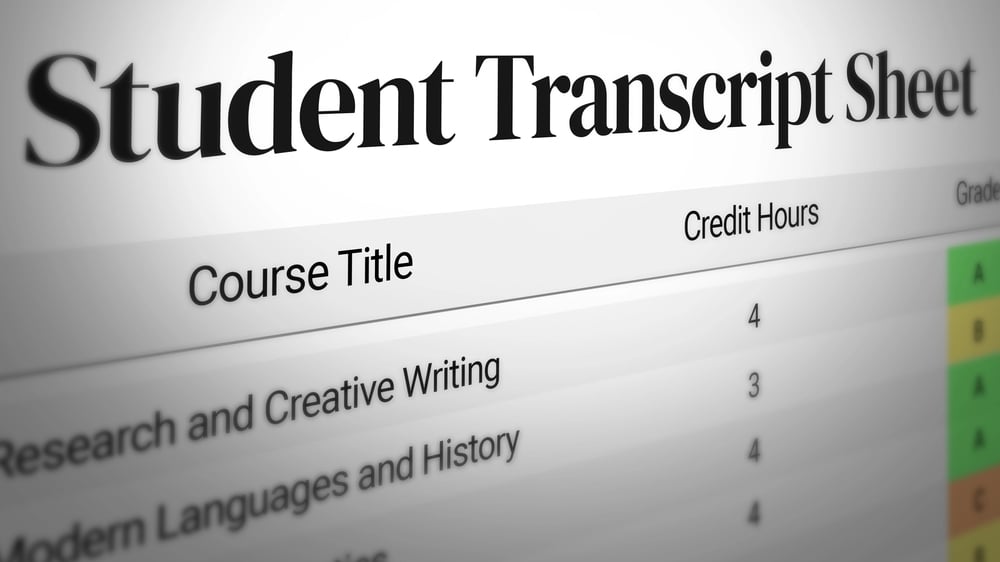
Teachers spend countless hours grading papers when they could be planning engaging lessons or helping students one-on-one. AI grading systems can lighten teacher workload by 70%, freeing teachers to devote more time to student interaction.
Beyond just marking answers right or wrong, these systems provide detailed feedback on writing, identify patterns in student mistakes, and suggest areas for improvement.
Adaptive Content Creation

Creating fresh, engaging educational materials used to take educators hours. Now AI can generate lesson plans, practice problems, and even entire courses in minutes.
Teachers can input their learning objectives and receive customized materials tailored to their students’ grade levels and interests. This doesn’t replace teacher creativity—it amplifies it by handling the time-consuming groundwork.
Real-Time Learning Analytics

Traditional assessments only show you how students performed after it’s too late to help. AI analytics track learning in real-time, identifying students who might be falling behind before they even realize it themselves.
AI has an 80% accuracy rate in predicting students at risk of failing before final grades. Teachers can intervene immediately when students need extra support, preventing small gaps from becoming major problems.
Like Go2Tutors’s content? Follow us on MSN.
Language Learning Revolution
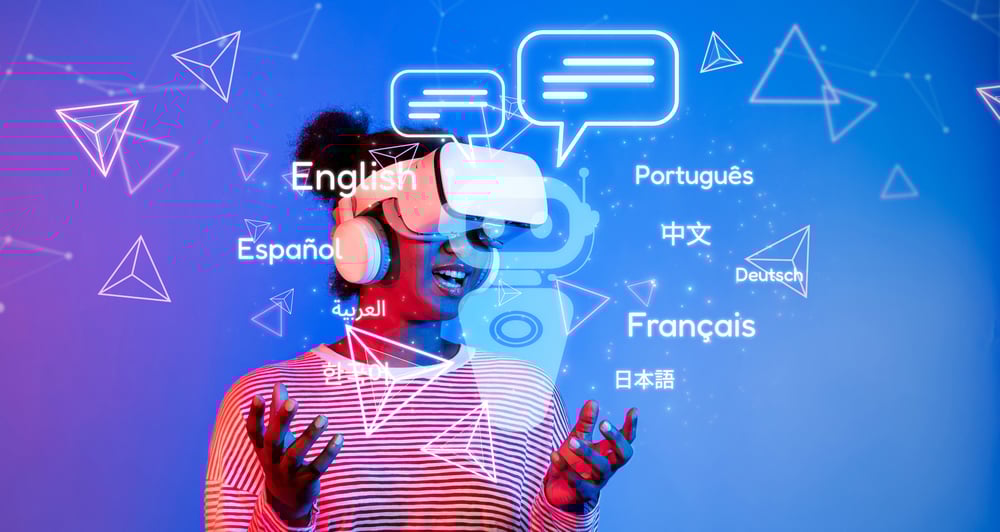
AI has transformed language learning from memorizing vocabulary lists to having actual conversations with intelligent systems. These platforms can detect pronunciation errors, suggest grammar improvements, and create infinite practice scenarios.
Students can practice speaking without the fear of embarrassment, while the AI provides patient, consistent feedback that adapts to their progress level.
Accessibility for Special Needs

UNICEF’s Accessible Digital Textbooks initiative employs AI to develop digital tools that support diverse learning needs, particularly benefiting students with disabilities. AI-powered tools can convert text to speech, provide visual descriptions of images, or adjust content presentation for students with dyslexia.
Technology that once required expensive specialized software is now becoming standard in many educational platforms.
Virtual Reality Learning Experiences
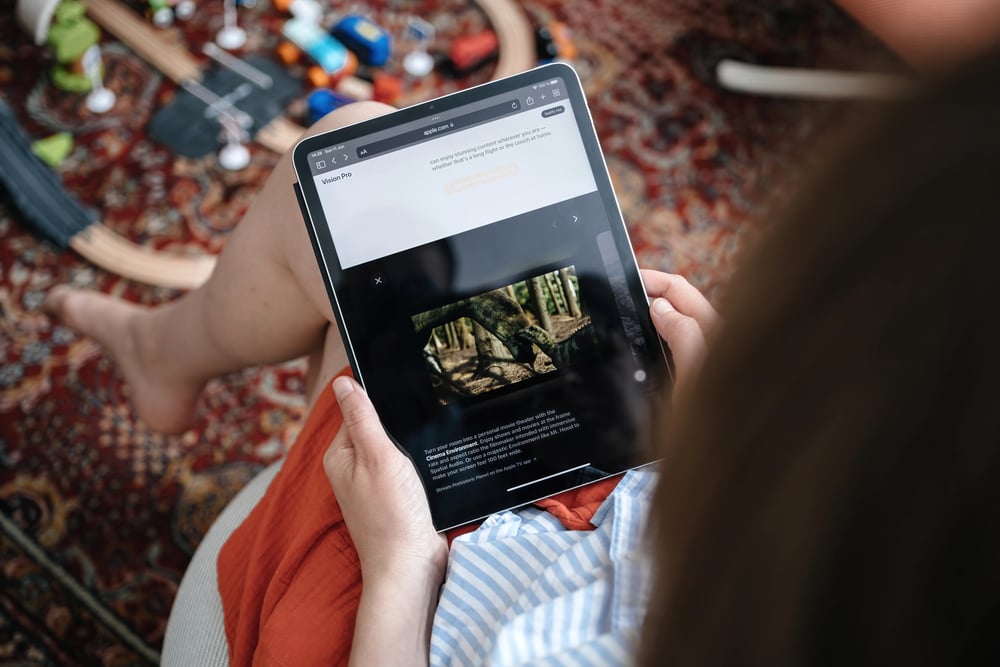
AI drives immersive educational experiences that transport students to ancient Rome, inside the human body, or to distant planets. These VR environments adapt to student choices and learning pace, creating memorable experiences that stick far longer than traditional textbook learning.
Complex scientific concepts become tangible when students can manipulate molecules or watch historical events unfold around them.
Like Go2Tutors’s content? Follow us on MSN.
Predictive Course Recommendations

Just like Netflix suggests movies you might enjoy, AI can recommend courses and learning paths based on student interests, career goals, and learning patterns. This helps students discover subjects they never knew they’d love while ensuring they build the skills needed for their chosen fields.
The system gets smarter with each interaction, refining its suggestions as it learns more about each student.
Automated Administrative Tasks

Beyond the classroom, AI streamlines the business side of education. It can handle student enrollment, schedule optimization, resource allocation, and even communication with parents.
This automation frees up administrative staff to focus on supporting students and teachers rather than pushing paperwork. Schools can operate more efficiently while providing better service to their communities.
Dynamic Assessment Methods

Traditional tests measure what students memorized on a specific day. AI-powered assessments adapt questions based on student responses, providing a more accurate picture of their understanding.
If a student answers correctly, the system presents more challenging questions. If they struggle, it offers simpler problems to build confidence.
This approach reduces test anxiety while giving teachers better insights into student capabilities.
Like Go2Tutors’s content? Follow us on MSN.
Content Curation and Discovery

The internet contains endless educational resources, but finding quality materials takes time. AI can scan thousands of articles, videos, and interactive tools to find content that matches specific learning objectives and student reading levels.
Teachers get a curated list of the best resources without spending hours searching, while students receive materials perfectly matched to their needs.
Collaborative Learning Enhancement

AI doesn’t just support individual learning—it enhances group work too. Systems can analyze team dynamics, suggest optimal group compositions, and even mediate discussions to ensure everyone participates.
Virtual collaboration tools powered by AI help students work together effectively, whether they’re in the same classroom or scattered across different time zones.
Early Intervention Systems

Rather than waiting for students to fail, AI identifies at-risk learners early in their educational journey. In Brazil, the Letrus programme uses AI-driven feedback mechanisms to significantly improve literacy skills across socioeconomic statuses in hundreds of schools.
These systems analyze patterns in attendance, assignment completion, and engagement to flag students who might need additional support before problems become serious.
Like Go2Tutors’s content? Follow us on MSN.
Professional Development for Educators

60% of teachers have integrated AI into their daily teaching practices, but many still need training to use these tools effectively. AI-powered professional development platforms can analyze teaching practices, suggest improvements, and provide personalized training recommendations.
Teachers can learn new techniques at their own pace while receiving feedback on their progress.
Multilingual Education Support

AI breaks down language barriers in increasingly diverse classrooms. Translation tools provide real-time support for students learning in their second language, while AI tutors can explain concepts in multiple languages.
This technology ensures that language differences don’t prevent students from accessing quality education, making classrooms more inclusive and globally connected.
Data-Driven Curriculum Design

Instead of relying on intuition about what students need to learn, AI analyzes vast amounts of educational data to inform curriculum decisions. The technology can identify which topics students consistently struggle with, which teaching methods work best for different concepts, and how skills build upon each other.
This evidence-based approach leads to more effective curricula that actually meet student needs.
Like Go2Tutors’s content? Follow us on MSN.
The Partnership That Changes Everything

The real revolution isn’t about AI replacing teachers—it’s about creating a powerful partnership that amplifies human potential. According to a 2024 study, attitudes towards AI in education have become increasingly positive across students, teachers, and parents alike, representing a dramatic shift from the uncertainty of early 2023.
Teachers are evolving into ‘learning architects’ who orchestrate sophisticated educational experiences, using AI to handle routine tasks while focusing their energy on inspiration, mentorship, and human connection. Students aren’t just consumers of information anymore—they’re active participants in personalized learning journeys that adapt to their unique needs and dreams.
This isn’t the future of education; it’s happening right now in classrooms around the world.
More from Go2Tutors!

- 16 Historical Figures Who Were Nothing Like You Think
- 12 Things Sold in the 80s That Are Now Illegal
- 15 VHS Tapes That Could Be Worth Thousands
- 17 Historical “What Ifs” That Would Have Changed Everything
- 18 TV Shows That Vanished Without a Finale
Like Go2Tutors’s content? Follow us on MSN.