13 Ways Neighborhood Block Parties Used to Bring Together People Who Otherwise Never Spoke
The street looked different with the barriers up and the cars gone. Someone had dragged a folding table onto the pavement.
There were extension cords running from at least three separate houses, a speaker playing something nobody had agreed on, and children weaving between adults who were, against all odds, talking to each other. The neighbor you had waved at for six years without knowing their name was suddenly standing next to you holding a paper plate.
That was the block party — low-effort, high-return, and rarer than it should have been.
The Street Itself Became Shared Territory for Once
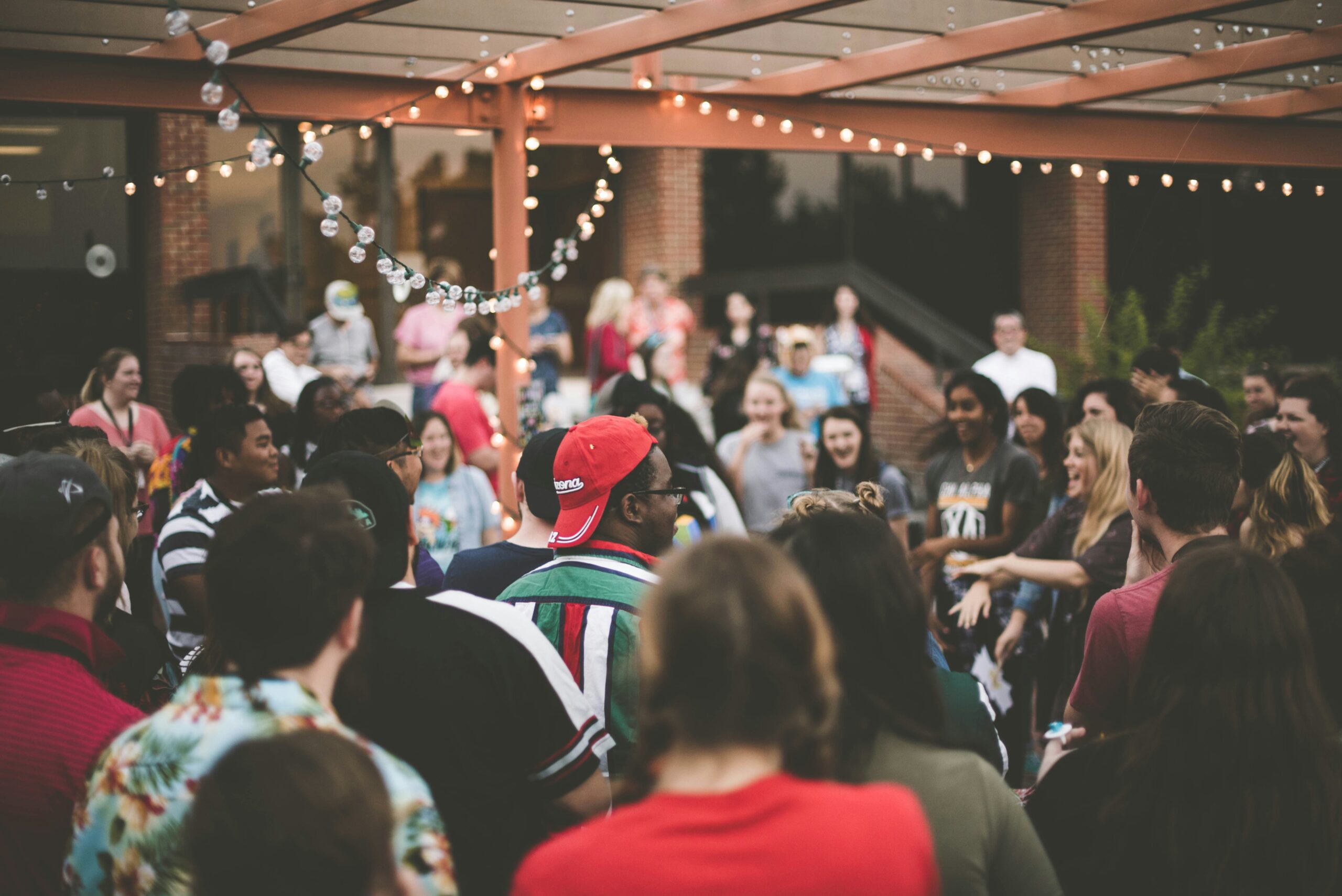
For most of the year, the road between houses functions as a dividing line — your side, their side, the space that cars pass through on the way to somewhere else. A block party removed the cars, put down folding chairs, and suddenly the street was nobody’s property and everyone’s living room.
That shift in ownership changed what was permissible. People stood where they wouldn’t normally stand, talked where they wouldn’t normally talk, and felt a vague ease that was hard to explain and entirely dependent on the physical arrangement.
Food Was the Most Reliable Neutraliser of Social Awkwardness
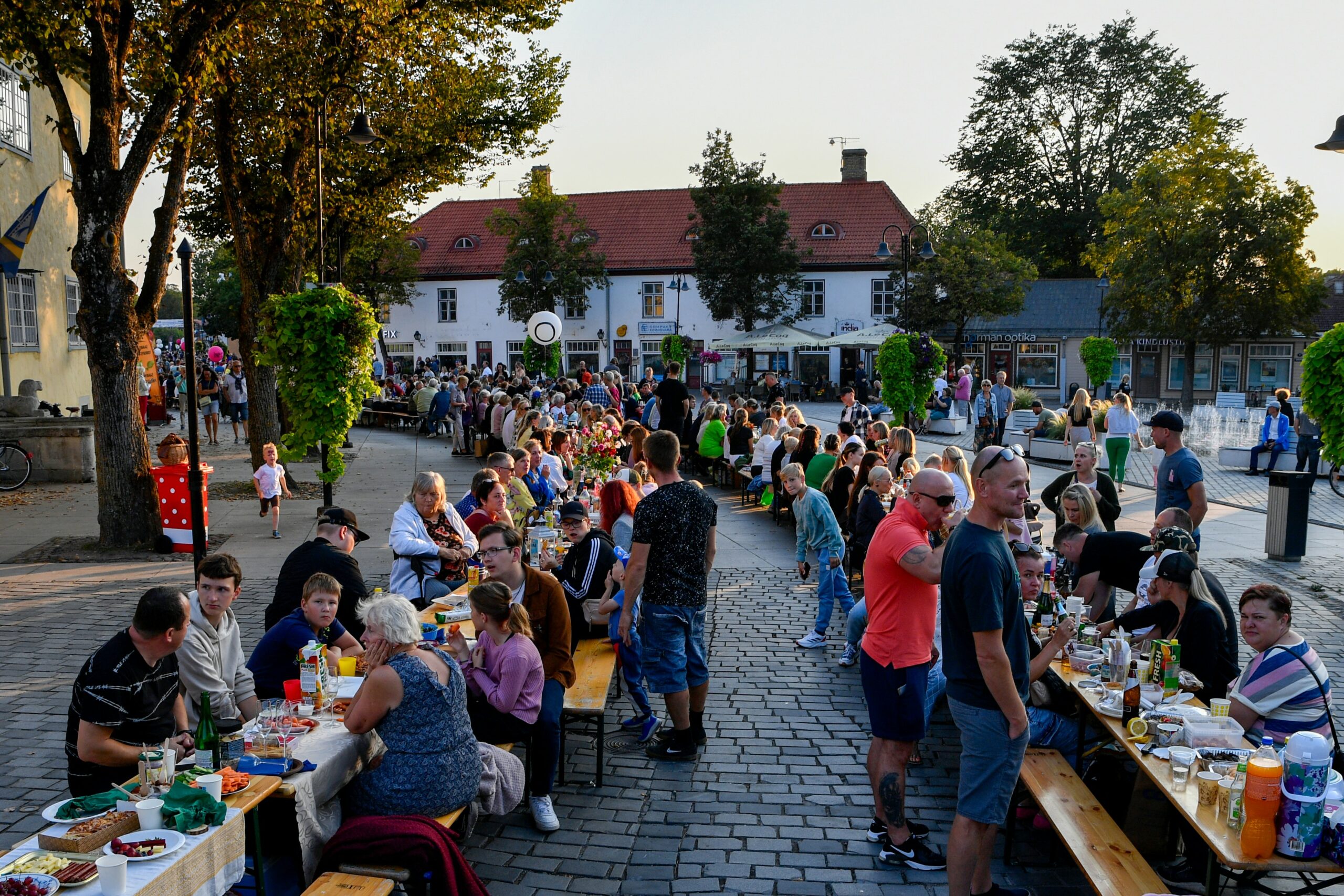
There are few social situations that can’t be slightly improved by having something to do with your hands, and a block party solved this immediately. You carried a dish, you offered someone a drink, you asked whether this was their recipe or their mother’s.
Food gave strangers a subject matter and an activity simultaneously, which lowered the activation energy for conversation to almost nothing. The neighbour you had exchanged precisely four words with in three years became, over potato salad, a person with opinions and preferences.
Children Were the Best Connective Tissue
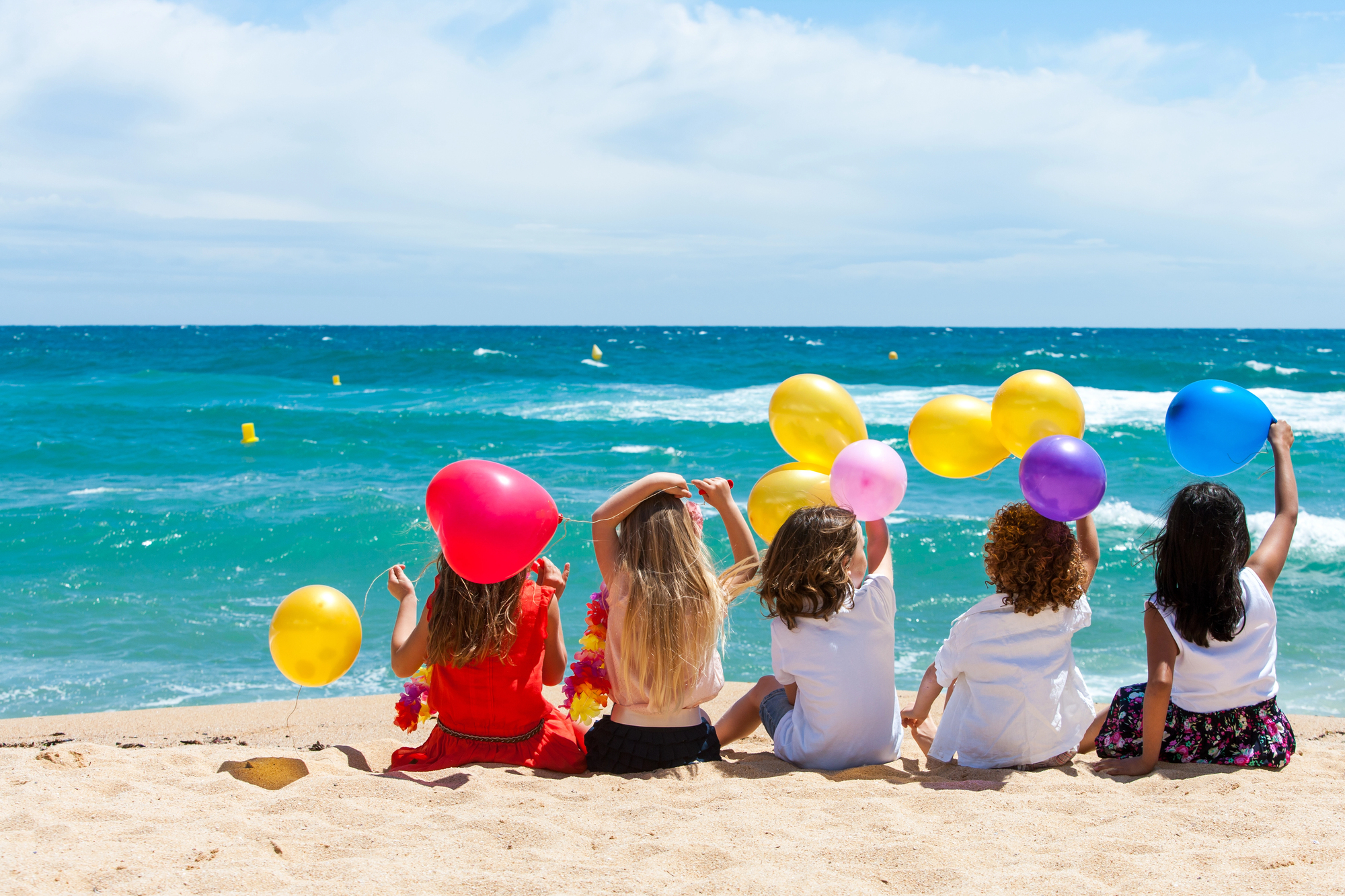
Children at a block party operated without the social caution that governed adult behaviour. They ran toward each other because there were other children there, full stop.
The consequence was that parents who would never have introduced themselves were suddenly exchanging information — whose kid was whose, which house they lived in, how old — and finding that this scaffolding held them up long enough for an actual conversation to start. Block parties were, in this sense, proxy networking events for adults who would have refused to attend actual networking events.
The Event Required Contribution, Which Created Obligation

A potluck block party asked something of each household — a dish, a few hours of setup, a chair or two. The act of contributing to a shared endeavour changes the psychology of the resulting gathering.
You’re not a guest who can leave without engagement; you’ve put something in and are therefore part of what’s happening. Social psychologists call this the Benjamin Franklin effect, the observation that doing a favour for someone — or being asked to contribute — generates a sense of connection that neither party planned for.
The Temporary Closure of the Street Made Everyone Equal Participants
.
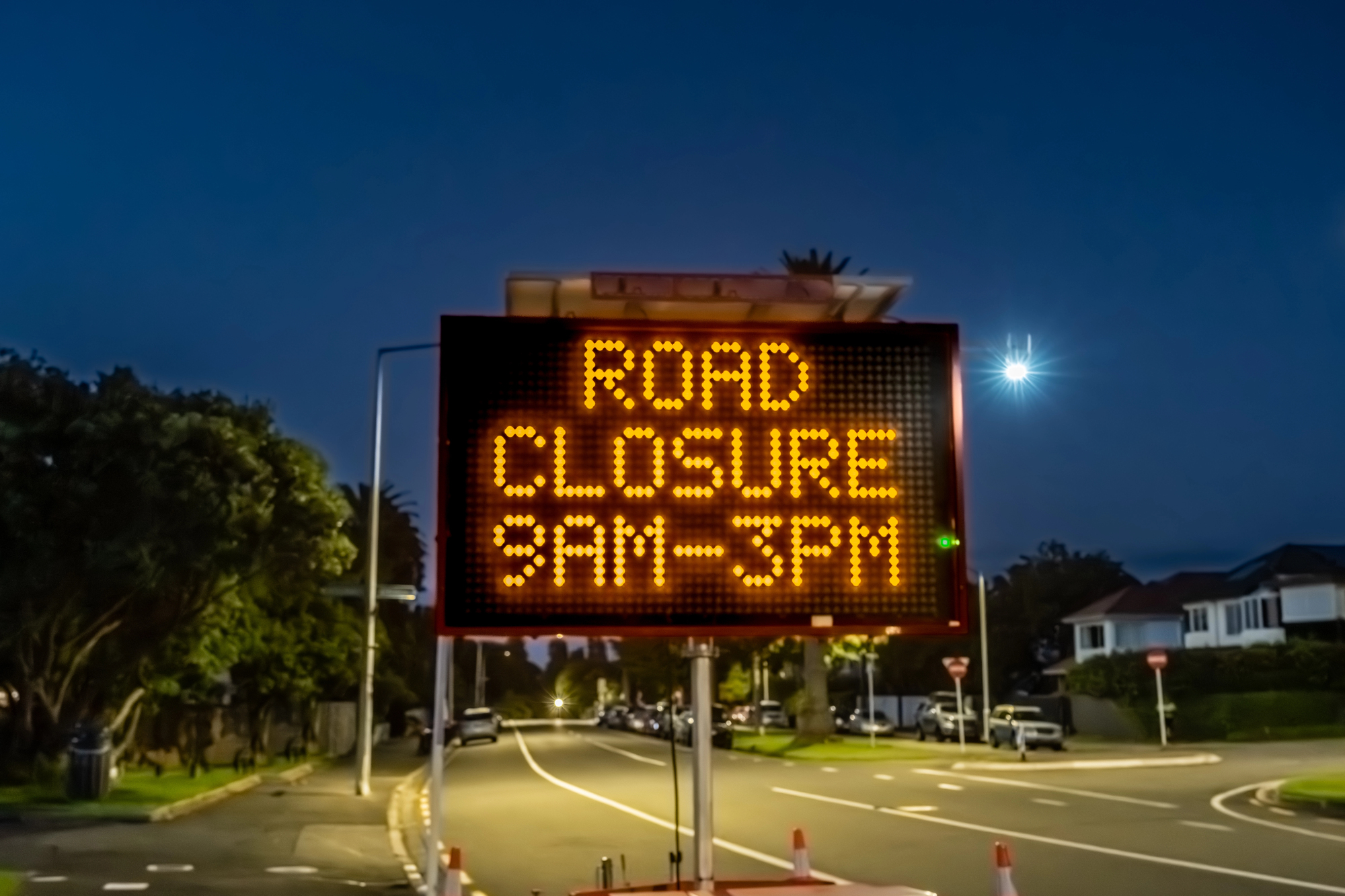
In a normal neighbourhood, the internal hierarchies are always present but rarely acknowledged — the house with the nicer car, the property with the new extension, the rental versus the owned. A block party was unusually democratic.
The street belonged to whoever was standing in it, and the families who’d lived there for thirty years occupied the same pavement as the ones who’d arrived last autumn. Without rooms to retreat into, social gradients tended to flatten. People made do with whoever was nearby.
It Happened at a Time of Year When People Were Already Outside
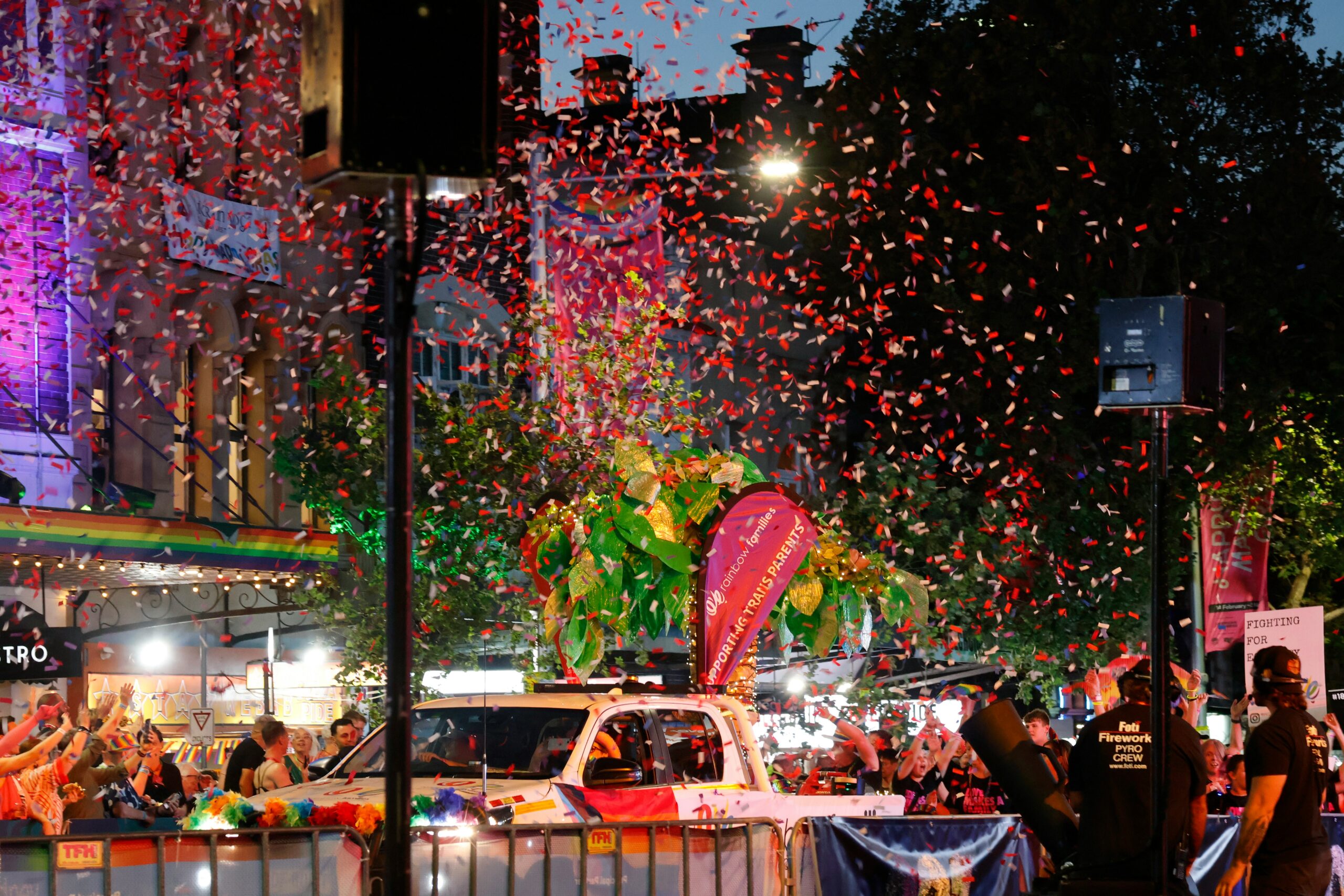
Block parties clustered around summer holidays — in the US around Memorial Day, Independence Day, and Labor Day — because these were the days when people were already predisposed to be outdoors and unhurried. The timing mattered.
A cold, grey Tuesday in February produces different social behaviour than a warm Saturday afternoon when no one has anywhere they urgently need to be. Good weather and an absence of obligation are two of the most powerful social lubricants available, and the block party reliably combined both.
The Block Party Had Historical Roots in Genuine Community Need
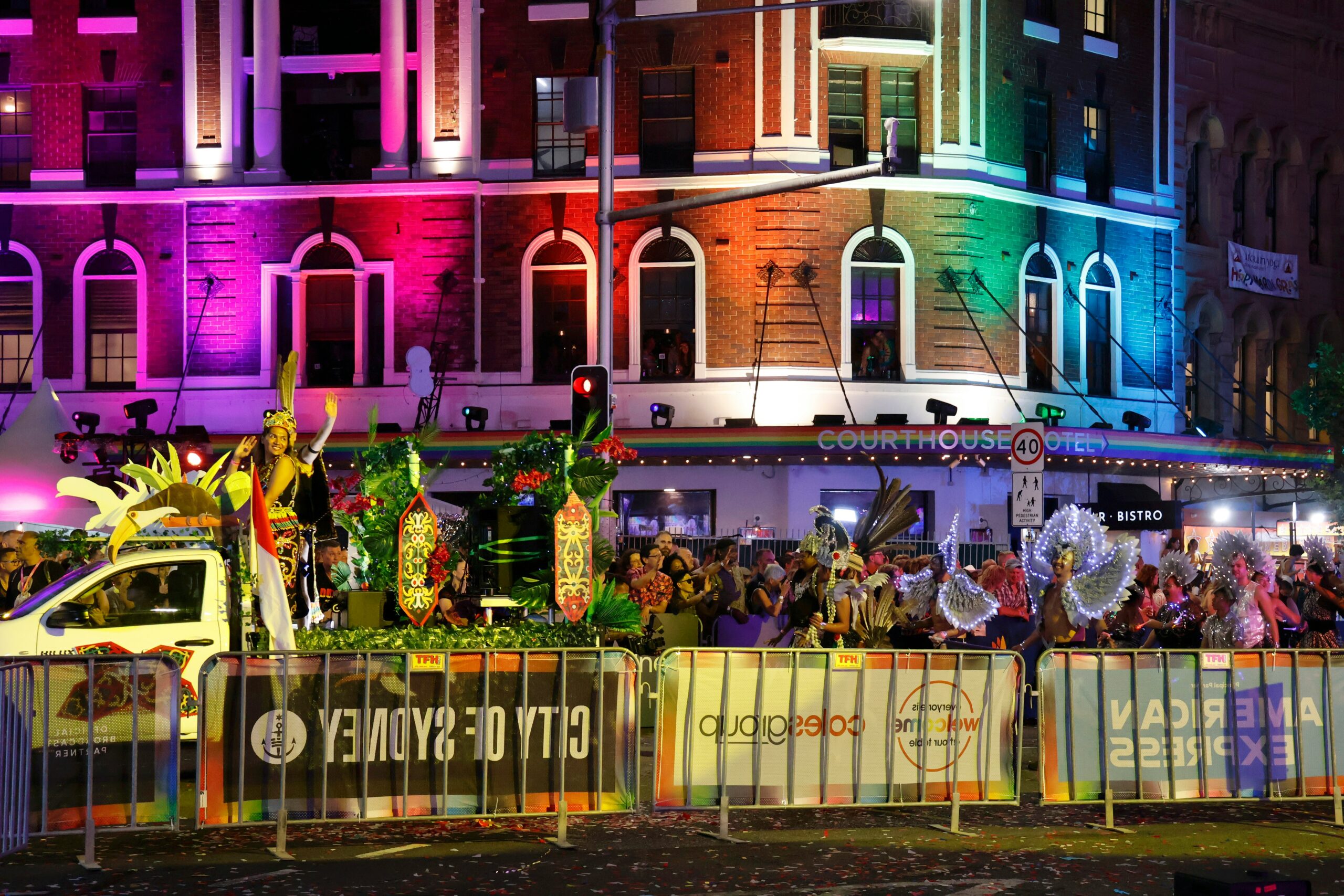
The earliest American block parties emerged in the early 20th century, with the oldest documented use of the term dating to 1902 in Philadelphia. They evolved from informal community gatherings outside churches and, during wartime, as events to honour neighbours who had enlisted.
A defining moment in the tradition’s history came on August 11, 1973, when DJ Kool Herc hosted a block party in the Bronx that pioneered breakbeat extension and effectively catalysed the global rise of hip-hop. The form had, from the beginning, been about people who shared geography finding meaning in that fact.
Long-Term Neighbours Finally Had a Frame for Talking

There’s a particular kind of neighbourly relationship built exclusively on acknowledgment — a nod at the bin, a brief remark about the weather, sometimes a wave if someone happened to look up at the right moment. This relationship can persist for years without evolving, not because either party objects to the other person but because there’s never been an obvious frame for more.
The block party provided that frame. It said: this is the occasion. You’ve been waiting for one. Here it is.
The Event Made Physical Proximity Feel Like Common Ground
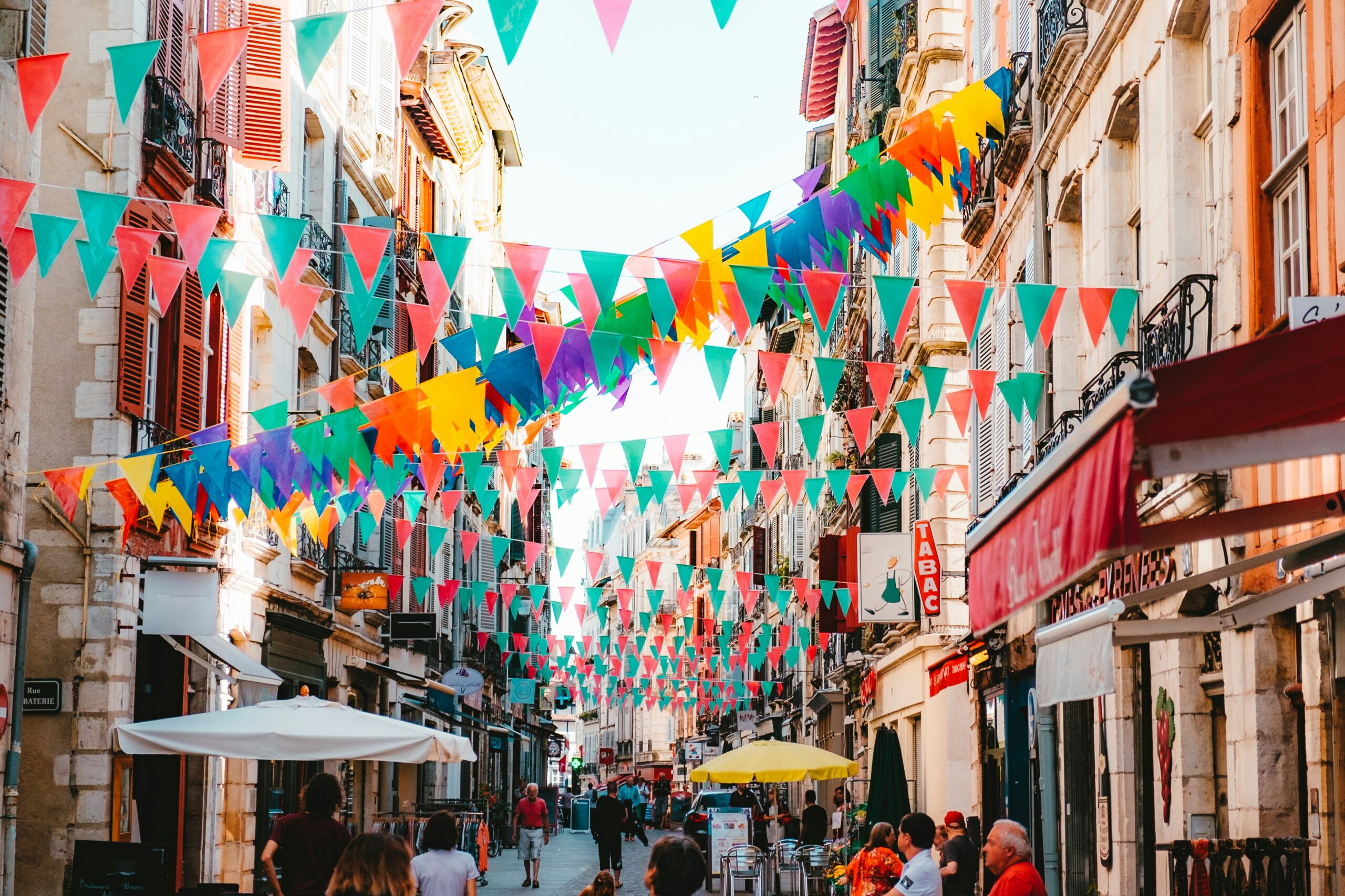
Robert Putnam, in his widely read study of declining social capital in America, noted that geographical proximity alone doesn’t produce community — it requires repeated, low-stakes interaction to turn neighbours into something more than strangers who happen to share a postcode. Block parties were one of the few regular mechanisms for creating exactly those interactions.
They didn’t produce deep friendship, usually, but they produced recognition — and recognition is the foundation that everything else requires.
Children Got Unstructured Time With Other Children
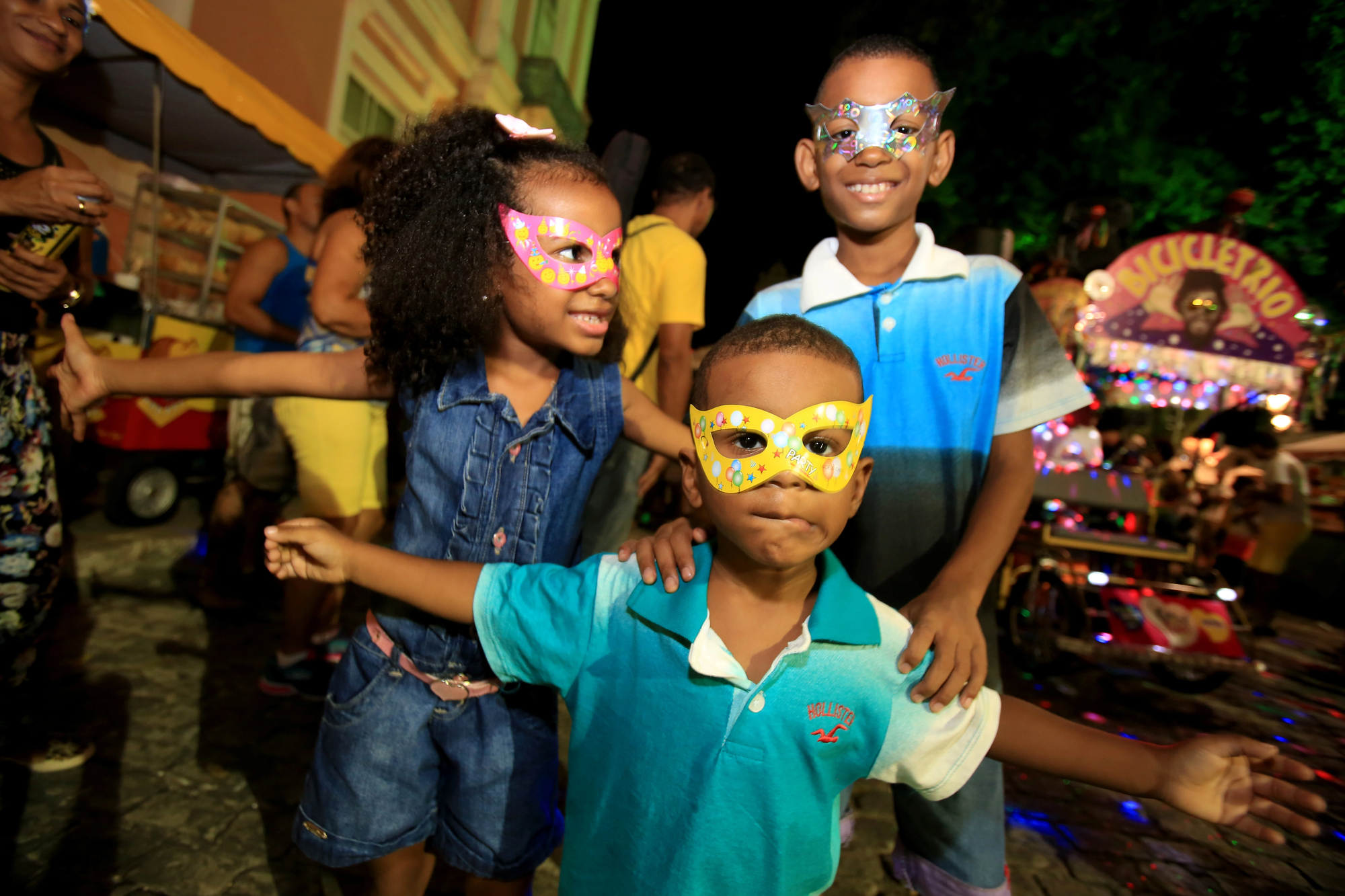
Sociologist and researcher Lenore Skenazy and others have noted that children’s opportunities for free, unsupervised play have declined sharply since the 1980s. The block party was one of the last reliable exceptions: a context in which children of different ages mixed without adult direction, negotiated their own games, handled their own disputes, and generally operated with a degree of autonomy that was otherwise increasingly rare.
That mattered for the children, and it mattered for the adults who could stand still long enough to have a full conversation.
People Revealed Sides of Themselves They Didn’t Show at a Distance
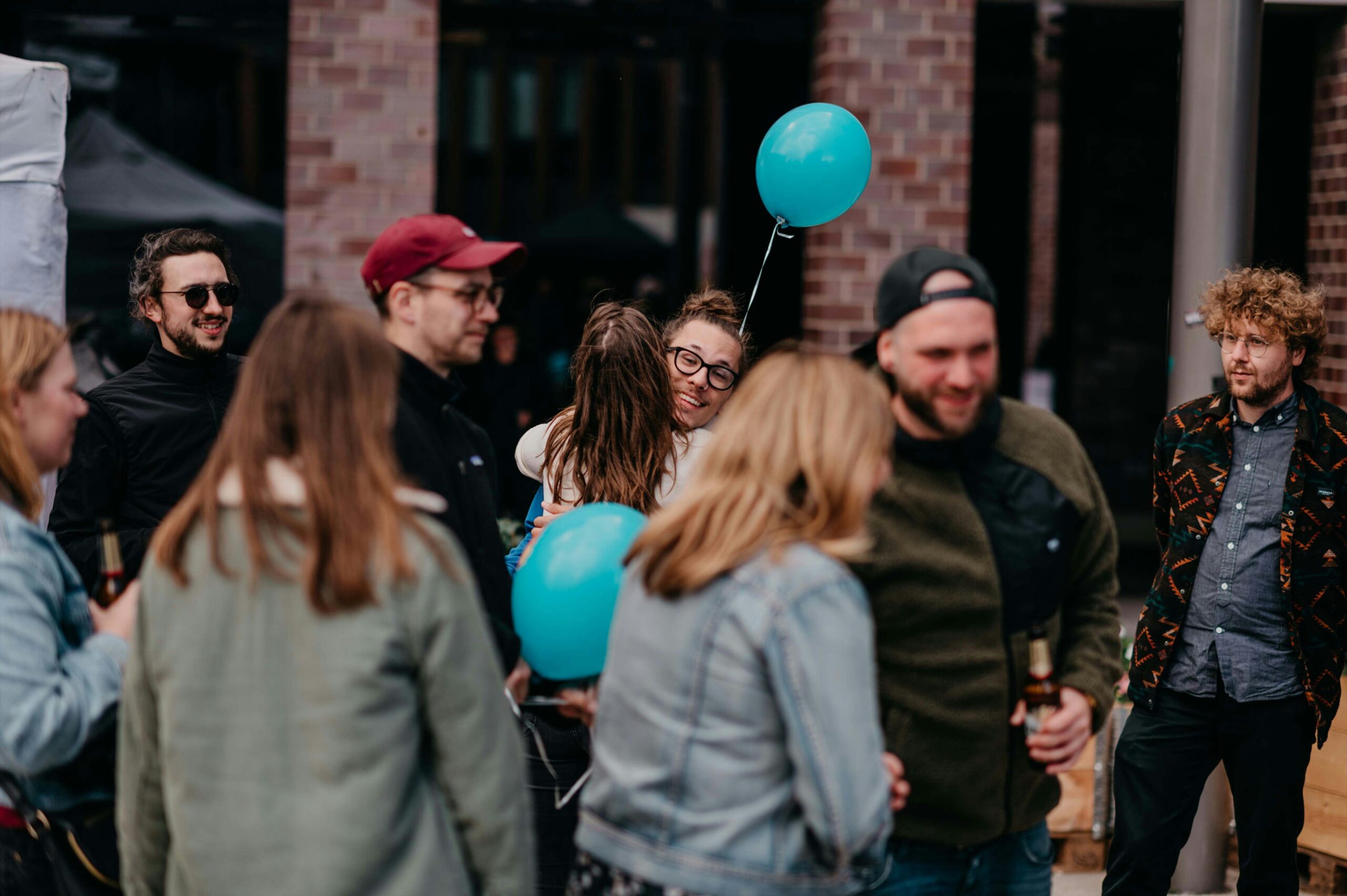
A neighbour can exist at a remove for years: the person who parks there, who owns the dog, who occasionally has loud friends on a Friday evening. A block party collapsed that distance.
You found out that the reserved man from number fourteen was funny, or that the couple across the road had moved from somewhere you’d once lived, or that the elderly woman at the end had been an architect who could talk for an hour about the history of the street. These revelations were not earth-shattering. They were simply humanising, and humanising was the whole point.
The Format Allowed People to Drift In and Out Without Commitment
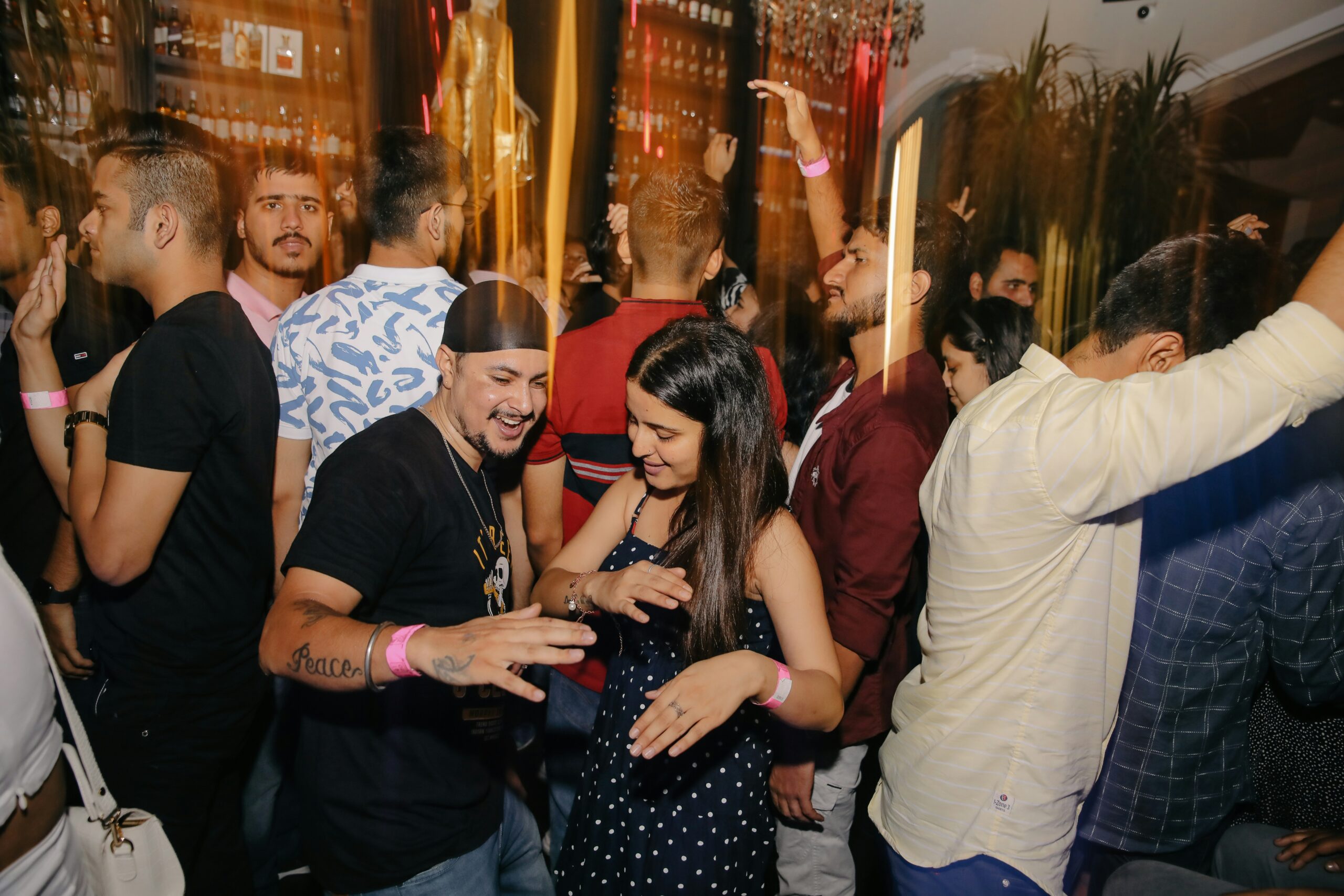
Unlike a dinner party or a formal gathering, a block party imposed no social pressure to stay or to perform. You could appear for twenty minutes, make a plate, greet three people, and return inside without anyone thinking less of you.
This low-commitment structure made it accessible to people who would have avoided a more structured social obligation. The introvert from number seven came. The couple who were in the middle of a difficult year came. The new family who didn’t know anyone came because the barrier was low enough to clear without effort.
The Memory of It Outlasted the Afternoon
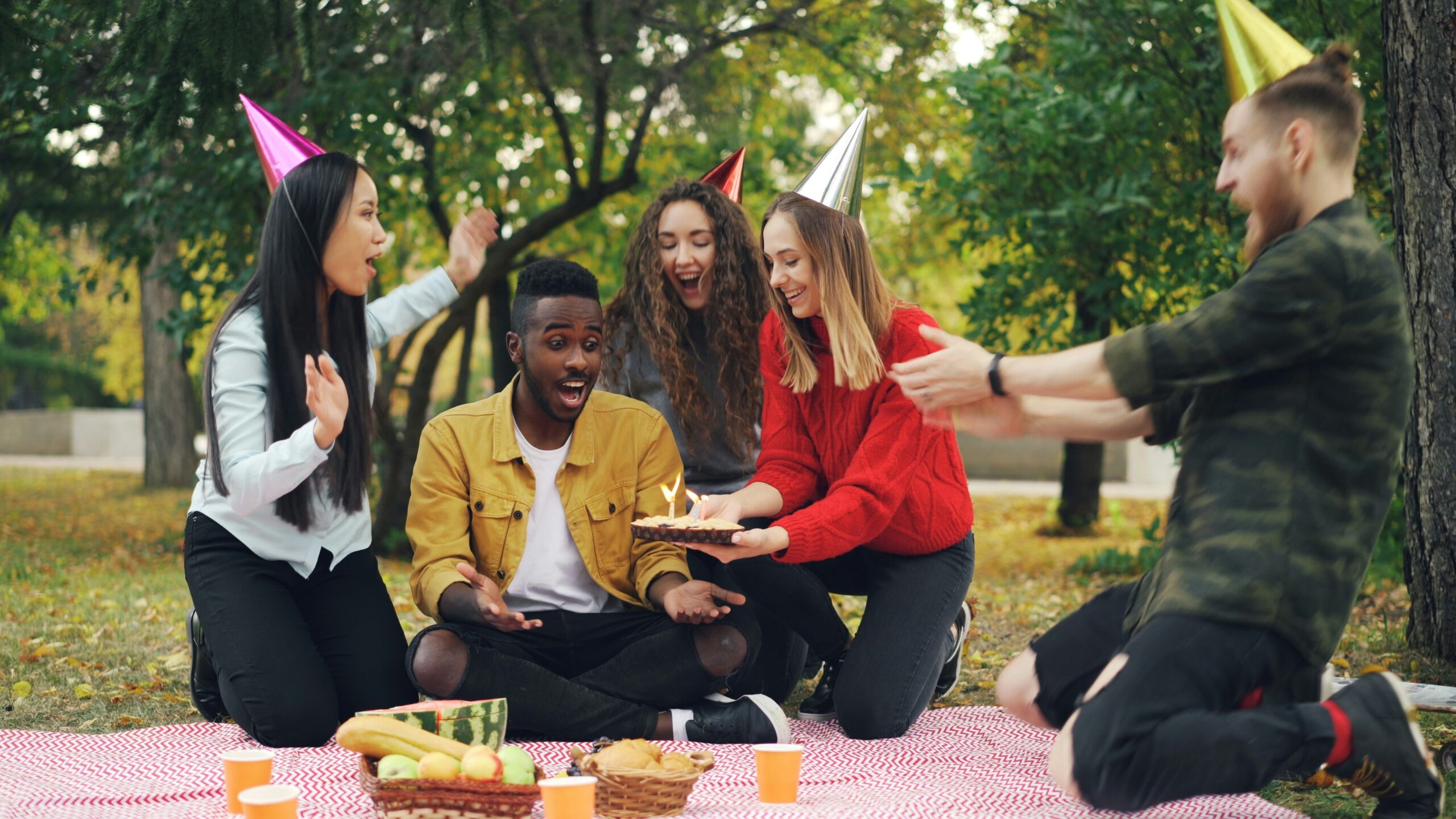
Block parties were rarely spectacular. The food was variable, the music was a compromise, someone’s child always cried, and it usually ended a little earlier than planned when the light changed.
But the afternoon had a quality that ordinary weekends did not: the knowledge that for a few hours, the people who shared your street had been briefly, genuinely present to one another. Adults who grew up attending block parties describe them with a specificity and warmth that the events themselves probably didn’t fully justify. The memory is better than the experience, not because the experience was bad, but because what it represented was something harder to find than it should have been.
What the Street Looked Like When It Was Actually Used
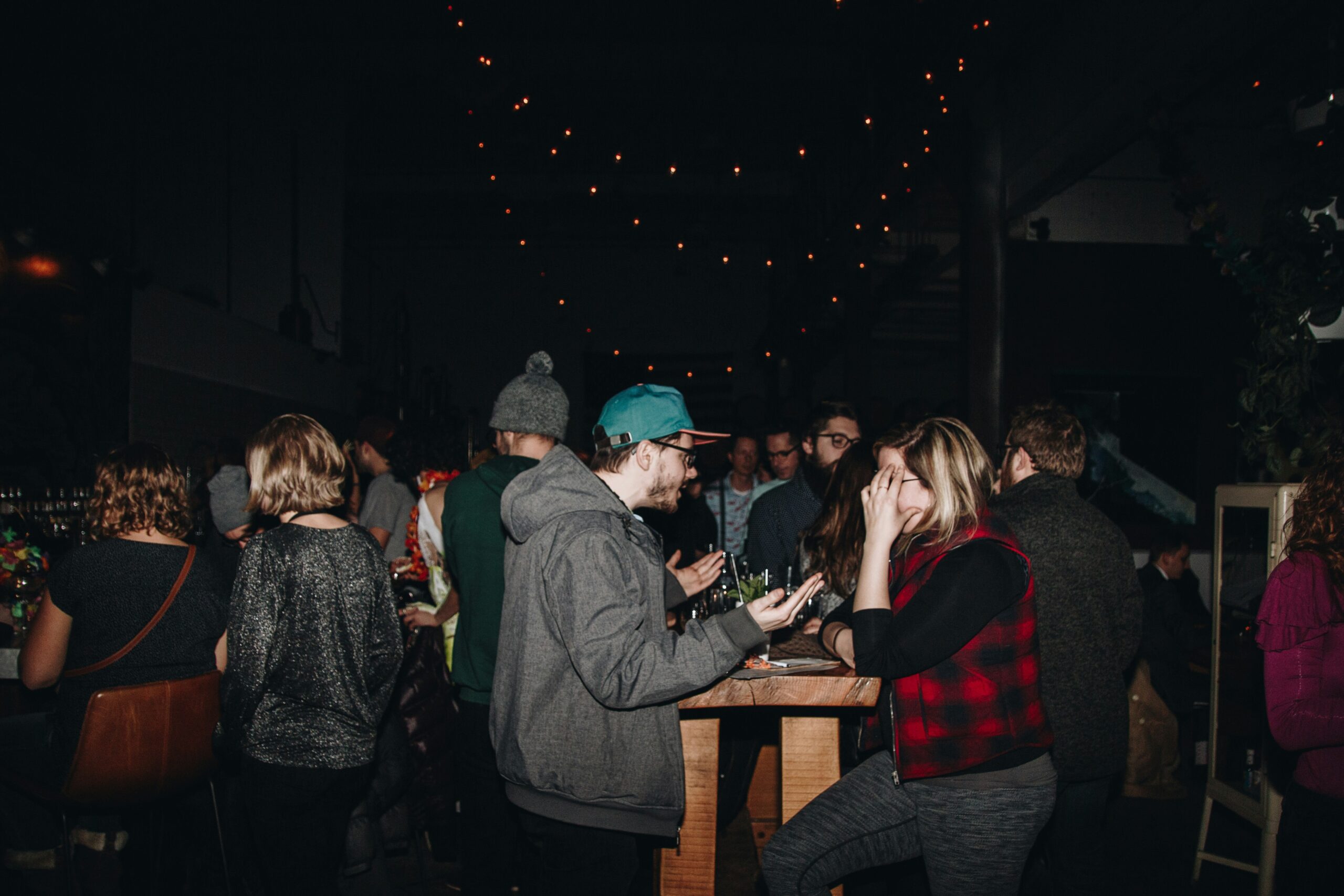
There’s a simple truth beneath all of this, and it doesn’t require sociology to state it. People who know their neighbours are safer, less lonely, and more likely to help each other out — not in dramatic ways, but in the ways that matter across a year: a borrowed tool, a watched parcel, someone who notices when something seems wrong.
The block party didn’t produce these outcomes directly; it just made them more likely by giving neighbours a chance to become something more than a face glimpsed through a car window. That’s not a small thing. It’s arguably the thing that made a collection of houses into a place where people actually lived.
More from Go2Tutors!

- The Romanov Crown Jewels and Their Tragic Fate
- 13 Historical Mysteries That Science Still Can’t Solve
- Famous Hoaxes That Fooled the World for Years
- 15 Child Stars with Tragic Adult Lives
- 16 Famous Jewelry Pieces in History
Like Go2Tutors’s content? Follow us on MSN.