13 Wild Fads That Took Over the 1920s
The 1920s weren’t called the “Roaring Twenties” for nothing. This decade burst with energy after World War I as Americans embraced freedom, rebellion, and new technologies with unprecedented enthusiasm. The era’s prosperity fueled consumer culture and social experimentation in ways never seen before.
Here is a list of 13 remarkable fads that defined this transformative decade, showing just how wild and innovative the 1920s truly were.
Flagpole Sitting

This bizarre endurance craze began when stuntman Alvin “Shipwreck” Kelly sat atop a flagpole for 13 hours and 13 minutes in 1924. The stunt caught fire across America, with competitors attempting to outlast one another on tiny platforms sometimes hundreds of feet in the air. Enthusiasts would bring up food and water while crowds gathered below to marvel at these daredevils who sometimes remained perched for days or even weeks.
Dance Marathons

These grueling competitions combined entertainment with endurance as couples danced continuously for hours, days, and sometimes months with only brief rest periods. Participants fought exhaustion for cash prizes during the Great Depression, often collapsing from fatigue as spectators paid to watch their suffering. The contests became increasingly exploitative, with some dancers developing psychosis from sleep deprivation while promoters profited from their misery.
Raccoon Coats
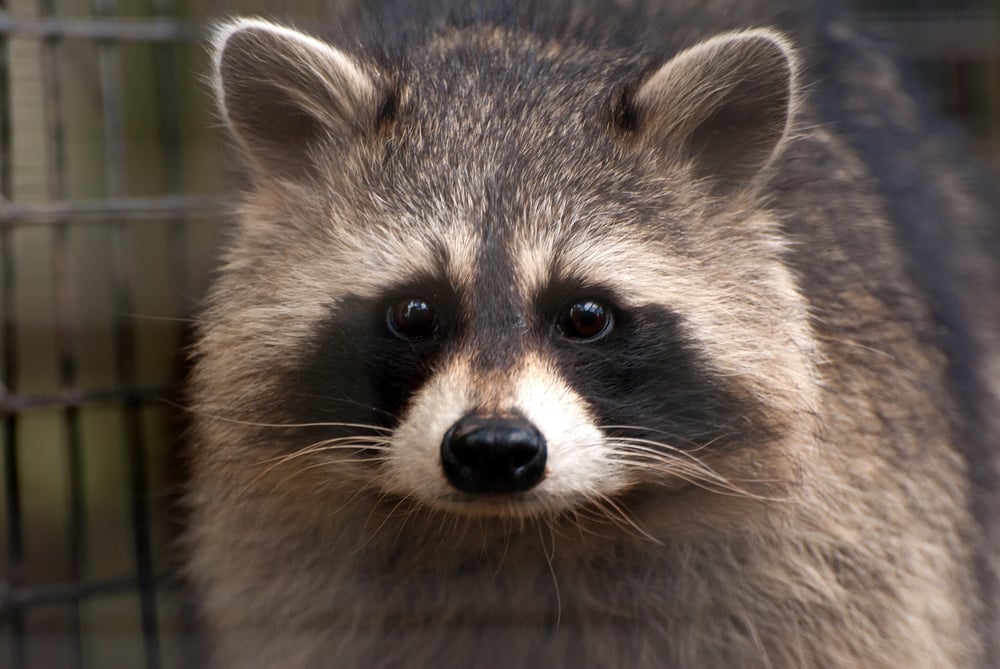
College campuses across America embraced the raccoon fur coat as the ultimate status symbol for fashionable young men. These bulky, expensive garments became synonymous with collegiate life and the carefree attitude of campus socialites. Students would wear them to football games regardless of the weather, often paired with flasks of illegal alcohol during Prohibition.
Crossword Puzzle Mania

When the first crossword puzzle book was published in 1924, Americans became absolutely obsessed with this new mental challenge. Public libraries reported dictionaries being worn to shreds as puzzle enthusiasts searched for obscure words. The craze grew so intense that some employers complained about productivity losses, and a judge even threatened to clear his courtroom when he spotted an attorney working on a crossword during a trial.
Mah-jongg Fever
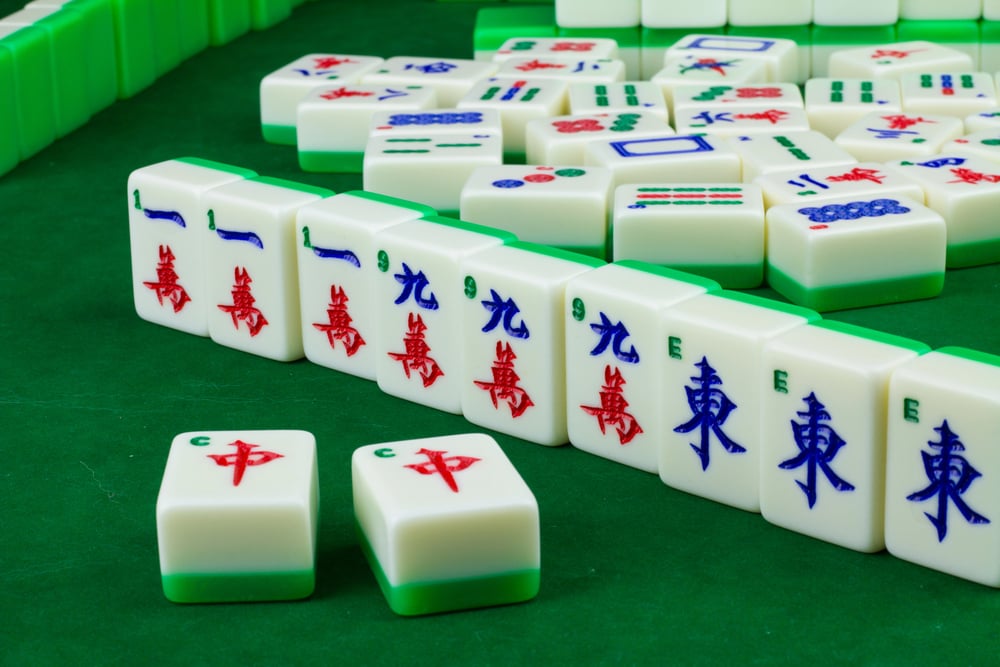
This ancient Chinese tile game swept through American living rooms with remarkable speed in the early 1920s. Department stores couldn’t keep the exotic sets in stock as middle-class households rushed to host mah-jongg parties complete with Chinese-inspired snacks and decorations. The game’s popularity spawned mah-jongg-themed clothing, jewelry, and even songs as Americans embraced this international pastime.
Miniature Golf

In the late 1920s, a nationwide craze for tiny putting courses erupted, and by 1930, there were an estimated 30,000 miniature golf courses spread around the country. Players had to negotiate windmills, tunnels, and even live animals on intricate courses. The game was one of the most inclusive forms of entertainment of the decade since it was accessible to players of all ages and socioeconomic backgrounds.
Goldfish Swallowing

This disgusting tournament was invented by college students, who would demonstrate their bravery by swallowing live goldfish whole. When a student at Harvard University ate a fish on a dare, the fad started, and universities all around the country competed to set new records. Eventually, campus health officials stepped in and issued a warning about parasites and other health risks related to eating live fish.
Barnstorming
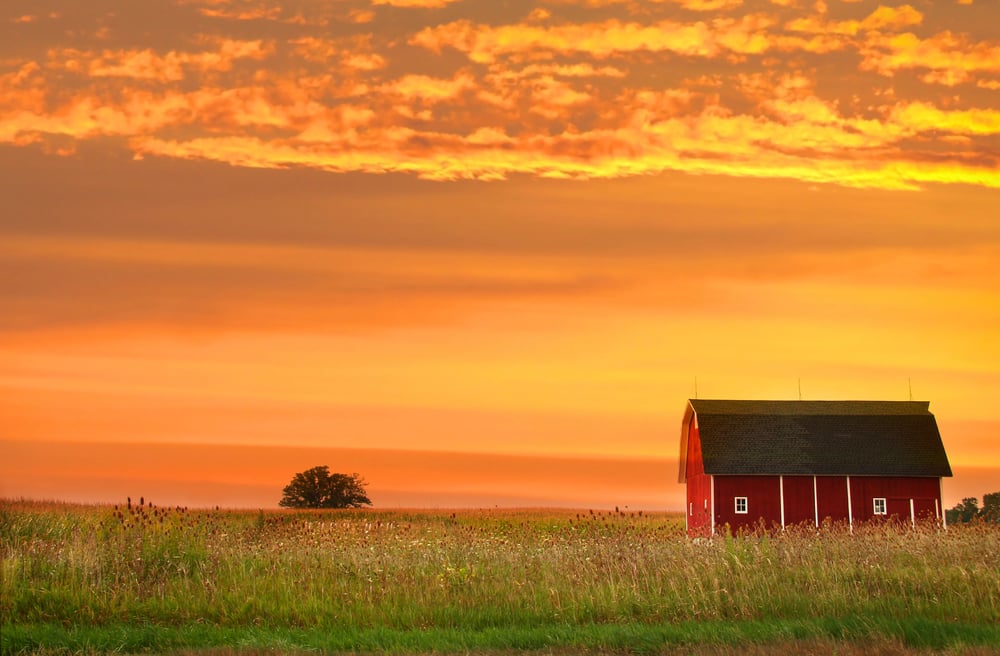
Aviation pioneers called ‘barnstormers’ traveled America performing death-defying aerial stunts for amazed spectators who had never seen airplanes before. These daredevil pilots walked on wings, performed mid-air transfers between planes, and offered countryside residents their first airplane rides for a few dollars. The phenomenon helped transition Americans into the air age while creating cultural heroes out of these flying risk-takers.
Beauty Pageants

The Miss America pageant launched in 1921, setting off a national craze for beauty competitions that celebrated the decade’s changing attitudes toward women’s appearance and public roles. Local contests sprang up in virtually every community as young women competed for titles, prizes, and potential movie contracts. The competitions reflected evolving beauty standards that embraced the athletic, bobbed-hair ‘flapper’ aesthetic over Victorian ideals.
Ukulele Playing

This Hawaiian instrument became incredibly popular after being featured in vaudeville shows and early films. Music stores couldn’t stock enough ukuleles to meet demand as Americans embraced this portable, relatively easy-to-learn instrument. Sheet music publishers rushed to release ukulele arrangements of popular songs, and schools even began offering lessons as part of their music programs.
Charlestoning

This energetic dance swept the nation with its wild kicks and swinging arm movements that perfectly captured the era’s rebellious spirit. Young people flocked to dance halls to perform the Charleston despite condemnation from religious leaders who considered it morally dangerous. The dance became so synonymous with the decade that even today, the image of flappers performing the Charleston remains an iconic symbol of 1920s culture.
Ouija Boards
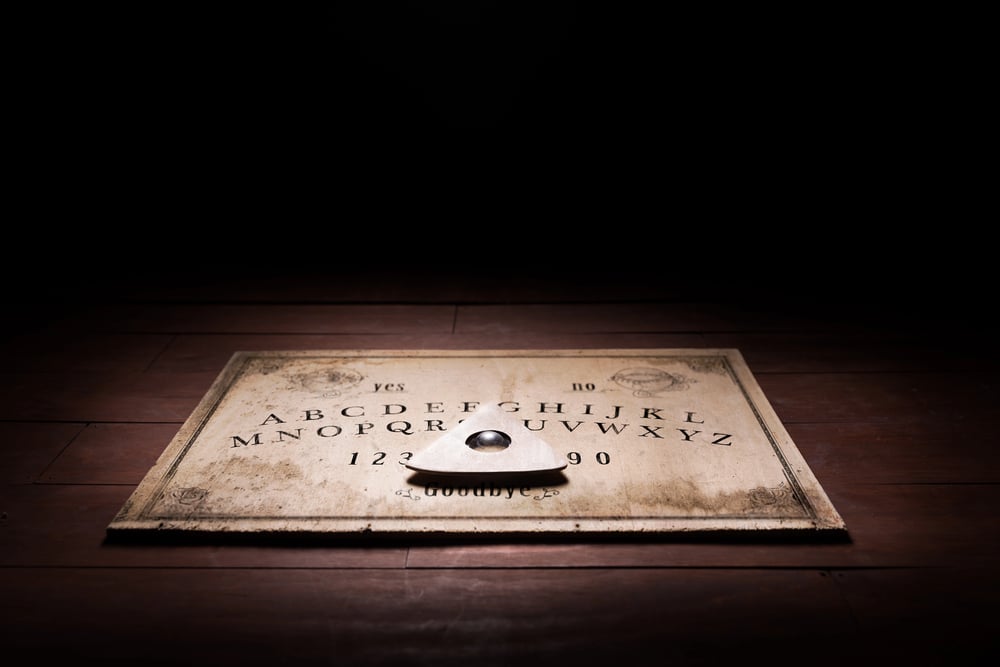
These ‘talking boards’ became a national obsession as Americans sought connections with deceased loved ones, particularly following the massive casualties of World War I and the 1918 influenza pandemic. Mainstream department stores sold thousands of the mysterious boards, which users believed could channel messages from the spirit world. Ouija parties became popular social gatherings where participants would ask questions about their futures or attempt to contact famous historical figures.
Radio Fever
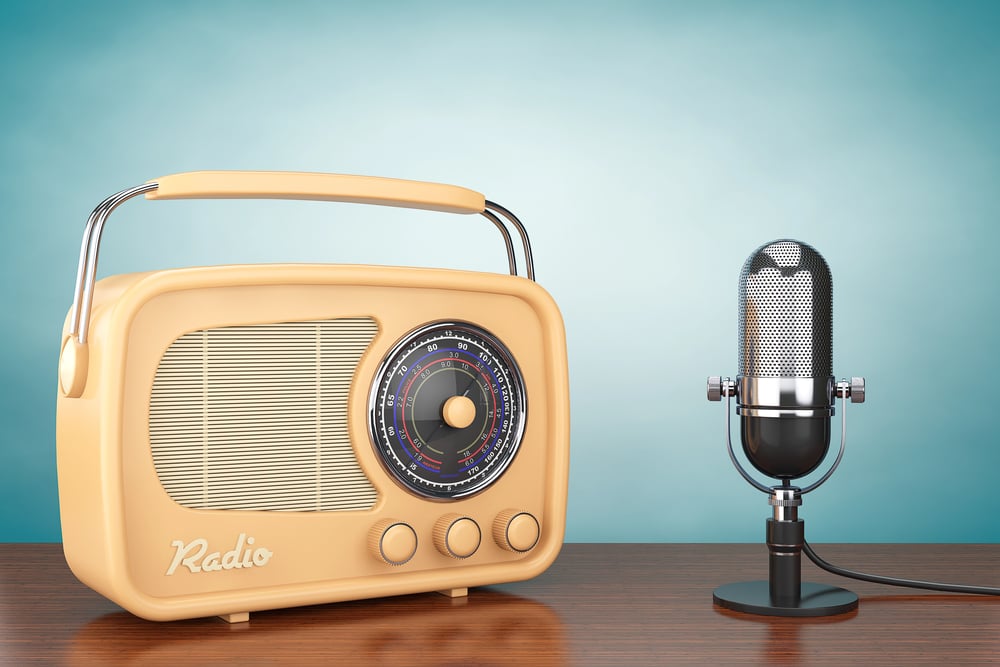
America’s first radio station began broadcasting in 1920, unleashing an unprecedented technological fascination that transformed home entertainment forever. Families gathered around expensive receivers, adjusting finicky dials to catch broadcasts from increasingly distant stations. The medium created the first truly shared national experience as millions simultaneously listened to the same sporting events, presidential speeches, and entertainment programs.
The Echoes of Innovation

These 1920s fads reveal a nation testing boundaries after the trauma of war and pandemic, embracing new technologies and challenging social norms through sometimes bizarre expressions. While flagpole sitting and goldfish swallowing faded away, many of these crazes laid the groundwork for modern entertainment, communications, and social behaviors. The experimental spirit of the Roaring Twenties continues to inspire today’s viral trends—proving that our fundamental desire for novelty, community participation, and pushing limits remains remarkably unchanged a century later.
More from Go2Tutors!

- The Romanov Crown Jewels and Their Tragic Fate
- 13 Historical Mysteries That Science Still Can’t Solve
- Famous Hoaxes That Fooled the World for Years
- 15 Child Stars with Tragic Adult Lives
- 16 Famous Jewelry Pieces in History
Like Go2Tutors’s content? Follow us on MSN.



