14 Foods People Used to Think Were Dangerous
Throughout history, humans have approached unfamiliar foods with a healthy dose of skepticism. This caution sometimes evolved into outright fear or misconception, resulting in perfectly edible and often nutritious foods being labeled as dangerous or poisonous.
A combination of limited scientific knowledge, cultural superstitions, and occasional genuine concerns created food taboos that persisted for generations. Here is a list of 14 foods that were once considered dangerous but are now regular parts of our diet.
These culinary transformations reveal how deeply our understanding of food safety has evolved over the centuries.
Tomatoes
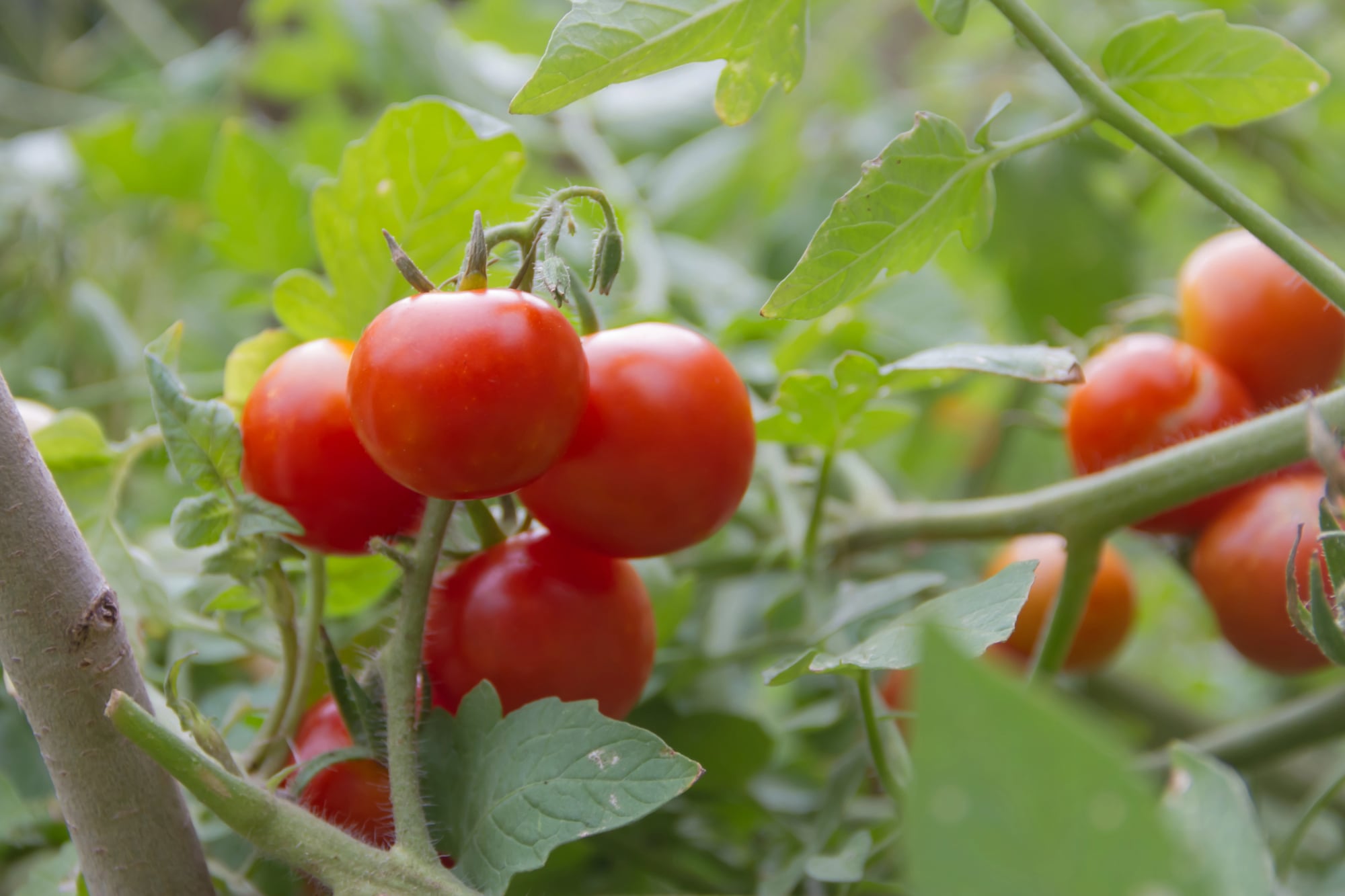
The bright red fruit we liberally add to salads and pasta dishes was once considered deadly in Europe and North America. This fear stemmed partly from their membership in the nightshade family, which includes some genuinely toxic plants.
The real problem, however, was often the pewter plates that wealthy Europeans ate from. The acidity in tomatoes would cause lead to leach out of these plates, resulting in lead poisoning. The tomatoes themselves took the blame, creating a stigma that lasted until the late 1800s when pizza helped rehabilitate their reputation.
Potatoes

Like tomatoes, potatoes belong to the nightshade family and were initially met with extreme suspicion when introduced to Europe. The tubers contain solanine, a compound that can indeed be toxic in high amounts, especially when potatoes turn green from sun exposure.
Government officials and clergy in several European countries actively campaigned against potato consumption. In France, potatoes were even banned for a time until a clever pharmacist named Antoine-Augustin Parmentier championed their safety through elaborate publicity stunts, including potato-themed dinners for aristocrats.
Mushrooms
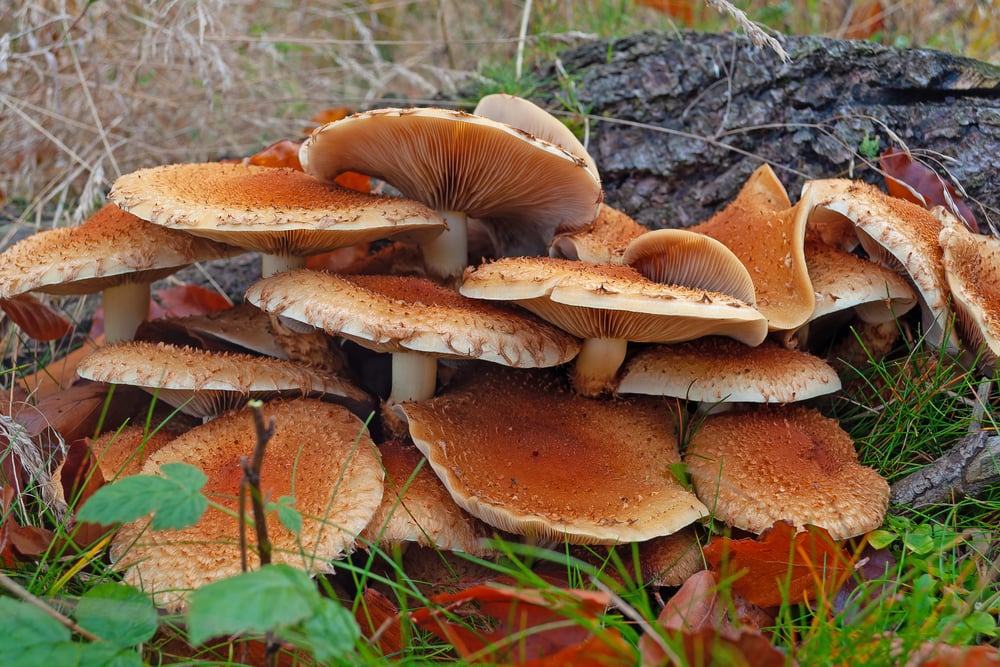
The fear of mushrooms has ancient roots and sensible origins. With poisonous and edible varieties often looking remarkably similar, early humans learned to approach these fungi with extreme caution.
In ancient Rome, mushroom poisoning was so common that the term for mushroom became synonymous with “poison” in some contexts. Even today, mushroom foraging requires expert knowledge, as consuming the wrong variety can lead to severe illness or death. This lingering wariness explains why cultivated mushrooms took so long to gain widespread acceptance in many food cultures.
Eggplant

This purple vegetable was once dubbed the “mad apple” or mala insana in Italy because people believed eating it would cause insanity. As another member of the nightshade family, eggplants were viewed with particular suspicion throughout Europe.
Some cultures believed they caused fever, epilepsy, and even leprosy. The eggplant’s bitter taste before modern cultivation strengthened these negative associations. It wasn’t until selective breeding produced less bitter varieties and cooking methods improved that eggplant became the culinary staple we know today.
Rhubarb
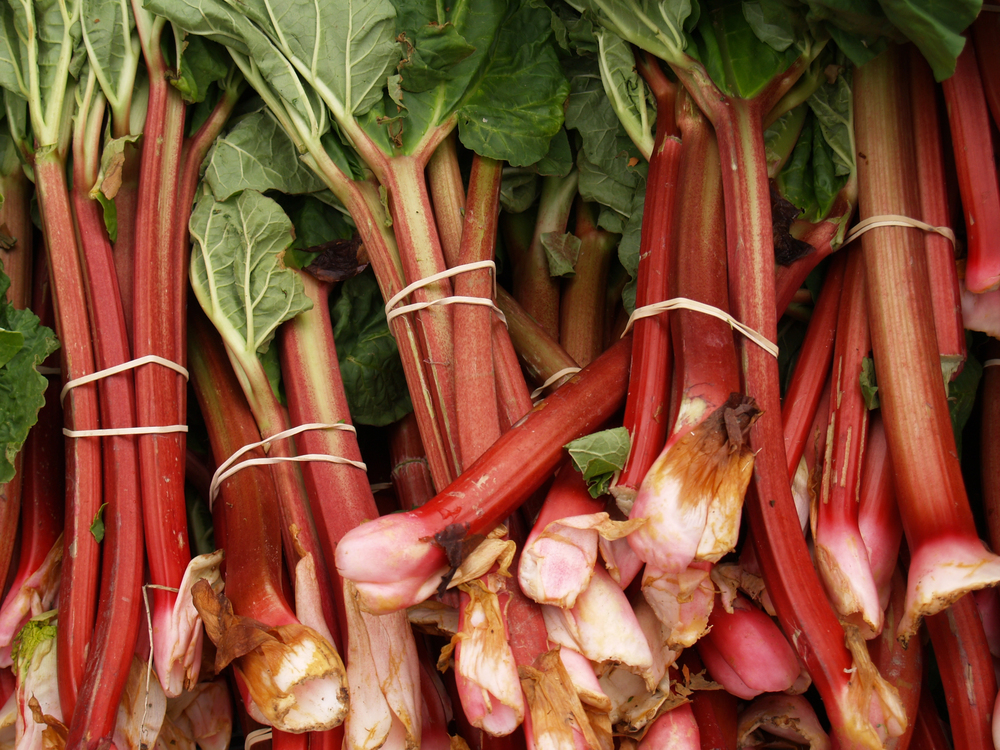
While rhubarb stalks make delicious pies and jams, the leaves contain dangerously high levels of oxalic acid, which can cause kidney failure. This partial toxicity led to confusion about whether the entire plant was poisonous.
During World War I, people facing food shortages were encouraged to eat rhubarb leaves, resulting in several deaths. This tragic incident reinforced fears about rhubarb until clear education about which parts were safe to eat became widespread. Today, rhubarb stalks are enjoyed for their unique tartness while the leaves are strictly avoided.
Cashews
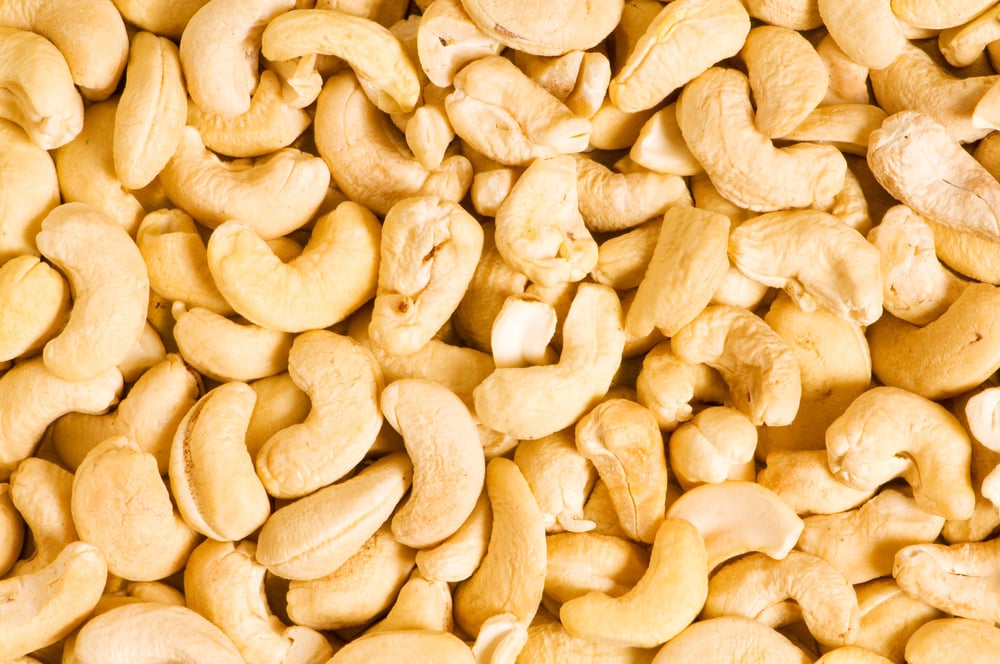
The cashew nuts we casually snack on today come from plants containing urushiol, the same irritating compound found in poison ivy. Raw cashews in their natural state can cause severe allergic reactions similar to poison ivy exposure.
What many people don’t realize is that the “raw” cashews sold in stores have actually been steamed to remove these harmful compounds. The presence of urushiol created legitimate fears about cashew consumption that were only overcome through proper processing techniques developed in the early 20th century.
Lobster

Though not considered poisonous, lobster was once thought so unfit for consumption that feeding it to prisoners and servants was considered cruel punishment. Colonial-era Americans viewed these crustaceans as akin to giant sea insects, fit only for fertilizer or poverty food.
Laws in some colonies actually limited how often servants could be fed lobster to prevent mistreatment. The transformation of lobster from reviled bottom-feeder to luxury food represents one of the most dramatic status changes in culinary history, occurring primarily in the late 19th and early 20th centuries.
Apples
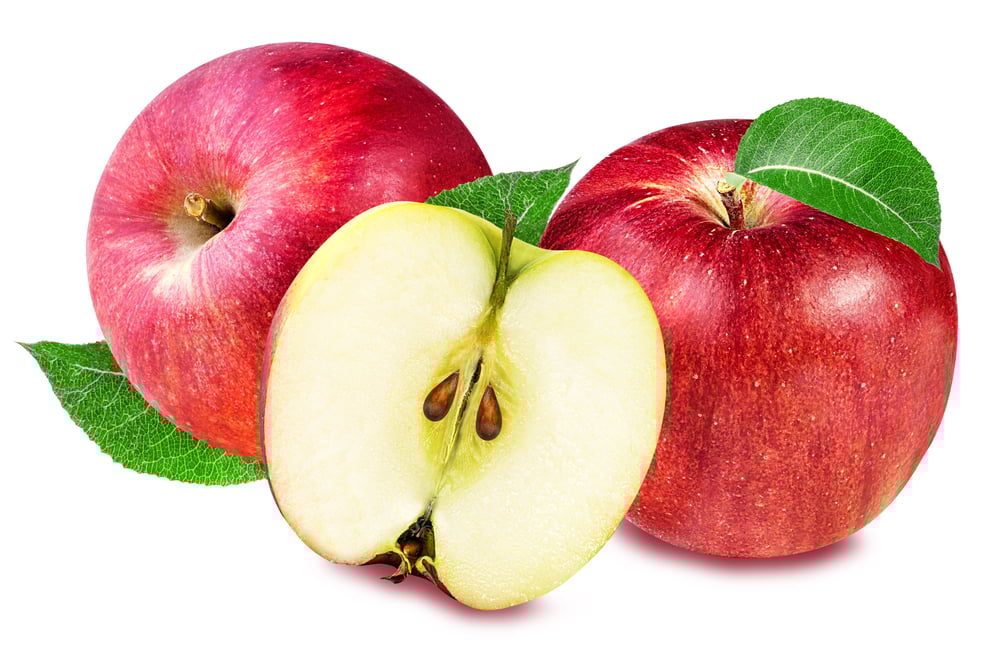
While few considered the flesh dangerous, apple seeds have long provoked concern due to containing amygdalin, a compound that can release small amounts of cyanide when metabolized.
Religious associations also played a role in apple suspicion—the fruit became linked with the biblical forbidden fruit (though the Bible never specifies an apple). Wild apple varieties, which could be bitter and unpalatable, further contributed to wariness. Selective cultivation of sweeter, safer varieties and clarification about seed consumption led to apples becoming synonymous with health, eventually inspiring the saying “an apple a day keeps the doctor away.”
Garlic
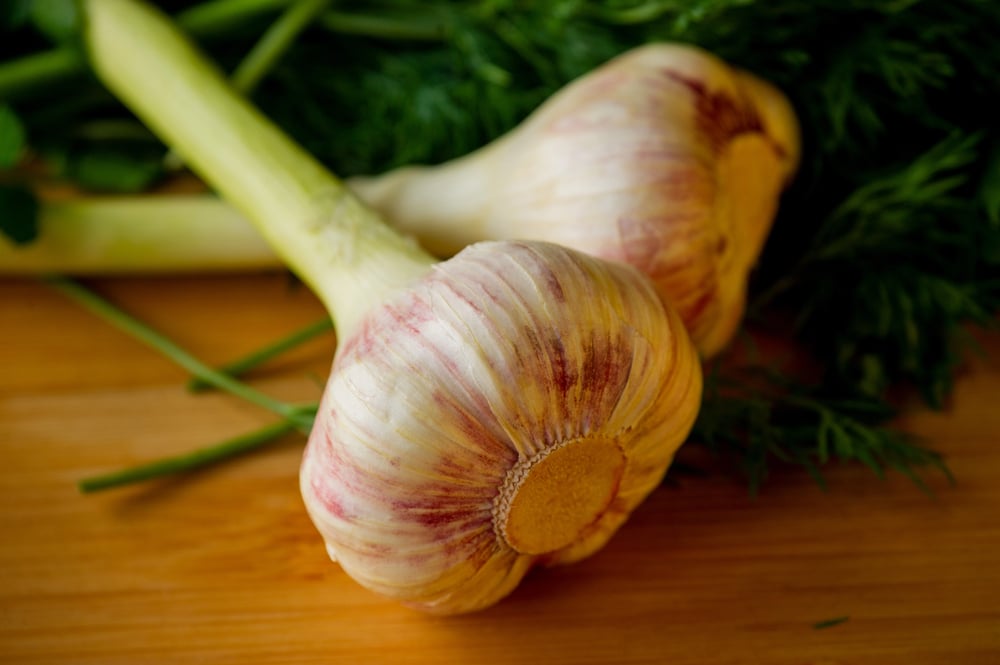
This aromatic bulb was once regarded with deep suspicion in many Western cultures. In medieval Europe, the pungent odor of garlic was associated with disease and lower social classes.
Some cultures believed it caused aggression, headaches, and even internal bleeding. The upper classes particularly avoided garlic due to its strong smell, which was considered vulgar and inappropriate in refined company. Garlic only gradually gained acceptance as its medicinal properties became better understood and cooking techniques evolved to appreciate its flavor complexity.
Kidney Beans
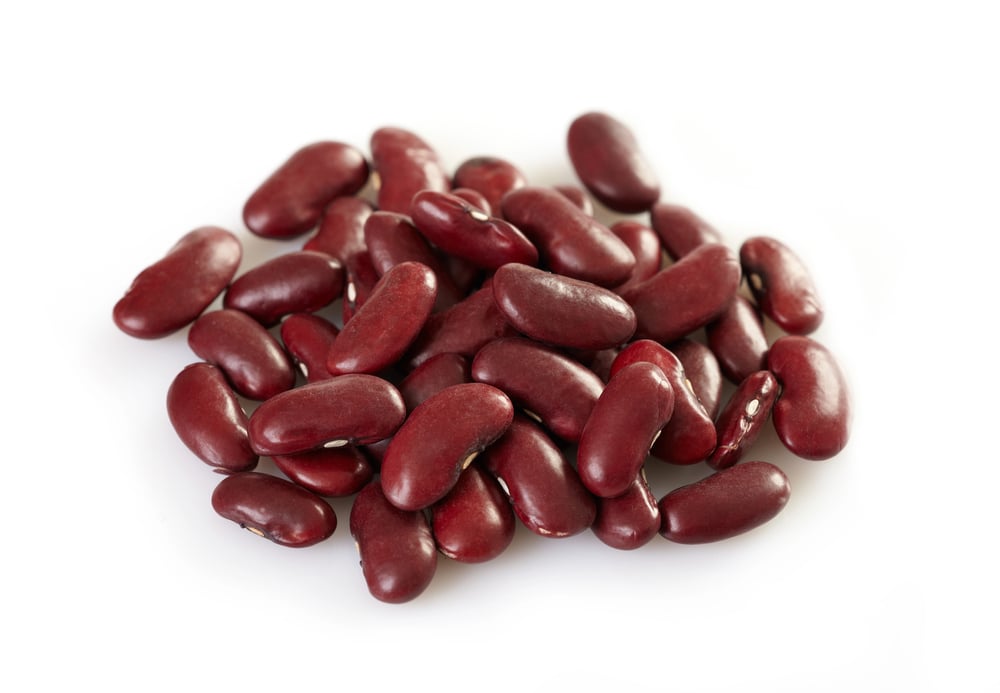
These protein-packed legumes caused justified concern due to containing phytohemagglutinin, a toxin that can cause severe gastrointestinal distress if the beans are undercooked.
Before widespread education about proper preparation, incidents of “bean poisoning” reinforced fears about kidney beans. The discovery that thorough soaking and proper cooking completely neutralize the dangerous compounds eventually allowed kidney beans to become a dietary staple. Even today, food safety experts emphasize the importance of never eating raw or undercooked kidney beans.
Avocados

While beloved in modern diets, avocados were approached cautiously by early European explorers. Their name comes from the Aztec word ahuacatl, which also referred to a certain male body part, creating associations that made some cultures uncomfortable.
More significantly, the leaves, bark, and pit of the avocado plant contain persin, a fungicidal toxin harmful to some animals. Confusion about which parts were edible led to generalized concern about the fruit. Only as cultivation spread and culinary applications expanded did avocados shed their suspicious reputation.
Tuna

Dark meat tuna varieties like yellowfin and skipjack were once derided as “junk fish” in America, where preferences favored lighter fish meat. Fishermen would often discard these fish as undesirable.
The perception dramatically shifted during food shortages of World War I and the Great Depression. Clever marketing renamed tuna “chicken of the sea,” positioning it as an affordable protein alternative. This rebranding, combined with improved canning techniques, transformed tuna from avoided to America’s most widely consumed fish, demonstrating how economic necessity can overcome food prejudices.
Oatmeal
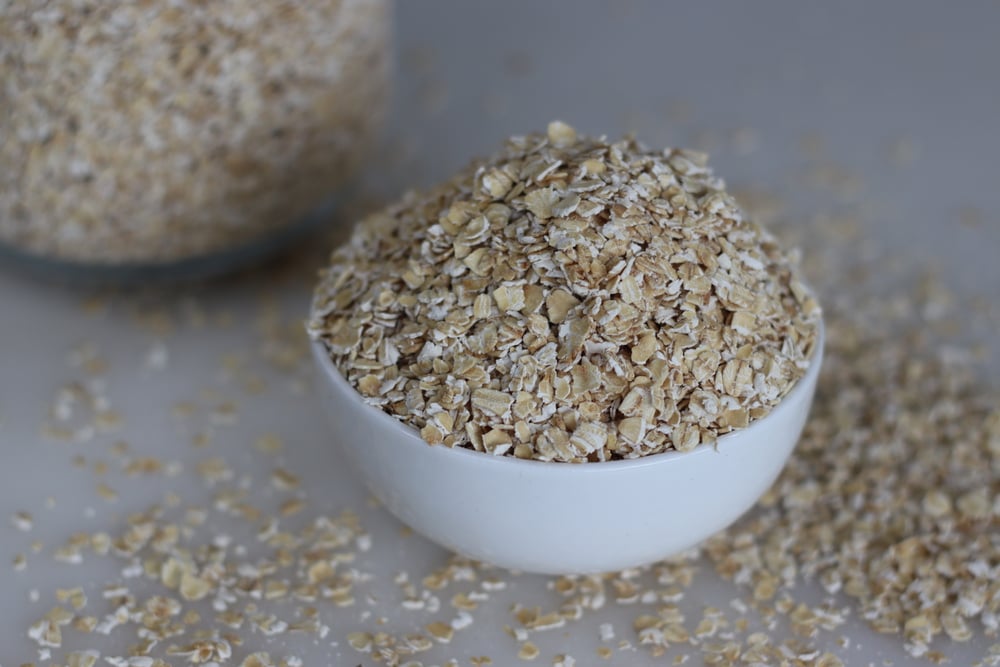
Before becoming a breakfast staple, oats were considered unfit for human consumption in many Western cultures. Europeans generally viewed oats as animal feed, with Samuel Johnson’s dictionary famously defining oats as “a grain which in England is generally given to horses, but in Scotland supports the people.”
German immigrant Ferdinand Schumacher helped change American perceptions in the 19th century by marketing ground oats as a breakfast alternative. The Civil War further boosted oatmeal’s reputation when Union soldiers reported favorably on its nutritional benefits, permanently elevating its status from livestock feed to human food.
Chocolate

When chocolate first arrived in Europe from the Americas in the 16th century, it was viewed with suspicion by religious authorities. Some Catholic leaders debated whether chocolate consumption broke fasting rules, while others worried about its supposed aphrodisiac properties.
Medical authorities claimed chocolate caused everything from weight gain to inflammation and nightmares. The notion that chocolate was inherently unhealthy persisted for centuries, with chocolate only gradually transforming from suspected vice to accepted treat as manufacturing processes improved and cultural attitudes relaxed.
Culinary Evolution Through Understanding
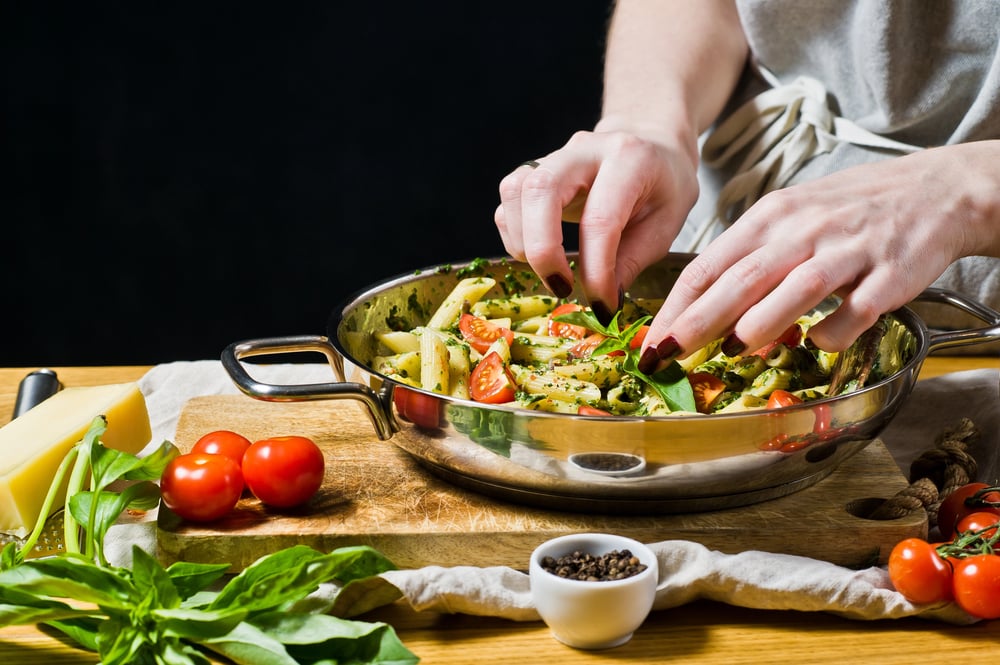
The journey of these foods from feared to favored tells us much about human relationships with nutrition and safety. Many food fears stemmed from genuine concerns, while others arose from cultural misunderstandings or scientific limitations.
The transformation of these ingredients into everyday staples demonstrates our evolving understanding of food chemistry, preparation techniques, and nutritional science. As our knowledge continues to grow, we may find that today’s food controversies will seem just as curious to future generations as these historical misconceptions seem to us now.
More from Go2Tutors!

- The Romanov Crown Jewels and Their Tragic Fate
- 13 Historical Mysteries That Science Still Can’t Solve
- Famous Hoaxes That Fooled the World for Years
- 15 Child Stars with Tragic Adult Lives
- 16 Famous Jewelry Pieces in History
Like Go2Tutors’s content? Follow us on MSN.



