12 Things Sold in the 80s That Are Now Illegal
Big hair, fluorescent colors, and unexpectedly hazardous consumer goods were all popular during the 1980s. Many products that were widely available on store shelves in those days have subsequently been outlawed because of safety issues, negative effects on the environment, or shifting societal norms.
Let’s travel back in time to examine these 12 once-popular goods that are now illegal to buy. It will be both nostalgic and sobering.
Lawn Darts

Perhaps the most infamous banned toy of the era, lawn darts (often called “Jarts”) featured weighted metal tips that could penetrate the ground—and unfortunately, sometimes people. These oversized darts were marketed as a family backyard game until 1988, when they were banned after causing thousands of injuries and several deaths.
The death of a young California girl in 1987 prompted her father to launch a successful campaign that led to their complete ban in the United States and Canada.
MDMA as Therapeutic Treatment

In the early part of the decade, MDMA was still legal and used by some psychiatrists as a psychotherapeutic treatment. The substance gained popularity in recreational settings for its euphoric effects before the DEA classified it as a Schedule I drug.
By 1985, MDMA was banned entirely, with claims it had no accepted medical use, despite its early promise in controlled therapeutic settings.
Leaded Gasoline

During this era, the gasoline most drivers pumped into their cars still contained lead additives. These compounds improved engine performance but were increasingly linked to serious health concerns.
Leaded gas wasn’t fully phased out in the United States until 1996. Today, we know even small amounts of lead exposure can cause neurological damage, especially in children.
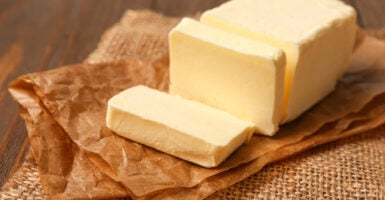
Raw Milk

Unpasteurized milk was readily available in many places during this time and was often promoted for its richer taste and natural benefits. However, growing links to foodborne illnesses began to raise red flags.
By the late ’80s, regulations tightened, with California leading the way in 1987. Today, many states ban or strictly regulate its sale to protect public health.
Unregulated Dietary Supplements

In this era, dietary supplements were sold with minimal oversight, and health claims often went unchecked. Labels promised everything from miracle weight loss to enhanced immunity.
It wasn’t until the 1990s that tighter laws were passed. The 1994 Dietary Supplement Health and Education Act introduced more structure and accountability in the supplement market.
Four Loko
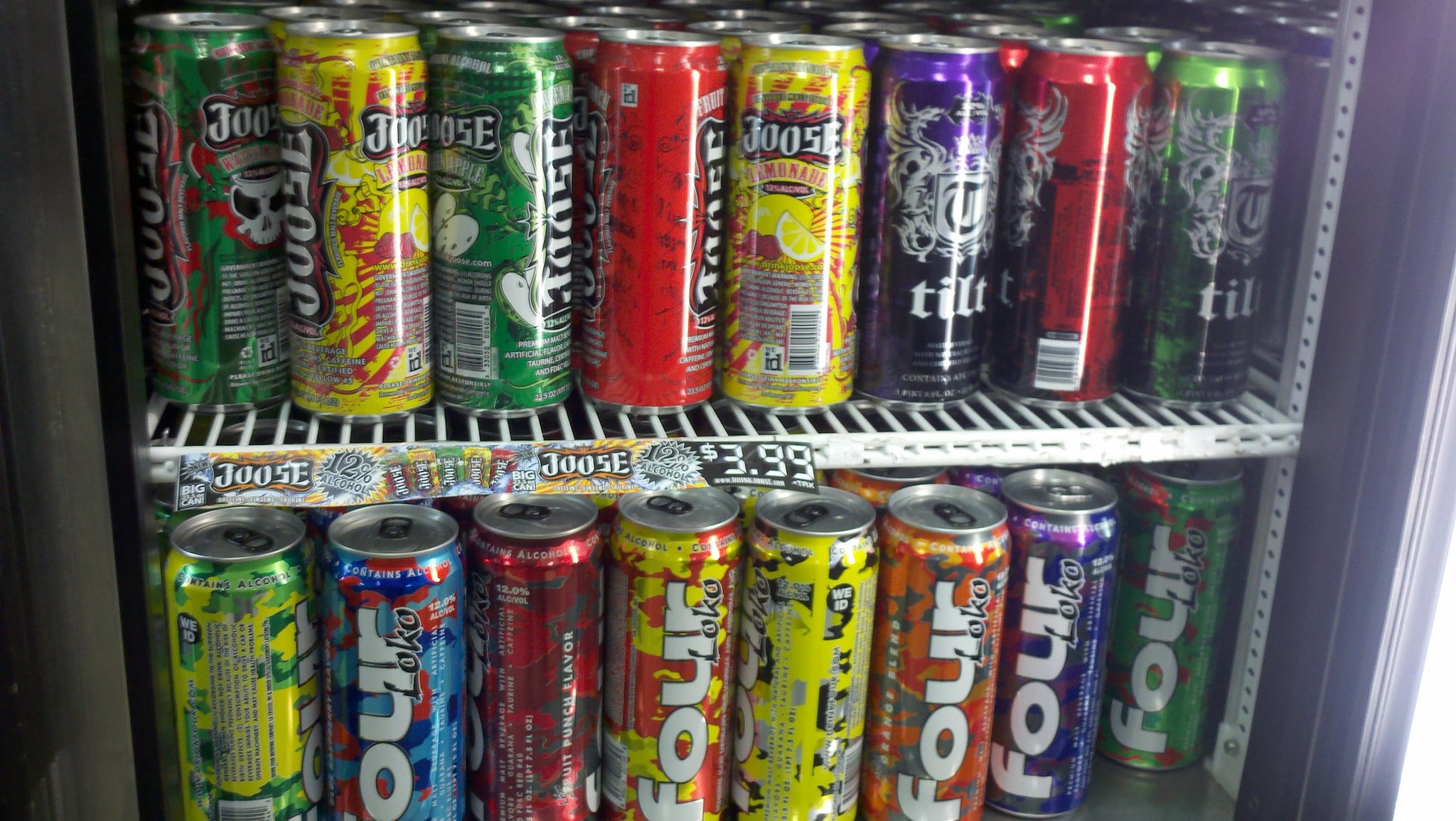
This potent drink originally combined caffeine and alcohol, a mix that became popular among young adults. The high-energy buzz masked the effects of intoxication, leading to numerous hospitalizations.
Though it gained popularity later, its formula was eventually banned by the FDA in 2010. The version sold today no longer contains caffeine.
Children’s Books with Lead Paint
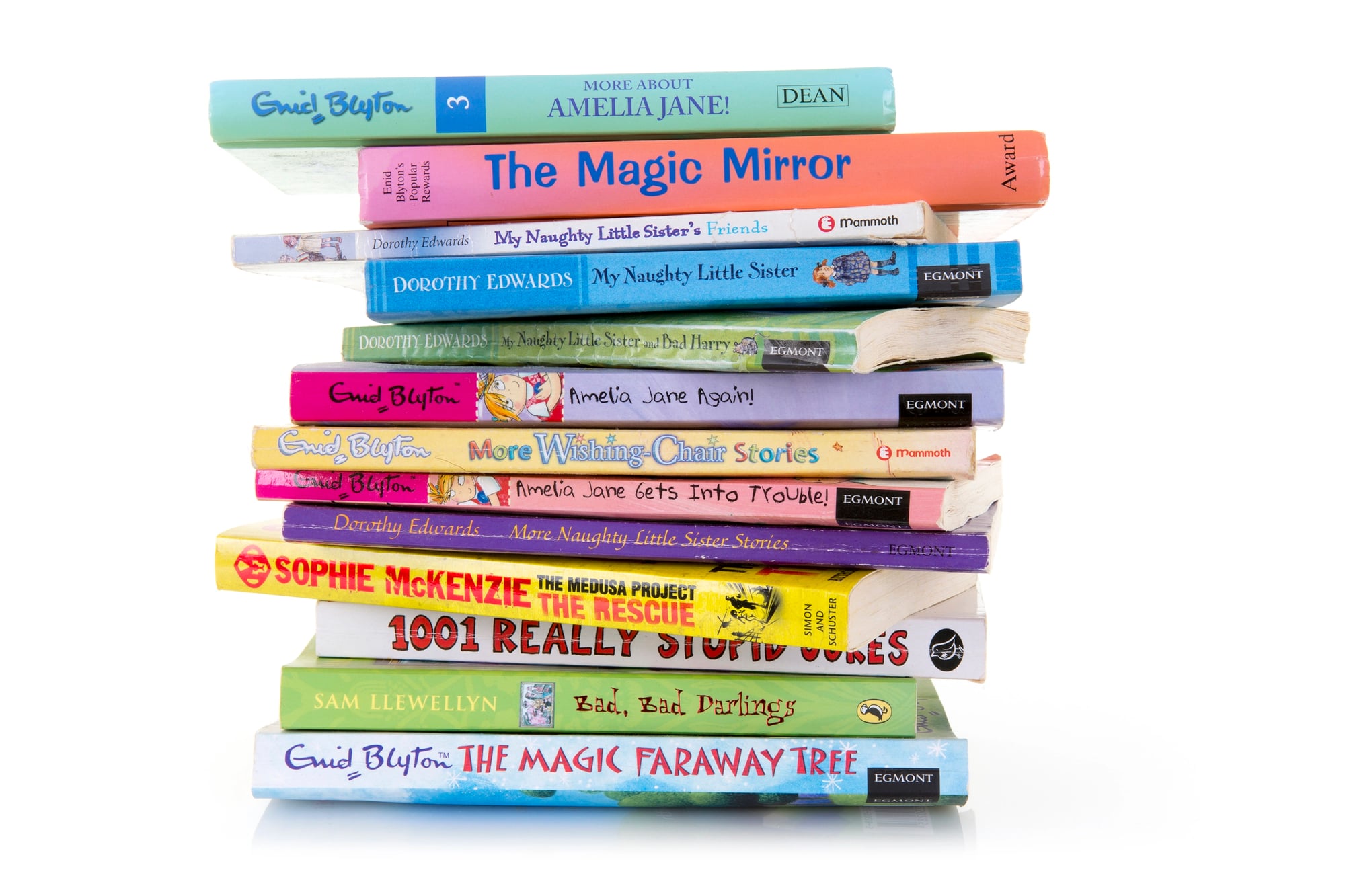
Books printed before the mid-1980s often used inks that contained trace amounts of lead. Once studies linked even low lead exposure to developmental issues, concerns rose about their safety.
Some libraries went as far as removing all pre-1985 children’s books from circulation to eliminate any risk of exposure.
Redfish
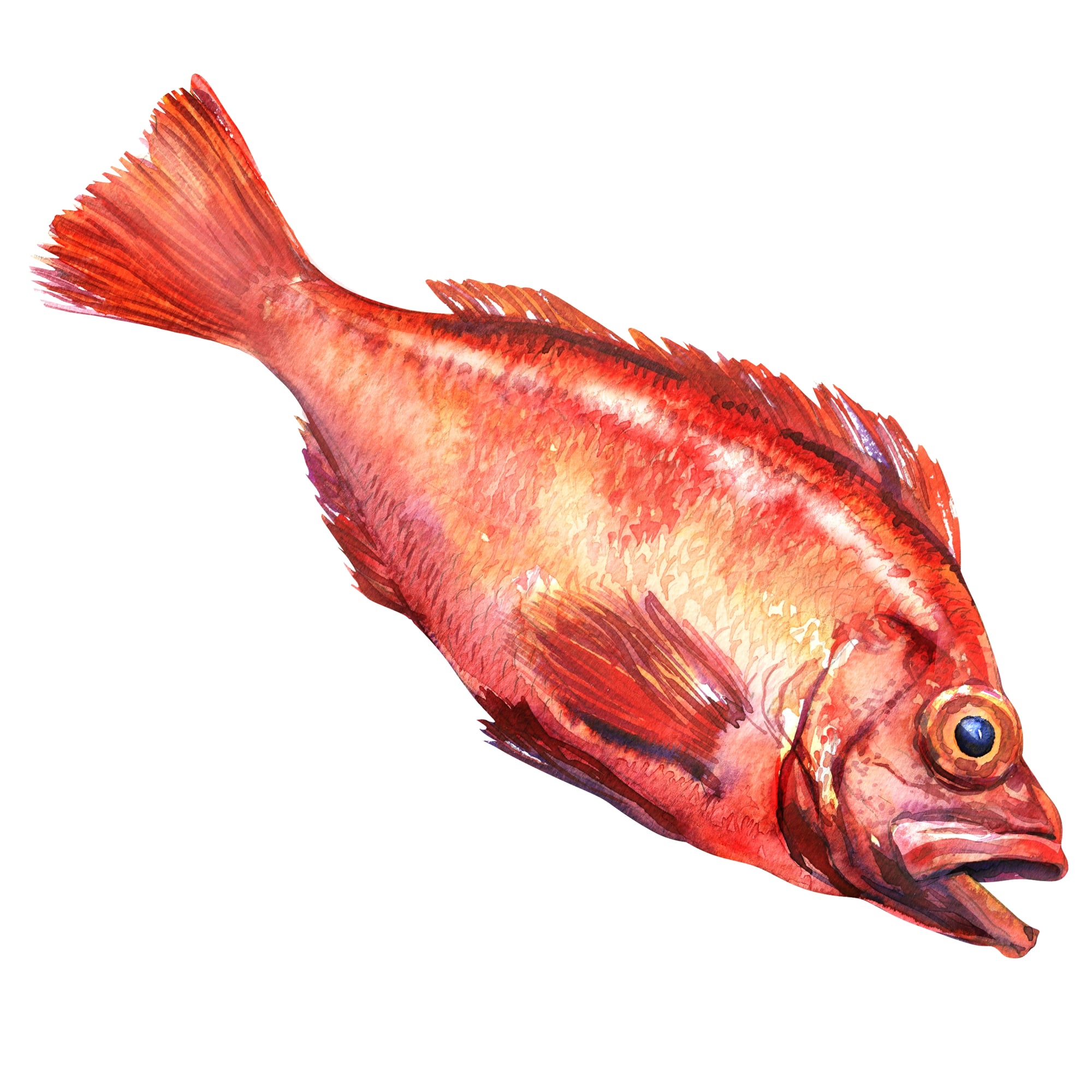
The popularity of Cajun cuisine, especially blackened redfish, caused a boom in demand. This led to significant overfishing and a steep decline in redfish populations.
By 1989, commercial fishing of redfish was restricted in many Gulf states. Eventually, the species was designated a protected game fish to help its numbers recover.
Bleached Flour
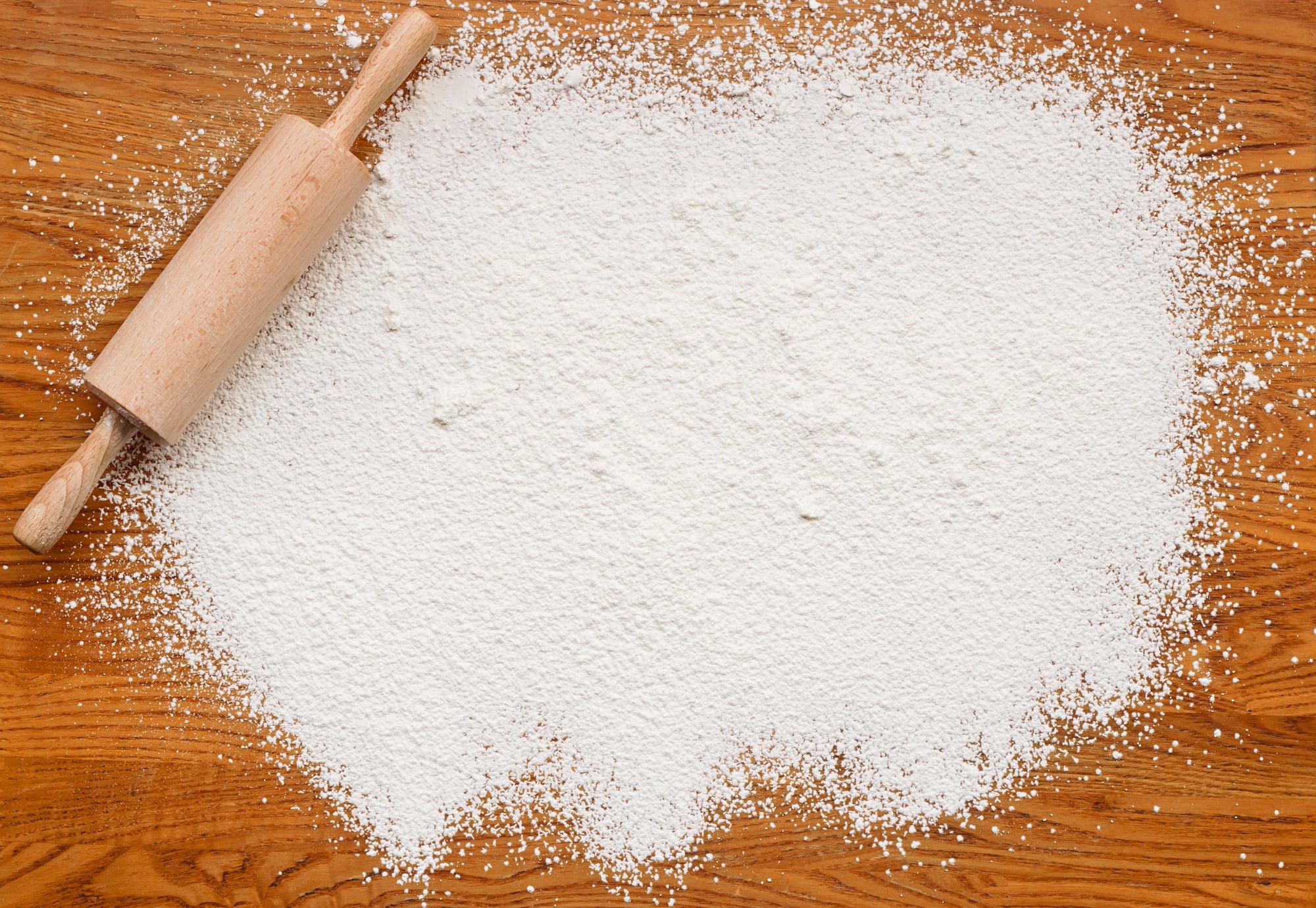
While still sold in the US, some countries banned bleached flour over concerns about the chemicals used in the whitening process. These included agents like benzoyl peroxide and chlorine gas.
These ingredients were linked to possible health risks, and by the end of the decade, several nations had taken steps to restrict or eliminate their use.
High-Powered Magnets as Toys

Magnetic toy sets made with strong rare-earth magnets were marketed as both stress-relievers and building kits. But when swallowed, the magnets could attract inside the body, leading to internal injuries.
Though not immediately banned in the 1980s, awareness grew over time. By the 2000s, these sets faced significant recalls and restrictions, especially in children’s products.
Certain Artificial Food Dyes

Colorful cereals, candies, and drinks of the decade often contained synthetic dyes like Red 40 and Yellow 5. While still allowed in the US, they’ve been banned or restricted elsewhere.
Concerns range from allergic reactions to behavioral effects in children. The European Union requires warning labels, and some dyes have been phased out entirely.
Ozone-Depleting Aerosols
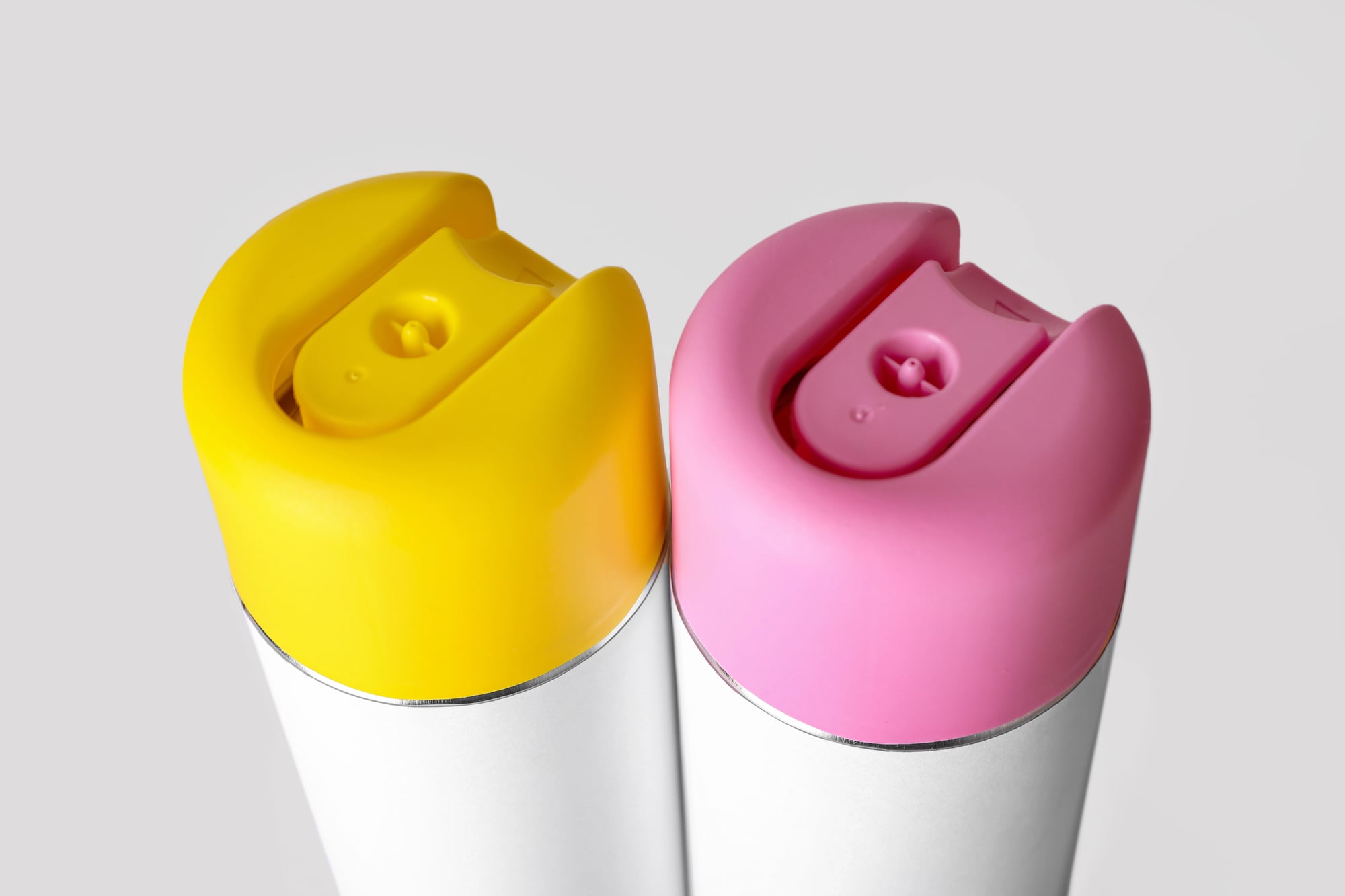
Spray cans once relied on chlorofluorocarbons as propellants. These compounds were later found to damage the Earth’s ozone layer, increasing risks like skin cancer.
The Montreal Protocol of 1987 marked a turning point, initiating a global phase-out of CFCs. Today, these aerosols are no longer sold in their original forms.
From Everyday to Extinct
These now-banned goods remind us how much our understanding of health, safety, and the environment has evolved. Items once found in nearly every home are now relics of another time.
As tempting as nostalgia can be, it’s worth remembering that progress often means letting go of the past. Not everything from the ’80s deserves a comeback.
More from Go2Tutors!

- The Romanov Crown Jewels and Their Tragic Fate
- 13 Historical Mysteries That Science Still Can’t Solve
- Famous Hoaxes That Fooled the World for Years
- 15 Child Stars with Tragic Adult Lives
- 16 Famous Jewelry Pieces in History
Like Go2Tutors’s content? Follow us on MSN.