14 Areas Around the World Known as “Ocean Graveyards”
The world’s oceans hold countless secrets beneath their waves, but some areas have earned particularly grim reputations. These stretches of water have claimed so many vessels over the centuries that they’ve become known as maritime graveyards—places where currents, weather, and geography conspire to trap the unwary.
From ancient trade routes to modern shipping lanes, these treacherous waters continue to pose challenges for sailors today. Here is a list of 14 ocean graveyards that have earned their dark reputations through centuries of maritime disasters.
Titanic’s Resting Place
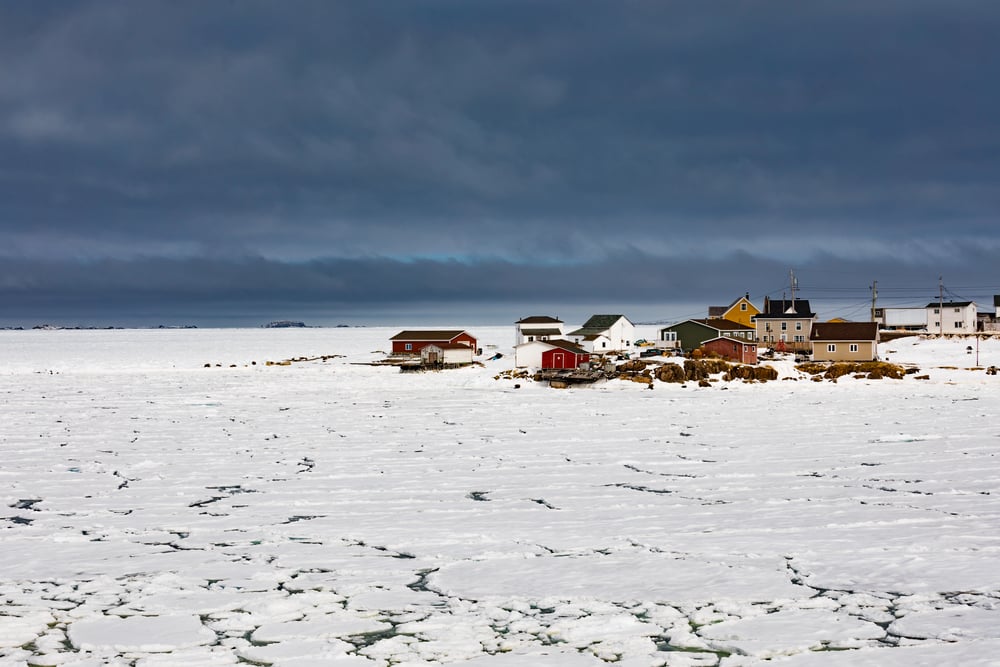
The RMS Titanic perished in 1912 in the North Atlantic near Newfoundland, which is still the most well-known maritime graveyard in history. The region is where the cold Labrador Current and the warm Gulf Stream converge, producing thick fog and transporting icebergs far south of their typical range.
When the ‘unsinkable’ ship collided with an iceberg on its inaugural trip, over 1,500 passengers perished.
Sable Island
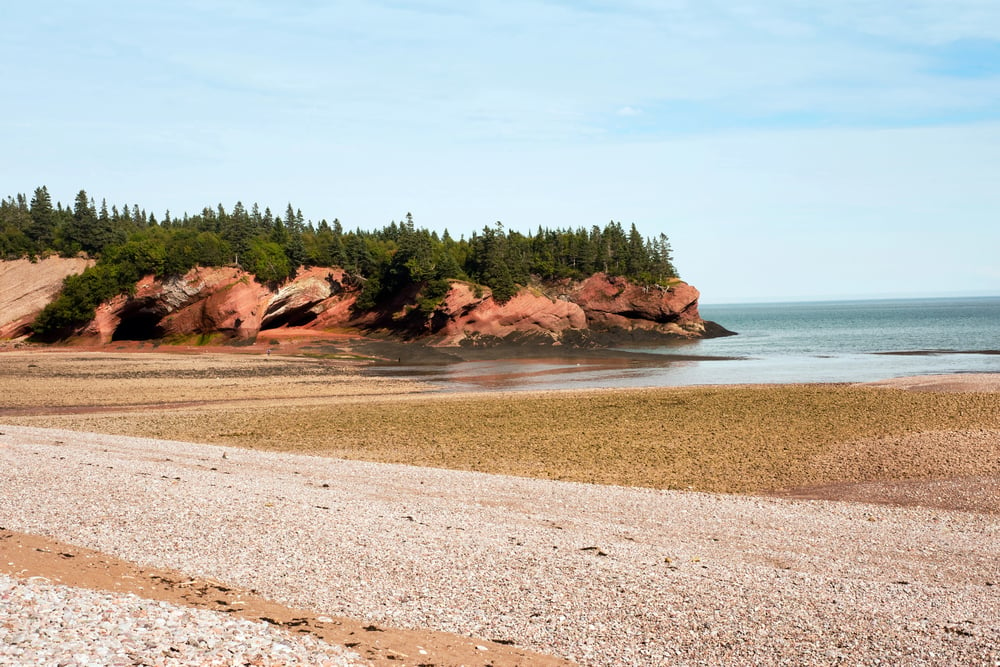
The ‘Graveyard of the Atlantic’ is a fitting moniker for this crescent-shaped sandbar off the coast of Nova Scotia. The island is known for its abrupt fog banks, shifting sandbars, and its location right in the middle of important shipping lanes.
Due to centuries of unreported losses, the true number of wrecks in the waters surrounding Sable Island is probably significantly higher than the 350 that have been officially recorded.
Like Go2Tutors’s content? Follow us on MSN.
Cape Hatteras
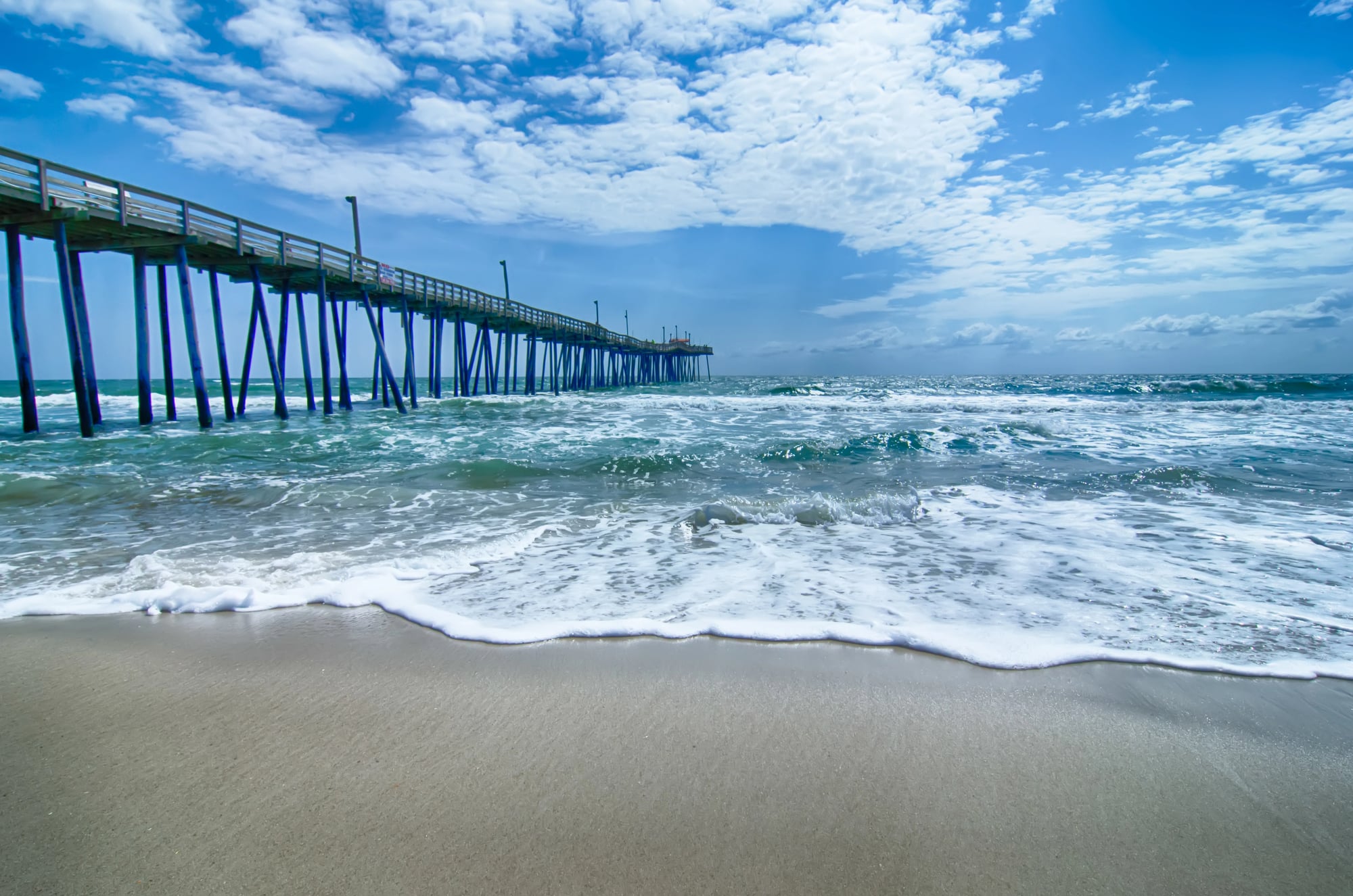
The waters off North Carolina’s Outer Banks have claimed thousands of vessels over the past 400 years. The area where the warm Gulf Stream meets colder coastal waters creates unpredictable conditions, while the Diamond Shoals extend dangerous shallow waters far offshore.
German U-boats during World War II turned these already treacherous waters into a hunting ground, sinking dozens of Allied vessels.
Goodwin Sands
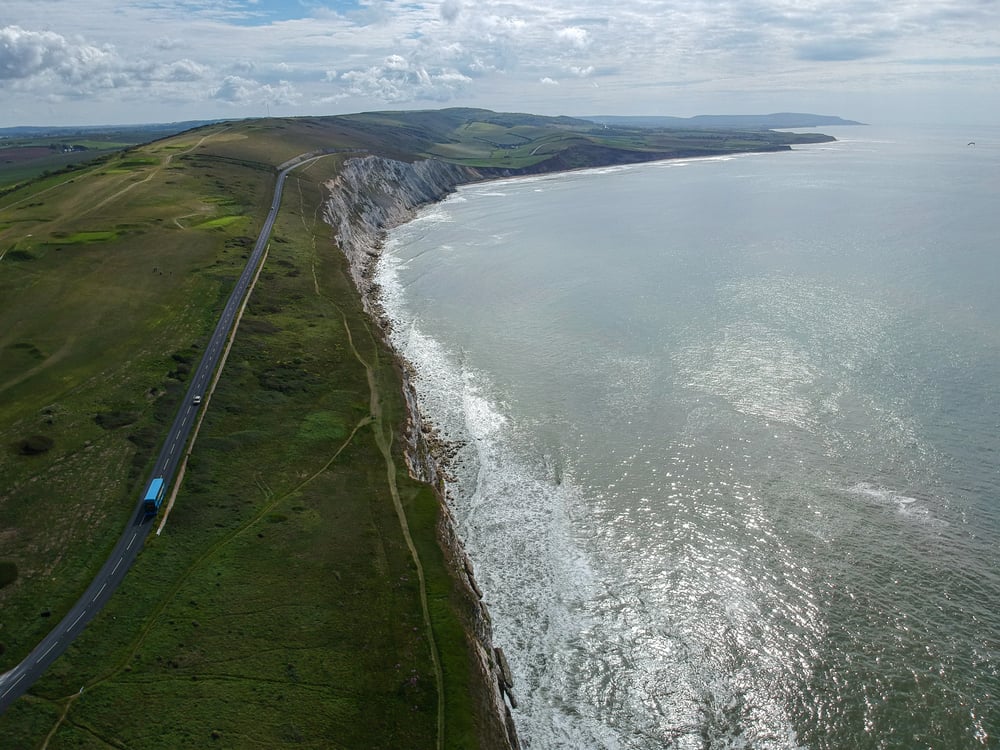
These shifting sandbanks in the English Channel have trapped ships for over a thousand years. The sands appear and disappear with the tides, creating a maze of shallow water that has caught countless vessels off guard.
Local records document more than 2,000 ships lost on the Goodwin Sands, earning it the title ‘Ship Swallower’ among mariners.
Cape Agulhas
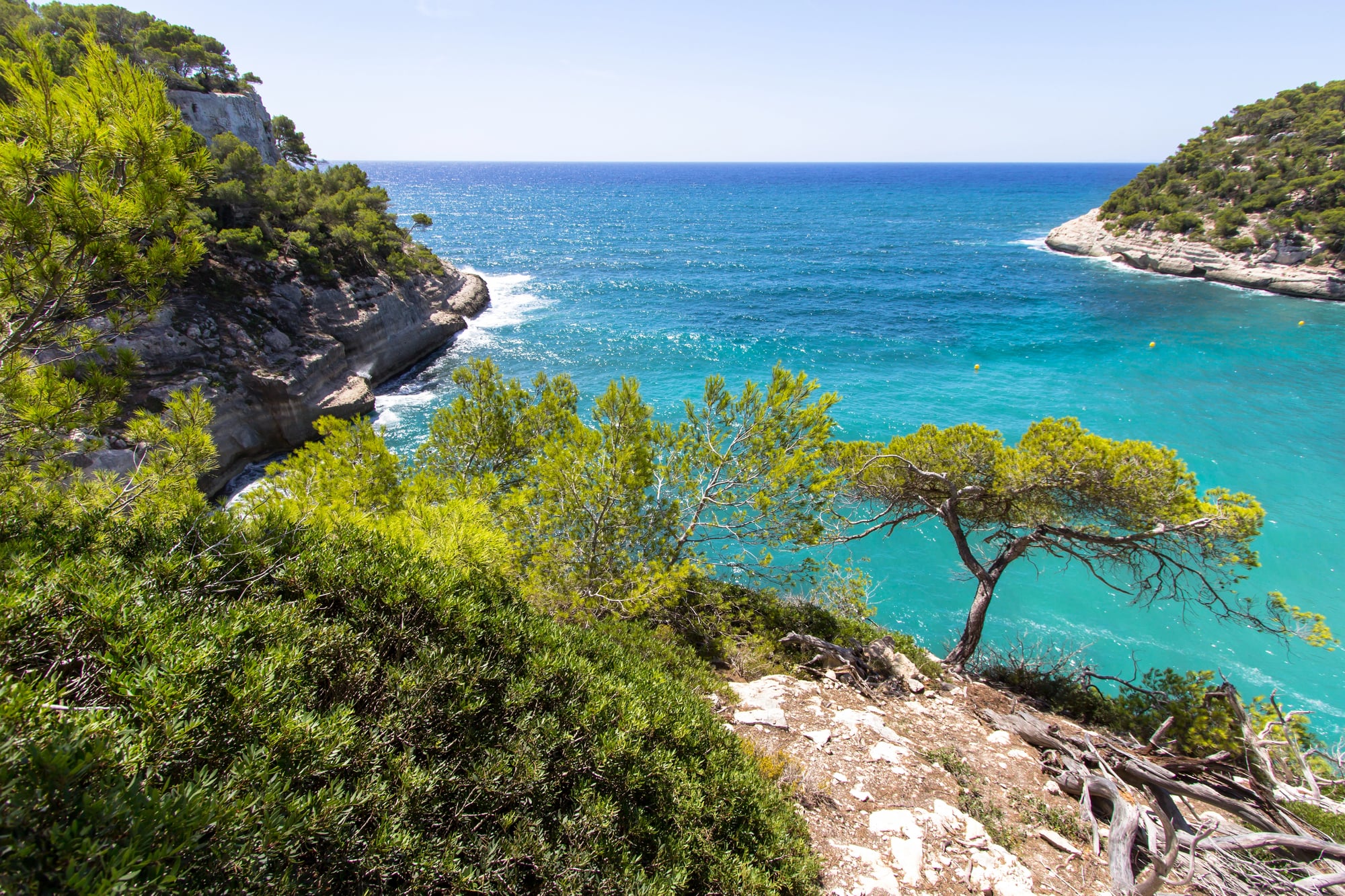
The southernmost tip of Africa marks where the Atlantic and Indian Oceans meet in a collision of currents and weather systems. Strong winds, massive waves, and unpredictable storms have made this area a nightmare for sailors since ancient times.
The rocky coastline and powerful Agulhas Current have claimed hundreds of vessels, including many during the age of exploration.
Like Go2Tutors’s content? Follow us on MSN.
Drake Passage
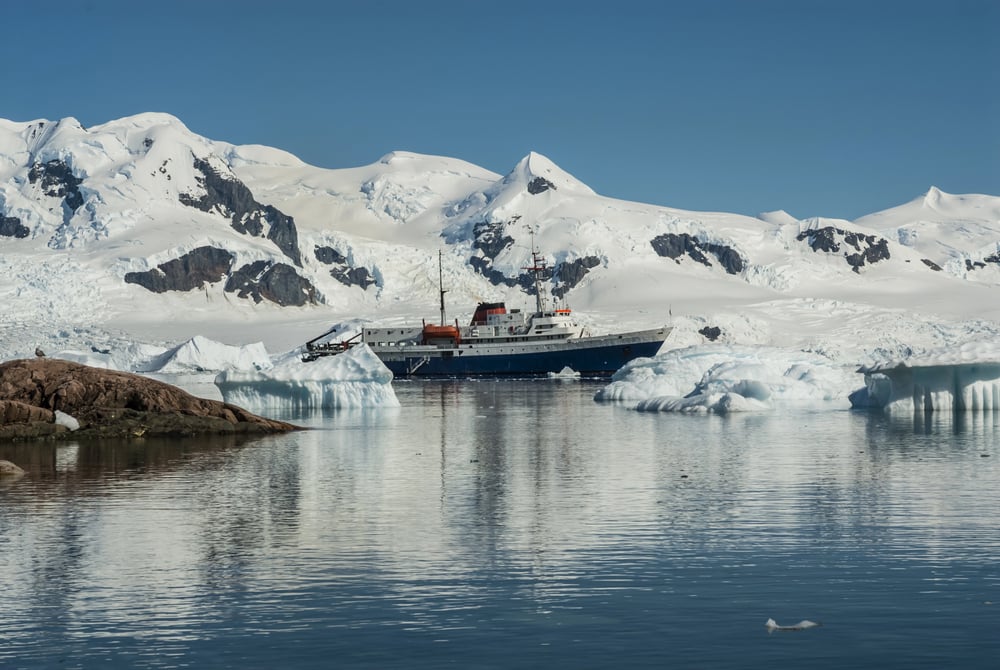
The stretch of water between South America’s Cape Horn and Antarctica represents one of the most challenging passages on Earth. Massive waves, hurricane-force winds, and icebergs create conditions that test even modern vessels.
Hundreds of ships attempting to round Cape Horn never made it through this 500-mile-wide strait, which remains dangerous despite modern navigation technology.
Iron Bottom Sound
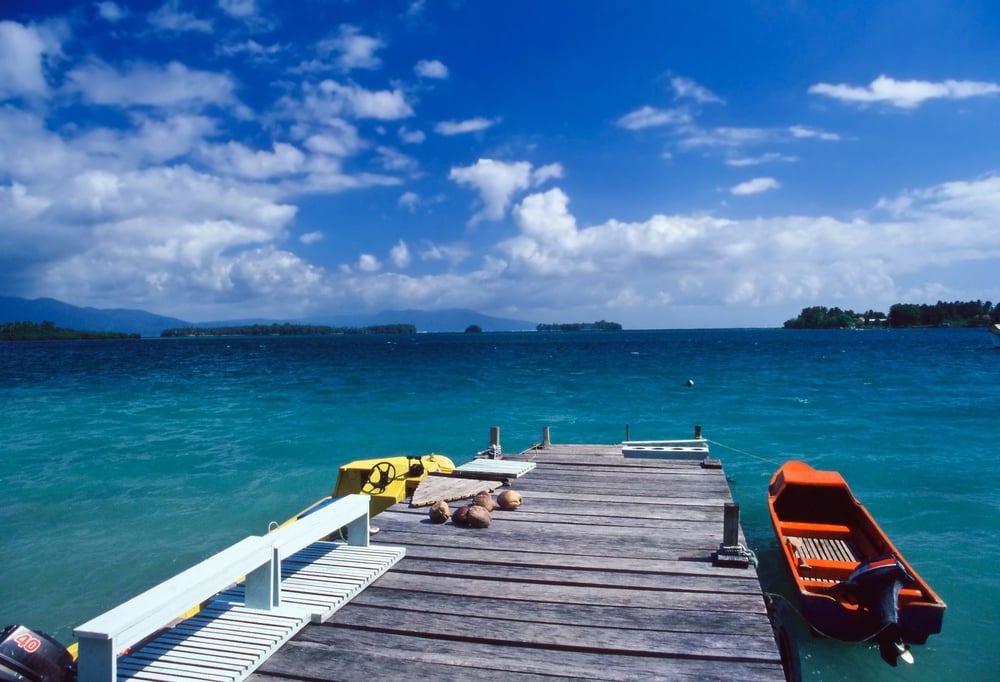
The waters around Guadalcanal in the Solomon Islands became a massive naval graveyard during World War II. Multiple battles between Allied and Japanese forces left dozens of warships scattered across the sea floor.
The area earned its name from the sheer amount of metal resting on the ocean bottom, creating one of the largest concentrations of sunken military vessels anywhere in the world.
Scapa Flow
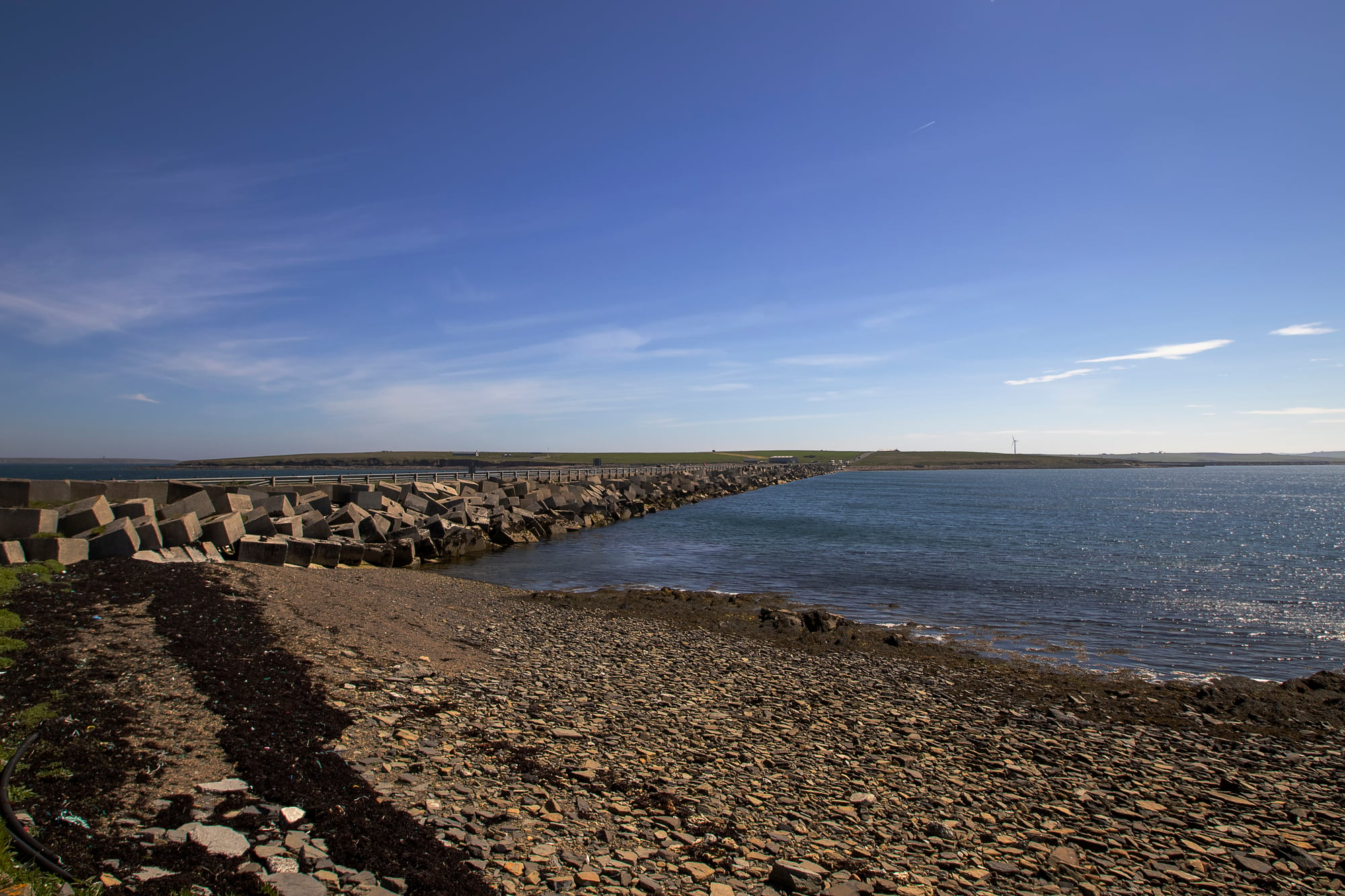
This natural harbor in Scotland’s Orkney Islands became a graveyard by design rather than accident. The German High Seas Fleet scuttled 52 of their warships here in 1919 rather than surrender them after World War I.
While many vessels were later raised for scrap, several massive battleships still rest on the bottom, creating an underwater museum of naval history.
Like Go2Tutors’s content? Follow us on MSN.
Michigan Triangle
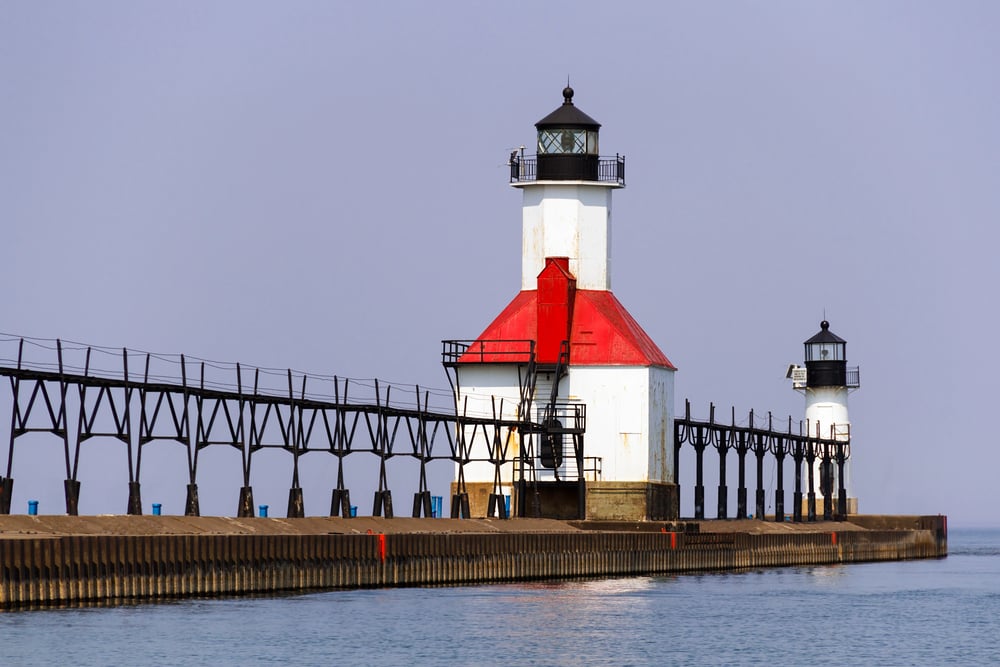
Lake Michigan’s southeastern portion has earned an ominous reputation among Great Lakes sailors. The area between Michigan and Wisconsin has claimed numerous vessels due to sudden storms that can generate waves over 20 feet high.
The confined waters of the Great Lakes can turn deadly quickly, with little room for ships to maneuver away from dangerous weather.
Graveyard of the Pacific
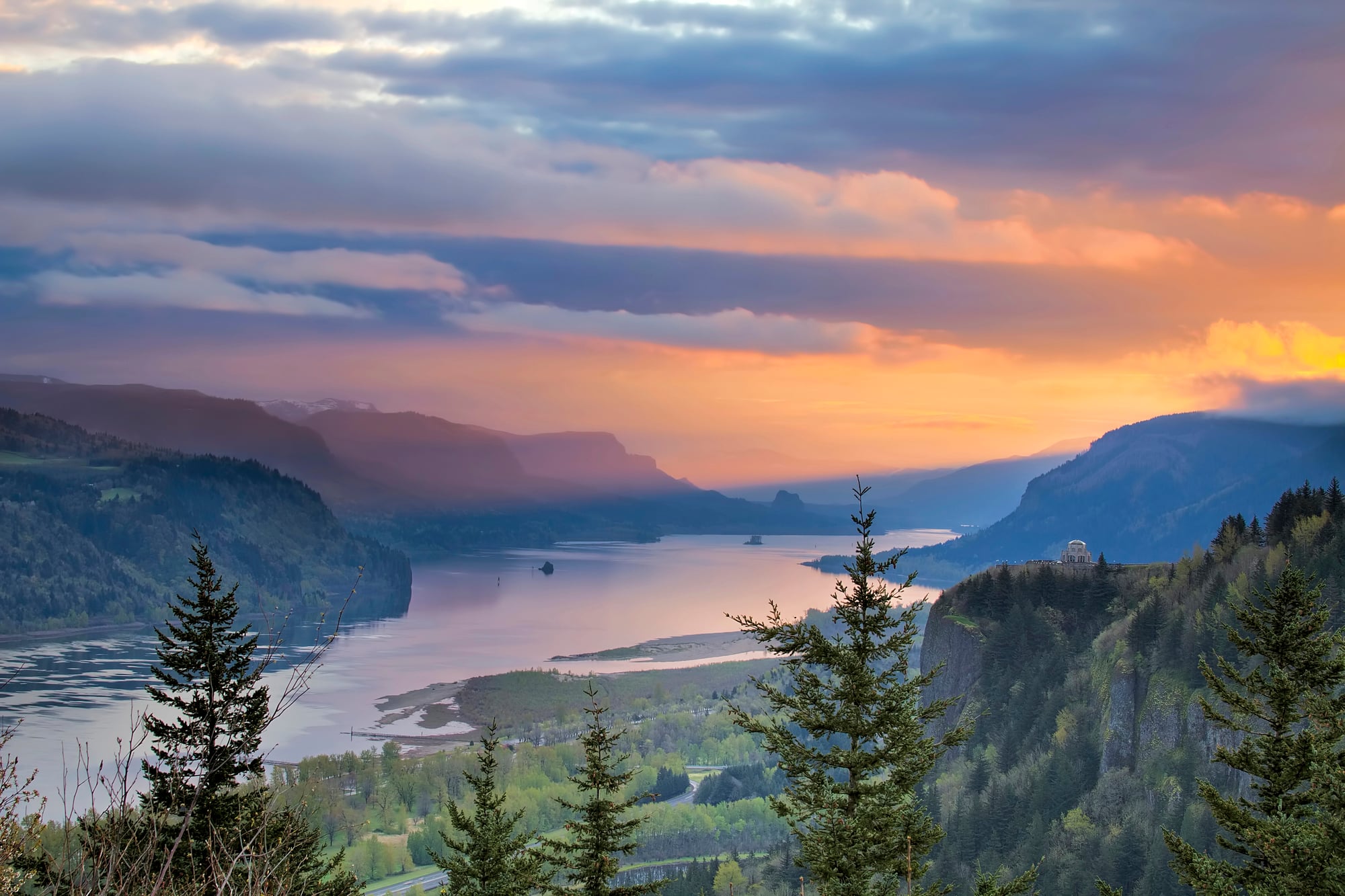
The mouth of the Columbia River between Oregon and Washington has destroyed more than 2,000 vessels since the 1790s. The treacherous Columbia River Bar combines powerful river currents with ocean swells, creating constantly shifting sandbars and unpredictable conditions.
Even today, with modern navigation aids and Coast Guard assistance, this entrance remains one of the most dangerous river mouths in the world.
Pentland Firth
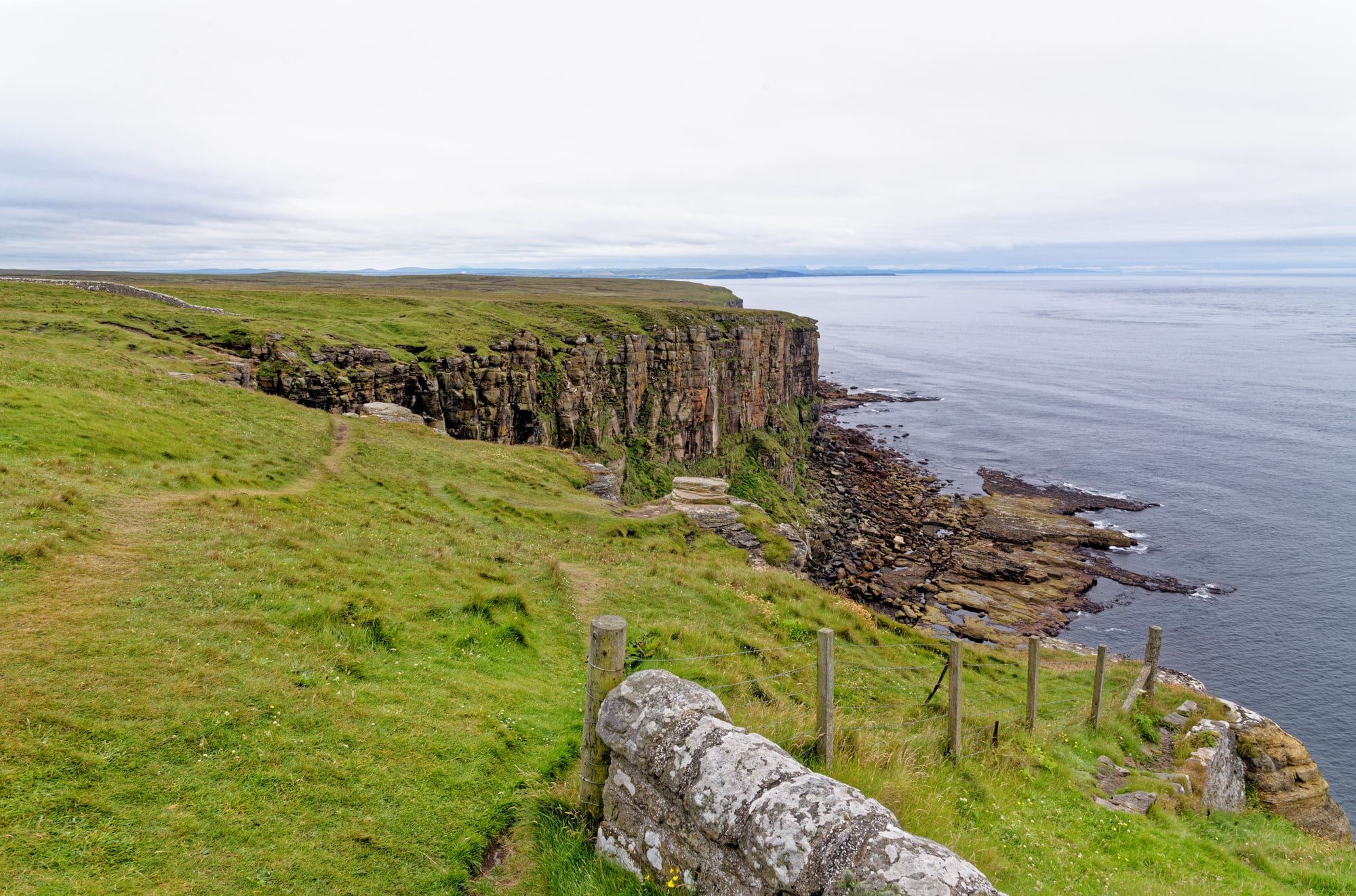
The narrow strait between mainland Scotland and the Orkney Islands funnels massive tidal flows through a confined space. These waters can reach speeds of 10 knots, creating whirlpools and standing waves that have overwhelmed countless vessels.
The combination of extreme tides, rocky islands, and violent weather makes this one of the most challenging passages in European waters.
Like Go2Tutors’s content? Follow us on MSN.
Bass Strait
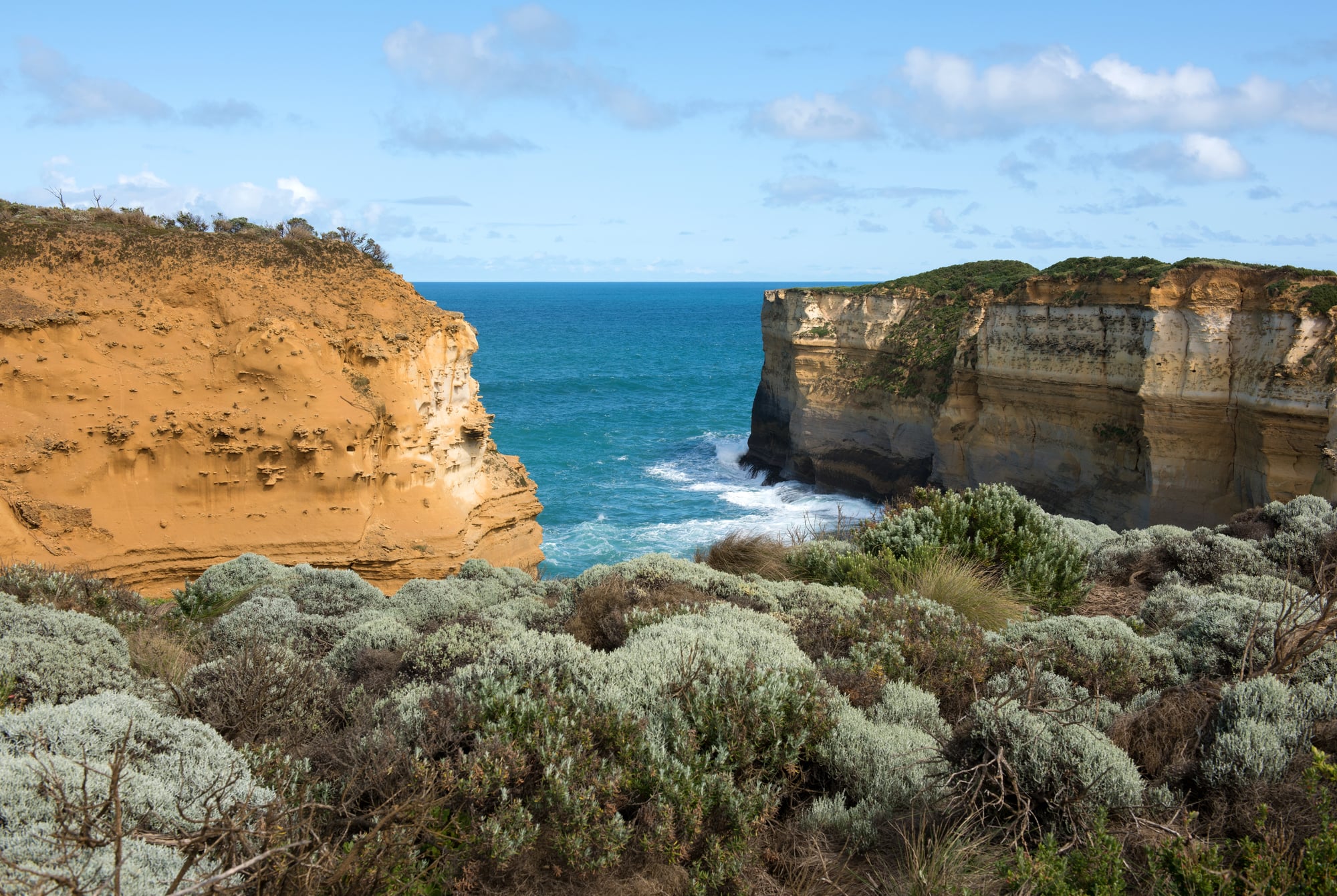
The body of water separating mainland Australia from Tasmania has earned a fearsome reputation among mariners. The strait acts like a wind tunnel, amplifying storms and creating some of the roughest conditions in the Southern Hemisphere.
King Island, sitting in the middle of the strait, has witnessed dozens of wrecks as ships struggled against the powerful westerly winds.
Skeleton Coast
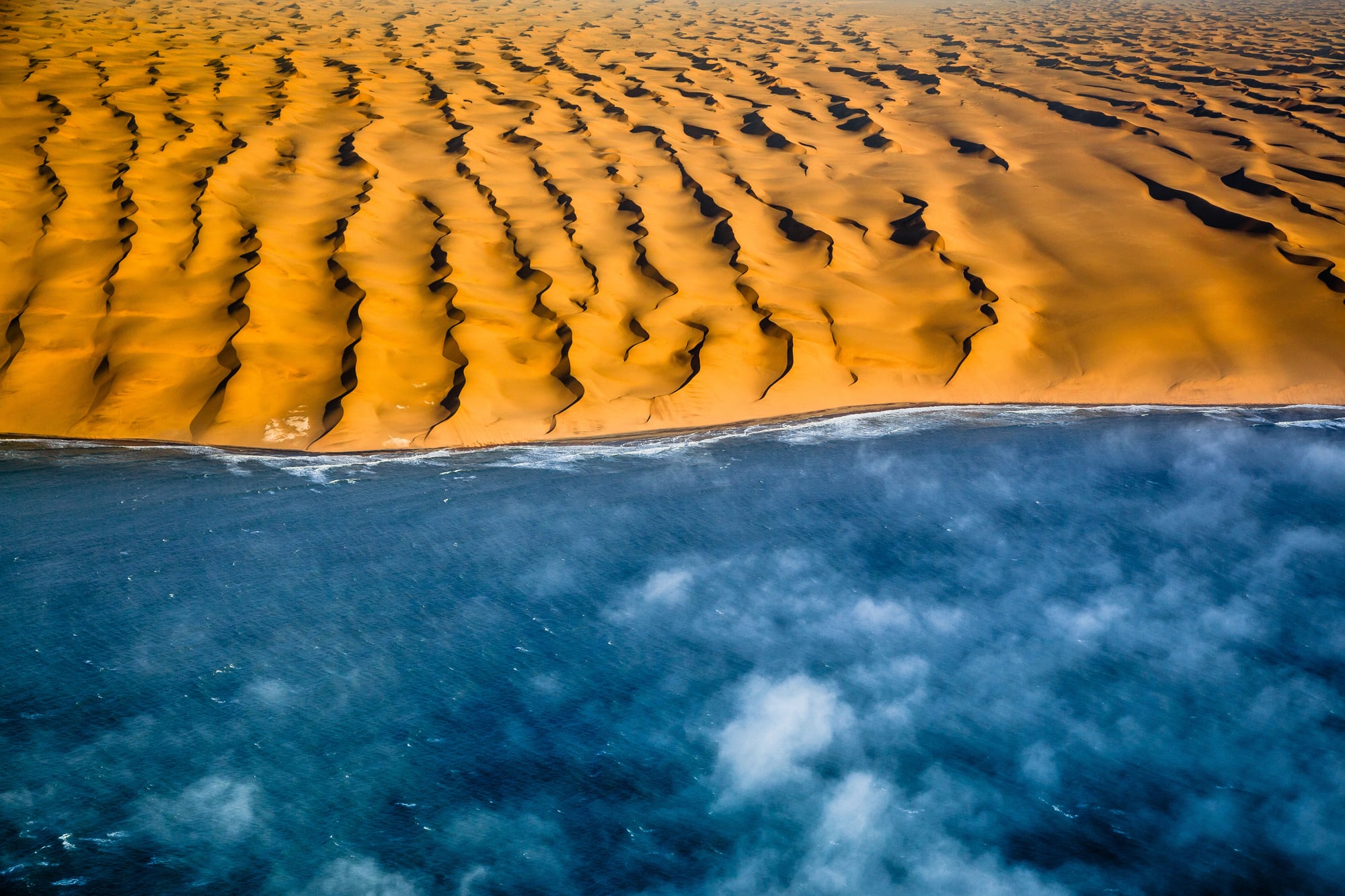
Namibia’s Atlantic coastline has trapped ships for centuries in a landscape so hostile that few survivors ever made it back to civilization. The Benguela Current carries vessels toward shore while dense fog obscures the dangerous coastline.
Ships that managed to reach land often found themselves stranded in one of the world’s most inhospitable deserts, giving this stretch its grim name.
Devil’s Triangle
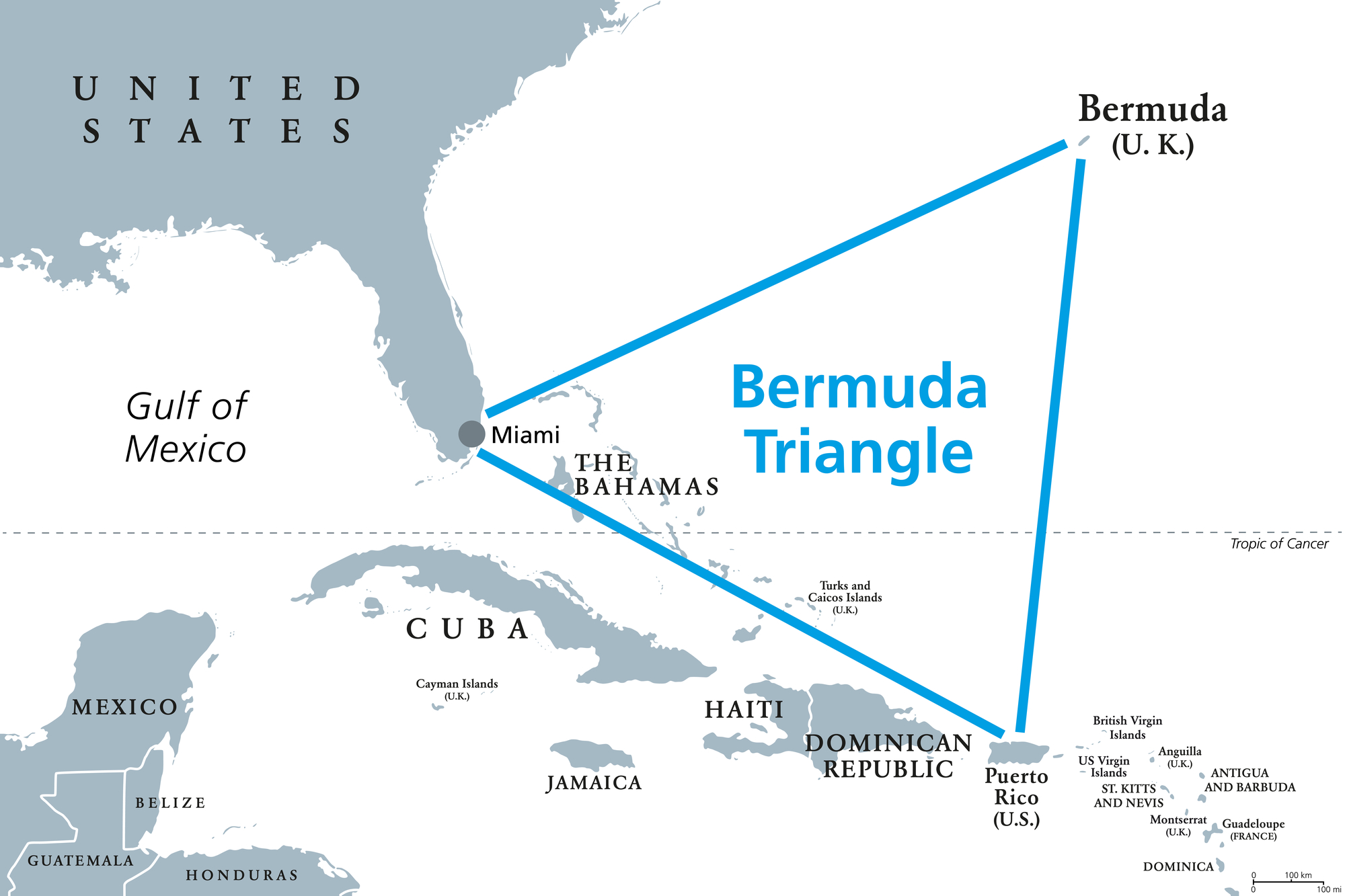
The waters off Japan’s Izu Peninsula have claimed numerous vessels due to a combination of underwater volcanic activity and unpredictable currents. The area sits at the intersection of multiple ocean currents, creating confused seas that can overwhelm ships without warning.
Sudden changes in water temperature and mysterious disappearances have added to the area’s supernatural reputation among local fishermen.
Like Go2Tutors’s content? Follow us on MSN.
Where Legends Meet Reality
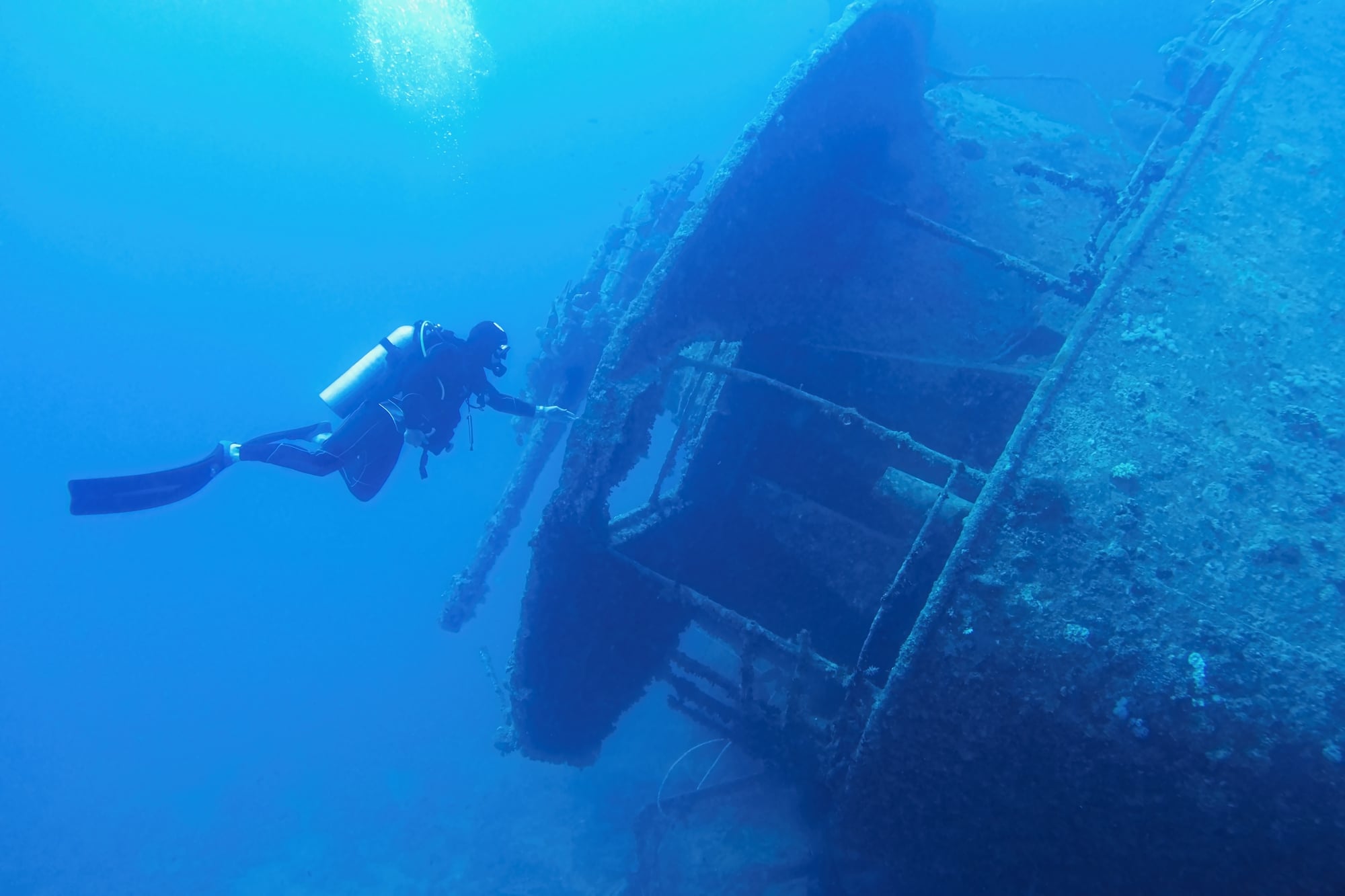
These ocean graveyards serve as powerful reminders that despite centuries of maritime advancement, the sea remains an unforgiving environment. Many of these areas continue to challenge modern vessels, proving that technology alone cannot completely overcome the raw power of nature.
The ships resting in these waters tell stories of human ambition, tragic miscalculation, and the eternal struggle between sailors and the sea. Today’s mariners still study these locations, learning from past disasters to navigate more safely through waters that have claimed so many before them.
More from Go2Tutors!

- 16 Restaurant Chains That Went Too Fast
- 12 Things Sold in the 80s That Are Now Illegal
- 15 Strange Things People Have Tried to Ban (And Failed)
- 16 Collectibles People Tossed Out Too Soon
- 17 Myths from Your Childhood That Were Actually Based on Real Things
Like Go2Tutors’s content? Follow us on MSN.