Colorized Historical Photos of People Worldwide
The past feels closer when you can see it in full color. Black and white photography, for all its artistic merit, creates a kind of emotional distance — faces from decades or centuries ago seem almost fictional, removed from the vibrant reality people actually experienced.
But when those same images are carefully colorized, something remarkable happens. The eyes suddenly look back at you with startling immediacy, and history transforms from abstract dates and facts into real people who laughed, worried, and dreamed just like anyone today.
A Young Winston Churchill, 1895
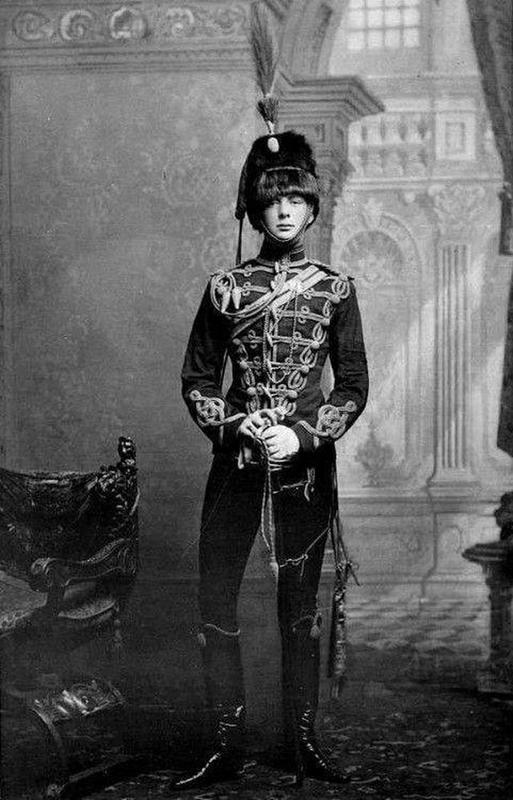
Churchill at twenty looks nothing like the bulldog wartime leader most people remember. His face is smooth, almost boyish, with that familiar stubborn set to his jaw barely visible yet.
The red-brown hair catches light in a way that black and white could never capture.
The colorized version reveals details that matter more than they should. The slight flush in his cheeks suggests he’d been outdoors recently.
His uniform jacket, a deep blue-green, looks freshly pressed but lived-in.
Civil War Soldiers Playing Cards, 1863

The scene looks ordinary until you remember these men might be dead within weeks. They’re sitting on wooden crates, cards spread between them on a makeshift table, and someone has managed to find time to document this moment between battles.
The colorization brings out the worn fabric of their uniforms — not the crisp blue you’d expect, but faded to something closer to gray-green (which makes sense, since these clothes had been through mud, rain, and months of wear without proper washing).
But it’s the small things that hit hardest when you can see them clearly: the reddish dirt under fingernails, the way one soldier’s jacket is held together with mismatched buttons, the fact that their playing cards look newer than anything else in the frame.
Someone had priorities, apparently. Even in the middle of a war, people find ways to pass time, to laugh, to pretend normalcy exists — and that stubborn insistence on ordinary pleasures might be the most human thing about any of us.
Frida Kahlo at Age 18, 1925
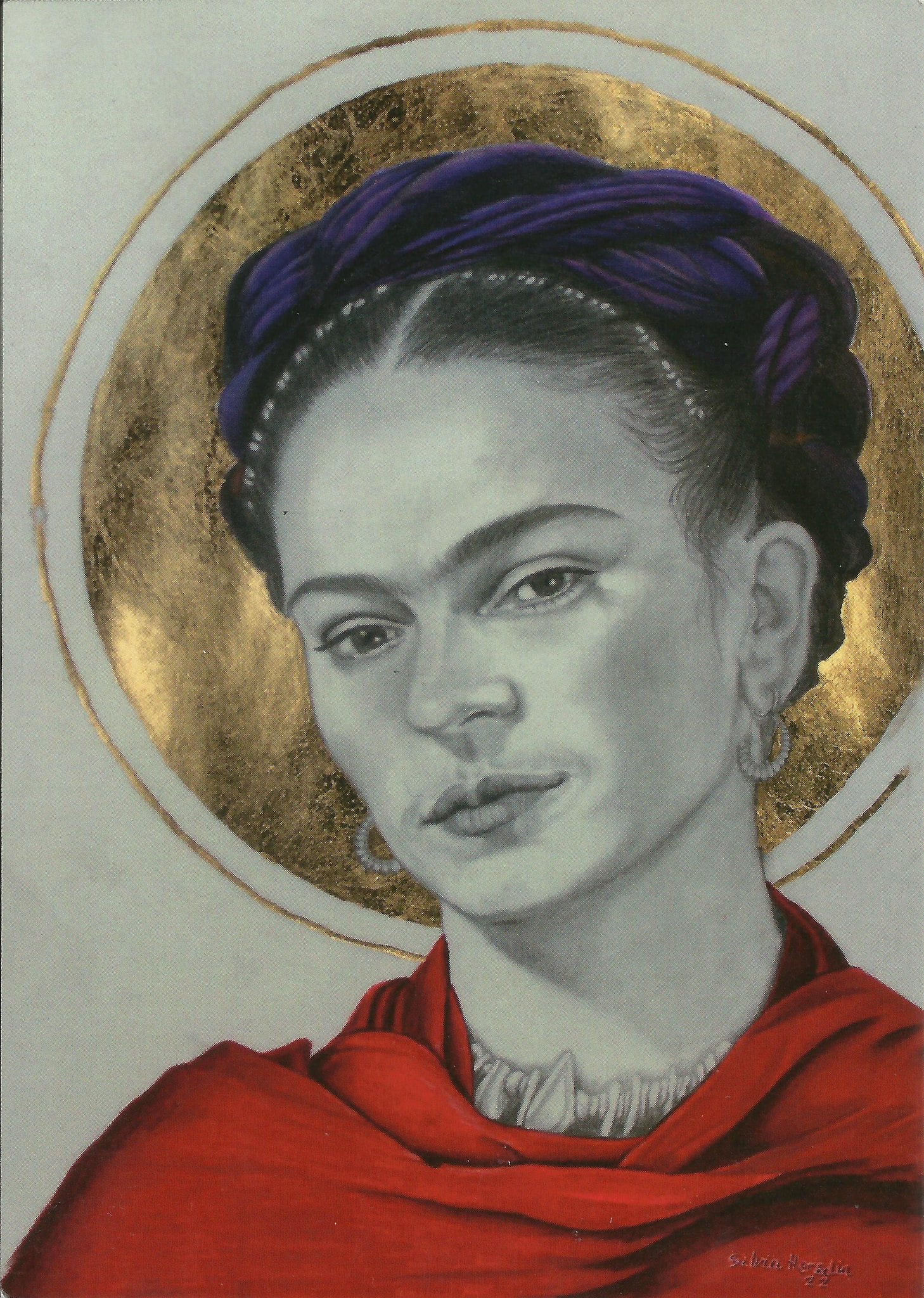
This photograph captures Frida before the bus accident of September 28, 1925 — the event that would transform her life and define her art. The young woman in this photograph looks almost conventional, which is strange to see when you know what’s coming.
Her dark hair falls naturally around her shoulders, and there’s something tentative in her expression that the later, more famous self-portraits never contained.
The accident that would redirect her entire creative vision had not yet occurred when this was taken, but you can sense in her face a quietness that would soon give way to the bold self-examination her work would become. She just looks like someone’s daughter, someone’s friend — which, of course, she was, before tragedy demanded she become an artist.
Japanese Geisha, 1890s

The elaborate kimono catches your attention first — layers of silk in deep burgundy and gold that would have taken months to complete by hand. But the colorization reveals something more interesting than craftsmanship: this woman’s face shows the concentration of someone actively working, not posing for artistic effect.
Geishas were entertainers, not decorations, though that distinction gets lost in most Western discussions of the profession.
Her makeup is precise but not perfect — there are small smudges near her hairline that suggest this photo was taken during an actual workday rather than staged specifically for the camera. The slight tilt of her head implies she’s listening to something or someone just outside the frame.
Real life, continuing just beyond what the lens could capture.
Native American Chief, 1900
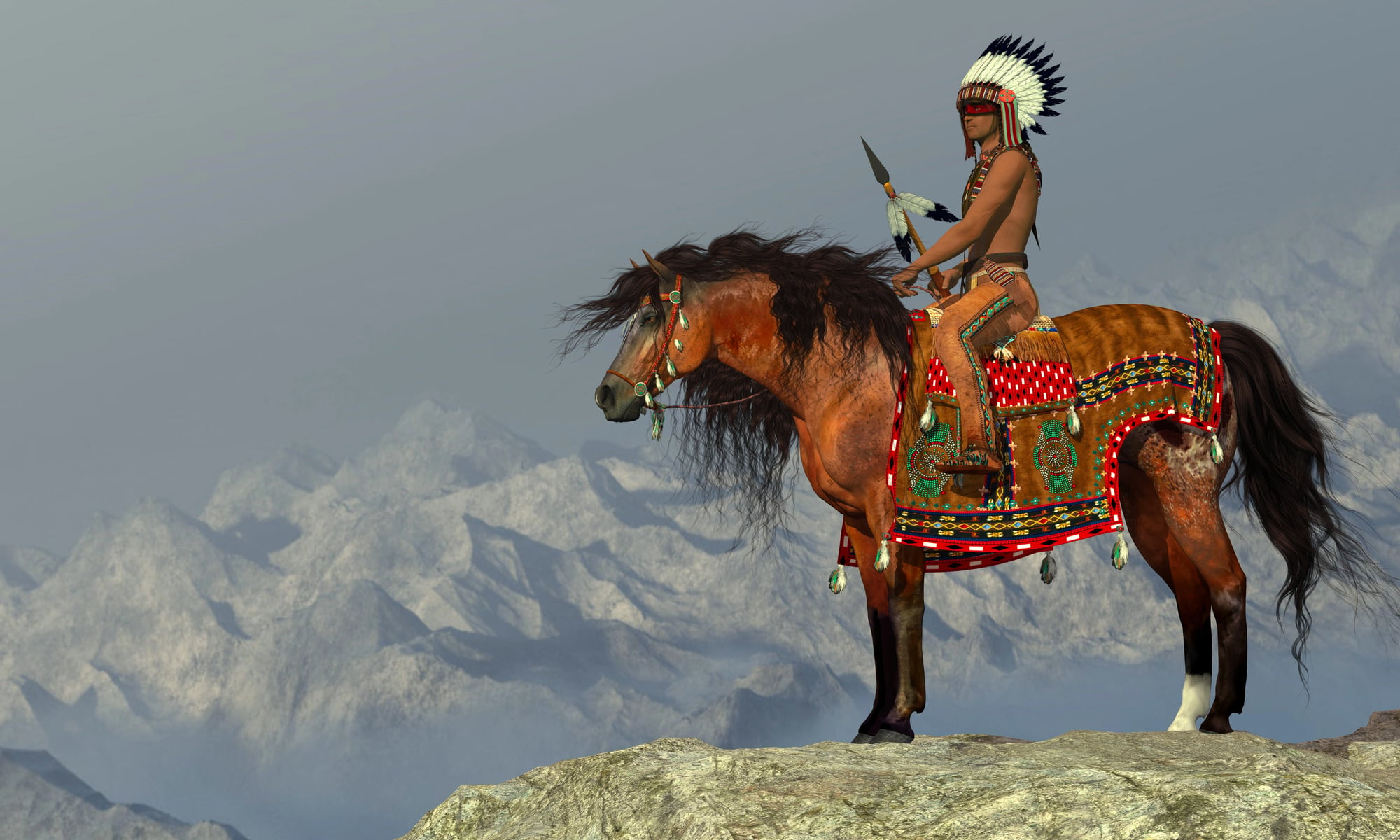
The man’s face carries the weight of someone who has watched his entire world change beyond recognition. His traditional clothing — a mix of beaded leather and woven fabric in deep reds and blues — represents traditions that were already under siege by the time this photograph was taken.
What strikes you most about the colorized version is how young he looks despite the gravity in his expression. The lines around his eyes speak to years of squinting into sun and wind, not just age.
His hair, braided with what appears to be colored thread or small beads, catches light in a way that suggests careful grooming — pride maintained despite everything.
This isn’t a museum piece. This is someone’s grandfather, someone’s leader, photographed at a moment when his people were being systematically erased from their own land.
The dignity in his posture feels like resistance.
Victorian Children at Play, 1870s
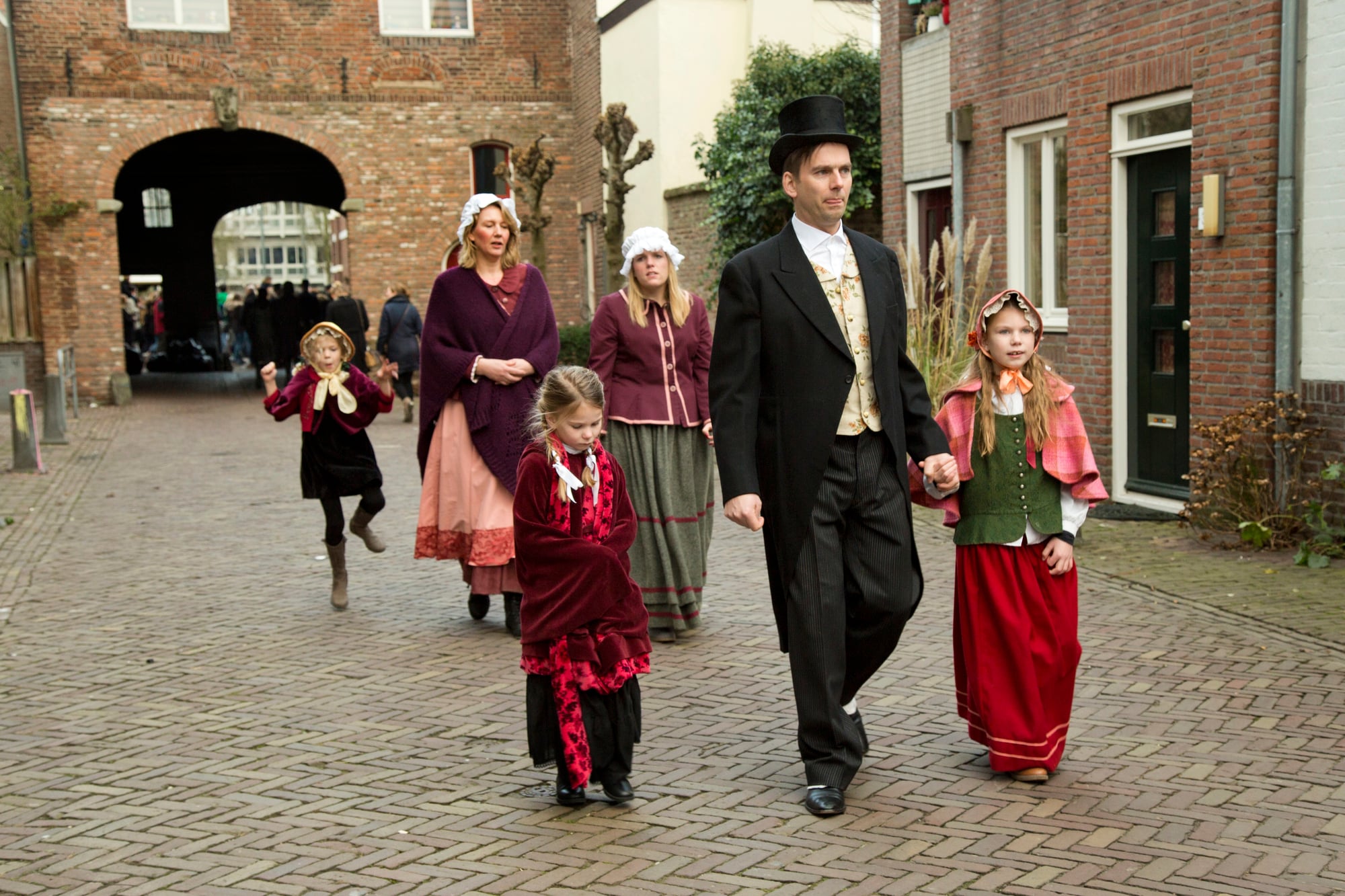
These kids look nothing like the stiff, formal children you typically see in Victorian photography. Someone caught them mid-game — probably marbles, based on the way they’re crouched in a circle on what appears to be a dirt courtyard.
Their clothes, when you can see them in color, tell a story about social class that black and white photography obscures.
The girl on the left wears a dress that was probably expensive once but has been mended several times (the patches are visible in different shades of blue fabric that don’t quite match).
The boy’s knickers are wool, well-made but clearly hand-me-downs — they’re too big for his slight frame. But their faces show the universal concentration of children engaged in serious play.
Some things never change, regardless of the century.
Gold Rush Prospector, 1849
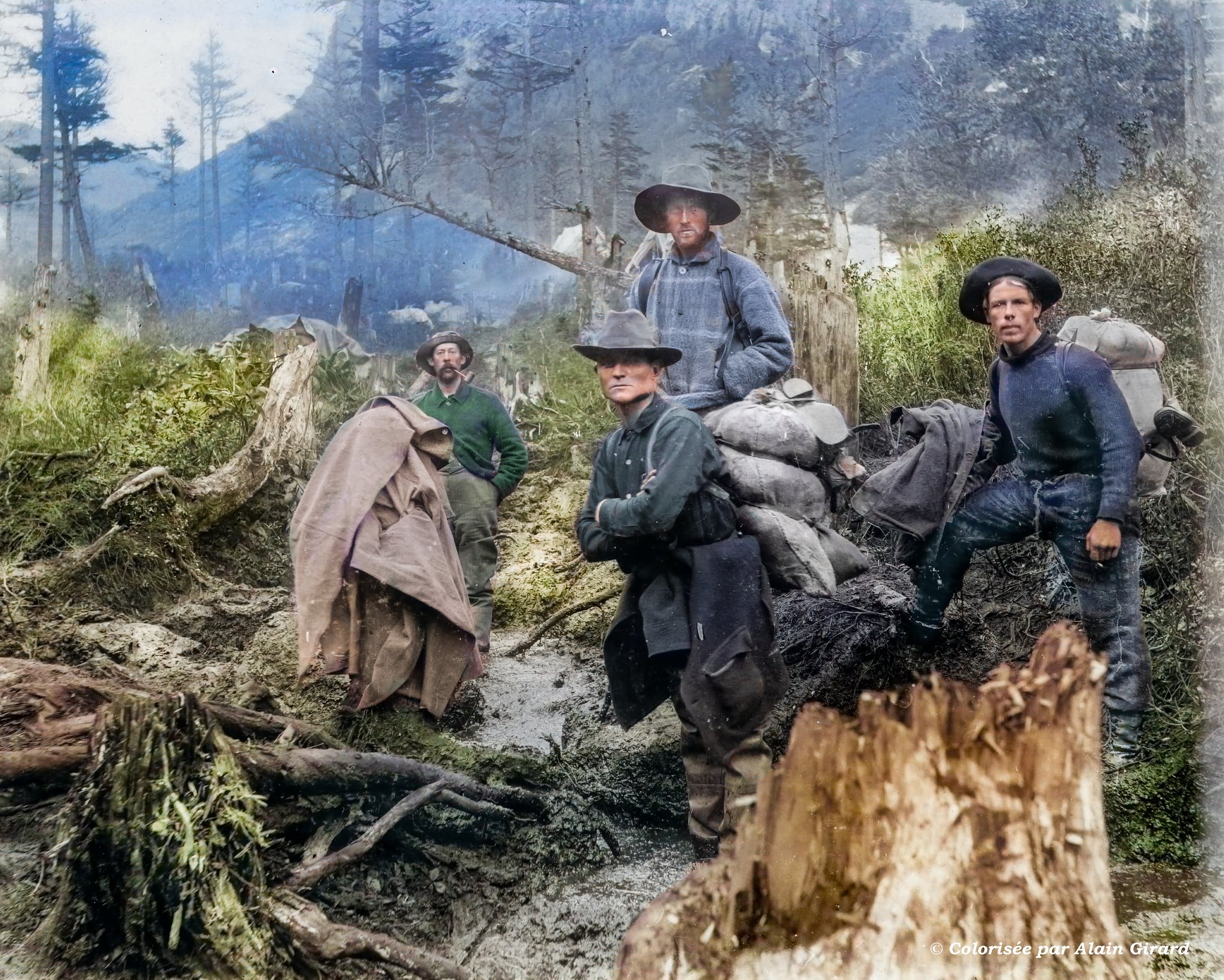
This man has been living rough for months, and the colorization makes that reality impossible to ignore (though it was probably obvious enough in person). His beard is streaked with gray that could be premature aging or actual dirt — hard to tell which.
The red flannel shirt that was probably his best piece of clothing when he left home now looks like something that should have been thrown away weeks ago.
But there’s something almost cheerful in his expression, a kind of manic optimism that makes sense when you remember that thousands of people convinced themselves they were just one good day away from striking it rich.
Most of them were wrong, of course. The odds were terrible, the work was backbreaking, and California was littered with disappointed prospectors who’d spent their life savings chasing rumors of easy gold.
This man probably went home broke. But in this moment, captured in full color, he still believes his fortune is waiting somewhere in the next stream.
World War I Nurse, 1917
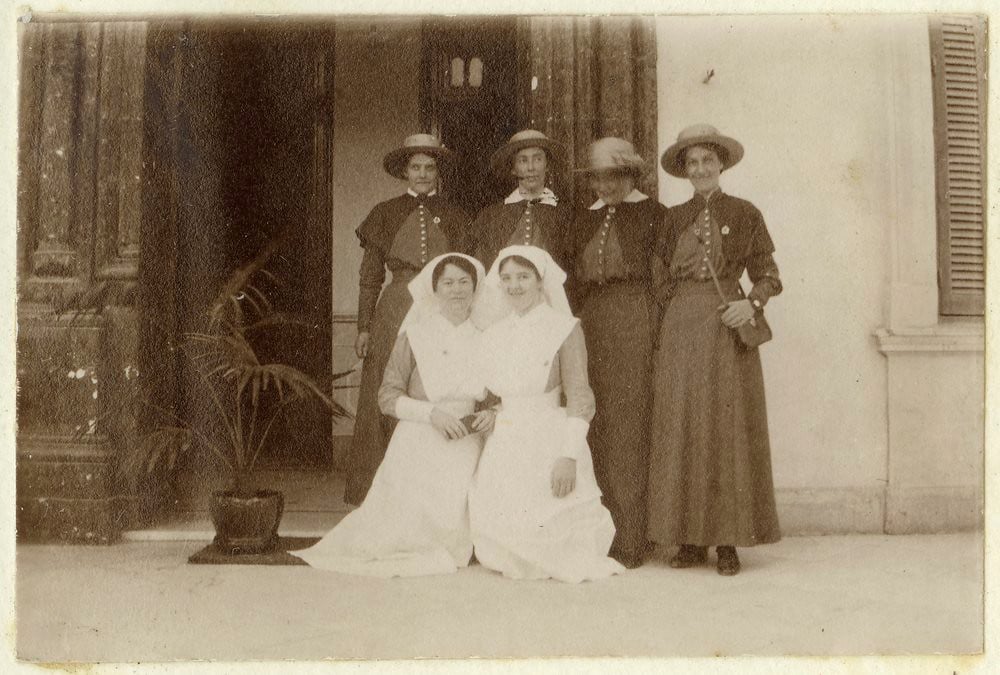
Her uniform is supposed to be white, but weeks of working in field hospitals have turned it closer to beige. The stains are mostly brown — mud, probably, rather than anything worse, though it’s hard to be certain.
She looks directly at the camera with the kind of tired competence that comes from seeing too much, too quickly.
The colorization brings out details that matter: the way her hair escapes from under her cap in small, practical wisps rather than decorative curls. The slight calluses on her hands that are visible even in the photograph.
The fact that her shoes, sturdy brown leather, are built for standing all day rather than looking attractive. This is someone who has adapted quickly to circumstances nobody could have prepared for.
The expression on her face suggests she’s good at her job but not particularly romantic about it.
Chinese Immigrant Family, 1920s

The family is posed formally — father standing behind mother and three children — but their clothes tell a more complicated story. The children wear American-style clothing that looks new and carefully chosen, probably their best outfits saved for important occasions like having your photograph taken.
But the parents’ clothing mixes traditional Chinese elements with Western adaptations in ways that suggest people navigating between two different worlds.
The mother’s dress is particularly interesting when you can see it in color — traditional Chinese styling in fabric that looks distinctly American, as if someone had tried to bridge two cultures through clothing choices.
The father’s jacket is Western-cut but in a shade of blue that feels more formal than anything most Americans would have worn for a family photograph. These are people working hard to belong somewhere while maintaining connection to somewhere else.
Depression-Era Farmer, 1935

Dust Bowl conditions have turned this man’s face into something that looks carved from the same dried earth that stretches behind him. The colorization reveals that his shirt, probably once white, has taken on the perpetual brown tinge of everything in this part of the country during the worst of the drought.
But what’s remarkable is the lack of self-pity in his expression. He looks like someone assessing a difficult problem rather than someone defeated by circumstances beyond his control.
His hands, visible in the photograph, show the thick calluses and permanent dirt lines of someone who has spent decades working land that has now turned against him.
The hat he wears is shaped by years of sun and wind into something that fits his head perfectly but looks like it might disintegrate if handled too roughly. This is what stubbornness looks like when it’s the only thing standing between a person and complete despair.
Russian Revolutionary, 1917
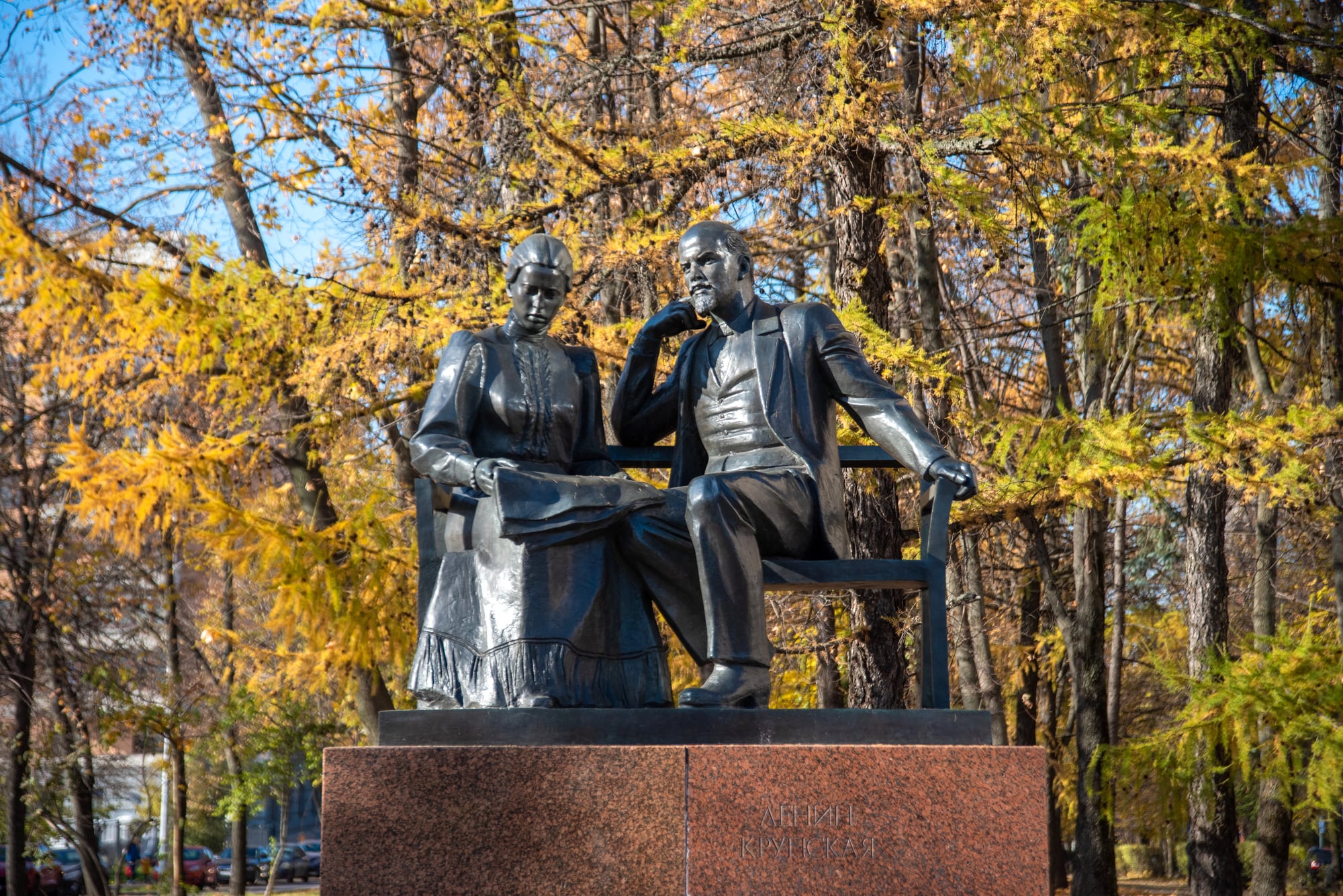
The young man’s eyes carry the intensity of someone convinced he’s living through the most important moment in human history. His clothing — a worker’s jacket and cap — has been chosen deliberately to make a political statement, but the colorization reveals that these aren’t work clothes worn by necessity.
The fabric is too good, too well-maintained. This is middle-class rebellion dressed up as working-class solidarity.
That gap between appearance and reality doesn’t make his convictions less genuine, just more complicated.
The flush in his cheeks and the set of his jaw suggest someone running on adrenaline and certainty, probably both in equal measure. He looks like he’s been arguing about politics for hours and would be happy to continue for several more.
Whether his vision of the future was realistic or not, his commitment to it appears absolute. History proved that kind of certainty could reshape the world — though not always in directions the revolutionaries expected.
African American Jazz Musician, 1920s
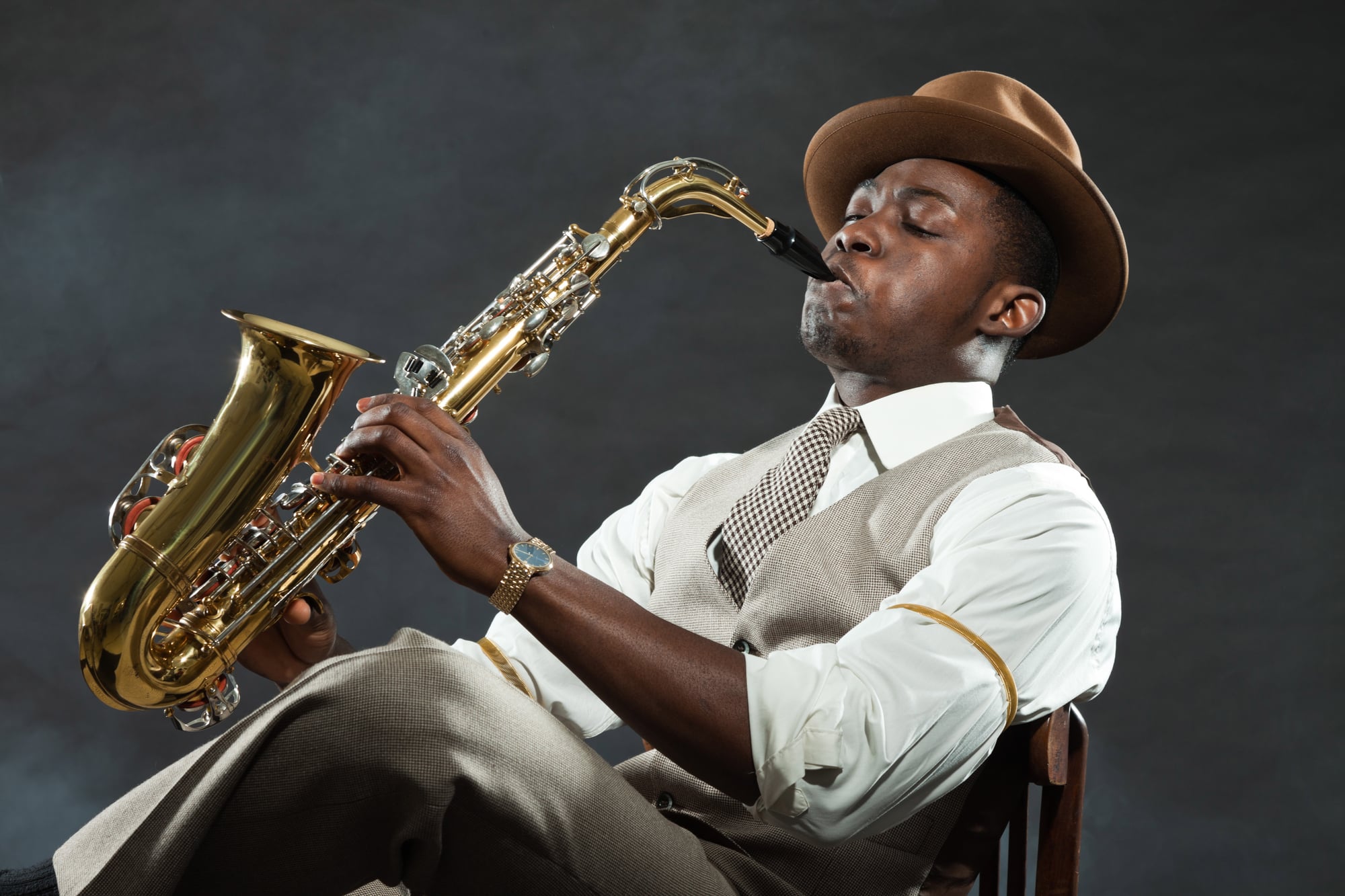
The trumpet gleams gold against his dark suit, and there’s something in his posture that suggests he’s as comfortable with that instrument as most people are with their own hands. This is Harlem during the Renaissance, when Black musicians were creating something entirely new and the rest of the country was starting to pay attention.
His suit is impeccable — not just expensive, but fitted perfectly and maintained with obvious care. The shoes, visible in the full photograph, are polished to a shine that requires daily attention.
This level of presentation wasn’t vanity; it was armor. Looking undeniably professional, undeniably successful, was one of the few ways to command respect in rooms where you weren’t necessarily welcome.
The slight smile on his face suggests confidence earned through talent rather than granted by circumstances. This man knows exactly how good he is at what he does.
Reflecting Through Color

Something changes when historical photographs gain color — they stop being artifacts and start being windows. The people looking back from these images suddenly feel present rather than past, close enough to reach through the frame.
Their concerns, their pride, their weariness become immediately recognizable because human nature hasn’t changed nearly as much as technology and circumstances might suggest.
Whether they’re playing cards between battles or posing in their best clothes for a family portrait, these faces remind us that history isn’t just dates and politics and major events. It’s individual people making individual choices, day after day, in situations that often demanded more courage than they probably thought they had.
More from Go2Tutors!

- The Romanov Crown Jewels and Their Tragic Fate
- 13 Historical Mysteries That Science Still Can’t Solve
- Famous Hoaxes That Fooled the World for Years
- 15 Child Stars with Tragic Adult Lives
- 16 Famous Jewelry Pieces in History
Like Go2Tutors’s content? Follow us on MSN.