Weird Scents People Love And The Science Behind Them
There’s something deeply personal about the smells that make you stop in your tracks. Not the obvious ones like fresh bread or blooming jasmine, but the strange ones that shouldn’t appeal to anyone yet somehow do.
The whiff of gasoline at a service station. The metallic tang of rain on hot pavement.
That particular mustiness of old books that makes you linger in used bookstores longer than you planned.
These olfactory oddities reveal something fascinating about how your brain processes scent. While taste buds can only detect five basic flavors, your nose can distinguish between roughly a trillion different odors.
More intriguingly, scent bypasses the logical parts of your brain and connects directly to areas governing emotion and memory.
That explains why certain smells can transport you instantly to childhood or trigger feelings you can’t quite explain.
The science behind these peculiar preferences shows that what you find appealing in a scent often has less to do with the smell itself and more to do with the complex interplay of chemistry, psychology, and personal history.
Gasoline

The appeal of gasoline’s sharp, chemical bite makes perfect sense once you understand what’s happening in your brain. Gasoline contains benzene and other aromatic hydrocarbons that can trigger a mild euphoric response by affecting your central nervous system.
This isn’t imagination—it’s chemistry.
The scent also carries powerful associations. For many people, it connects to memories of road trips, the anticipation of adventure, or the satisfaction of a mechanical task completed.
Your brain doesn’t separate the smell from the context where you first encountered it.
Petrichor

Petrichor—that distinctive smell when rain hits dry earth—appeals to something primal in human psychology. The scent comes from oils secreted by plants during dry periods, combined with a compound called geosmin released by soil bacteria when moisture arrives.
Evolutionary biologists suggest humans developed an affinity for this smell because it historically signaled the end of drought and the return of favorable conditions for survival.
Your positive response to petrichor might be hardwired into your DNA, a remnant of when detecting incoming rain could mean the difference between life and death.
Old Books

The musty sweetness of aging paper and binding glue creates what bibliophiles call “biblichor”—and there’s legitimate science behind why people find it intoxicating. Though the term itself was coined more recently as a playful nod to petrichor.
As books age, their paper and adhesives break down, releasing hundreds of volatile organic compounds including vanillin, the same compound that gives vanilla its distinctive smell, along with furfural, which carries hints of almond.
But the real magic happens in how your brain processes these scents—not just the individual molecules, but the entire sensory package they represent.
So when you breathe in that particular cocktail of decomposing cellulose and oxidizing lignin, you’re not just smelling old paper.
You’re inhaling the concentrated essence of countless hours spent in libraries, the weight of stories absorbed, the particular quiet that settles over rooms where knowledge lives and accumulates dust in equal measure.
And your brain, which never learned to separate smell from meaning, responds to both the chemistry and the context as one inseparable experience.
Skunk Spray

Most people recoil from skunk odor, but a surprising number find it oddly appealing. This reaction puzzles even researchers who study olfactory preferences.
Skunk spray contains sulfur compounds similar to those found in garlic and onions—foods many people enjoy despite their pungent nature.
The appeal might stem from the same mechanism that makes certain cheeses or fermented foods desirable to some palates.
Your brain interprets intense, complex odors as interesting rather than offensive, especially if you encounter them without the negative context of being directly sprayed.
Nail Polish

The sharp, chemical sweetness of nail polish owes its appeal to solvents like acetone and ethyl acetate. These compounds affect your nervous system in ways similar to mild intoxicants, creating a brief sense of lightheadedness that some people find pleasant.
There’s also a psychological component. For many, the smell connects to memories of self-care rituals, bonding moments with friends or family, or the satisfaction of creating something beautiful.
Your brain links the chemical scent to positive emotional experiences, making the smell itself more appealing over time.
Swimming Pool Chlorine

Chlorine’s medicinal bite shouldn’t be pleasant, yet many people associate it with some of their happiest memories. The scent triggers instant recall of summer days, childhood swimming lessons, and carefree afternoons spent in the water.
Interestingly, what most people identify as “chlorine smell” is actually chloramines—compounds formed when chlorine reacts with organic matter in the pool.
This means the smell you love is technically a sign of contamination, but your brain doesn’t care about chemistry when nostalgia is involved.
The emotional associations overpower any logical response to the actual compounds you’re detecting.
Fresh Asphalt

Hot asphalt releases a complex mixture of petroleum-based compounds that creates its distinctive tar-like aroma. Like gasoline, these chemicals can produce mild euphoric effects, but the appeal goes deeper than simple chemical response.
The smell connects to powerful cultural associations: the promise of new roads leading to unknown destinations, the satisfaction of infrastructure and progress, the particular optimism that comes with fresh starts and clean slates.
Asphalt represents possibility in a way that few other industrial odors can match.
Basement Mustiness

The damp, earthy smell of basements comes from mold spores, decomposing organic matter, and trapped moisture—things that should signal danger to any sensible person. Yet many find this musty blend comforting and familiar.
This preference likely stems from childhood associations with hidden spaces, secret hideaways, and the particular coziness that comes with being underground and enclosed.
Your brain connects the smell to feelings of security and discovery, overriding any concerns about air quality or potential health risks.
Permanent Markers
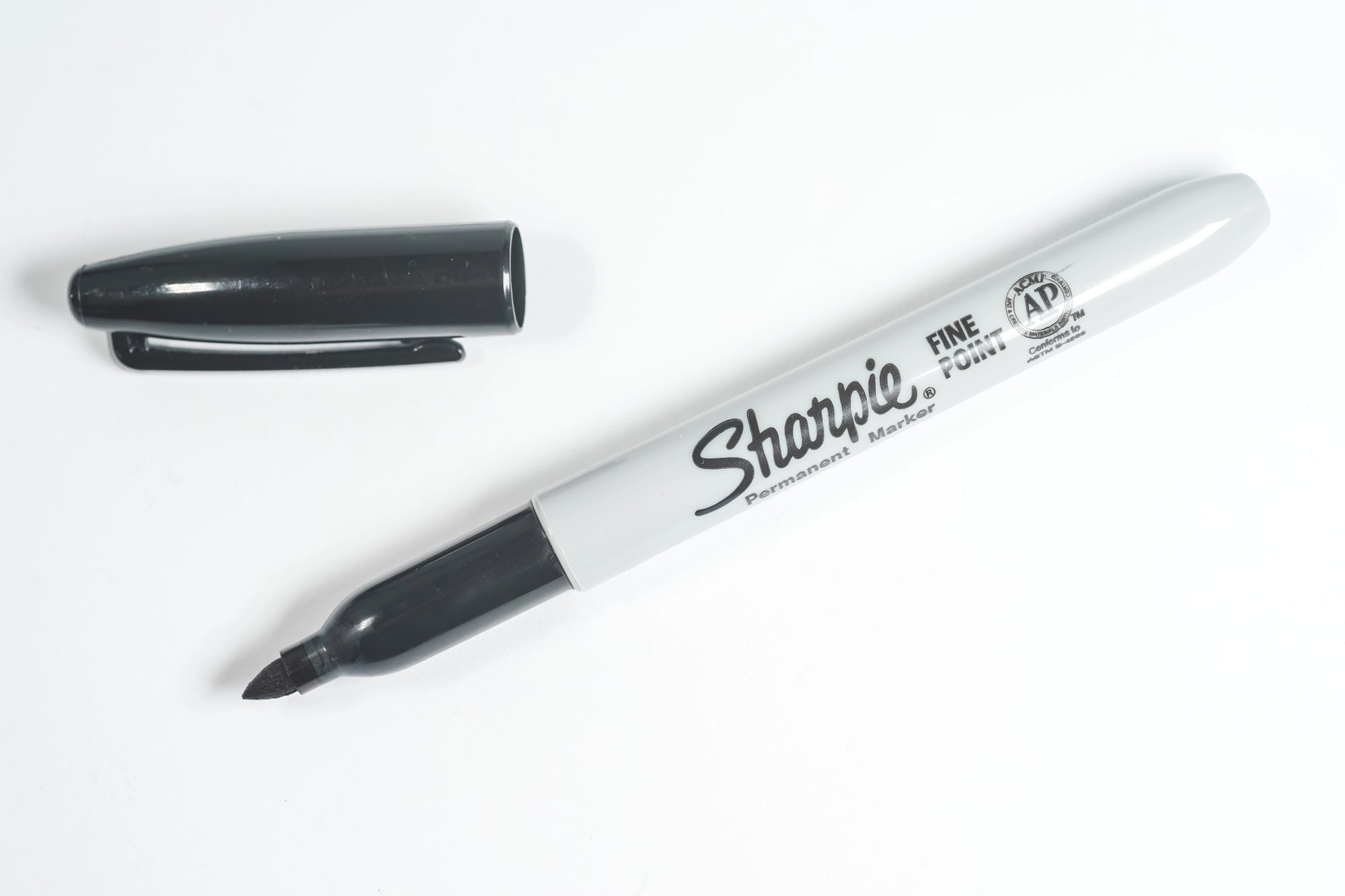
The intoxicating smell of permanent markers comes from solvents like toluene and xylene, which affect your central nervous system and can create a brief high. This explains the immediate appeal, but not why some people seek out the scent repeatedly.
Permanent marker smell also connects to creativity and productivity—memories of art projects, office work, or crafting sessions where you accomplished something tangible.
The chemical appeal combines with positive associations to create a scent that feels both stimulating and satisfying.
Vanilla Extract

Pure vanilla extract contains up to 35% alcohol, which gives it a sharp, medicinal edge that shouldn’t pair well with its sweet vanilla notes. Yet this odd combination appeals to many people, especially those who bake regularly.
The scent triggers anticipation of homemade treats and the satisfaction of creating something from scratch.
Your brain associates the alcohol-tinged vanilla with the entire baking process—the warmth of the oven, the pride of successful recipes, the pleasure of sharing food with others.
The chemical complexity becomes part of its appeal rather than a detraction.
Rubber Tires

Fresh tire rubber releases a cocktail of petroleum derivatives and synthetic compounds that creates its distinctive industrial smell. The appeal might stem from associations with new cars, road trips, or the garage workshops where mechanical magic happens.
There’s also something fundamentally satisfying about the smell of engineered materials—rubber represents human ingenuity and the conquest of distance through technology.
The scent connects to feelings of capability and adventure, making its chemical harshness more appealing than it has any right to be.
Bleach
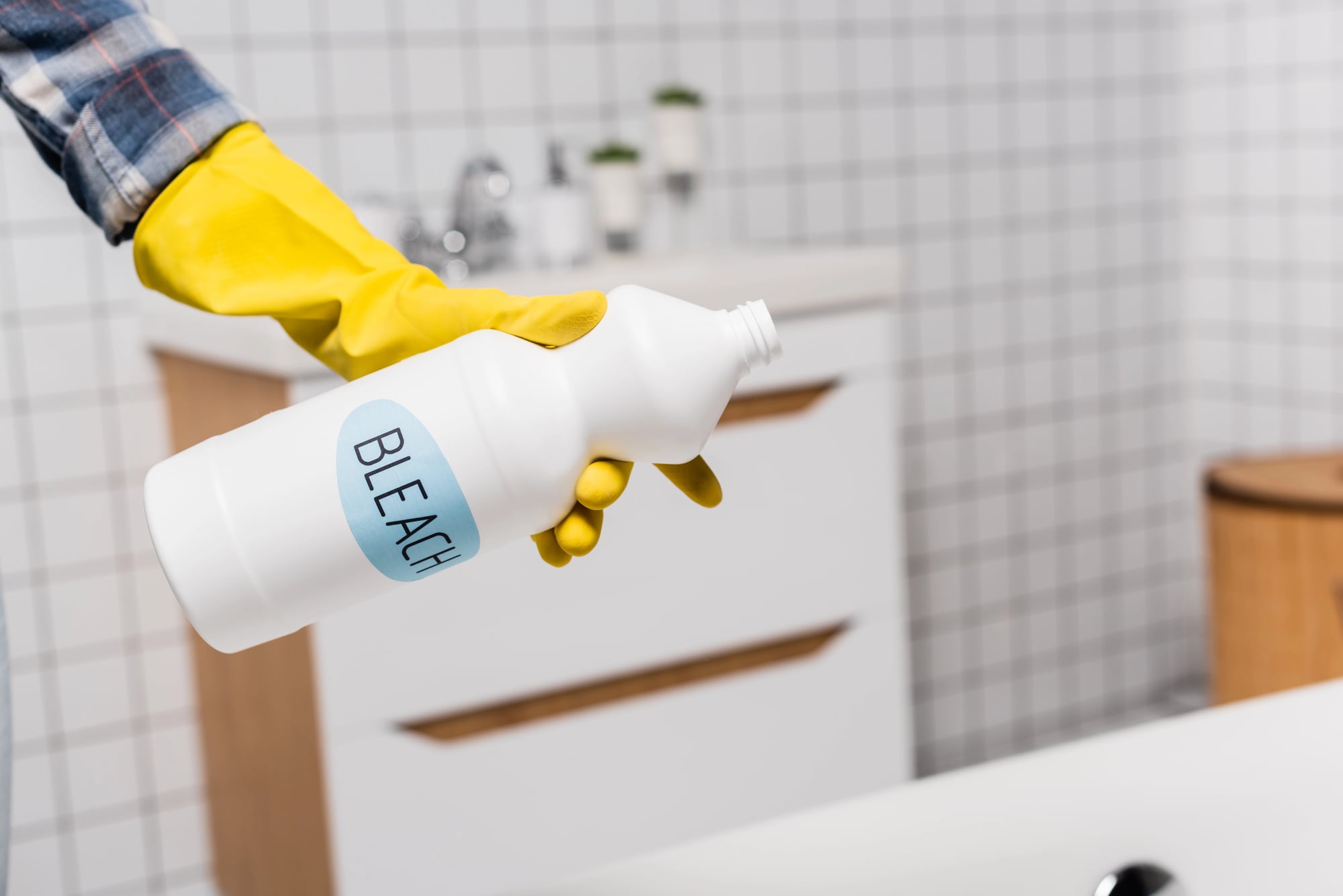
The sharp, clean bite of bleach triggers satisfaction in people who associate it with cleanliness and order. Sodium hypochlorite creates a distinctive chemical smell that signals disinfection and purification.
For many, bleach represents control over chaos—the ability to eliminate germs, remove stains, and restore things to pristine condition.
The smell becomes psychologically appealing because it connects to the deeper human need for cleanliness and safety, even though the chemical itself is harsh and potentially dangerous.
Hardware Store Air

Walking into a hardware store means encountering a unique blend of sawdust, metal shavings, rubber, paint fumes, and various chemical treatments. This complex mixture shouldn’t be pleasant, yet many people find it deeply satisfying.
The appeal lies in what the smell represents: competence, self-reliance, and the ability to fix things that are broken.
Hardware store air connects to the fundamental human satisfaction of working with your hands and solving practical problems.
The various chemical odors become part of that larger narrative of capability and craftsmanship.
The Memory Connection

Your relationship with unusual scents reveals something profound about how human perception actually works—it’s never just about the molecules hitting your olfactory receptors, but about the entire web of meaning your brain constructs around those signals.
What makes certain people love the smell of gasoline while others find it repulsive has less to do with superior or inferior taste and more to do with the accumulated experiences that taught each brain how to interpret that particular combination of benzene and childhood road trips.
The science suggests that scent preferences aren’t fixed traits but constantly evolving relationships between chemistry and memory, which means the weird smells you love today are actually collaborative creations between your nose and your life story.
More from Go2Tutors!

- The Romanov Crown Jewels and Their Tragic Fate
- 13 Historical Mysteries That Science Still Can’t Solve
- Famous Hoaxes That Fooled the World for Years
- 15 Child Stars with Tragic Adult Lives
- 16 Famous Jewelry Pieces in History
Like Go2Tutors’s content? Follow us on MSN.