14 Infamous Presidential Scandals From Throughout Us History
The presidency comes with unmatched power, constant scrutiny, and the weight of history watching every decision. When things go wrong at the highest level of government, they don’t just make headlines—they reshape how Americans view their leaders and their institutions.
Some presidential scandals have toppled administrations, while others have merely tarnished legacies. Each one reveals something about the man in office and the times in which he served.
From financial improprieties to abuse of power, from personal failings to constitutional crises, these scandals span more than two centuries of American leadership. They remind us that presidents, despite their elevated status, remain fallible human beings operating in an imperfect system.
Teapot Dome
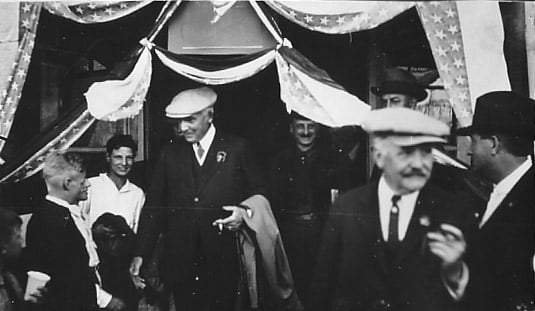
Warren G. Harding’s administration was riddled with corruption, but the Teapot Dome scandal stands as the crown jewel of government malfeasance. Interior Secretary Albert Fall leased federal oil reserves to private companies in exchange for personal loans and gifts.
The scandal broke after Harding’s death in 1923, making Fall the first Cabinet member ever imprisoned for crimes committed in office.
Watergate
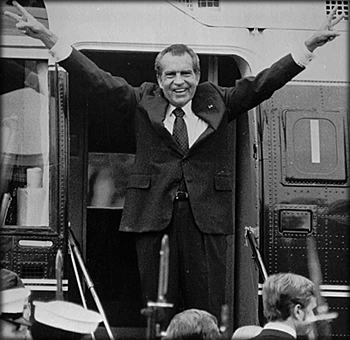
Richard Nixon’s presidency ended in disgrace when a “third-rate burglary” at the Democratic National Committee headquarters unraveled into a web of cover-ups, illegal surveillance, and abuse of power. The break-in itself was almost laughably incompetent—the burglars were caught because they taped door locks horizontally instead of vertically, and a security guard noticed the tape (which, had it been placed correctly, might have gone undetected for hours longer, giving them time to complete their mission and escape).
But the real crime wasn’t the burglary; it was Nixon’s systematic attempt to obstruct the investigation that followed. And here’s what makes it particularly damning: the cover-up lasted nearly two years, during which Nixon looked directly into television cameras and lied to the American people repeatedly about his knowledge and involvement.
The scandal consumed his presidency like a slow poison, each revelation worse than the last, until even his most loyal supporters couldn’t defend him anymore. So when the Supreme Court ordered him to release the White House tapes, Nixon knew his presidency was over.
But perhaps the most telling moment came when transcripts revealed Nixon’s casual use of profanity and his cold calculation in discussing illegal activities—suddenly, Americans saw their president not as a statesman but as a petty criminal.
Iran-Contra Affair

There’s something almost theatrical about watching a government tie itself in knots trying to explain the unexplainable. The Iran-Contra affair had all the elements of a spy novel: secret arms deals, covert funding of rebel groups, and a president who claimed ignorance of operations conducted by his own staff.
Ronald Reagan’s administration sold weapons to Iran (despite an arms embargo) and used the profits to fund Nicaraguan Contras (despite Congress explicitly forbidding such aid). The beauty of this scandal, if you can call government lawbreaking beautiful, lies in its sheer audacity.
Here was an administration simultaneously negotiating with terrorists while claiming to have a firm policy against such negotiations. The whole thing unraveled when a cargo plane was shot down over Nicaragua, revealing the secret operation to the world.
Monica Lewinsky Scandal
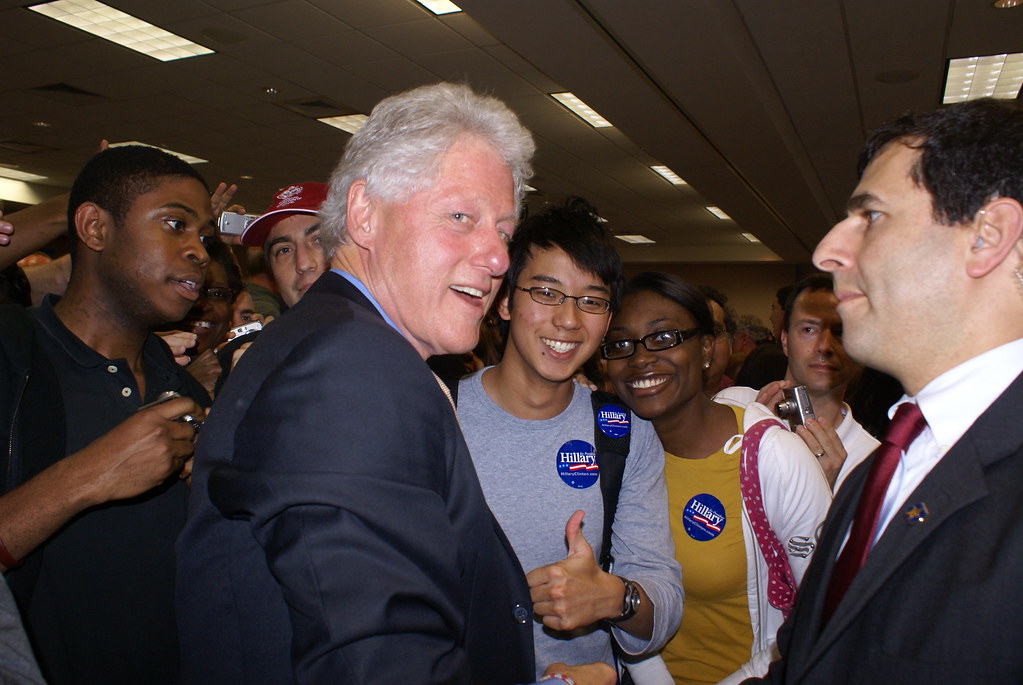
Bill Clinton lied under oath about his relationship with White House intern Monica Lewinsky. The lie was stupid.
The relationship was inappropriate. The impeachment that followed was inevitable.
Clinton’s parsing of language—”It depends on what the meaning of the word ‘is’ is”—became a punchline, but it revealed something darker about his character. Here was a man willing to destroy a young woman’s reputation to save his own skin.
The country endured months of salacious headlines while Congress debated whether lying about personal conduct constituted “high crimes and misdemeanors.”
Crédit Mobilier of America
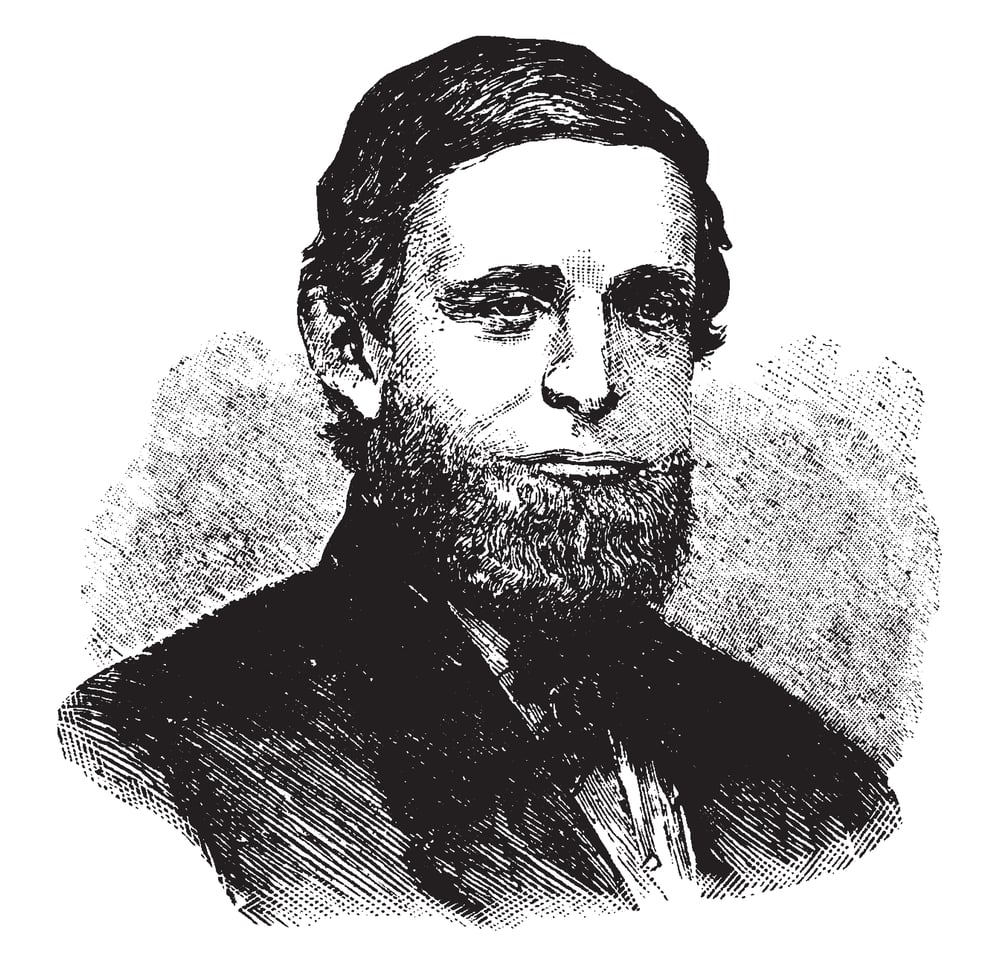
The Crédit Mobilier scandal represents everything wrong with the cozy relationship between government and big business during the Gilded Age. The Union Pacific Railroad created this construction company, then awarded itself lucrative contracts to build the transcontinental railroad.
To ensure congressional approval, company officials distributed free stock to influential politicians, including several congressmen and Vice President Schuyler Colfax. The scheme was brilliant in its simplicity: use government money to pay inflated prices to yourself, then share the profits with the people who could shut down your operation.
When the scandal broke in 1872, it tainted dozens of politicians and confirmed public suspicions that Washington was for sale to the highest bidder.
The XYZ Affair
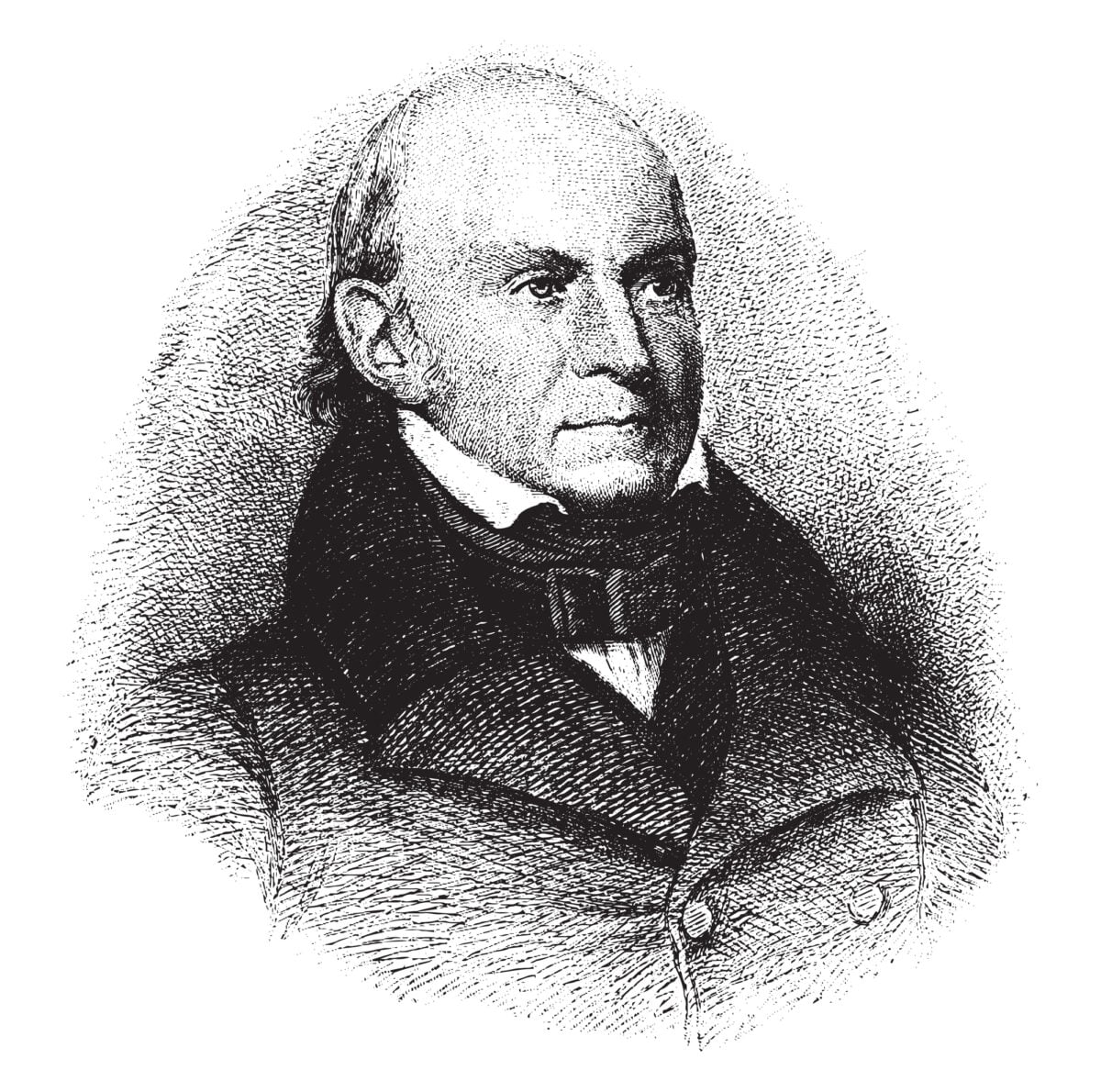
John Adams inherited a mess from George Washington—tensions with France were boiling over, and American diplomats sent to negotiate were met with demands for bribes before talks could even begin. The French officials, later dubbed X, Y, and Z to protect their identities (though protection seems generous for people demanding payoffs), wanted $250,000 just to meet with the French foreign minister.
This wasn’t just insulting; it was a direct challenge to American sovereignty. Adams faced a choice between paying what amounted to tribute or risking war with one of the world’s great powers.
The whole affair captured the precarious position of the young republic, caught between European powers that still saw America as a junior partner at best.
Whiskey Ring

The Whiskey Ring sounds like something out of a Western, but it was actually a sophisticated tax evasion scheme that reached into Ulysses S. Grant’s inner circle. Distillers conspired with federal revenue agents to avoid paying taxes on whiskey, costing the government millions in lost revenue.
Grant’s private secretary, Orville Babcock, was implicated in the scheme. Grant’s loyalty to Babcock nearly cost him his presidency.
Despite overwhelming evidence of Babcock’s guilt, Grant testified on his behalf—the only sitting president ever to testify in a criminal trial. Babcock was acquitted, but the damage to Grant’s reputation was permanent.
The scandal reinforced the image of Grant as a competent general but naive politician, too trusting of the wrong people.
Black Friday Gold Panic
Picture this: two speculators convince themselves they can corner the gold market, and they almost succeed in crashing the entire American economy in the process. Jay Gould and James Fisk worked to inflate gold prices by convincing President Grant not to release government gold reserves.
Their scheme relied on Grant’s brother-in-law, who they believed had influence over the president’s economic policies. The plan worked too well.
Gold prices soared, threatening to destroy farmers who needed gold to move their crops to market. When Grant finally released government gold on Friday, September 24, 1869, prices collapsed instantly.
Fortunes vanished in hours. The whole episode revealed how vulnerable the American economy was to manipulation by wealthy speculators with government connections.
Checkers Speech
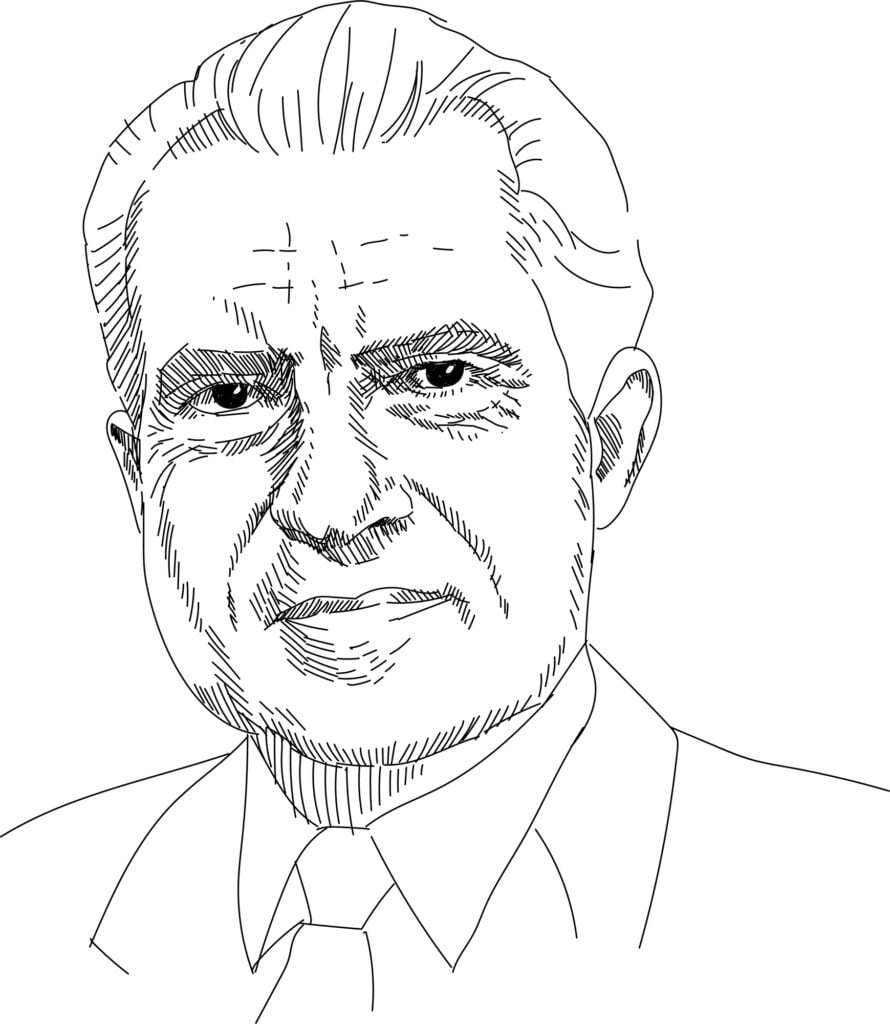
Richard Nixon’s political career nearly ended in 1952 when newspapers revealed he had been accepting money from wealthy California donors for personal expenses. As Dwight Eisenhower’s running mate, Nixon faced calls to step down from the ticket.
His response was a televised address that became known as the Checkers Speech. Nixon denied any wrongdoing but admitted to accepting one gift he intended to keep: a cocker spaniel named Checkers that his daughters loved.
The speech was masterfully manipulative, combining self-pity with folksy charm. Nixon portrayed himself as a man of modest means fighting against wealthy elites—a narrative that would define his political career.
The public response was overwhelmingly positive, saving his spot on the ticket and teaching Nixon the power of direct television appeals.
Corrupt Bargain of 1824
The 1824 presidential election created a constitutional crisis when no candidate received a majority of electoral votes. The House of Representatives had to choose between Andrew Jackson, John Quincy Adams, and William Crawford.
Henry Clay, who finished fourth, threw his support to Adams, who then appointed Clay as Secretary of State. Jackson’s supporters immediately cried foul, dubbing the arrangement a “corrupt bargain” (though no evidence of explicit quid pro quo was ever found, the appearance was damaging enough, and Clay’s subsequent appointment made the whole thing look orchestrated regardless of the actual negotiations that took place).
The scandal poisoned Adams’ presidency from the start and gave Jackson a powerful grievance to nurse for the next four years. So when 1828 rolled around, Jackson used the corrupt bargain as his primary attack line against Adams.
But the real damage was to the young republic’s faith in its electoral system—suddenly, Americans wondered whether their votes mattered if politicians could simply trade favors to determine the outcome.
Iran Hostage Crisis and October Surprise
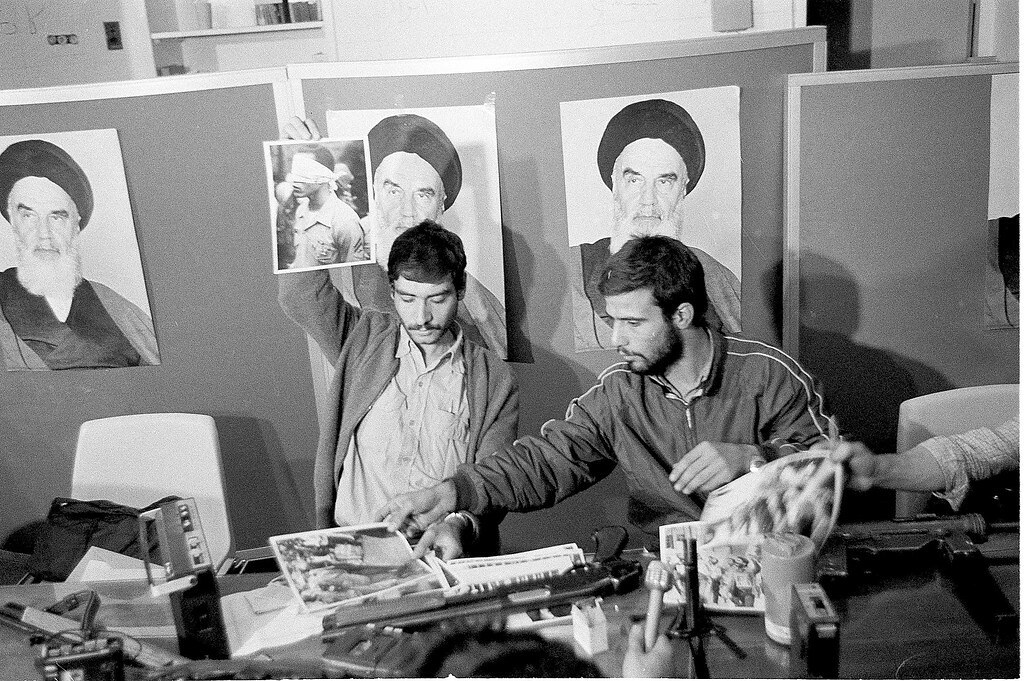
The October Surprise allegations suggest that Ronald Reagan’s 1980 campaign secretly negotiated with Iranian revolutionaries to delay the release of American hostages until after the election, ensuring Jimmy Carter couldn’t claim a foreign policy victory. The hostages were indeed released minutes after Reagan took office, but definitive proof of a deal has never emerged.
What makes this particularly sinister, if true, is the callousness it implies. Here were American citizens being held captive by a hostile regime, and presidential candidates allegedly saw their suffering as a political opportunity.
The timing was certainly suspicious—444 days of captivity ending precisely when Reagan became president seems like a remarkable coincidence.
Petticoat Affair
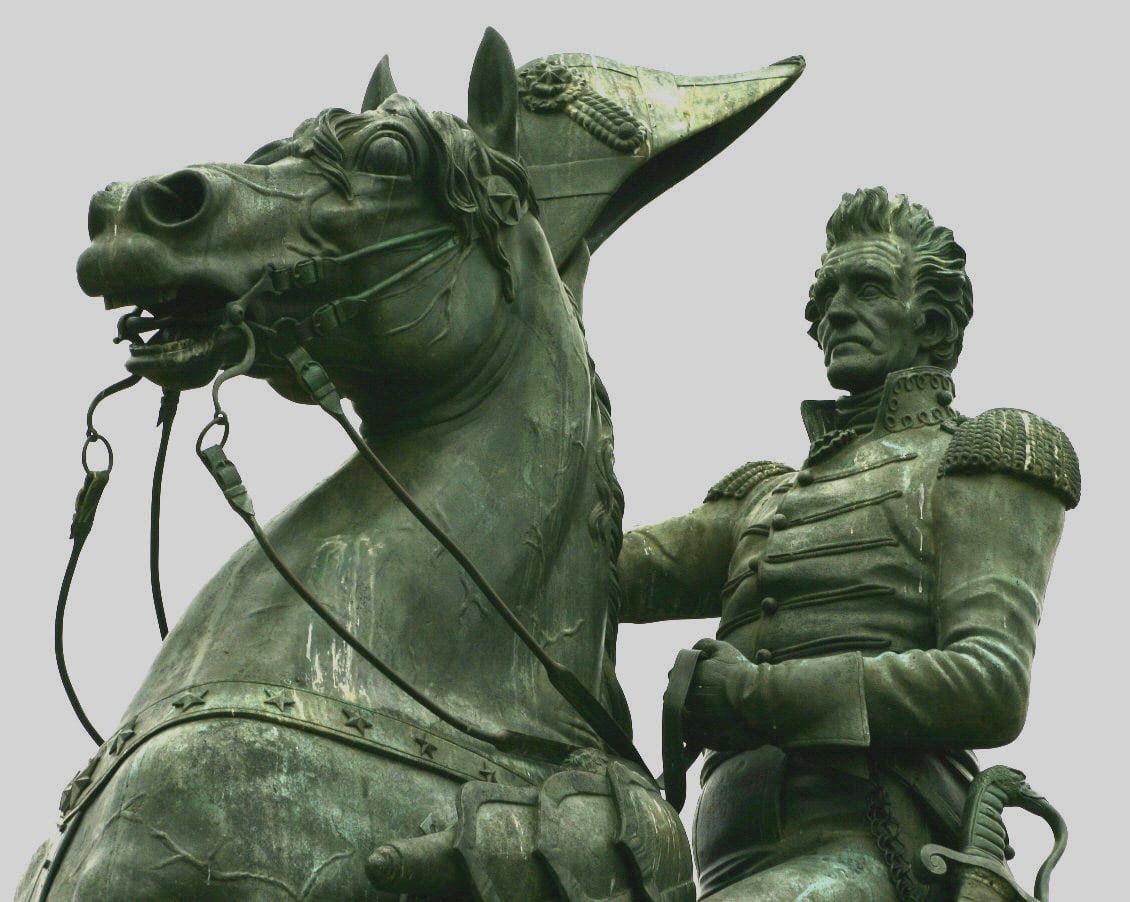
Andrew Jackson’s presidency was nearly derailed by Washington society’s refusal to accept Peggy Eaton, the wife of his Secretary of War. Peggy had married John Eaton shortly after her first husband’s death, and rumors swirled about their relationship beginning before she was widowed.
Cabinet wives, led by Floride Calhoun (wife of Vice President John C. Calhoun), refused to socialize with her. Jackson, whose own wife Rachel had faced similar gossip, took Peggy’s side with characteristic stubbornness.
He blamed his wife’s death partly on the stress caused by attacks on her reputation, and he wasn’t about to let Washington’s social elite destroy another woman. The conflict split his cabinet and contributed to his break with Calhoun, reshaping the political landscape of the 1830s.
Saturday Night Massacre
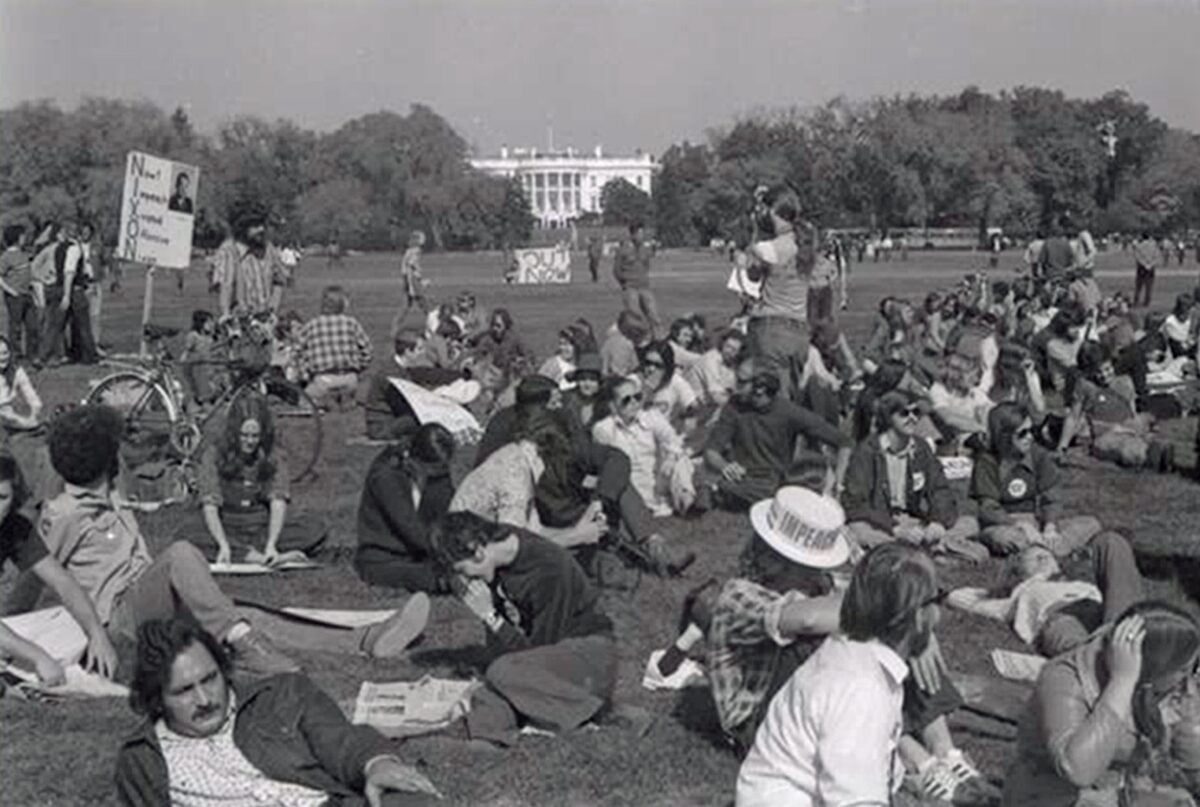
Richard Nixon’s firing of Special Prosecutor Archibald Cox triggered a constitutional crisis that made his eventual resignation inevitable. When Cox subpoenaed the White House tapes, Nixon ordered Attorney General Elliot Richardson to fire him.
Richardson resigned rather than carry out the order, as did Deputy Attorney General William Ruckelshaus. Finally, Solicitor General Robert Bork agreed to dismiss Cox.
The Saturday Night Massacre revealed Nixon’s desperation and his willingness to destroy the Justice Department to protect himself. Public outrage was swift and overwhelming—here was a president openly obstructing justice while the whole country watched.
The firings backfired spectacularly, intensifying calls for Nixon’s impeachment and convincing many Americans that their president was indeed guilty of the crimes he was accused of committing.
Iran Arms Sales
The Reagan administration’s secret arms sales to Iran violated both the spirit and letter of America’s stated policy on terrorism. While publicly maintaining that America would never negotiate with terrorists or their sponsors, Reagan’s team was secretly selling weapons to Iran in hopes of securing the release of American hostages held by Iranian-backed groups in Lebanon.
The operation was doubly illegal because proceeds from the arms sales were diverted to fund Nicaraguan Contras, despite Congress explicitly prohibiting such aid. When the story broke, Reagan claimed ignorance of the entire operation, leading to the famous question: was the president lying or was he simply not in control of his own administration? Neither answer was particularly comforting.
Lessons from the Oval Office
Presidential scandals reveal as much about American democracy as they do about individual presidents. Each one tests the system of checks and balances, the free press, and the public’s willingness to hold leaders accountable.
Some presidents have survived scandals that might have destroyed others, while some have been brought down by relatively minor infractions that happened to occur at the wrong moment in history. What remains constant is the reminder that power corrupts, and absolute power corrupts absolutely.
The presidency may be the most powerful office in the world, but it remains subject to the rule of law and the judgment of the American people.
More from Go2Tutors!

- The Romanov Crown Jewels and Their Tragic Fate
- 13 Historical Mysteries That Science Still Can’t Solve
- Famous Hoaxes That Fooled the World for Years
- 15 Child Stars with Tragic Adult Lives
- 16 Famous Jewelry Pieces in History
Like Go2Tutors’s content? Follow us on MSN.