Most Surprising Comic Book Moments of the 2010s
The 2010s delivered comic book moments that left readers questioning everything they thought they knew. These weren’t just plot twists — they were seismic shifts that rewrote the rules and redefined what comics could accomplish.
Some shocked through sheer audacity, others through emotional depth that caught everyone off guard. Looking back, these moments stand as the decade’s most unforgettable surprises.
The Walking Dead’s Final Issue Fake-Out
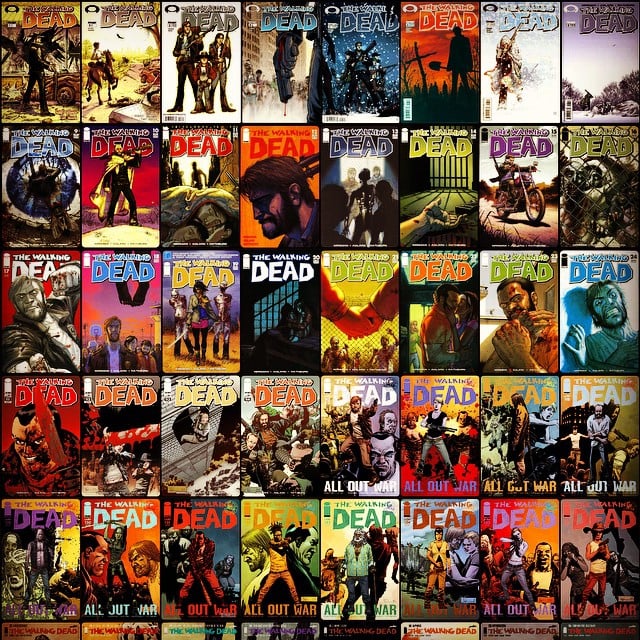
Robert Kirkman ended The Walking Dead without warning. Issue 193 seemed like another chapter in an ongoing story, then the final page announced this was actually the end.
No fanfare, no marketing campaign, no farewell tour. The comic just stopped, exactly the way Kirkman wanted it to.
Readers picked up what they thought was a regular issue and discovered they were holding the conclusion to a 16-year story. That takes nerve.
Captain America’s Hydra Revelation
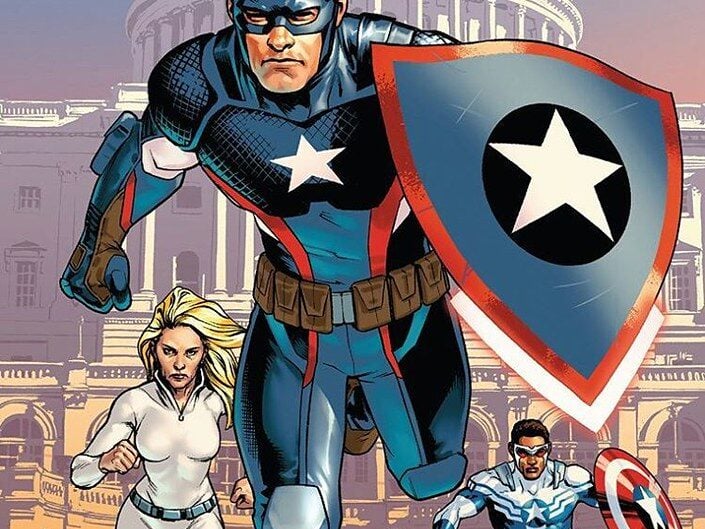
Steve Rogers whispered “Hail Hydra” and the entire Marvel Universe tilted sideways. The reveal that Captain America had been a Hydra agent all along (even though it was later explained through cosmic cube manipulation) felt like sacrilege to many readers, and that was precisely the point that writer Nick Spencer was driving toward — though the backlash was so immediate and fierce that it dominated comic book conversations for months, with some fans refusing to accept any explanation that could redeem their symbol of American heroism.
And yet the story worked on its own twisted terms. Sometimes the most effective surprises are the ones that make you angry first and thoughtful later.
Superman’s Son Grows Up Overnight
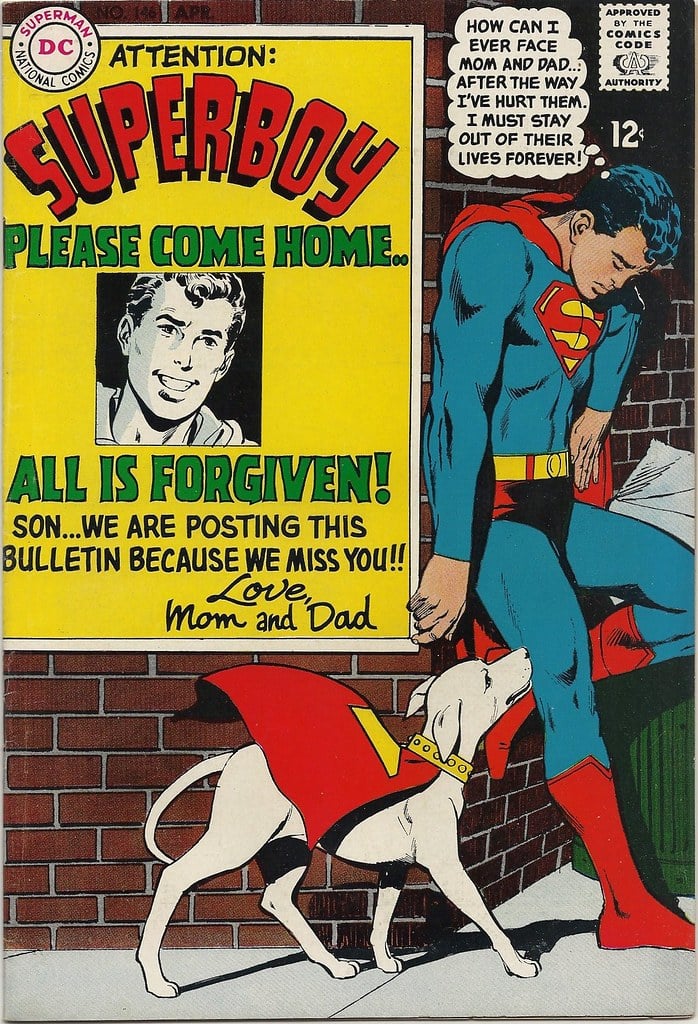
Jon Kent went from a 10-year-old kid learning to use his powers to a teenager who’d lived years in another dimension, and DC handled this transition with the kind of careful character work that transforms what could have been a cheap aging gimmick into genuine emotional storytelling. The boy who left wasn’t the same person who returned — he’d seen too much, learned too much, lost too much of his childhood to cosmic circumstances beyond anyone’s control.
Watching Clark and Lois navigate parenthood with a son who’d essentially skipped his formative years created the kind of family drama that superhero comics rarely attempt. It was science fiction serving character development, which is exactly how these stories should work.
The Death of Ultimate Spider-Man
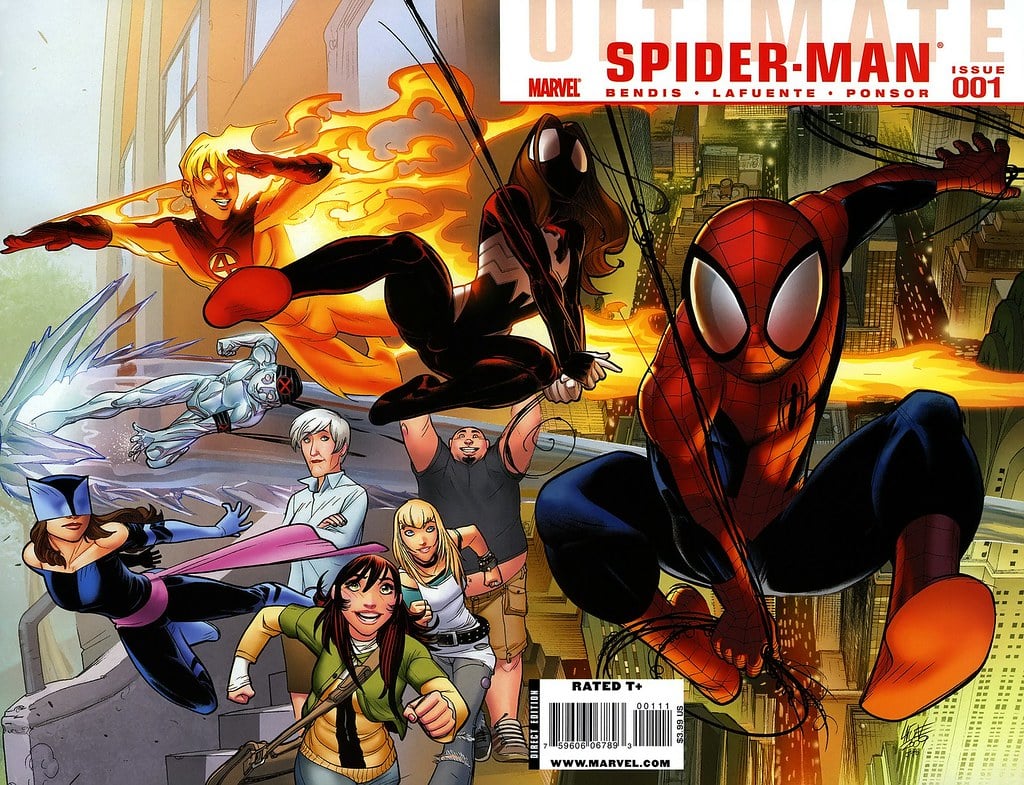
Miles Morales exists because Brian Michael Bendis killed Peter Parker. Not temporarily, not with a resurrection planned — Parker died and stayed dead in the Ultimate Universe.
That decision changed everything about what a Spider-Man story could be.
Bendis understood that real change requires real consequences. Miles became Spider-Man not because Peter stepped aside, but because Peter wasn’t coming back.
Batman’s Wedding That Wasn’t
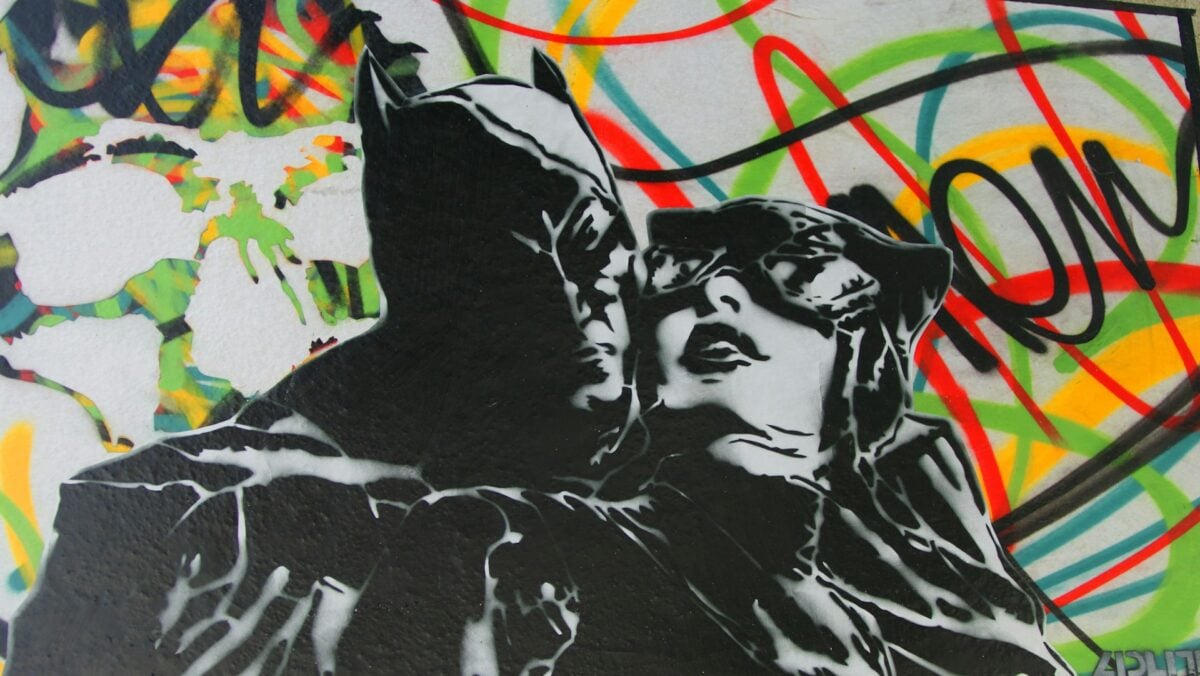
Tom King spent dozens of issues building toward Bruce Wayne and Selina Kyle’s wedding, with variant covers and promotional campaigns treating it like the comic book event of the year — only to have Catwoman leave Batman at the altar because she believed (in a moment of devastating psychological insight) that Batman needed his pain to be Batman, and happiness would somehow diminish his mission to protect Gotham.
But here’s what made it work as storytelling: Selina wasn’t wrong, even if she wasn’t entirely right either. The moment felt true to both characters while breaking readers’ hearts in the process.
King turned a non-wedding into a deeper examination of what it means to love someone whose identity is built around trauma.
The disappointment readers felt was the point — sometimes the most honest thing characters can do is make the choice that hurts.
Wonder Woman Kills Maxwell Lord
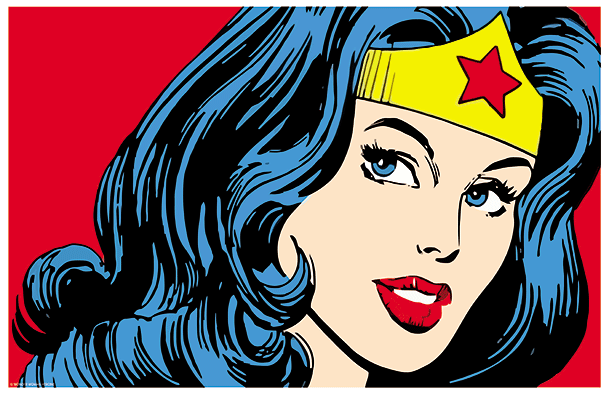
This moment actually happened in 2005, but its reverberations defined much of Wonder Woman’s character development through the 2010s as writers grappled with the implications of their hero making the hardest possible choice to save Superman and the world. Diana snapped Max Lord’s neck because it was the only way to free Superman from mind control, and that decision haunted her character for years afterward — which is exactly how it should have affected someone raised on ideals of compassion and truth.
The surprise wasn’t just the act itself, but how thoroughly DC committed to exploring its consequences. Heroes who kill carry that weight differently than heroes who find another way, and Wonder Woman’s struggle with that choice added moral complexity to her stories that many writers are still mining today.
The Immortal Hulk’s Horror Turn
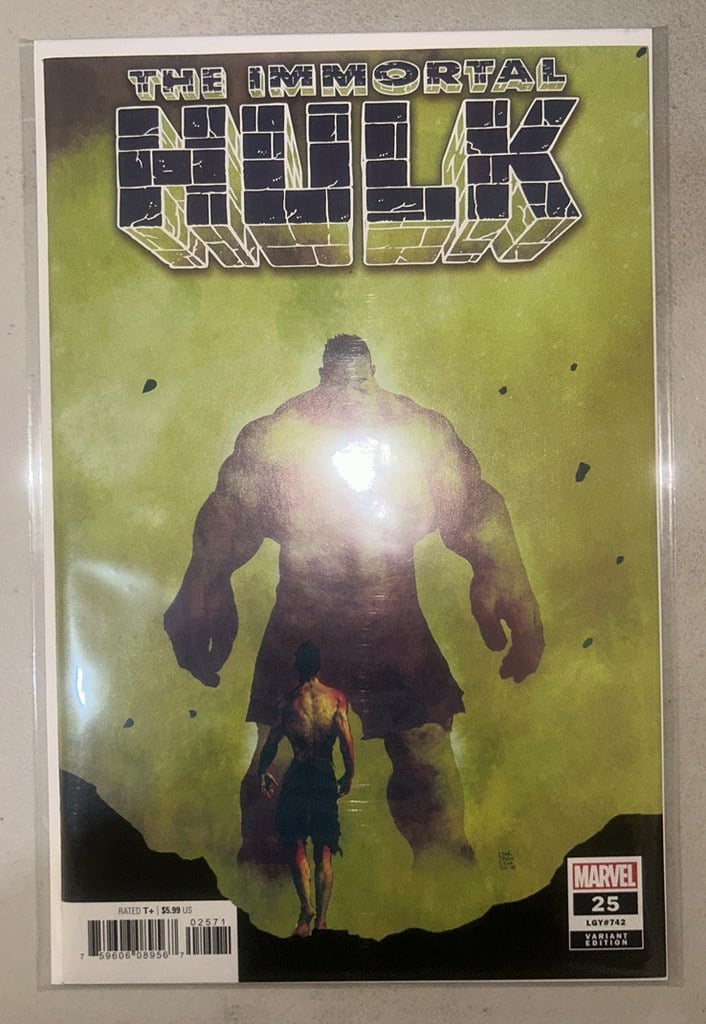
Al Ewing transformed the Hulk into a horror comic. Not action-horror or superhero-horror, but genuine body horror that treated Banner’s transformations like a curse from a nightmare rather than a superpower with anger management issues.
The Hulk became something that crawled out of graves and reassembled itself from scattered pieces. Ewing leaned into the monster aspects that most writers try to soften, creating something that felt both completely faithful to the character and unlike anything the Hulk had been before.
Saga’s Extended Hiatus
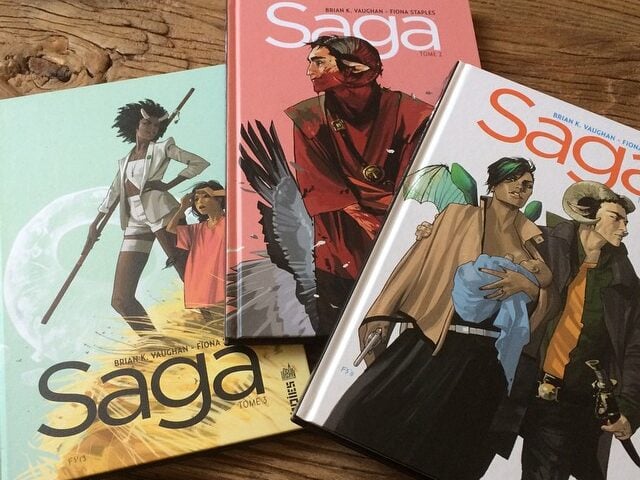
Brian K. Vaughan and Fiona Staples put Saga on indefinite hiatus at issue 54, right after a cliffhanger that left major characters’ fates uncertain — and what made this decision so surprising wasn’t just the timing, but Vaughan’s honest explanation that he needed time away from the story to figure out where it should go next, rather than continuing to publish issues simply because the series was successful.
Most creators would push through creative uncertainty to maintain momentum and sales. Vaughan chose artistic integrity over commercial pressure, trusting that readers would wait for the story to resume when it was ready to be told properly.
That kind of confidence in your audience is rare in any medium.
The X-Men’s Move to Krakoa
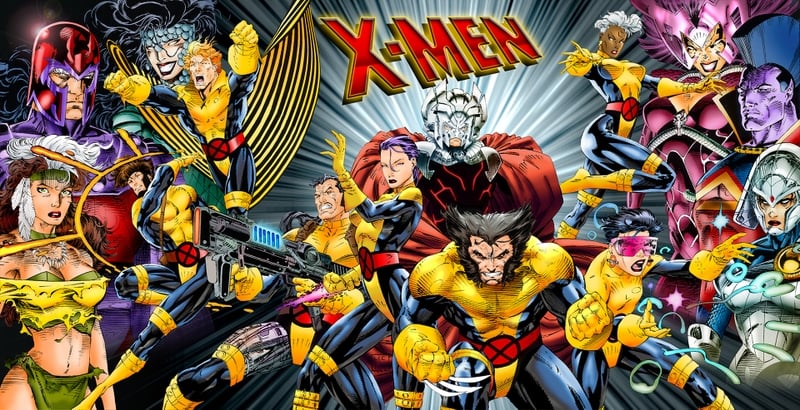
Jonathan Hickman didn’t just change the X-Men’s status quo — he obliterated it and built something entirely new from the ground up. Mutants stopped trying to integrate with human society and created their own nation-state, complete with resurrection protocols that made death temporary and cultural changes that redefined what it meant to be a mutant in the Marvel Universe.
The surprise wasn’t that the X-Men got a new base or new costumes, but that decades of civil rights metaphors were set aside in favor of exploring what happens when an oppressed minority stops asking for acceptance and starts demanding sovereignty.
Spider-Man Reveals His Identity to the World
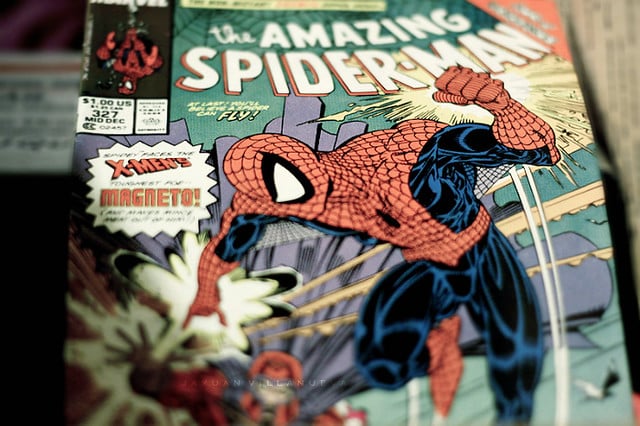
Peter Parker unmasked himself on live television during Civil War, and the consequences of that decision rippled through his stories for years afterward — until Marvel used “One More Day” to magically undo the reveal, which was almost as controversial as the original unmasking had been surprising.
The identity reveal worked because it felt like a natural escalation of the Civil War conflict, where superheroes were being forced to choose sides on superhero registration. Peter’s decision to support Tony Stark by revealing himself showed real commitment to his beliefs, even though those beliefs later proved misguided.
The End of the New 52
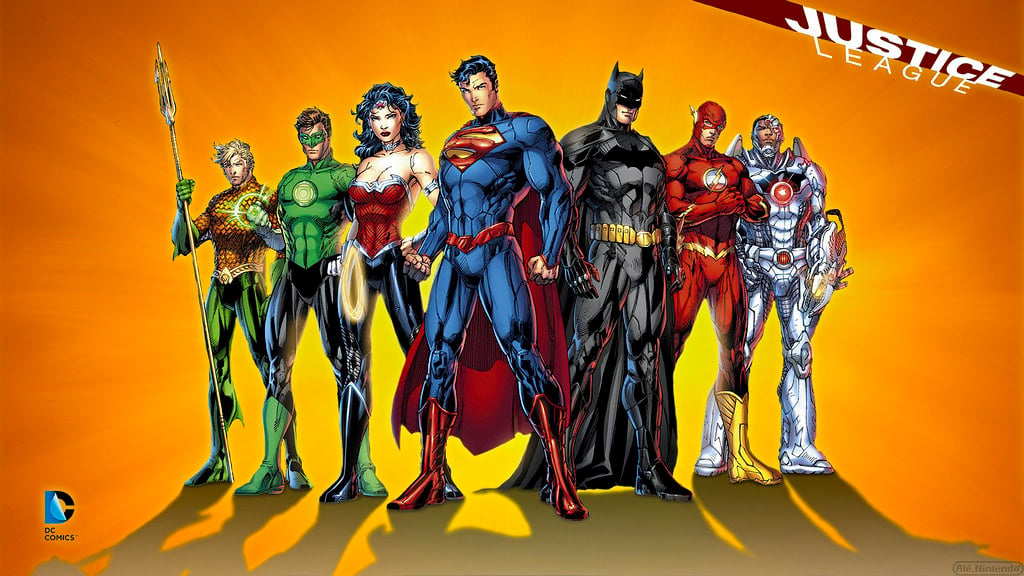
DC quietly abandoned the New 52 continuity without a crisis event or universe-destroying storyline to explain the change. Characters simply started referencing pre-New 52 history again, as if the continuity reboot had been more of a suggestion than a hard restart.
This approach to continuity management was surprisingly mature — instead of creating another reality-altering crossover to fix past mistakes, DC just moved forward with the stories they wanted to tell. Sometimes the best way to handle continuity problems is to ignore them.
Thor Becomes Unworthy
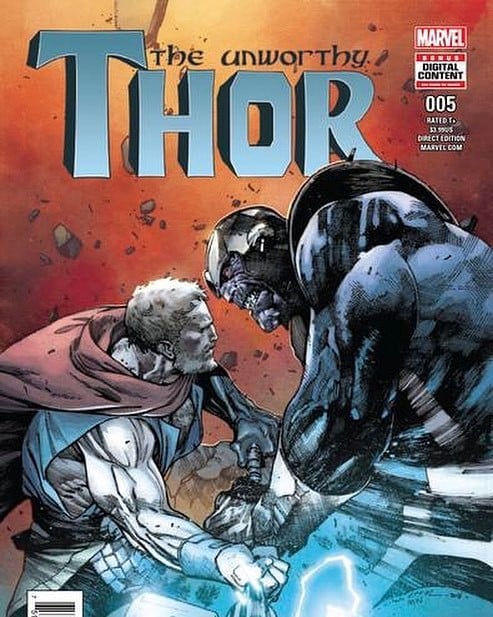
Jason Aaron stripped Thor of his ability to lift Mjolnir and never fully explained why. The Whisper that made Thor unworthy remained a mystery for years, creating a character study about identity and self-worth that didn’t depend on cosmic threats or villain schemes.
Thor without his hammer wasn’t just a depowered god — he was someone forced to confront who he was when stripped of the role that defined him. Aaron turned a simple concept into an exploration of worthiness that went far deeper than whether someone could lift an enchanted weapon.
Rebirth Fixes Everything Without Fixing Everything
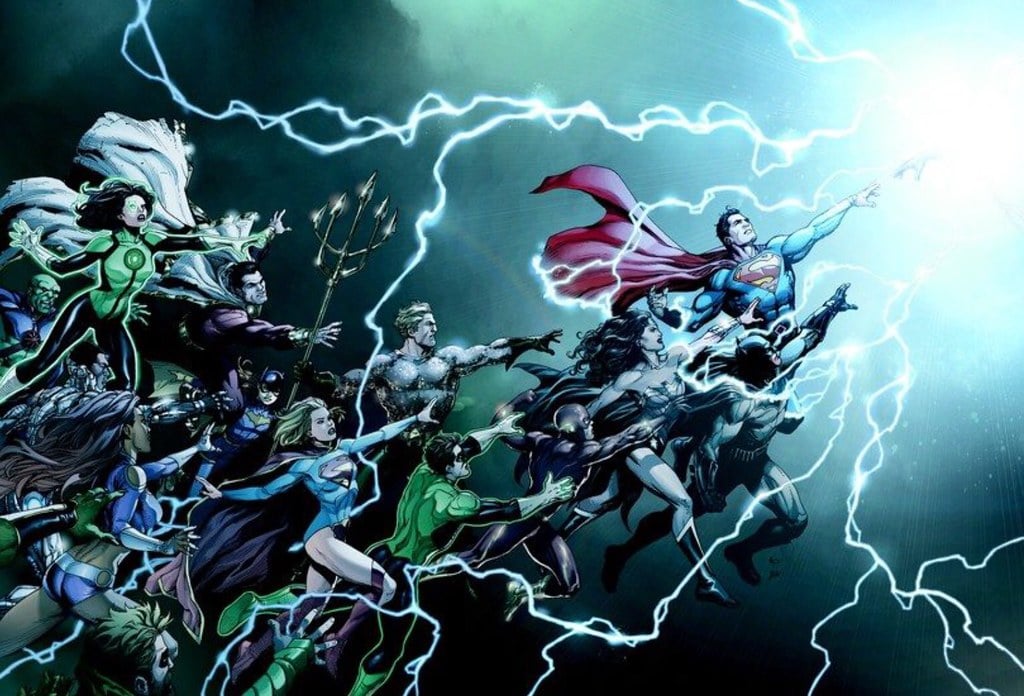
DC Rebirth promised to restore everything fans missed about pre-New 52 continuity, then delivered something more subtle and interesting — a acknowledgment that continuity mistakes had been made, without completely erasing the stories that had been told since 2011.
Geoff Johns found a way to have it both ways, giving longtime fans the return of beloved relationships and character beats while respecting the creators and readers who had invested in New 52 stories. The solution wasn’t perfect, but it was elegant in its attempt to honor both versions of these characters.
The Unbeatable Squirrel Girl Beats Everyone
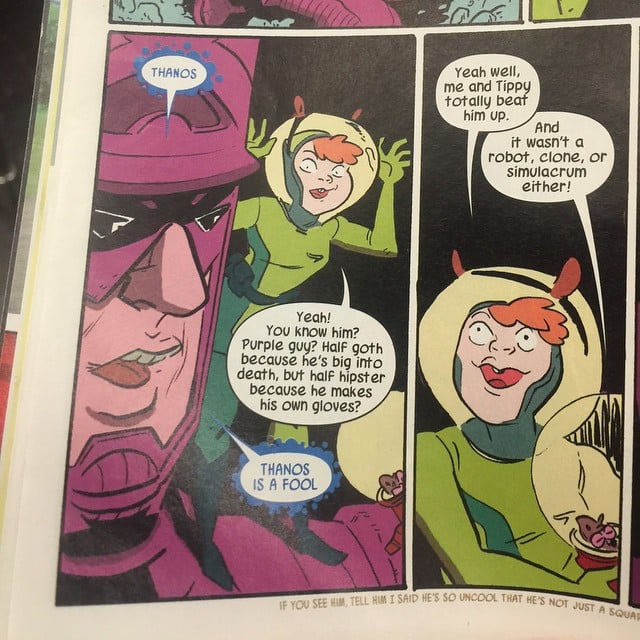
Ryan North turned Squirrel Girl into Marvel’s most consistently delightful comic by treating her ridiculous power set with complete sincerity and her victories over cosmic-level threats as natural consequences of her approach to problem-solving, which typically involves talking through conflicts rather than punching them into submission.
The surprise wasn’t that Squirrel Girl could defeat Galactus or Doctor Doom — it was that her methods made perfect sense within the context of her stories. North created a superhero comic about communication and empathy that never felt preachy or soft, just genuinely optimistic about people’s capacity to find common ground.
When the Dust Settles

These moments didn’t just surprise readers — they reminded everyone why comics remain the perfect medium for the impossible made plausible. The best surprises don’t just shock; they reframe everything that came before and open new possibilities for what comes next.
Looking back at these moments, what stands out isn’t their audacity but their commitment to following shocking developments through to their logical conclusions, treating readers like adults who can handle complexity and change.
More from Go2Tutors!

- The Romanov Crown Jewels and Their Tragic Fate
- 13 Historical Mysteries That Science Still Can’t Solve
- Famous Hoaxes That Fooled the World for Years
- 15 Child Stars with Tragic Adult Lives
- 16 Famous Jewelry Pieces in History
Like Go2Tutors’s content? Follow us on MSN.