Historic Ships With Legendary Journeys
The ocean has always drawn adventurers, explorers, and dreamers. Some vessels become more than just wood, metal, and canvas.
They become symbols of human courage, ambition, and the drive to see what lies beyond the horizon. These ships carried people across impossible distances, survived conditions that should have destroyed them, and changed how we understand our world.
HMS Endeavour and the Pacific Mapping
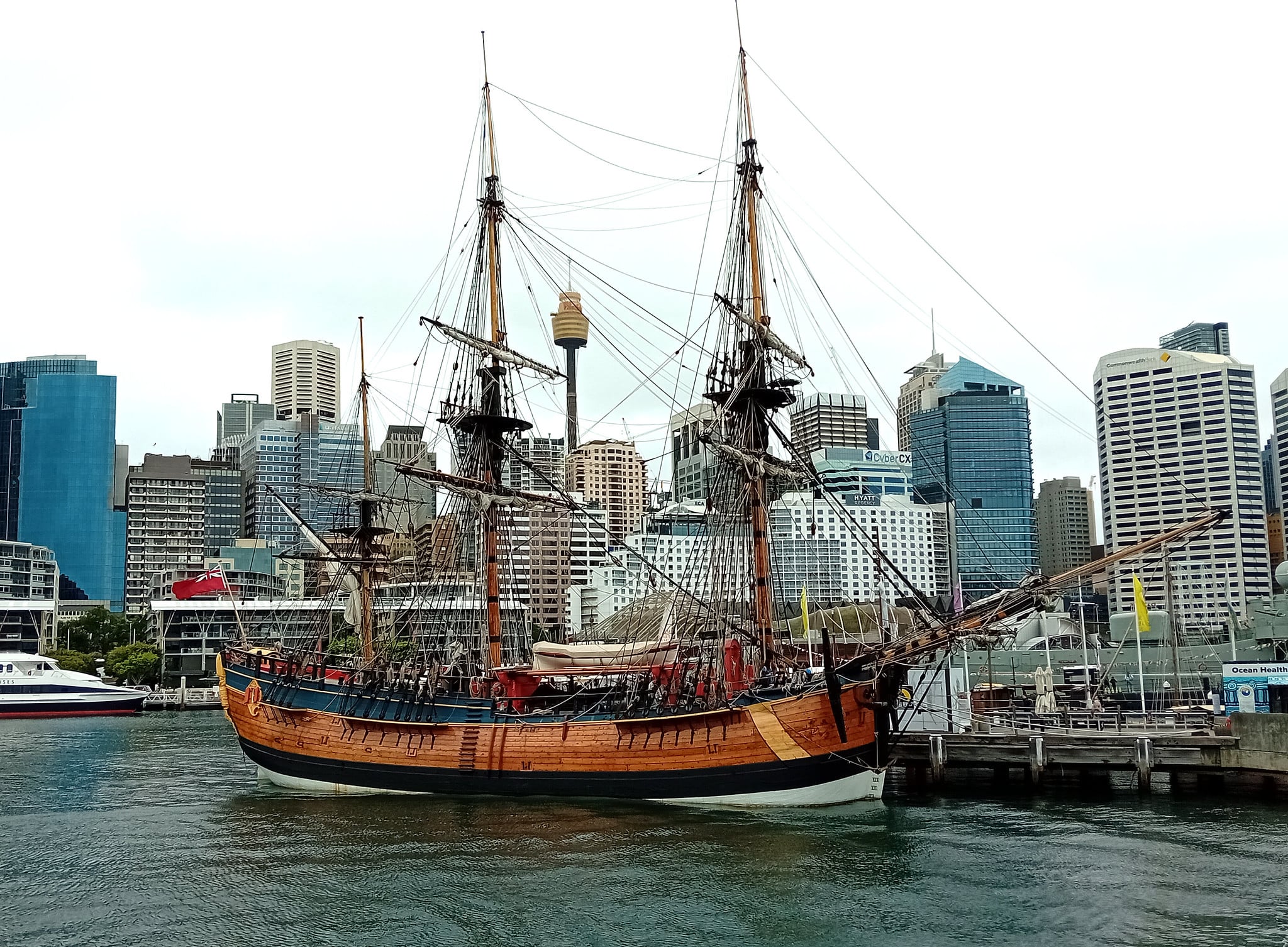
James Cook sailed this former coal ship across the Pacific from 1768 to 1771, and the journey redrew maps that had stood for centuries. The Endeavour visited Tahiti, charted New Zealand’s coastline, and became the first European vessel to reach Australia’s eastern coast.
Cook’s crew included scientists and artists who documented plants, animals, and cultures that Europeans had never encountered. The ship wasn’t built for glory.
It started life hauling coal along England’s coast, sturdy and wide-bottomed. That design saved the crew when coral ripped through the hull near the Great Barrier Reef.
They managed to beach the ship, patch the tear, and keep going.
The Santa María and an Accidental Discovery

Christopher Columbus never intended to find a new continent. He wanted a shortcut to Asia.
The Santa María, his largest ship, carried him across the Atlantic in 1492, and he landed in the Bahamas thinking he’d reached the Indies. The ship itself met an unglamorous end.
It ran aground on Christmas Day near present-day Haiti. Columbus used the wreckage to build a fort, left some crew behind, and sailed back to Spain on the smaller Niña.
That voyage opened a door between two hemispheres that had existed separately for thousands of years.
Fram: Built to Be Crushed
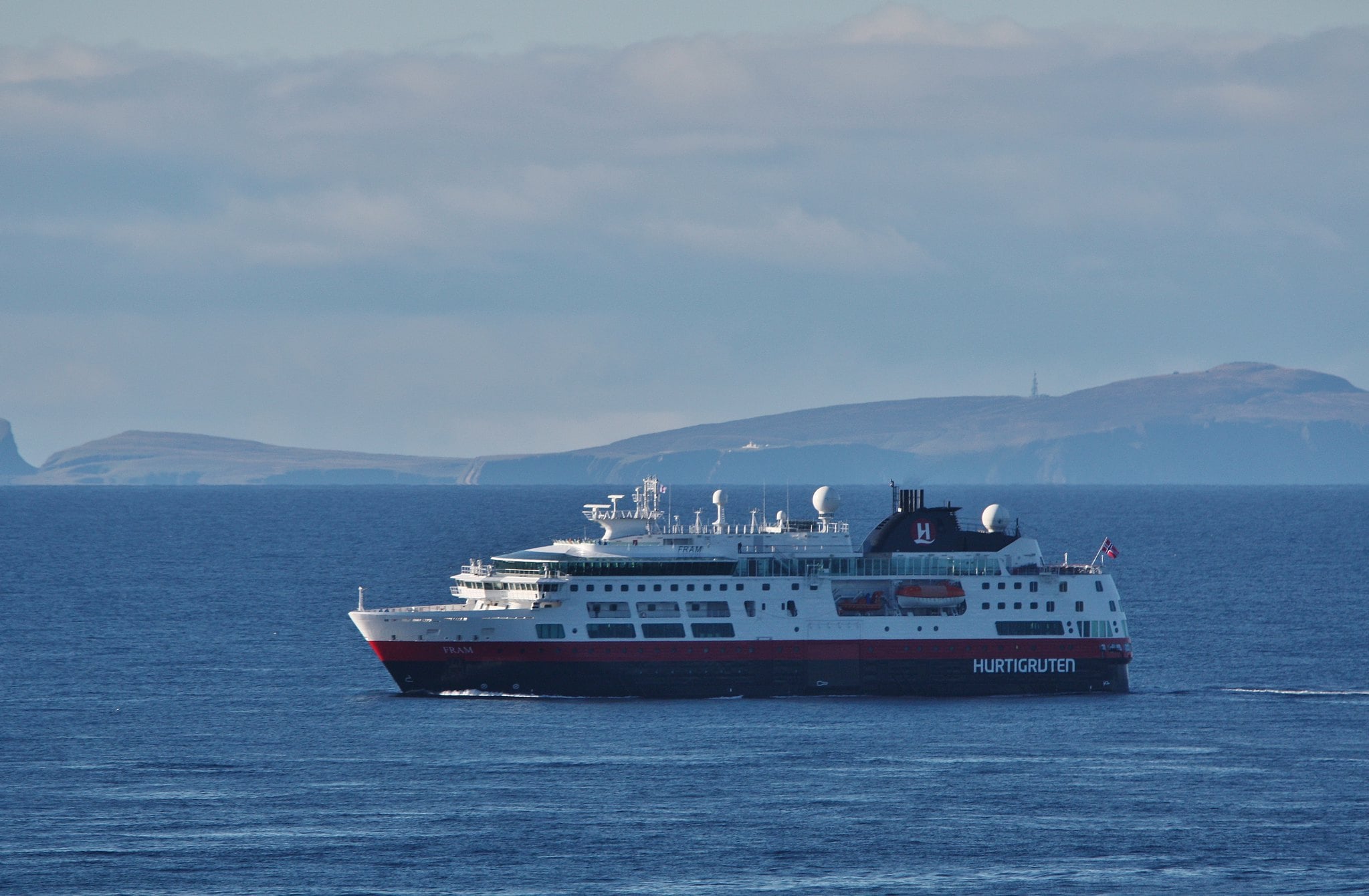
Fridtjof Nansen designed the Fram with one purpose—to survive being frozen in Arctic ice. The hull’s rounded shape meant ice couldn’t grip and crush it.
Instead, the ship would rise up as the ice closed in, riding on top of the pressure. This wild idea worked.
Nansen’s crew drifted across the Arctic Ocean from 1893 to 1896, locked in ice for months at a time. The ship proved its design.
Later, Roald Amundsen took the same vessel to Antarctica, making Fram the only ship to sail the farthest north and the farthest south.
HMS Beagle and the Theory That Changed Everything
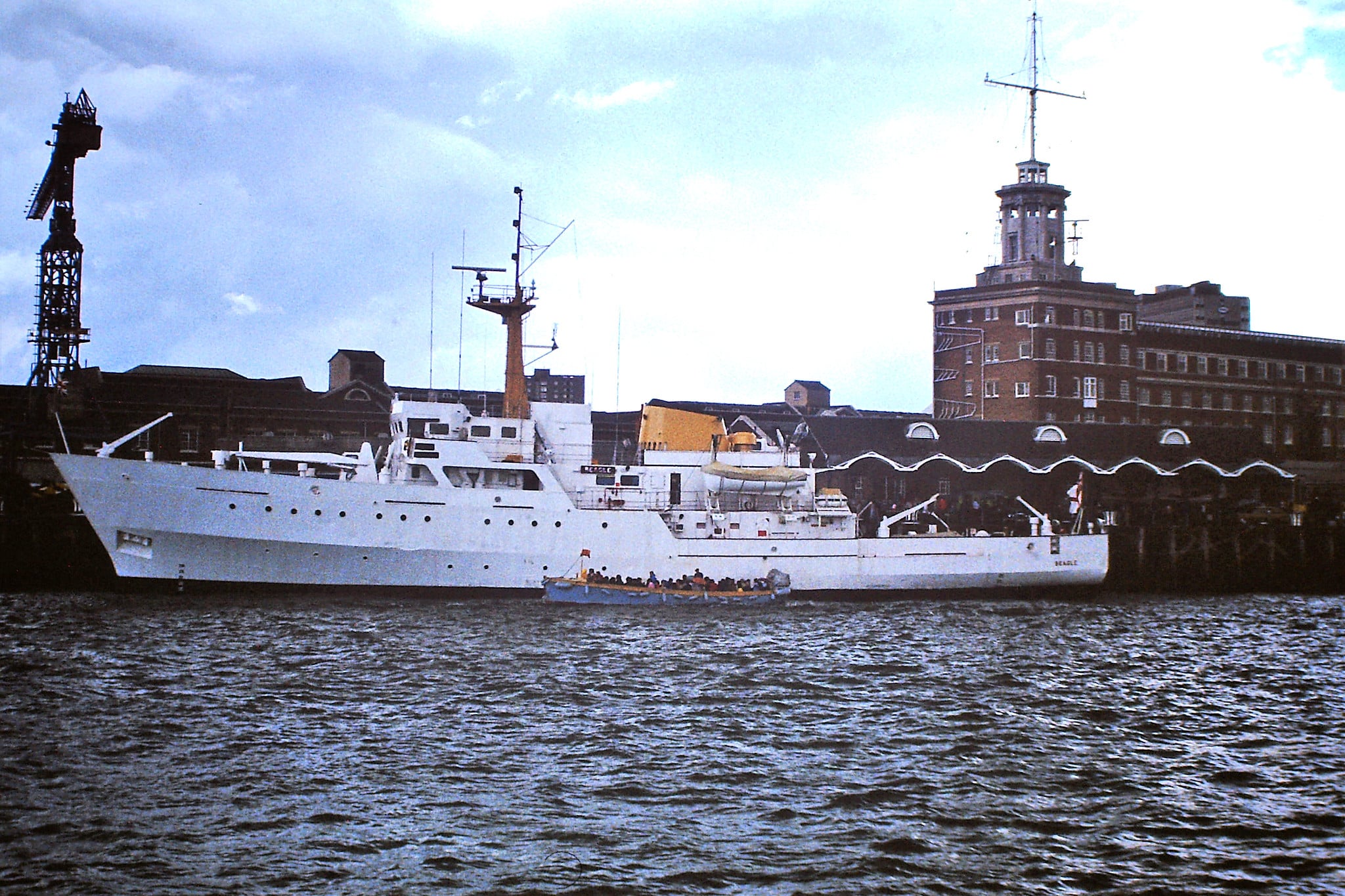
This small survey ship carried Charles Darwin around the world from 1831 to 1836. The journey took five years.
Darwin, just 22 when he boarded, spent most of his time feeling seasick. But when the ship reached various ports and islands, he explored with enthusiasm that never quit.
The Galápagos Islands proved most significant. Darwin noticed finches with different beak shapes on different islands, each adapted to available food.
Years after the voyage ended, those observations formed the foundation of his theory of evolution. The Beagle gave Darwin the evidence that would reshape biology.
The Victoria’s Solo Return
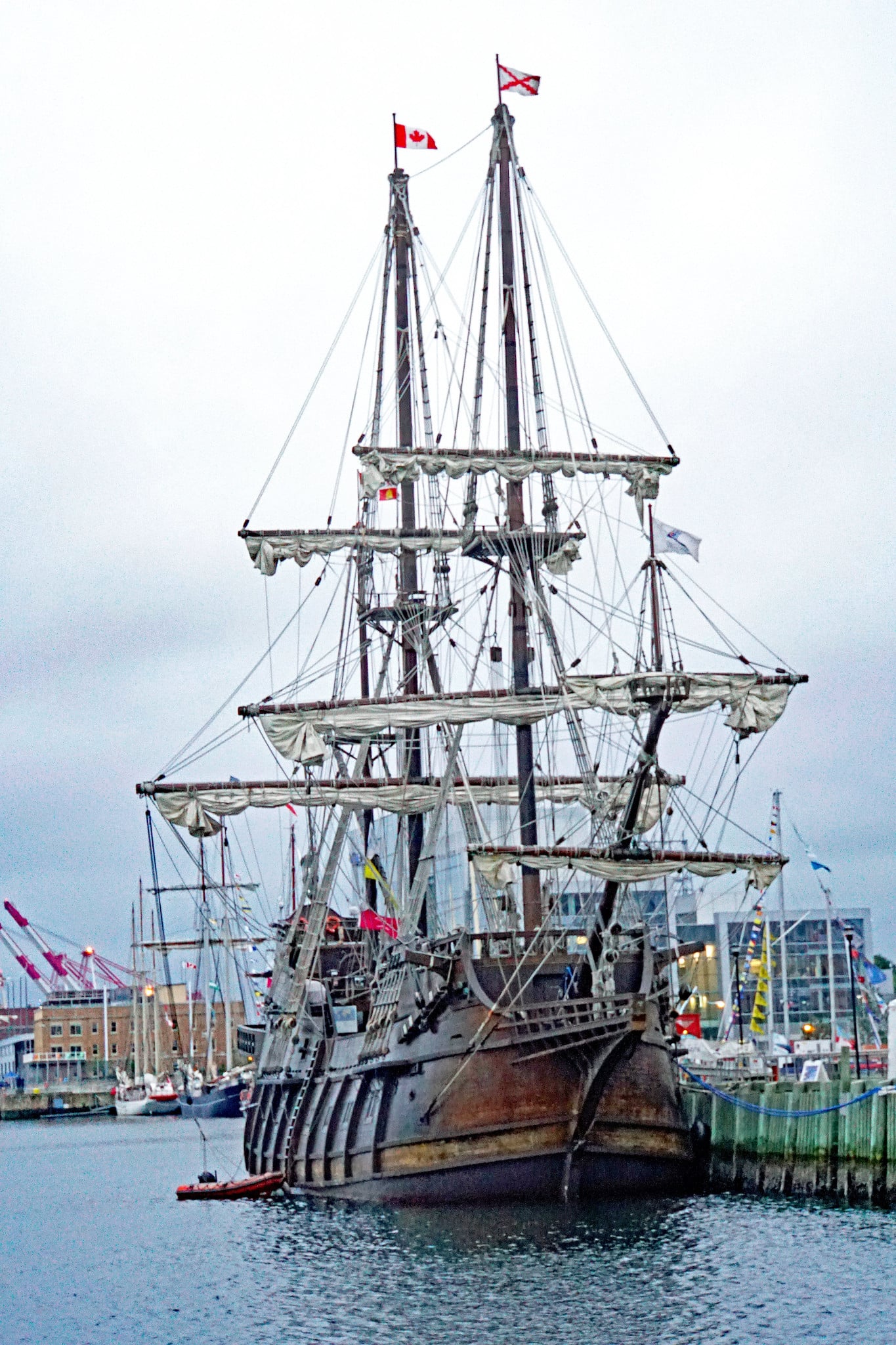
Ferdinand Magellan led five ships out of Spain in 1519, searching for a western route to the Spice Islands. Only one ship, the Victoria, made it back three years later.
Magellan himself died in the Philippines during a conflict with local forces. Juan Sebastián Elcano took command and brought the Victoria home with just 18 surviving crew members.
They’d crossed the Pacific, endured starvation, and proved the earth’s roundness in the most practical way possible. The ship’s holds carried enough cloves to pay for the entire expedition, though the human cost ran high.
HMS Victory and Trafalgar

Lord Nelson’s flagship entered naval legend in 1805. At the Battle of Trafalgar off the Spanish coast, the Victory led the British fleet against a combined French and Spanish force.
Nelson’s tactics broke naval convention—he sailed directly at the enemy line instead of engaging in the traditional parallel formation. The strategy worked.
Britain secured naval dominance for the next century. Nelson died on the Victory’s deck during the battle, shot by a French marksman.
The ship survived and now sits in dry dock at Portsmouth, the oldest commissioned warship still in service.
Kon-Tiki and the Raft That Crossed an Ocean

Thor Heyerdahl built a raft from balsa wood in 1947, convinced that ancient South Americans could have reached Polynesia using similar craft. Most experts dismissed the idea.
Heyerdahl and five crew members set sail from Peru anyway, with no motor and no way to steer except by using a makeshift rudder and sail. The Kon-Tiki drifted 4,300 miles across the Pacific in 101 days, eventually crashing into a reef in the Tuamotu Islands.
The voyage proved that such a journey was physically possible, though it didn’t settle the debate about whether it actually happened. The raft now sits in a museum in Oslo.
The Mayflower’s Famous Passengers

This merchant ship carried 102 Pilgrims from England to North America in 1620. The journey took 66 days through autumn storms.
The passengers, seeking religious freedom, endured cramped conditions below deck, with little privacy and terrible food. They aimed for Virginia but landed much farther north at Cape Cod.
Nearly half died during the first winter. The survivors built Plymouth Colony, and their story became central to American historical mythology.
The ship itself returned to England and likely ended its days hauling cargo until it rotted away. No one knows exactly what happened to it.
Cutty Sark: Racing for Tea

This clipper ship emerged from Scottish shipyards in 1869, designed for one thing—speed. The tea trade from China to London turned into annual races, with the first ship back commanding the best prices.
The Cutty Sark’s sleek design and massive sail area made it one of the fastest ships on the water. It spent only a few years in the tea trade before steamships took over.
The ship then carried wool from Australia, setting records that still stand. Now it rests in dry dock at Greenwich, one of the last surviving tea clippers, its hull still showing the graceful lines that once cut through ocean swells at remarkable speeds.
Rainbow Warrior and a Different Kind of Voyage
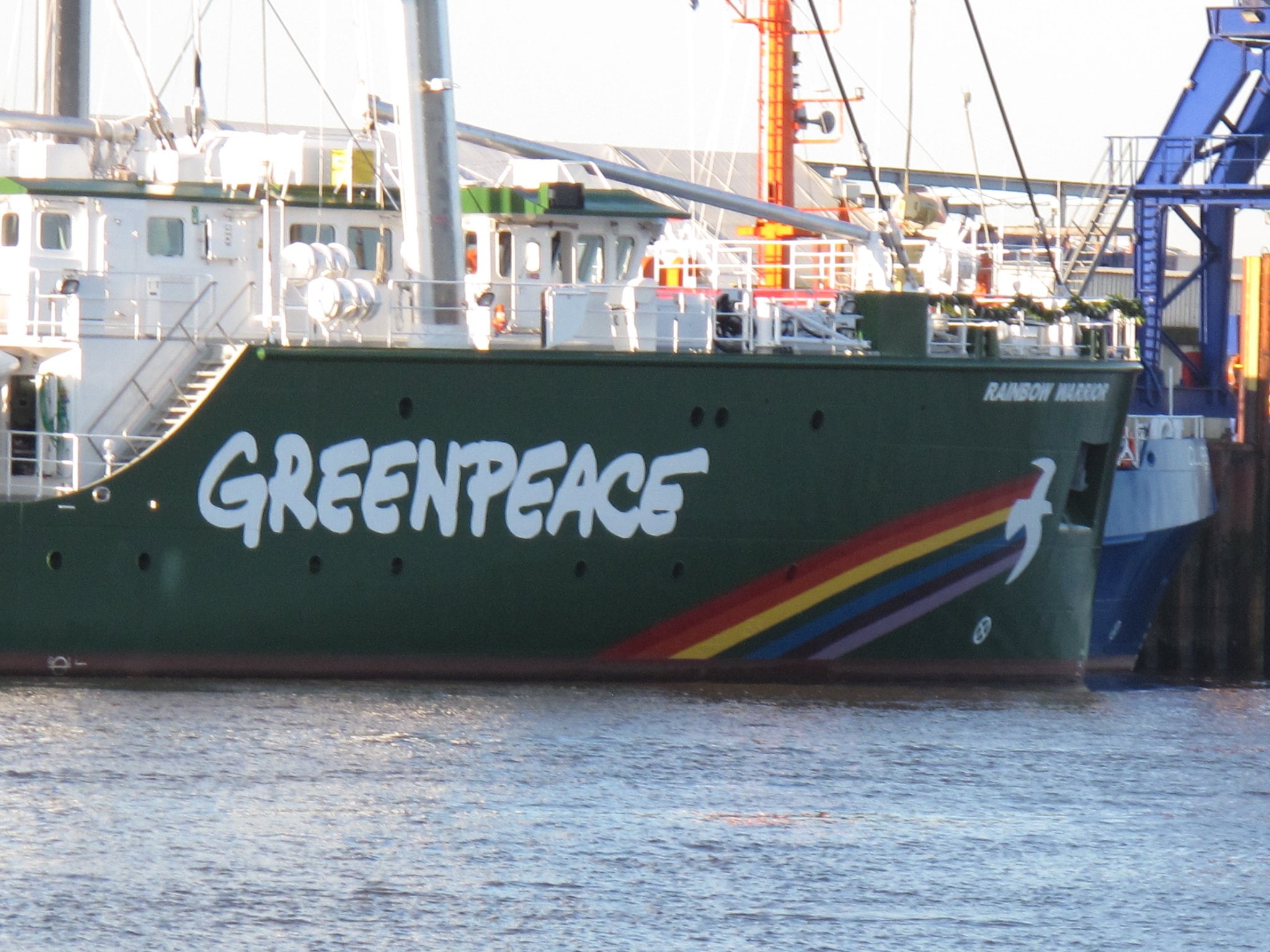
Greenpeace bought this retired fishing trawler in 1978 and converted it into a campaign vessel. The Rainbow Warrior sailed into nuclear test zones, positioned itself between whales and harpoons, and confronted ships dumping toxic waste.
The ship became a symbol of environmental activism. In 1985, French secret service agents planted bombs and sank the ship in Auckland harbor, killing photographer Fernando Pereira.
The attack sparked international outrage. Greenpeace replaced the vessel with Rainbow Warrior II, continuing the mission.
The original ship’s legacy extended beyond environmental campaigns—it demonstrated how a single vessel could represent a global movement.
USS Constitution: Still Afloat After 200 Years
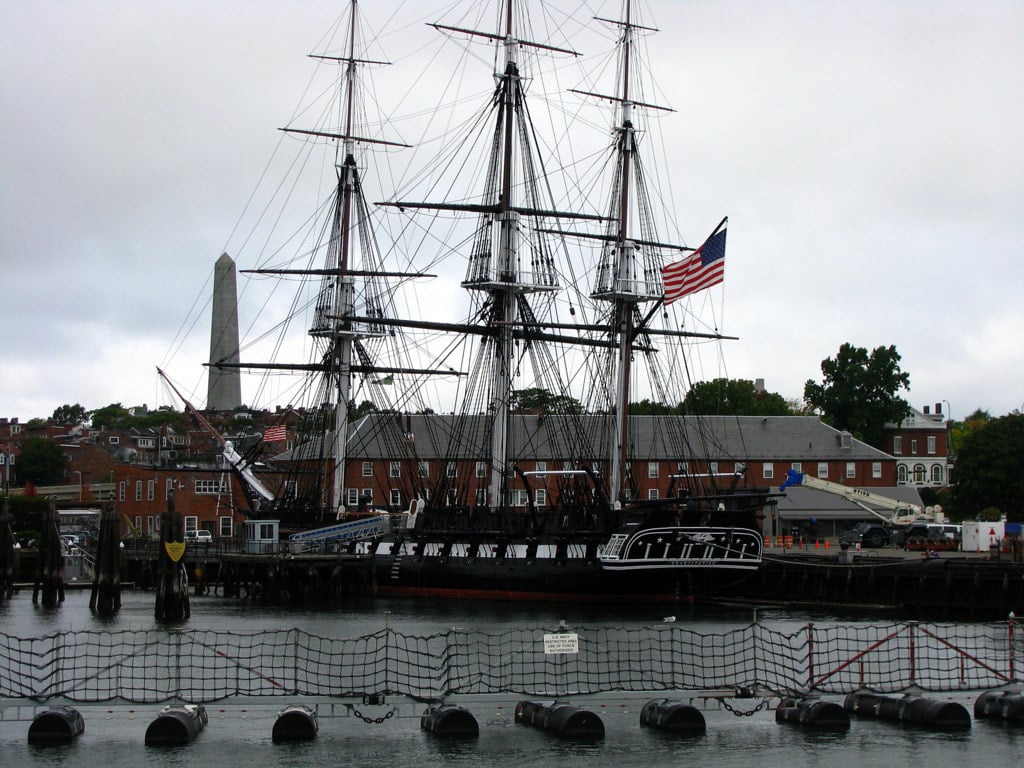
This frigate launched in 1797 and earned its nickname “Old Ironsides” during the War of 1812 when British cannonballs seemed to bounce off its thick oak hull. The ship won every battle it fought, capturing numerous British vessels and boosting American morale during a difficult war.
The Constitution remains the oldest commissioned warship still afloat. The Navy maintains it at Boston’s Charlestown Navy Yard, taking it out for short sails on special occasions.
Crews still serve aboard it, continuing a tradition that stretches back more than two centuries. The ship represents something rare—a tangible connection to the earliest days of American naval history.
Golden Hind and Piracy Disguised as Patriotism

Francis Drake sailed this ship around the world from 1577 to 1580, though he started the voyage calling it the Pelican. Drake raided Spanish ships and settlements throughout the journey, accumulating treasure that made investors back in England very happy.
Queen Elizabeth I knighted him on the ship’s deck after his return. The Spanish considered Drake a pirate.
The English called him a hero. The Golden Hind represented both viewpoints—a vessel of exploration that also served as a tool of war and theft.
Drake’s circumnavigation proved less about discovery and more about demonstrating England’s growing naval power and willingness to challenge Spanish dominance.
RMS Titanic: When Confidence Meets Ice
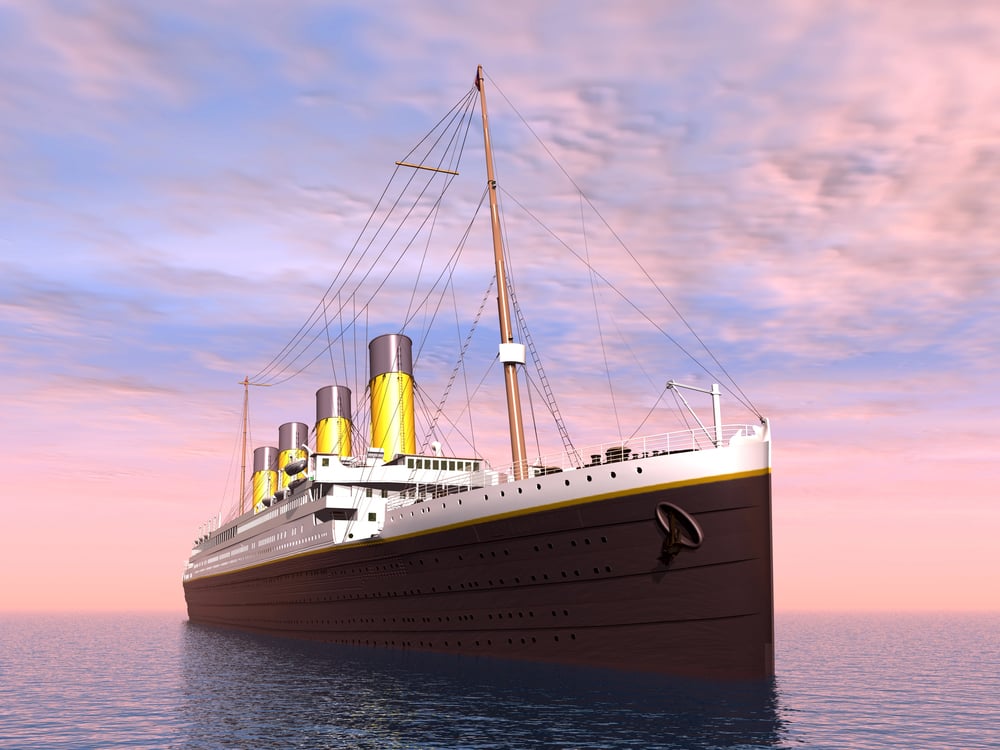
This fancy ocean cruiser said folks could cross the Atlantic safe and cozy. Its creators added sealed sections below deck, boasting it hardly ever sank.
But that pride turned deadly. That day in April 1912, right on its first trip, the Titanic hit an icy chunk then went under within just a few hours.
Over fifteen hundred folks didn’t make it out alive. What happened showed serious problems with how ships were kept safe – too few boats to save everyone, poor plans when things went wrong, also this risky idea that machines could never fail.
The wreckage lies at a depth of two and a half miles, decaying bit by bit. Titanic’s tale grew into something bigger than a ship sinking.
It marked the instant people saw how tech and advancement weren’t foolproof – nature could still overpower human plans.
Vessels That Shaped How We See Ourselves

Boats move more than goods or travelers – they bring thoughts, hopes, worries, yet visions through stretches once thought unreachable. These crafts sailed into uncharted seas since folks on deck felt the gamble paid off.
Certain trips worked out great. Some crashed badly. Many just landed in the middle.
The sea looks just like it did hundreds of years ago. Still wild, huge, yet full of risks.
Yet those vessels with their sailors turned what once blocked people into a route linking lands and ways of life. They showed folks can survive where they weren’t meant to last, how wonder beats fear most times, also how going forward might mean more than arriving.
More from Go2Tutors!

- The Romanov Crown Jewels and Their Tragic Fate
- 13 Historical Mysteries That Science Still Can’t Solve
- Famous Hoaxes That Fooled the World for Years
- 15 Child Stars with Tragic Adult Lives
- 16 Famous Jewelry Pieces in History
Like Go2Tutors’s content? Follow us on MSN.