14 Song Lyrics That Sparked Real-Life Chaos
Some tunes just hit differently. They don’t stay in their lane as background music—they jump out and grab society by the throat. Throughout history, certain songs have managed to escape the confines of entertainment and become full-blown cultural earthquakes. We’re talking about tracks that didn’t just chart—they started riots, launched investigations, and changed laws.
Musicians probably never expected their three-minute creations would end up causing congressional hearings or FBI investigations. Yet here we are, with a whole catalog of songs that proved music isn’t just harmless fun. Here is a list of 14 songs whose lyrics created genuine chaos in the real world.
Louie Louie by The Kingsmen

The Kingsmen’s 1963 cover of Richard Berry’s original album became America’s most scrutinized song. Not because it was revolutionary—because nobody could understand what the hell the singer was saying.
Those slurred vocals had parents, teachers, and moral guardians convinced they were hearing something dirty. The FBI launched a two-year investigation, analyzing the garbled recording for hidden profanity.
Agents played it backwards, forwards, at different speeds. Their conclusion? The lyrics were unclear but clean. Too late—the song had already become a generational battle cry.
Helter Skelter by The Beatles
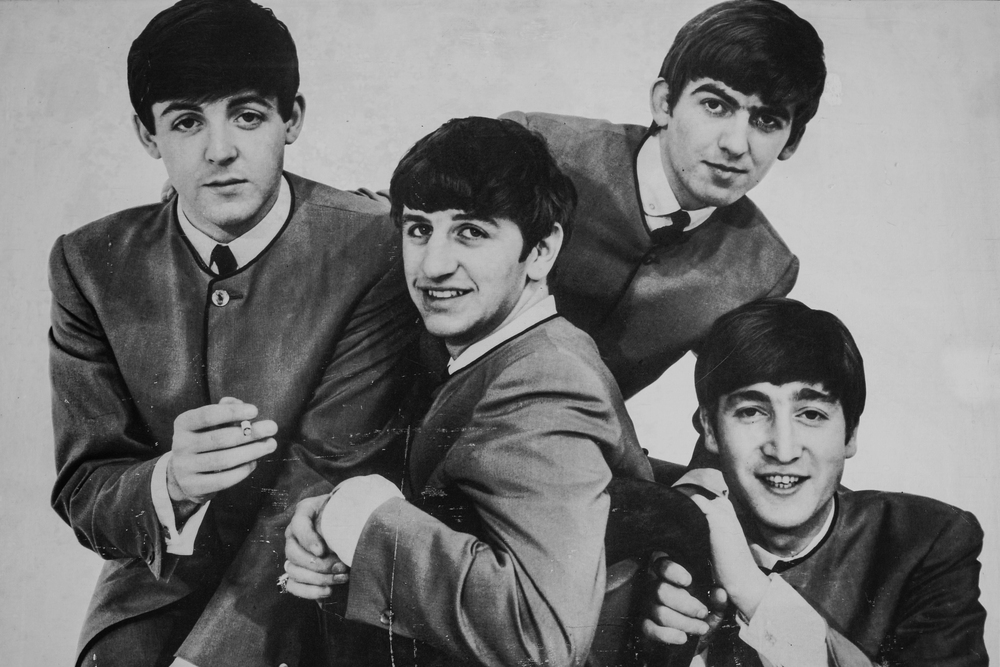
Paul McCartney wanted to write the loudest, most raucous song possible. He succeeded, but with unintended consequences.
Charles Manson latched onto this 1968 rocker about a playground slide and convinced himself it predicted an apocalyptic race war. His deranged interpretation led to the brutal murders of seven people in August 1969, including actress Sharon Tate.
When investigators found the song’s title scrawled in blood at a crime scene, an innocent rock song became forever tied to one of America’s most shocking mass murders.
Like Go2Tutors’s content? Follow us on MSN.
Cop Killer by Body Count
Ice-T’s metal band chose the worst possible moment to release an anti-police anthem. “Cop Killer” dropped in 1992, just months after the Rodney King riots had torn Los Angeles apart.
The song’s violent anti-law enforcement message triggered massive protests from police unions, politicians, and activists. President George H.W. Bush publicly condemned it.
Police organized boycotts of Time Warner. The controversy became so toxic that Ice-T eventually pulled the track from future album pressings himself.
Strange Fruit by Billie Holiday
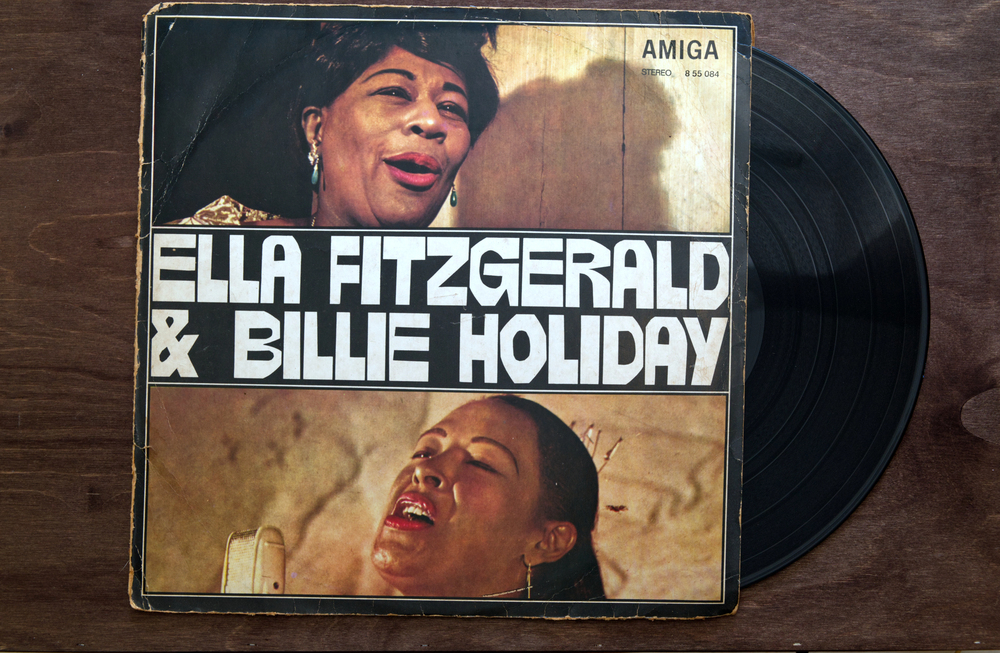
Billie Holiday’s haunting 1939 ballad about lynching was too powerful for its time. Radio stations refused to touch it—too controversial, they said.
Holiday faced constant harassment and threats for performing it, but she refused to stop singing it. Record labels dropped her.
The government began surveilling her activities more closely. This song was so threatening to the racial status quo that it essentially made Holiday a target for the rest of her career.
Imagine by John Lennon
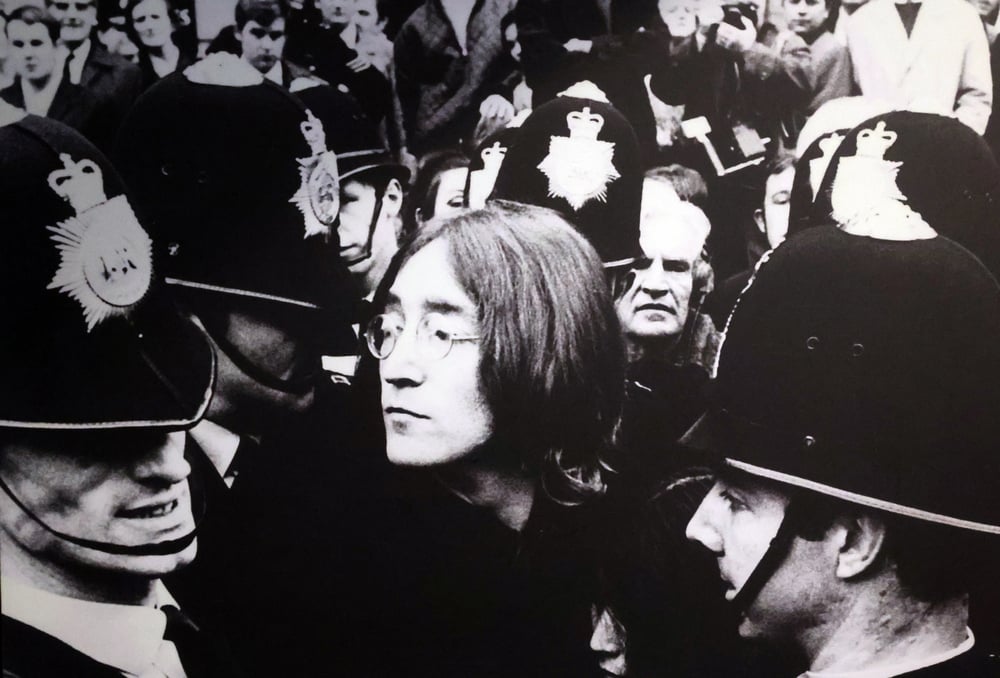
Peace, love, and understanding—what could be controversial about that? Try suggesting there’s no heaven, hell, or religion.
Lennon’s 1971 anthem got banned from radio stations worldwide. Religious groups exploded in outrage.
Death threats flooded in. The situation got worse because people remembered Lennon’s earlier comment about The Beatles being “more popular than Jesus.”
This gentle plea for unity became a cultural battleground.
Like Go2Tutors’s content? Follow us on MSN.
Born in the U.S.A. by Bruce Springsteen
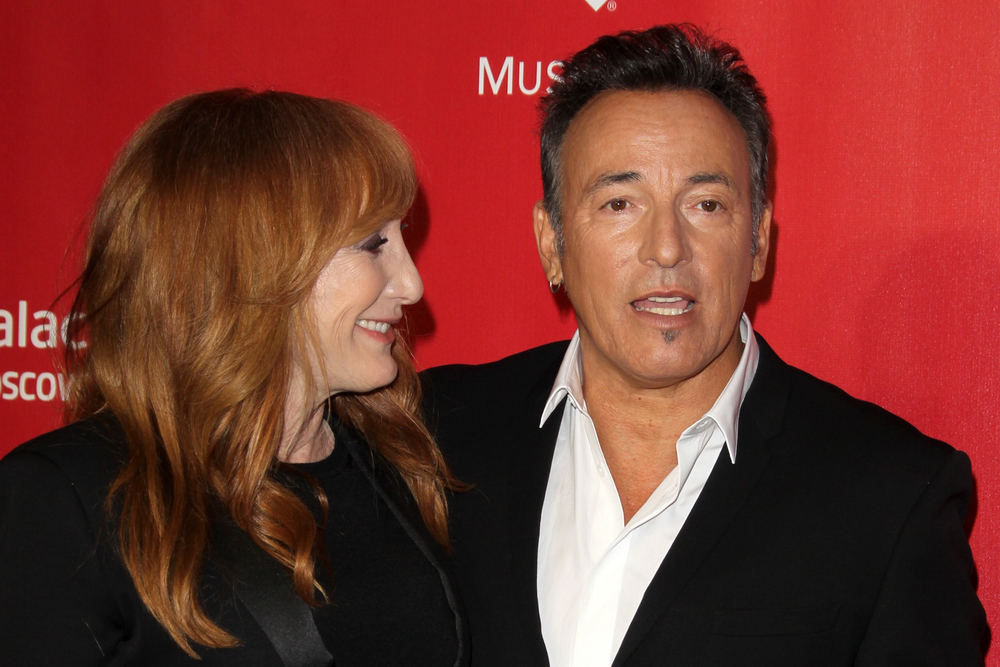
Ronald Reagan’s 1984 campaign team heard Bruce Springsteen’s anthem and thought they’d found their theme song. Big mistake.
They completely missed that the song was actually a bitter critique of how America treated Vietnam veterans. When Springsteen publicly rejected Reagan’s interpretation, it created a political firestorm.
The incident demonstrated how easily politicians could misappropriate music—and how dangerous musical misunderstandings could become in the political arena.
Smack My Bitch Up by The Prodigy
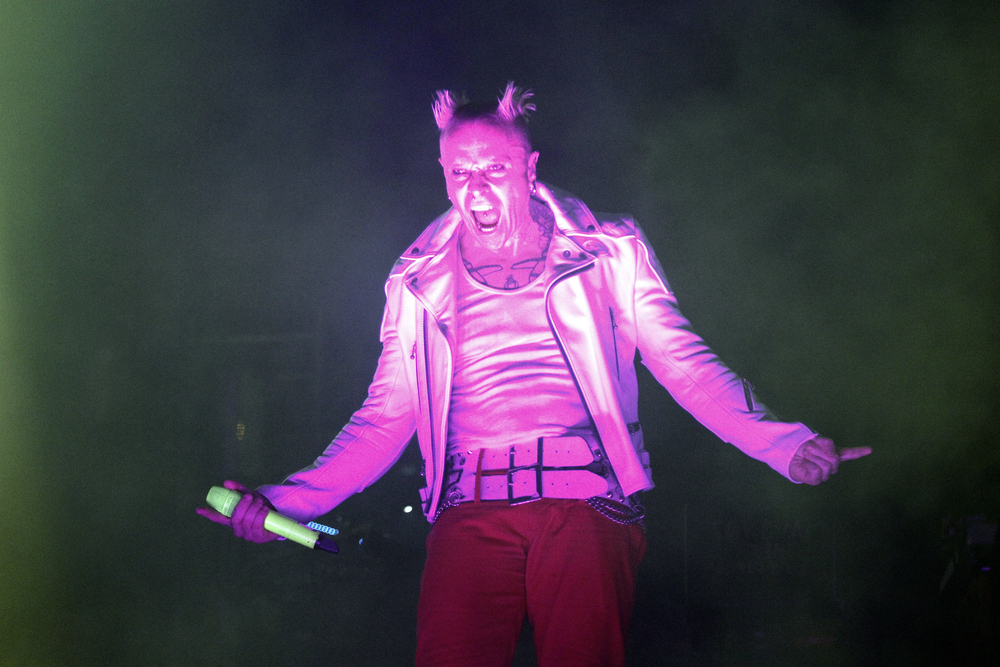
The Prodigy’s 1997 electronic track caused immediate international outrage over its perceived promotion of domestic violence. Countries banned it from radio.
Women’s rights groups organized protests demanding stores stop selling it. The music video got banned from most television networks.
What should’ve been a dancefloor anthem became a media circus that completely overshadowed the group’s musical achievements.
Killing in the Name by Rage Against the Machine
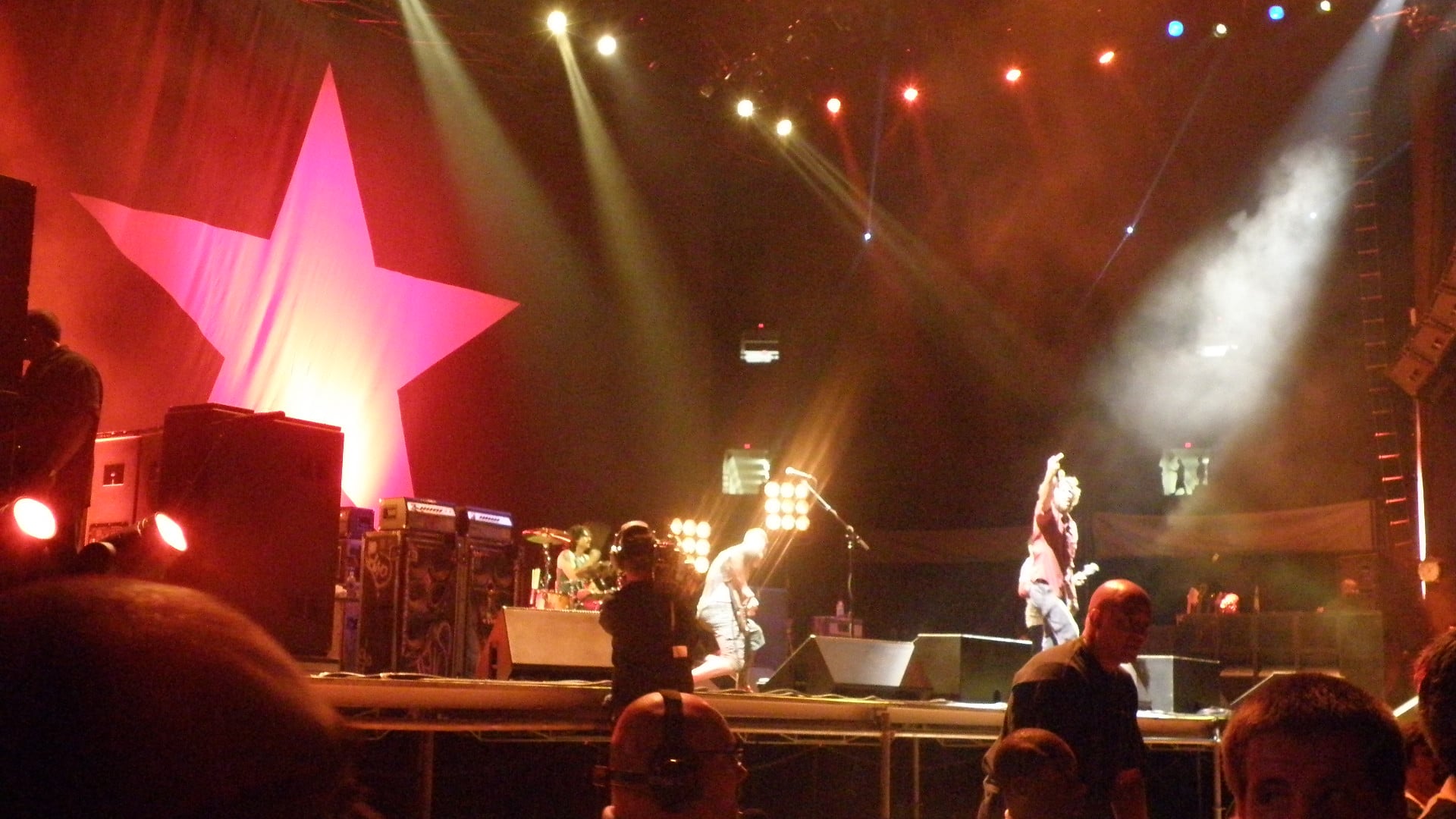
Rage Against the Machine’s 1992 track combined explicit profanity with anti-authority messaging—not exactly mainstream radio material. The song’s brutal lyrics about police brutality and institutional racism sparked protests from law enforcement groups and conservative politicians.
Radio stations couldn’t figure out how to broadcast it without censoring half the words. Live performances regularly erupted into confrontations between the band and security or police.
Like Go2Tutors’s content? Follow us on MSN.
Fight the Power by Public Enemy
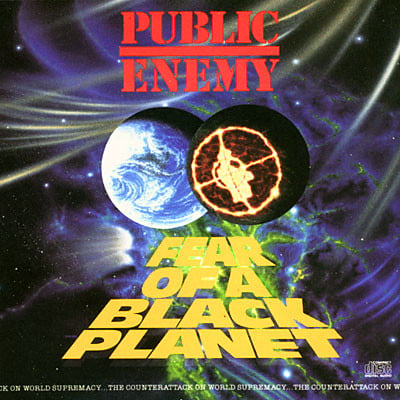
Public Enemy’s 1989 anthem became the unofficial soundtrack to urban unrest across America. The confrontational lyrics about systemic racism and calls for resistance made it both a rally cry for civil rights activists and a target for conservative groups.
Radio programmers agonized over whether to play it. Its prominent placement in Spike Lee’s “Do the Right Thing” amplified the controversy exponentially.
Blurred Lines by Robin Thicke
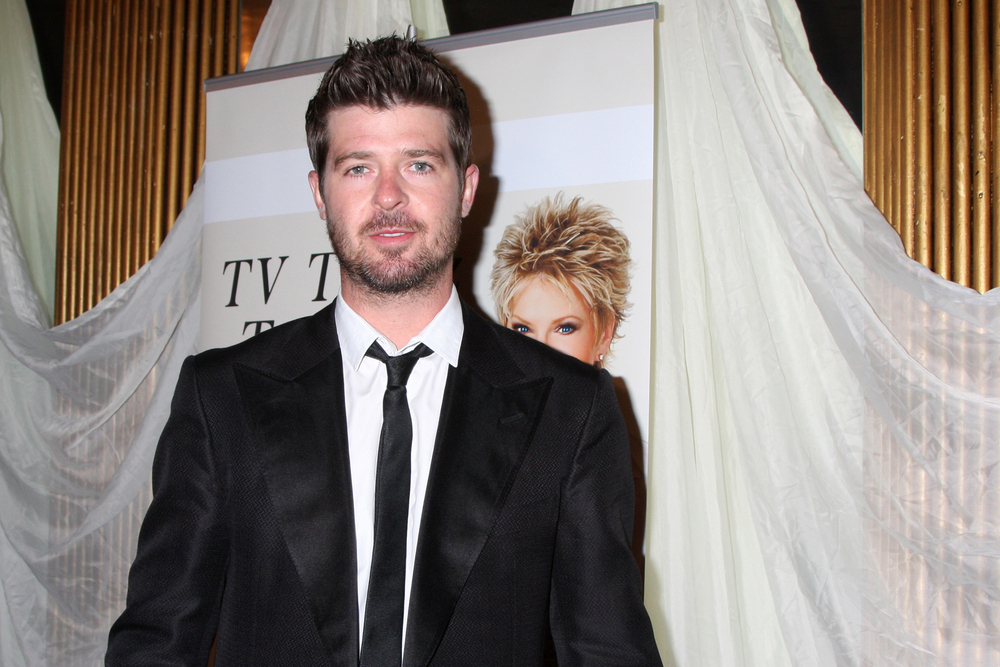
Robin Thicke’s 2013 hit triggered a massive cultural debate about consent and misogyny in popular music. Critics argued the lyrics promoted rape culture.
Universities banned it from campus events. Protesters showed up at Thicke’s concerts.
Then the song got entangled in a high-profile copyright lawsuit, creating a perfect storm of legal and cultural chaos that basically ended Thicke’s mainstream career.
WAP by Cardi B and Megan Thee Stallion
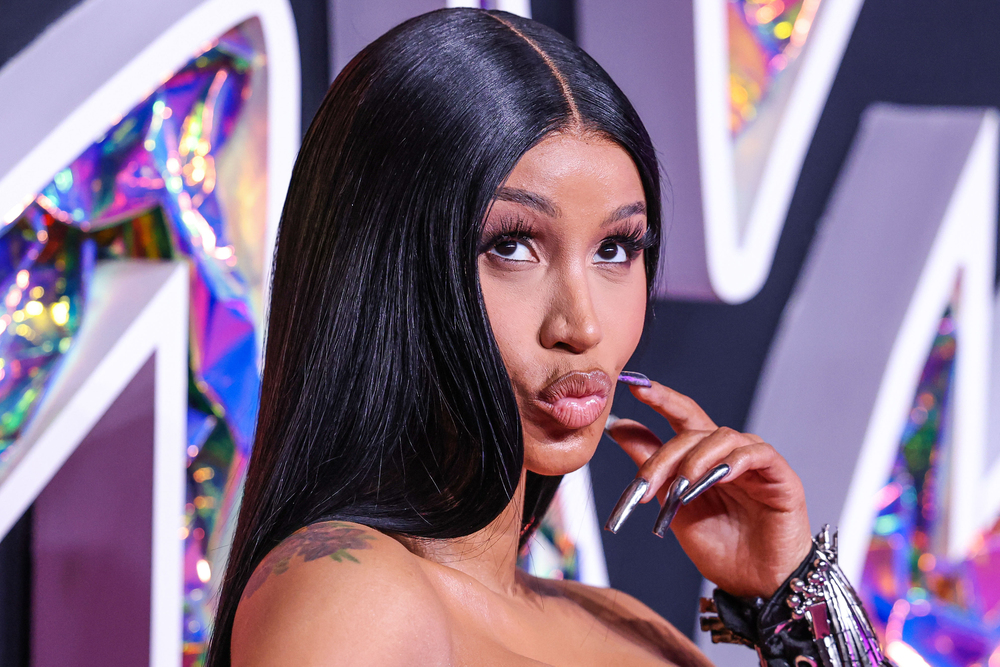
This 2020 track’s explicit lyrics about female empowerment divided America along cultural lines. Conservative politicians and commentators had meltdowns.
Social media erupted in debates about censorship and women’s rights. The backlash was so intense that members of Congress actually discussed regulating explicit content in music.
A song celebrating female empowerment became a proxy war for American cultural values.
Like Go2Tutors’s content? Follow us on MSN.
Lola by The Kinks
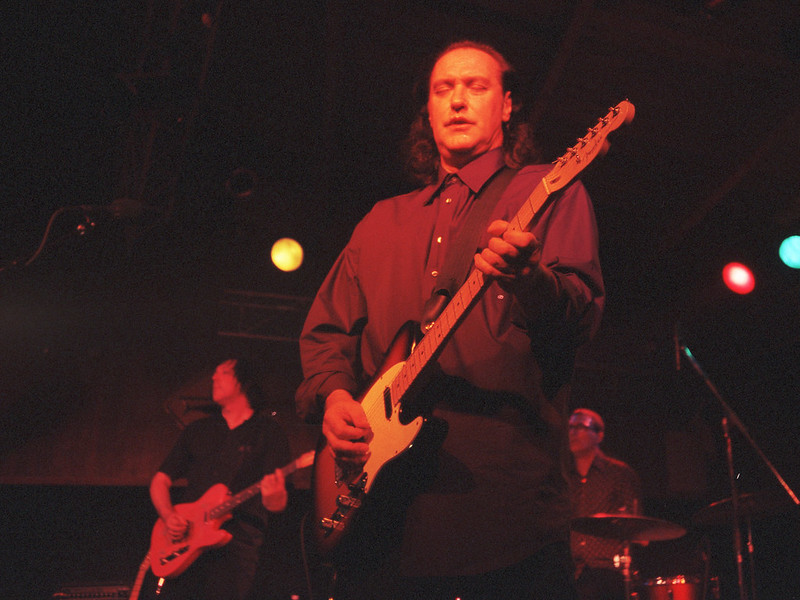
The Kinks’ 1970 song about a transgender encounter was groundbreaking and controversial for its time. Radio stations banned it for its transgender themes.
The BBC initially refused to play it, worried about public backlash. Multiple countries attempted to censor it.
Despite official resistance, the song’s popularity with listeners revealed a growing disconnect between government censorship and public acceptance of changing social norms.
Like a Prayer by Madonna
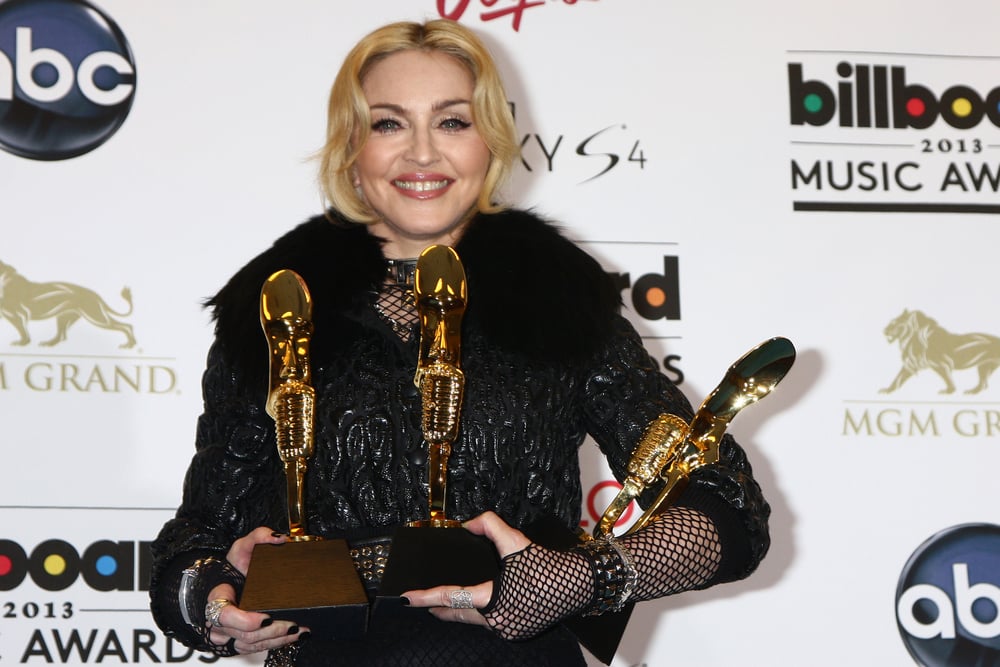
Madonna’s 1989 hit mixed religious imagery with provocative themes—never a safe combination. The Vatican condemned both the song and its music video.
Pepsi canceled their multimillion-dollar Madonna campaign after religious groups organized boycotts. The controversy resulted in death threats against Madonna and protests at her concerts.
Mixing spirituality with pop music turned out to be genuinely dangerous territory.
Judas by Lady Gaga
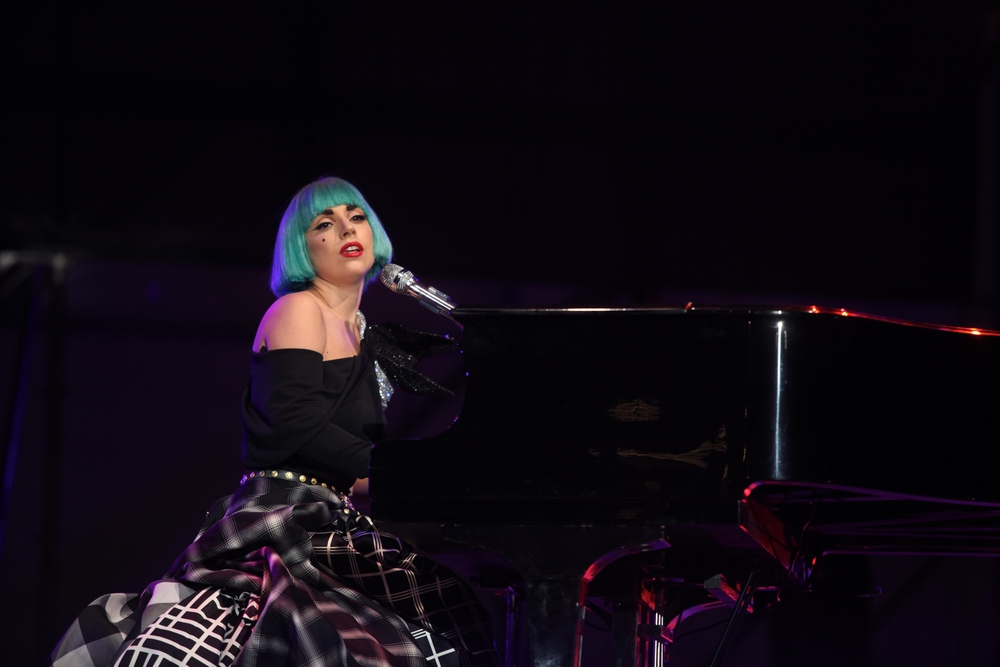
Lady Gaga’s 2011 track about biblical betrayal sparked immediate outrage from Christian groups worldwide. The religious imagery and themes led to boycotts of her concerts and condemnation from religious leaders.
Radio stations in several countries banned it completely. The provocative music video intensified everything, creating a cultural clash that dominated headlines for months and demonstrated how religious themes in pop music could still ignite massive controversy.
Like Go2Tutors’s content? Follow us on MSN.
The Beat Goes On
These songs prove that music isn’t just entertainment—it’s cultural dynamite. The controversies surrounding these tracks reveal how deeply lyrics can penetrate society, influencing behavior and sparking movements that extend far beyond the music industry.
Whether artists intended it or not, their words reshaped culture, challenged authority, and sometimes put lives at risk. The ongoing tension between artistic freedom and social responsibility continues to make music a battlefield where creativity and consequence collide in unpredictable ways.
What’s clear is that as long as artists keep pushing boundaries, some songs will always do more than just make people dance—they’ll make them fight, think, and change the world around them.
More from Go2Tutors!

- 16 Historical Figures Who Were Nothing Like You Think
- 12 Things Sold in the 80s That Are Now Illegal
- 15 VHS Tapes That Could Be Worth Thousands
- 17 Historical “What Ifs” That Would Have Changed Everything
- 18 TV Shows That Vanished Without a Finale
Like Go2Tutors’s content? Follow us on MSN.