16 Outrageous Publicity Stunts That Actually Worked
Marketing teams around the world constantly seek ways to grab public attention and leave lasting impressions. Sometimes, conventional advertising just doesn’t cut it, leading brands and individuals to pursue jaw-dropping publicity stunts. While many publicity stunts fall flat, some achieve legendary status through their audacity and creativity.
Here is a list of 16 outrageous publicity stunts that defied expectations and actually delivered impressive results for the brands and individuals behind them.
Red Bull Stratos Jump

Felix Baumgartner’s stratospheric skydive from 128,000 feet above Earth wasn’t just a scientific achievement—it was a marketing masterpiece. Red Bull funded this record-breaking jump that had millions watching live as Baumgartner became the first human to break the sound barrier without vehicular power.
The stunt generated an estimated $6 billion in global media value and permanently connected the energy drink with extreme boundary-pushing.
IHOP’s Temporary Name Change

When IHOP announced its temporary rebrand to “IHOb” in 2018, social media erupted with speculation. The breakfast chain later revealed the ‘b’ stood for ‘burgers,’ highlighting their expanded menu beyond pancakes.
Despite seeming ridiculous, the campaign increased burger sales fourfold and generated over 36 billion media impressions. The beauty of this stunt was its simplicity—just flipping a letter upside down created weeks of free publicity.
Like Go2Tutors’s content? Follow us on MSN.
The Blair Witch Project’s Missing Persons Campaign

Long before the film’s release, the creators of ‘The Blair Witch Project’ planted fake missing persons posters featuring the movie’s actors and created a documentary-style website suggesting the footage was real. Audiences genuinely believed they were watching recovered footage from missing hikers.
Made for just $60,000, the film grossed nearly $250 million worldwide thanks to its pioneering viral marketing approach.
Taco Bell Buys the Liberty Bell
In 1996, Taco Bell took out full-page newspaper ads claiming they had purchased the Liberty Bell to ‘reduce the national debt’ and renamed it the ‘Taco Liberty Bell.’ Despite being an April Fool’s prank, it generated immediate outrage followed by amusement when revealed as a joke.
The fast-food chain saw a $1 million sales increase that day alone, and the company gained enormous brand awareness for a relatively small investment.
Deadpool’s Dating Profile Billboard
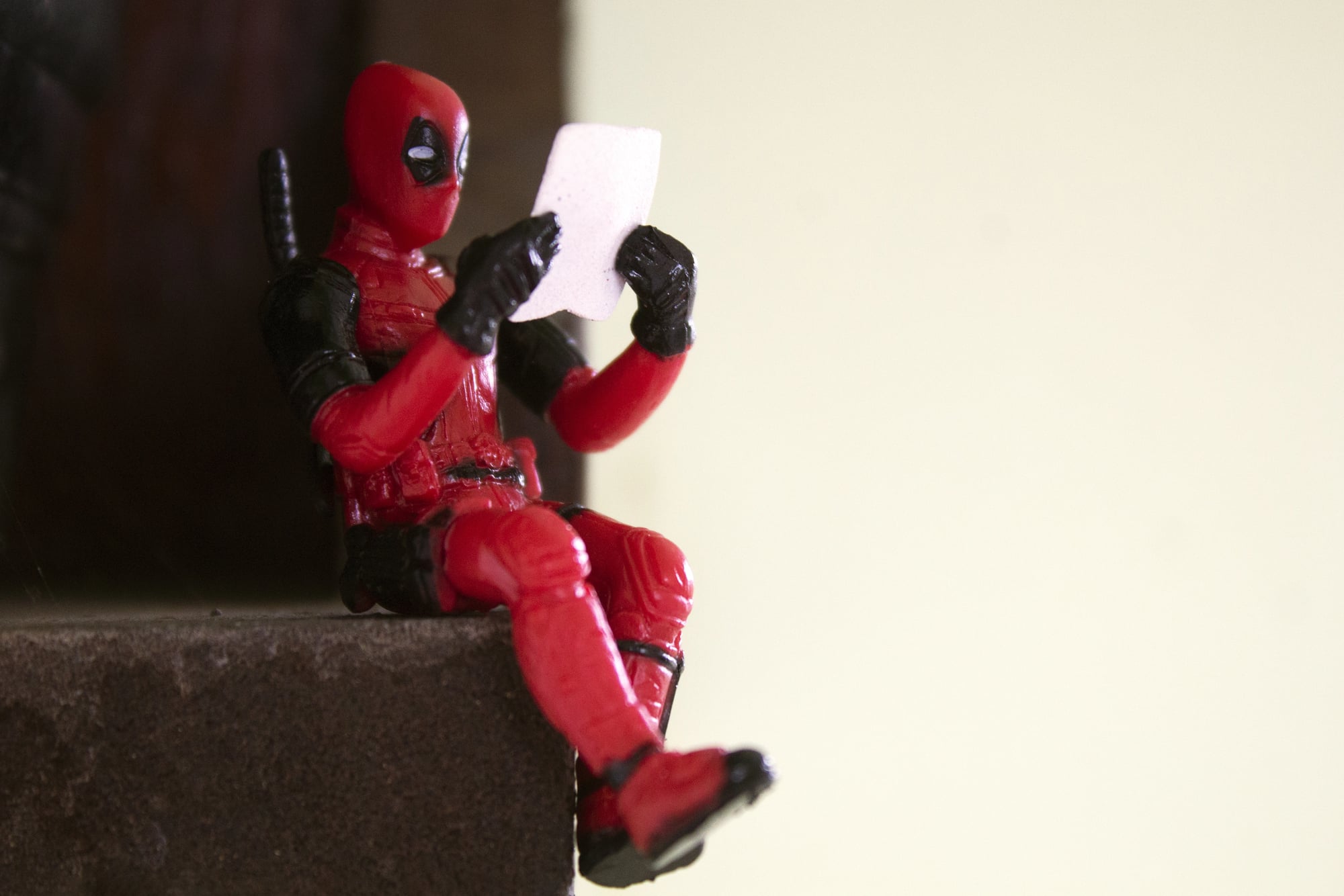
To promote the first Deadpool movie, marketers created a massive billboard styled as a dating app profile, complete with emojis and the movie’s release date as Valentine’s Day. This unconventional approach perfectly captured the character’s irreverent personality.
The campaign helped propel what could have been a niche superhero film to unexpected blockbuster status, grossing over $782 million worldwide.
Snapple’s Giant Popsicle

Snapple attempted to create the world’s largest popsicle in New York City’s Times Square, standing 25 feet tall and weighing 17.5 tons. The summer heat caused the frozen treat to melt faster than expected, flooding parts of downtown Manhattan with kiwi-strawberry juice.
While technically a disaster, the mishap generated substantial media coverage worth millions in equivalent advertising value, proving that even failed stunts can succeed publicity-wise.
Like Go2Tutors’s content? Follow us on MSN.
KFC’s Giant Logo Visible from Space
KFC created an 87,500 square foot logo in the Nevada desert that was visible from space. The massive Colonel Sanders face became the first brand advertisement visible from Earth’s orbit.
The stunt generated international news coverage and established KFC as a brand willing to go to literal new heights for attention. The company saw a notable boost in brand recognition metrics following the campaign.
Virgin’s UFO Prank

On April Fool’s Day, Richard Branson once had a hot air balloon shaped like a UFO flown above London. A figure in an extraterrestrial costume appeared as it landed in a field outside the city, frightening bystanders and forcing police to step in.
Despite being controversial, the prank garnered extensive media coverage in the UK and abroad and was a perfect fit with Virgin’s boundary-pushing corporate persona.
AXE’s ‘Nothing Beats an Astronaut’ Campaign

AXE body spray launched a contest offering winners a trip to space, playing on their tagline that ‘nothing beats an astronaut’ in attracting attention. The company partnered with actual space tourism companies to make the prize legitimate.
The campaign generated over 4 million contest entries and dramatically increased sales while cementing AXE’s brand position as adventurous and aspirational.
Like Go2Tutors’s content? Follow us on MSN.
Burger King’s ‘Whopper Neutrality’ Video
When net neutrality debates were raging, Burger King released a video explaining the concept using Whoppers. Customers had to pay different prices for the same burger based on delivery speed, mirroring how internet service providers might prioritize certain data.
The video garnered over 4.5 million views within days and transformed a complex tech policy issue into something immediately understandable to the average person.
PooPourri’s Viral Video

For a product most people would feel uncomfortable discussing, PooPourri took an audacious approach with their ‘Girls Don’t Poop’ video featuring a prim British woman discussing bathroom odors in explicit detail. The humorous contrast between the refined spokesperson and the taboo subject matter helped the video gain over 43 million views.
Sales exploded from $8 million to $27 million the following year.
The “Carrie” Coffee Shop Telekinesis Prank

To promote the ‘Carrie’ remake, marketers staged a telekinetic meltdown in a New York coffee shop. An actress appeared to use psychic powers to slam a man against a wall and move furniture when he spilled coffee on her laptop.
Hidden cameras captured bystanders’ terrified reactions. The resulting video gained over 67 million views, generating far more interest than traditional advertising could have achieved.
Like Go2Tutors’s content? Follow us on MSN.
Half.com Renamed a Town

Online retailer Half.com convinced the small town of Halfway, Oregon to temporarily rename itself ‘Half.com’ for one year. In exchange, the company provided the town with computers, financial support, and promotion.
The unusual corporate sponsorship of an entire municipality generated enormous publicity for the then startup, which was acquired by eBay for $300 million just months after the stunt.
Cadbury’s Gorilla Drummer

Cadbury released a commercial featuring a gorilla playing drums to Phil Collins’ ‘In the Air Tonight’ that had absolutely nothing to do with chocolate. The bizarre yet captivating spot became an international sensation, increasing Cadbury sales by 9% and winning numerous advertising awards.
The campaign demonstrated that sometimes the most effective publicity comes from creating memorable moments rather than focusing on product features.
The Million Dollar Homepage
College student Alex Tew created a webpage with one million pixels and sold them as advertising space for $1 per pixel. The simple yet ingenious concept made Tew an internet celebrity overnight.
The page sold out completely, earning him the full million dollars while generating global media coverage. Major companies scrambled to participate in what became one of the internet’s earliest viral marketing successes.
Like Go2Tutors’s content? Follow us on MSN.
Fiji vs. Cleveland Water

When Fiji Water ran advertisements stating ‘The label says Fiji because it’s not bottled in Cleveland,’ the Cleveland water department responded by testing both waters. Cleveland’s water actually tested cleaner than Fiji’s.
Rather than apologizing, Fiji leveraged the controversy with increased marketing around its exotic source. The public spat increased brand awareness and demonstrated how even negative publicity can be transformed into marketing success.
Beyond the Spectacle

These publicity gimmicks serve as a reminder that challenging accepted marketing wisdom frequently has positive results. Traditional advertising emphasizes the advantages of the product, but these efforts produced cultural moments that went well beyond their original impact.
The best effective stunts give true entertainment value that entices customers to participate in the marketing process while also precisely matching the company identity.
More from Go2Tutors!

- 18 Unexpectedly Valuable Collectibles You Might Have Lying Around
- 20 Little-Known Historical Battles That Had Huge Consequences
- 20 Historical Artifacts That Scientists Can’t Explain
- 15 Inventions That Were Immediately Banned After Being Created
- 20 Actors Who Were Almost Cast in Iconic Roles
Like Go2Tutors’s content? Follow us on MSN.