16 Incredible Stories Behind The Castles Of Wales
Wales holds more castles per square mile than any other country in Europe. These aren’t just stone ruins scattered across valleys and hilltops—they’re monuments to human ambition, desperation, love, and betrayal.
Each fortress carries stories that stretch far beyond military strategy and medieval politics. Behind every battlement and beneath every tower lie tales of ordinary people caught in extraordinary circumstances, of kings who built empires and lost them, of women who shaped history from castle walls, and of sieges that changed the fate of nations.
The stories waiting within these ancient walls reveal a Wales that textbooks often miss. Here are sixteen tales that bring these magnificent fortresses to life.
Caerphilly Castle
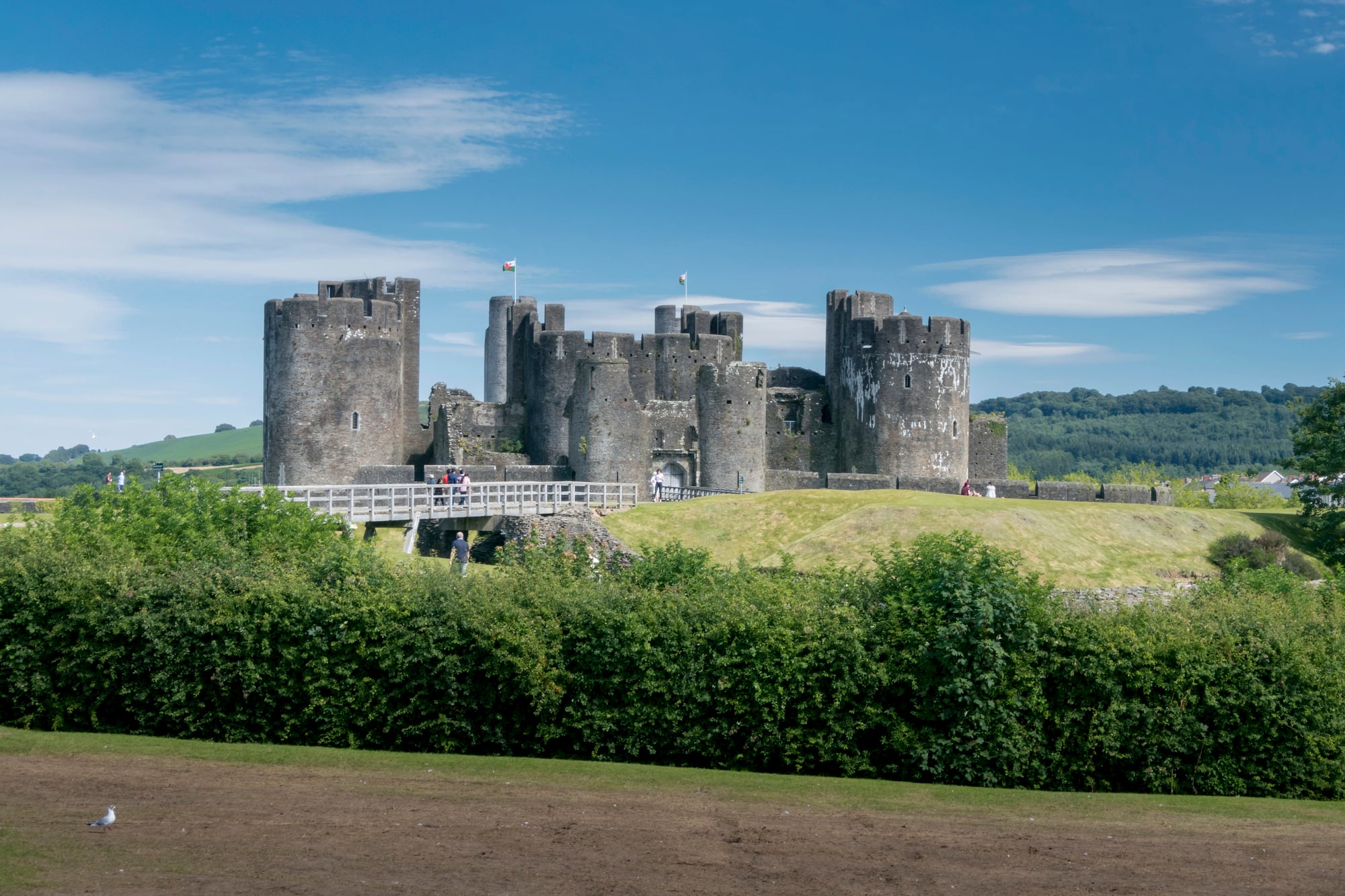
The water defenses surrounding Caerphilly Castle weren’t just for show—they were Gilbert de Clare’s answer to Llywelyn ap Gruffudd’s growing power in Wales. But de Clare made a critical miscalculation when he began construction in 1268 without royal permission.
Llywelyn destroyed the half-built castle almost immediately, and de Clare found himself in the uncomfortable position of explaining to Henry III why he’d started an unauthorized war. The real story unfolds in what happened next: de Clare rebuilt anyway, creating the second-largest castle in Britain (and one that would later become famous for its dramatically leaning tower, courtesy of Civil War explosives that nearly brought the whole structure down but somehow left it hanging at an impossible angle that still defies gravity today).
Conwy Castle
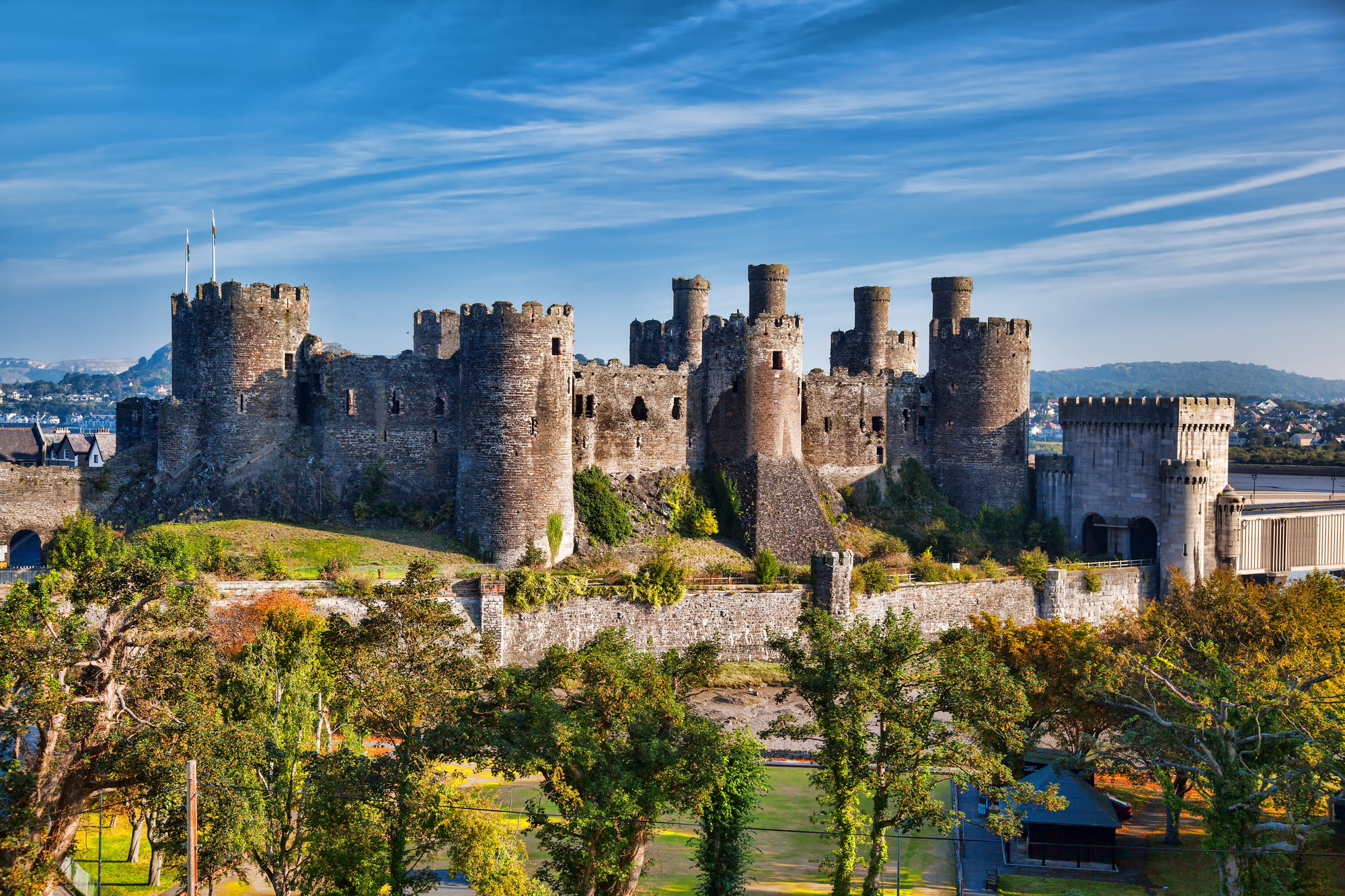
Edward I’s master builder, James of St. George, had exactly four years to create an impregnable fortress at Conwy. He succeeded so well that the castle has never fallen to siege—though it came closer than most people realize during Madog ap Llywelyn’s revolt in 1294.
The Welsh forces didn’t attack the walls; they simply waited outside while winter did the work for them. Edward’s garrison nearly starved, and the king himself was trapped inside, watching his supplies dwindle day by day.
The siege broke not through military might but through negotiation and the arrival of spring supply ships. Edward learned his lesson: no matter how strong your walls, you still need someone willing to bring you food.
Harlech Castle
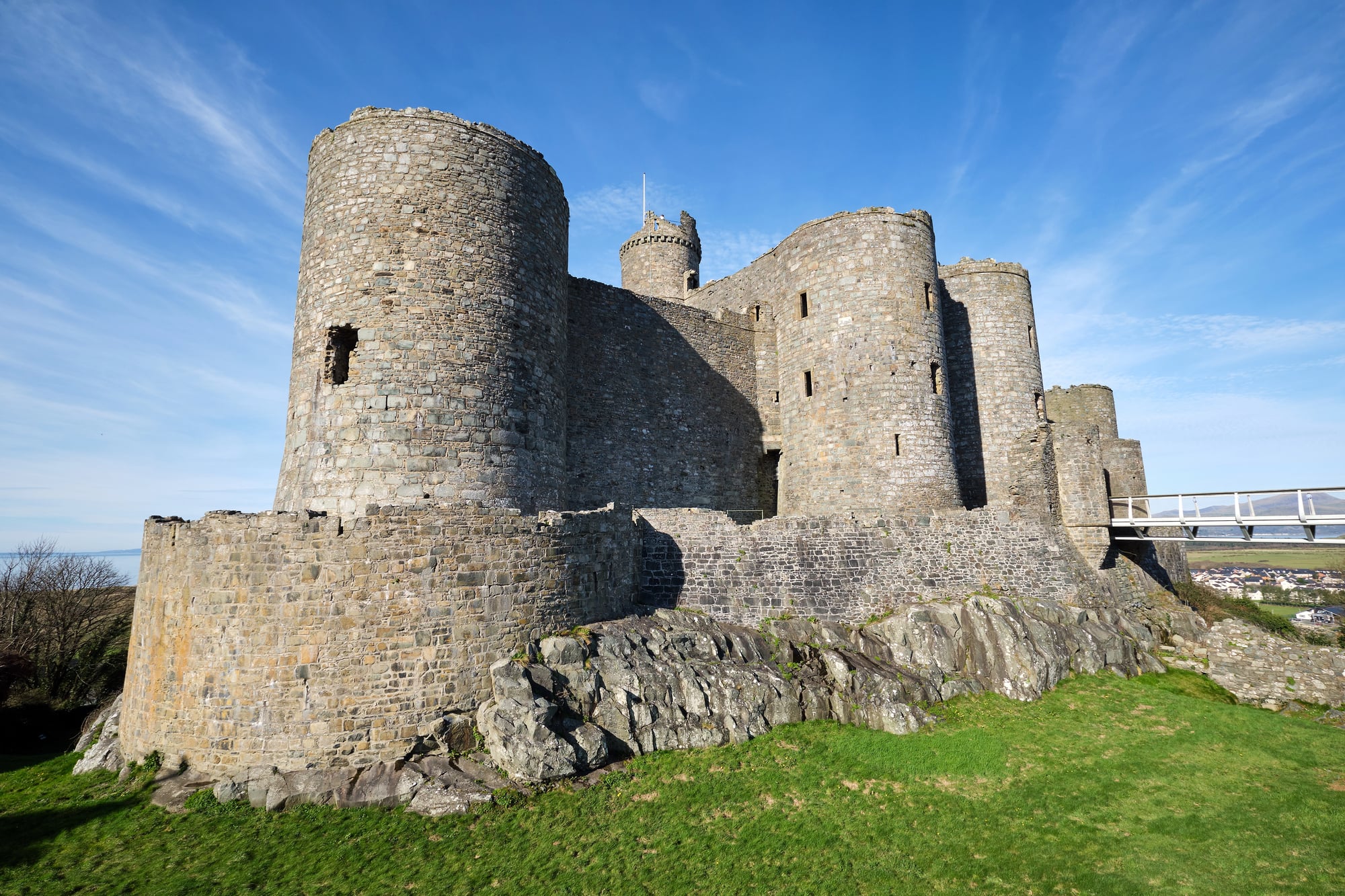
Most people know Harlech as the inspiration for “Men of Harlech,” but the song commemorates one of the longest sieges in British history—and one of the most pointless. During the Wars of the Roses, Dafydd ap Ieuan held Harlech for the Lancastrians from 1461 to 1468, seven years after the cause was effectively lost.
The Yorkists controlled England, controlled most of Wales, and had better things to do than waste resources on one stubborn Welsh castle. So Dafydd and his men simply… stayed.
They held out not for any strategic advantage, but because surrendering felt worse than starving. When they finally gave up, Edward IV was so impressed by their determination that he pardoned them all.
Futile gestures, it turns out, sometimes earn more respect than practical victories.
Beaumaris Castle
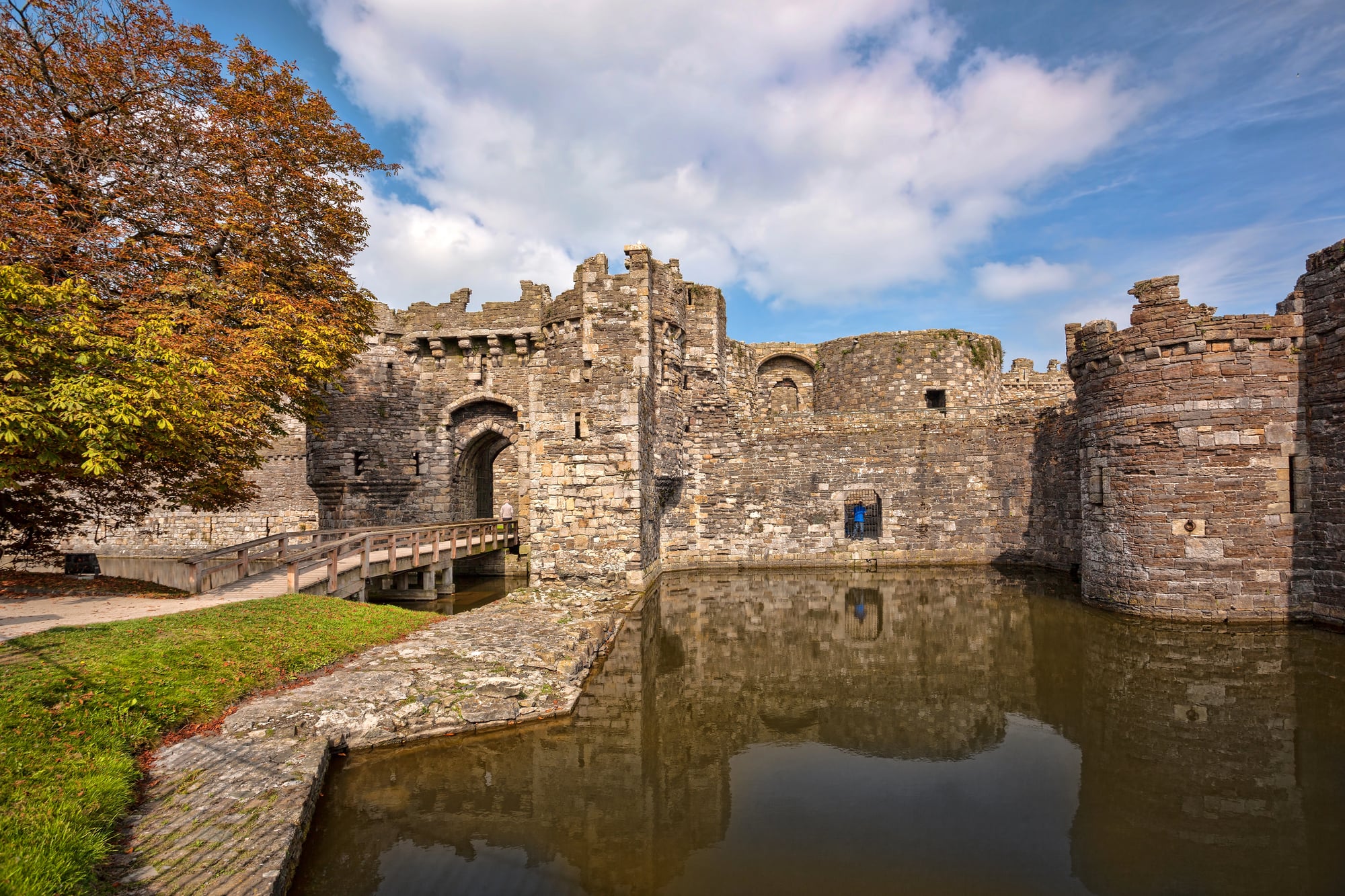
Beaumaris represents architectural perfection and financial ruin wrapped in the same limestone walls. Edward I designed it as the ultimate concentric castle—perfectly symmetrical, mathematically precise, and ruinously expensive.
Construction began in 1295 with characteristic royal ambition: Edward demanded 1,800 workers immediately and 400 skilled masons (more than were available in all of England at the time). The king got his impossible workforce by forcibly recruiting craftsmen from across the realm, essentially drafting stonemasons the way other rulers drafted soldiers.
But even Edward’s resources had limits, and money ran out before the walls reached their planned height. The result is magnificent incompletion: a castle that looks finished until you notice the towers stop too soon and the great gatehouse remains forever half-built.
Military perfection, as it happens, doesn’t balance budgets—not even for kings who could conscript entire guilds.
Kidwelly Castle
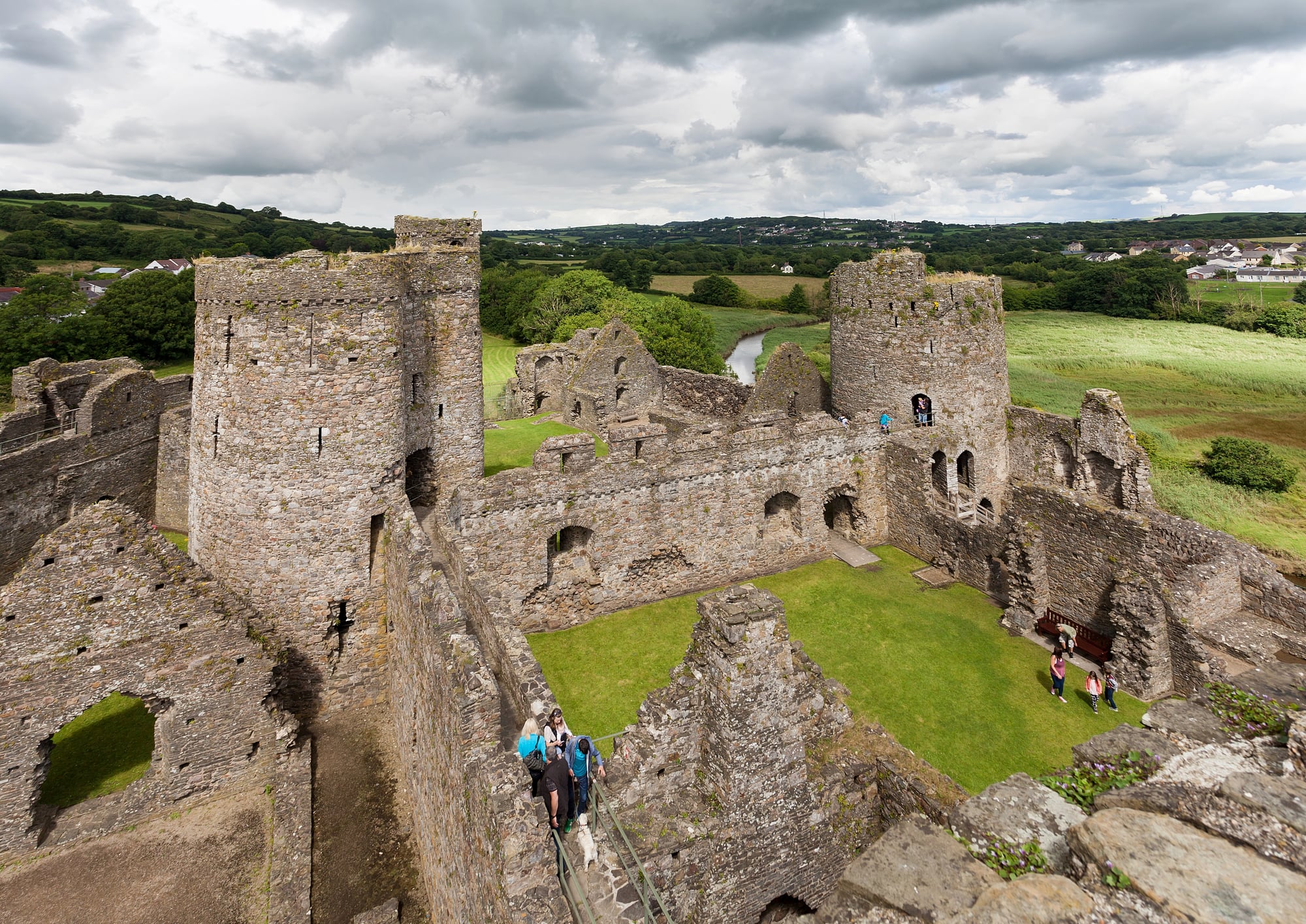
The semicircular design of Kidwelly tells the story of a castle that had to choose between the past and the future. Built on the site of an earlier Norman stronghold, it kept the old castle as an inner ward while wrapping new defenses around it like protective arms.
This created something unique in Welsh castle architecture: a fortress that faces both inward toward its own history and outward toward new threats. What makes Kidwelly remarkable isn’t its military history but its domestic one.
The castle remained inhabited well into the 15th century, and its later additions reveal a slow transformation from fortress to residence. The same walls that once prepared for siege warfare eventually framed elaborate fireplaces and private chambers.
Stone adapts to its inhabitants’ needs more readily than most people expect.
Caernarfon Castle
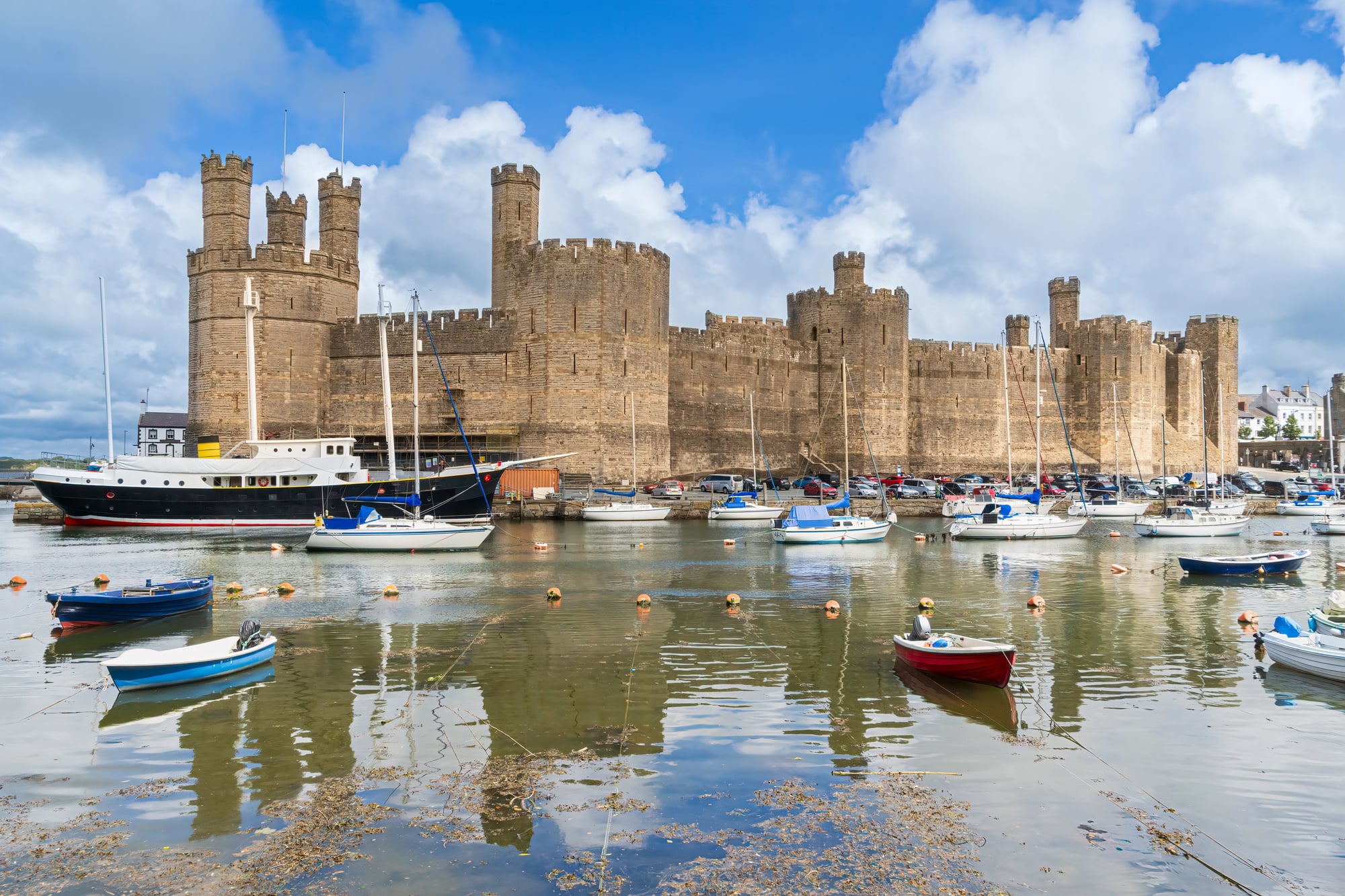
Edward I didn’t just build a castle at Caernarfon—he constructed a deliberate insult to Welsh pride. The polygonal towers and banded masonry were designed to echo the walls of Constantinople, connecting Edward’s reign to the Roman Empire and, by extension, to the legendary Magnus Maximus, who Welsh tradition claimed as a founding father.
Every stone was placed to make a political point: this wasn’t just conquest, it was inheritance. The strategy worked too well.
When Edward presented his newborn son to the Welsh nobles as their “prince born in Wales who spoke no English,” he created a tradition that still shapes British monarchy today. The first Prince of Wales couldn’t speak any language yet—he was an infant—but the symbolism outlasted the empire that created it.
Pembroke Castle
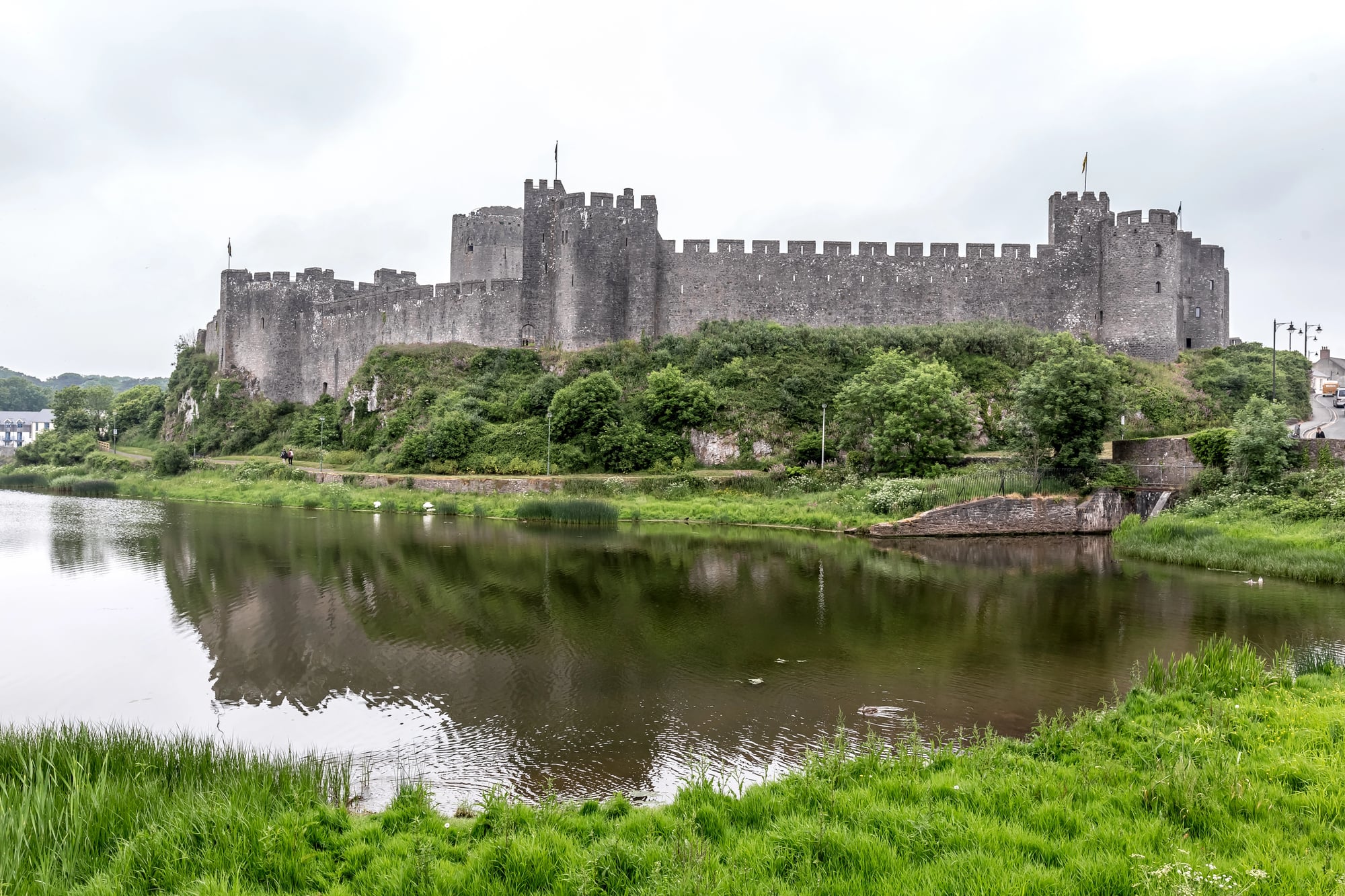
Henry Tudor’s birthplace looks nothing like you’d expect for the future Henry VII. Pembroke’s great round keep rises from bedrock like a stone tree, hollow at its base where a natural cave provided both fresh water and, according to local legend, a secret escape route to the sea.
Henry’s birth here in 1457 was more accident than destiny—his pregnant mother sought refuge during the chaos of civil war, and Pembroke happened to be in friendly hands. But castles shape the men born within them.
Henry learned early that stone walls could be sanctuary or prison depending entirely on who controlled the gates. When he finally returned from exile to claim the English throne, he understood something his rivals didn’t: power isn’t about holding castles, it’s about knowing when to abandon them.
Castell Coch
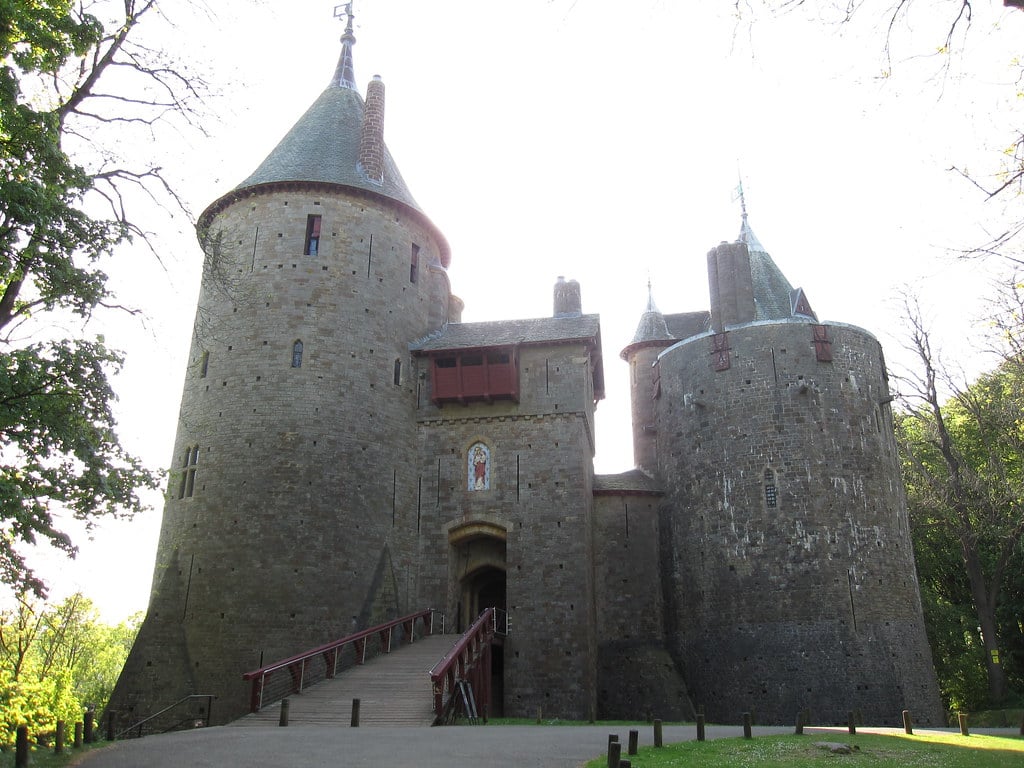
The fairy-tale appearance of Castell Coch masks a Victorian fantasy built on medieval foundations, but the original 13th-century castle that stood here tells a different story entirely. Built by the de Clare family as part of their string of fortresses controlling the valleys north of Cardiff, it was deliberately destroyed—not by enemies, but by its own lords.
When the de Clare line ended in 1314, the castle became strategically worthless overnight (feudal inheritance being the complicated thing it was), and rather than let it fall into rival hands, the local lords systematically demolished their own fortress.
The romantic towers that William Burges reconstructed for the 3rd Marquess of Bute in the 1870s rise from rubble that was created not by siege warfare or natural decay, but by a calculated decision that some things shouldn’t be allowed to survive their purpose.
Raglan Castle
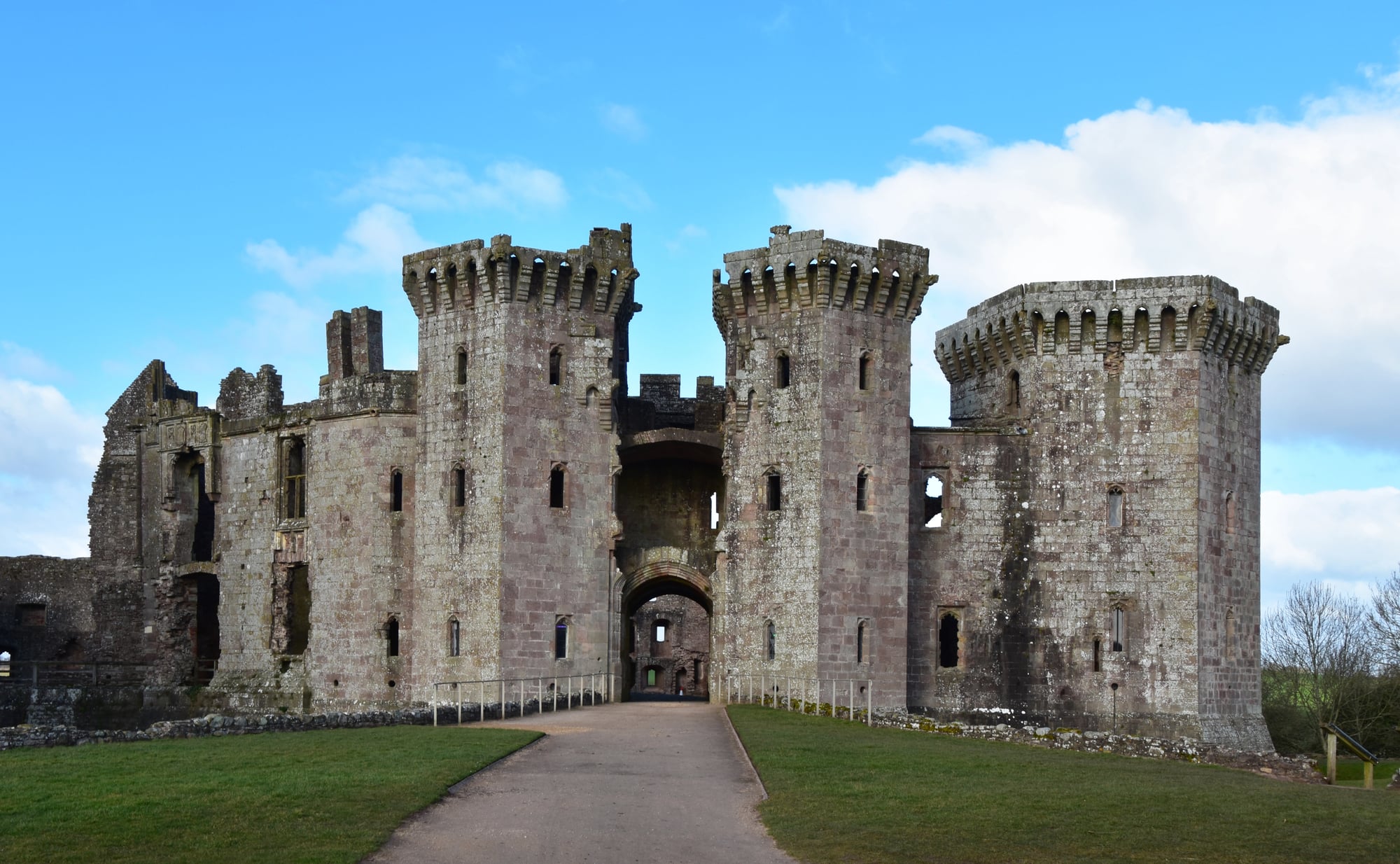
Raglan’s Great Tower stands apart from the rest of the castle, surrounded by its own moat, because Sir William ap Thomas understood something about trust that most castle builders missed. When he began construction in the 1430s, he designed a fortress that could defend against enemies outside and allies within.
The Yellow Tower of Gwent, as it was known, could be sealed off completely if the outer castle fell to treachery or siege. This paranoia proved prescient during the English Civil War, when Raglan became the last Royalist stronghold in Wales.
The 5th Earl of Worcester held out for weeks after Charles I’s execution, not because he thought the king could still win, but because surrender meant acknowledging a world he refused to accept. When Parliamentary forces finally breached the walls, they spent three days methodically destroying what had taken two centuries to build.
Castles that plan for betrayal, it seems, attract it.
Carreg Cennen Castle
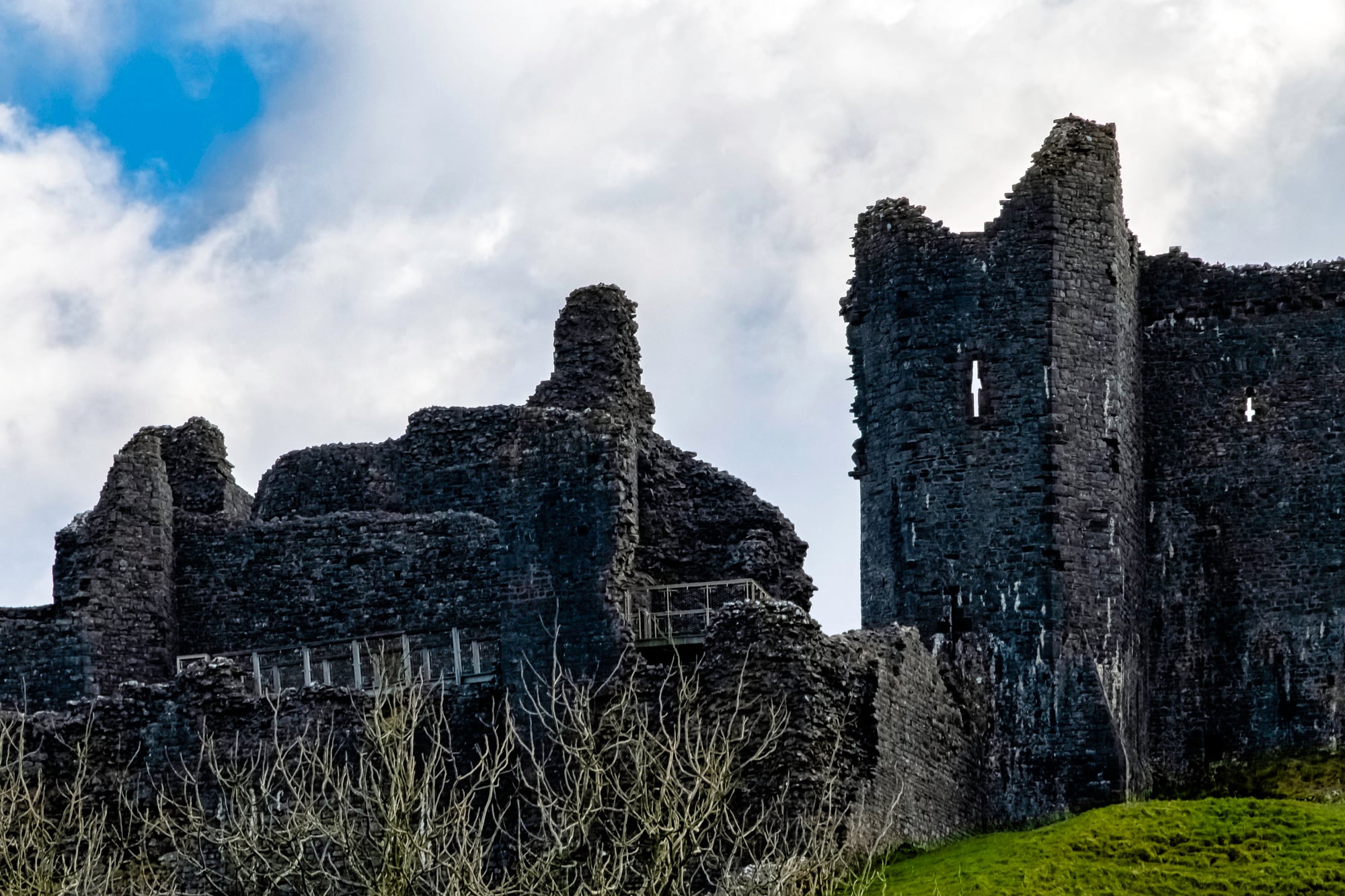
Perched on a limestone cliff 300 feet above the River Cennen, this castle comes with its own cave system—a natural tunnel that extends deep into the rock beneath the fortress. Local legend claims the passage was an escape route, but practical examination reveals something more interesting: it was a well.
The caves provided the castle’s water supply, which meant besieging Carreg Cennen was essentially impossible. You could starve the garrison, but you couldn’t make them thirsty.
This advantage made the castle a persistent refuge for rebels and outlaws throughout the 15th century. Parliament finally ordered its destruction in 1462, paying local men to demolish their own landmark rather than continue fighting for control of an impregnable position.
The ruins exist today only because the demolition crews couldn’t figure out how to bring down walls built directly into living rock.
Criccieth Castle
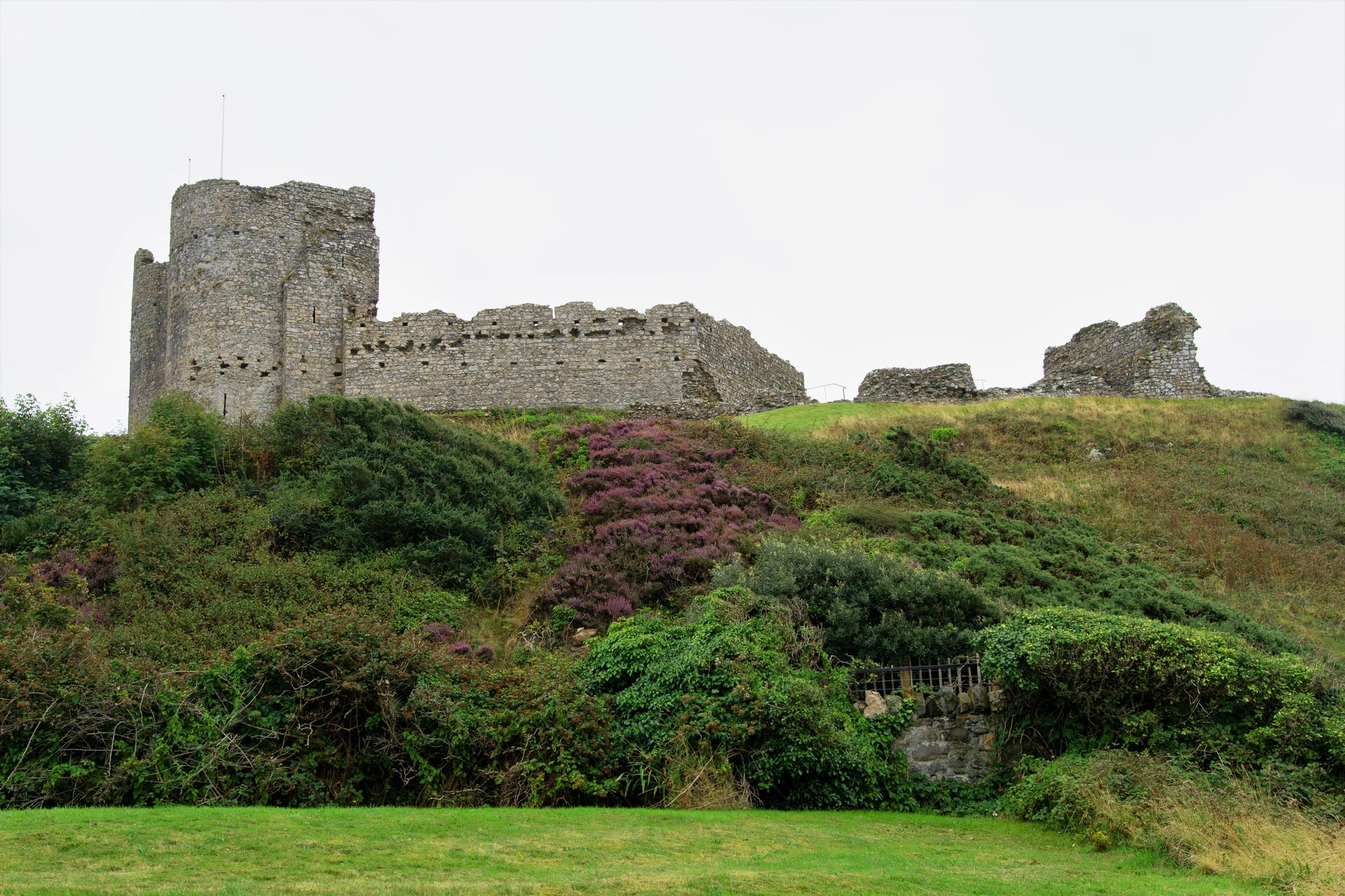
Llywelyn ap Iorwerth chose this rocky outcrop for his castle because it commanded views in every direction—you can see enemies coming from miles away. But the real strategic value lay in what you couldn’t see from Criccieth: the castle controlled the land route around the Meirionnydd mountains, the only practical path for moving armies between north and south Wales.
Hold Criccieth, and you could cut Wales in half. Edward I understood this when he captured the castle in 1283.
Rather than simply occupying Llywelyn’s fortress, he rebuilt it entirely, adding new towers and defenses that deliberately echoed his other royal castles. The message was unmistakable: this wasn’t conquest, it was replacement.
Welsh architecture gave way to English, and the castle that had once unified Wales became a symbol of its division.
Denbigh Castle
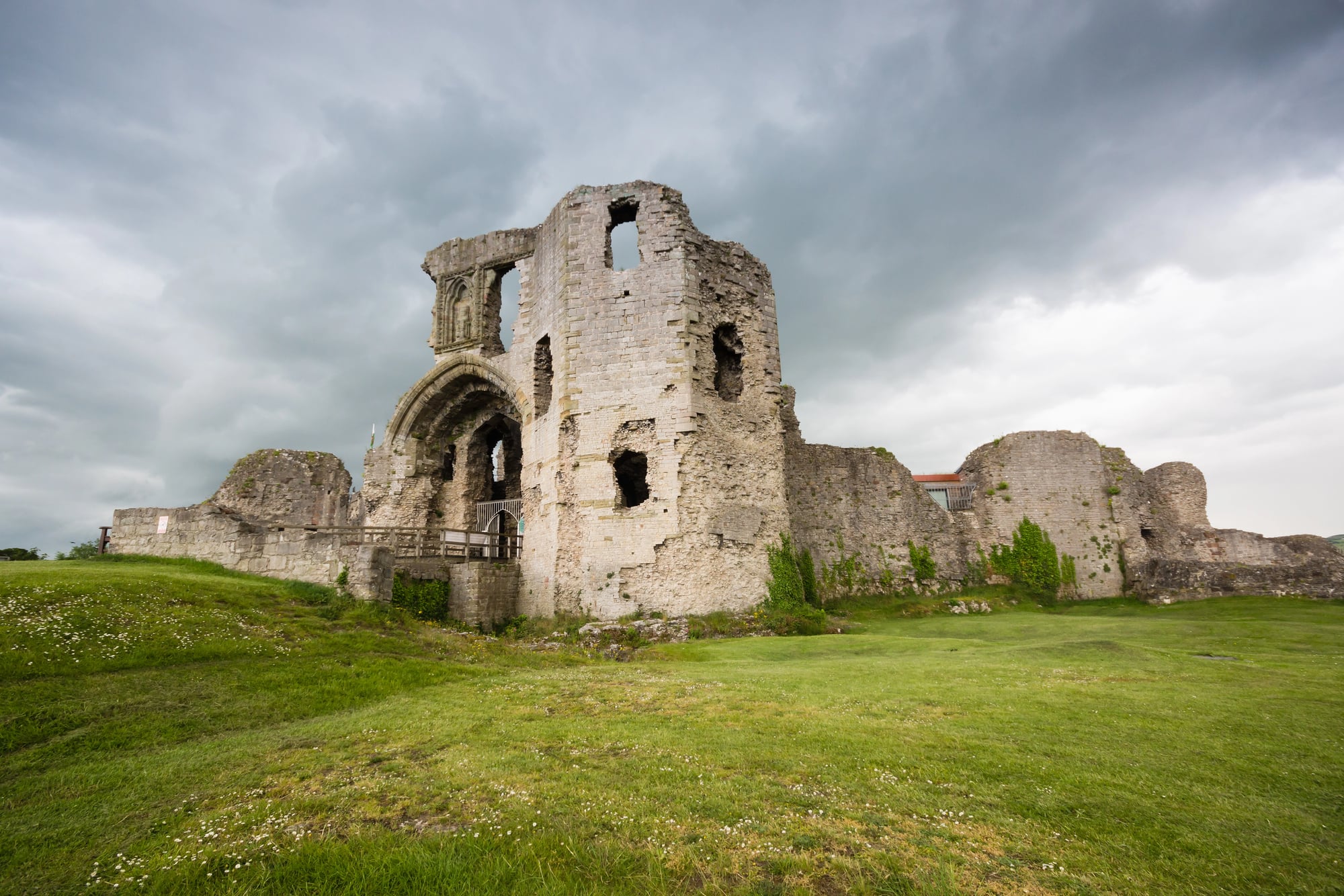
The town walls of Denbigh tell a story that the castle itself keeps quiet. When Edward I granted the lordship to Henry de Lacy, Earl of Lincoln, he wasn’t just rewarding a loyal follower—he was conducting an experiment in social engineering.
De Lacy built not only a castle but an entire planned town, complete with English settlers imported to create a loyal population in the heart of Welsh territory. The experiment worked until it didn’t.
During Madog ap Llywelyn’s revolt in 1294, the same townspeople who had been brought in to secure English rule found themselves cut off from reinforcement and supply. Some held fast, others hedged their bets, and a few quietly opened gates that were supposed to stay closed.
Loyalty, as it turns out, has more to do with circumstance than ancestry. The castle fell to the Welsh forces in 1294, proving that even the most carefully planned communities can develop minds of their own.
Flint Castle
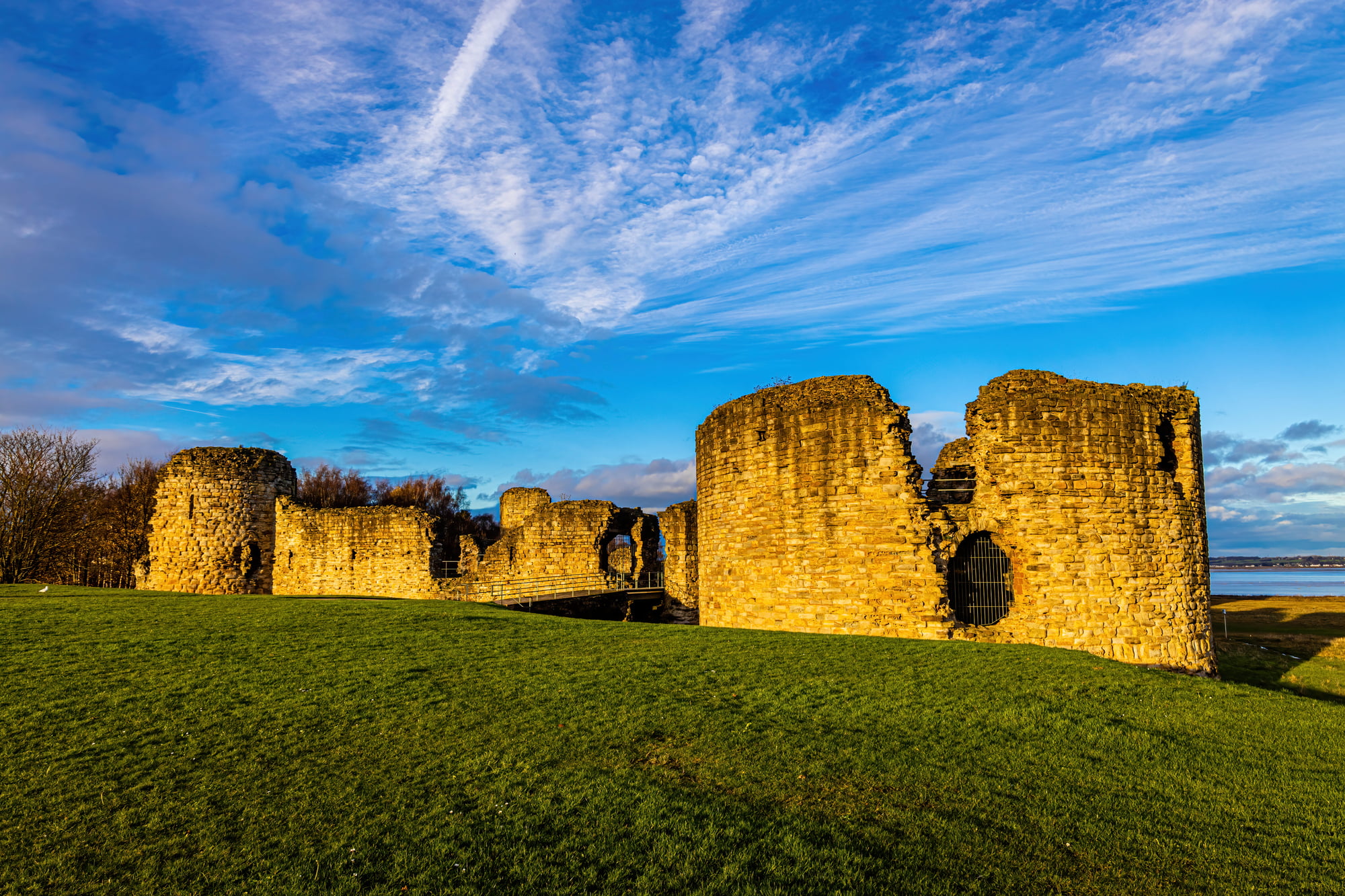
Edward I’s first castle in Wales looks deceptively simple until you notice the great round tower that stands apart from the main fortress, surrounded by its own moat and connected only by a narrow bridge. This donjon could function as a completely independent stronghold, supplied by ships that could dock at high tide directly beneath its walls.
The design reflected hard-earned lessons from Edward’s experiences in the Holy Land and Scotland: castles fall, garrisons surrender, and sometimes the only reliable defense is the ability to start over from a position your enemies can’t reach.
When Richard II was finally cornered at Flint in 1399—the meeting Shakespeare dramatized in Richard II—he understood exactly what the isolated tower represented: power that refuses to acknowledge its own defeat, even when defeat is obvious to everyone watching from the shore.
Chepstow Castle
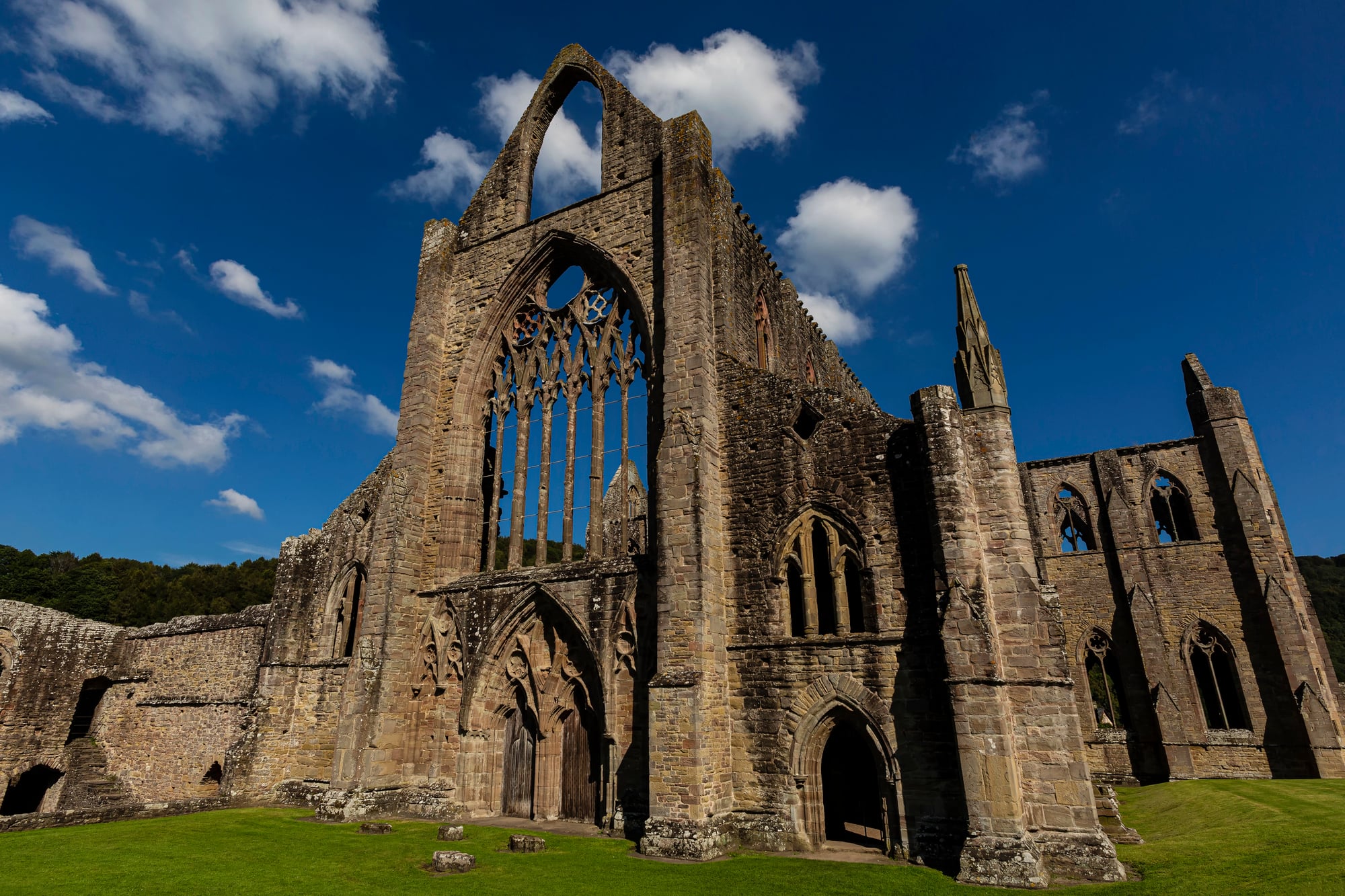
William FitzOsbern began building Chepstow Castle in 1067, making it one of the first stone fortifications in Britain and certainly the first in Wales. But calling it a castle misses the point—it was really a fortified palace, built to demonstrate that Norman rule wasn’t temporary occupation but permanent settlement.
The great hall, with its elaborate arcading and decorative stonework, was designed to host feasts and ceremonies that would rival anything in Normandy or England. This confidence proved both prescient and premature.
Chepstow became the seat of a marcher lordship that lasted for centuries, but it also became a symbol of Norman ambition that inspired Welsh resistance for just as long. The castle that was meant to demonstrate the permanence of foreign rule instead became a reminder of how much effort it took to maintain control over people who had never agreed to be controlled.
Laugharne Castle
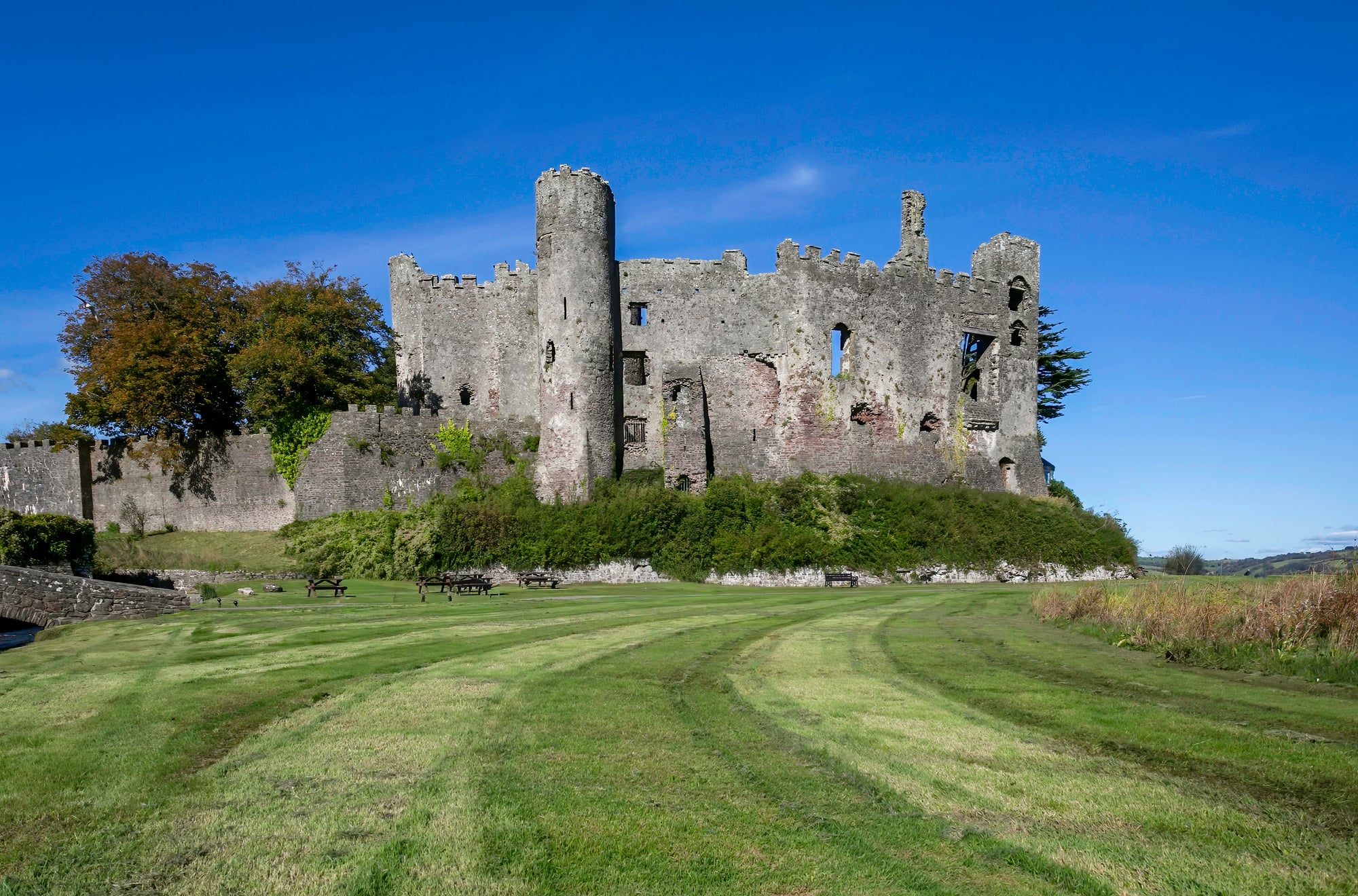
The castle at Laugharne started as a standard Norman ringwork, but by the Tudor period it had transformed into something unique: a fortified residence that valued comfort over defense. Sir John Perrot rebuilt the castle in the 1570s as an elegant mansion that happened to have medieval walls, creating apartments with large windows that would have horrified earlier castle builders.
This transformation tells the story of changing times more clearly than any history book. When castles stopped being military necessities and became prestigious homes, their walls began to open up to the world outside.
Perrot’s castle, with its Tudor galleries and Renaissance details, represents the moment when Wales began to trust peace enough to prioritize light over security. The ruins that Dylan Thomas later walked past on his way to the Boat House at Laugharne were already monuments to a world that had moved beyond the need for fortresses.
Powis Castle
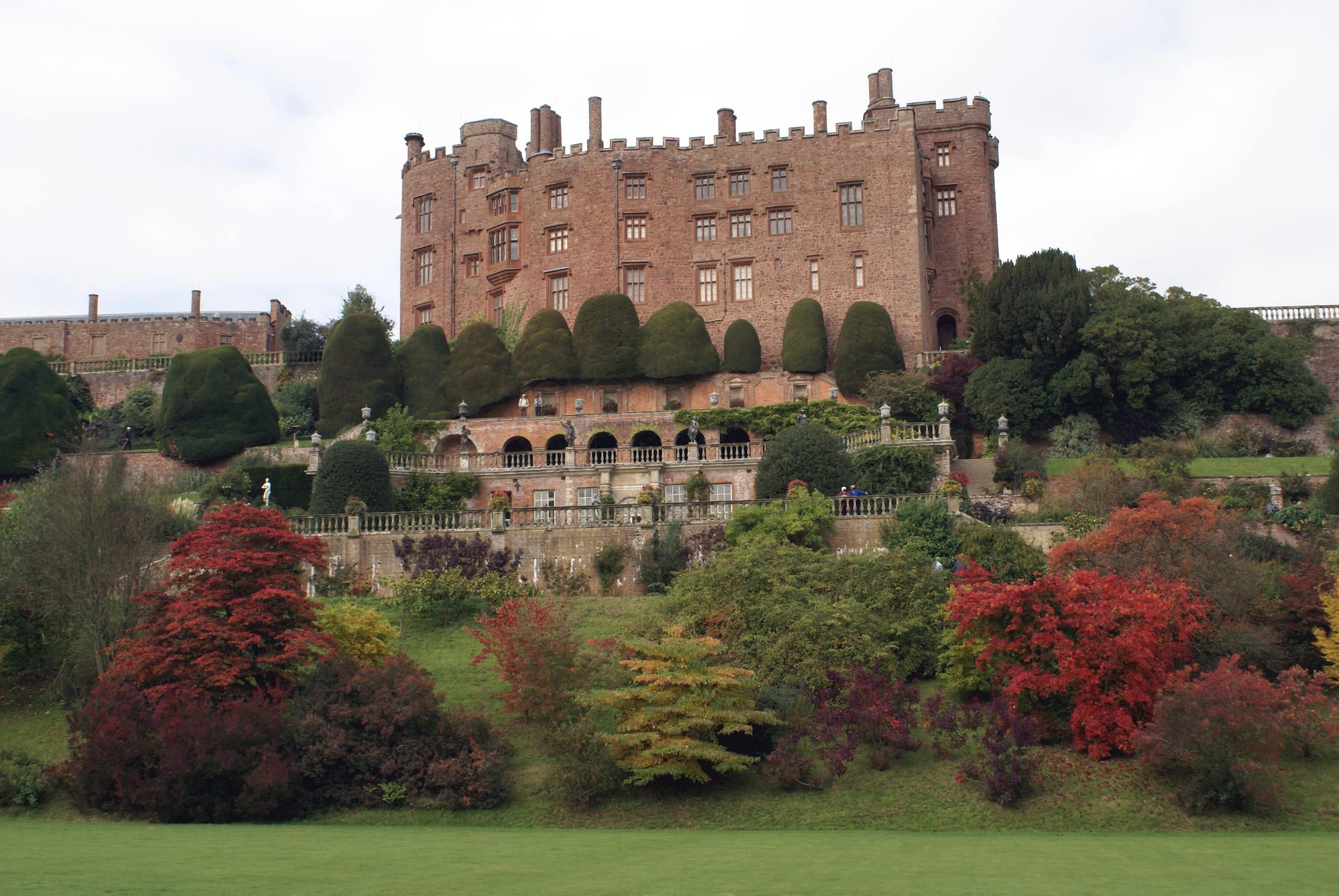
Originally built as a Welsh fortress by the princes of Powys in the 13th century, Powis Castle survived the Edwardian conquest by adapting rather than resisting. The Herbert family, who acquired it in 1578, transformed the medieval stronghold into a country house without losing its essential character as a castle.
Their solution was brilliant in its simplicity: they kept the castle’s exterior intact while completely reimagining its interior spaces. The famous hanging gardens, created in the late 17th century, represent this transformation at its most dramatic.
Terraces that were once designed for defense became stages for elaborate baroque landscaping. Artillery platforms became garden walls.
The same slopes that had once been cleared to provide clear fields of fire were planted with exotic trees and formal hedges. Powis demonstrates that castles, like people, can change their nature without losing their identity.
Where Legends Take Root
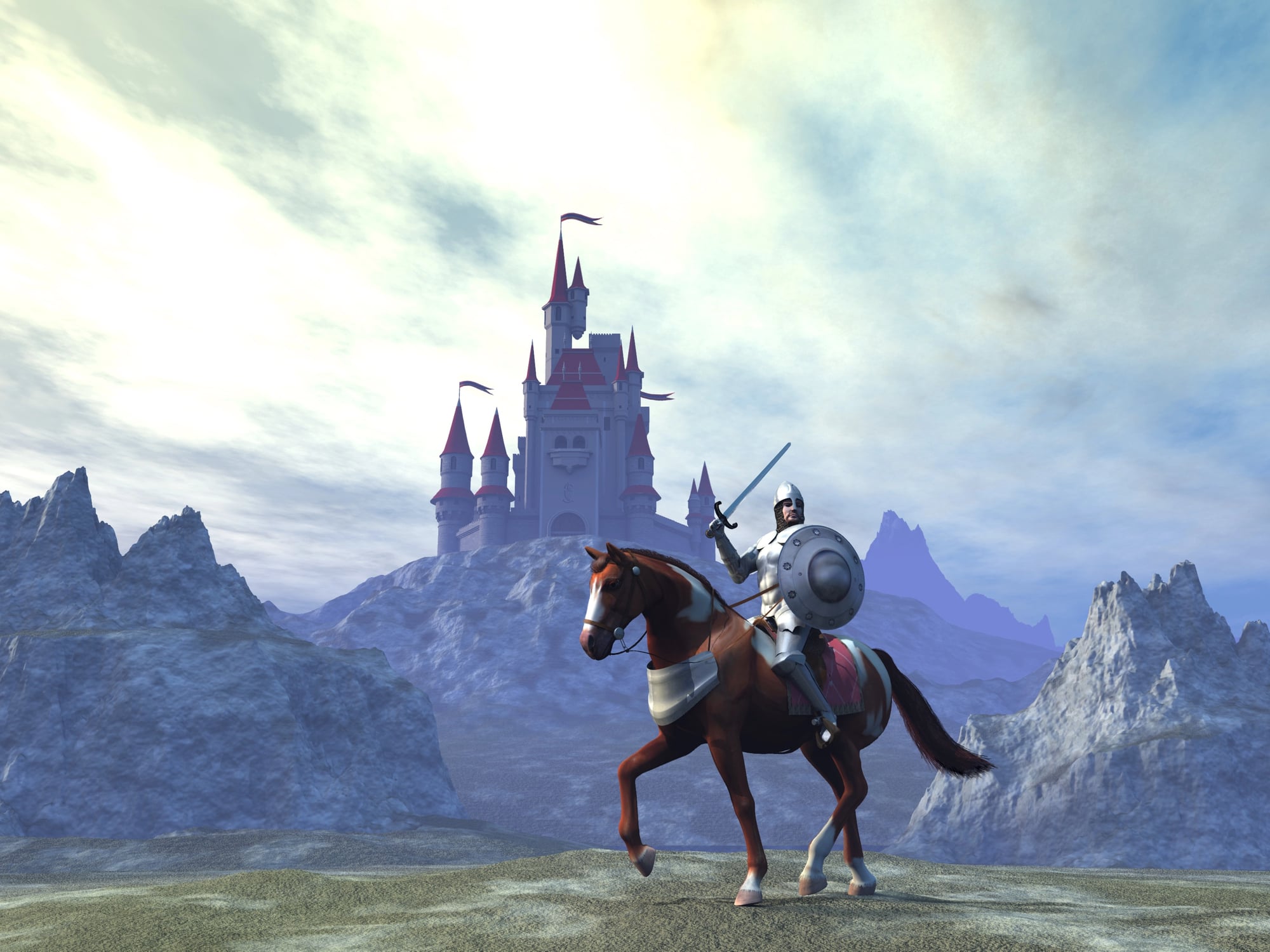
These sixteen castles stand today as monuments to the complexity of human ambition. Some succeeded beyond their builders’ wildest hopes, others failed spectacularly, and most simply adapted to circumstances their creators never imagined.
What they share isn’t military triumph or architectural perfection, but the stubborn persistence of stone to outlast the purposes for which it was shaped. Wales keeps its castles not as museum pieces but as neighbors—familiar landmarks that happen to be eight centuries old.
They’ve survived conquest and rebellion, neglect and restoration, tourism and modernization by remaining essentially themselves: reminders of a time when people built for permanence, even when permanence was the one thing they couldn’t guarantee.
More from Go2Tutors!

- The Romanov Crown Jewels and Their Tragic Fate
- 13 Historical Mysteries That Science Still Can’t Solve
- Famous Hoaxes That Fooled the World for Years
- 15 Child Stars with Tragic Adult Lives
- 16 Famous Jewelry Pieces in History
Like Go2Tutors’s content? Follow us on MSN.



