14 Things You Didn’t Know Were Invented in Prisons
Despite their reputation as the last place for innovation, prisons have historically been surprisingly creative and inventive places. Many inventions, from commonplace objects we use without thinking twice to important scientific advancements, have come from behind bars, as prisoners have figured out how to address issues with little funding.
This collection of 14 surprising inventions that started in jails demonstrates how need is, in fact, the mother of creation.
Playing Cards

In the 1800s, inmates improved the design of the modern playing card deck. To kill time during lengthy sentences, prisoners would draw their own decks, which eventually led to the standardization of the cards we are familiar with today.
As card games gained popularity as a way to kill boredom, these prison-based innovations gave rise in part to the four suits and royal figures.
The Laundry Cart

The collapsible wire laundry cart was invented by an inmate at Eastern State Penitentiary in Pennsylvania. The prisoner created it to transport heavy loads of laundry more efficiently through the facility’s narrow corridors.
This practical invention was later commercialized and became a household staple for transporting laundry and groceries.
Traffic Light Sequencer

While serving time at a Florida correctional facility, inmate Joseph Kinnehan invented a device that helped coordinate traffic lights in sequence. His invention allowed traffic to flow more smoothly by timing lights to change in coordination rather than independently.
The technology was adopted by several cities and became a foundation for modern traffic management systems.
Cobbler Apron

The popular wraparound cobbler apron was developed by inmates in women’s correctional facilities. Female prisoners created this practical garment design that offered coverage and multiple pockets while eliminating the need for ties that could pose safety risks.
The design later made its way into commercial production and became popular in households and workplaces.
The Freedom Light

An inmate named Dave Hyatt invented what he called the ‘Freedom Light’ while serving time in a Texas prison. This durable, battery-powered reading light was designed to function in dark cells after lights-out and could be easily hidden from guards.
After his release, Hyatt patented his invention and turned it into a successful emergency lighting product sold commercially.
Ramen Recipe Book

Inmates at various institutions collaborated to create comprehensive recipe books for ramen noodle variations. They developed hundreds of creative ways to transform the inexpensive prison commissary staple into different meals using limited ingredients.
These recipe collections became so popular that they were eventually published as cookbooks for budget-conscious consumers outside prison walls.
The ‘Convict’ Chess Set

A unique chess set design using materials available in prison was created by inmates at San Quentin. The pieces were fashioned from soap, toilet paper, and available materials, with distinctive styling that made the set highly collectible.
After being showcased in an exhibition of prison arts, the design was reproduced commercially and gained popularity among chess enthusiasts.
Lightweight Concrete Formula

James Wright, while serving time in a California prison, developed a formula for lightweight concrete that was stronger than traditional mixtures. His innovation came from experimenting with materials available in the prison workshop where he worked.
After his release, Wright’s formula was used in numerous construction projects and contributed to advancements in building materials.
Adjustable Wrench Improvement
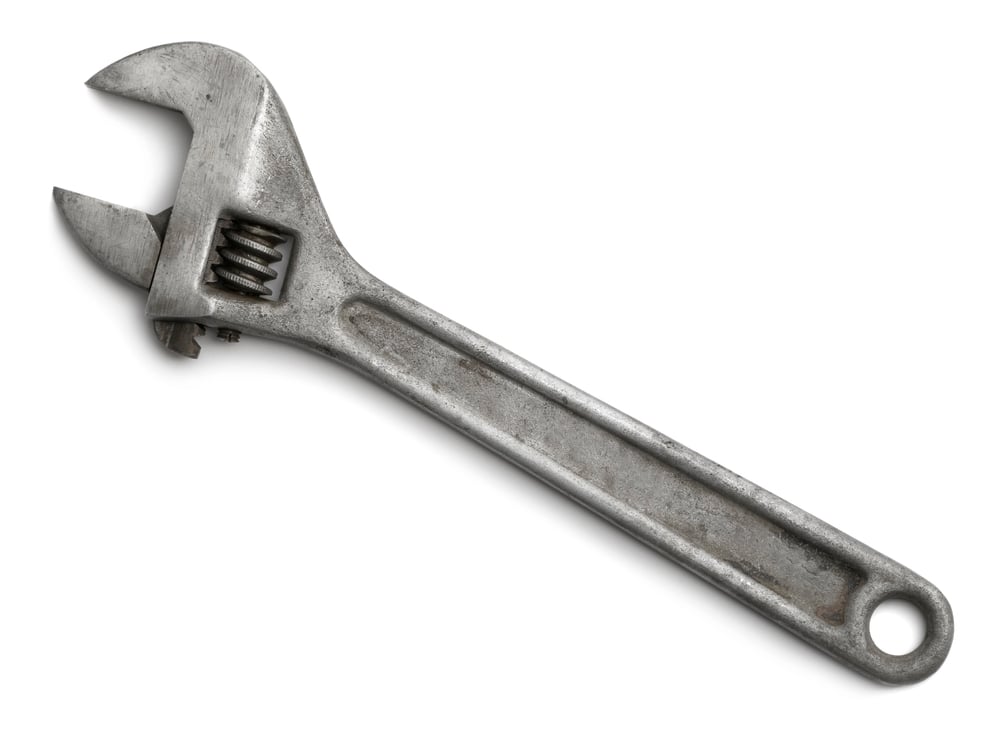
An inmate serving time in a Michigan prison developed a significant improvement to the adjustable wrench design. His modification allowed for greater precision and prevented the common problem of the adjustment slipping during use.
The patent for this improvement was eventually sold to a tool manufacturer and incorporated into modern wrench designs.
Hand-Crank Ice Cream Machine

A modified hand-crank ice cream maker was developed by prisoners in a Texas facility. The inmates created a more efficient design using available materials that required less physical effort and produced smoother results.
Their innovation was later adapted for commercial production and influenced home ice cream makers that followed.
Prison Radio System
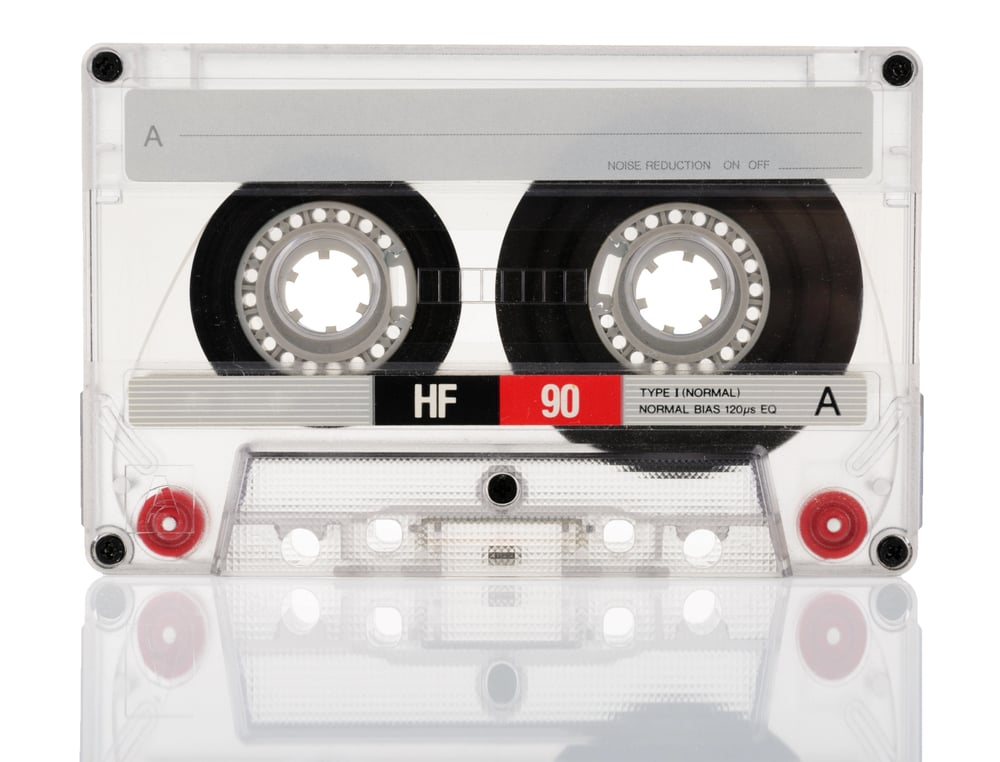
Inmates at Alcatraz developed an improvised radio receiver system using materials from the prison workshop. Their ingenious design used basic components to capture radio signals despite the isolated island location.
This technology later influenced the development of compact radio systems and demonstrated principles still used in emergency communications.
Dental Floss Tools
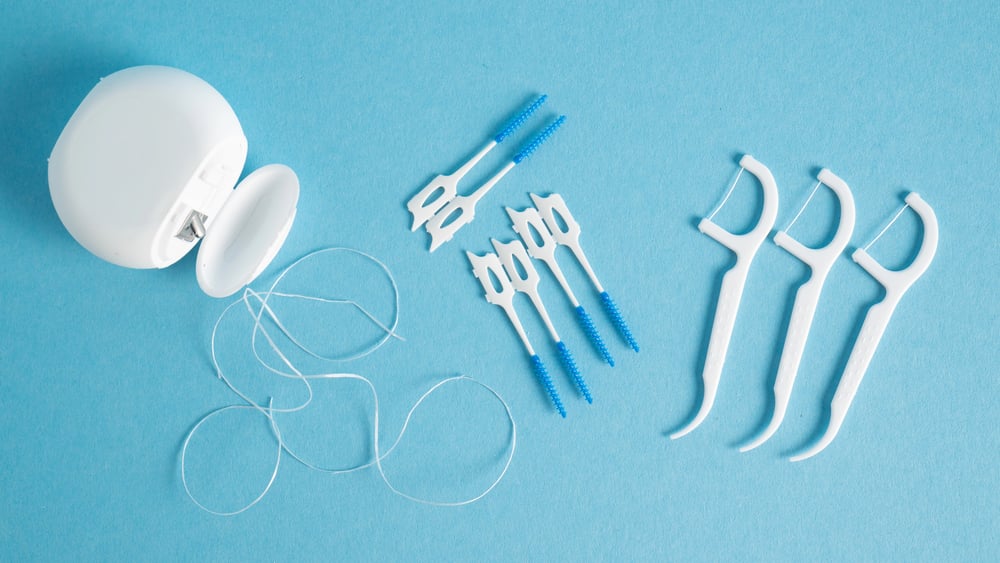
A prisoner with dental issues invented an improved flossing tool using available materials in the prison workshop. His design made it easier to reach back teeth and was more efficient than traditional string floss.
After his release, he patented the design and it became the basis for several commercial dental tools still used today.
In-Cell Exercise Equipment

Inmates at multiple facilities developed specialized workout equipment that could be used in confined spaces. These innovations included doorway exercise bars and resistance systems made from bedsheets and other available materials.
Many of these designs were later commercialized as space-saving home fitness equipment for apartments and small living spaces.
Solar Water Heater

An environmentally-minded inmate in a California prison designed a simple but effective solar water heating system. Using reflective materials and basic plumbing components available in the prison workshop, he created a system that provided hot water using only sunlight.
His design was later adapted for low-cost solar water heating in developing countries.
Innovation Behind Bars

These prison-born inventions remind us that creativity can flourish even in the most restrictive environments. The problem-solving skills developed under harsh conditions often translate into practical innovations that benefit society at large.
Many former inmates have gone on to patent their ideas after release, turning their time behind bars into opportunities for entrepreneurship and a fresh start in the outside world.
More from Go2Tutors!

- The Romanov Crown Jewels and Their Tragic Fate
- 13 Historical Mysteries That Science Still Can’t Solve
- Famous Hoaxes That Fooled the World for Years
- 15 Child Stars with Tragic Adult Lives
- 16 Famous Jewelry Pieces in History
Like Go2Tutors’s content? Follow us on MSN.



