15 Mountains, Rivers, and Lakes That Were Given the Wrong Name
Geographic features often receive their names from early explorers, local inhabitants, or through historical events. Sometimes these names stick despite being wildly inaccurate or misleading.
What happens when a mountain isn’t a mountain or when a falls doesn’t actually fall? The resulting geographical confusion can persist for centuries. Here is a list of 15 mountains, rivers, and lakes around the world that were given names that simply don’t match their true nature.
Greenland
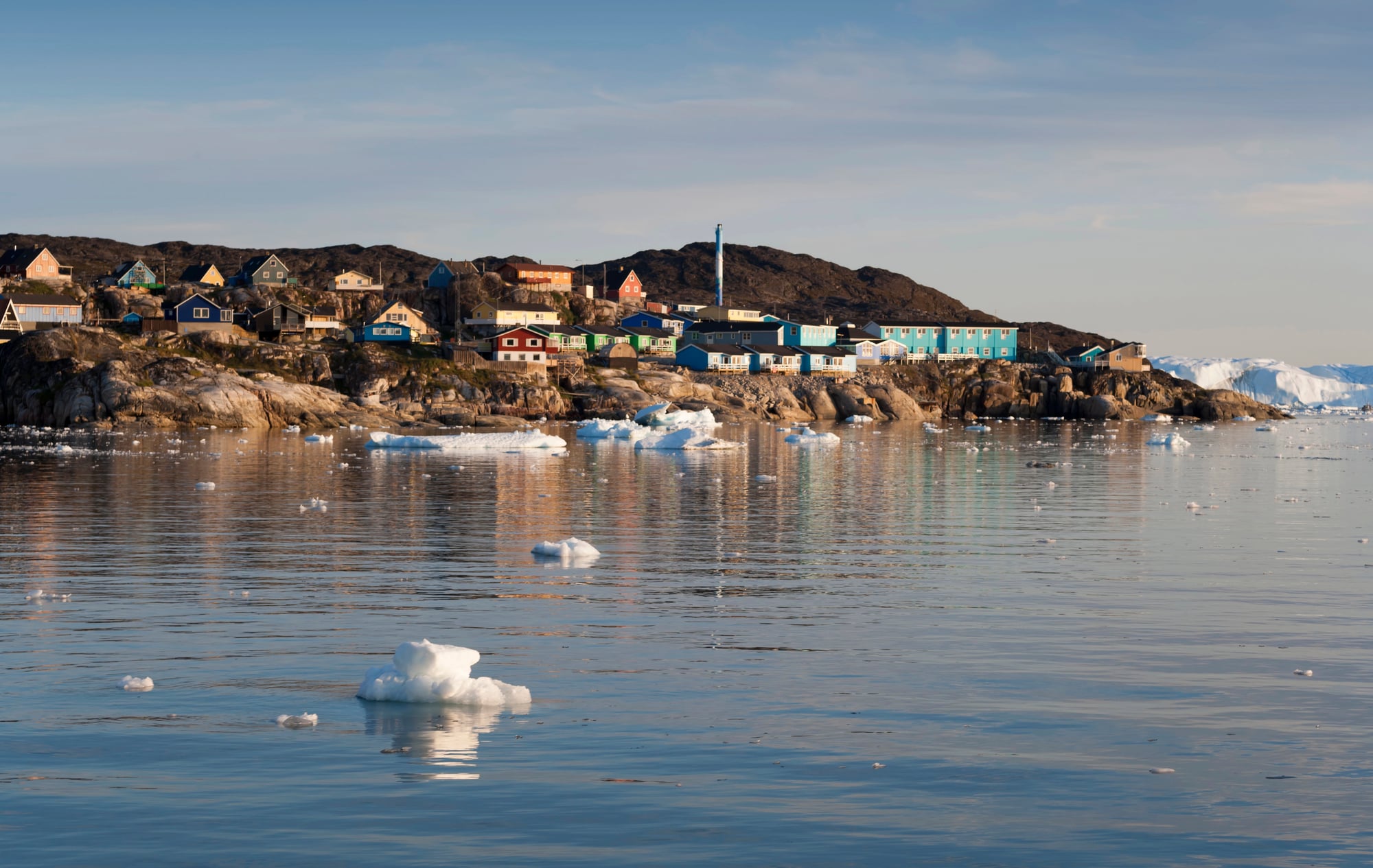
Despite its inviting name suggesting verdant landscapes, Greenland is approximately 80% covered in ice. Erik the Red, an exiled Viking, named it ‘Greenland’ around 985 CE as a marketing ploy to attract settlers.
This early example of false advertising worked surprisingly well, bringing Norse colonists to the massive island despite its predominantly frozen terrain.
Iceland
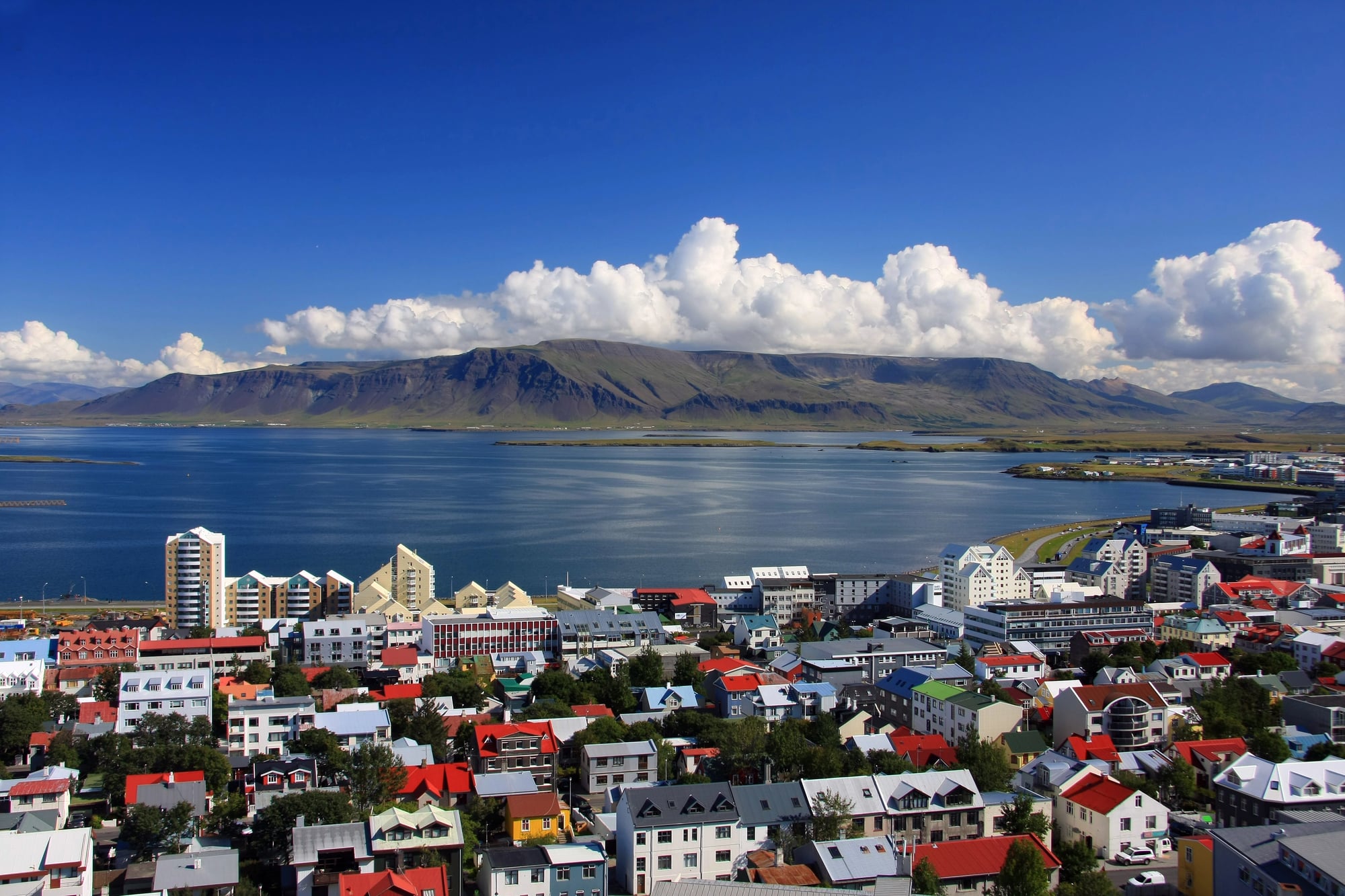
In a naming twist related to Greenland, Iceland is actually much greener and more hospitable than its name suggests. Early Norse settlers encountered volcanic steam vents and glaciers, leading to the somewhat misleading moniker.
Iceland enjoys a surprisingly mild climate due to the Gulf Stream, with lush summer landscapes that would make many places named ‘green’ envious.
The Dead Sea
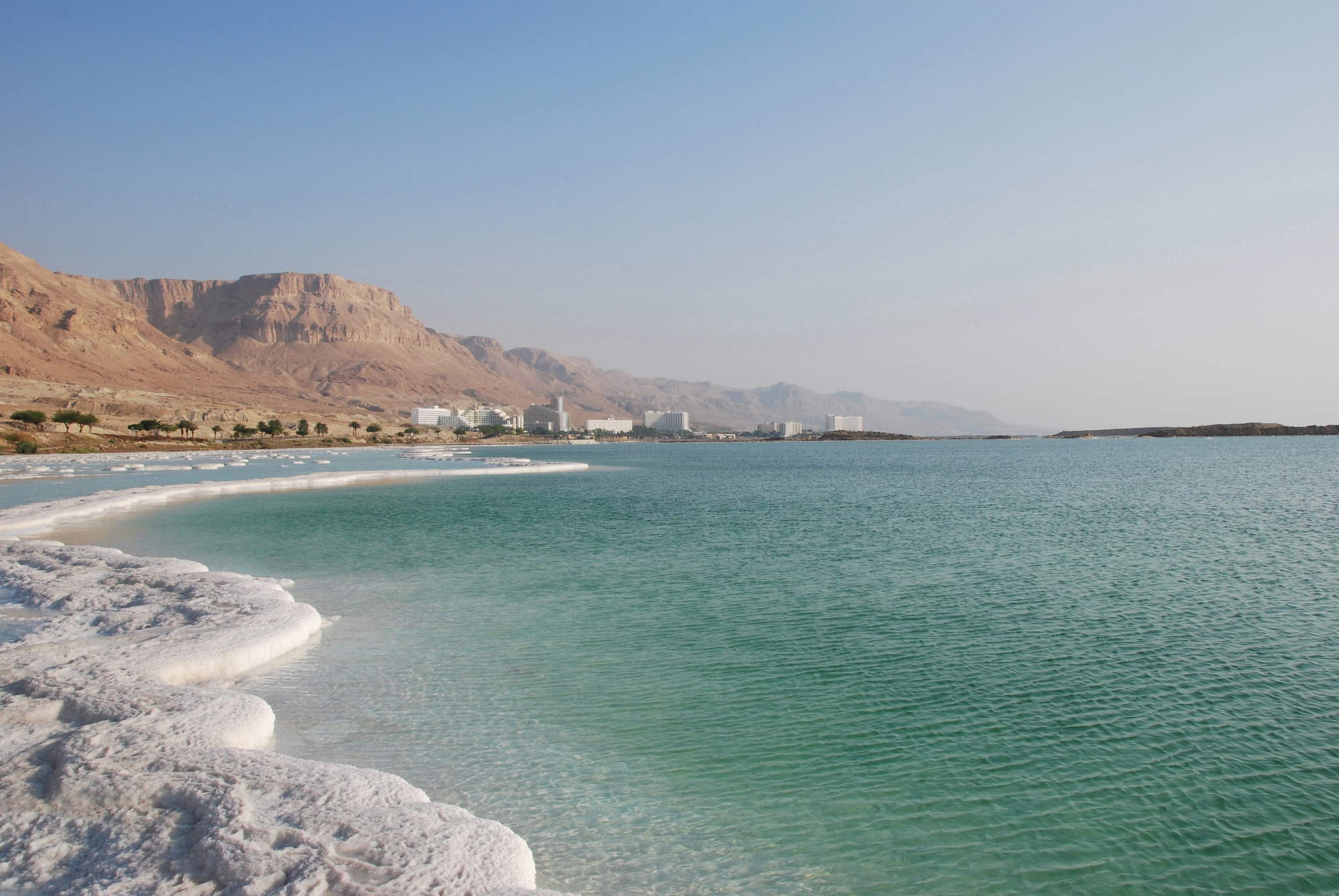
This famous body of water isn’t actually a sea at all. The Dead Sea is a salt lake bordering Jordan and Israel, completely landlocked and fed by the Jordan River.
Its extreme salinity—about nine times saltier than the ocean—earned it a name suggesting lifelessness, though specialized microorganisms actually thrive in its harsh waters.
Thousand Islands
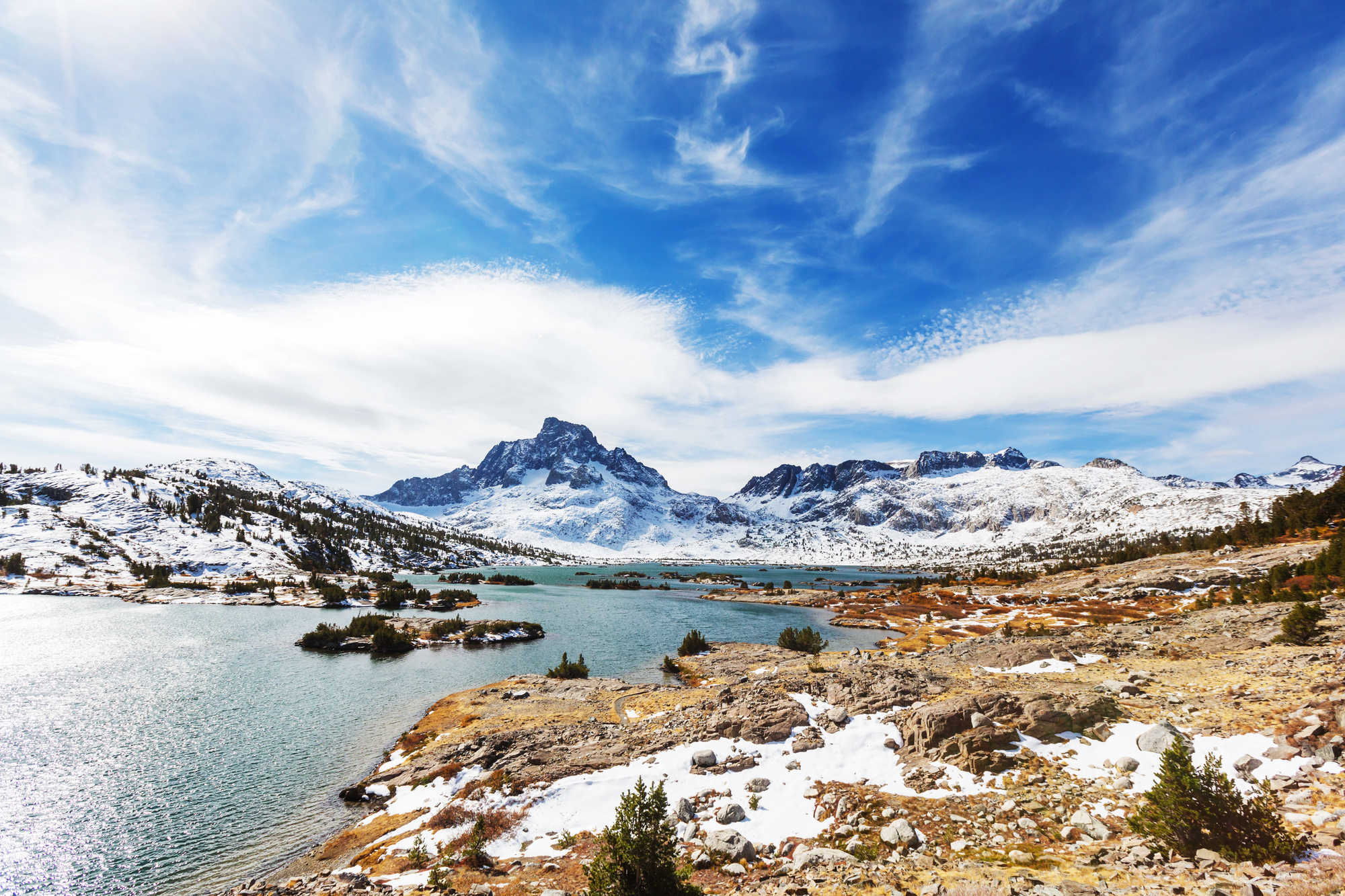
This archipelago in the St. Lawrence River between Canada and the United States contains closer to 1,800 islands, not 1,000. The discrepancy comes from the definition that requires an island to remain above water year-round and support at least two living trees.
Many locals joke that whoever did the initial counting must have lost track somewhere along the way.
The Grand Canyon
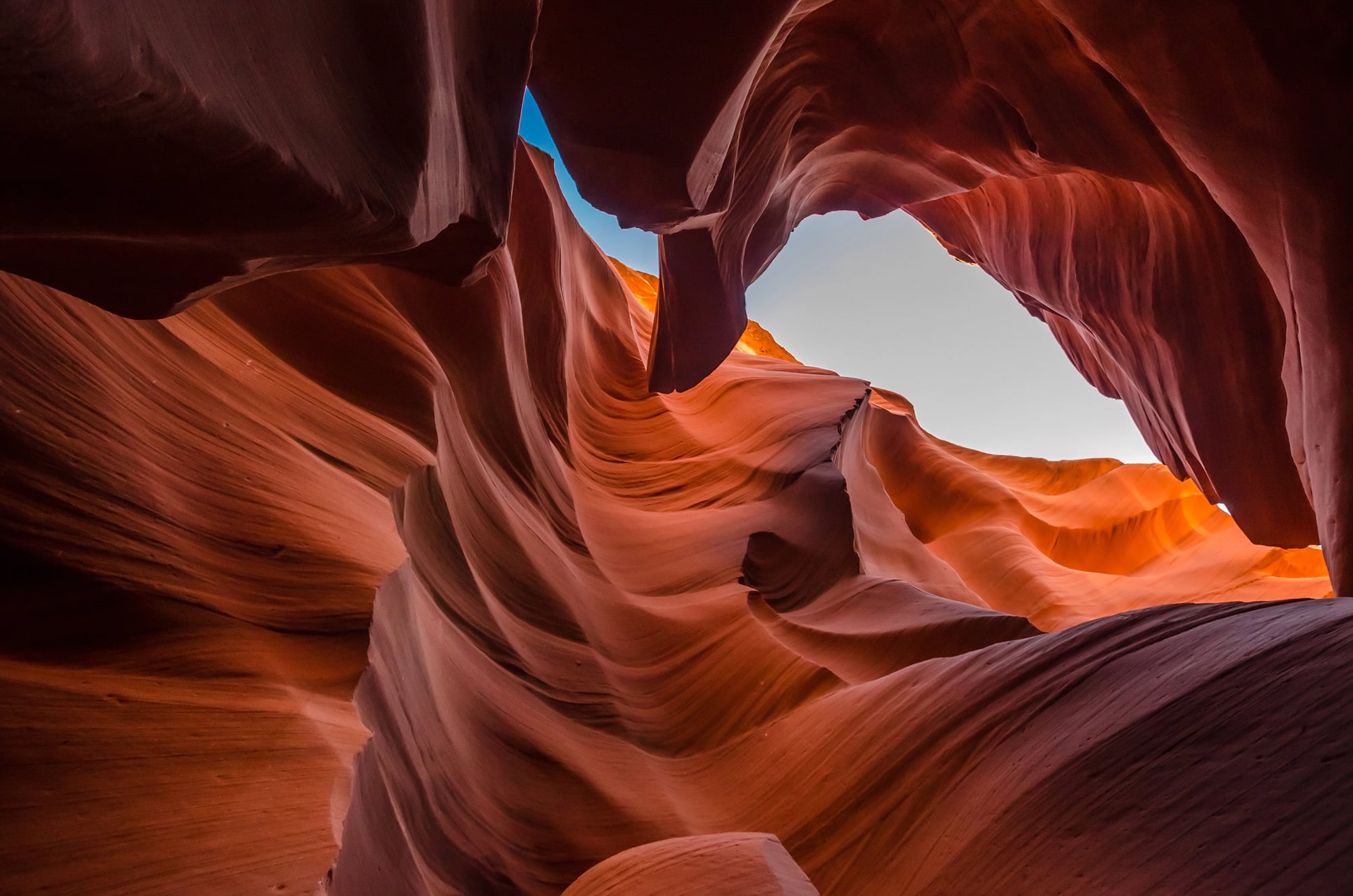
While undeniably grand in scale and beauty, this natural wonder in Arizona isn’t technically a canyon according to strict geological definitions. True canyons are carved primarily by flowing water, whereas the Grand Canyon was formed through a complex process involving uplift of the Colorado Plateau and subsequent erosion.
Its formation is much more complicated than its simple name suggests.
Mount Kilimanjaro
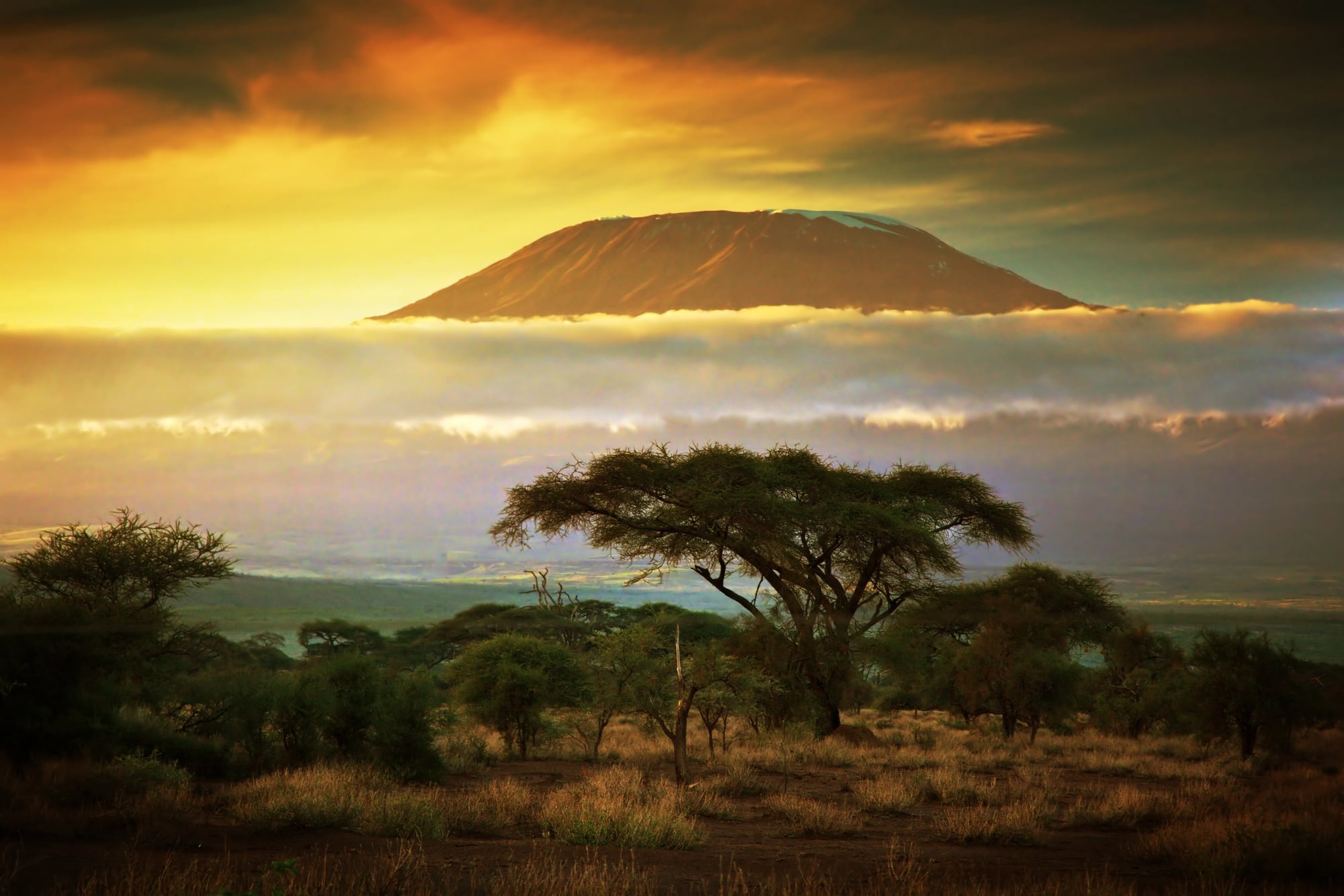
Africa’s tallest peak isn’t actually a mountain in the traditional sense—it’s a stratovolcano composed of three distinct volcanic cones. The name itself may be a misnomer, as some linguists believe it derives from a Swahili word meaning ‘mountain of greatness,’ making ‘Mount Kilimanjaro’ redundantly mean ‘Mount Mountain of Greatness.’
The locals who named it surely didn’t anticipate this linguistic pileup.
The Blue Mountains
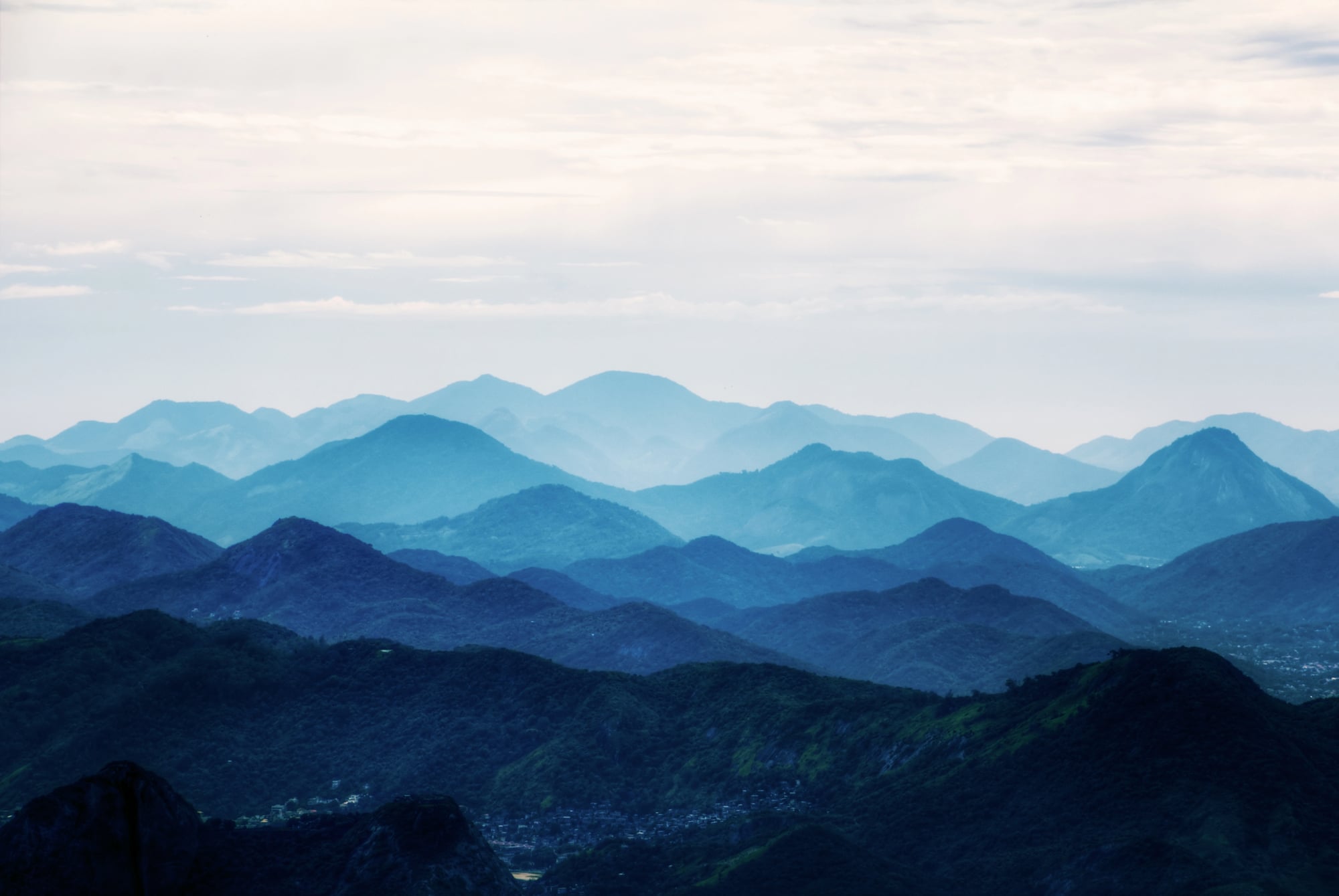
Australia’s famous mountain range rarely appears blue except when viewed from a distance through eucalyptus oil haze. Up close, these mountains display typical forest greens and rocky browns.
The blue appearance is caused by light scattering through tiny oil droplets released by the eucalyptus forests—essentially an optical illusion rather than an inherent color trait.
Hudson Bay
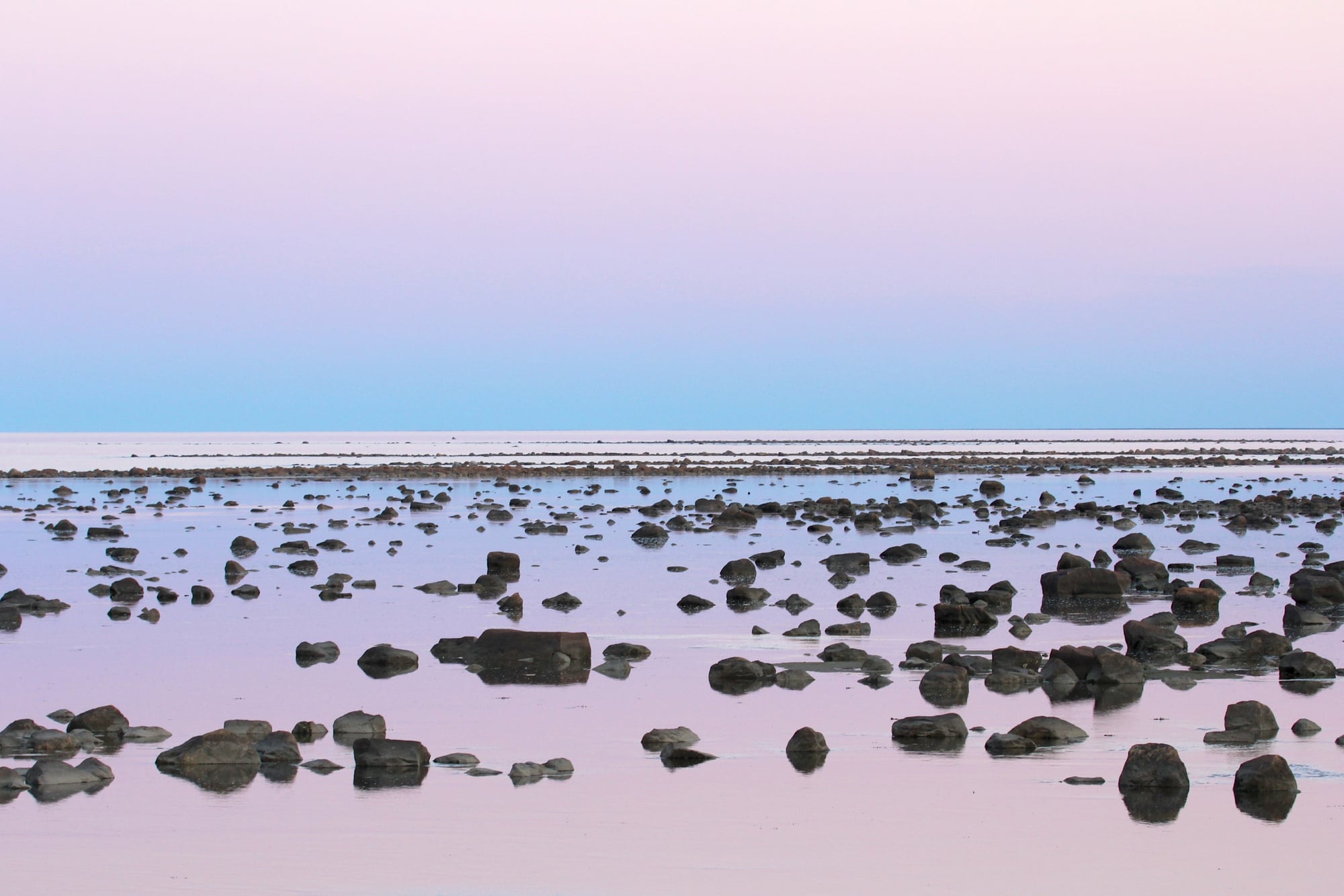
Despite its name suggesting a modest inlet, Hudson Bay is an enormous body of water covering 470,000 square miles—larger than many seas. Early explorers, like Henry Hudson for whom it was named, undervalued its great scope.
‘Bay’ is a major underestimation of its actual size since it is essentially a shallow inland sea linked to the Atlantic Ocean.
Red Sea
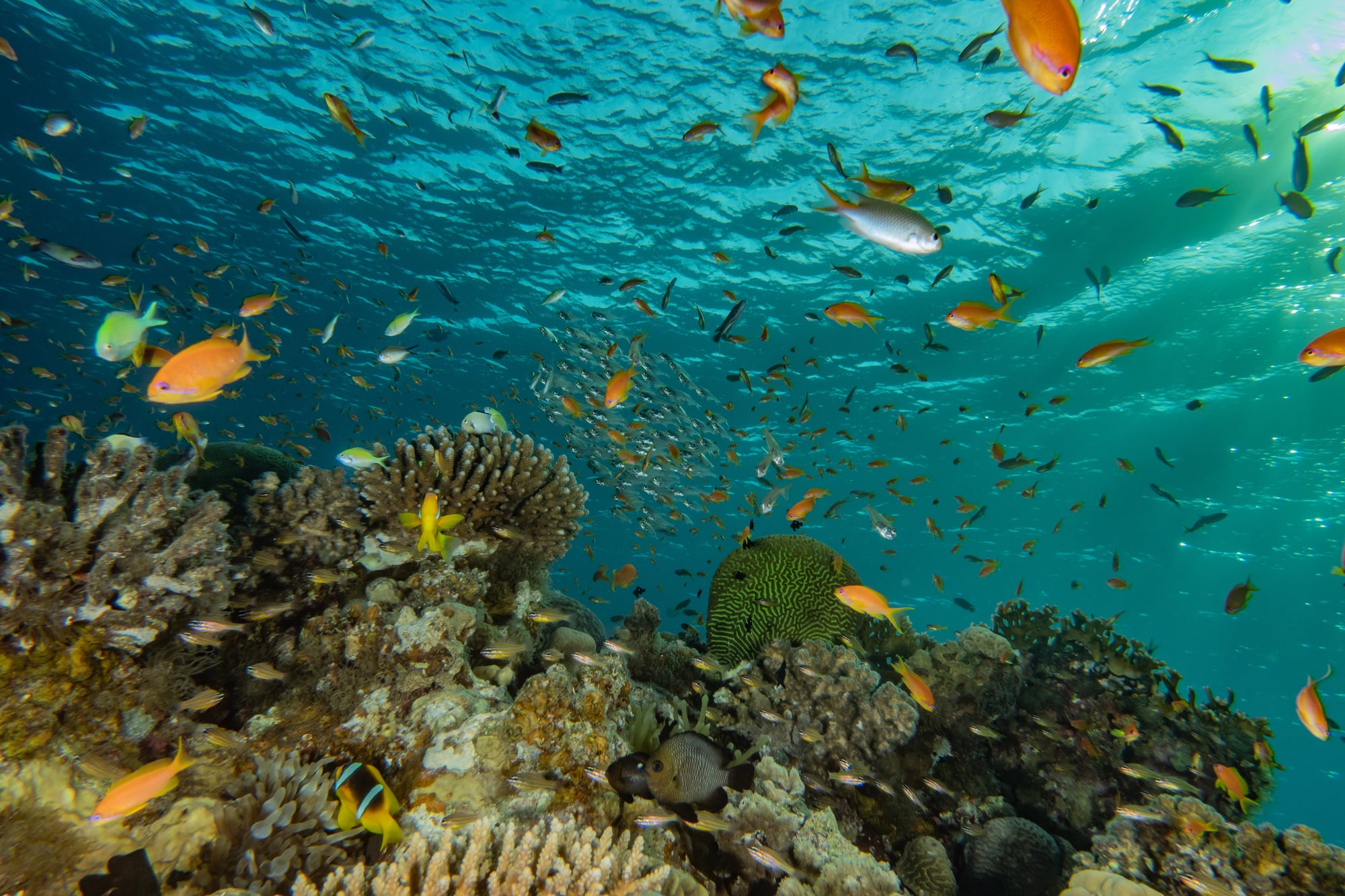
Usually showing lovely blue-green tones, the Red Sea is not red at all. There are several hypotheses behind its deceptive moniker, including seasonal algal blooms from surrounding red mountain ranges or perhaps from sections of the lake reddish-brown.
Ancient cultures might have called it after cardinal directions, using “red” to indicate “south” in some early classification systems.
Great Slave Lake
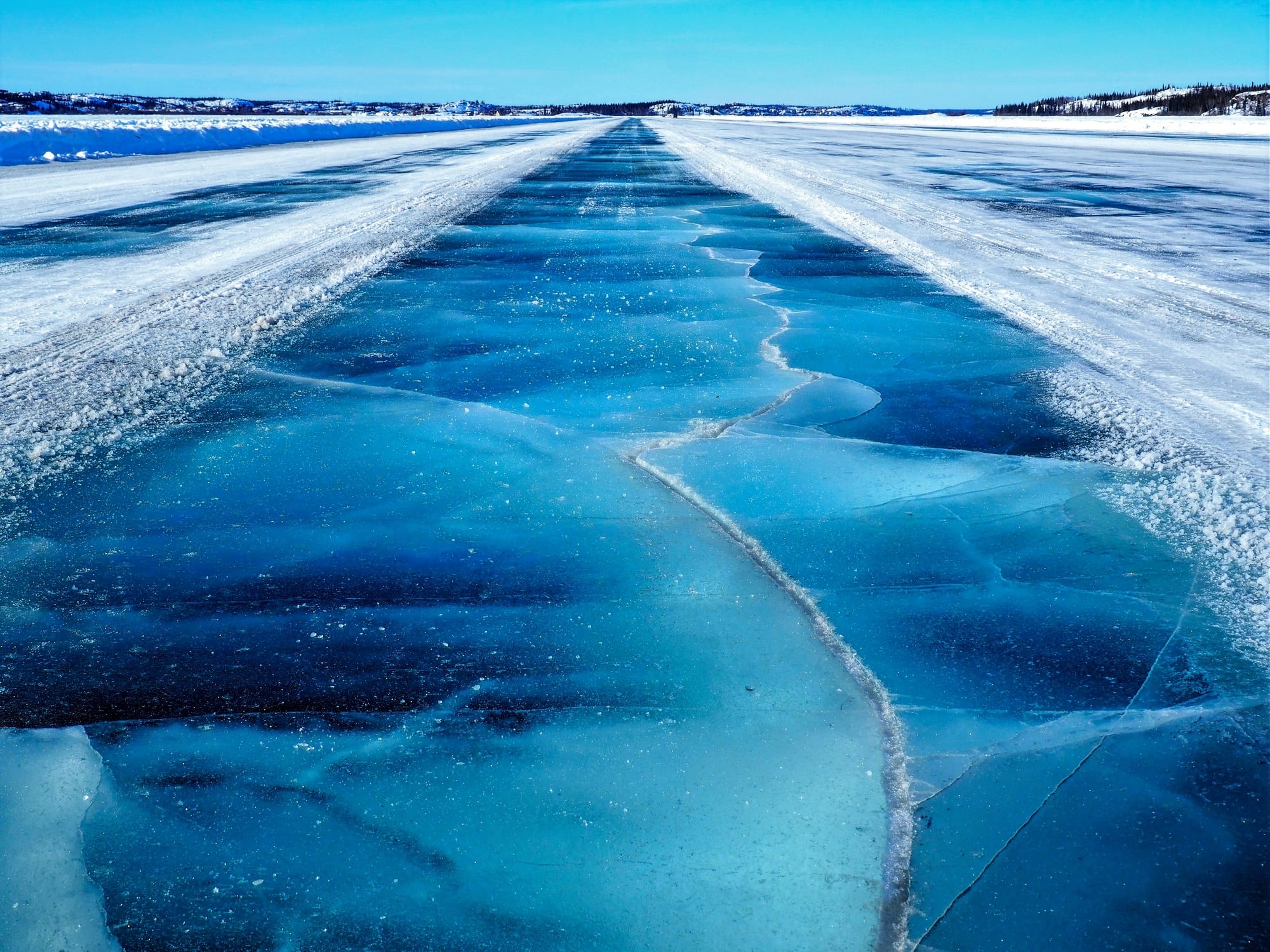
This enormous lake in Canada’s Northwest Territories has nothing to do with historical enslavement. The name comes from the Slavey First Nations people who lived near its shores, and was misapplied by European traders.
The Slavey people call themselves ‘Dene’ meaning ‘people,’ and the misnomer persists as an unfortunate linguistic error reinforced through centuries of maps and documents.
Rocky Mountains
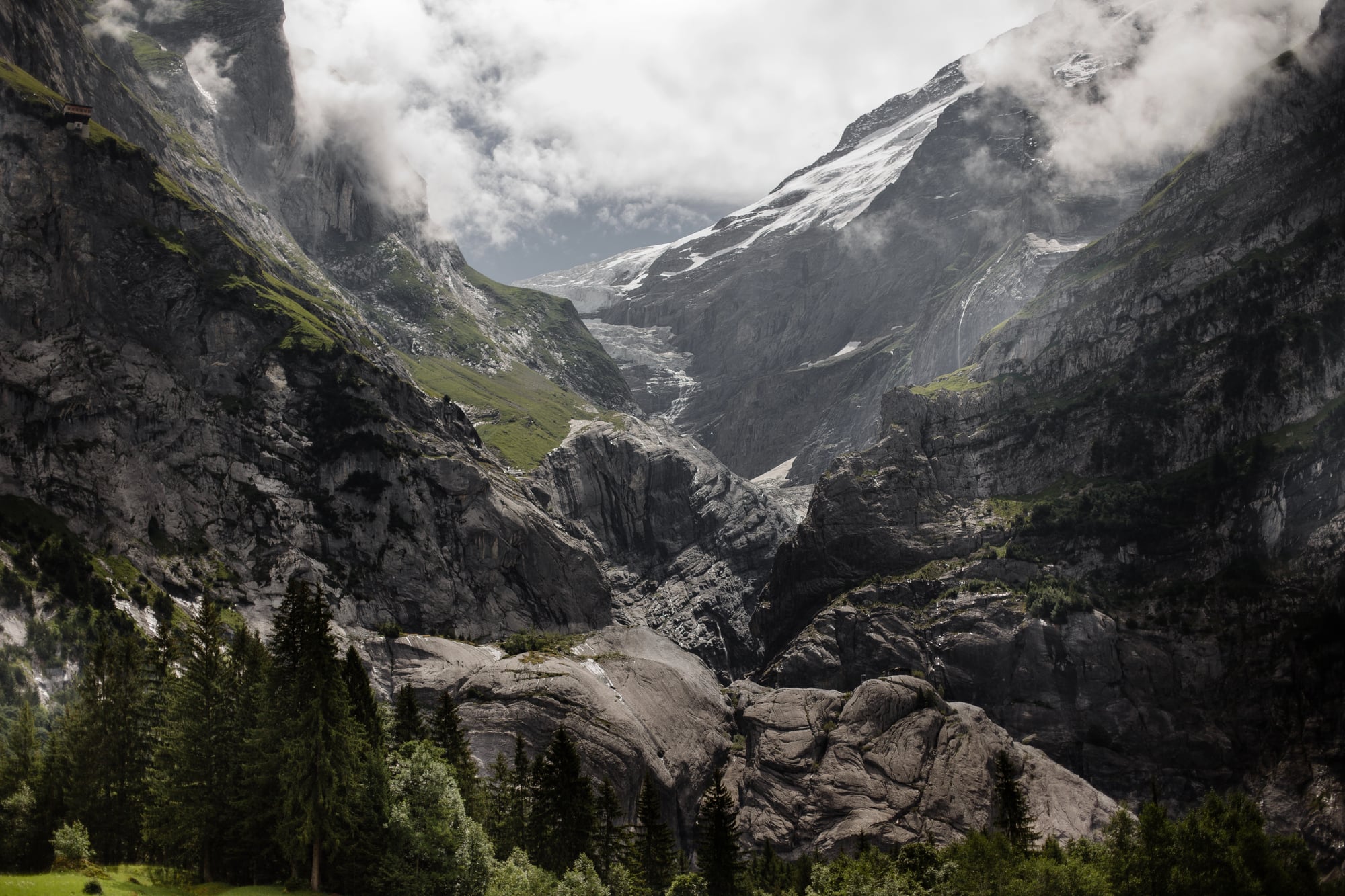
While certainly rocky in places, this massive mountain range contains diverse terrain including forests, meadows, lakes, and even desert-like regions. The name oversimplifies one of North America’s most varied geographical features.
The generalization fails to capture the ecological diversity spanning from New Mexico to British Columbia, reducing a complex system to its most obvious characteristic.
Black Forest
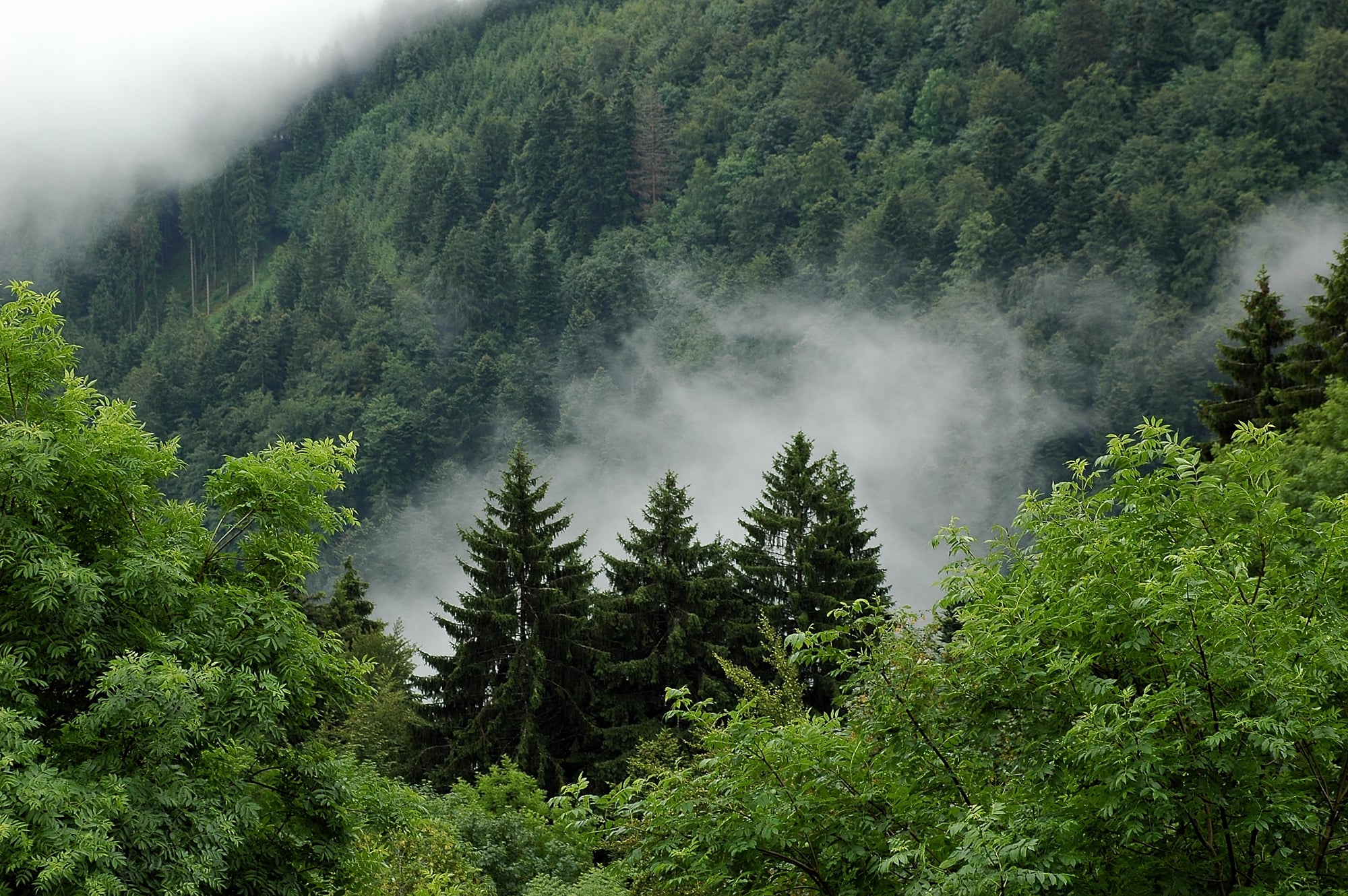
Germany’s famous woodland isn’t particularly darker than other forests. The name comes from the dense tree canopy that limits light penetration to the forest floor, creating shadowy conditions.
Roman visitors called it ‘Silva Nigra’ (Black Forest) because of this relative darkness compared to Mediterranean forests, but modern forest management has actually lightened conditions considerably over centuries.
White River
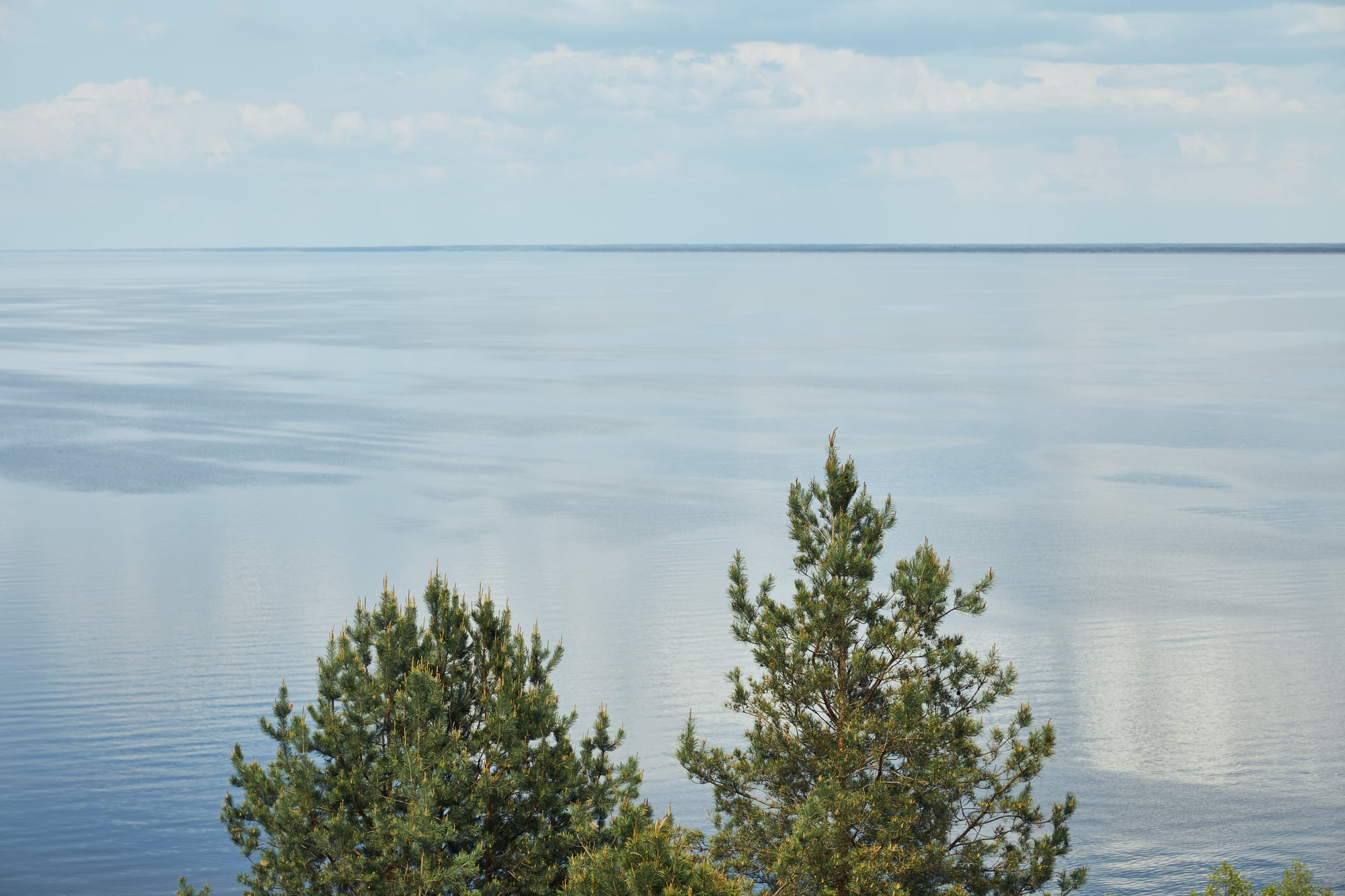
There are multiple White Rivers in the United States, and ironically, most carry significant sediment loads that make them appear brown or muddy rather than white. The name typically comes from limestone beds or chalky sediments visible during low water periods, or from rapids that create white water in certain sections.
During most seasons, visitors expecting pristine clear waters find themselves disappointed.
Death Valley
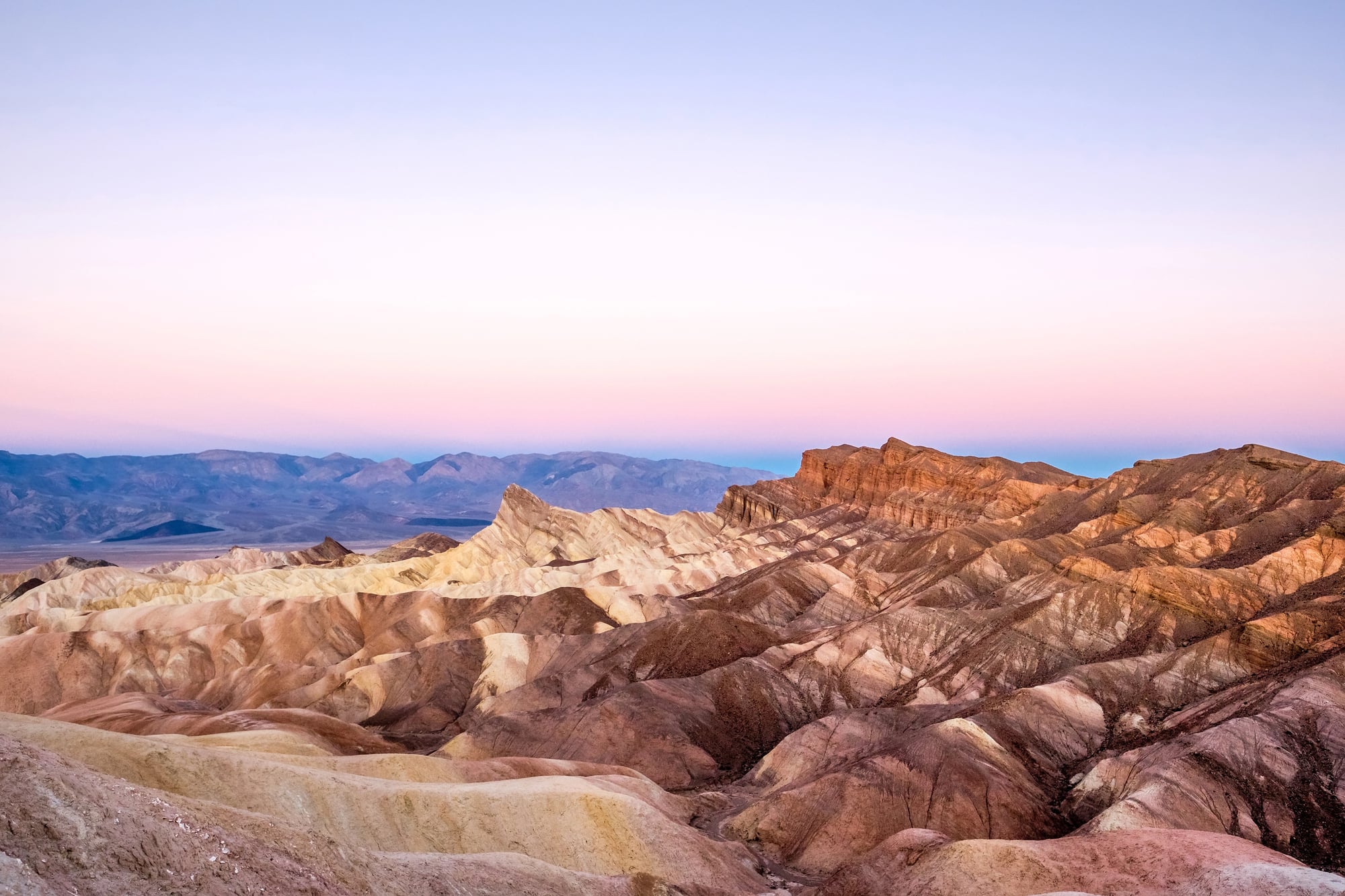
Though its sinister moniker suggests an absolutely dead area, Death Valley in California boasts amazing variety. Many animal species and more than a thousand plant species have evolved to fit its hostile environment.
The term began with gold-seeking pioneers who almost died there in 1849, but life finds creative means to flourish in this misnamed valley even with summer temperatures as high as 130°F.
The Matterhorn
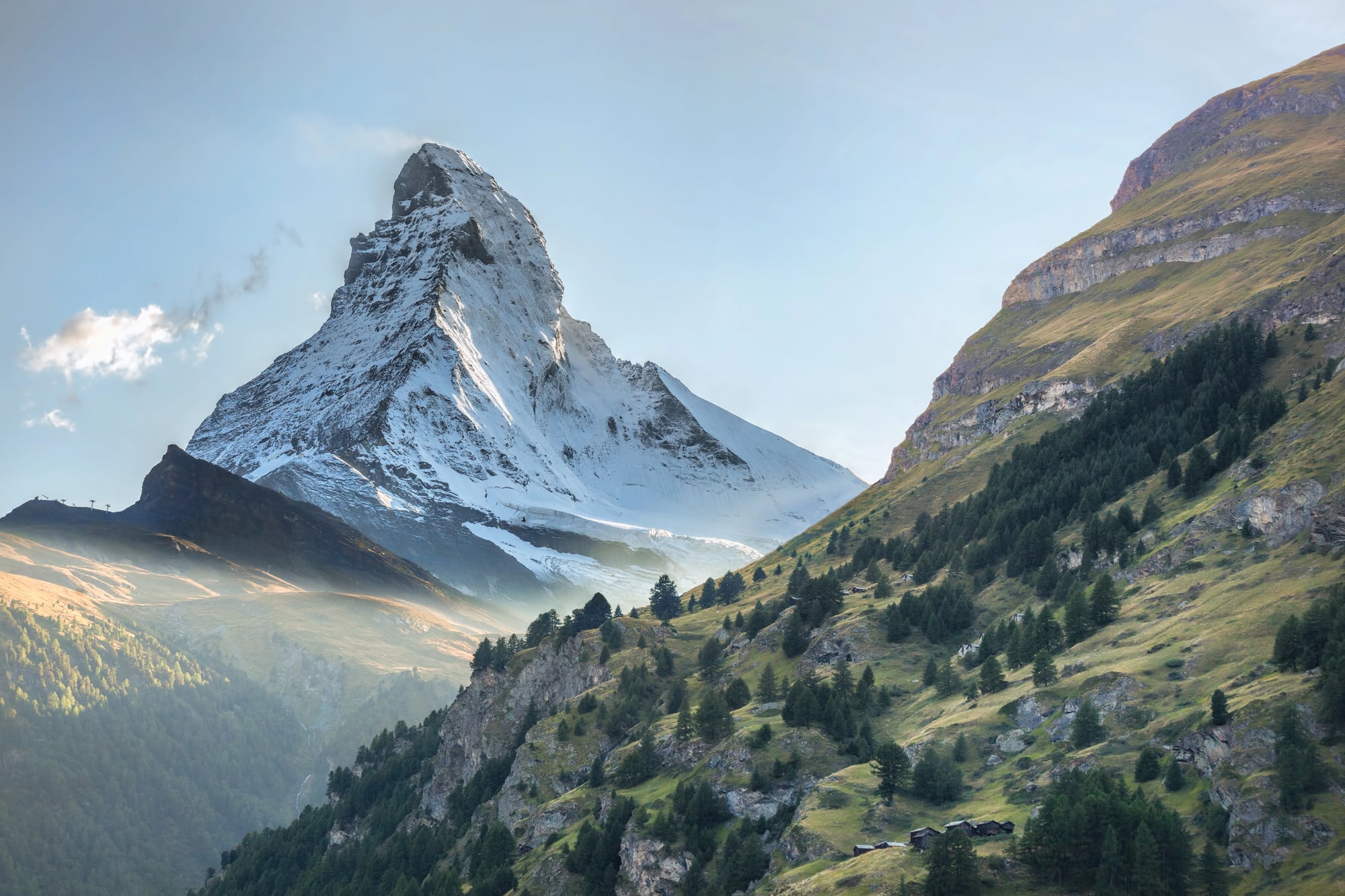
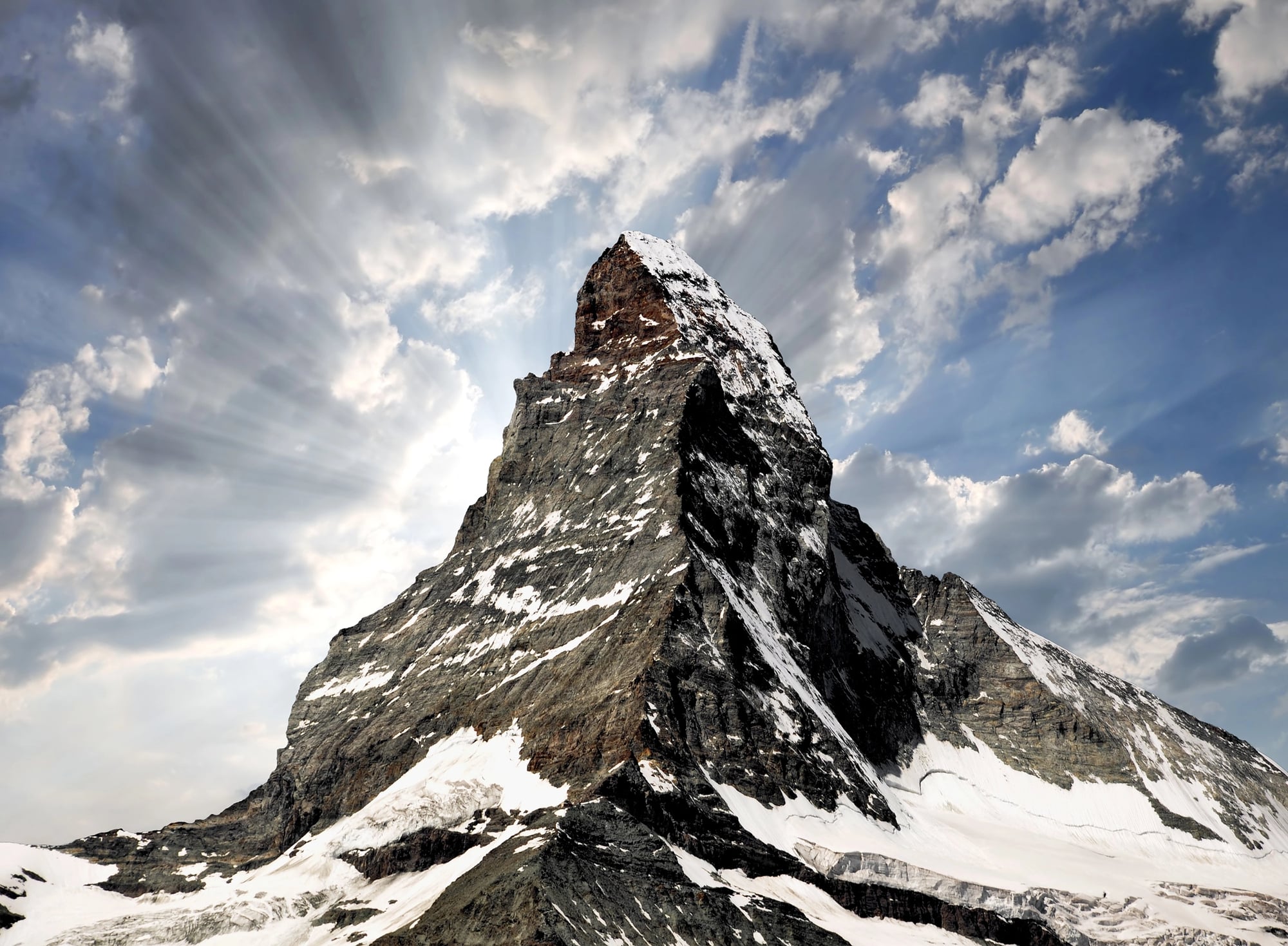
Switzerland’s iconic peak gets its name from German words meaning ‘meadow peak,’ yet no meadows exist anywhere near its jagged summit. The name likely referred to meadows visible from the mountain rather than on it.
Its distinctive pyramid shape makes it one of the most recognizable mountains in the world, despite sporting a name that makes little geographical sense.
Geographical Reality Check
Names often tell stories of misunderstandings, honest mistakes, or even deliberate misdirection. These 15 examples show how our geographical labels can be surprisingly disconnected from reality.
Whether through translation errors, marketing ploys, or simple exaggeration, the names we give to natural features sometimes reveal more about human perception than about the landscapes themselves. Next time you visit a famous geographical site, remember that its name might be the least accurate thing about it.
More from Go2Tutors!

- The Romanov Crown Jewels and Their Tragic Fate
- 13 Historical Mysteries That Science Still Can’t Solve
- Famous Hoaxes That Fooled the World for Years
- 15 Child Stars with Tragic Adult Lives
- 16 Famous Jewelry Pieces in History
Like Go2Tutors’s content? Follow us on MSN.