15 Amusement Park Rides Retired Because They Worked Too Well
Theme parks aim to thrill visitors with heart-pounding experiences, but sometimes these attractions deliver more excitement than intended. When rides cause too many headaches for operators or genuine concerns for guests, they often face early retirement despite their popularity.
Here is a list of 15 amusement park rides that were ultimately shut down because they were simply too effective at delivering thrills, causing problems, or raising safety concerns.
Action Park’s Cannonball Loop

This infamous water slide in New Jersey featured a complete vertical loop that defied common sense. The physics worked too well—riders experienced such intense G-forces that the park had to add an escape hatch at the loop’s bottom.
After numerous injuries and only a month of operation in summer 1985, the ride closed permanently, becoming a monument to the park’s notorious reputation.
Disneyland’s Rocket Rods
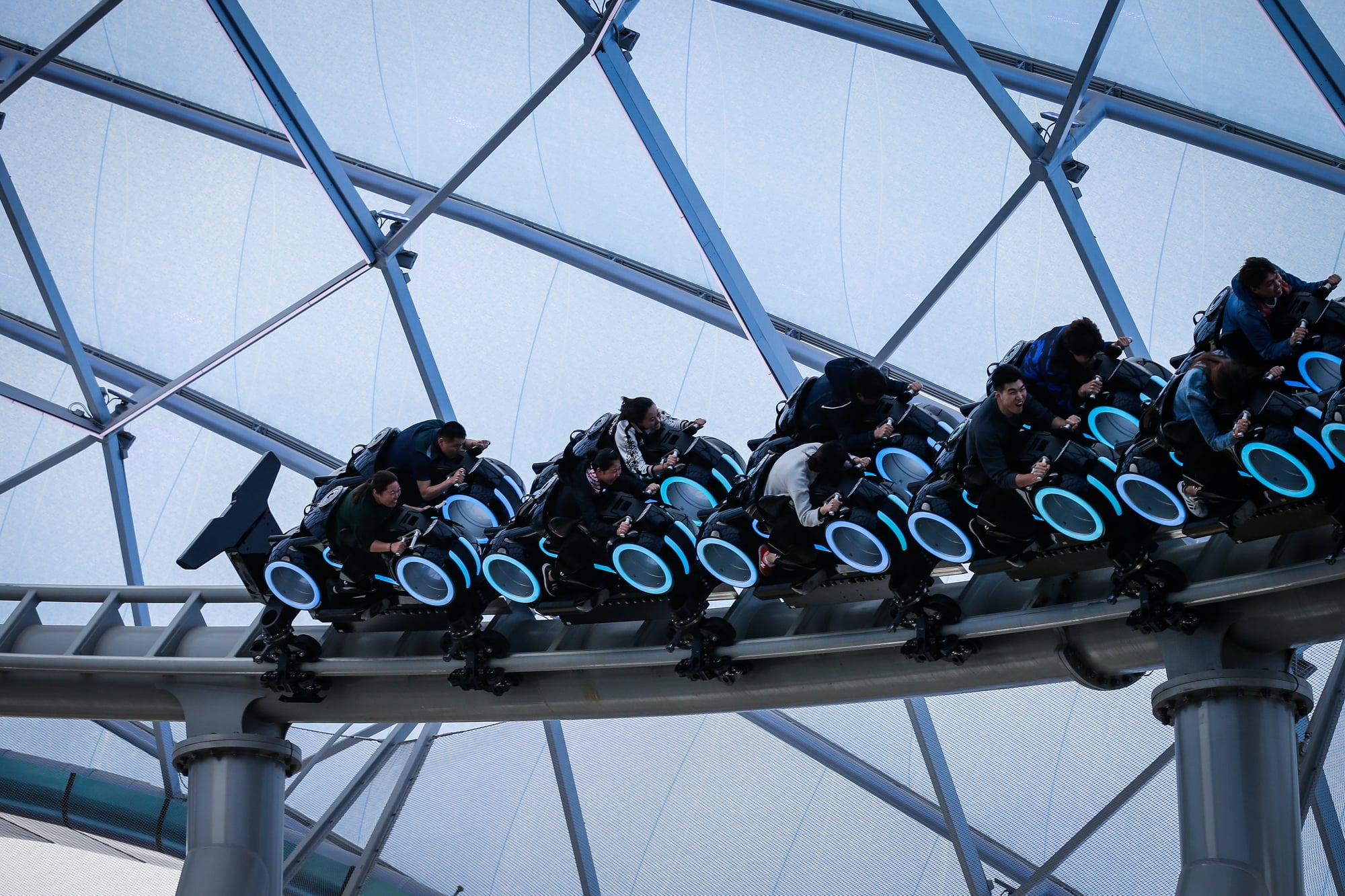
These high-speed vehicles replaced the leisurely PeopleMover in Tomorrowland but proved too powerful for the existing track. The rapid acceleration and deceleration created enormous strain on the infrastructure, causing frequent breakdowns.
Despite being a hit with speed enthusiasts, the ride lasted just two years before closing in 2000, with the track sitting abandoned for years afterward.
Six Flags Great Adventure’s Rolling Thunder

This wooden coaster delivered exactly what it promised—a thunderous, bone-rattling experience. The ride worked so well at shaking riders that maintenance costs became unsustainable as the structure required constant repairs.
After 34 years of service, the coaster closed in 2013, unable to compete with newer, smoother alternatives that didn’t loosen guests’ fillings.
Knott’s Berry Farm’s Windjammer

This sailboat-themed roller coaster used a revolutionary suspended design that allowed cars to swing freely from side to side. Unfortunately, the pendulum effect worked too effectively, creating such powerful swinging motions that riders experienced motion sickness at unprecedented rates.
The ride lasted just two years before being removed in 1988, proving that sometimes less movement is more.
Cedar Point’s Disaster Transport

Initially designed as an outdoor bobsled ride called Avalanche Run, it was later enclosed and renamed. The dark enclosure created such an effective sensory deprivation environment that riders complained of disorientation and nausea.
Despite attempts to enhance the experience, the ride’s effectiveness at creating genuine discomfort led to its demolition in 2012 after 28 years of operation.
Universal Studios Florida’s Jaws
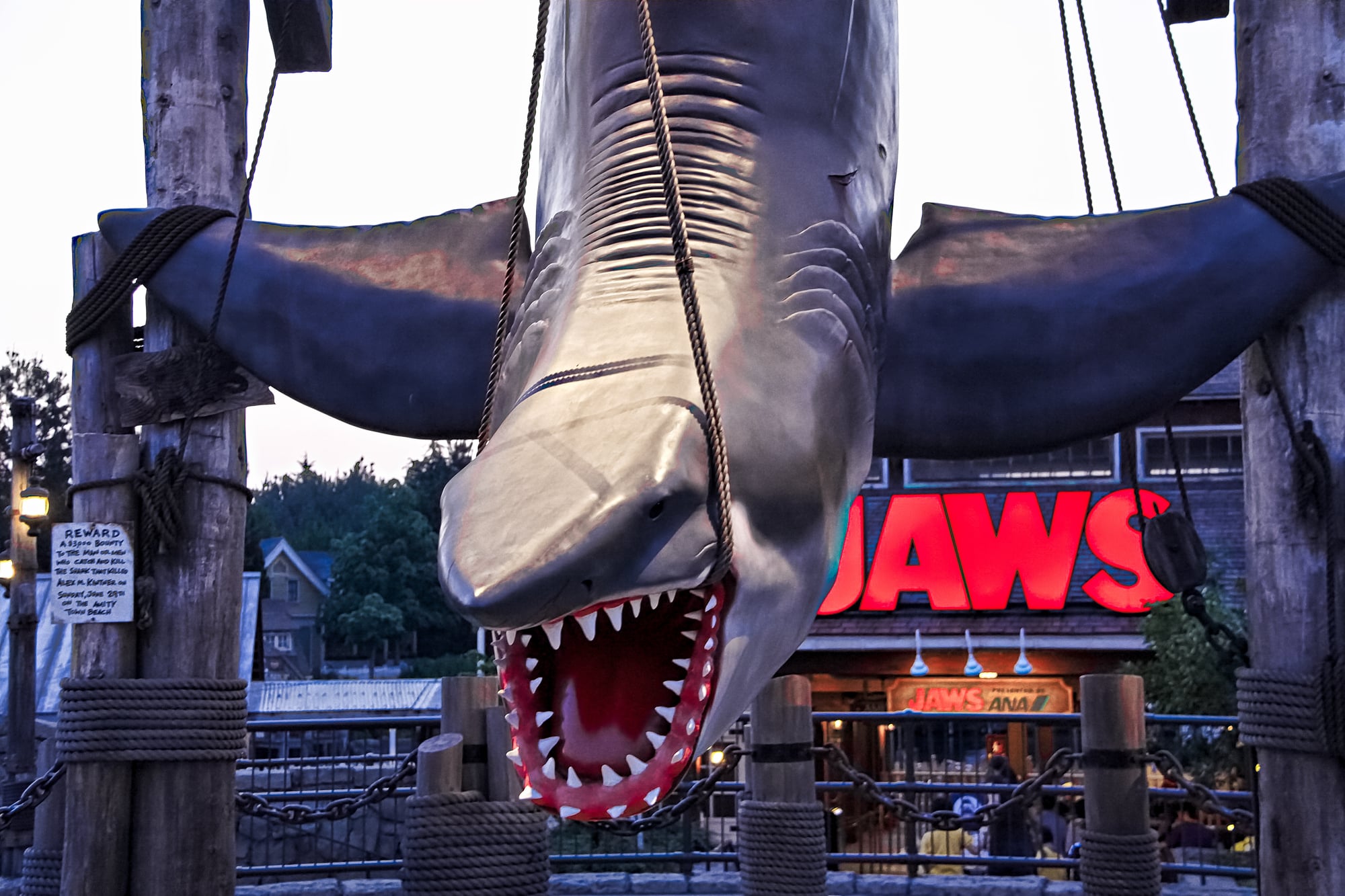
This boat ride featuring a mechanical shark worked too realistically, frequently malfunctioning in ways that mimicked a real unpredictable predator. The technical complications were so significant that the ride closed shortly after the park’s opening, underwent a complete redesign, and reopened in 1993.
Despite becoming a beloved attraction, it was eventually retired in 2012 to make way for Harry Potter’s Wizarding World.
Kentucky Kingdom’s Greezed Lightnin’

This shuttle loop coaster launched riders from 0 to 60 miles per hour in mere seconds. The intense acceleration worked exactly as designed—perhaps too well—causing neck strain for many riders.
After changing ownership several times, the ride’s extreme nature and maintenance challenges ultimately led to its permanent closure following flood damage in 2009.
Six Flags AstroWorld’s Texas Cyclone
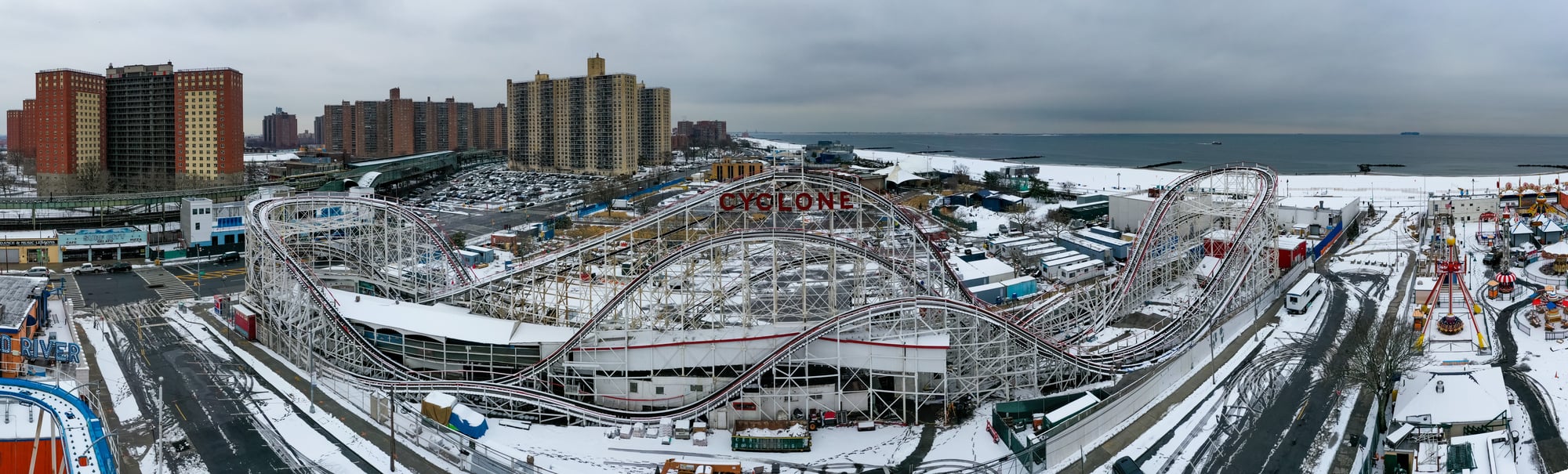
This wooden roller coaster replicated the famous Coney Island Cyclone but with even more extreme elements. Engineers designed it to provide maximum airtime, and it succeeded so well that riders often stood up despite restraints, creating safety concerns.
After thrilling visitors for nearly 40 years, the ride closed when the entire park shut down in 2005, having perhaps worked too well for its own good.
Action Park’s Alpine Slide

This concrete track sent riders downhill on small sleds with only a hand brake for control. The design worked perfectly—allowing such high speeds that many riders lost control, earning the attraction nicknames like ‘the skin eraser.’
The combination of control and speed proved too effective at creating both thrills and injuries, contributing to the park’s eventual closure and notorious legacy.
Disney’s ExtraTERRORestrial Alien Encounter
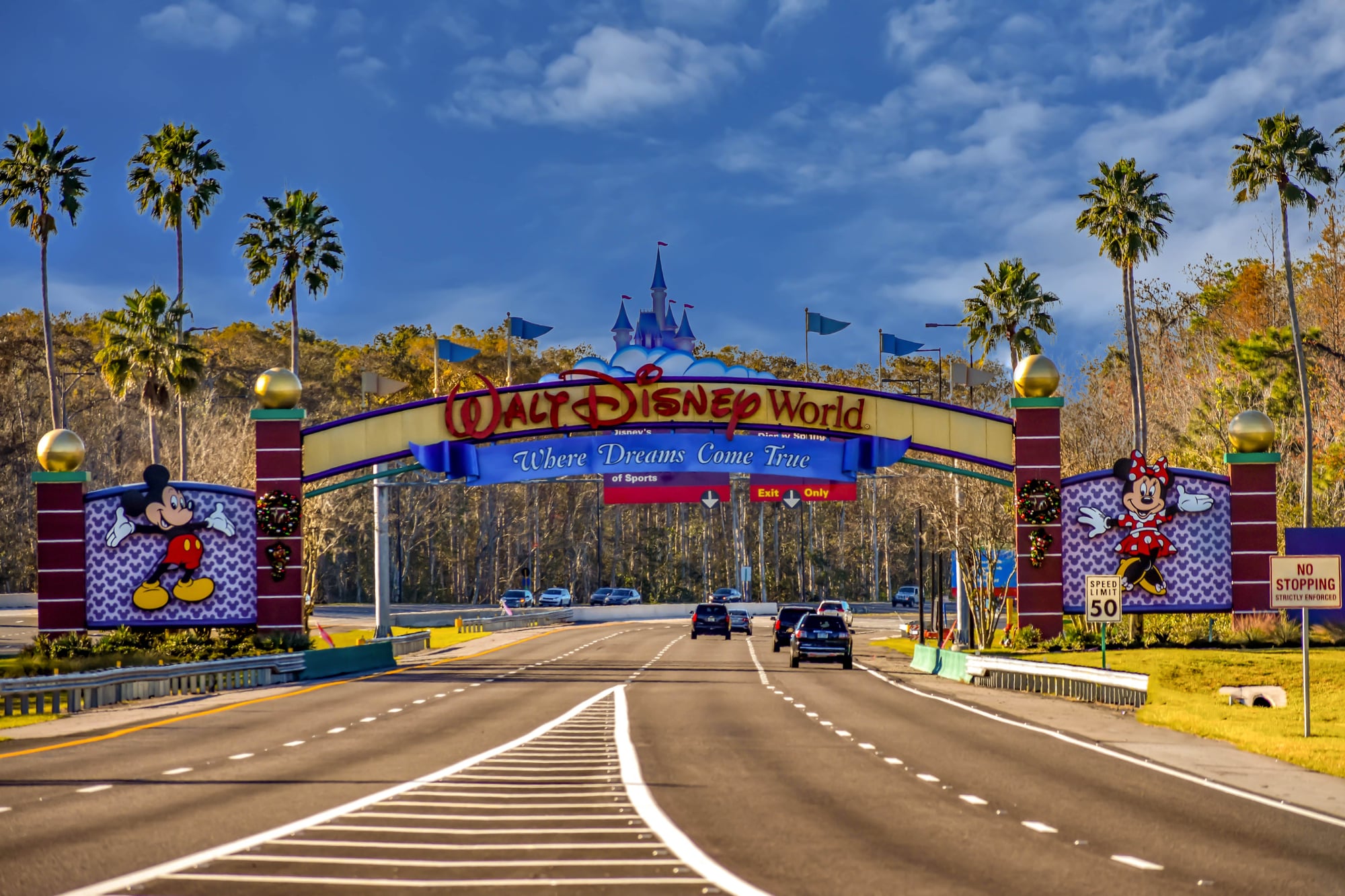
This intense sensory experience in Walt Disney World created such realistic alien encounters that it genuinely terrified guests. Using darkness, sound effects, and physical sensations, the attraction worked too well at creating fear in a park known for family-friendly experiences.
After years of complaints from parents of frightened children, Disney replaced it with a tamer Stitch-themed attraction in 2003.
Six Flags New Orleans’ Mega Zeph
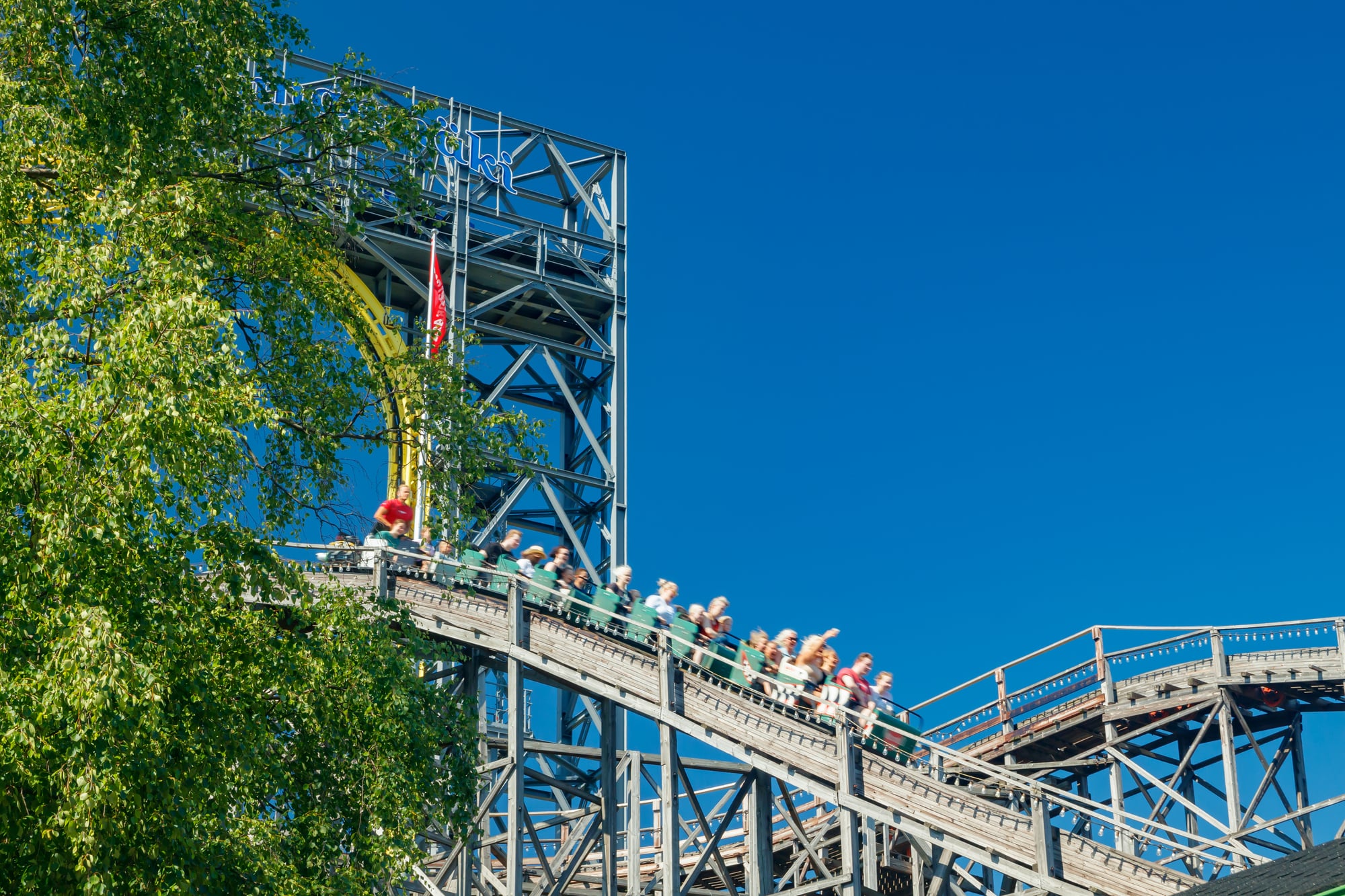
This hybrid steel-wooden coaster was designed to withstand hurricane-force winds up to 110 miles per hour. Ironically, while the structure survived Hurricane Katrina in 2005, the park around it didn’t, forcing its abandonment.
The ride worked so well that it outlasted the very park it was built to serve, standing as a ghost coaster in an abandoned park for years afterward.
Disneyland’s Flying Saucers
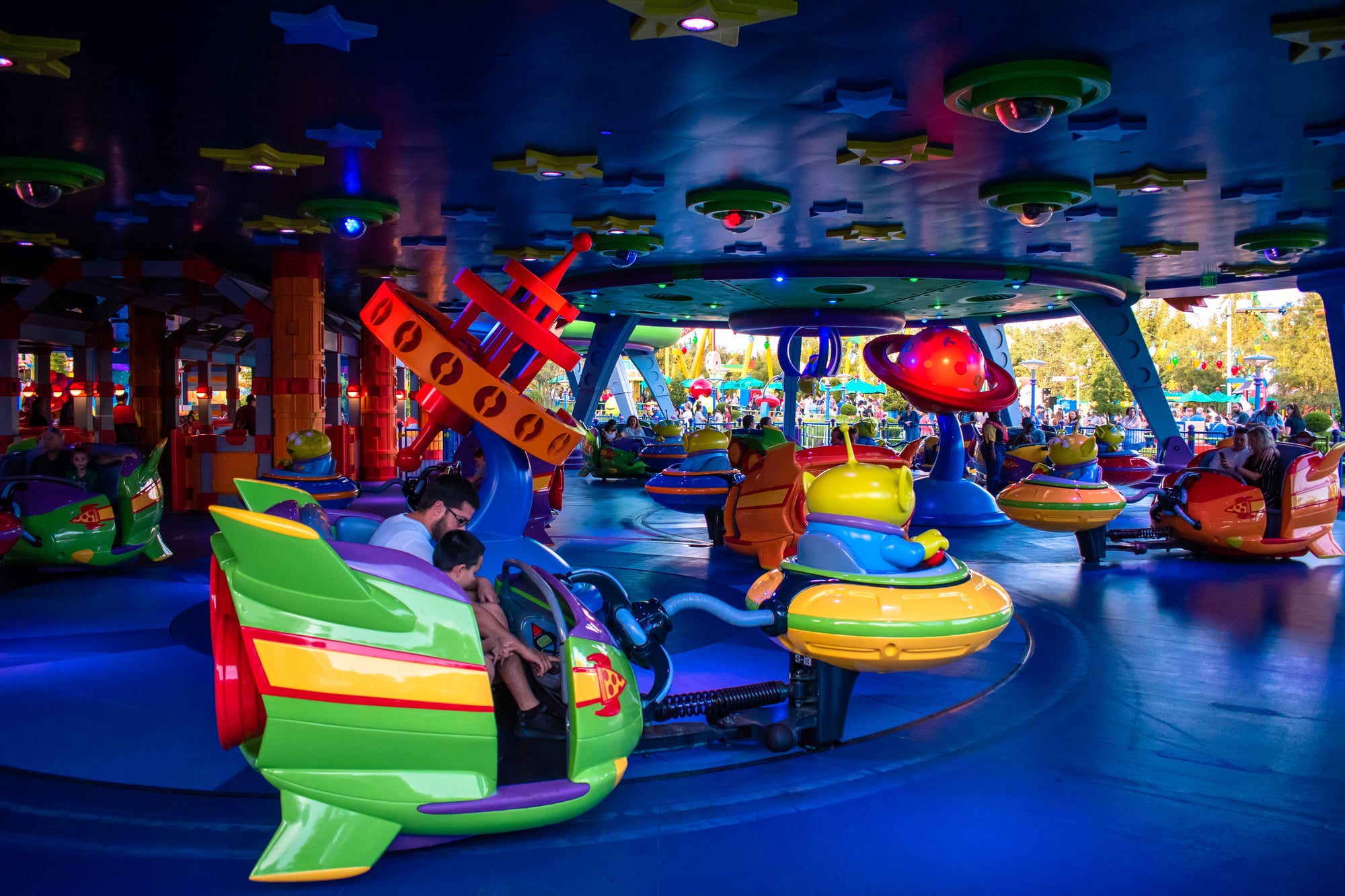
This 1960s attraction featured individual hovercrafts floating on cushions of air, controlled by shifting body weight. The technology worked too well when operated correctly, creating such demand that wait times became unbearable.
The maintenance headaches and operational challenges led to its closure after just five years, though the concept inspired later attractions like Luigi’s Flying Tires at Disney California Adventure.
Kings Island’s Son of Beast
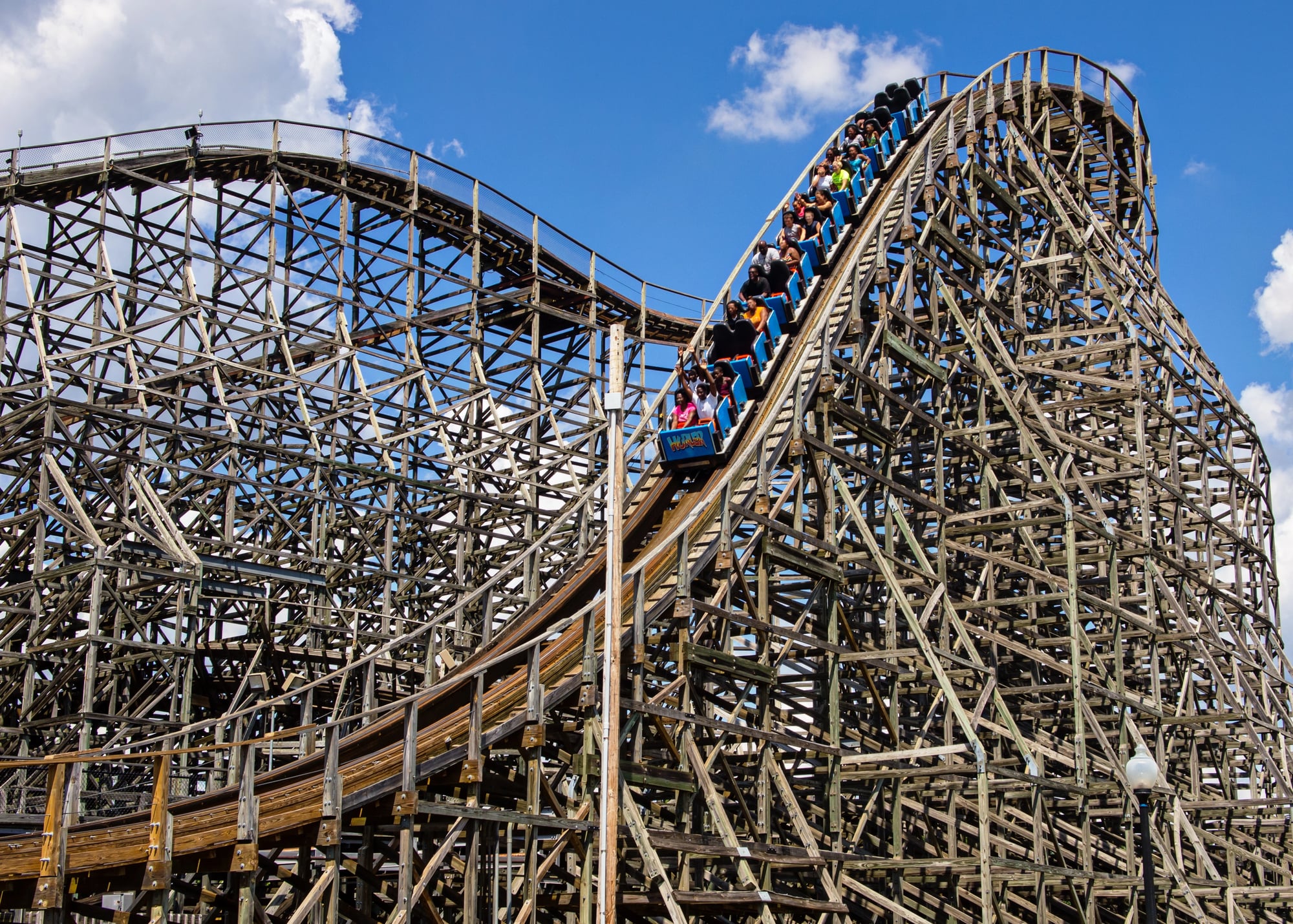
This record-breaking wooden coaster with a steel loop delivered intense roughness and forces beyond what most riders could tolerate. After numerous injuries and a structural incident in 2006, the loop was removed in an attempt to save the ride.
Despite modifications, the coaster’s effectiveness at delivering bone-jarring thrills led to its permanent closure in 2009 and demolition in 2012.
Disney’s Mission to Mars

This simulator ride created such realistic motion effects that it became known for causing motion sickness in a significant percentage of riders. The rotating theater combined with visual effects worked too well at creating the sensation of space travel.
After years of guests exiting with green faces, Disney replaced it with the tamer ExtraTERRORestrial Alien Encounter (which, as mentioned earlier, had its own issues).
Coney Island’s Jumbo Jet

This compact steel coaster packs intense drops and tight turns into a small footprint. The thrilling design worked so effectively that its tight clearances and maintenance challenges became problematic.
After operating at several locations, including Coney Island’s Astroland, the ride was eventually dismantled, unable to keep up with modern safety standards despite its crowd-pleasing intensity.
Thrill Machines: Yesterday’s Legends, Tomorrow’s Inspiration
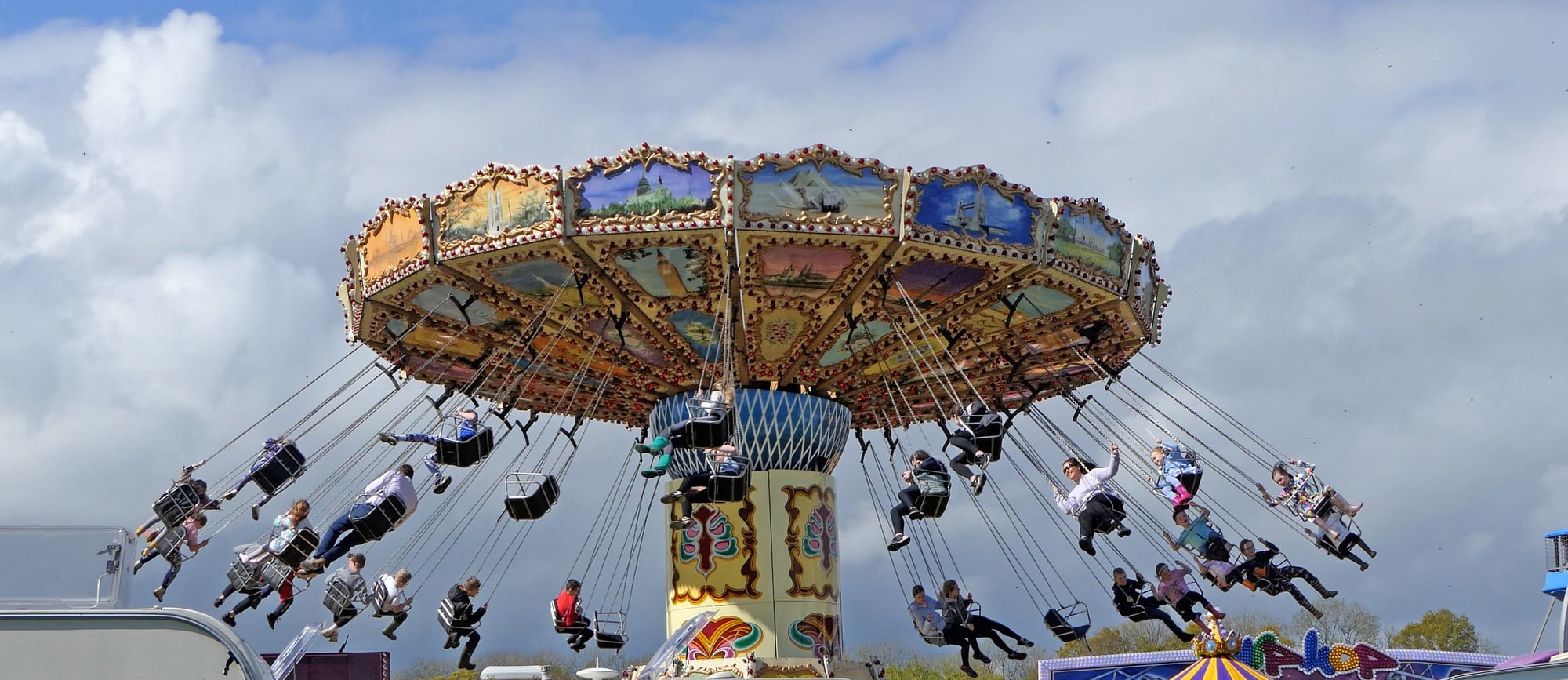
These legendary rides pushed engineering limits and human tolerance in ways that influenced modern attraction design. Though they no longer operate, their legacy lives on in the safety features, design improvements, and thrilling elements found in today’s attractions.
The valuable lessons learned from these too-effective rides continue to shape how engineers balance excitement with comfort and safety, ensuring future generations can experience controlled thrills without crossing into genuine danger.
More from Go2Tutors!

- The Romanov Crown Jewels and Their Tragic Fate
- 13 Historical Mysteries That Science Still Can’t Solve
- Famous Hoaxes That Fooled the World for Years
- 15 Child Stars with Tragic Adult Lives
- 16 Famous Jewelry Pieces in History
Like Go2Tutors’s content? Follow us on MSN.