20 Phrases We Still Use Today That Came From Outdated Jobs
The language we use on a daily basis is a living historical museum. Many of the terms that are carelessly thrown into conversation really come from occupations that are no longer widely used in contemporary society.
Even if the occupations themselves become less common, these language remnants help us stay connected to earlier generations and their employment experiences. Here is a list of 20 popular expressions that have their roots in archaic occupations yet nonetheless influence our contemporary discourse.
Hands-On Deck

This nautical expression comes from sailing ships where crew members rushed to their stations during emergencies or difficult maneuvers. Today, we use it whenever all team members need to participate in solving a problem.
The phrase remains remarkably unchanged from its 18th-century origins – back when ships required literal hands on those wooden decks during storms.
Worth Your Salt

In ancient Rome, soldiers received part of their payment as a salt allowance called ‘salarium’ – the etymological root of our modern word ‘salary.’ Salt wasn’t just valuable for preserving food; it functioned as a legitimate trading commodity.
Being ‘worth your salt’ meant you deserved your pay, and though nobody gets mineral supplements as compensation anymore, we haven’t abandoned this salty linguistic relic.
Strike While The Iron Is Hot
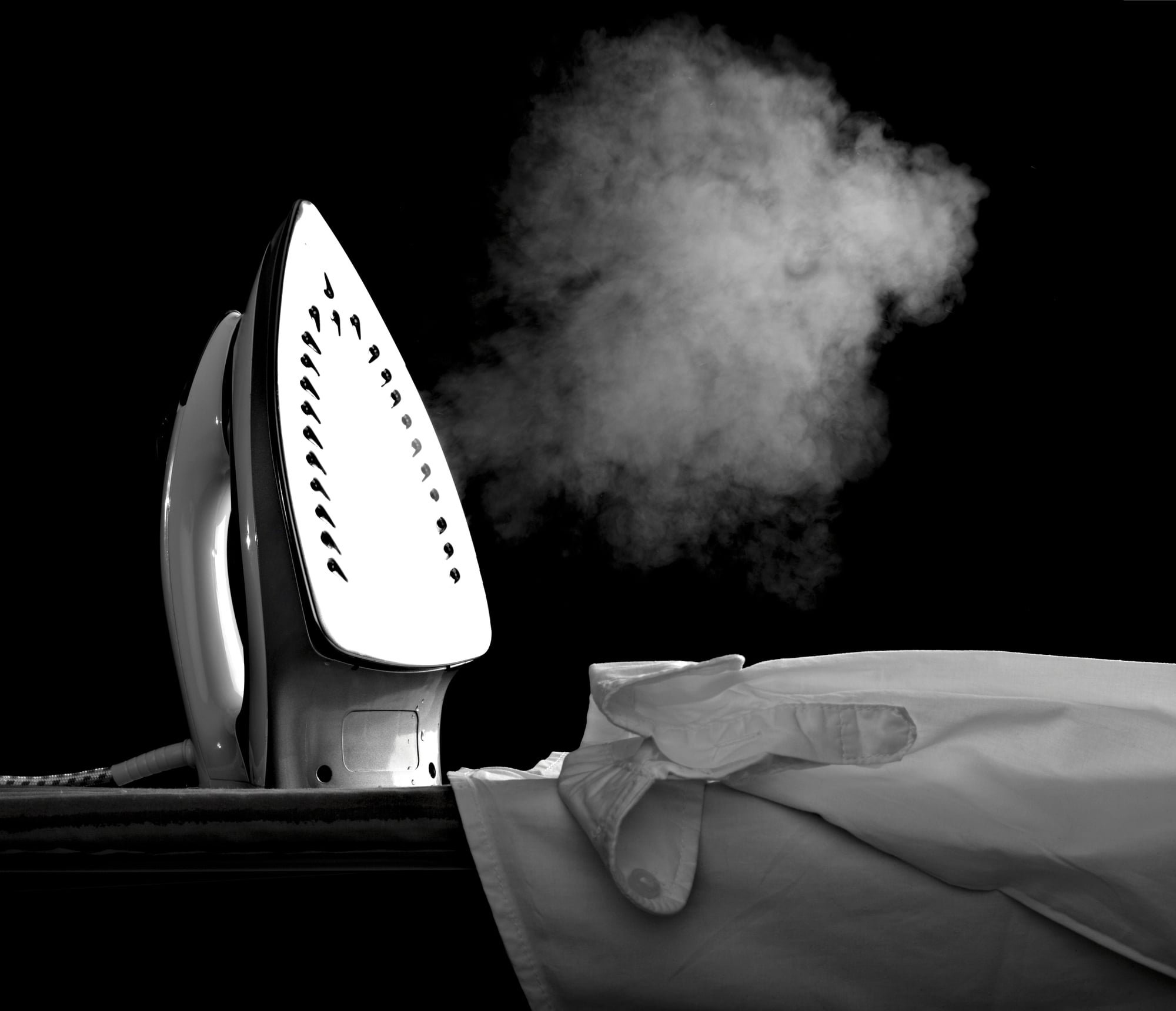
Blacksmiths couldn’t afford to wait when working metal – they needed to hammer iron while it was heated to a malleable state. Wait too long, and the iron would cool and harden, becoming impossible to shape properly.
The expression survives despite the decline of traditional blacksmithing, reminding us that timing matters just as much in our digital world as it did in the forge.
Put Through The Wringer
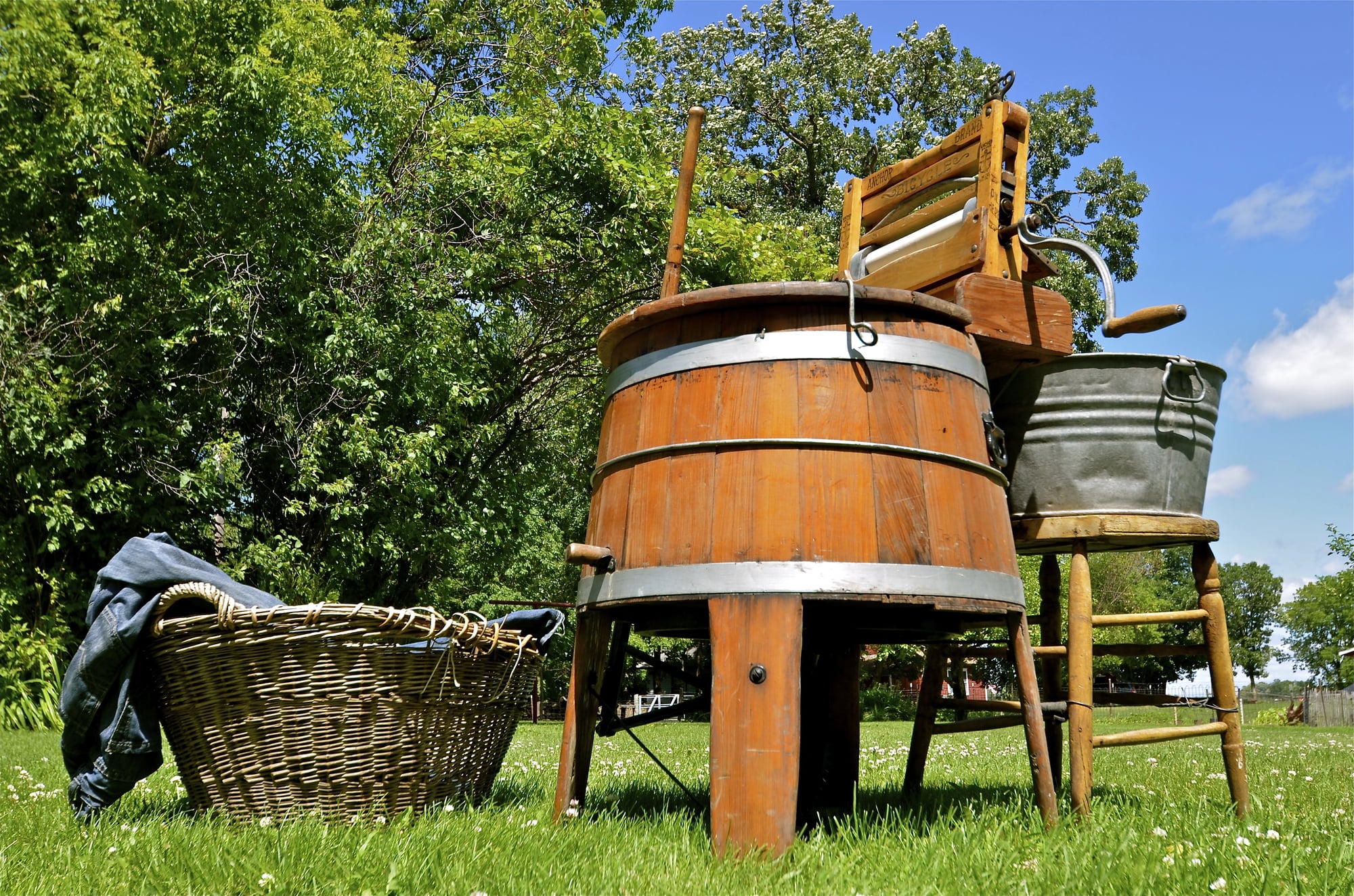
Before the invention of electric washing machines, individuals used hand-cranked wringers to squeeze water from damp clothing. In addition to being hard on clothing, the procedure requires a significant amount of physical labor from the operator.
The majority of individuals under 40 have never used this antiquated laundry machine, yet we still refer to challenging situations as being “put through the wringer.”
Loose Cannon
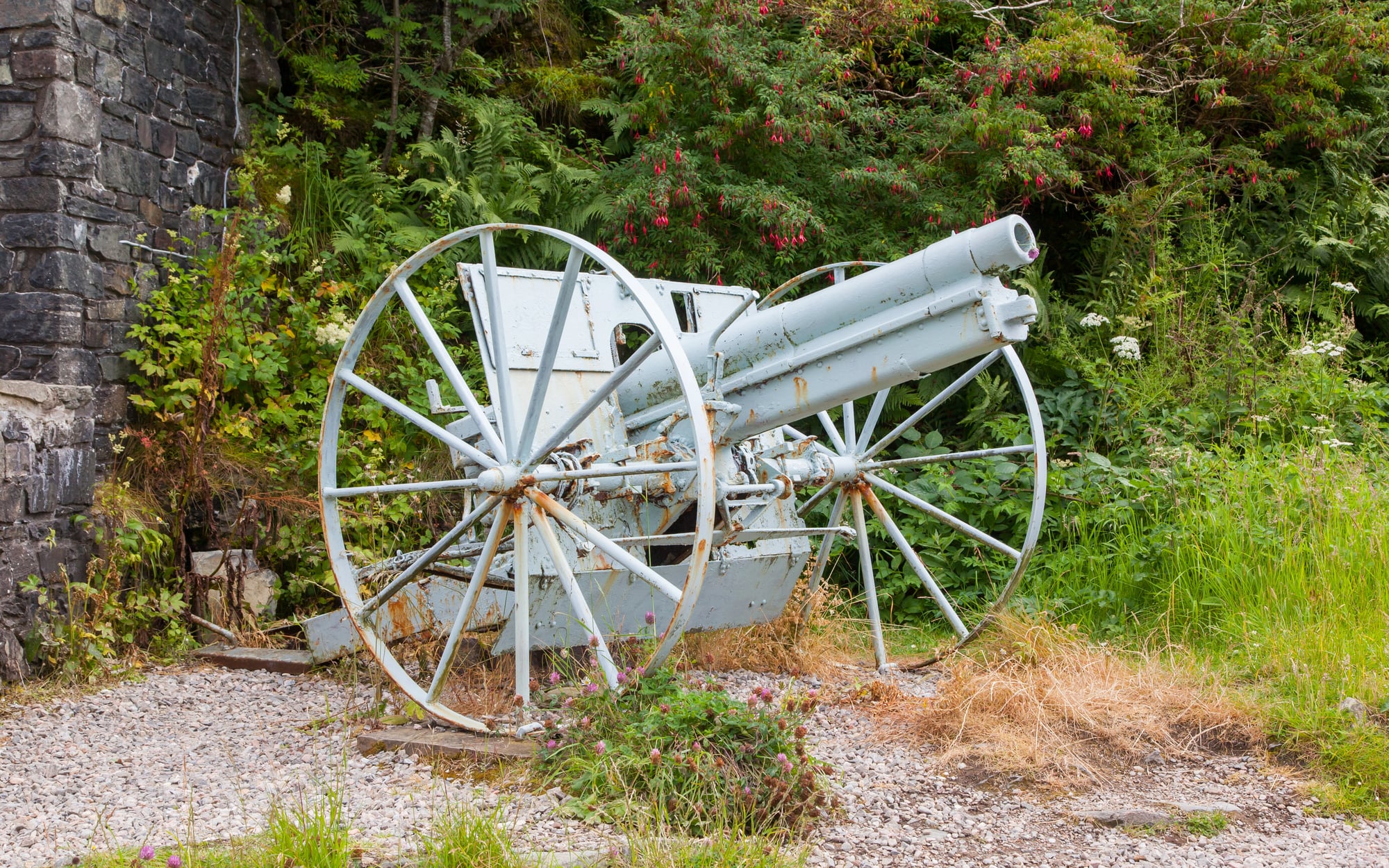
On wooden warships, cannons weren’t stationary fixtures – they were secured to the deck with complex rope systems. A cannon breaking loose from its restraints would roll dangerously across the deck – potentially causing catastrophic damage or death.
Modern workplaces don’t typically feature artillery, yet we’ve preserved this naval terminology for unpredictable people whose actions might harm organizations.
Get The Sack
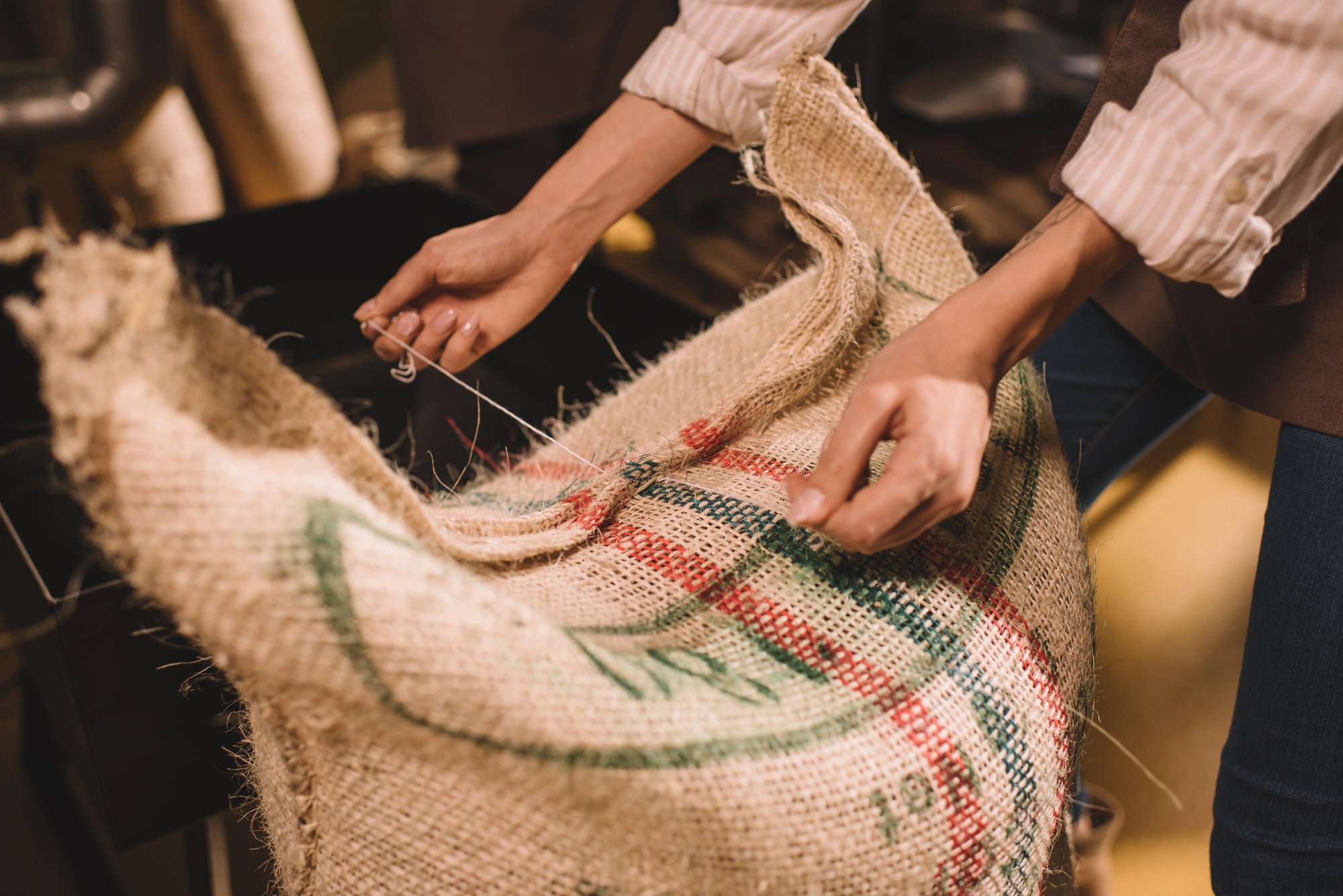
Factory and agricultural workers typically carried their tools in sacks or bags. When fired, they’d receive their sack – a clear signal to pack up and leave the premises immediately.
The expression evolved into simply ‘getting sacked’ across many English-speaking regions, persisting long after contemporary terminations involve cardboard boxes rather than cloth containers.
Upper Hand

Medieval millers controlled grinding stones using a wooden handle – whoever placed their hand on top commanded the operation’s speed and quality. Having the ‘upper hand’ in negotiations continues to symbolize advantage and control – a subtle nod to grain processing techniques that have largely vanished from common experience.
Mind Your P’s and Q’s
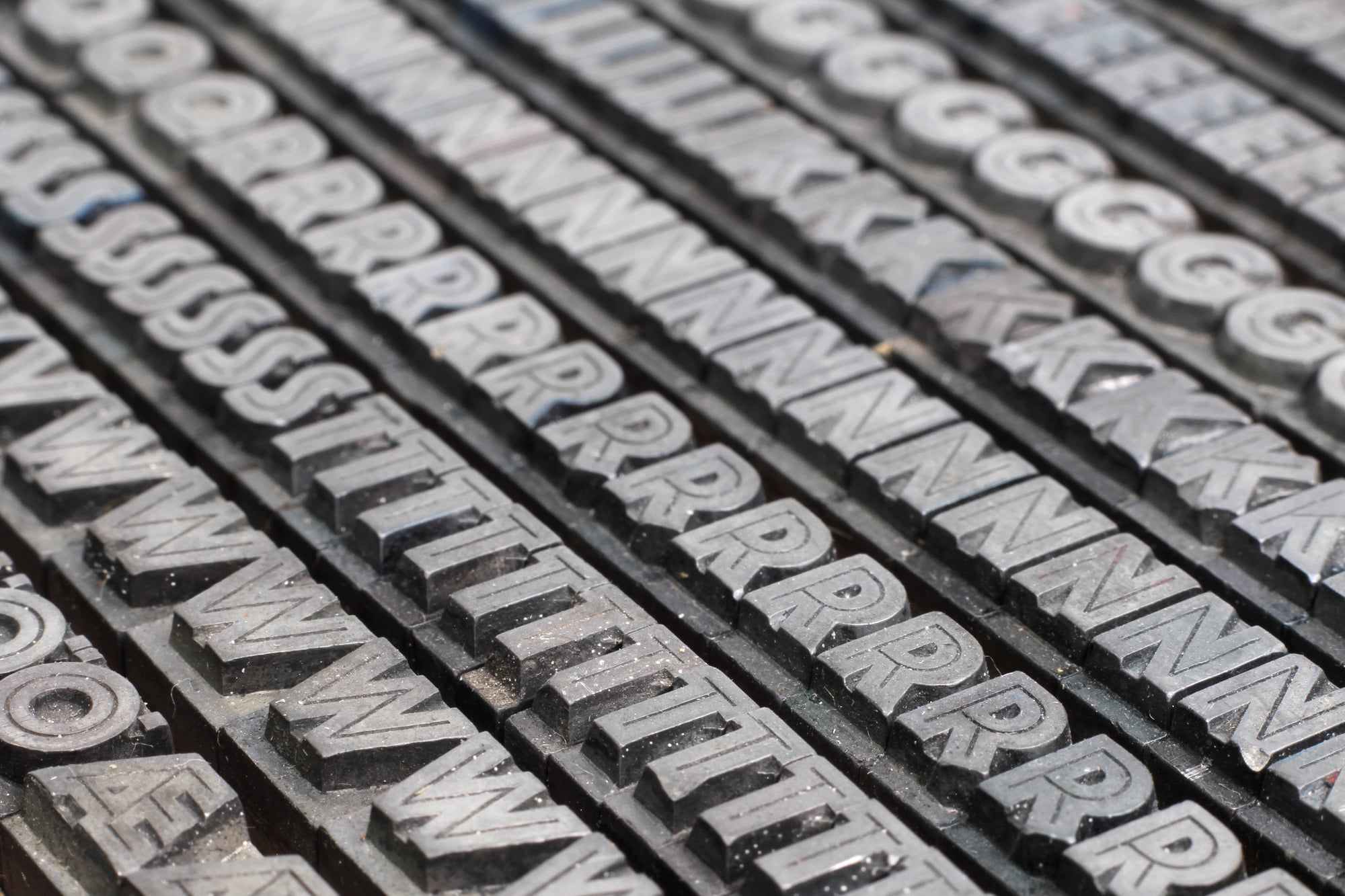
Typesetters handling movable type faced a constant challenge – avoiding confusion between lowercase p’s and q’s, which appeared nearly identical but reversed. Alternative explanations suggest tavern keepers tracking pints and quarts on customer tabs.
Both professions have largely disappeared – yet their cautionary reminder about attention to detail remains firmly embedded in parental advice worldwide.
Bone To Pick

Traditional butchers sometimes offered customers meat bones with scraps still attached – a small bonus with purchase. Having a ‘bone to pick’ evolved to mean having something uncomfortable to discuss – similar to the focused effort of extracting the remaining meat from a bone.
Thumbs Up
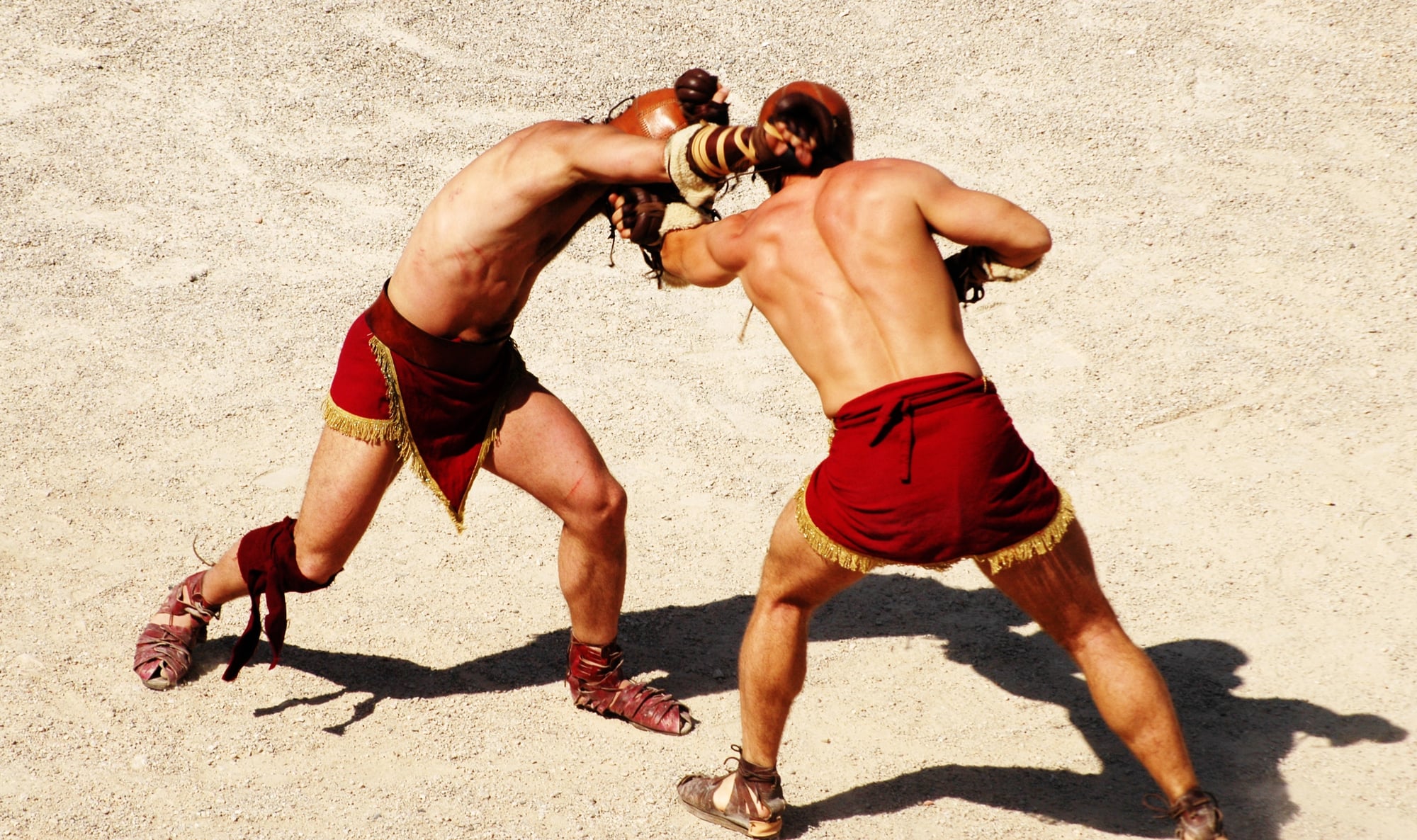
Roman gladiatorial contests supposedly concluded with crowds giving thumbs up or down gestures to determine a fighter’s fate. While historians debate the historical accuracy of this specific gesture – the thumbs up has transcended its controversial origins to become universally recognized as approval.
Flying Off The Handle
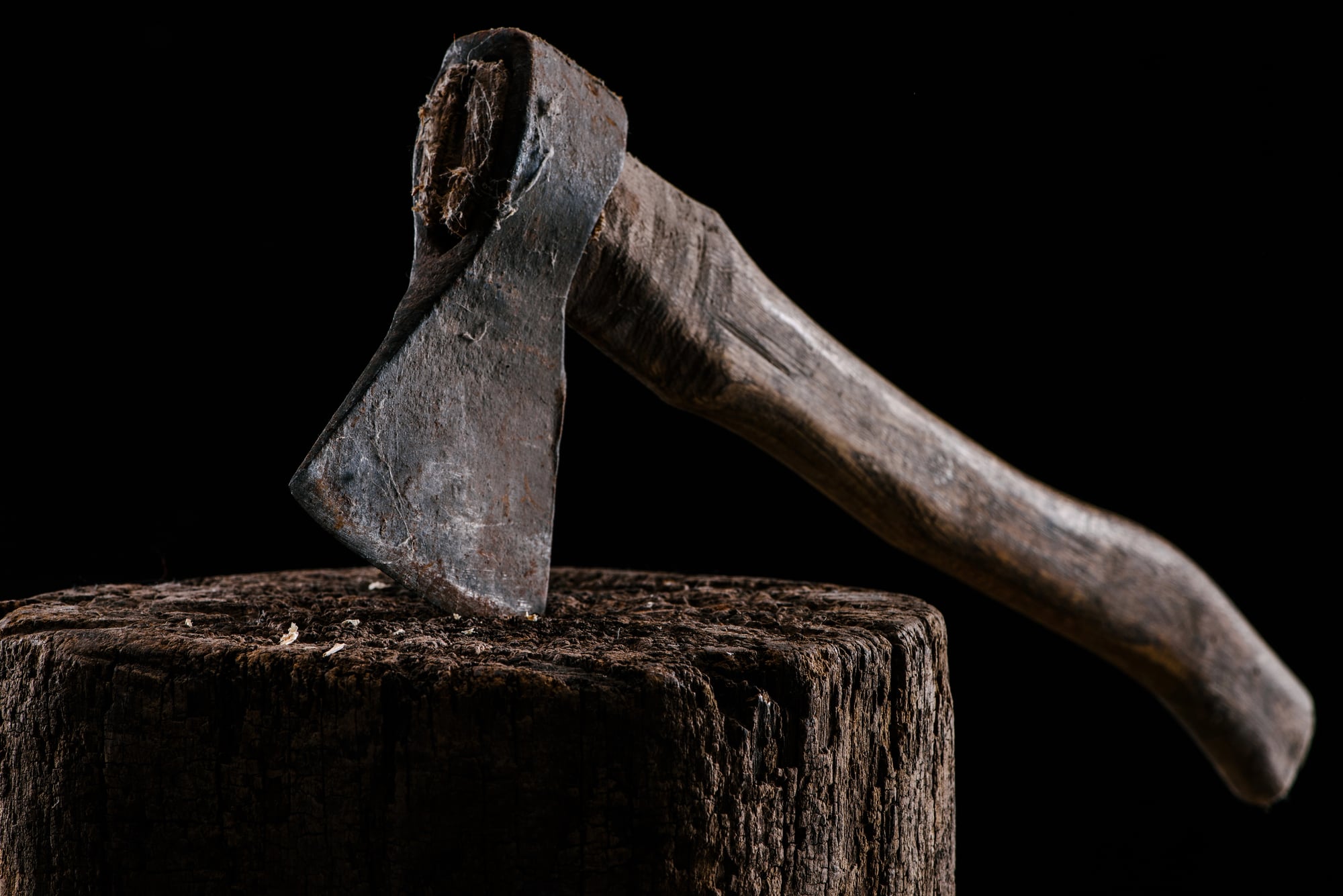
Early axes weren’t single solid pieces but rather two-part tools – wooden handles sometimes separated from metal heads during vigorous use, creating legitimately dangerous situations. Someone ‘flying off the handle’ loses control suddenly, potentially causing harm.
Modern manufacturing techniques have solved this particular problem, but the vivid imagery perfectly captures unpredictable emotional outbursts.
Throw In The Towel

Boxing trainers would literally toss a towel into the ring to surrender, protecting their fighter from further punishment when continuing seemed futile. The expression now applies broadly when someone decides to quit or admit defeat in any context.
Professional boxing hasn’t disappeared entirely, but its cultural prominence has declined considerably while its terminology has become universal shorthand for giving up.
Pull Out All The Stops

Pipe organs contain mechanical components called stops that organists manipulate to control airflow through different pipe sets. Pulling out all available stops produces maximum volume and tonal richness – essentially unleashing the instrument’s full potential.
Get The Boot
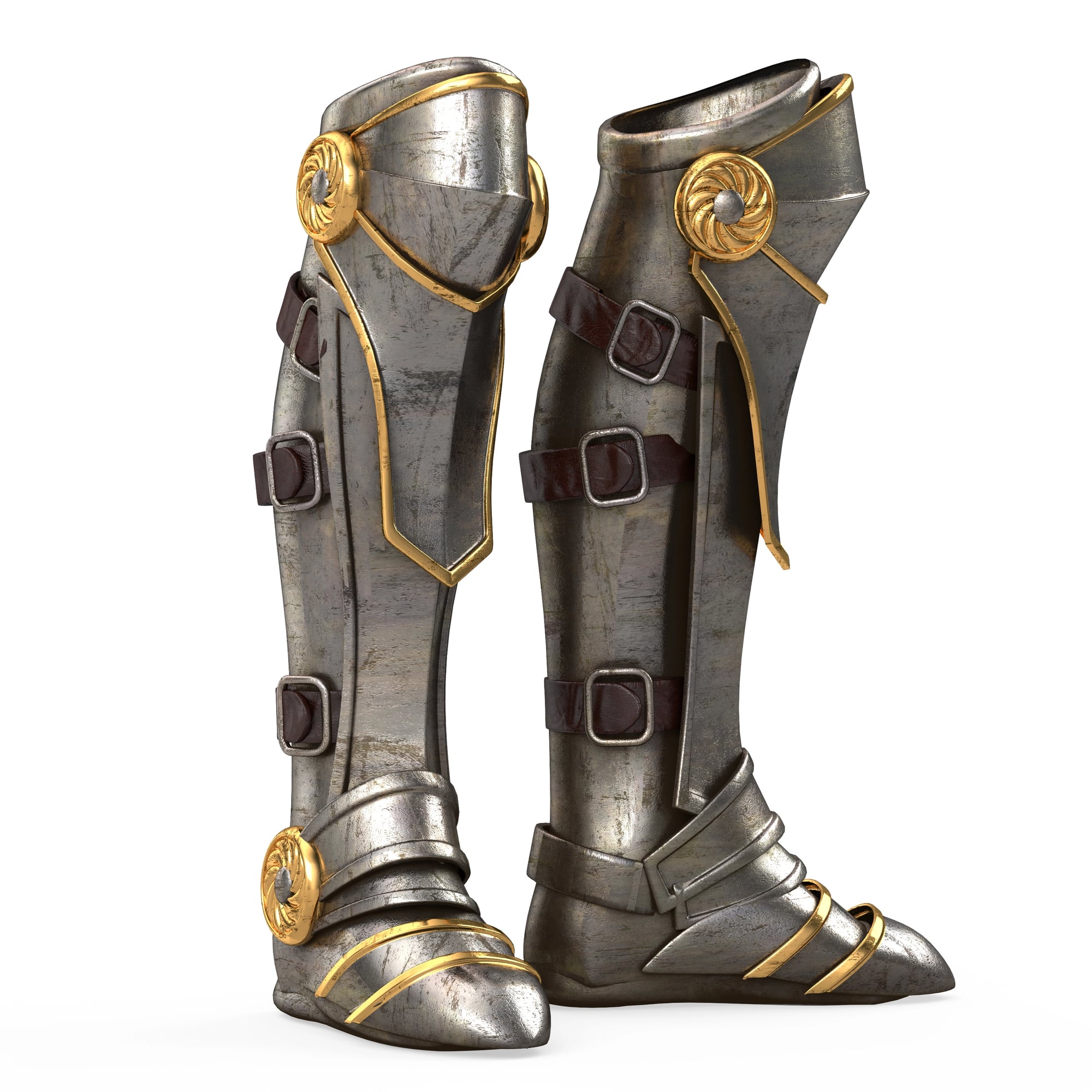
Mounted knights reportedly used their boots to literally kick subordinates as a form of dismissal – an unpleasant practice that evolved into our modern expression for being forcibly removed. Knights exist today only in chess and entertainment settings, but their footwear continues to symbolize unceremonious ejection.
Some linguistic historians question this etymology, but the imagery proves too compelling to abandon.
Filed Away
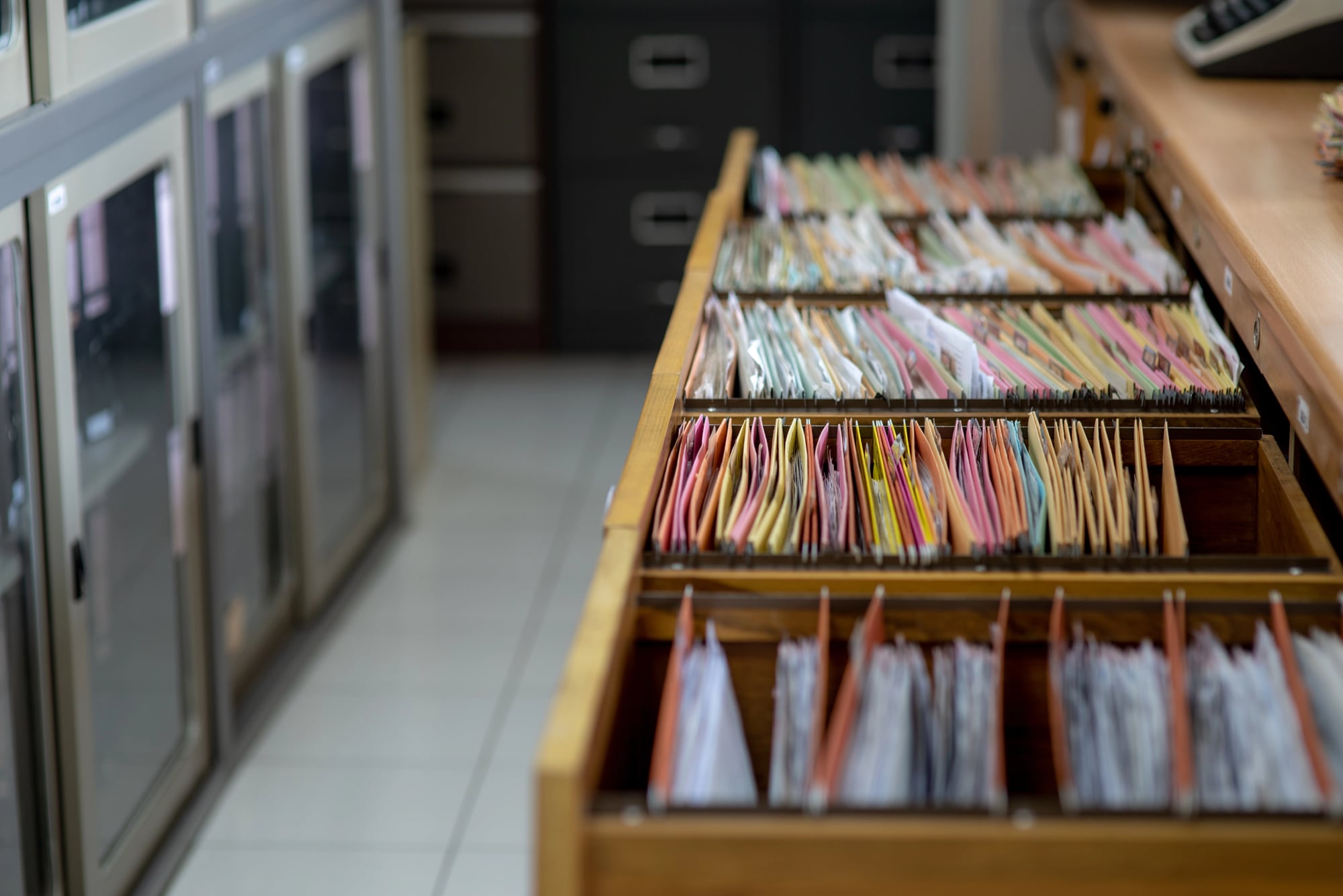
Before the digital storage revolutionized information management, office clerks maintained elaborate filing systems with paper documents organized in cabinets. ‘Filing something away’ meant physically storing information for later retrieval.
Physical file cabinets grow increasingly obsolete in our paperless workplaces, yet we consistently ‘file away’ information mentally or electronically, preserving this clerical terminology.
Graveyard Shift

Night watchmen at cemeteries worked what became known as the ‘graveyard shift’ to prevent body snatching – a surprisingly common problem throughout the 18th and 19th centuries when medical schools created demand for cadavers. Today it simply refers to overnight work hours.
Professional cemetery guards have vanished as a common occupation, but their eerie job title survives in every 24-hour workplace.
Saved By The Bell
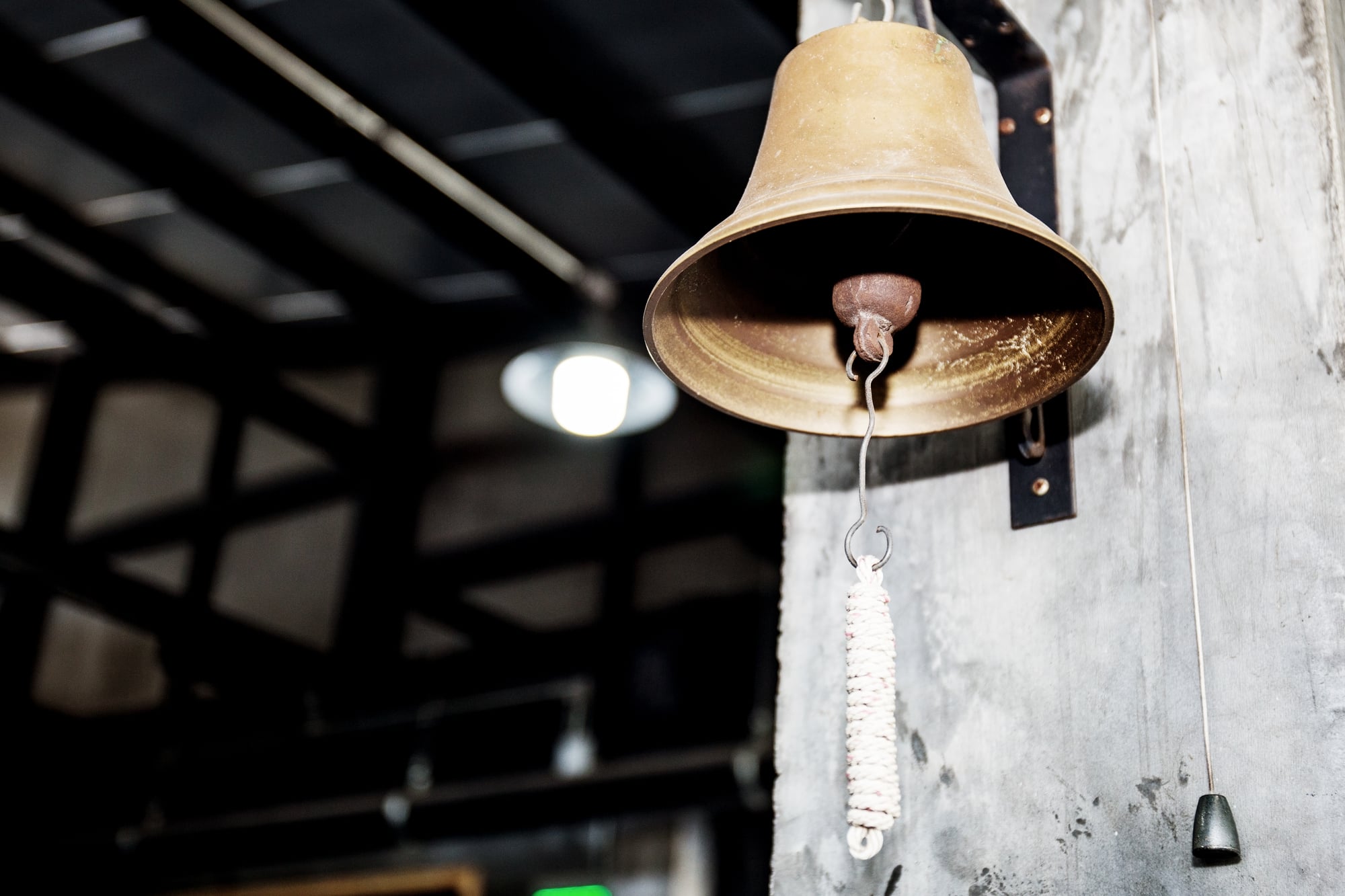
A bell rings to stop a boxing match, occasionally saving a suffering boxer from certain death. An alternate, darker origin points to a link to anxieties over being buried too soon, with bells fastened to bodies as a preventative measure.
Coat Tails
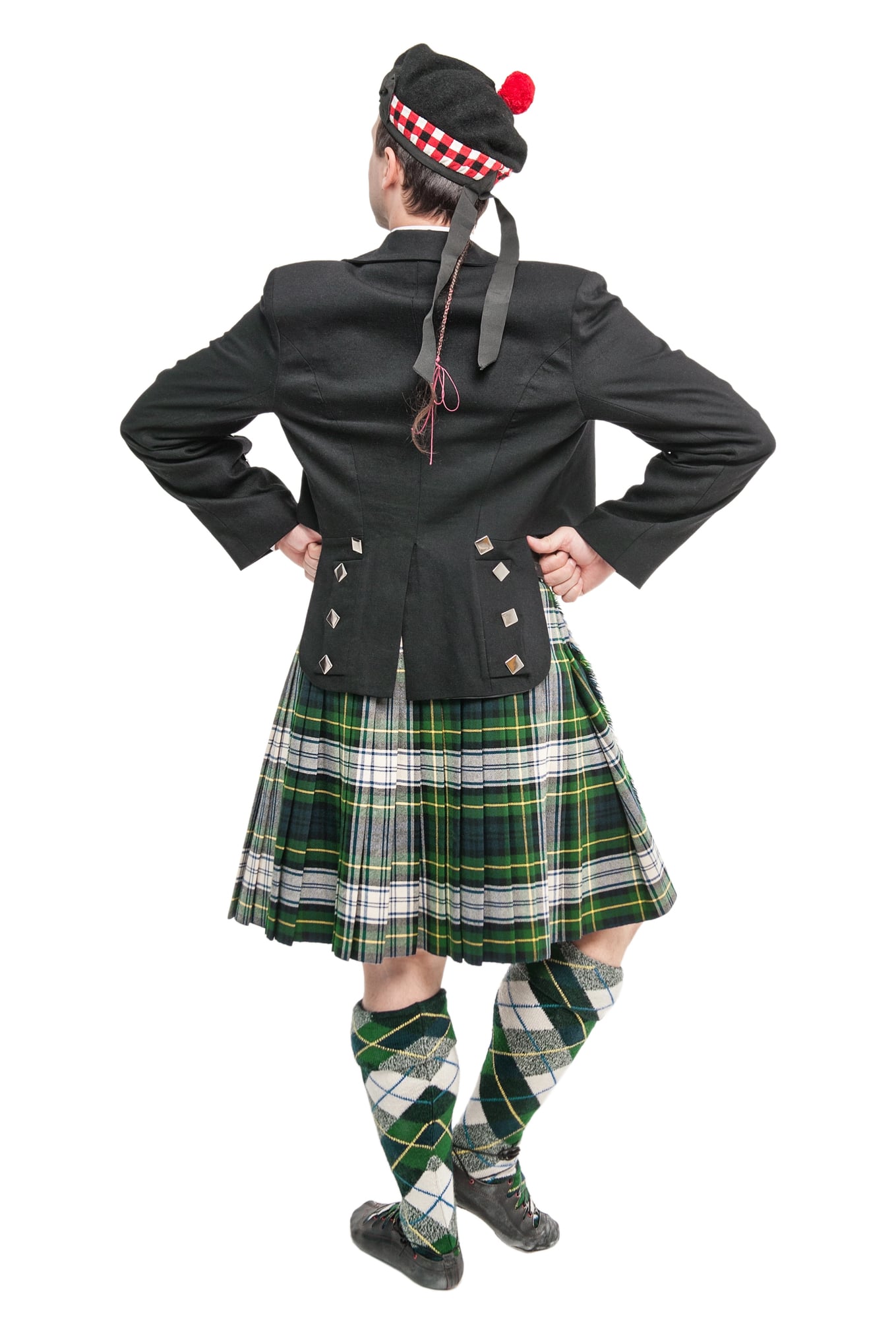
Tails were long extensions of fabric at the back of formal men’s clothing. The phrase “riding someone’s coattails” originally meant actually snatching these tails for free, but it has now changed to indicate taking advantage of someone else’s success without putting forth the same amount of work.
Canned Laughter

Professional laughers were used in early radio and television productions, and their responses were “canned” or recorded so they could be used again in different shows. Without needing real audiences for each play, this method standardized audience response.
Baker’s Dozen
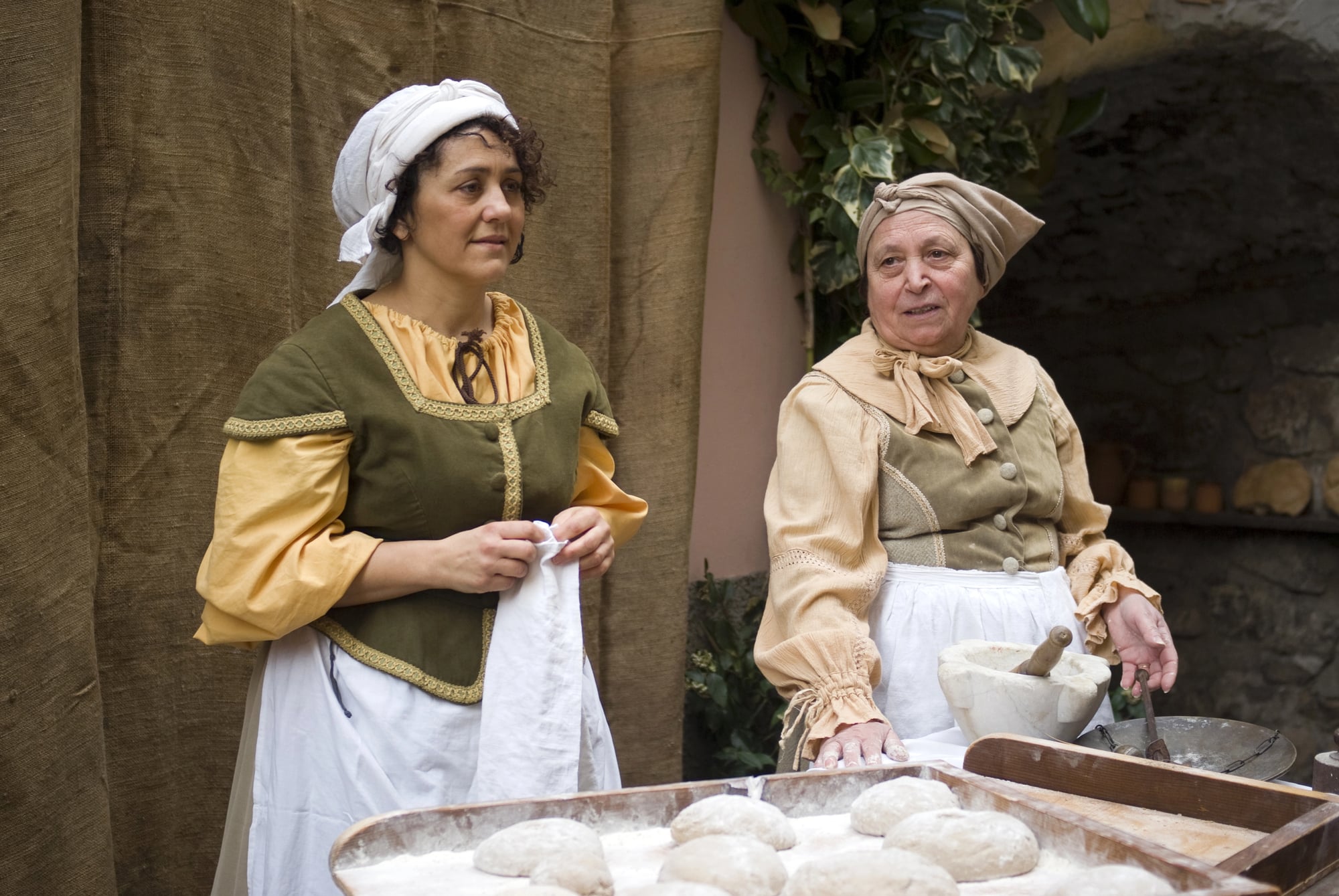
Medieval bakers operated under strict regulations and provided 13 items when a dozen were purchased to avoid severe penalties for shorting customers. This practice gave us the term ‘baker’s dozen’ meaning 13 instead of 12.
The Language of Yesterday, Today

These linguistic time capsules reveal the profound influence of employment history on regular communication styles. These phrases serve as linguistic mementos that bridge generations through common terms, even as technology advancements change the nature of our work environment.
Our language preserves these occupational echoes – creating an unbroken verbal thread linking modern speakers with the working lives of those long gone.
More from Go2Tutors!

- The Romanov Crown Jewels and Their Tragic Fate
- 13 Historical Mysteries That Science Still Can’t Solve
- Famous Hoaxes That Fooled the World for Years
- 15 Child Stars with Tragic Adult Lives
- 16 Famous Jewelry Pieces in History
Like Go2Tutors’s content? Follow us on MSN.