15 Animals Extinct in the Last Century
The natural world continuously changes. Species emerge and vanish throughout Earth’s extensive history.
But the extinction rate during the past hundred years has shot up dramatically because of human activities – habitat destruction, pollution, and climate change. While dinosaurs disappeared millions of years ago, numerous remarkable creatures have vanished during just the last century.
Some might’ve even been seen by our grandparents. Here is a list of 15 animals that have gone extinct in the last century, showing what we’ve lost in recent times.
Passenger Pigeon

Passenger pigeons once dominated North American skies, traveling in flocks so enormous they blocked sunlight for days at a stretch. The final survivor—named Martha—died at the Cincinnati Zoo in 1914.
Their population plummeted from billions to extinction within mere decades due to widespread commercial hunting and severe habitat degradation.
Tasmanian Tiger
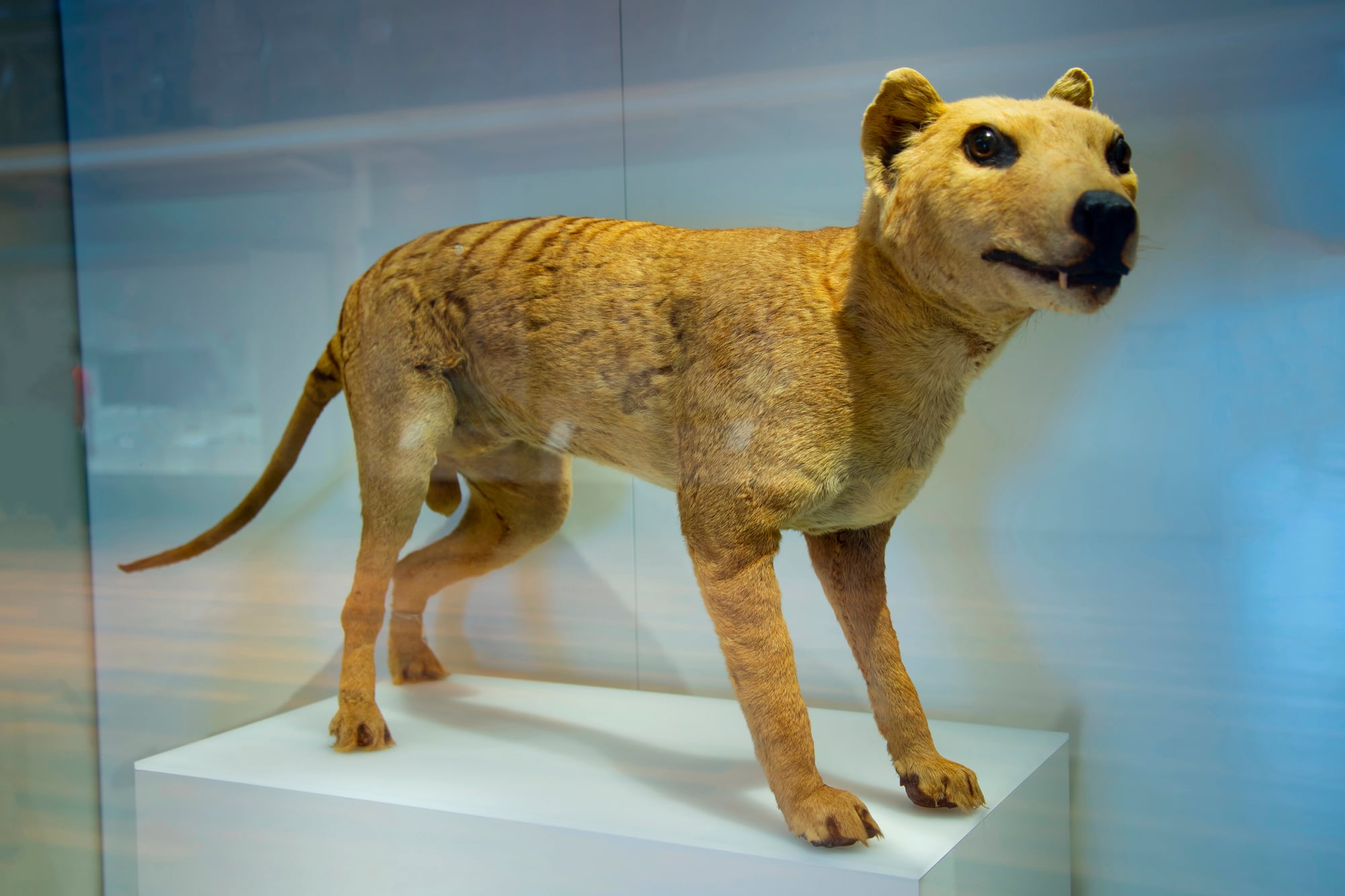
In Australia’s ecology, the thylacine was a rare marsupial predator, distinguished by the tiger-like stripes across its back. After years of intense hunting supported by government rewards, the last known member died in 1936 at Hobart Zoo.
Though no confirmed sightings have been reported since their proclaimed extinction, trail cameras sometimes record fascinating footage that inspires hope.
Like Go2Tutors’s content? Follow us on MSN.
Baiji River Dolphin

This freshwater dolphin used advanced sonar rather than vision to cross the muddy Yangtze River in China. After a thorough survey that produced no individuals, researchers deemed it functionally extinct in 2006.
These gentle mammals couldn’t survive industrial waste, large dam construction, and excessive boat traffic.
Golden Toad
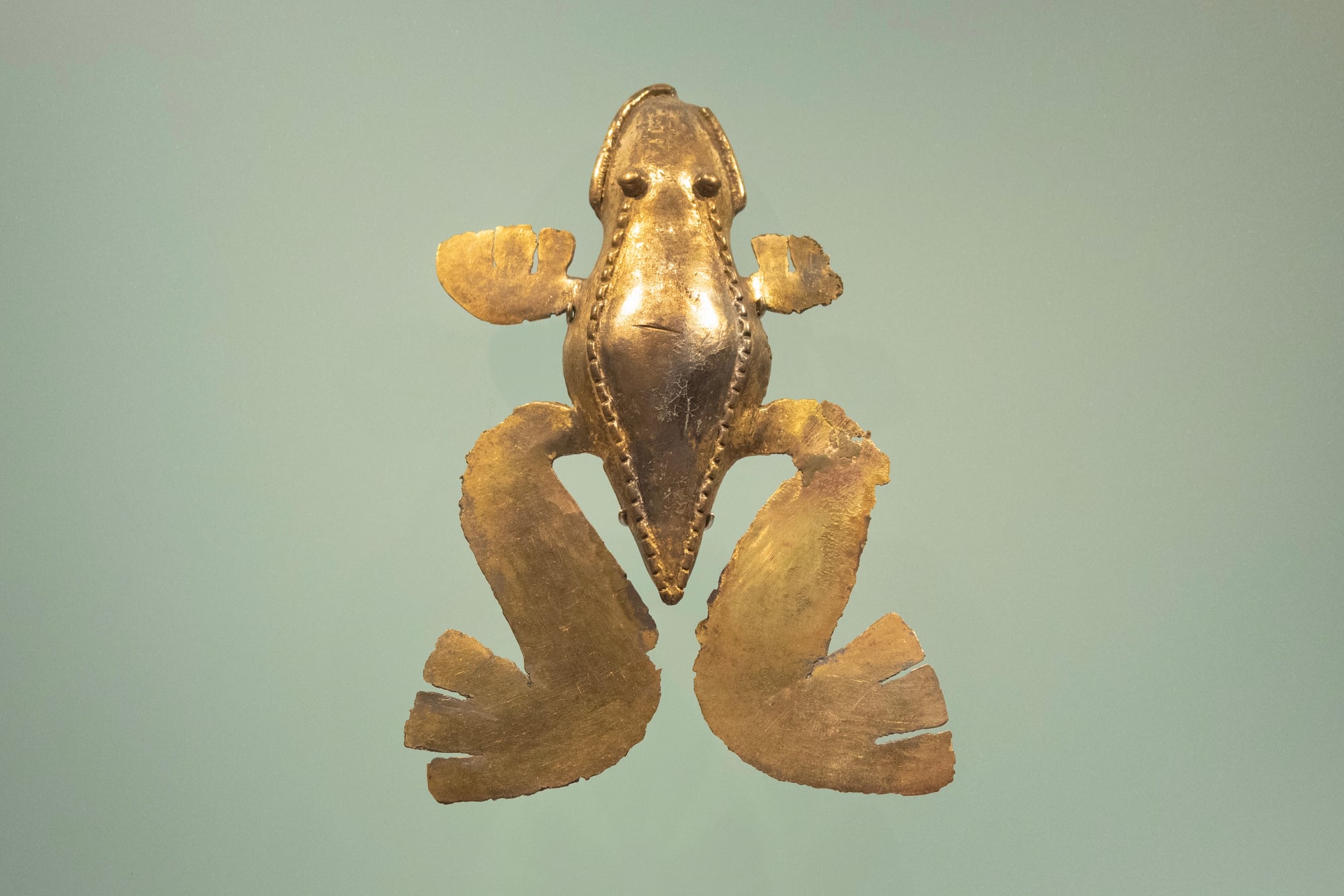
In the late 1980s, brilliant orange amphibians found only in Costa Rica’s Monteverde Cloud Forest vanished virtually suddenly. They were last seen in 1989, likely wiped out by the chytrid fungus and climate change.
Their vivid coloring made them look almost artificial—like tiny living jewels scattered across the forest floor.
Caribbean Monk Seal
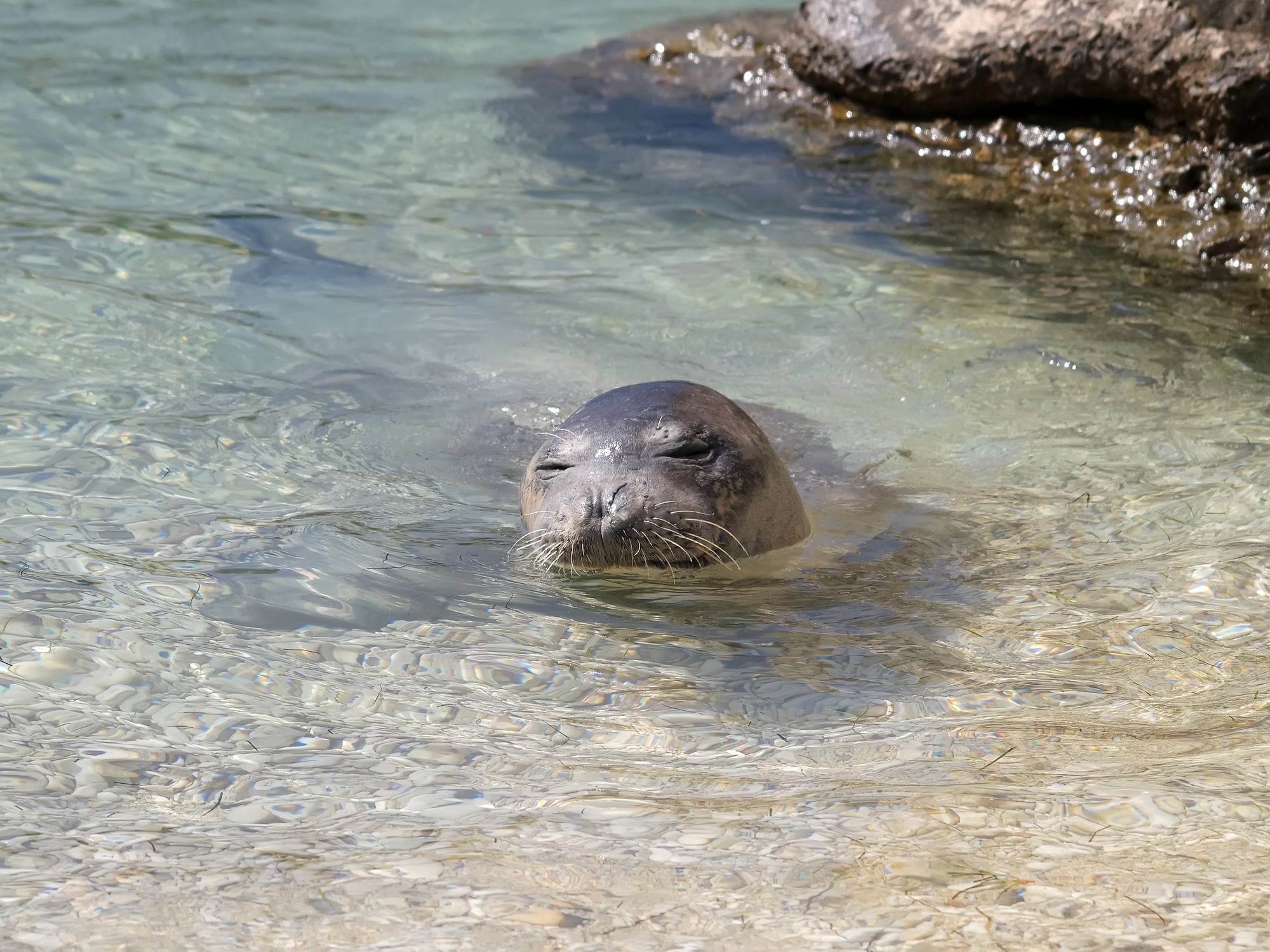
These sociable marine mammals once populated warm waters throughout the Caribbean basin in significant numbers. The final confirmed observation happened in 1952.
They are the only seal species driven to extinction through direct human interference, relentlessly hunted for oil and pelts.
Like Go2Tutors’s content? Follow us on MSN.
Pyrenean Ibex
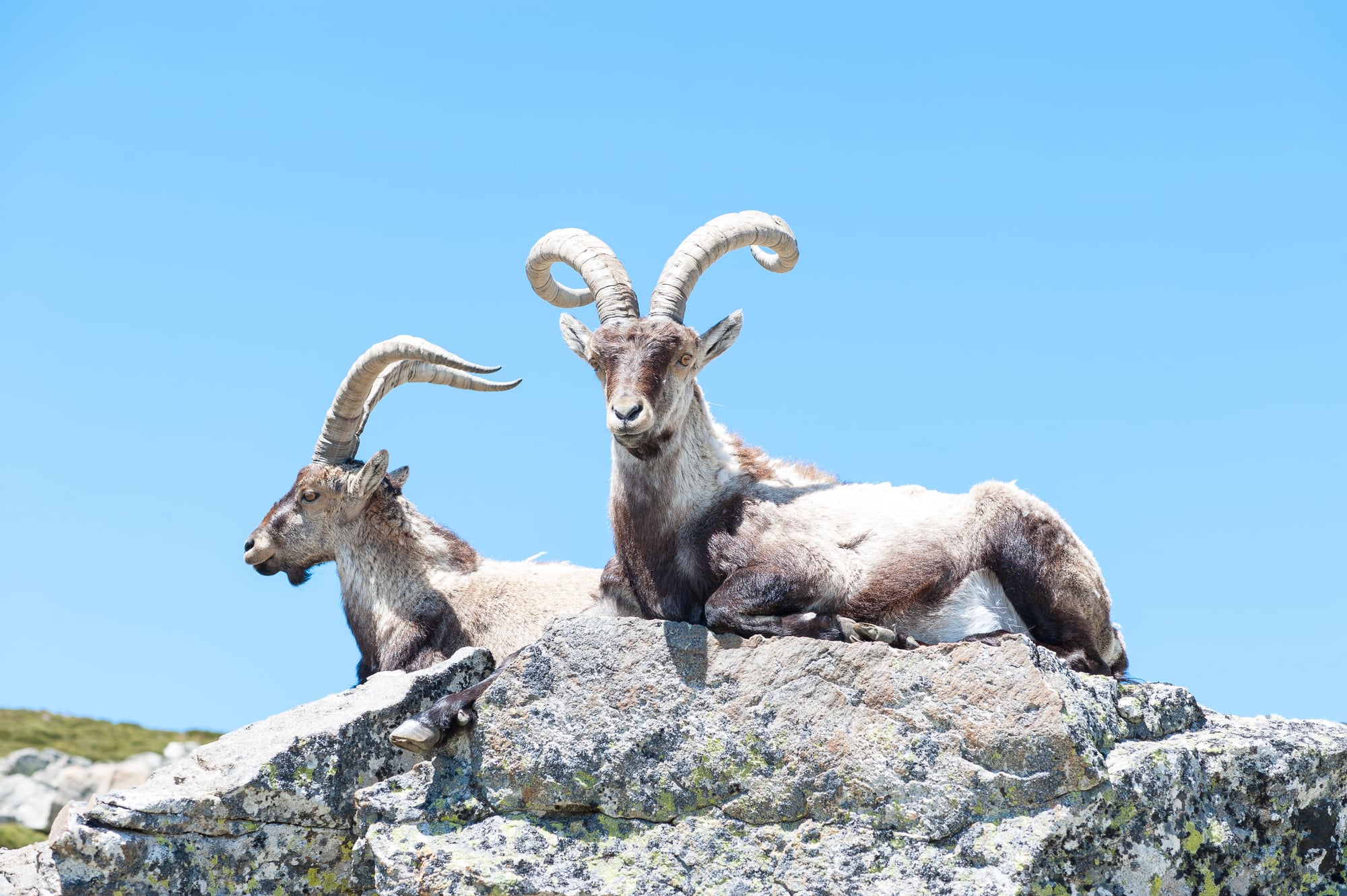
Mountain slopes between France and Spain once supported these agile goats. The species ended when the last individual—Celia—died in 2000 after being crushed by a falling tree.
Scientists cloned her in 2009, but the resulting offspring survived just seven minutes due to severe lung defects.
Western Black Rhinoceros
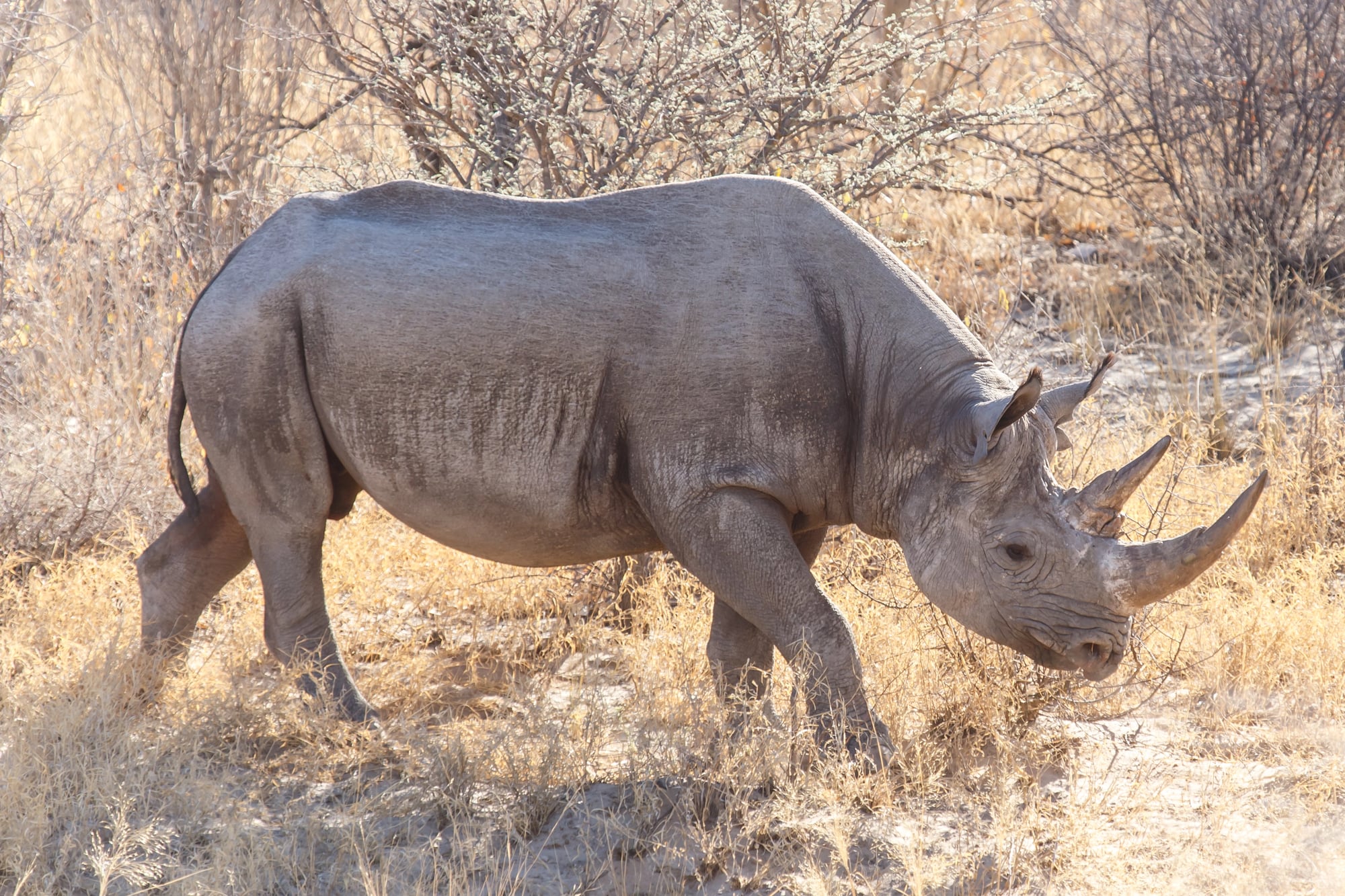
Central-west African savannas once supported these massive herbivores in healthy numbers. The IUCN officially declared them extinct in 2011.
Poaching for their horns—valued in traditional medicine and as status symbols—decimated them rapidly, turning a common safari sight into a memory.
Spix’s Macaw

This striking blue parrot from Brazil, later made famous by the animated film Rio, vanished from the wild by 2000. Widespread deforestation and illegal pet trade drove them to extinction.
Captive populations offer a sliver of hope, though they exist solely in specialized breeding programs today.
Like Go2Tutors’s content? Follow us on MSN.
Pinta Island Tortoise

Lonesome George, the last of his kind, died in 2012 at over 100 years old. Sailors hunted these tortoises for food, while introduced goats devastated their habitat.
George’s taxidermied body now serves as a cautionary display of irreversible ecological damage.
Japanese Sea Lion
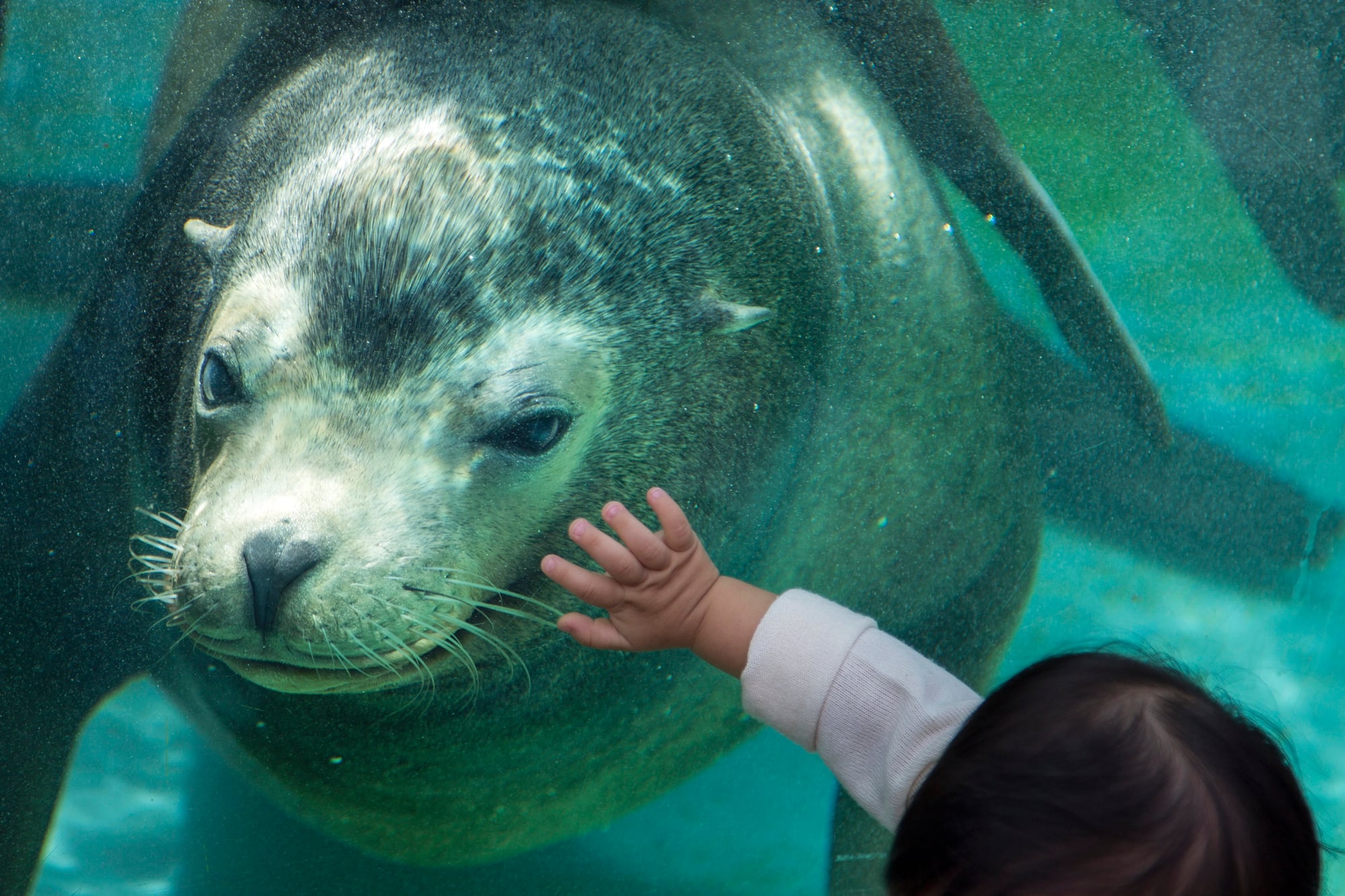
Large colonies of these sea lions once thrived along the rocky coasts of the Sea of Japan. The last confirmed sighting was in 1974.
Commercial exploitation for oil, meat, and other uses eliminated them so quietly that most people never noticed their disappearance.
Formosan Clouded Leopard
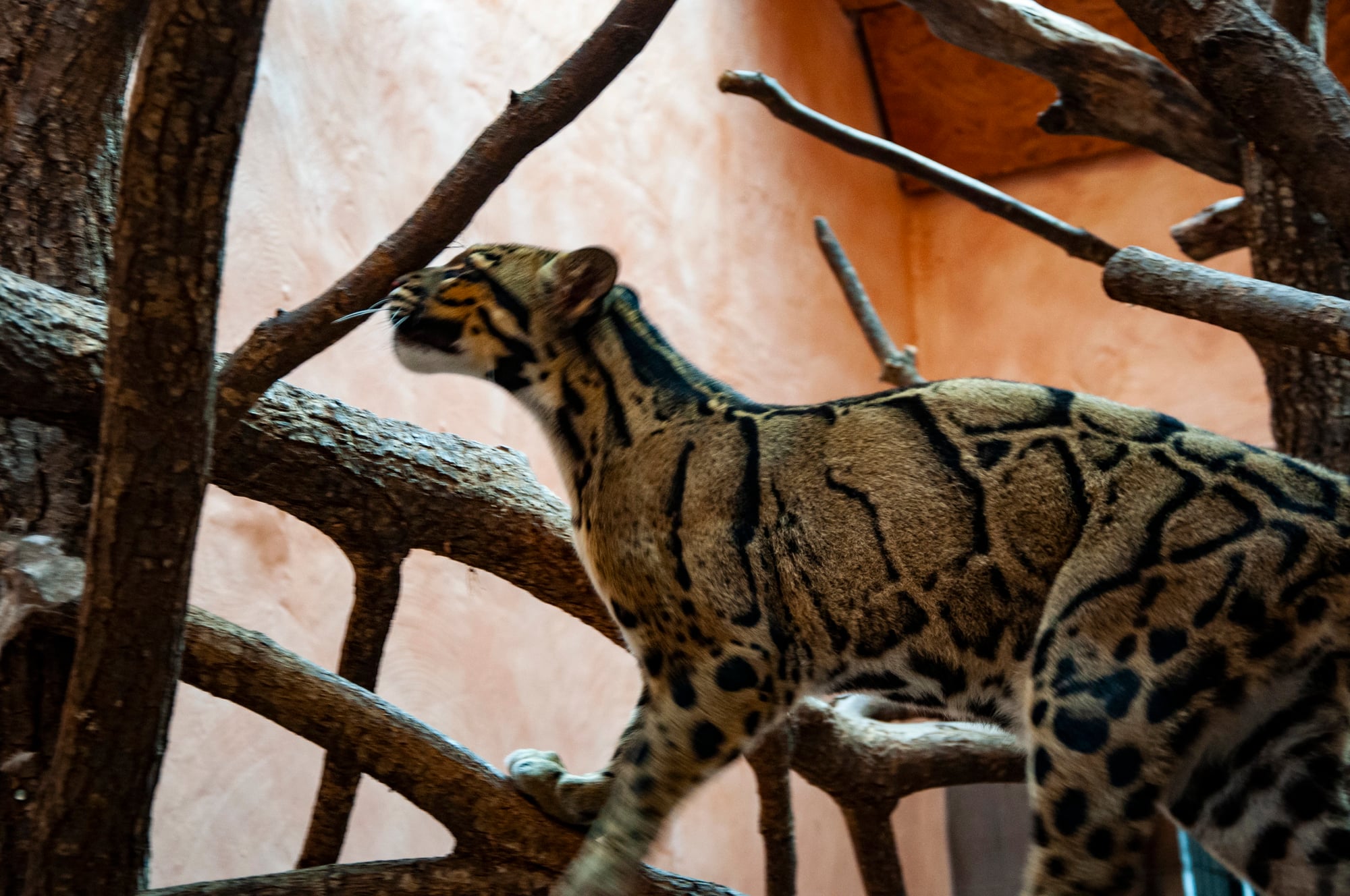
Taiwan’s native clouded leopard had a beautifully marked coat and a secretive nature. It was declared extinct in 2013 after exhaustive camera trap surveys found no trace of it.
Unregulated hunting and rampant deforestation claimed this predator before it could be properly studied.
Like Go2Tutors’s content? Follow us on MSN.
Javan Tiger
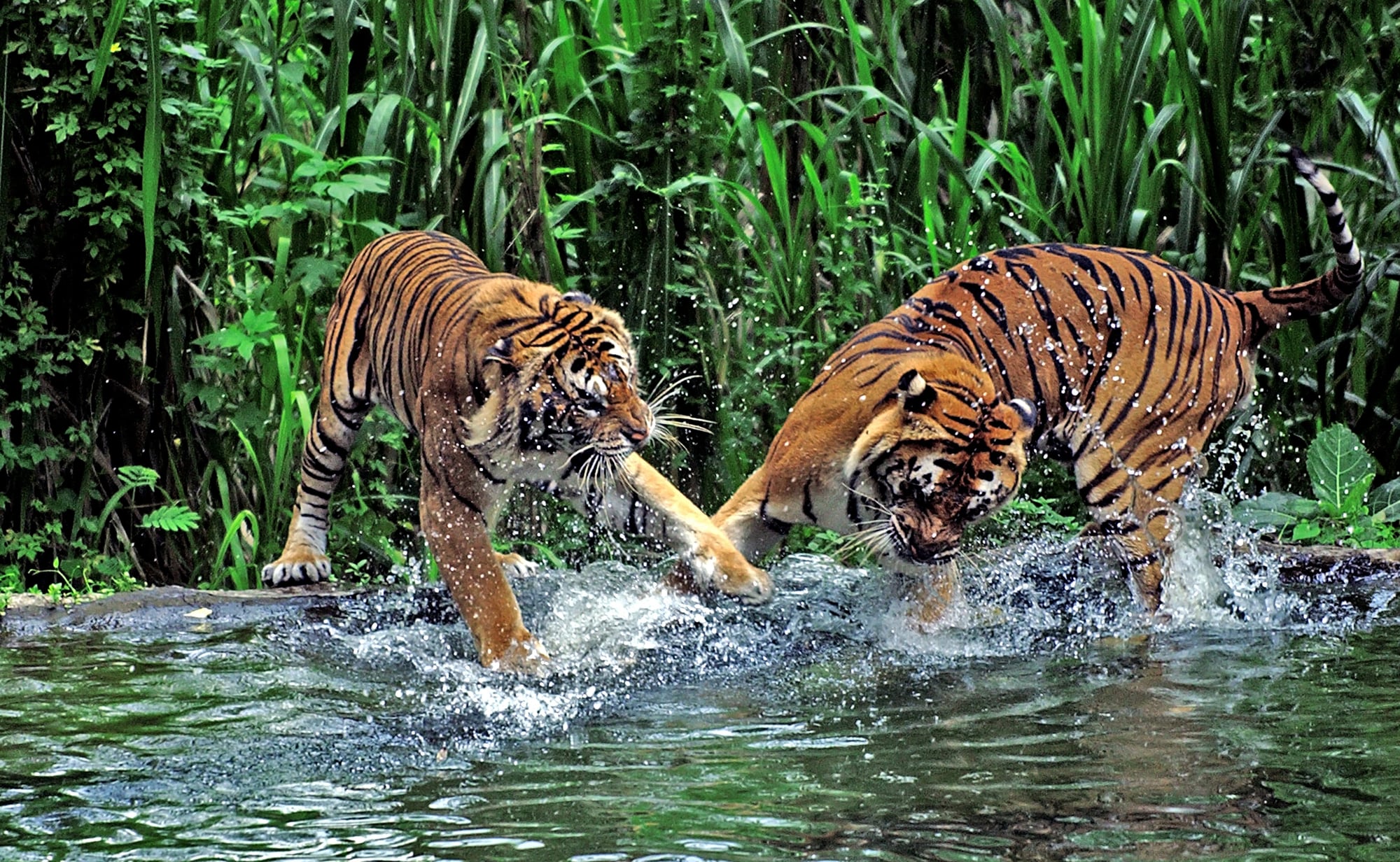
A smaller relative of Bengal tigers, this subspecies lived on the island of Java. The last verified sighting was in 1976, though rumors lingered into the 1980s.
Agricultural development and habitat fragmentation eventually left them no viable territory.
Caspian Tiger

Among the largest of all tigers, Caspian tigers once ranged across Central Asia. Soviet-era land development drained wetlands and eliminated prey, while hunting finished the job.
The last known individual was killed in the 1970s, though they were likely gone from most areas long before.
Bubal Hartebeest
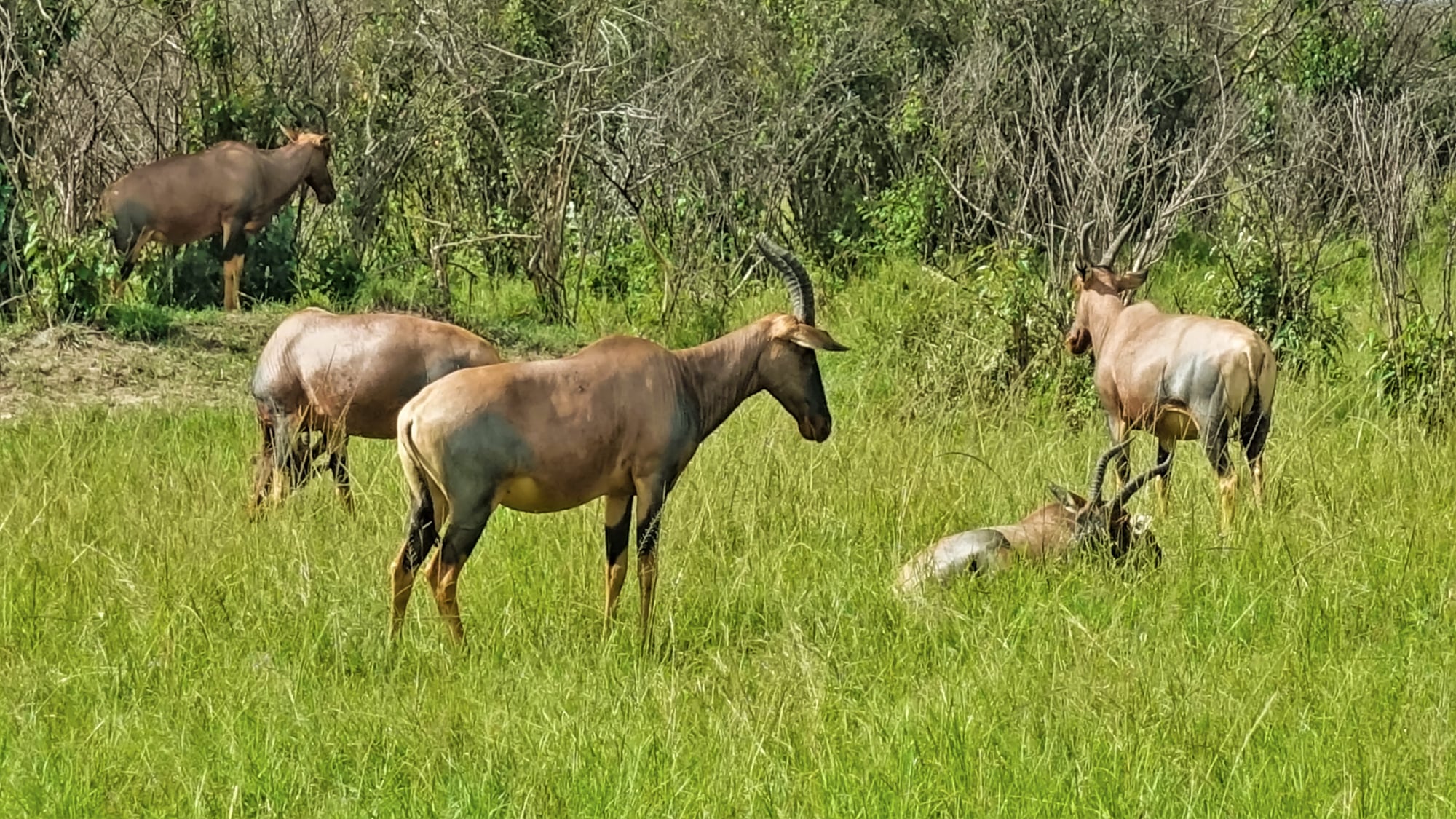
These North African antelopes roamed Morocco, Algeria, and Tunisia in large herds. European trophy hunters dramatically reduced their numbers.
The last one died in a Paris zoo in 1923, and little photographic evidence remains—only drawings and stories.
Like Go2Tutors’s content? Follow us on MSN.
Round Island Burrowing Boa
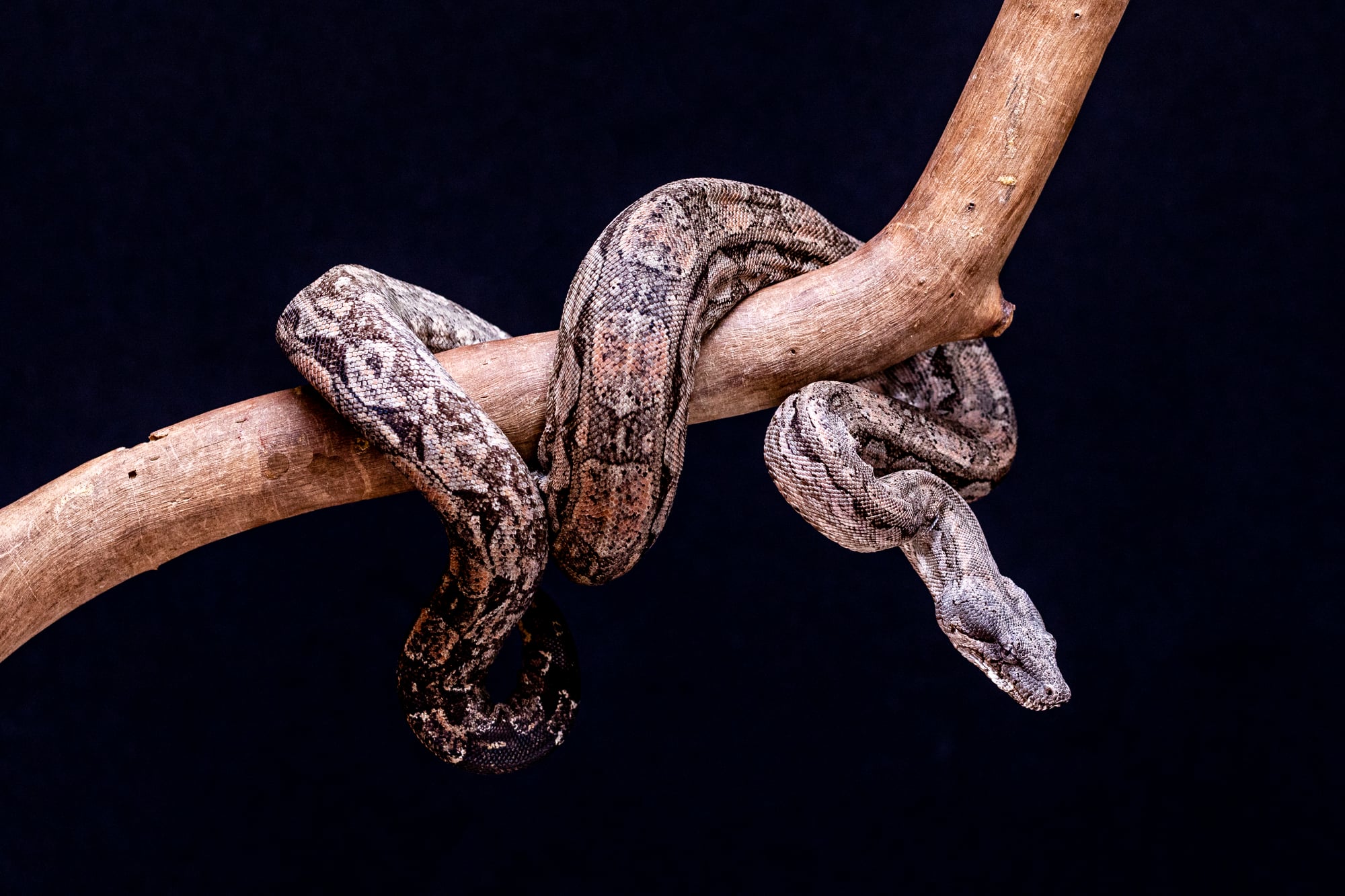
This snake from Mauritius evolved with no natural predators until humans introduced rats, pigs, and rabbits. The last confirmed sighting was in 1975 on Round Island, their sole habitat.
They lived inside palm trunk cavities, which disappeared along with the vegetation rabbits destroyed.
Learning from Loss

These extinctions aren’t just facts in a biology textbook—they are symptoms of damaged ecosystems that evolved over millennia. Each vanished species played a critical role in their environment.
As biodiversity faces increasing threats, these animals remind us that extinction can unfold within a single human lifetime—often while we’re looking the other way.
More from Go2Tutors!

- 16 Restaurant Chains That Went Too Fast
- 12 Things Sold in the 80s That Are Now Illegal
- 15 Strange Things People Have Tried to Ban (And Failed)
- 16 Collectibles People Tossed Out Too Soon
- 17 Myths from Your Childhood That Were Actually Based on Real Things
Like Go2Tutors’s content? Follow us on MSN.



