How Various Cultures Interpret Animal Behavior
Animals have always been more than just creatures sharing the planet with humans. They’ve been teachers, symbols, messengers, and sometimes even gods.
The way people look at a crow, a snake, or a dolphin can change completely depending on where they grew up and what stories shaped their childhood. Let’s explore how different societies around the world have given meaning to the actions of animals, turning simple behaviors into something much deeper.
When owls hoot in the darkness

In Western countries, owls often represent wisdom and knowledge. Ancient Greeks connected these birds to Athena, their goddess of wisdom, and that association stuck around for centuries.
But travel to parts of India or Mexico, and the same hoot that Europeans found clever becomes a warning of death or misfortune. Many Indigenous communities in the Americas see owl calls as messages from the spirit world.
The bird hasn’t changed its behavior, but human interpretation turns a simple nighttime hunter into either a sage or a harbinger of doom.
Cats crossing paths

Black cats walking across someone’s path spark completely opposite reactions depending on location. In much of the United States and parts of Europe, this moment signals bad luck coming.
People will actually change their route to avoid the path a black cat just took. Meanwhile, in Japan and parts of Britain, the same black cat brings good fortune and prosperity.
Scottish lore even says a strange black cat arriving at your home means wealth is on its way. The cat is just being a cat, but centuries of cultural stories have loaded this simple action with meaning.
Crows gathering in groups

Japanese culture sees crows as symbols of family love and gratitude. There’s an old story about crows caring for their aging parents, which made these birds respected messengers.
In contrast, European and American traditions often view groups of crows as omens of death or war. The collective noun “a murder of crows” itself reflects this darker interpretation.
Native American tribes like the Haida people of the Pacific Northwest consider the crow a creator figure and trickster who brought light to the world. Same bird, same grouping behavior, completely different cultural meanings.
Snakes shedding their skin

The natural process of a snake leaving behind its old skin holds different meanings across cultures. Ancient Greek medicine adopted the snake as a healing symbol, which is why medical logos still feature serpents today.
Hindu traditions see this shedding as a representation of rebirth and transformation, with snakes appearing in sacred contexts around deities. Many African cultures view snakes as ancestors returning to visit the living.
Yet in Christian traditions influenced by the Garden of Eden story, snakes often symbolize deception and evil. The biological process remains identical, but human interpretation varies wildly.
Dogs howling at night

When dogs lift their heads and howl into the darkness, Irish and Welsh folklore interprets this as the animal sensing approaching death. Some Middle Eastern traditions believe dogs can see angels and demons that humans cannot, making their howls a response to supernatural presence.
Native American cultures often saw dog howling as communication with wolf ancestors or spirit guides. Modern scientific understanding points to dogs responding to high-pitched sounds, calling to other dogs, or expressing loneliness.
Cultural frameworks turned an acoustic response into spiritual communication.
Dolphins swimming alongside boats

Ancient Greek sailors considered dolphins as protectors who would guide ships to safety and rescue drowning sailors. Stories of Poseidon transforming helpers into dolphins reinforced this positive view.
Maori people of New Zealand see dolphins as water spirits and guardians, treating them with deep respect. In contrast, some Amazonian cultures traditionally viewed dolphins with suspicion, believing they could transform into humans and lure people into the water.
Modern whale-watching cultures see dolphins as symbols of joy and freedom. The playful swimming behavior stays the same, but meanings shift with cultural lens.
Elephants touching bones of the dead

African communities living alongside elephants have long noticed these animals returning to places where elephants died and gently touching the bones with their trunks. Many interpret this as grief or remembrance, seeing it as evidence of emotional depth.
Hindu culture already placed elephants in high spiritual regard through Ganesha, so observing this behavior reinforced beliefs about elephant wisdom and memory. Western scientists studied this behavior and debated whether it represents true mourning or simple curiosity.
The touching happens regardless of who watches, but the meaning assigned reflects the observer’s worldview.
Butterflies entering homes

In Mexican culture, particularly around Dia de los Muertos, butterflies entering homes represent deceased loved ones returning for a visit. Irish folklore similarly connects butterflies to departed souls.
Japanese tradition sees butterflies, especially pairs of them, as symbols of marital happiness and long life. Some Chinese regions interpret a butterfly in the house as a sign of upcoming joy or a visitor bringing good news.
The Philippines has stories warning that butterflies at night might be witches in disguise. A small insect fluttering through a doorway carries the weight of entirely different stories depending on geography.
Spiders weaving webs in corners

West African folklore, particularly Anansi stories, celebrates the spider as a clever trickster who uses intelligence to overcome larger opponents. This tradition traveled through the slave trade and influenced Caribbean and American stories.
Ancient Greek mythology includes Arachne, whose weaving skill led to her transformation into a spider, making these creatures symbols of artistic talent. Many European superstitions say killing a spider brings bad luck, while finding one means money is coming.
Islamic tradition respects spiders for supposedly protecting Prophet Muhammad with a web. Native American Navajo culture includes Spider Woman as a creator figure.
The web-building continues everywhere, interpreted through countless cultural lenses.
Roosters crowing at dawn
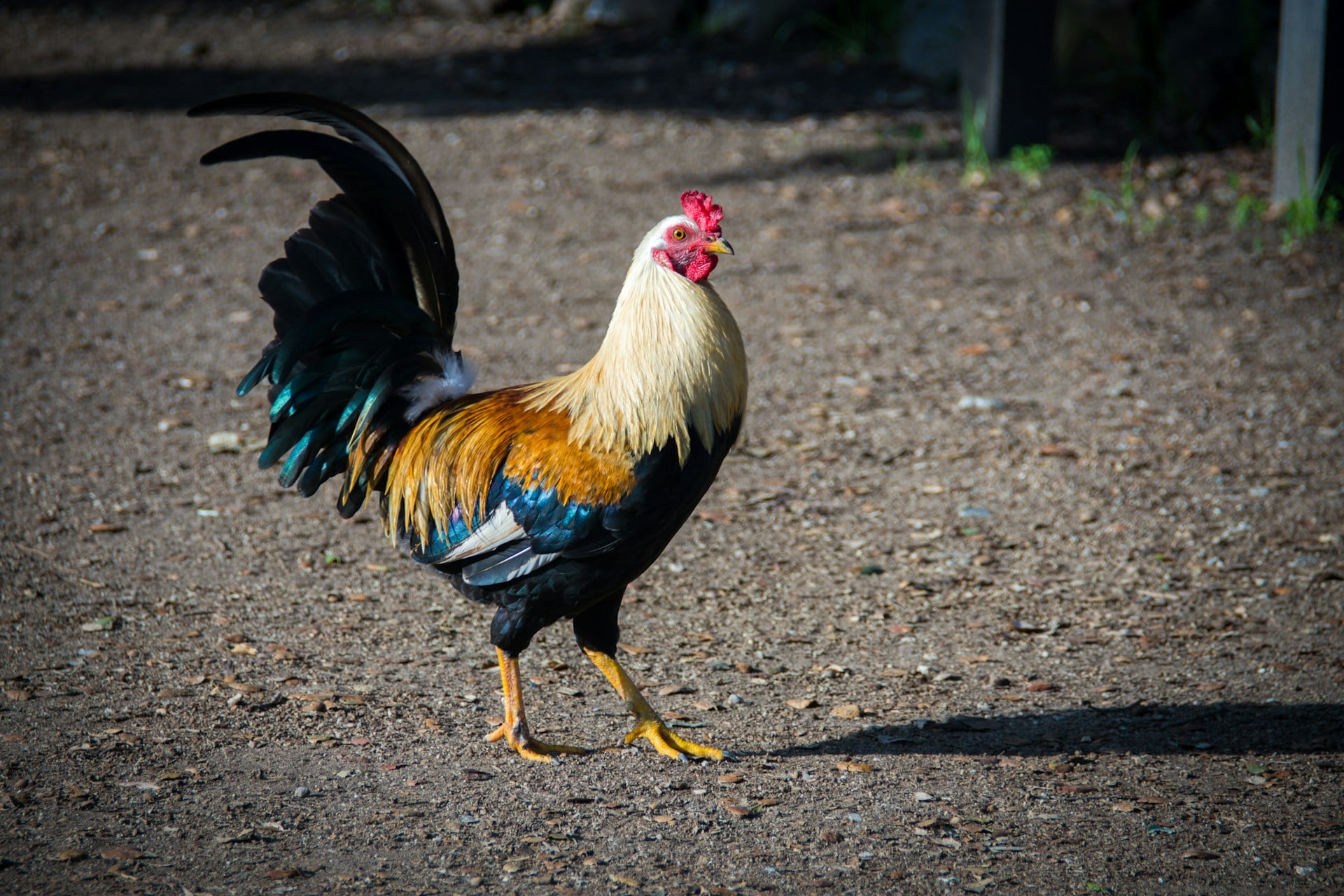
The rooster’s morning announcement of sunrise carries spiritual weight in many traditions. Christian symbolism uses the rooster to represent vigilance and resurrection, tied to Peter’s denial story.
French culture adopted the rooster as a national symbol representing pride and courage. In Chinese astrology, rooster years bring particular characteristics to people born during them.
Japanese Shinto shrines keep roosters as sacred animals that call the sun goddess from her cave. Some West African traditions see the rooster’s crow as driving away evil spirits that roam at night.
The bird is simply responding to light changes, but humans have built entire symbolic systems around this daily habit.
Rats appearing in large numbers

Chinese zodiac tradition includes the rat as clever, resourceful, and a symbol of wealth and surplus. Stories tell of rats being honored for their intelligence and adaptability.
In contrast, European medieval culture linked rats to plague and death, creating centuries of negative associations. Hindu tradition in India includes a temple where thousands of rats are fed and protected, seen as ancestors or reincarnated souls.
Modern urban cultures often view rat populations as signs of decay or poor sanitation. The population boom that rats naturally experience when food is plentiful gets filtered through dramatically different cultural interpretations.
Wolves howling at the moon
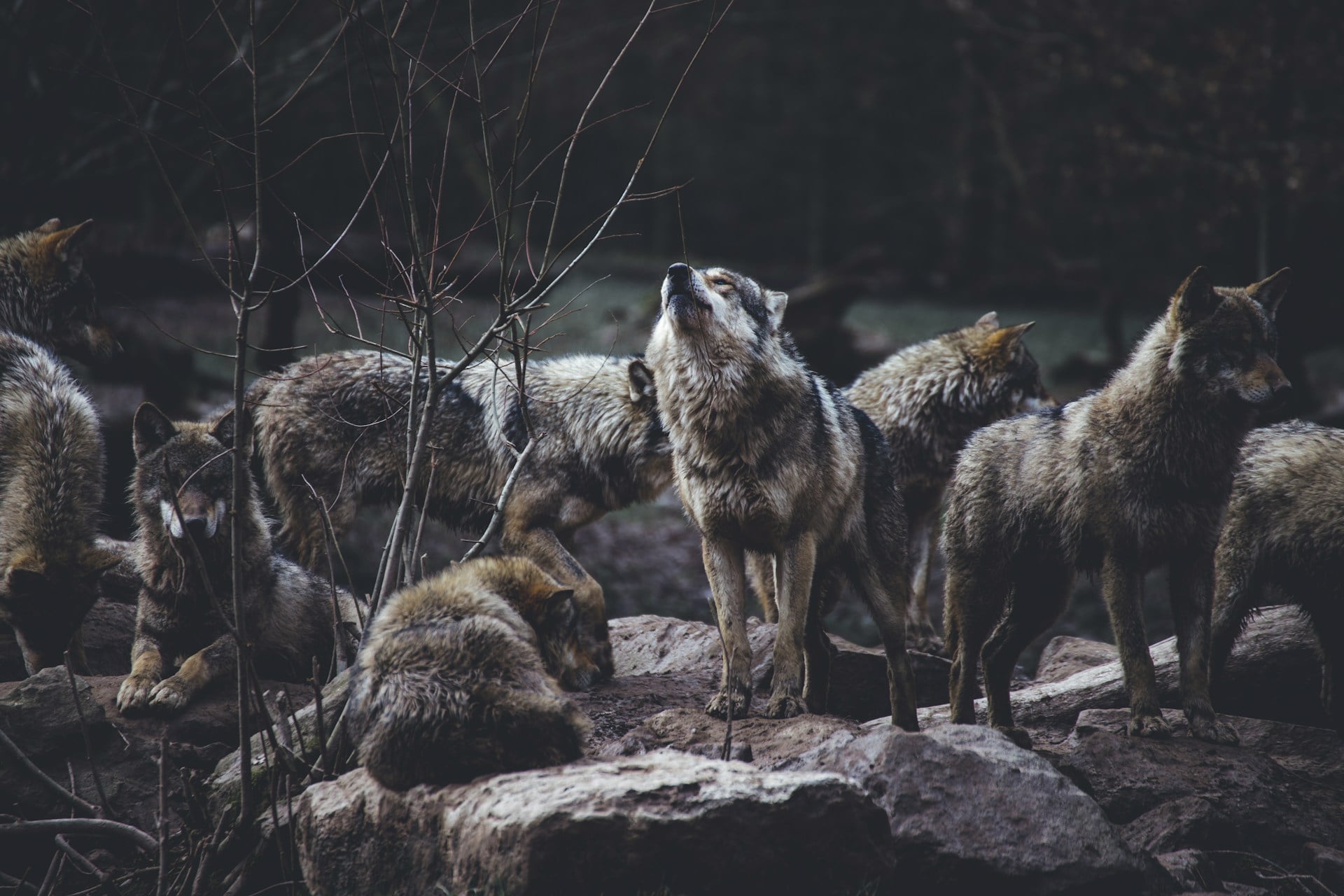
Despite wolves not actually howling at the moon specifically, this behavior has captured human imagination everywhere. European folklore turned wolves into symbols of danger and evil, with werewolf legends adding supernatural terror.
Native American tribes like the Pawnee associated wolves with the star Sirius and saw them as pathfinders and teachers. Mongolian culture respects wolves as ancestors, with Genghis Khan claiming descent from a blue wolf.
Turkish origin stories similarly place wolves as protective figures. Japanese folklore includes wolves as mountain gods who protect travelers.
The howl serves as pack communication, but cultural stories have made it everything from threatening to sacred.
Peacocks displaying their feathers

When a peacock spreads its magnificent tail feathers, Hindu and Buddhist traditions see the “eyes” on the feathers as all-seeing wisdom and protection from harm. Greek mythology connected peacocks to Hera, making them symbols of pride and watchfulness.
Early Christian tradition used the peacock to represent resurrection because people believed its flesh didn’t decay. Islamic art frequently features peacock imagery representing beauty and paradise.
Some Eastern European traditions saw peacock feathers as unlucky, believing the “eyes” brought the evil eye into homes. The display is actually a mating behavior, but it has been reinterpreted as spiritual symbolism across continents.
Bees swarming to a new location
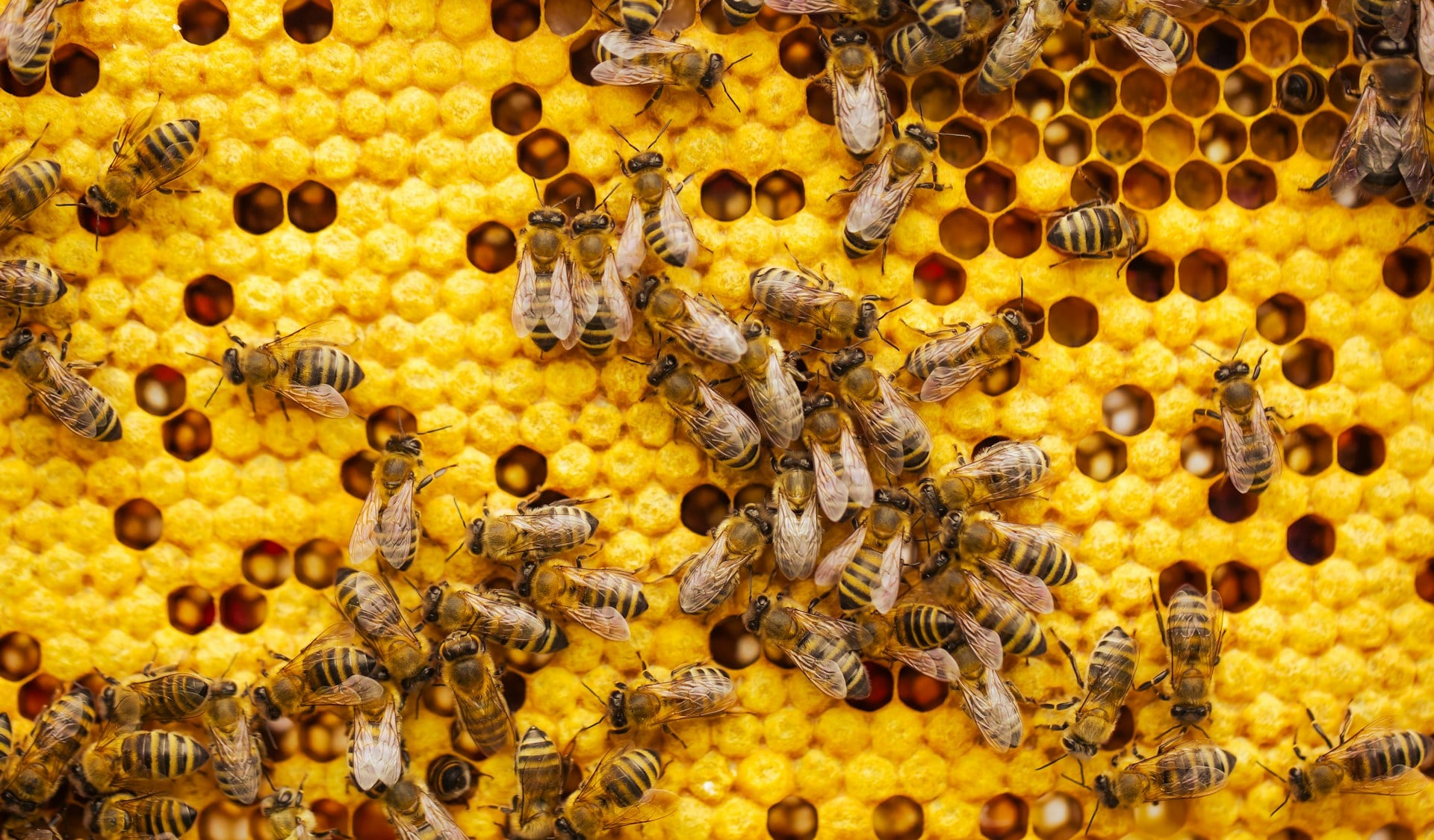
When a bee colony swarms and temporarily clusters while scout bees search for a new home, different cultures see different meanings. Celtic tradition considered bee swarms as messengers from the otherworld, requiring the beekeeper to tell the bees about major family events.
Some European folklore says a swarm landing on your property brings good fortune. Ancient Egyptian culture connected bees to royalty and the tears of Ra.
Christian tradition sometimes interpreted swarming bees as symbols of community and diligent work. African traditions in some regions saw swarms as ancestors traveling together.
The biological process of colony reproduction becomes a canvas for cultural interpretation.
Horses refusing to move forward

A horse suddenly stopping and refusing to proceed has been interpreted as the animal sensing danger that humans cannot detect. Japanese samurai culture believed horses could sense hostile intent or approaching battle.
European medieval knights thought horses could detect supernatural evil, and many ghost stories include horses refusing to cross certain spots. Native American Plains cultures saw this behavior as the horse connecting with spirit warnings.
Celtic folklore includes stories of horses stopping at fairy paths or cursed ground. Modern understanding points to horses detecting subtle environmental changes, unfamiliar scents, or simply being stubborn.
Yet the spiritual interpretations persist in many equestrian cultures.
Crickets chirping inside homes
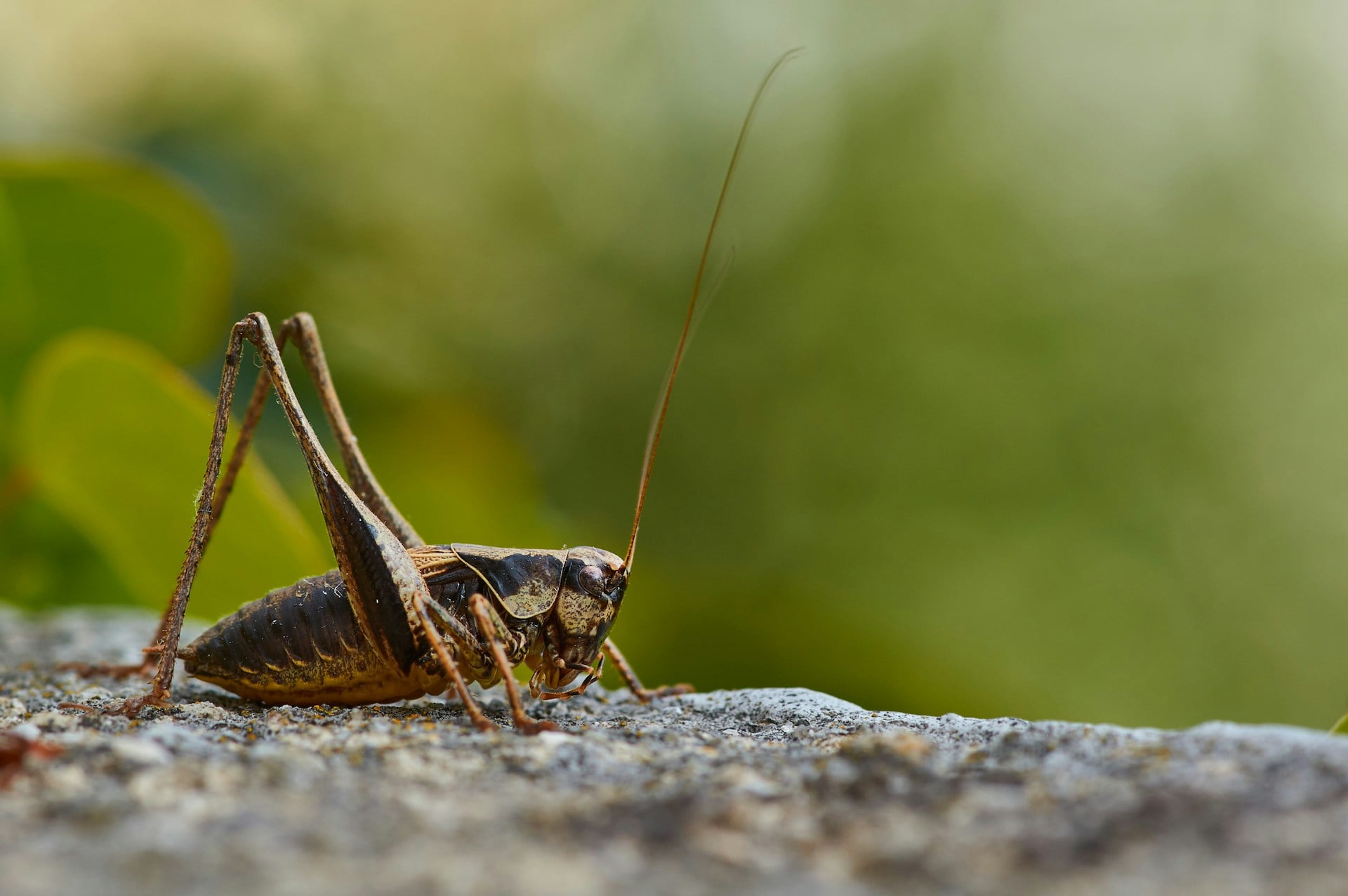
In China and Japan, crickets are welcomed guests whose chirping brings good luck and prosperity. People historically kept crickets in cages specifically to enjoy their sound.
Some Asian traditions believe crickets in the home mean approaching wealth or protection for the household. Native American Cherokee stories include crickets as creatures of good fortune.
European traditions split between seeing cricket chirping as lucky and as a death omen, depending on the specific region and time period. Brazilian folklore warns that killing a cricket brings financial trouble.
The chirping is a male cricket’s mating call, but homes around the world assign it prophetic meaning.
Birds flying into windows
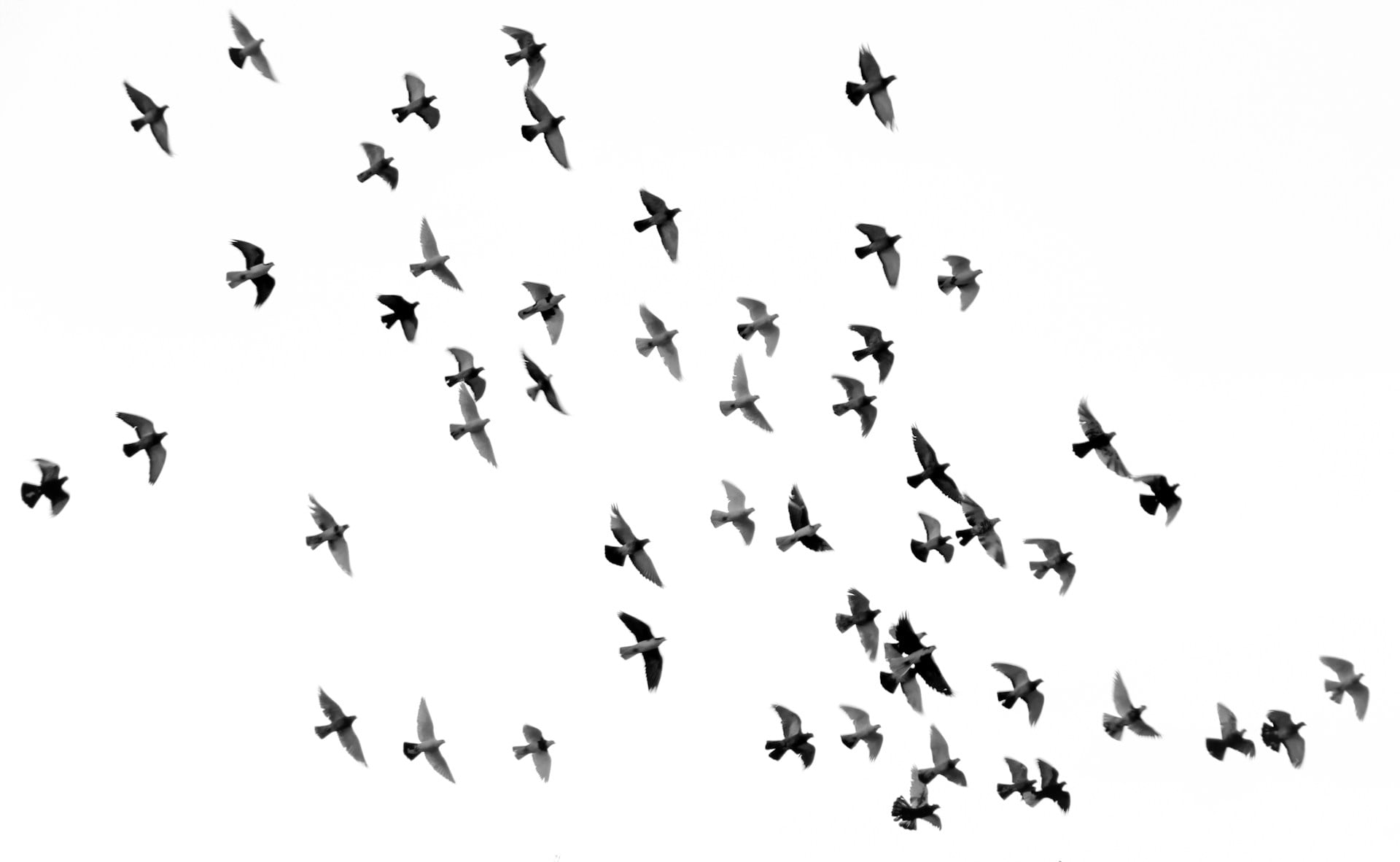
When birds collide with glass windows, many cultures search for deeper meaning beyond the simple explanation of transparent barriers confusing the animal. Some Irish and Scottish traditions view this as an omen of upcoming death in the family.
Native American spirituality sometimes interprets specific bird species hitting windows as messages from the spirit world requiring attention. Asian cultures might see it as a warning to pay attention to neglected matters.
Modern building design now recognizes this as an environmental problem causing bird deaths, focusing on prevention rather than interpretation. The behavior results from reflections and transparent glass, but meaning-making continues.
Frogs croaking before rain

Cultures in agricultural societies quickly noticed frogs becoming vocal before rainfall. Indian farmers took this as nature’s weather forecast and planned accordingly.
Ancient Egyptian culture connected frogs to fertility and rebirth, partly because they appeared in abundance after Nile floods. Some European traditions saw frog croaking as positive, while others connected it to witchcraft.
Chinese culture includes the three-legged frog as a symbol of prosperity. Native American tribes recognized frog songs as weather indicators while also including frogs in creation stories.
The croaking relates to mating behavior that increases in humid pre-rain conditions, but it became embedded in cultural weather wisdom and spiritual symbolism.
From ancient wisdom to modern understanding

Cultural interpretations of animal behavior reveal how humans constantly search for meaning and connection in the natural world. What started as observation became mythology, folklore, and tradition passed through generations.
Today, behavioral science can explain most animal actions through biology, environment, and evolution. Yet the cultural stories haven’t disappeared because they serve purposes beyond explanation.
They connect people to their heritage, create shared community understanding, and satisfy the human need for narrative. The crow outside the window is both a bird looking for food and whatever the observer’s culture has taught them to see.
Both truths exist together, showing how factual knowledge and cultural meaning can occupy the same space without canceling each other out.
More from Go2Tutors!

- The Romanov Crown Jewels and Their Tragic Fate
- 17 Halloween Costumes Once Considered Taboo
- Famous Hoaxes That Fooled the World for Years
- 15 Child Stars with Tragic Adult Lives
- 16 Famous Jewelry Pieces in History
Like Go2Tutors’s content? Follow us on MSN.



