15 Kid Snacks Created for Soldiers First
Many of the treats sitting in your kitchen pantry right now have a surprising military history. From granola bars to instant mac and cheese, countless snacks that kids beg for today were originally designed to fuel soldiers on battlefields around the world. These foods needed to be portable, nutritious, and able to withstand harsh conditions while providing quick energy to troops far from home.
The transformation from military rations to lunchbox favorites happened gradually as food manufacturers realized these convenient, shelf-stable products could work just as well for busy families. Here is a list of 15 popular kid snacks that began their lives serving soldiers before conquering grocery store aisles.
Granola Bars

Granola bars trace their roots back to World War II when the military needed compact, energy-dense food that wouldn’t spoil during long campaigns. Scientists developed pressed oat and grain bars that could survive extreme temperatures and rough handling while delivering essential calories to troops.
The chewy texture and sweet taste made them more appealing than standard military rations, helping boost morale among soldiers who were tired of bland field food.
Instant Mac and Cheese
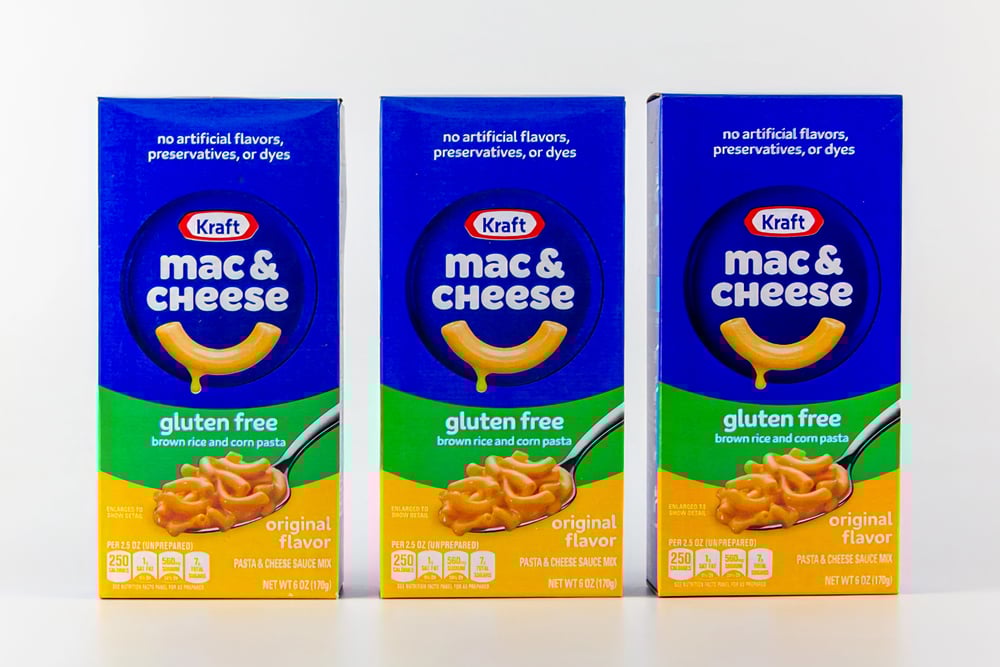
The powdered cheese technology behind boxed mac and cheese emerged from military research into dehydrated foods during the 1940s. Army researchers needed ways to preserve dairy products without refrigeration, leading to the development of cheese powder that could be reconstituted with hot water.
This innovation allowed soldiers to enjoy familiar comfort food flavors even in remote locations where fresh ingredients were impossible to obtain.
Like Go2Tutors’s content? Follow us on MSN.
Freeze-Dried Fruit
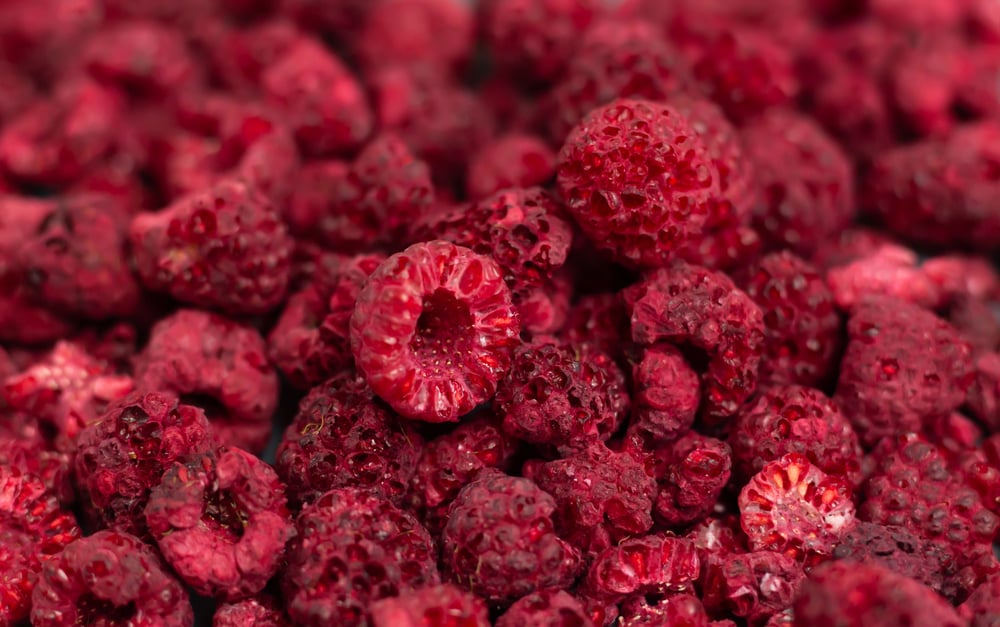
NASA and military contractors perfected freeze-drying technology in the 1960s to create lightweight, nutritious snacks for astronauts and soldiers. The process removes moisture while preserving most vitamins and minerals, creating crispy fruit pieces that weigh almost nothing but pack intense flavor.
Military personnel appreciated having access to fruit during long deployments where fresh produce was unavailable for months at a time.
Energy Bars
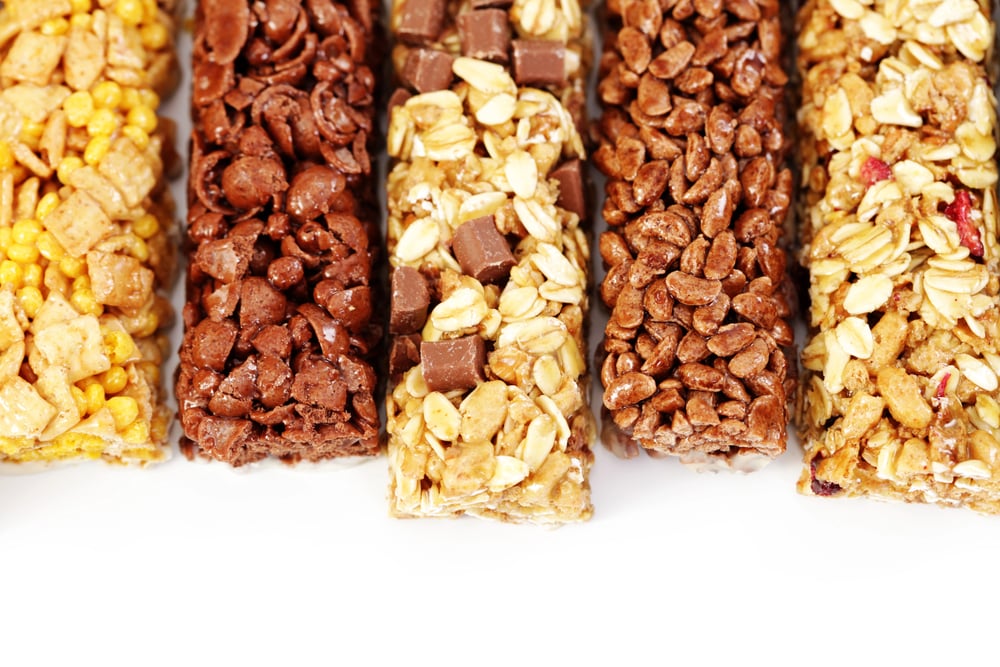
The modern energy bar evolved from military research into concentrated nutrition during the Vietnam War era. Scientists worked to create bars that could replace entire meals while weighing just a few ounces, using dense combinations of nuts, dried fruits, and protein sources.
These early prototypes were often described as tasting like cardboard, but they provided the calories and nutrients soldiers needed to maintain strength during extended operations.
Beef Jerky
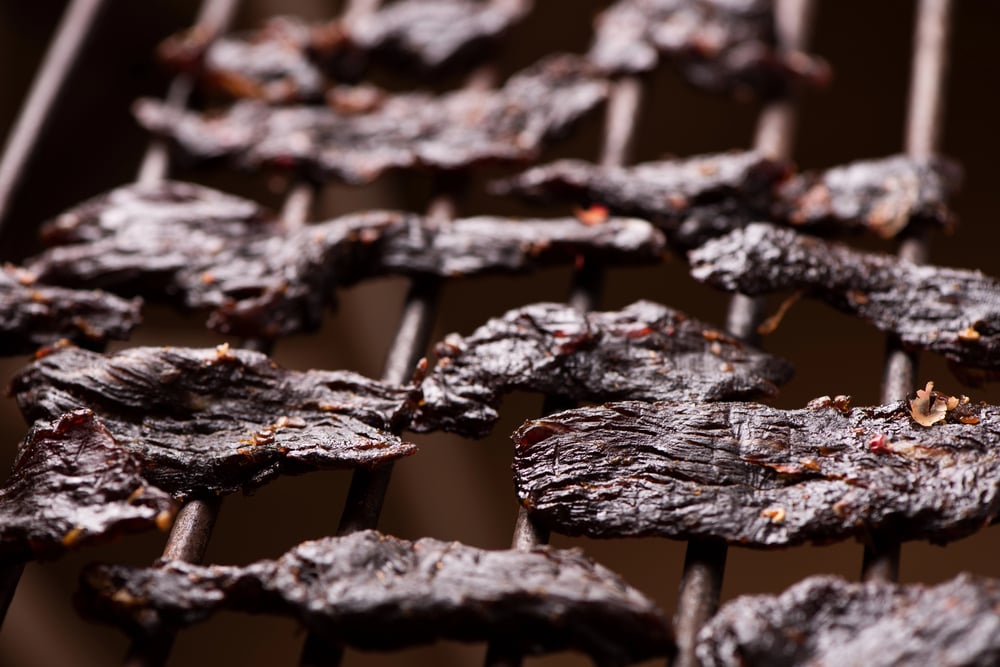
While jerky has ancient origins as a preservation method, the modern mass-produced versions found in convenience stores were refined for military use during World War I. The military needed protein that could last for weeks without refrigeration while remaining easy to eat on the move.
Manufacturers developed consistent seasoning blends and packaging methods that kept the jerky fresh and flavorful for extended periods.
Like Go2Tutors’s content? Follow us on MSN.
Instant Oatmeal
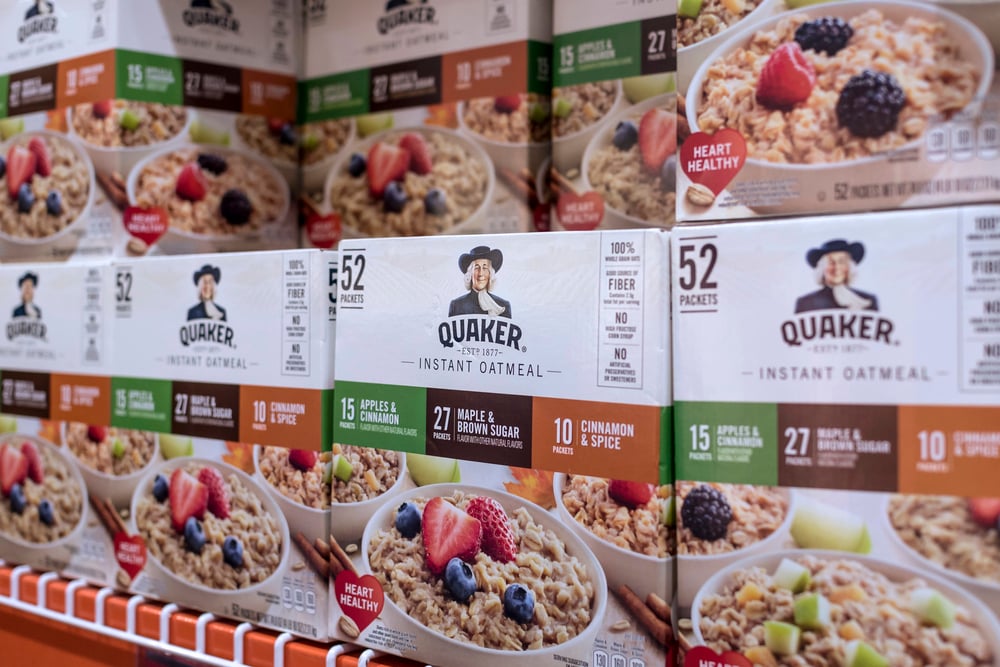
Individual packets of instant oatmeal were developed for military field kitchens where cooking time and fuel conservation were critical concerns. The pre-cooked, dried oats could be prepared with just hot water, eliminating the need for lengthy cooking processes that might give away troop positions.
Soldiers appreciated the warm, filling meal that reminded them of home while providing sustained energy for demanding physical tasks.
Crackers and Cheese Packets
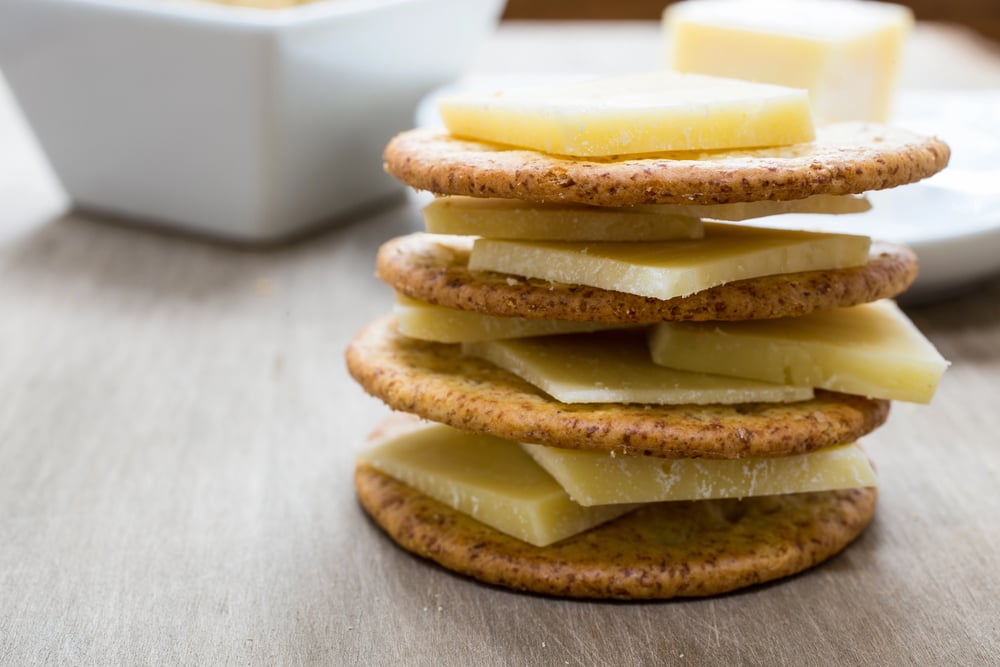
Those little plastic containers of cheese spread paired with crackers started as military field rations designed to provide protein and carbohydrates in a single, portable package. The processed cheese could withstand temperature extremes without spoiling, while the crackers remained crisp in sealed packaging.
This combination offered soldiers a quick snack that felt more like real food than the typical canned rations they received.
Fruit Leather
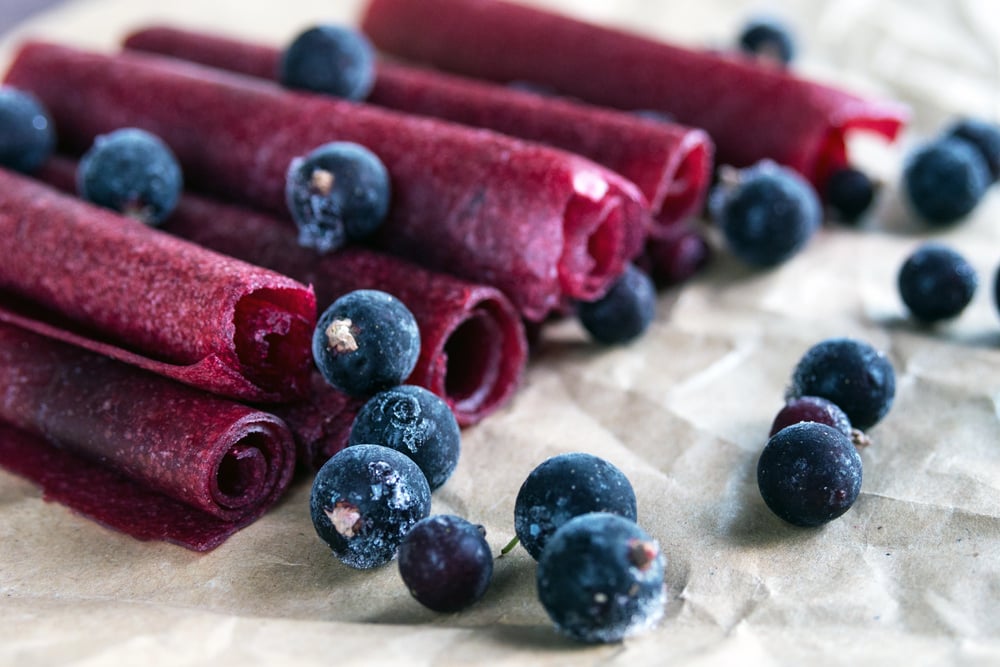
Military researchers developed fruit leather as a way to provide soldiers with vitamin C and natural sugars in a format that wouldn’t bruise or spoil during transport. The leather-like texture came from pressing and dehydrating pureed fruit until it formed flexible sheets that could be rolled and stored easily.
This innovation gave troops access to fruit flavors and nutrients even in desert or arctic conditions where fresh fruit was impossible to transport.
Like Go2Tutors’s content? Follow us on MSN.
Protein Powder Drinks
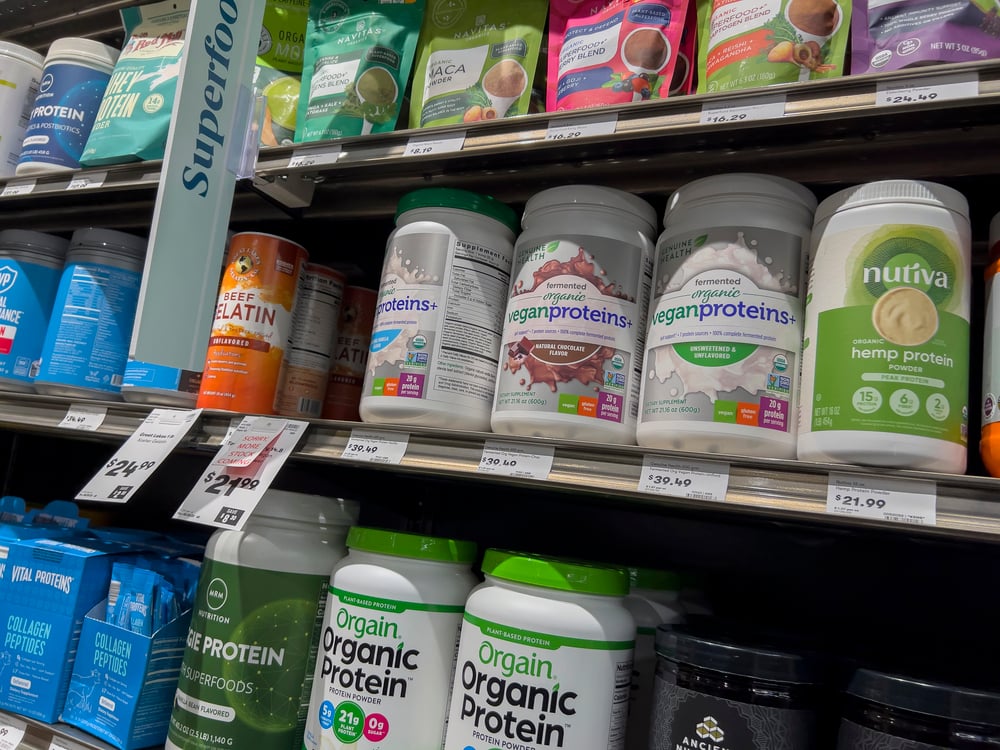
Powdered protein supplements were initially created for military personnel who needed to maintain muscle mass during periods of intense physical activity and limited food variety. The military wanted a lightweight supplement that could be mixed with water to provide essential amino acids and extra calories.
Early versions were notoriously chalky and flavorless, but they served their purpose of supporting soldier health during demanding missions.
Peanut Butter Crackers
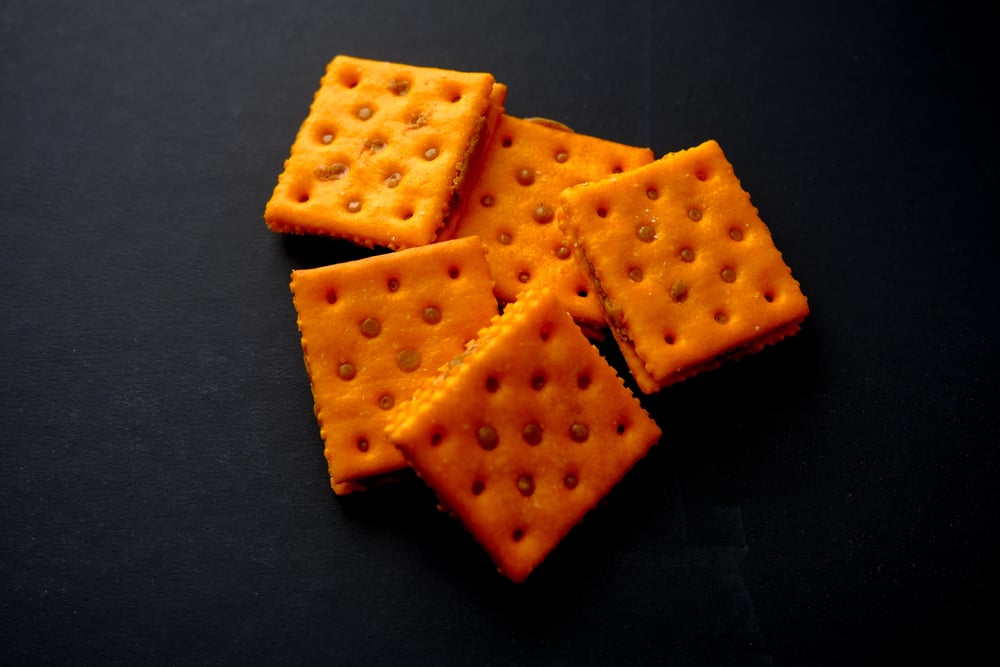
The combination of peanut butter and crackers in convenient packages was perfected for military use because it provided protein, healthy fats, and carbohydrates in a shelf-stable format. Military nutritionists recognized that peanut butter’s high calorie density made it ideal for soldiers who needed maximum nutrition in minimal space.
The crackers provided a satisfying crunch and helped make the dense peanut butter more palatable during long periods of eating field rations.
Chocolate Chip Cookies
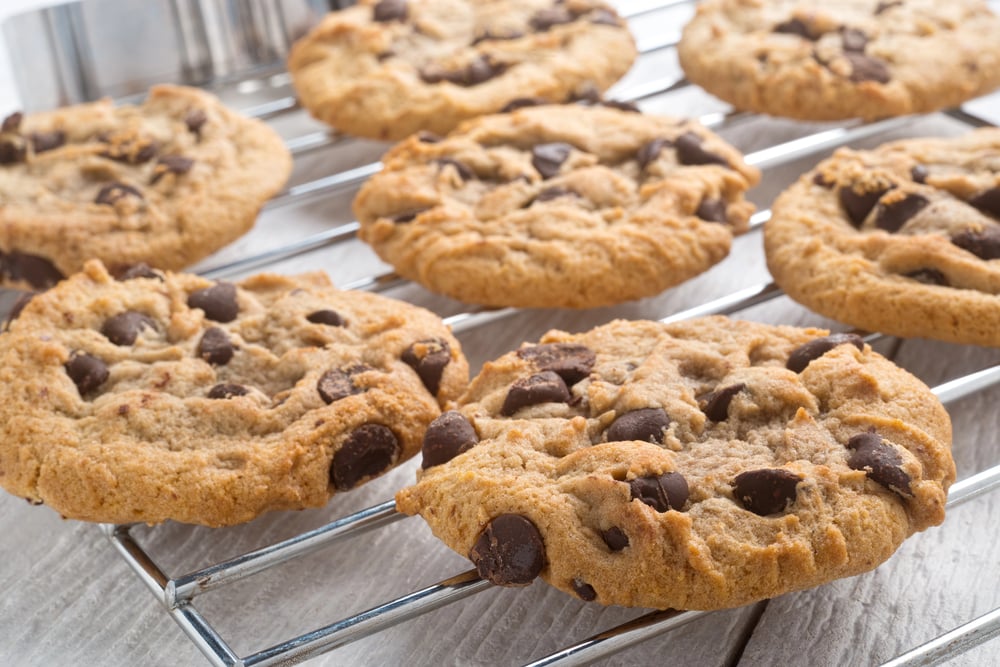
While chocolate chip cookies weren’t invented for the military, the technology for mass-producing shelf-stable versions was developed to boost troop morale during World War II. The military commissary system needed baked goods that could survive shipping across oceans and storage in hot climates without becoming stale or moldy.
This led to innovations in packaging and preservatives that eventually made possible the cookies kids find in their lunch boxes today.
Like Go2Tutors’s content? Follow us on MSN.
Dried Soup Mixes
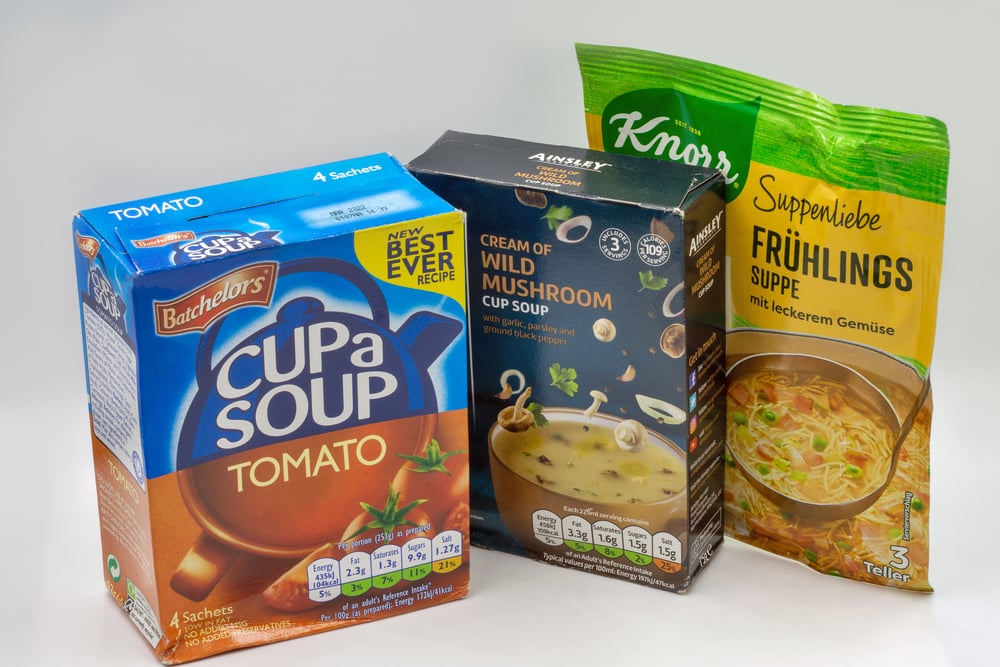
Instant soup mixes were created for military field kitchens where fresh ingredients were scarce but soldiers needed hot, comforting meals. The dehydrated vegetables and seasonings could be stored for months without refrigeration, then quickly prepared with boiling water to create something resembling home-cooked food.
This technology proved so successful that it became the foundation for countless civilian soup products that kids enjoy today.
Fruit Cups
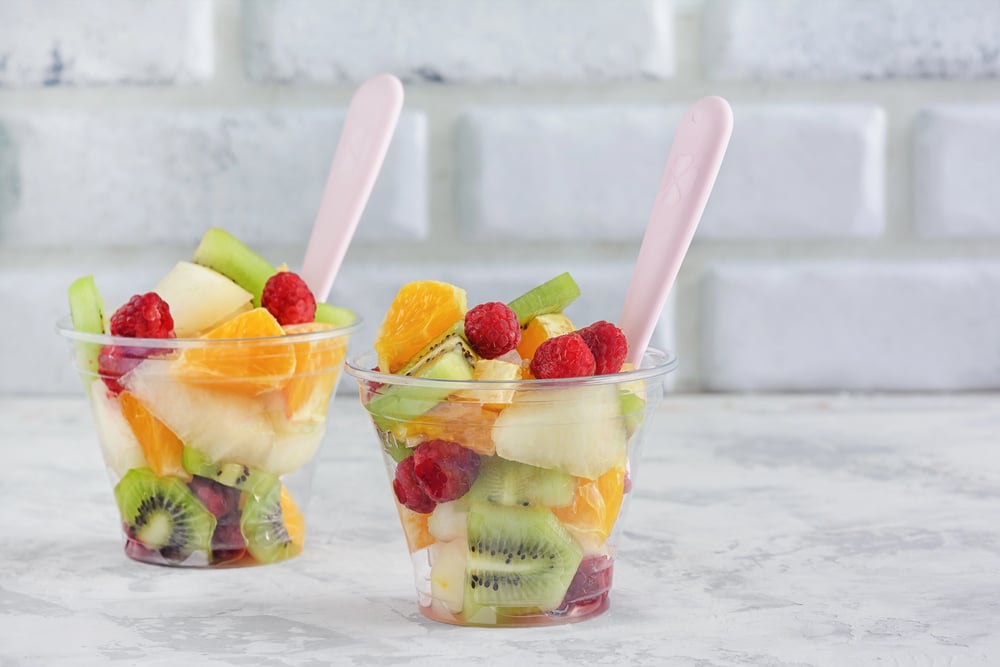
Canned fruit in individual serving sizes was developed for military use because fresh fruit spoiled too quickly during long deployments. The military needed a way to provide soldiers with vitamin C and natural sugars while ensuring the fruit would remain edible for months or even years.
The single-serving format made portion control easier and reduced waste, while the syrup or juice helped preserve the fruit’s texture and flavor.
Cereal Bars
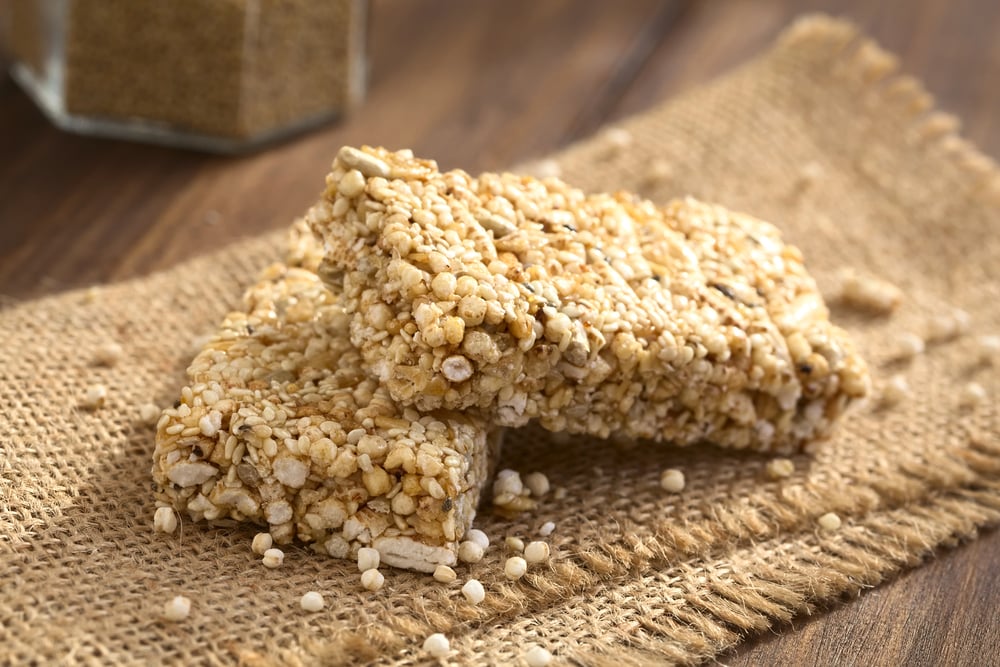
Compressed cereal bars were originally designed as a breakfast replacement for soldiers who didn’t have time for traditional morning meals. Military researchers pressed various grains and sweeteners into dense bars that could be eaten quickly while on patrol or during combat operations.
The bars needed to provide steady energy without the sugar crash that might impair soldier performance, leading to formulations that balanced simple and complex carbohydrates.
Like Go2Tutors’s content? Follow us on MSN.
Pudding Cups
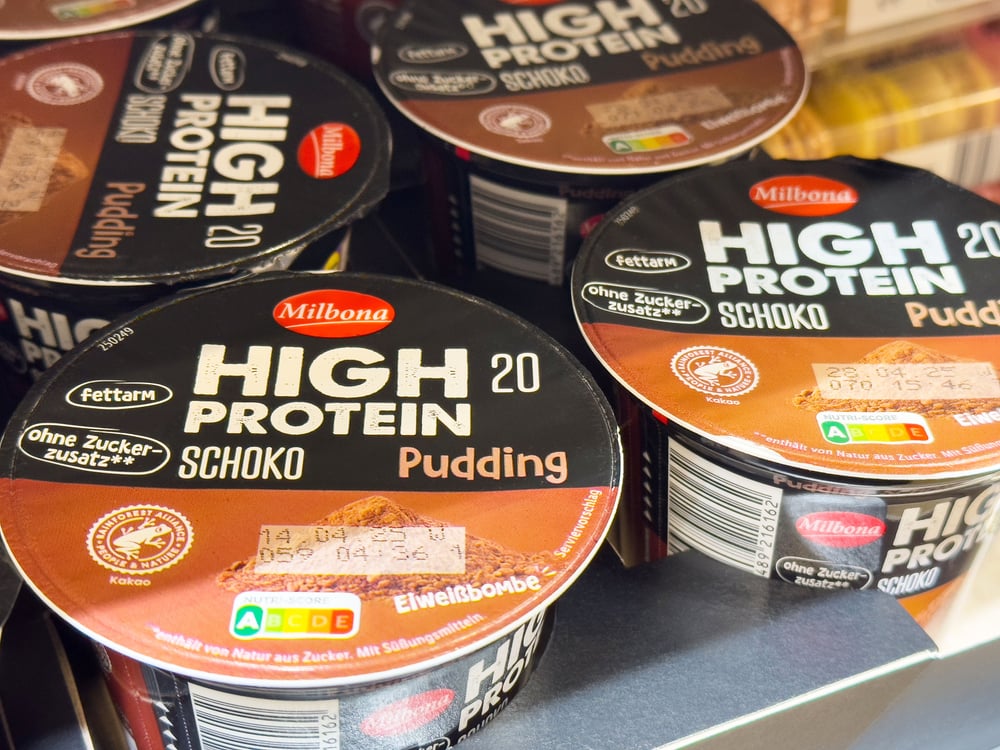
Individual servings of shelf-stable pudding were developed for military dessert rations as a way to improve morale and provide quick energy through easily digestible sugars. The military wanted desserts that could survive extreme temperatures and rough handling while still tasting good enough to lift spirits during difficult missions.
The single-serving format prevented waste and made it easier to distribute treats fairly among troops.
From Foxholes to Lunch Boxes
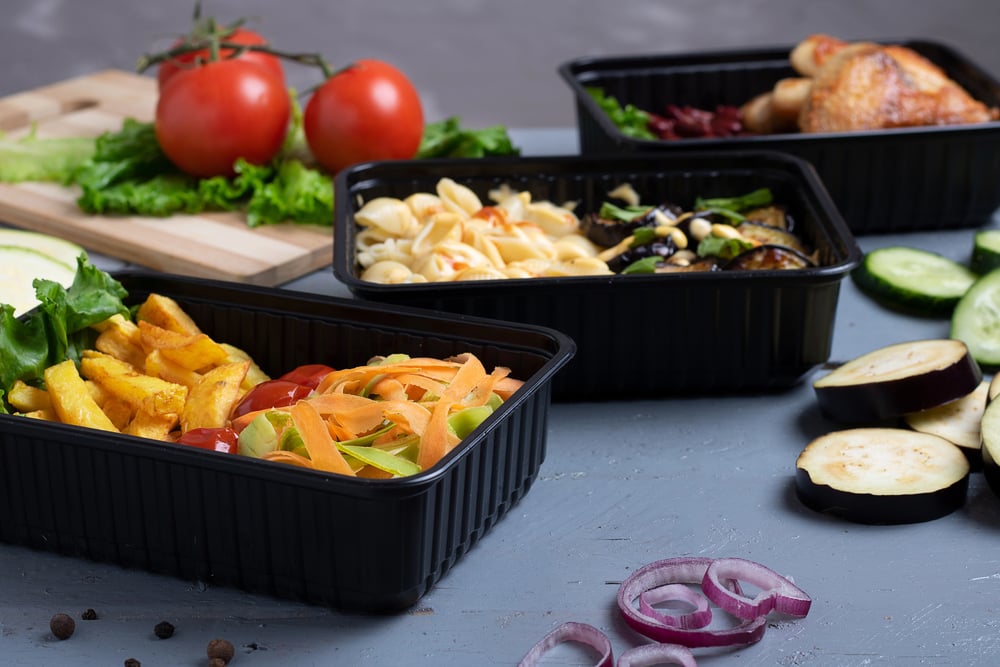
The journey from military innovation to mainstream snack food reflects how wartime necessity often drives civilian convenience. These foods succeeded in the military because they solved real problems related to nutrition, storage, and morale under challenging conditions.
Today’s parents rely on many of the same qualities that made these snacks valuable to soldiers: they’re portable, don’t require refrigeration, and provide quick energy for active kids. The next time you pack a granola bar or fruit leather in a lunch box, you’re using technology that once helped feed troops defending their country thousands of miles from home.
More from Go2Tutors!

- 16 Historical Figures Who Were Nothing Like You Think
- 12 Things Sold in the 80s That Are Now Illegal
- 15 VHS Tapes That Could Be Worth Thousands
- 17 Historical “What Ifs” That Would Have Changed Everything
- 18 TV Shows That Vanished Without a Finale
Like Go2Tutors’s content? Follow us on MSN.