15 Animals That Can Change Their Body Shape
Nature’s most remarkable creatures have evolved incredible abilities to transform their physical appearance in ways that seem almost magical. These shape-shifting animals use their morphing capabilities for survival, communication, hunting, and defense against predators.
From microscopic organisms to massive marine mammals, the animal kingdom showcases an astounding variety of body-changing techniques that challenge our understanding of biological possibilities. Here is a list of 15 animals that can dramatically alter their body shape.
Octopus

The octopus possesses unparalleled shape-shifting abilities – thanks to its boneless body structure that allows it to squeeze through openings smaller than its eye diameter. These intelligent cephalopods can flatten themselves paper-thin, elongate their bodies into snake-like forms, or even mimic the texture and appearance of rocks and coral.
Mimic Octopus
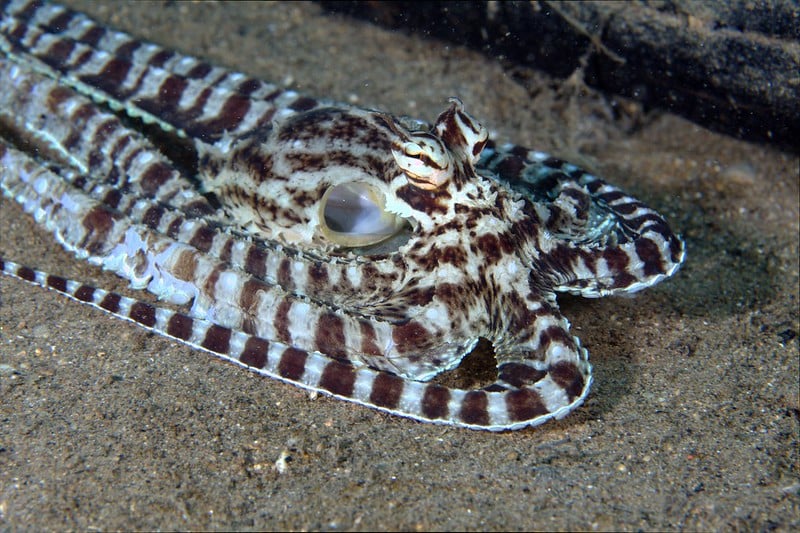
Beyond the standard octopus abilities, this Indonesian species takes impersonation to extraordinary levels – capable of mimicking over 15 different marine animals including flatfish, lionfish, and sea snakes. The mimic octopus changes both its shape and coloration while perfectly replicating the swimming patterns of its chosen disguise.
Cuttlefish

These masters of disguise can rapidly alter their body texture from smooth to bumpy – creating camouflage so effective they become nearly invisible against various backgrounds. Cuttlefish also flatten their bodies to appear larger when threatened, though they can compress themselves to slip through tight spaces when necessary.
Pufferfish
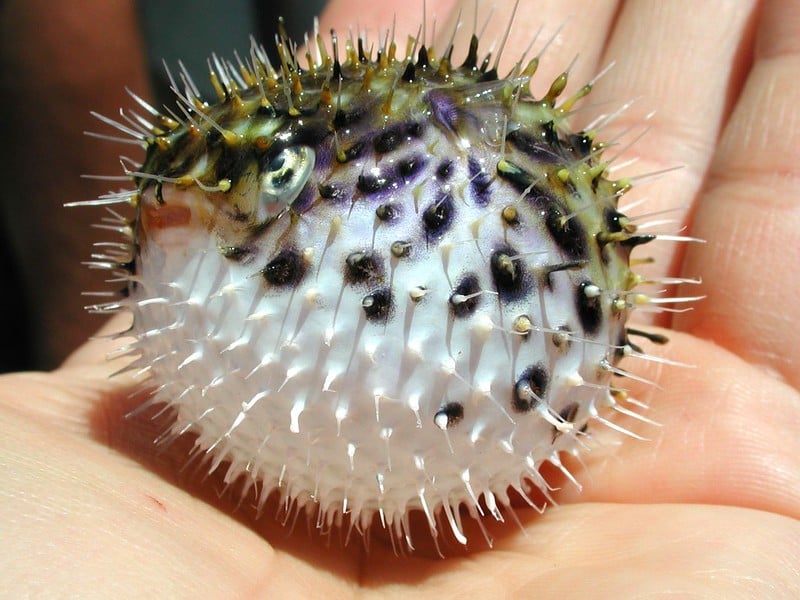
When threatened, pufferfish inflate their bodies to several times their normal size – transforming from streamlined swimmers into spiky, basketball-sized deterrents. This dramatic size increase makes them nearly impossible for predators to swallow while their protruding spines add an extra layer of protection.
Frilled Shark
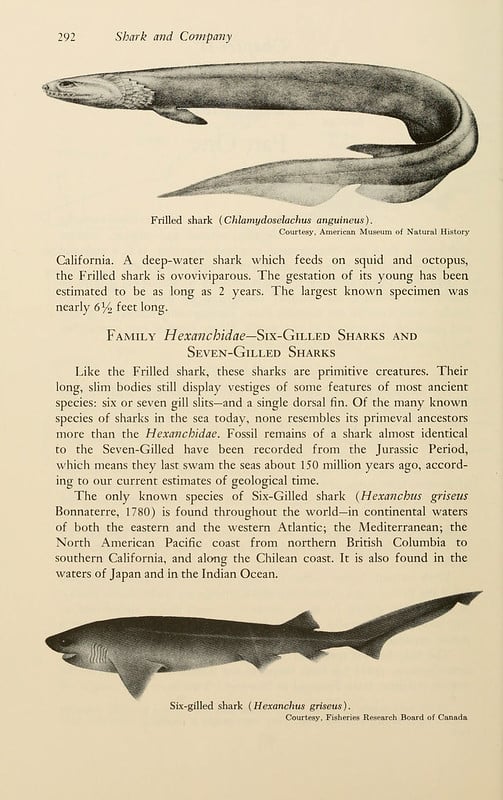
This living fossil can extend and contract its primitive body structure – allowing it to navigate through deep-sea environments with remarkable flexibility. The frilled shark’s ability to compress its serpentine form helps it hunt in tight spaces between rocks and coral formations.
Sea Angel

These translucent marine mollusks can expand and contract their wing-like appendages – creating propulsion while dramatically changing their overall body silhouette. Sea angels also retract their heads completely into their bodies when threatened, transforming from graceful swimmers into compact, defensive spheres.
Leafy Sea Dragon

Related to seahorses, these creatures have evolved elaborate leaf-like appendages that can be extended or retracted – helping them blend seamlessly with floating seaweed and kelp. Their ability to adjust these decorative fins allows them to match different types of marine vegetation perfectly.
Vampire Squid

Despite its intimidating name, this deep-sea creature transforms from a typical squid shape into an inside-out umbrella when threatened – exposing bioluminescent photophores while hiding its vulnerable body parts. This remarkable defensive posture makes the vampire squid appear larger while confusing potential predators.
Hagfish
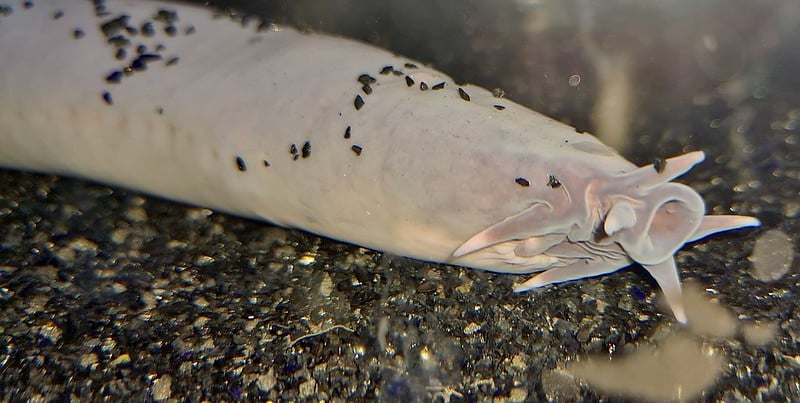
These primitive vertebrates can tie themselves into knots – using their flexible bodies to create leverage for feeding and defense. Hagfish also produce massive amounts of slime that can expand to 10,000 times its original volume, effectively changing the shape of the surrounding water environment.
Starfish

Beyond their famous limb regeneration abilities, starfish can dramatically flatten or inflate their bodies – allowing them to squeeze into cracks between rocks or expand to appear more intimidating. Some species can also extend their stomachs outside their bodies to digest prey that’s too large to consume normally.
Jellyfish

These gelatinous creatures constantly pulse and contract their bell-shaped bodies to propel themselves through water. Many jellyfish species can also flatten themselves when food is scarce, reducing their metabolic needs while maintaining their ability to capture prey with their trailing tentacles.
Sea Cucumber

These marine animals can literally liquefy their bodies when threatened, allowing them to flow through incredibly small spaces before reforming their original shape. Some sea cucumber species can also expel their internal organs as a defense mechanism, later regenerating the lost body parts completely.
Anglerfish
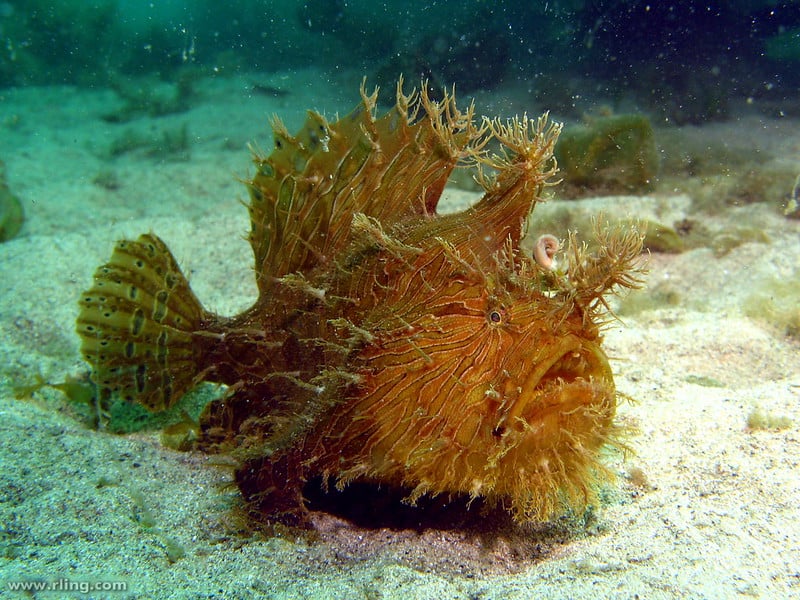
Deep-sea anglerfish can expand their jaws and stomachs to accommodate prey much larger than themselves, temporarily transforming their body proportions dramatically. Their elastic stomach walls allow them to consume fish twice their own size, creating a visibly distended body shape until digestion is complete.
Blobfish

While famous for their gelatinous appearance out of water, blobfish actually maintain a normal fish shape in their deep-sea habitat where water pressure keeps their bodies compressed. The dramatic transformation occurs when they’re brought to the surface and lose the external pressure that normally maintains their structural integrity.
Mantis Shrimp
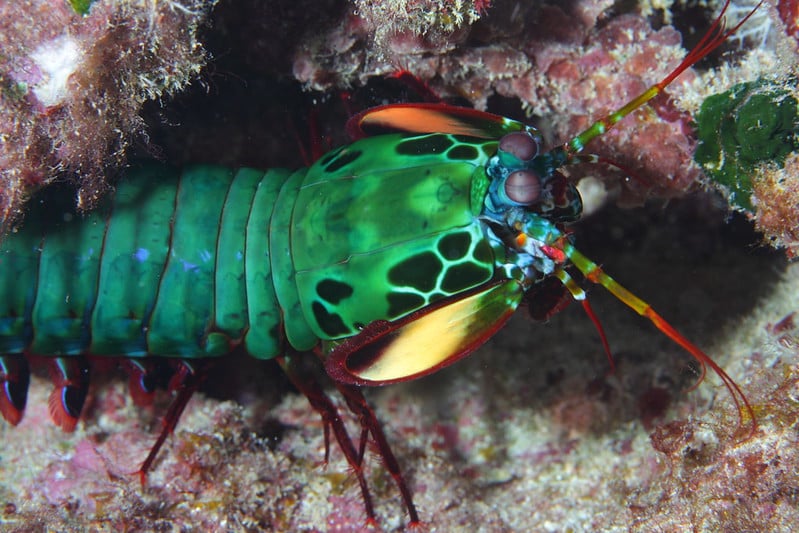
These powerful crustaceans can flatten their segmented bodies to slip into crevices, yet they can also expand their colorful appendages to appear larger during territorial displays. Their flexible exoskeleton allows for significant shape changes while maintaining the structural support needed for their famous punching ability.
Nature’s Ultimate Transformers

These remarkable animals demonstrate that shape-shifting isn’t confined to science fiction – it’s a fundamental survival strategy that has evolved countless times throughout natural history. Their transformative abilities serve multiple purposes including predator avoidance, prey capture, communication, and environmental adaptation. Understanding how these creatures change their body shapes continues to inspire biomimetic technologies and robotics research. As scientists study these natural shape-shifters more closely, they’re discovering that the line between what’s biologically possible and impossible is far more flexible than previously imagined.
More from Go2Tutors!

- 16 Historical Figures Who Were Nothing Like You Think
- 12 Things Sold in the 80s That Are Now Illegal
- 15 VHS Tapes That Could Be Worth Thousands
- 17 Historical “What Ifs” That Would Have Changed Everything
- 18 TV Shows That Vanished Without a Finale
Like Go2Tutors’s content? Follow us on MSN.



