15 Animals That Look Like Mythical Creatures
Nature has a way of outdoing our wildest imagination. You could spend years dreaming up fantastical beasts for a fantasy novel, only to discover that Earth already hosts creatures far stranger than anything you’d dare invent.
Some animals look so bizarre that early explorers refused to believe they were real. Others seem like they wandered straight out of folklore and decided to stick around.
These creatures exist in rainforests, ocean depths, and deserts across the planet. They’ve developed features that seem impossible—transparent skin, unicorn horns, dragon scales.
Evolution doesn’t care about looking normal. It just finds what works.
The Axolotl’s Permanent Youth

This salamander never grows up. The axolotl stays in its larval form its entire life, keeping its feathery external gills and living underwater like some kind of smiling water dragon.
Pink varieties look particularly otherworldly, with their pale skin and perpetual grin. They can regenerate entire limbs, spinal cords, and even parts of their brains.
Scientists study them obsessively, trying to understand how such complete healing happens. Meanwhile, the axolotl just floats around Mexican lakes, looking like it knows secrets about eternal life that it’s not ready to share.
Okapi: The Forest Giraffe Nobody Believed
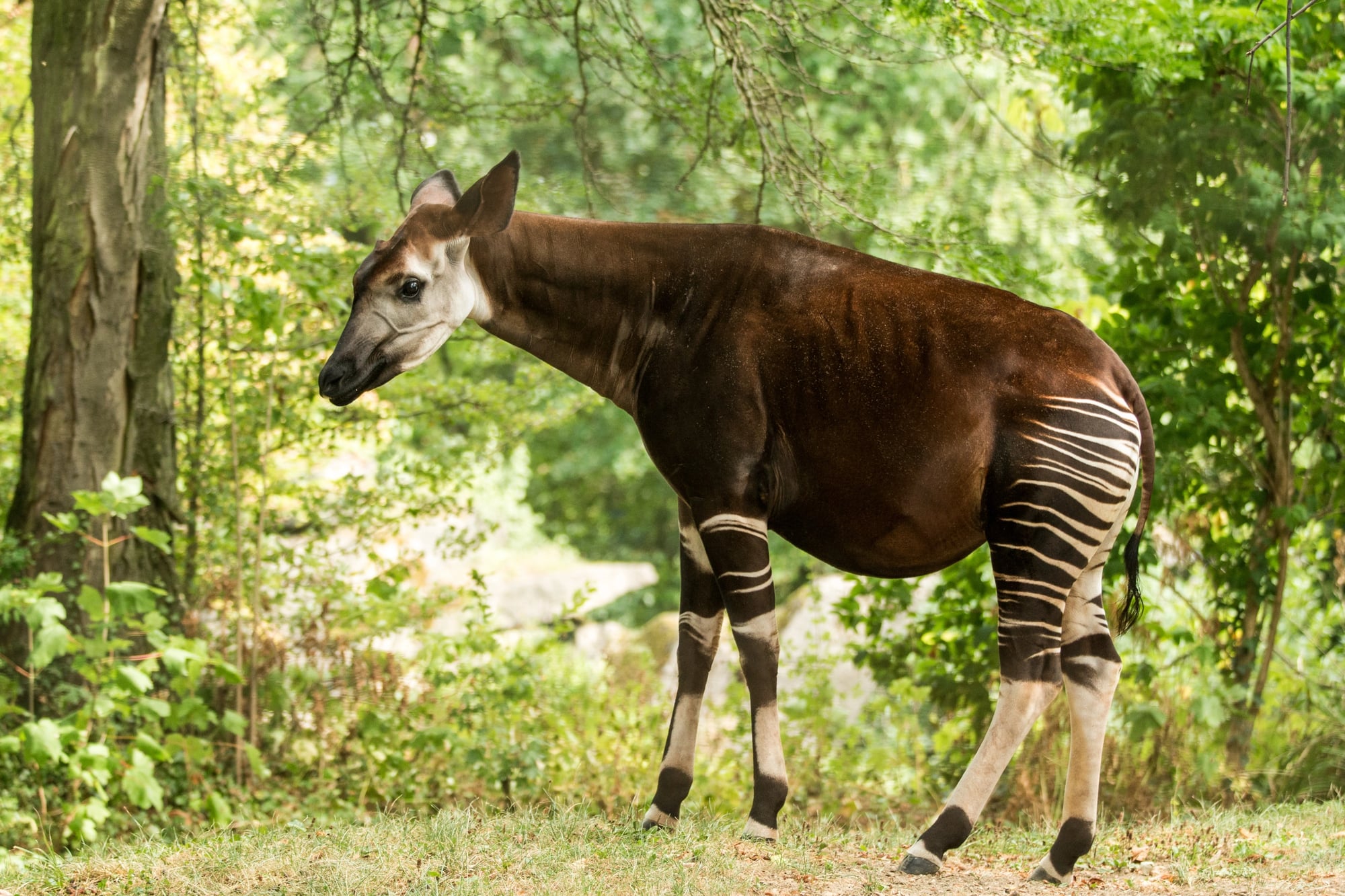
European explorers heard rumors about a forest creature with zebra stripes and a giraffe’s build. They assumed locals were describing some mythical beast.
Turns out, the okapi is completely real and lives in the Congo rainforest. Its body looks like a dark horse, but those hindquarters sport bold black and white stripes.
The long neck and tongue clearly come from its giraffe relatives. Put it all together and you get an animal that seems assembled from spare parts of other species.
Even its oily, velvety coat looks unreal when sunlight hits it at certain angles.
Mantis Shrimp and Their Impossible Colors

These aren’t actually shrimp. They’re marine crustaceans that see colors humans can’t even imagine.
While you see three primary colors, mantis shrimp see sixteen. Their world must look like a psychedelic fever dream.
They also punch. Their club-like appendages strike so fast they boil the water around them, creating tiny cavitation bubbles.
The impact can shatter aquarium glass. Some species glow with neon greens, electric blues, and oranges so bright they look photoshopped.
Ancient myths would have called them sea demons or ocean spirits.
The Narwhal’s Real Unicorn Horn
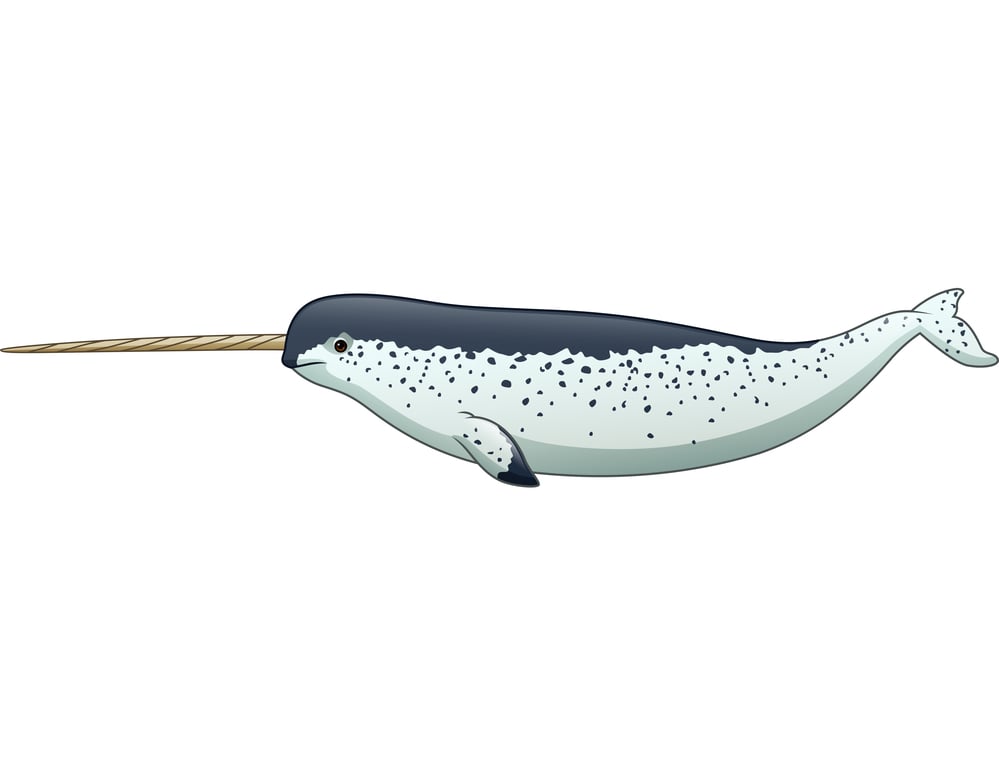
For centuries, Vikings sold narwhal tusks as unicorn horns. People believed these spiraled ivory spears came from the legendary horse-like creatures.
The truth? They grow from the upper lip of an Arctic whale.
That tusk is actually a tooth—a very long, very spiraled tooth packed with millions of nerve endings. Males use them to sense changes in water temperature and salinity.
Sometimes they fence with each other, tusks clacking together in slow-motion duels beneath the ice. The spiral always twists counterclockwise, one of nature’s oddly consistent choices.
Glass Frogs Reveal Their Beating Hearts

Flip a glass frog over and you can see right through its belly. Its heart pumps away, visible to anyone who looks.
Eggs develop in clear sacs. Blood vessels form intricate maps across translucent skin.
They live in Central and South American cloud forests, perched on leaves above streams. Males guard egg clutches with surprising ferocity for something you can see through.
The translucency helps them hide—predators looking up from below see the leaf’s green. Predators looking down see the frog’s camouflaged back.
The see-through belly creates perfect invisibility from certain angles.
Pangolins Wear Actual Armor

These mammals come covered in keratin scales—the same stuff that makes your fingernails. But these scales overlap like medieval armor, turning pangolins into walking pinecones.
When threatened, they curl into a tight protected sphere. Eight species live across Africa and Asia.
All of them eat ants and termites exclusively, using sticky tongues that can be longer than their bodies. They look like small dinosaurs or dragons, especially when they rear up on their hind legs.
Sadly, they’re the most trafficked mammals on Earth. Poachers sell their scales for traditional medicine despite zero evidence they do anything except protect pangolins.
The Saiga Antelope’s Alien Schnoz
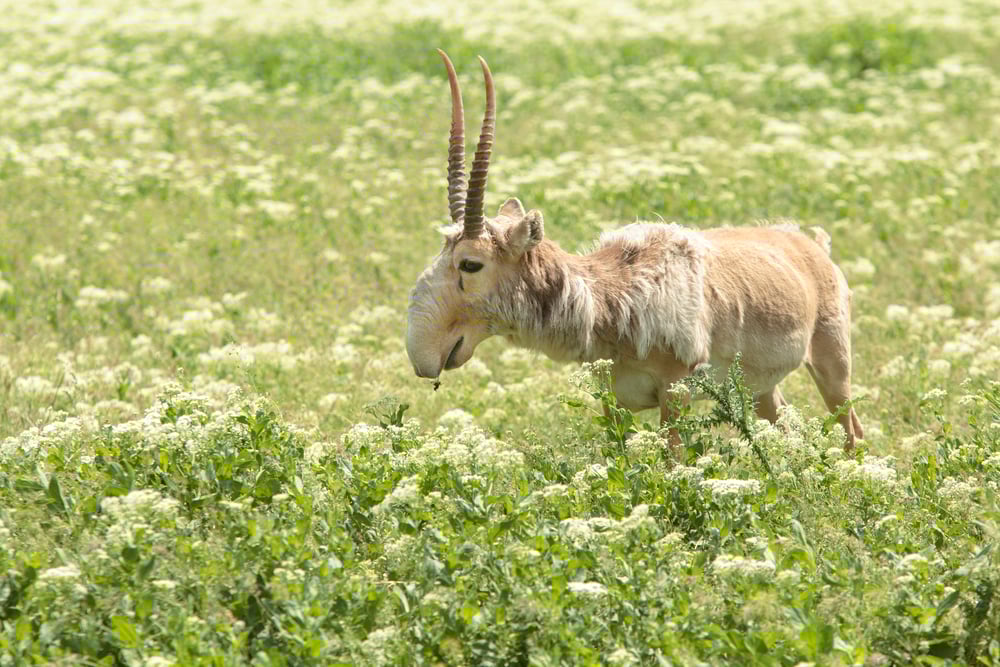
Look at a saiga antelope and your eyes go straight to that nose. It droops over the mouth like a short, flexible trunk, with nostrils pointing downward.
The inflatable snout helps them breathe in dusty Central Asian steppes, filtering air and warming it in winter. During mating season, males’ noses swell even larger.
They make bizarre honking sounds through those massive proboscises. Prehistoric cave paintings show saigas, so humans have been puzzling over these strange-nosed creatures for thousands of years.
They’re critically endangered now, their populations crashing due to disease and poaching.
Blue Dragons Float Upside Down

The blue dragon sea slug—properly called Glaucus atlanticus—drifts along the ocean surface with its bright blue belly facing up toward the sky. It floats on a bubble of air stored in its stomach, riding currents wherever they take it.
This tiny creature, usually less than an inch long, hunts Portuguese man o’ wars. It eats the venomous tentacles and stores the stinging cells in its own cerata—those finger-like projections that make it look like a miniature dragon.
Touch one and you’ll regret it. The concentrated venom packs a worse punch than the original source.
Star-Nosed Moles Hunt in Complete Darkness

Twenty-two pink tentacles radiate from this mole’s nose in a fleshy star pattern. Each tentacle has thousands of touch receptors called Eimer’s organs.
The star-nosed mole can identify and eat prey in a quarter of a second, making it one of the fastest-eating mammals on record. They hunt in underground tunnels and swim through muddy streams in eastern North America.
That nose star constantly moves, touching everything, building a detailed map of the world through pure sensation. Watching one feed looks like witnessing some alien creature probe its environment with impossibly fast tentacles.
Leafy Sea Dragons Disappear Into Kelp

These relatives of seahorses trail elaborate leaf-shaped appendages from their bodies. The protrusions serve no purpose except camouflage.
They can’t swim with them or grab anything. They just drift there, making the sea dragon blend perfectly into floating seaweed.
Males carry fertilized eggs on the underside of their tails, just like seahorses. They live exclusively along Australia’s southern coast, bobbing through kelp forests like tiny aquatic dragons from Asian mythology.
Their bodies glow with yellow, orange, and purple patterns. Evolution spent millions of years creating these living decorations.
Japanese Spider Crabs Sprawl Across the Seafloor

The largest arthropod on Earth doesn’t mess around. Japanese spider crabs can span twelve feet from claw to claw.
Their long, spindly legs look like something from a nightmare about giant underwater insects. They live in deep Pacific waters off Japan, scuttling across volcanic vents and rocky terrain.
Young ones decorate their shells with sponges and other organisms for camouflage. Old ones just rely on size to intimidate anything that might threaten them.
Fishermen’s legends about sea monsters probably started when someone pulled up one of these creatures in a net.
The Aye-Aye’s Witch Finger

Madagascar’s aye-aye has haunted local folklore for generations. Some cultures consider it an omen of death.
Looking at that skeletal middle finger and those enormous, reflective eyes, you can understand the superstition. That elongated finger taps on tree bark, listening for hollow spaces that indicate insect larvae.
Then it gnaws a pit with continuously growing incisors and spears the grubs with that same freaky digit. It’s the only primate that hunts this way.
The aye-aye’s face doesn’t help its reputation—wild hair, giant ears, and those glowing eyes make it look like a forest gremlin.
Peacock Spiders Dance in Rainbow Colors
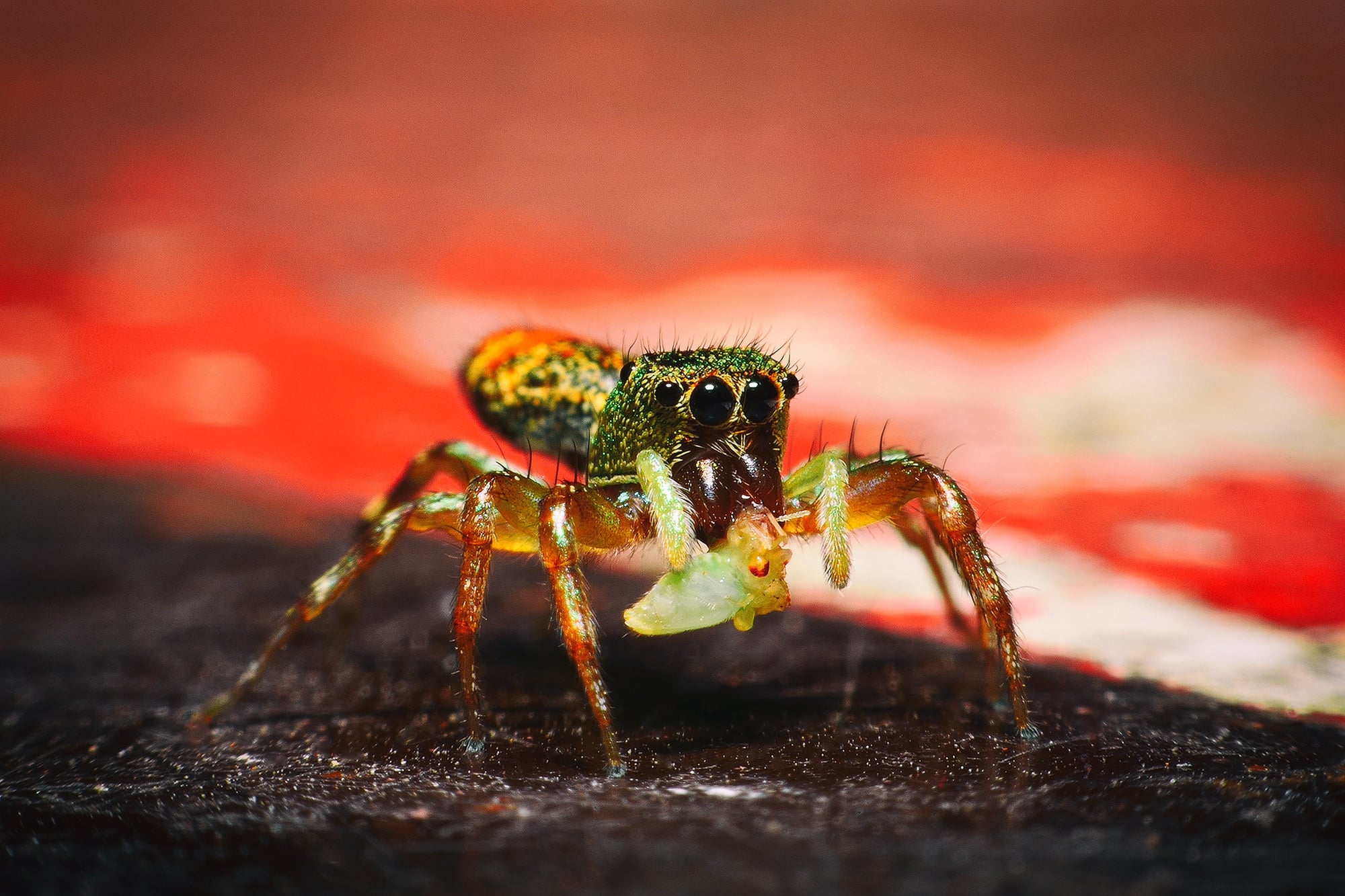
Australian peacock spiders measure about five millimeters across. Males sport iridescent flaps on their abdomens that they raise during courtship dances.
The displays rival any bird’s plumage—electric blues, vivid reds, geometric patterns that seem computer-generated. They dance with precision, waving legs and vibrating in specific rhythms.
Females watch from nearby, judging performances. These tiny spiders look like they belong in a fantasy realm where creatures the size of peppercorns wear jeweled capes and perform elaborate rituals.
Pink Fairy Armadillos Tunnel Through Sand
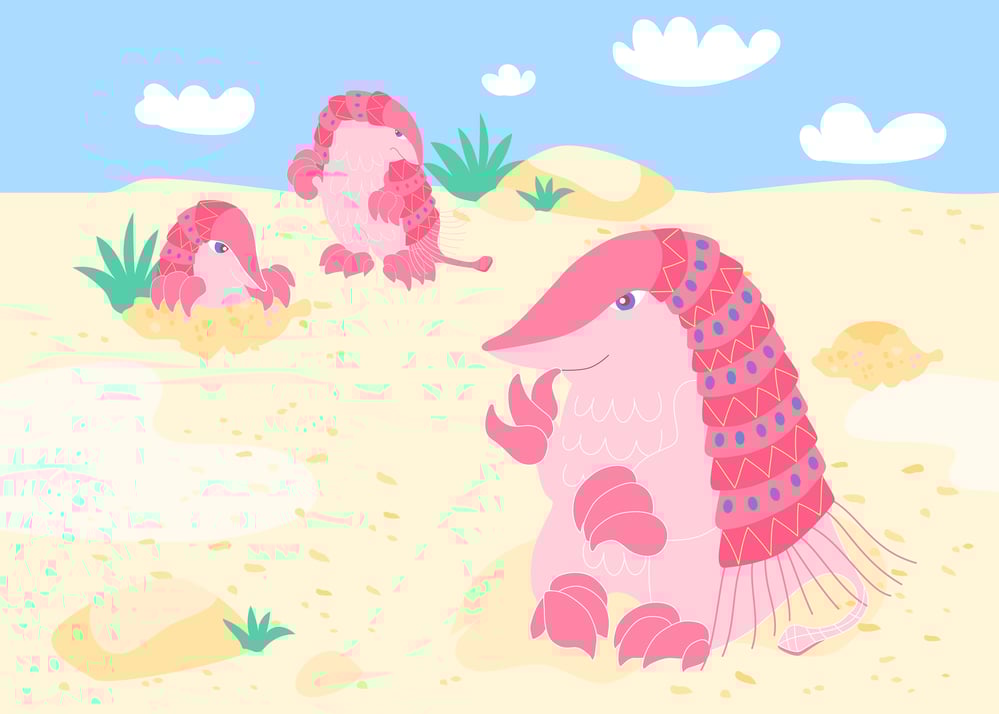
The smallest armadillo species looks like someone made a toy and brought it to life. Pink fairy armadillos measure about six inches long.
Their shells don’t fully cover them—instead, a pale pink armor plate runs along their backs while silky white fur covers everything else. They live exclusively in central Argentina, spending most of their lives underground.
That pink coloration comes from blood vessels close to the surface of their shells, helping regulate body temperature. Spotting one in the wild is incredibly rare.
They’re so adapted to subterranean life that they often die quickly in captivity.
Fossas Rule Madagascar’s Forests
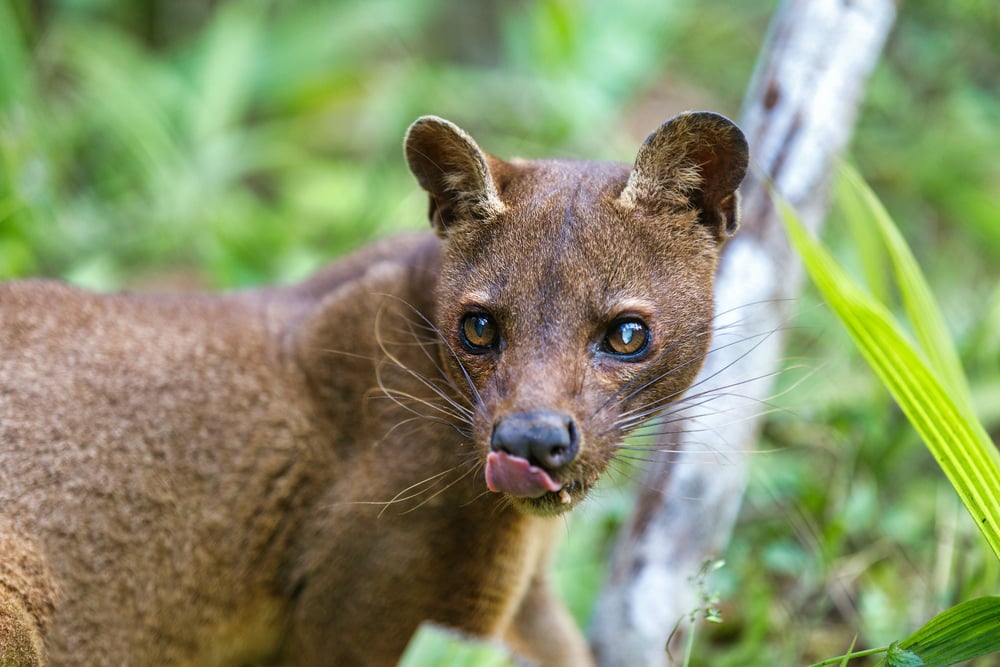
When early naturalizers first encountered the fossa, they couldn’t decide what it was. Cat? Mongoose? Some weird evolutionary experiment?
It’s actually Madagascar’s top predator, related to mongooses but built like a sleek cougar. Fossas climb trees with ease despite weighing up to twenty pounds.
They have retractable claws, unusual for creatures in their family. That long tail provides balance during high-speed chases through forest canopies.
Local legends portrayed them as demons or shape-shifters. The fossa’s hunting prowess and ghostly ability to appear and disappear in dense forest probably inspired those tales.
Where Reality Exceeds Fiction

Scientists keep discovering new species that challenge what we thought was possible. Maybe that’s the real lesson here.
The line between myth and reality blurs when you realize Earth already contains transparent frogs, armored mammals, and sea slugs that look like dragons.
You don’t need to invent fantasy worlds to find wonder. Just look harder at the one you’re already living in.
More from Go2Tutors!

- The Romanov Crown Jewels and Their Tragic Fate
- 13 Historical Mysteries That Science Still Can’t Solve
- Famous Hoaxes That Fooled the World for Years
- 15 Child Stars with Tragic Adult Lives
- 16 Famous Jewelry Pieces in History
Like Go2Tutors’s content? Follow us on M