14 Sports Rules So Bizarre They Were Changed After One Game
As leagues improve their rulebooks, sports regulations change all the time. Sometimes a single occurrence spurs quick action, but most improvements are the result of years of thoughtful deliberation. These incidents demonstrate how even the most painstakingly designed sports structures can have unforeseen weaknesses or defects that only show up during actual play.
These 14 sports regulations were so ridiculous that they were changed after only one match.
The One-Point Safety
In college football, teams can score a one-point safety during point-after attempts. This occurred in the 2013 Fiesta Bowl when Oregon tackled Kansas State in their own end zone during a botched extra point attempt.
The NCAA clarified the rule immediately afterward, confirming this rare scoring opportunity that happens roughly once per decade.
The Kick-Pass Prohibition
In 1967, Chiefs quarterback Len Dawson exploited a loophole by intentionally kicking the football forward to a teammate when trapped behind the line of scrimmage. The NFL eliminated this option immediately after the game, stating players could no longer advance the football via a kick-pass.
Like Go2Tutors’s content? Follow us on MSN.
The NBA’s “Hack-a-Shaq” Limitation
The “Hack-a-Shaq” strategy involved deliberately fouling poor free-throw shooters to gain possession. After Don Nelson’s Mavericks employed this tactic throughout an entire game against Shaquille O’Neal, the NBA modified rules to prevent off-the-ball fouls in the final two minutes, reducing the strategy’s effectiveness.
The Hockey Skate Blade Length Restriction

In 1927, Maple Leafs defender King Clancy attached abnormally long blades to his skates to block more shots. After a single game where he thwarted nearly every opposing attack, the NHL established maximum blade length requirements that remain today.
The Baseball Pine Tar Rule
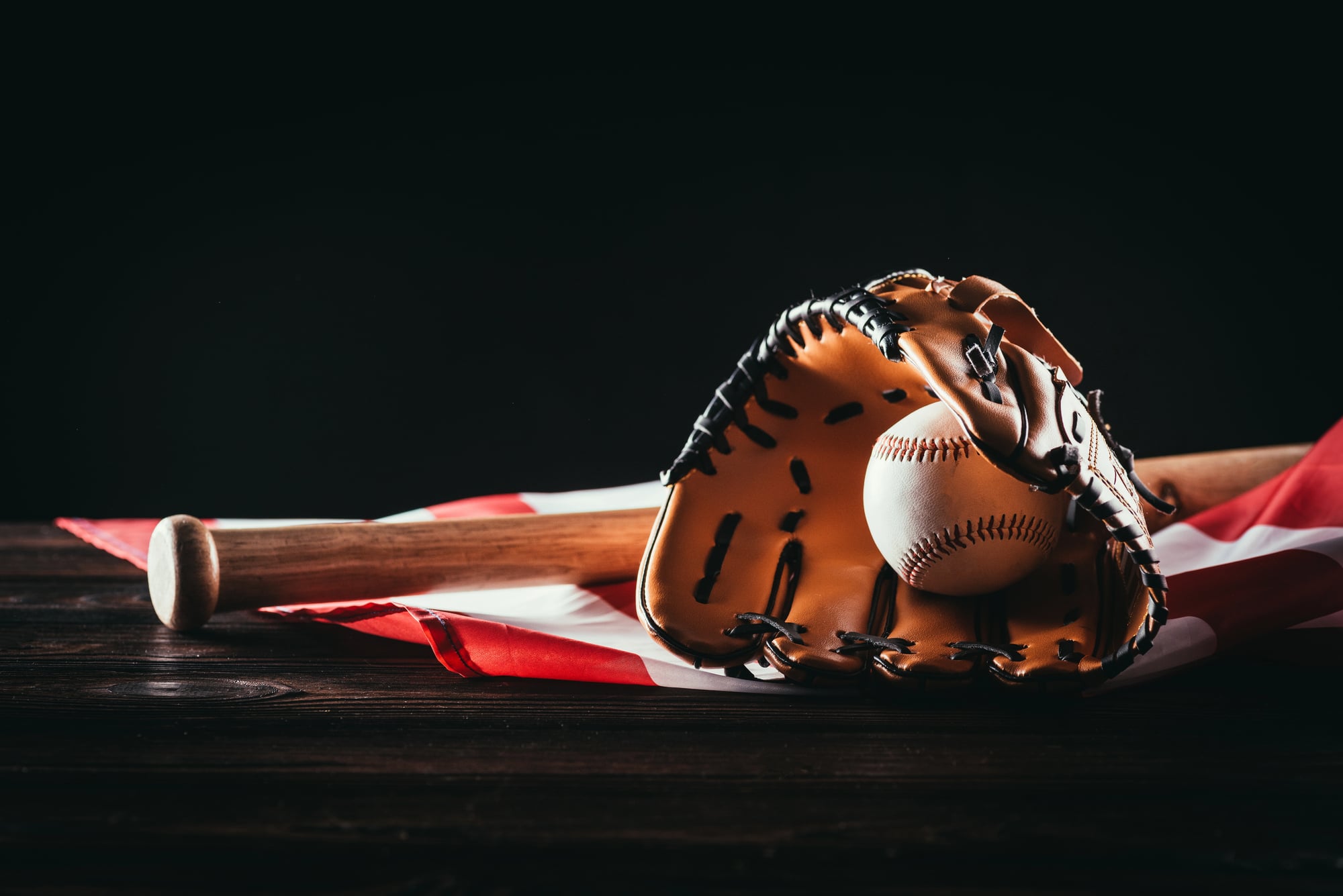
George Brett’s famous “Pine Tar Incident” in 1983 led to an immediate rule clarification. When Brett’s home run was nullified because pine tar extended too far up his bat handle, MLB quickly revised the rule, determining that excessive pine tar warranted equipment replacement but not an automatic out.
Like Go2Tutors’s content? Follow us on MSN.
The Daytona Restrictor Plate Mandate

In the very next race, the 1987 Daytona 500, NASCAR introduced restrictor plates for superspeedways when Bobby Allison’s car flew into the air and almost entered fan areas.
In order to safeguard drivers and fans, this upgrade lowered engine power and regulated speeds at hazardous tracks.
The Tennis Let Service Continuation

During a 2018 Next Gen ATP Finals experimental format, players continued points after let-serves (when the ball touches the net but lands in the service box). The innovation proved so successful after that initial test that several professional tournaments adopted it permanently.
The NFL’s Tuck Rule Elimination

In the infamous 2002 playoff “Tuck Rule Game” between the Raiders and Patriots, officials ruled Tom Brady’s apparent fumble an incomplete pass because he was “tucking” the ball. The controversy was so intense that the NFL eliminated the rule entirely in 2013, simplifying that any loss of possession during a tuck motion constitutes a fumble.
Like Go2Tutors’s content? Follow us on MSN.
The NBA Backboard Pass Ban
In 1958, Minneapolis Lakers player Slater Martin deliberately bounced the basketball off the backboard to himself, bypassing defenders. Officials allowed it during the game, but the NBA prohibited the self-pass off backboards immediately afterward, declaring it a form of traveling.
The Baseball Dropped Third Strike Clarification
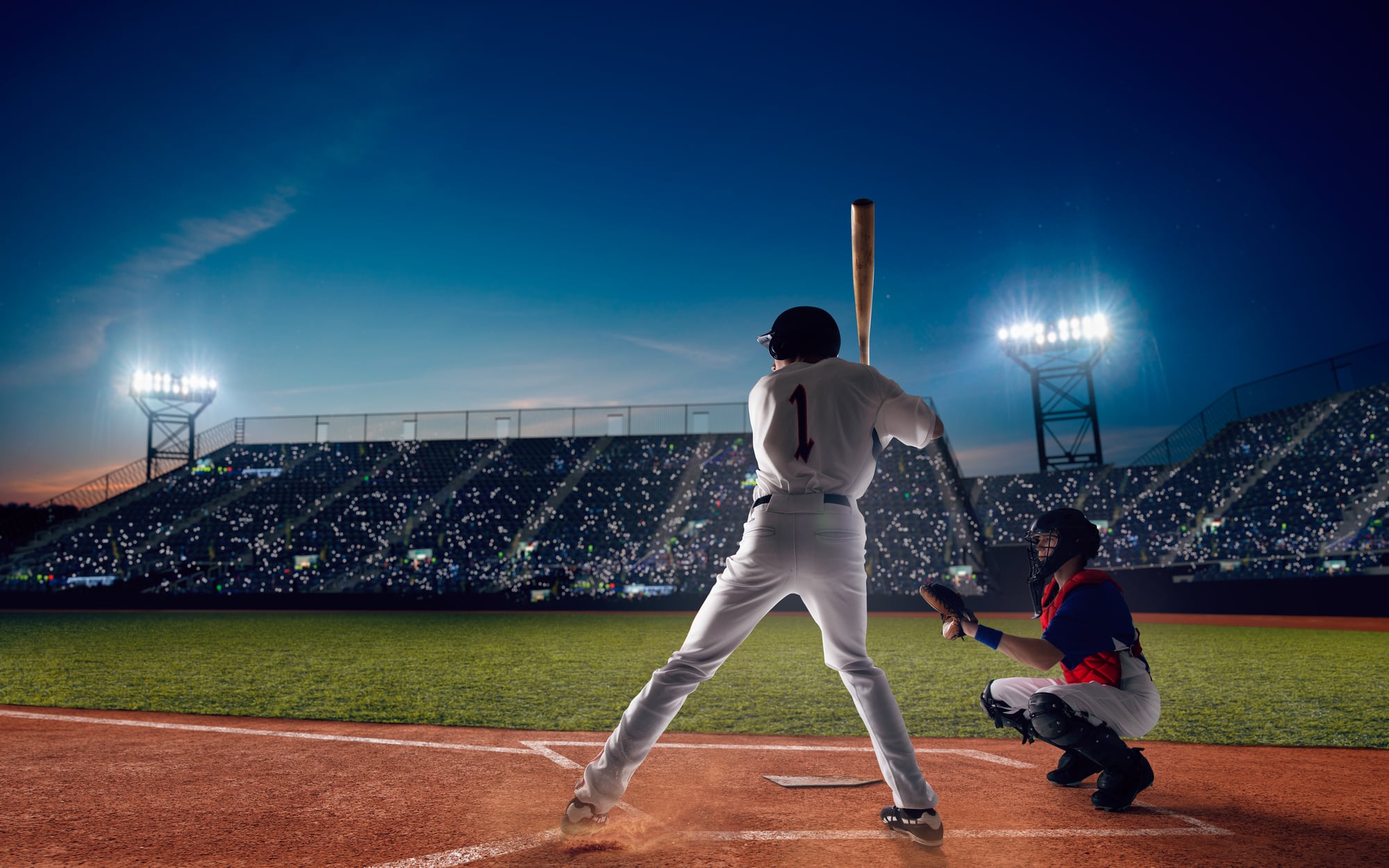
In a 1941 World Series game, Mickey Owen dropped a third strike that would have ended the game, allowing the batter to reach first base. While the rule itself wasn’t changed, MLB clarified the implementation so thoroughly afterward that the “dropped third strike” became one of baseball’s most recognizable technicalities.
The “No Fair Catch Kick” Rule
In 2008, Mason Crosby attempted a little-known “fair catch kick” for the Packers after a fair catch was called near the end of a half. The obscure rule allowing teams to attempt an uncontested field goal after a fair catch was subsequently restricted in college football, though it remains in the NFL rulebook.
Like Go2Tutors’s content? Follow us on MSN.
The Five-Second Violation Addition
In 1932, John Wooden’s Purdue basketball team held the ball without dribbling for nearly eight minutes while protecting a lead. The NCAA responded by implementing the five-second closely guarded violation, preventing offensive players from holding the ball while being actively defended.
The Double Forward Pass Ban

In early football, the Pittsburgh Steelers completed a forward pass, then lateraled the ball to another player who threw another forward pass for a touchdown. Officials allowed the play, but the NCAA and NFL immediately banned multiple forward passes on the same play, permitting only one forward throw per down.
The Shot Clock Introduction
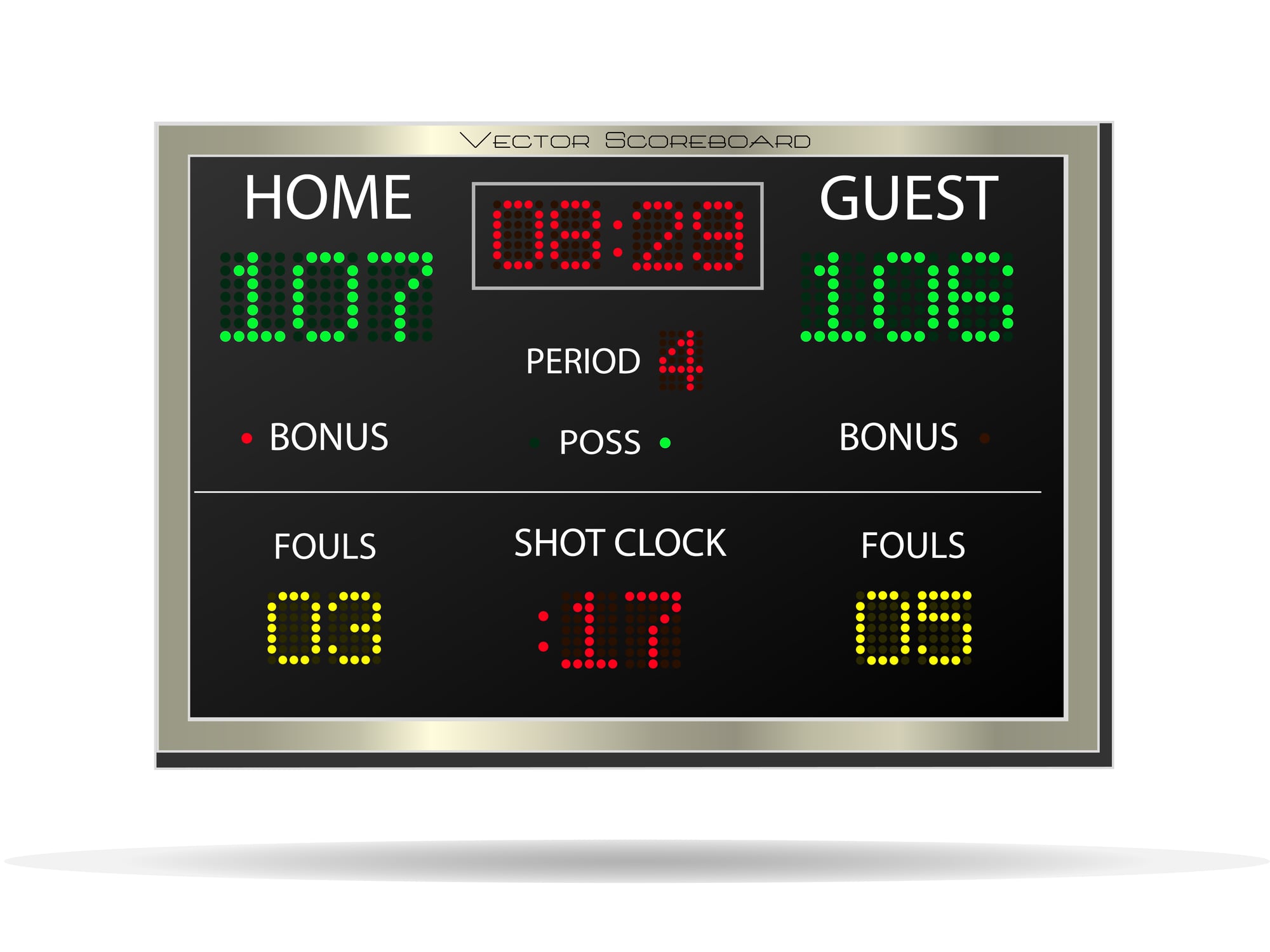
In 1950, the Fort Wayne Pistons defeated the Minneapolis Lakers 19-18 in the lowest-scoring NBA game ever. Both teams held the ball without shooting to maintain their advantages.
The NBA responded by introducing the 24-second shot clock in 1954, fundamentally changing basketball forever.
Like Go2Tutors’s content? Follow us on MSN.
The Legacy of Adaptation

These incidents demonstrate how sports continuously evolve through real-world application rather than theoretical planning. Each unusual moment leads to a thoughtful reconsideration of what makes competition fair and entertaining.
The greatest sports don’t remain static but instead adapt to preserve their integrity while embracing innovation.
What’s particularly fascinating about these rule changes isn’t just how quickly they were implemented, but how they’ve shaped the modern versions of these games that millions enjoy today. From basketball’s shot clock to football’s forward pass limitations, these pivotal moments transformed athletic contests from their original forms into the refined competitions we now recognize.
More from Go2Tutors!

- 18 Unexpectedly Valuable Collectibles You Might Have Lying Around
- 20 Little-Known Historical Battles That Had Huge Consequences
- 20 Historical Artifacts That Scientists Can’t Explain
- 15 Inventions That Were Immediately Banned After Being Created
- 20 Actors Who Were Almost Cast in Iconic Roles
Like Go2Tutors’s content? Follow us on MSN.