18 Cultural Traditions That Ended Due to Technology
Technology reshaped civilization in ways nobody anticipated. Traditions that anchored communities for generations simply vanished when machines arrived. Some faded slowly.
Others disappeared overnight. Progress demands sacrifice, though the cost isn’t always obvious until something precious has already slipped away.
Here’s a list of 18 cultural traditions that ended because technology changed everything.
Town Criers
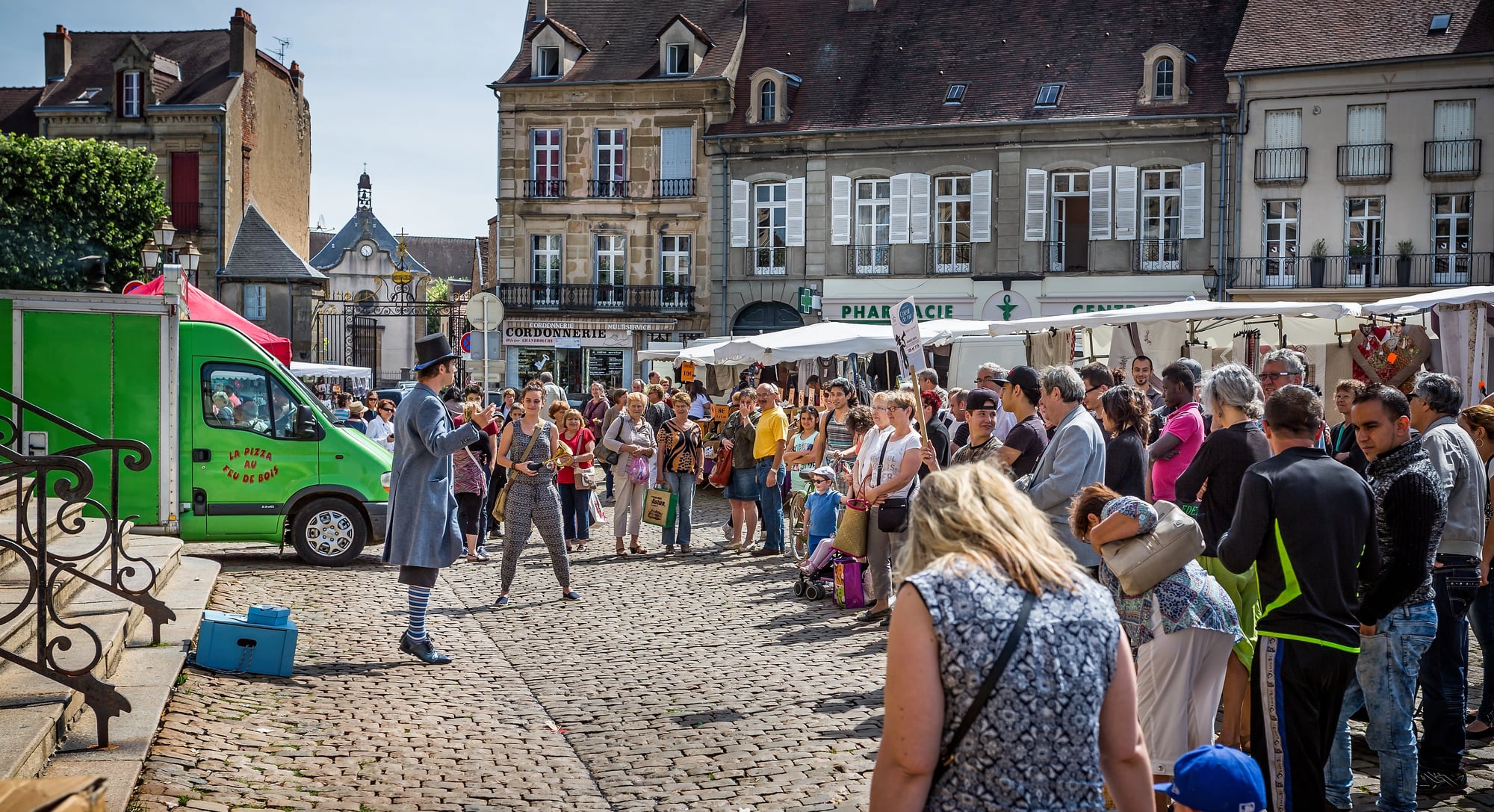
Town criers bellowed news through cobblestone streets before anyone dreamed of newspapers. These uniformed messengers rang brass bells—gathering crowds for proclamations about taxes, births, deaths, and local gossip.
Their booming voices carried information faster than horses could travel between villages. Printing presses killed the profession within decades, though tourists still enjoy ceremonial criers in heritage districts.
Letter Writing Culture

People once crafted letters like sculptures. Every word mattered—penmanship revealed character while proper paper showed respect. Families treasured correspondence in wooden boxes, rereading love letters until the ink faded. Email destroyed this ritual completely.
Modern messages get deleted without a second thought, replacing deliberate artistry with throwaway convenience.
Lamplighter Profession

Lamplighters climbed wooden ladders each dusk, igniting gas flames that pushed back darkness from city streets. Dawn meant another climb to snuff out every flame before daylight made them unnecessary.
These workers knew their routes intimately—timing perfect to keep communities safe after sunset. Edison’s electric bulbs eliminated thousands of jobs instantly, though London maintains a few for show.
Ice Harvesting

Winter transformed frozen lakes into open-air factories where entire communities harvested ice blocks using specialized saws and tongs. Horses pulled sledges loaded with crystal-clear chunks toward insulated warehouses that kept food fresh through blazing summers.
This backbreaking work bonded neighbors through shared purpose. Refrigeration motors ended the tradition abruptly, making ice houses obsolete ruins.
Traveling Tinkers

Nomadic craftsmen wandered between settlements—portable forges strapped to their backs while they repaired anything metal. Rural families waited months for tinkers to arrive, saving broken pots and bent tools for expert restoration.
These wanderers brought news from distant places alongside their metalworking skills. Factory production made repairs pointless when replacement items cost less than fixing old ones.
Milk Delivery Routes
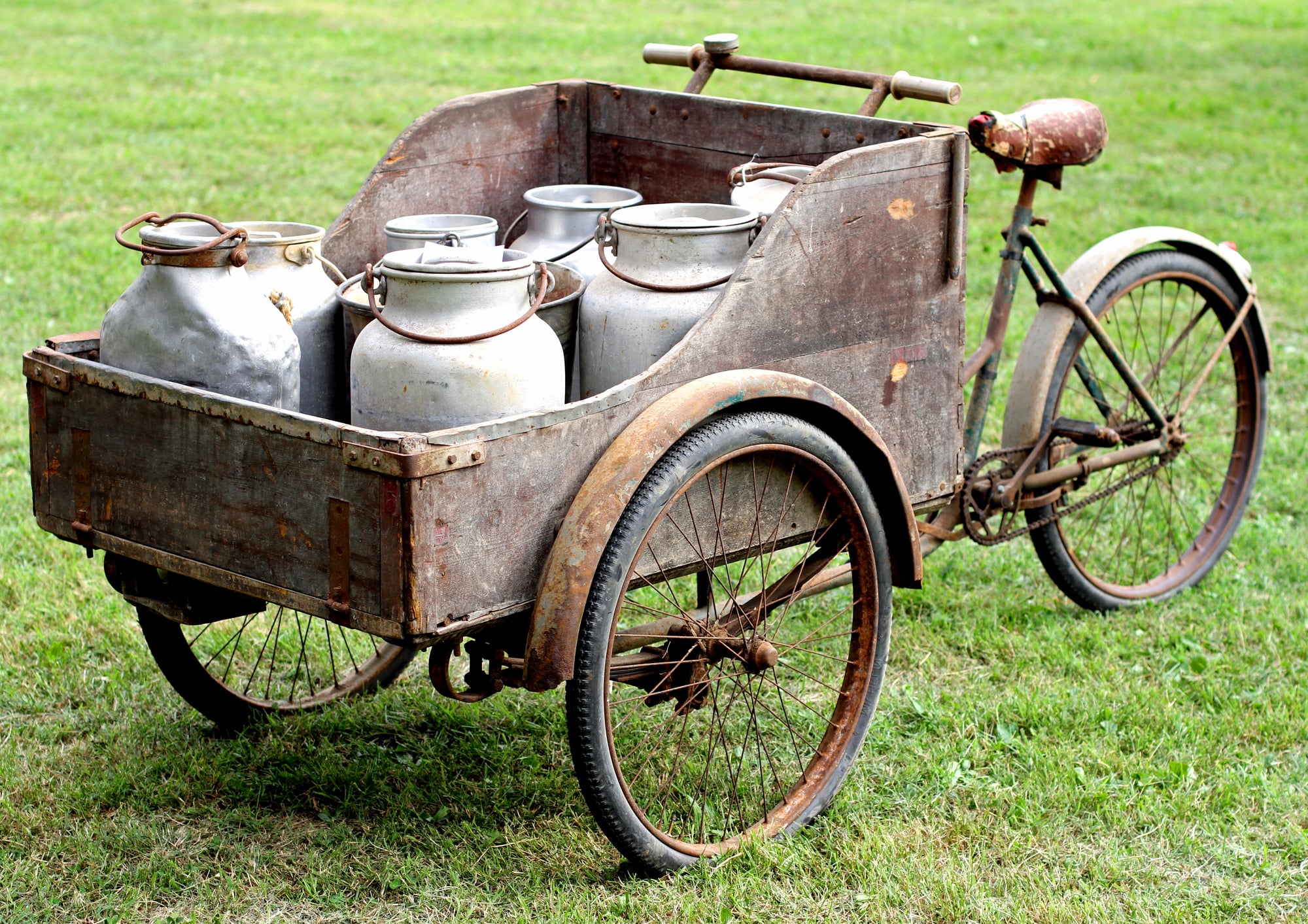
Horses knew the routes better than their drivers. Glass bottles clinked in metal carriers while milkmen navigated pre-dawn streets, leaving fresh dairy on doorsteps before families woke.
Customers trusted these reliable men completely—payments left under empty bottles, special requests scrawled on paper notes. Supermarkets destroyed this personal service by offering convenience and variety that neighborhood dairies couldn’t match.
Telegraph Operators
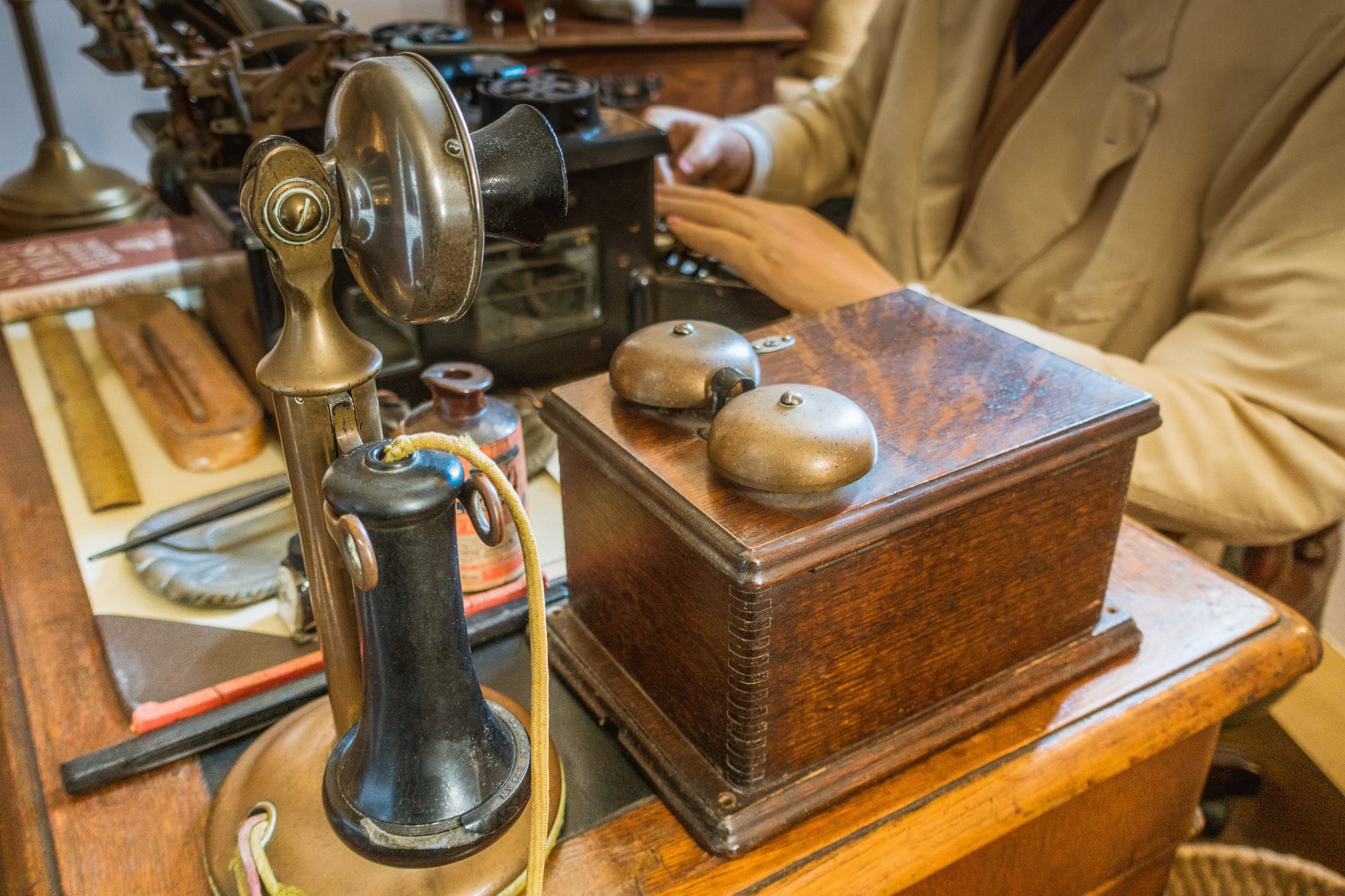
Morse code operators possessed almost magical abilities—transforming electrical pulses into meaningful messages that crossed continents in minutes rather than months. Their trained ears decoded rapid-fire clicks while fingers tapped responses faster than people could speak.
Relay stations buzzed with urgent communications about everything from stock prices to family emergencies. Alexander Graham Bell’s telephone made clicking obsolete practically overnight.
Switchboard Operators

Women with incredible memories manually connected telephone calls by plugging cables into boards covered with hundreds of holes. They recognized voices instantly—”Hello, Mrs. Patterson, connecting you to the pharmacy now.”
These human routers managed entire communication networks while gossiping between calls about neighborhood happenings. Automatic switching eliminated thousands of jobs when machines learned to route calls without human intervention.
Village Blacksmiths
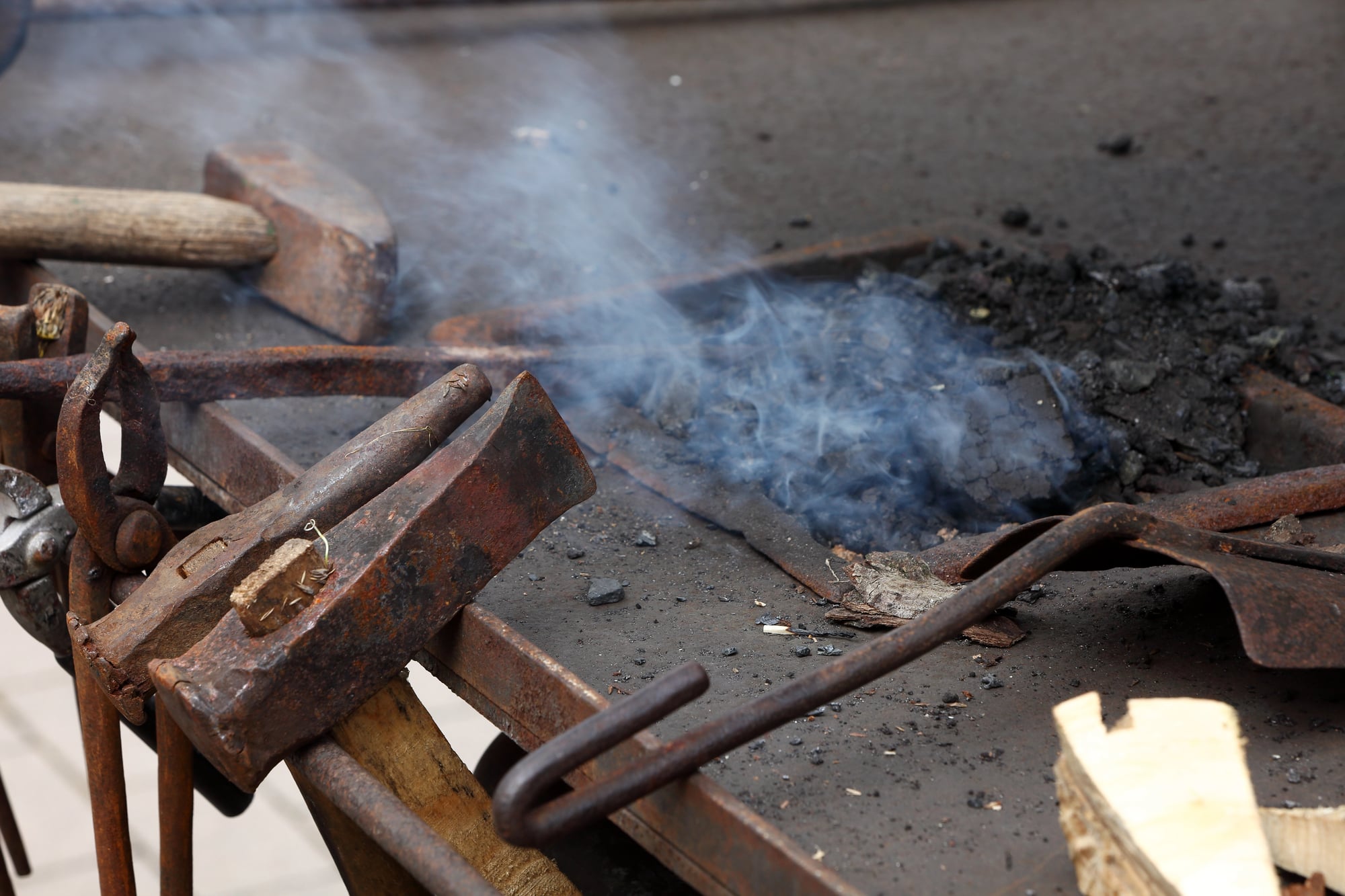
Every settlement had its blacksmith—the person who solved problems that nobody else could handle. Glowing forges heated iron until it became malleable, then strong arms shaped tools, horseshoes, and anything else the community needed.
Children gathered to watch sparks fly while learning lessons about craftsmanship and persistence. Mass production made custom metalwork economically impossible for ordinary people.
Newspaper Boys
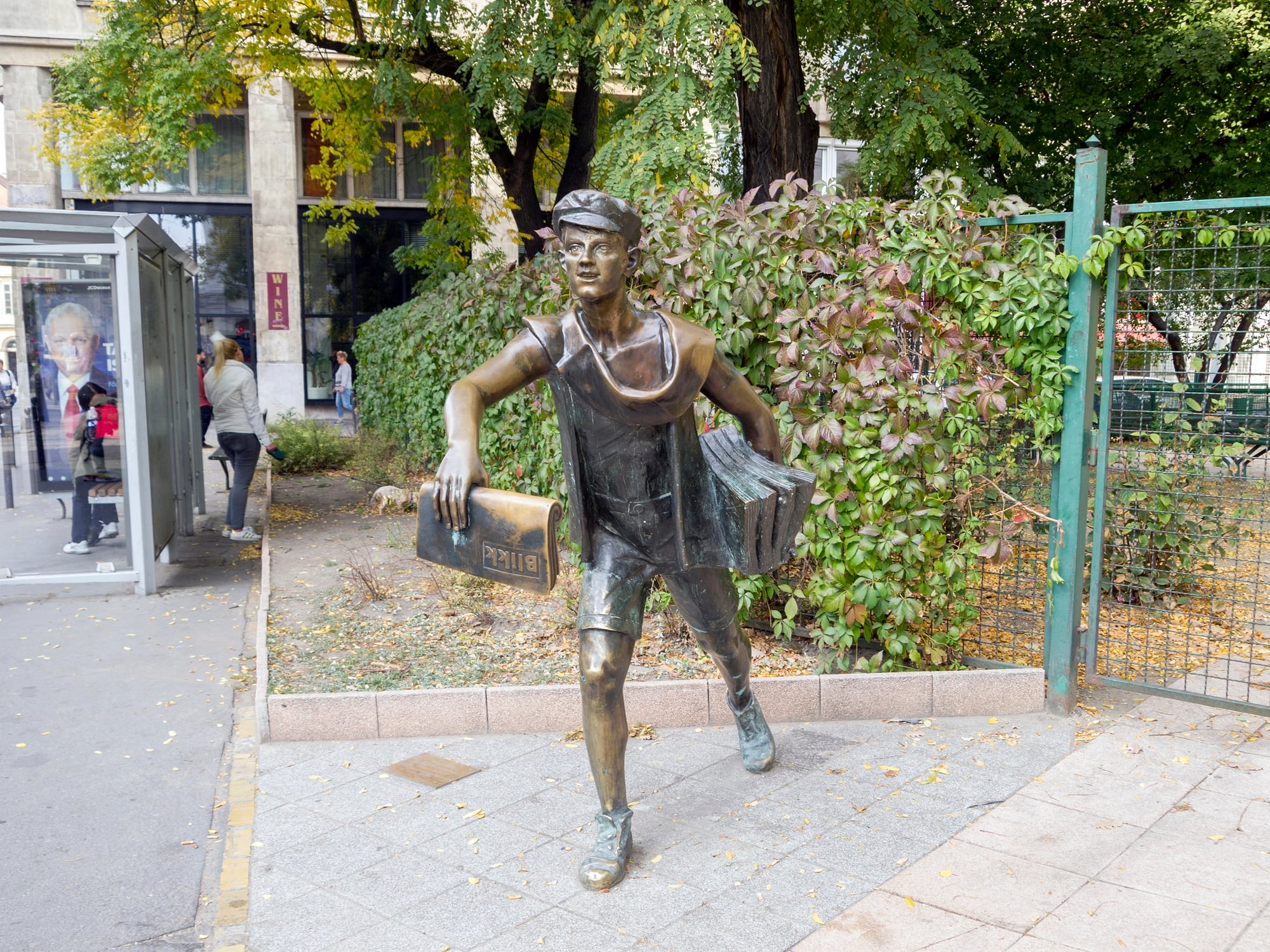
Kids on bicycles delivered more than just newspapers—they brought responsibility, pocket money, and connection to their neighborhoods. Dawn routes taught punctuality while collection days developed social skills that served them throughout life.
These young entrepreneurs knew every customer personally, remembering vacation schedules and payment preferences. Digital news consumption eliminated this childhood rite of passage entirely.
Storytelling Traditions

Master storytellers commanded audiences without props or scripts. Memory alone preserved epic tales, moral lessons, and historical accounts that communities treasured more than gold.
Listeners participated actively—gasping at plot twists, laughing at clever jokes, and learning values through entertaining narratives. Radio broadcasters replaced live performers, transforming active participation into passive consumption that required no imagination from audiences.
Manual Film Processing

Darkrooms smelled of chemicals and possibility. Photographers spent hours developing images through precise timing, temperature control, and almost alchemical processes that transformed blank paper into captured memories.
Red lights created mysterious atmospheres while anticipation built toward that magical moment when images appeared in developer baths. Digital cameras eliminated this entire ritual, making photography instant but somehow less meaningful.
Handwritten Recipe Collections

Grandmother’s recipe box contained more than ingredients—it held family history written in fading ink across index cards stained with decades of cooking adventures. Handwritten notes revealed personality through penmanship while margin comments told stories about failed attempts and triumphant successes.
Internet searches replaced these personal collections, trading intimate family knowledge for anonymous online databases.
Village Water Carriers
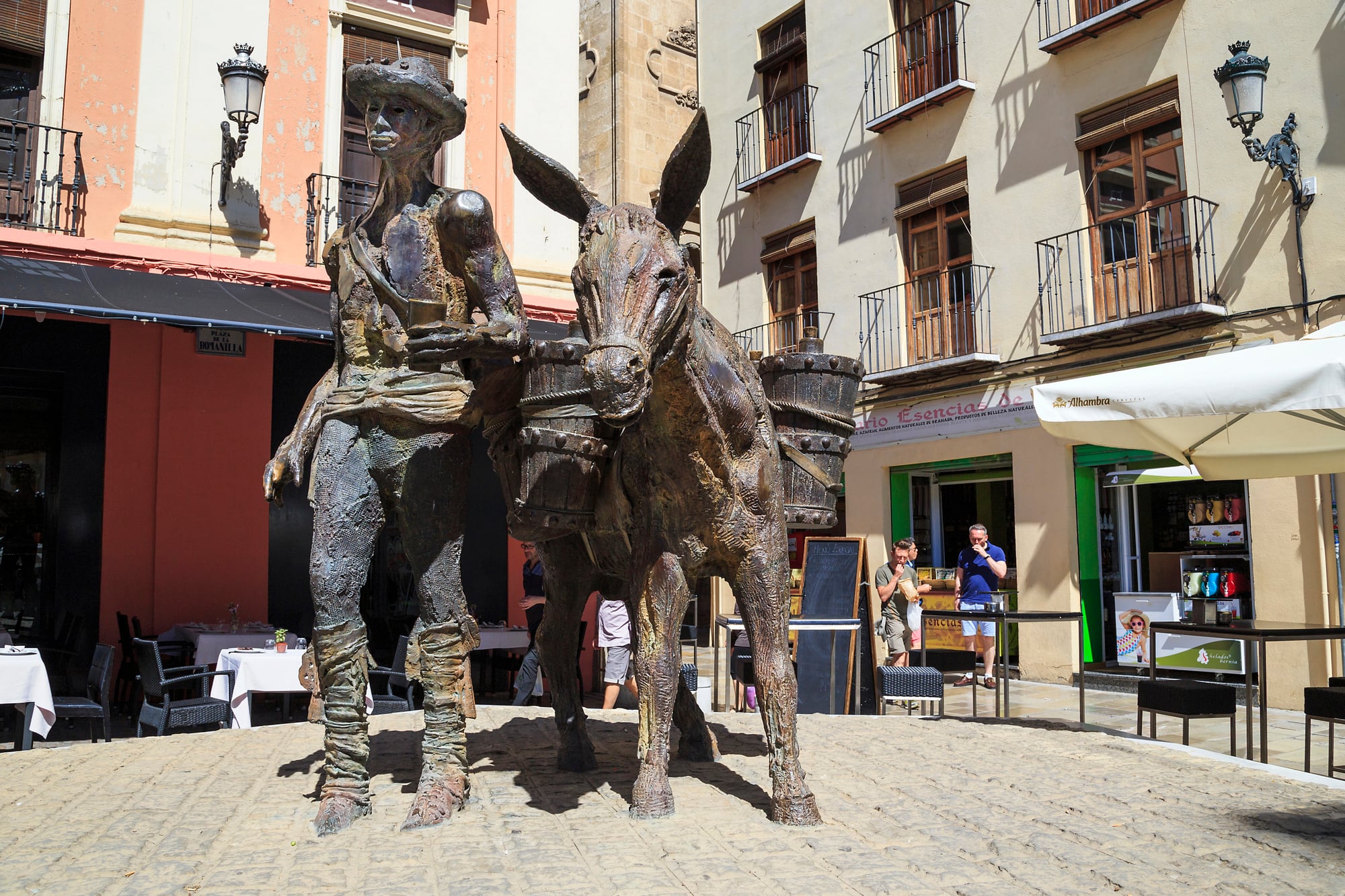
Professional water carriers possessed intimate knowledge of every clean spring, well, and stream within walking distance of their communities. Strong backs carried buckets or guided donkeys loaded with ceramic jugs toward homes where families waited for fresh supplies.
These essential workers understood seasonal variations in water quality while maintaining relationships with every household they served. Piped municipal systems eliminated this ancient profession completely.
Seasonal Fruit Preservation

Summer kitchens became bustling factories when fruit ripened. Families worked together canning peaches, drying apples, and preserving everything possible before winter arrived with its inevitable hunger.
Grandmothers taught techniques passed down through generations while children learned patience and planning through repetitive tasks. Modern grocery stores stock fresh produce year-round, making intensive preservation unnecessary for most families.
Traditional Matchmaking

Professional matchmakers possessed encyclopedic knowledge about every eligible person within traveling distance. They understood family backgrounds, financial situations, personality traits, and compatibility factors that determined successful marriages.
These intermediaries negotiated delicate social arrangements while facilitating meetings between nervous potential partners. Dating apps replaced human matchmakers with algorithms that can’t assess character or family dynamics.
Community Barn Raising

Entire neighborhoods gathered for barn-raising events that combined serious construction work with celebration and mutual support. Men wielded hammers while women prepared enormous feasts, children played games, and elderly folks shared wisdom with younger generations.
These gatherings strengthened social bonds while accomplishing projects that individual families couldn’t manage alone. Professional contractors replaced community cooperation with efficient but impersonal commercial services.
Handmade Textile Production

Home looms clicked rhythmically as families transformed raw materials into clothing, blankets, and household linens through processes that required months of patient work. Spinning wheels turned fiber into thread while skilled hands guided shuttles through increasingly complex patterns.
Each finished piece reflected personal style and family traditions that couldn’t be purchased anywhere else. Industrial mills produced cheaper textiles faster than human hands could work.
What Vanishes When Efficiency Wins

These lost traditions shared common elements that modern life struggles to replace. They connected people to their communities, taught valuable skills through hands-on experience, and created social bonds that strengthened entire societies.
Efficiency gained everything. Connection was lost more than anyone realized at the time. Current technologies will probably join this list sooner than expected.
Self-driving cars might eliminate taxi drivers while artificial intelligence could replace teachers, doctors, and countless other professions that seem permanent today. The question isn’t whether change will continue—it’s what we’ll choose to preserve when the next wave of innovation arrives.
More from Go2Tutors!

- The Romanov Crown Jewels and Their Tragic Fate
- 13 Historical Mysteries That Science Still Can’t Solve
- Famous Hoaxes That Fooled the World for Years
- 15 Child Stars with Tragic Adult Lives
- 16 Famous Jewelry Pieces in History
Like Go2Tutors’s content? Follow us on MSN.