15 Astronauts Who Broke Rules and Made History
Space agencies love protocols, procedures, and carefully scripted missions where every moment is planned down to the second. But some of the most memorable moments in space exploration happened when astronauts decided to ignore the rulebook and follow their instincts instead. These rule-breaking space travelers turned routine missions into historic achievements that captured the world’s imagination.
Sometimes the most human moments in the vast emptiness of space come from astronauts who dared to be spontaneous, creative, or just plain rebellious. Here is a list of 15 astronauts who broke rules and made history.
Neil Armstrong
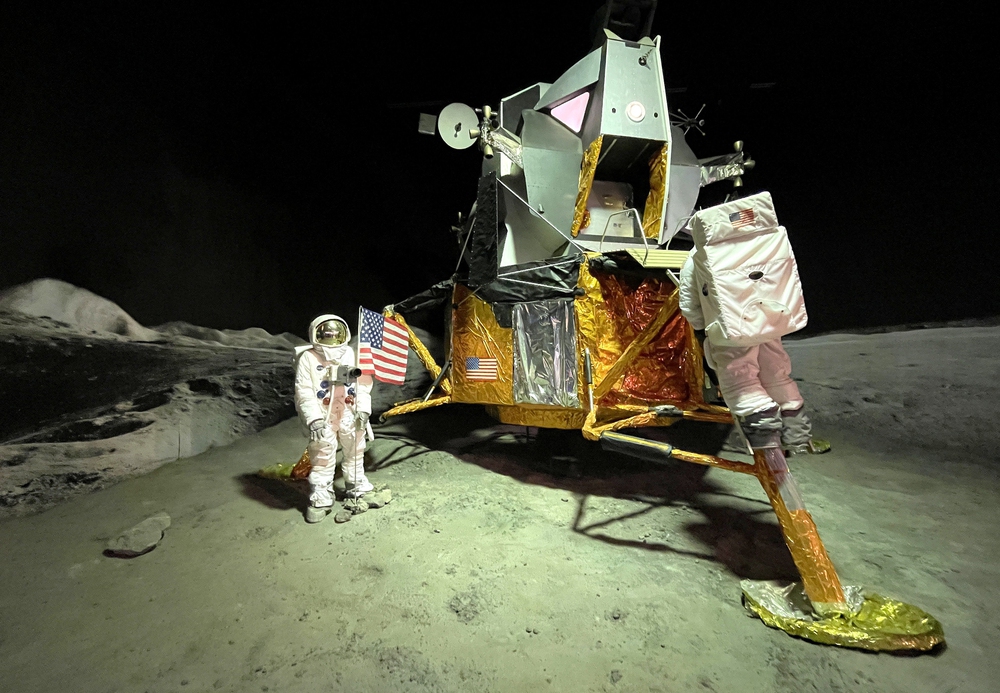
Armstrong famously took manual control of the lunar module during Apollo 11’s descent, burning precious fuel to avoid a boulder field that mission control hadn’t anticipated. NASA’s carefully calculated landing plan would have crashed the Eagle into rocks, but Armstrong’s split-second decision to override the computer saved the mission.
His rule-breaking piloting skills ensured humanity’s first moon landing succeeded instead of ending in disaster.
Gherman Titov
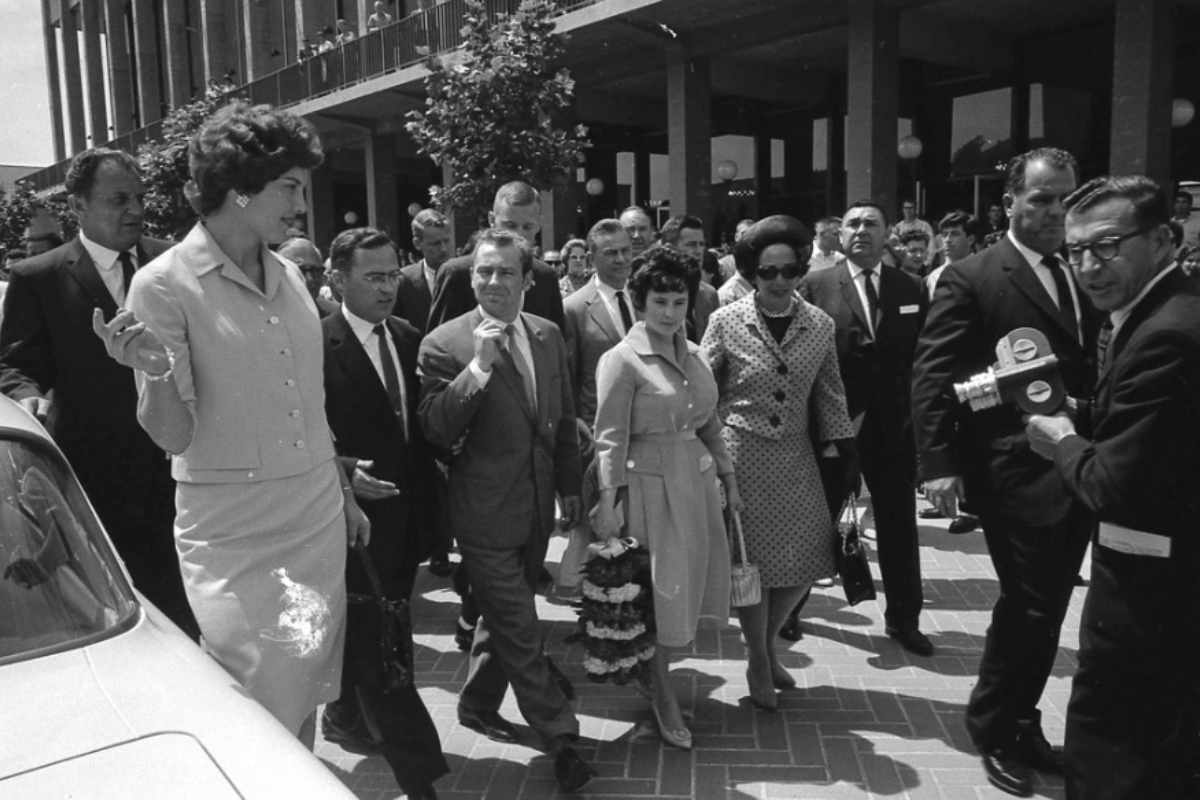
Titov, the second human in space, violated Soviet protocol by reporting motion sickness during his 1961 flight aboard Vostok 2. At the time, admitting physical weakness in the Soviet space program was strongly discouraged—it was considered a political embarrassment.
But Titov’s honesty led to better training and medical screening protocols for future missions. His unsanctioned report helped humanize cosmonauts and advance aerospace medicine.
John Young
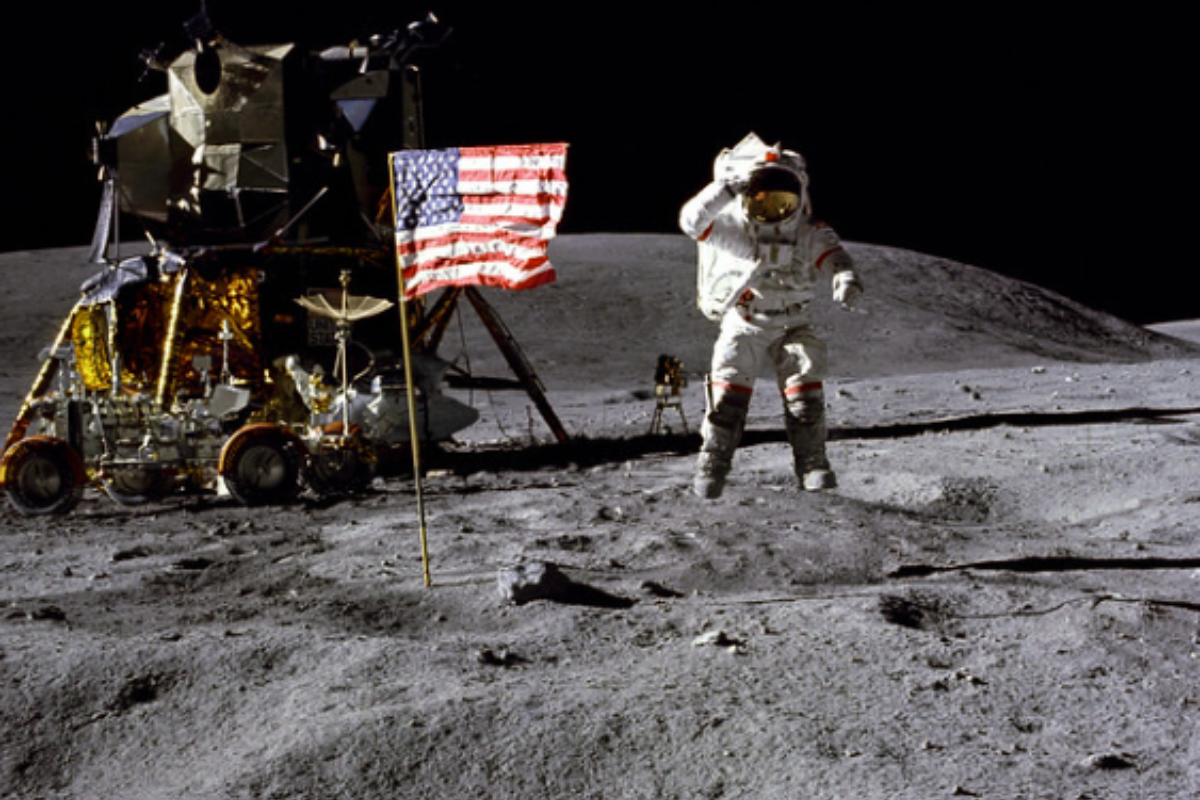
Young smuggled a corned beef sandwich aboard Gemini 3 in 1965, sharing it with crewmate Gus Grissom despite strict rules about unapproved food in space. The sandwich created crumbs that could have damaged equipment or been inhaled by the crew, leading to a Congressional hearing about food safety.
His simple act of rebellion became legendary among astronauts and showed the human side of space exploration.
Pete Conrad
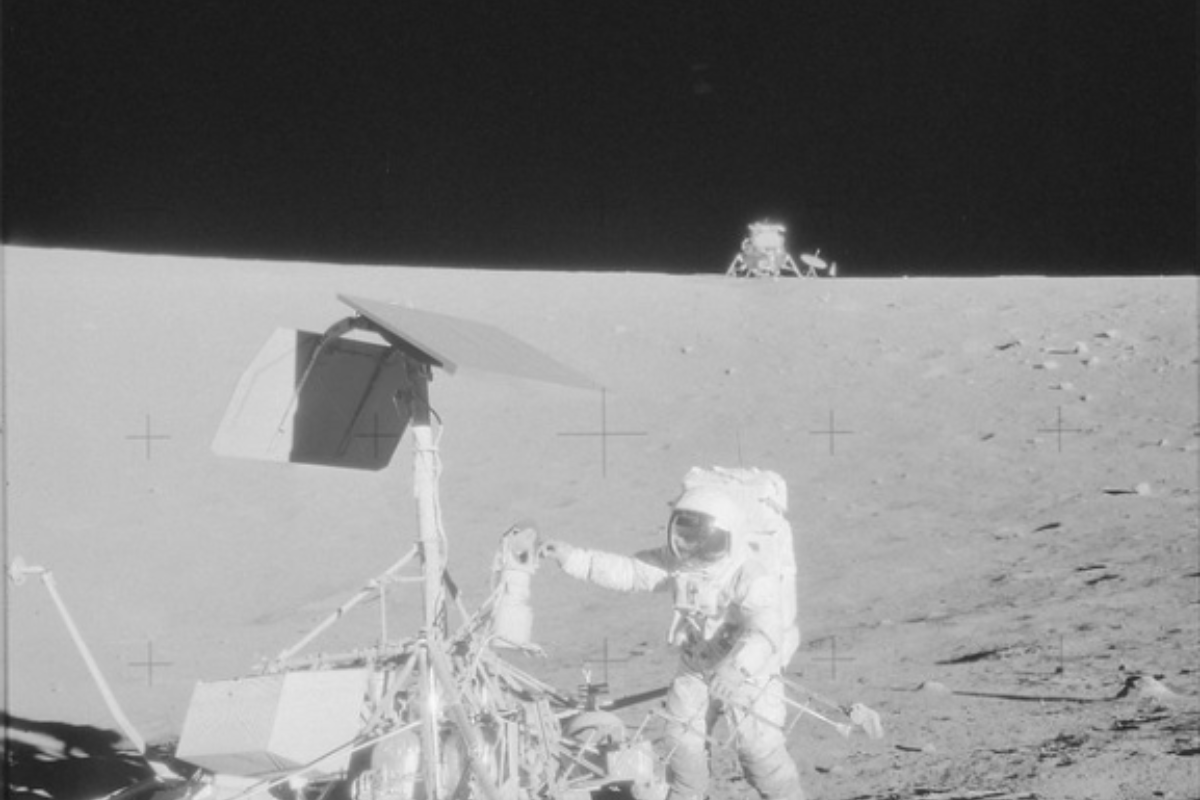
The Apollo 12 commander proved that astronauts were human by uttering ‘Whoopie! Man, that may have been a small one for Neil, but that’s a long one for me!’ when he stepped onto the moon. His spontaneous, irreverent comment contrasted sharply with Armstrong’s carefully prepared words and won him a $500 bet with a reporter.
Conrad’s casual attitude brought humor and personality to the serious business of lunar exploration.
Eugene Cernan
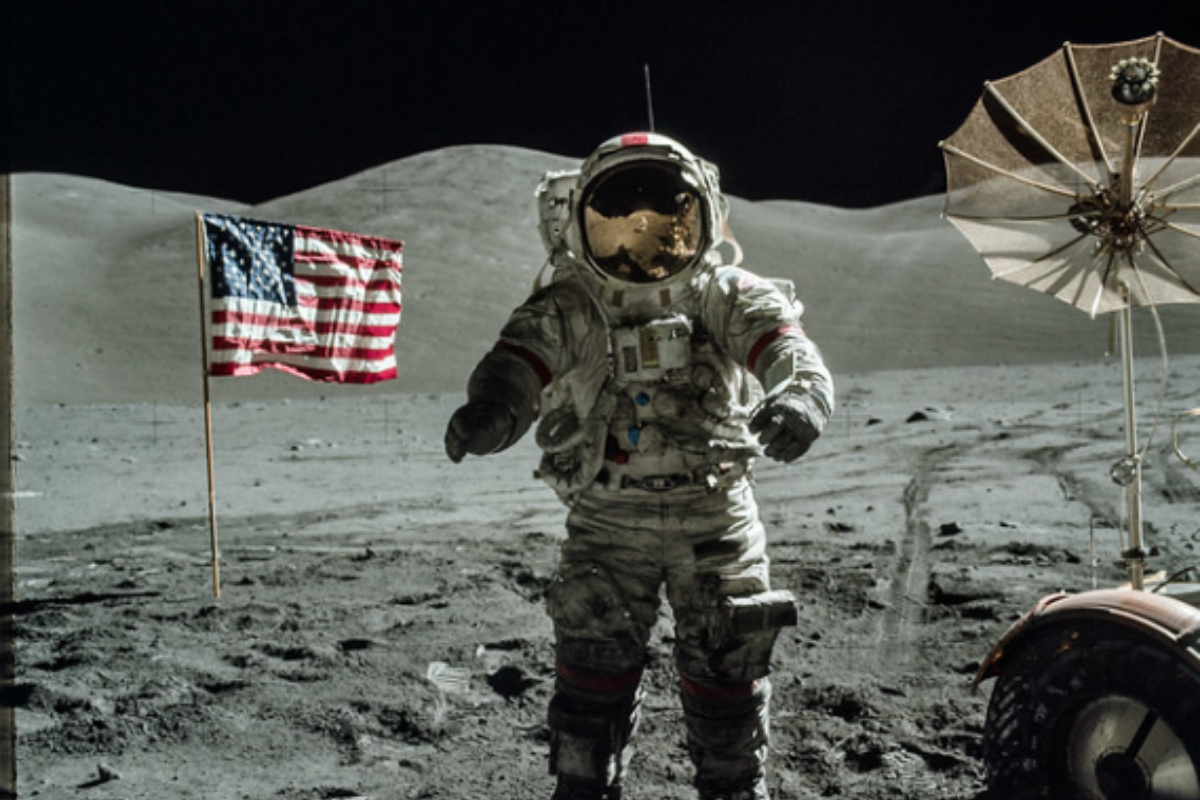
During Apollo 17, Cernan wrote his daughter’s initials ‘TDC’ in the lunar dust, creating a personal message that will remain on the moon’s surface for millions of years. NASA hadn’t authorized any personal inscriptions, but Cernan’s fatherly gesture added emotional depth to the scientific mission.
His spontaneous act of love became one of the most touching moments in space exploration.
Chris Hadfield
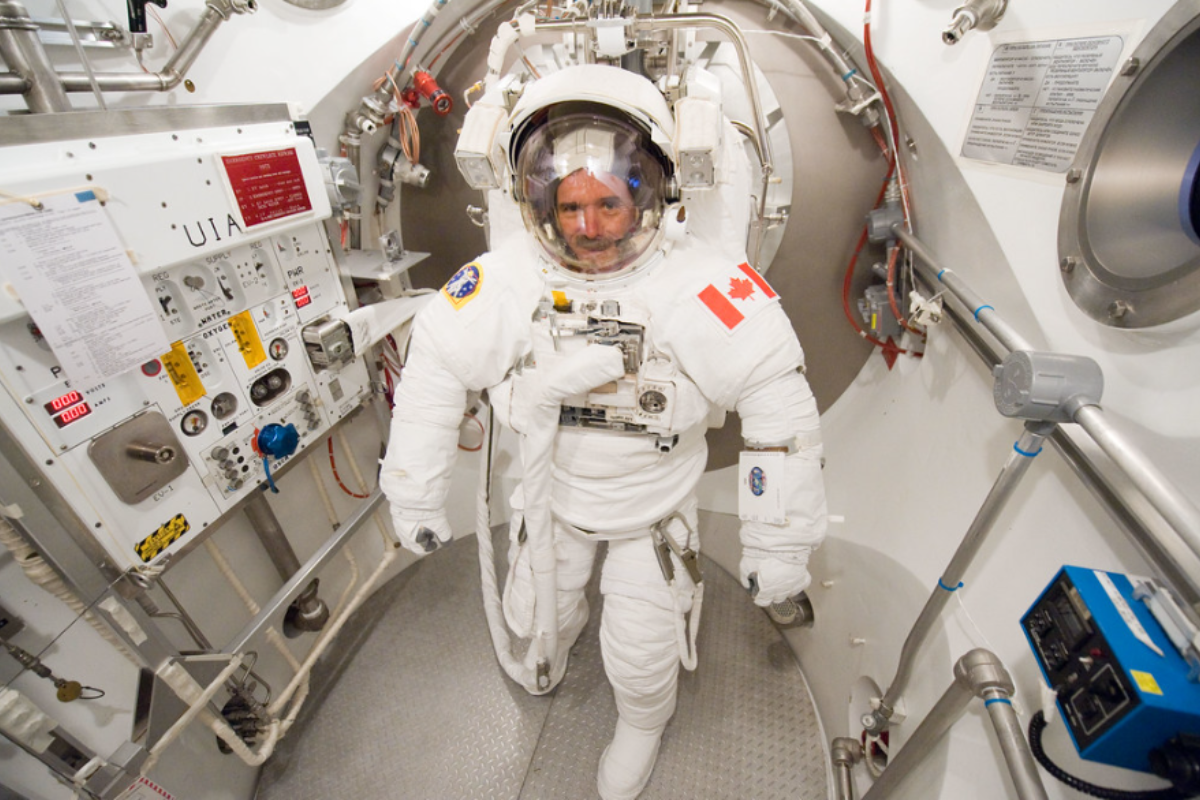
The Canadian astronaut became an internet sensation by posting unauthorized videos of himself singing David Bowie’s ‘Space Oddity’ aboard the International Space Station in 2013. NASA typically controlled all astronaut communications, but Hadfield’s creative social media presence brought space exploration to millions of people worldwide.
His musical rule-breaking helped renew public interest in space missions during a time when many people had lost interest.
Luca Parmitano
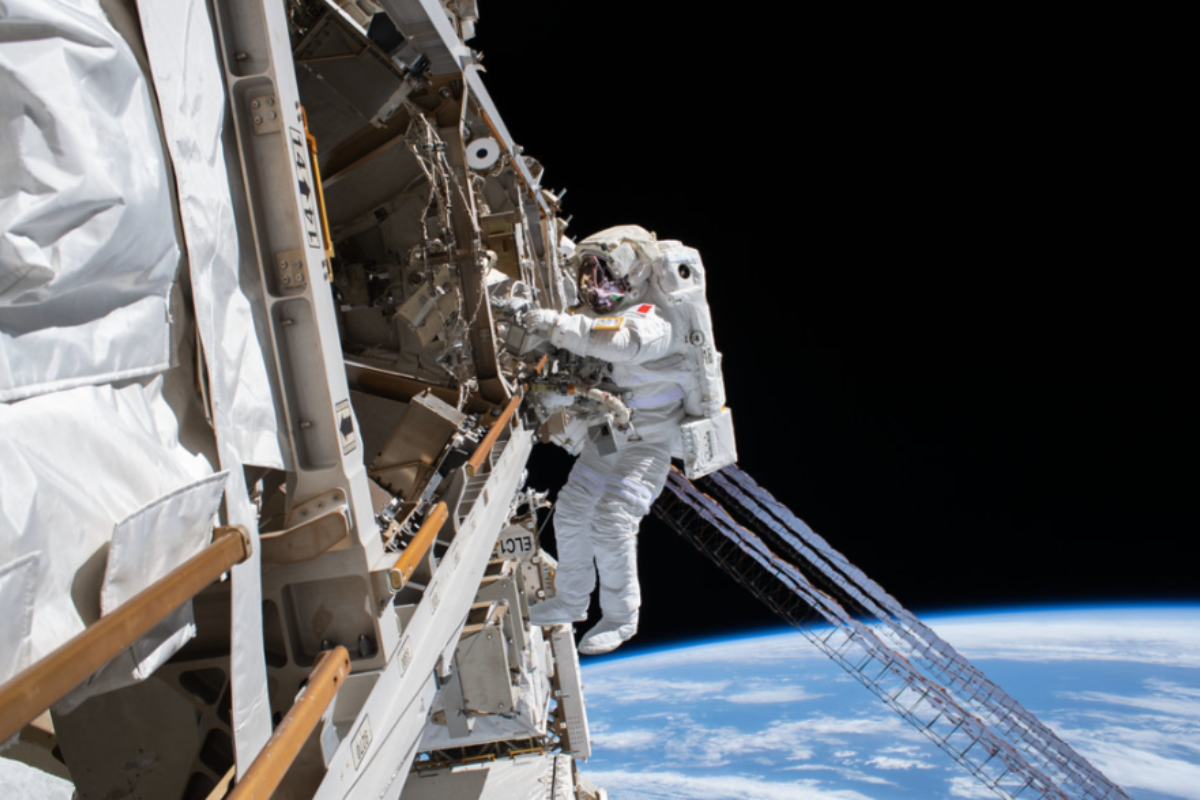
During a 2013 EVA (spacewalk), Parmitano’s helmet began filling with water, a life-threatening malfunction. He cut the EVA short without waiting for full approval from mission control—a serious deviation from procedure.
His fast decision to abort and return likely saved his life and led NASA to overhaul safety protocols for future EVAs. Breaking protocol became essential to survival.
Wally Schirra
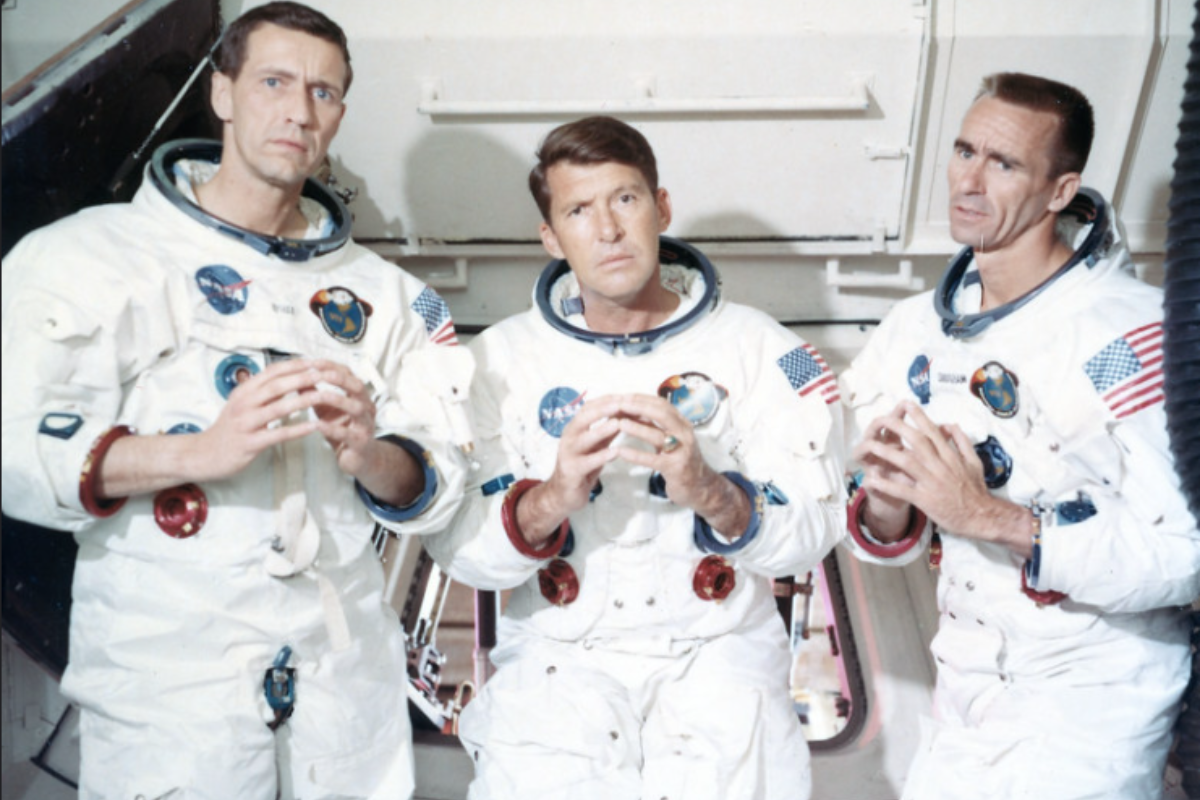
Schirra ignored mission control’s direct orders during Apollo 7 in 1968, refusing to wear helmets during re-entry because the crew had severe head colds. Flight directors were furious, but Schirra argued that helmets would prevent them from equalizing ear pressure safely.
His medical mutiny probably saved the crew from burst eardrums, proving that sometimes astronauts know better than ground control.
Sunita Williams
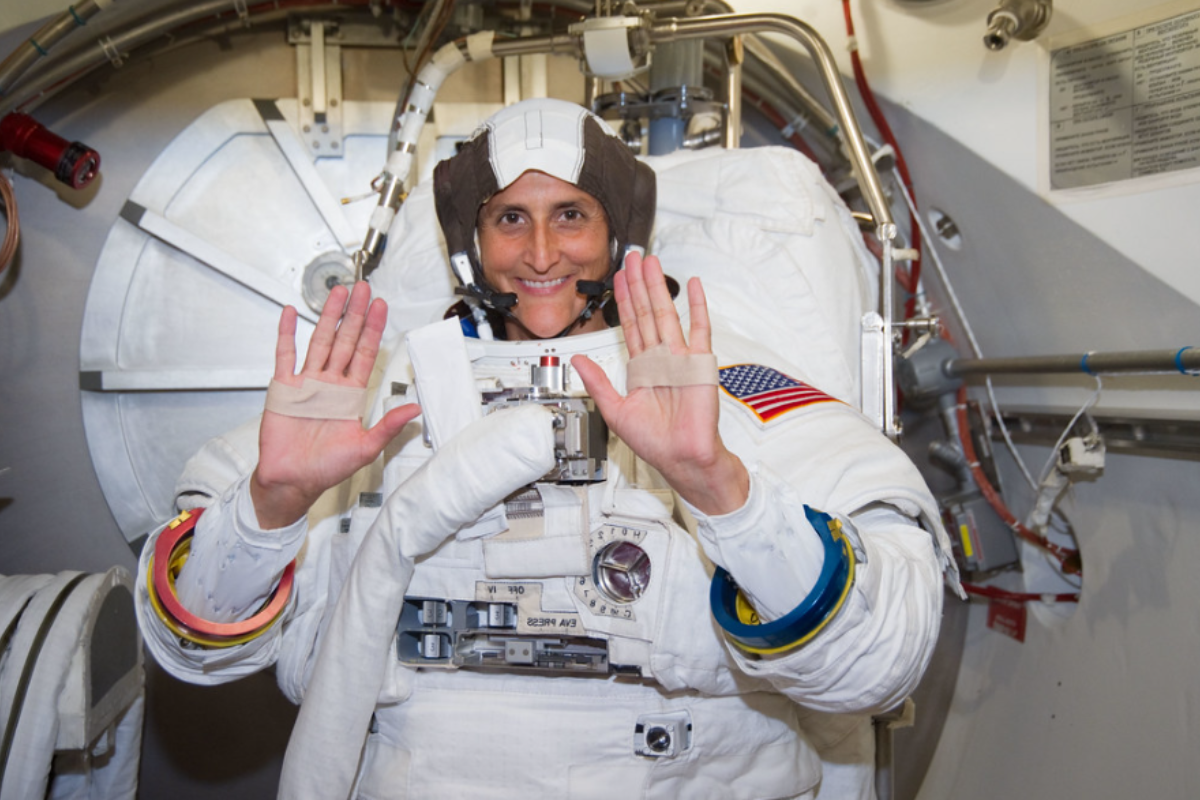
During her record-setting missions aboard the ISS, Williams ran the Boston Marathon in space—without prior NASA approval for the activity’s duration or its potential strain. She used a specially rigged treadmill and ran while orbiting Earth, coordinating virtually with the race.
While technically safe, it wasn’t part of her planned schedule. Her act inspired countless Earth-bound runners and showed that space missions didn’t have to be purely technical.
Buzz Aldrin
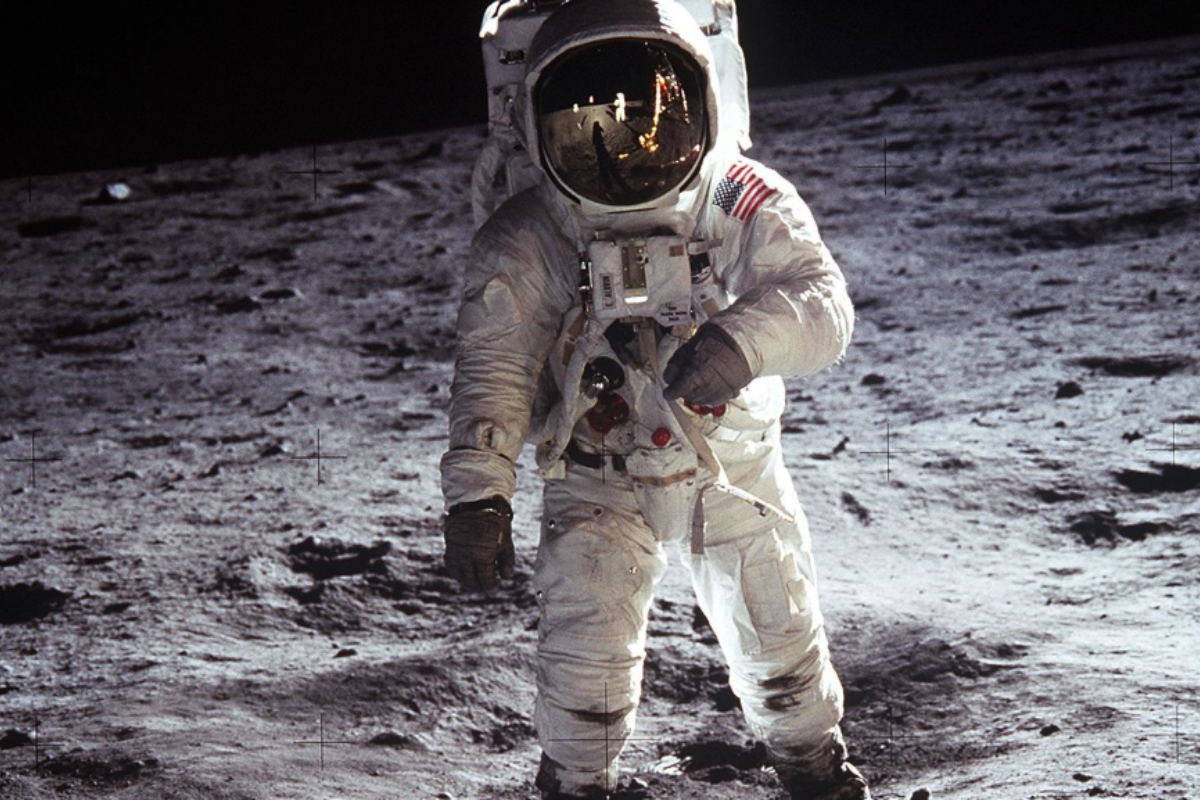
Aldrin took communion on the lunar surface during Apollo 11, bringing bread and wine to the moon for a private religious ceremony that NASA had discouraged. The space agency wanted to avoid religious controversy after Apollo 8’s biblical reading, but Aldrin felt compelled to mark the moment spiritually.
His quiet act of faith added profound personal meaning to humanity’s greatest achievement.
Jim Lovell
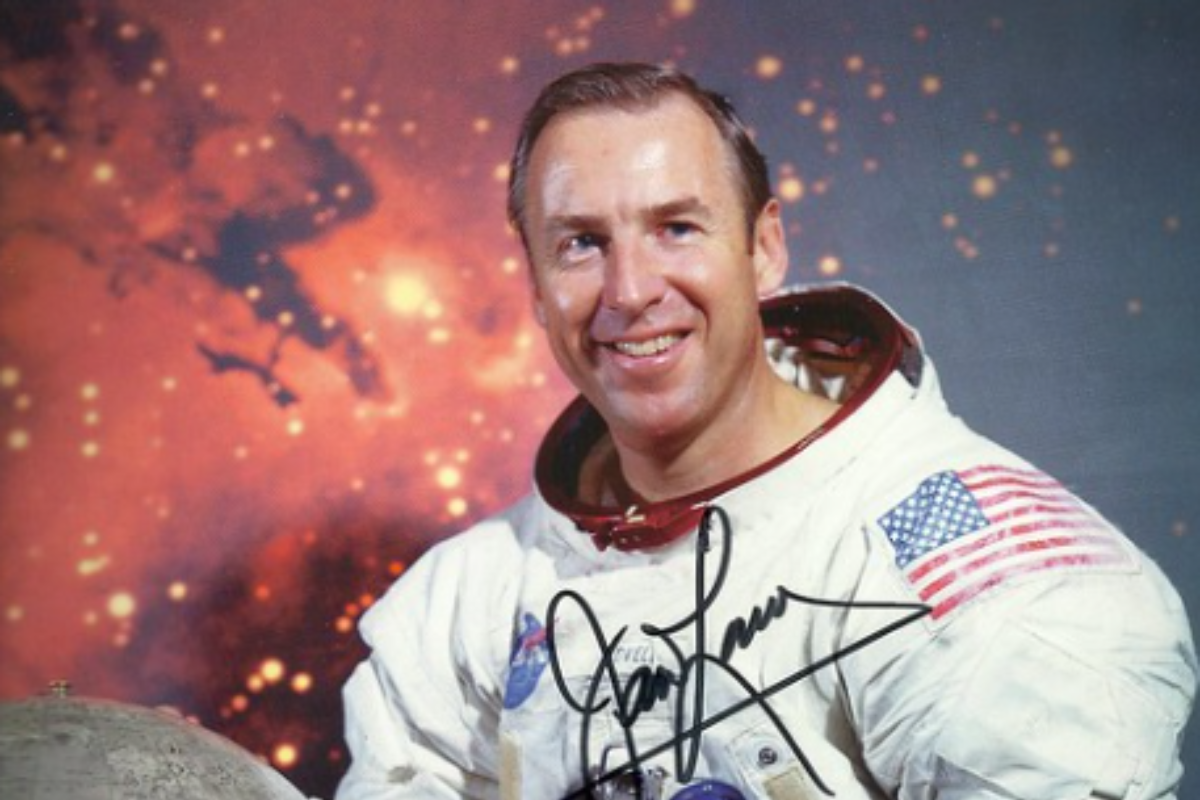
During Apollo 13’s crisis, Lovell improvised navigation techniques that weren’t in any manual, using Earth’s terminator line to align the spacecraft when normal navigation systems failed. Mission control had procedures for many emergencies, but not for the multiple system failures that plagued Apollo 13.
His creative problem-solving and willingness to ignore standard procedures helped bring the crew home safely.
Mae Jemison
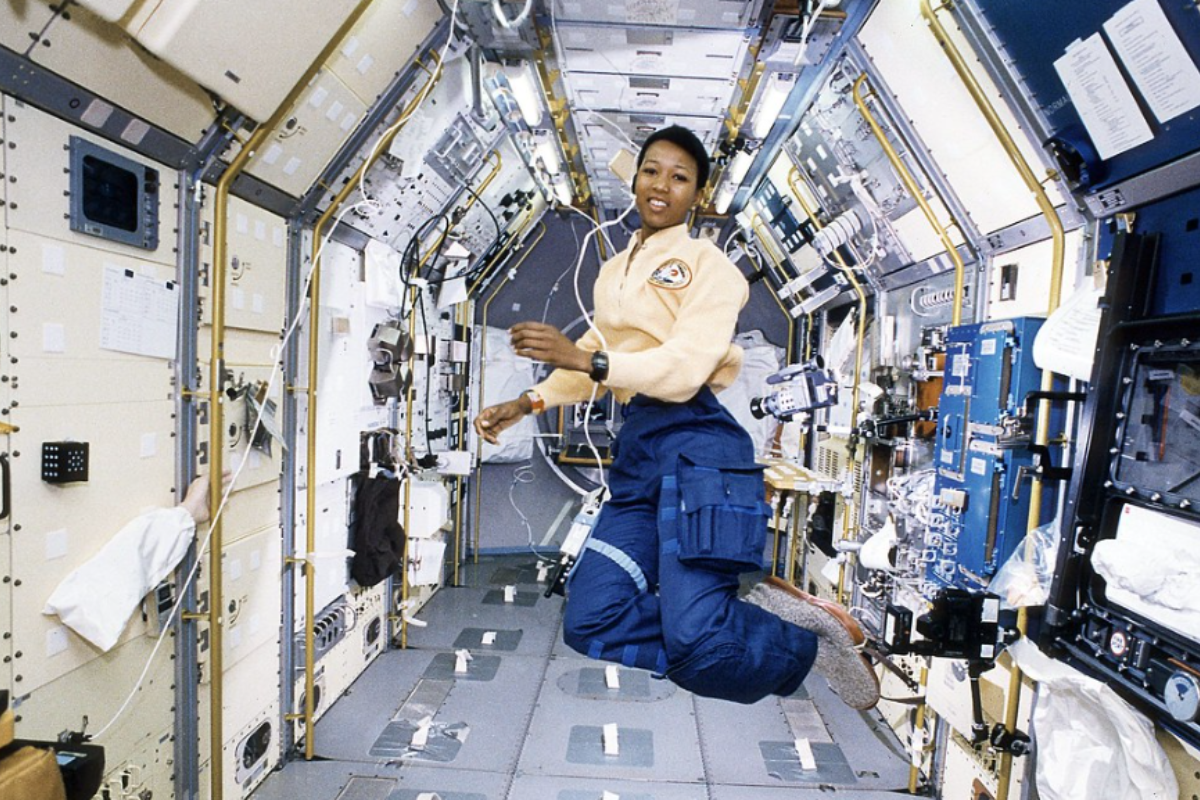
Jemison brought unauthorized personal items to space during STS-47 in 1992, including a poster of dancer Alvin Ailey and African art objects to celebrate her heritage. NASA had strict limitations on personal items, but Jemison wanted to represent her culture and inspire young people who looked like her.
Her rule-breaking representation helped make space exploration more inclusive and diverse.
Sergei Krikalev
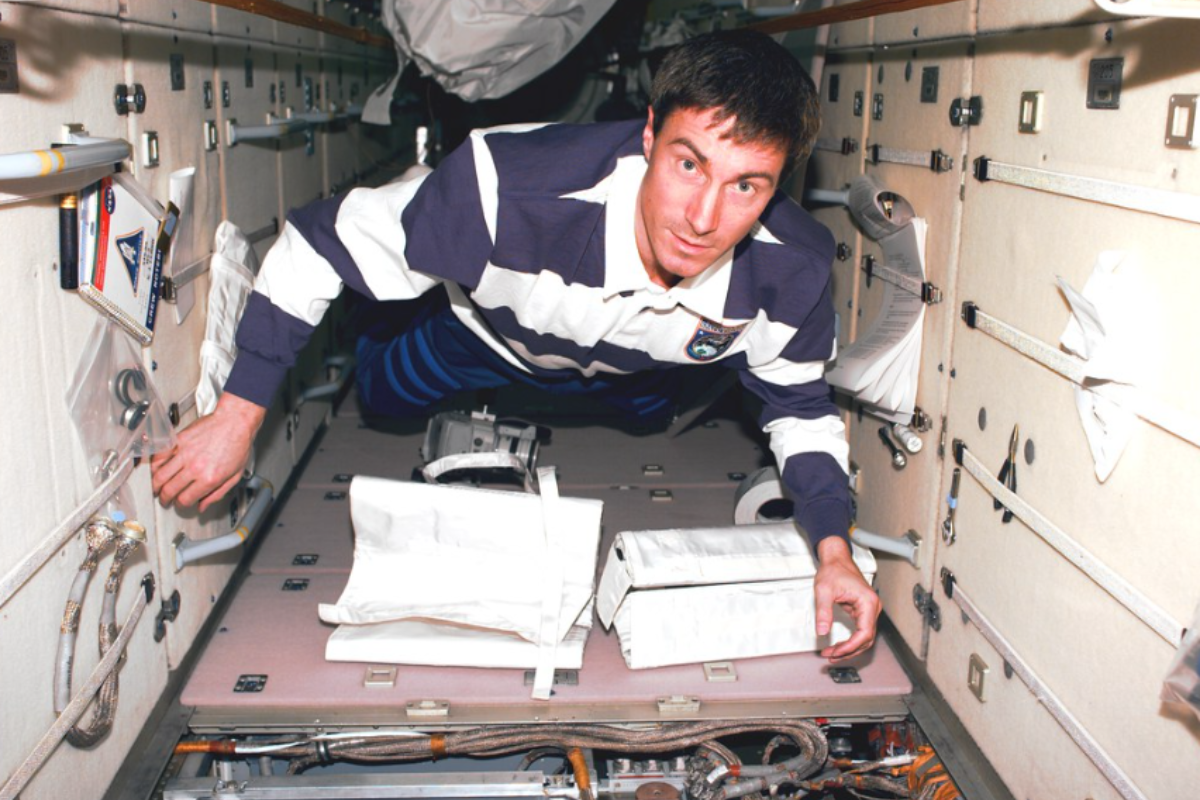
The Soviet cosmonaut improvised repairs during multiple space station missions, often using tools and techniques that weren’t approved by ground control. When official repair procedures failed, Krikalev created solutions using available materials and his engineering intuition.
His unauthorized maintenance work kept space stations operational far beyond their planned lifespans, proving that astronaut creativity was essential for long-duration missions.
Samantha Cristoforetti
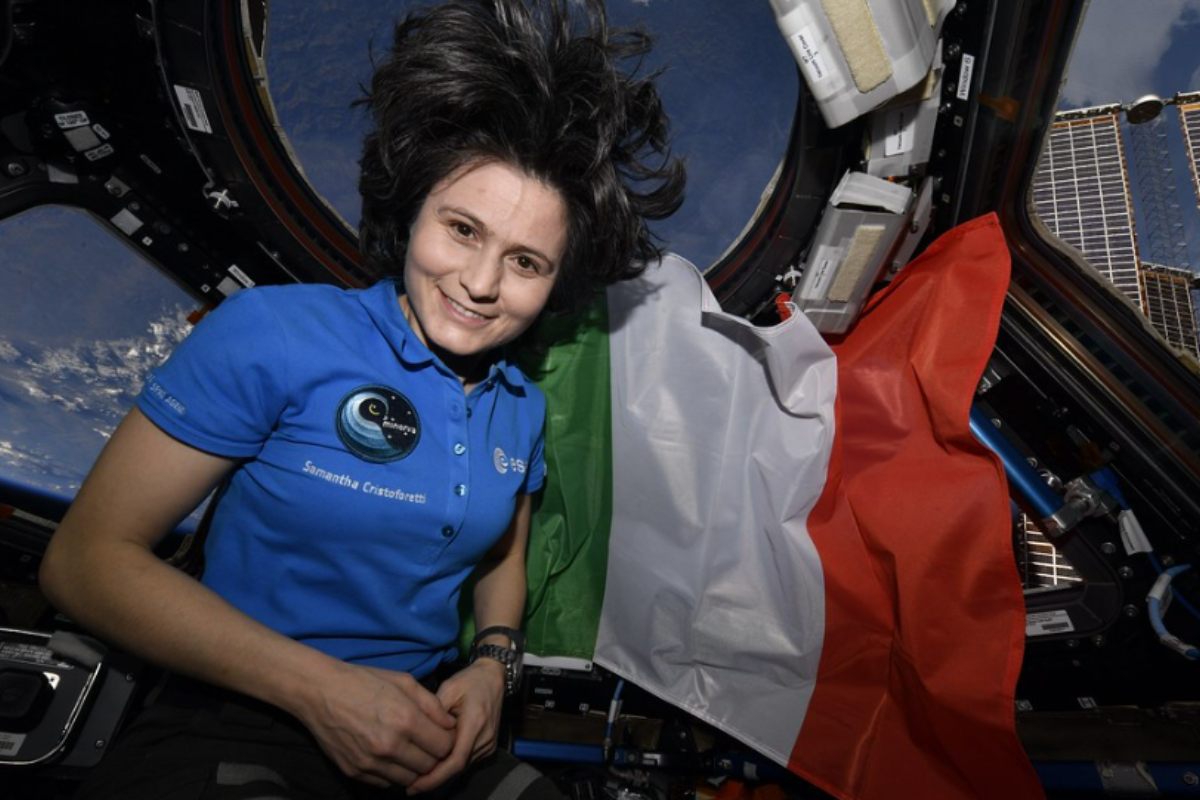
he Italian astronaut posted unauthorized photos and social media content from the ISS, including images dressed as Star Trek characters and philosophical observations about Earth. ESA preferred controlled communications, but Cristoforetti’s authentic voice and creative content connected with audiences worldwide.
Her rule-breaking social media presence showed that astronauts could be both professional scientists and relatable human beings.
Dave Scott
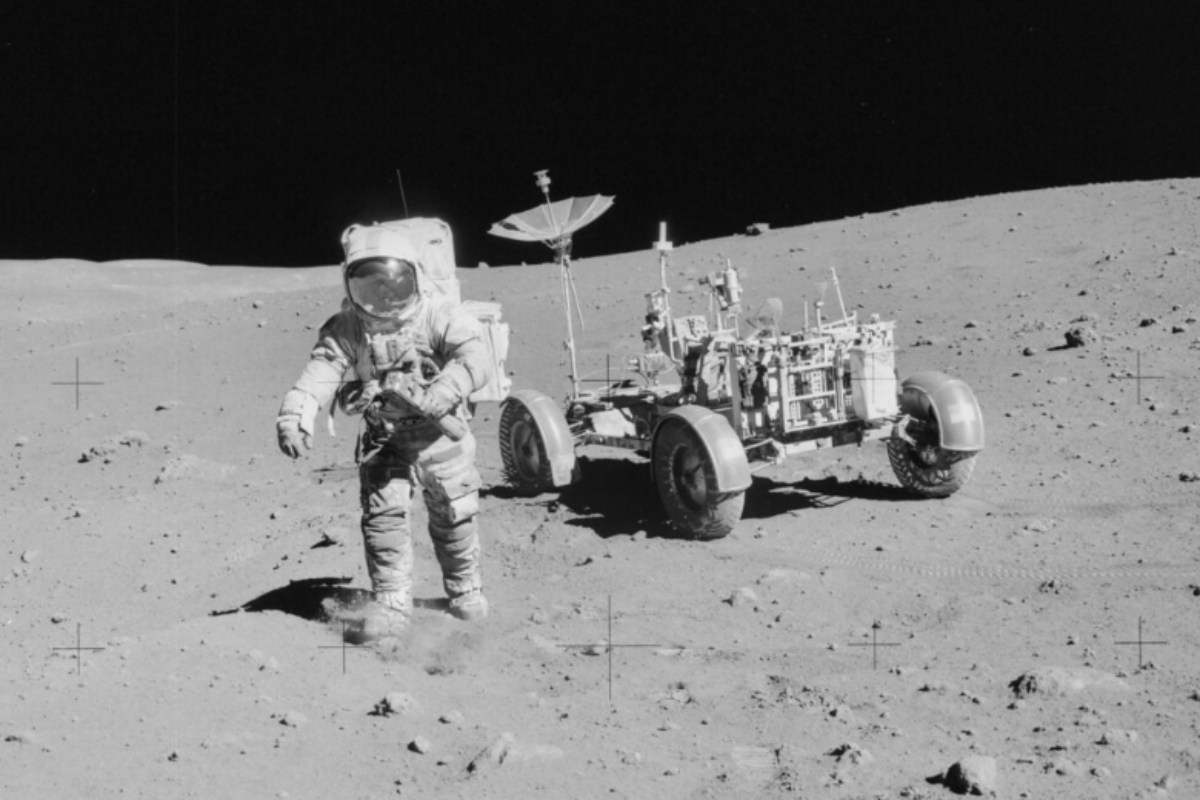
During Apollo 15, Scott conducted an unauthorized experiment by simultaneously dropping a hammer and a feather on the lunar surface to demonstrate Galileo’s gravity theories. The demonstration wasn’t part of the official mission timeline, but Scott felt it was important to show that science worked the same way everywhere in the universe.
His impromptu physics lesson became one of the most educational moments in space exploration history.
When Breaking Rules Breaks Barriers
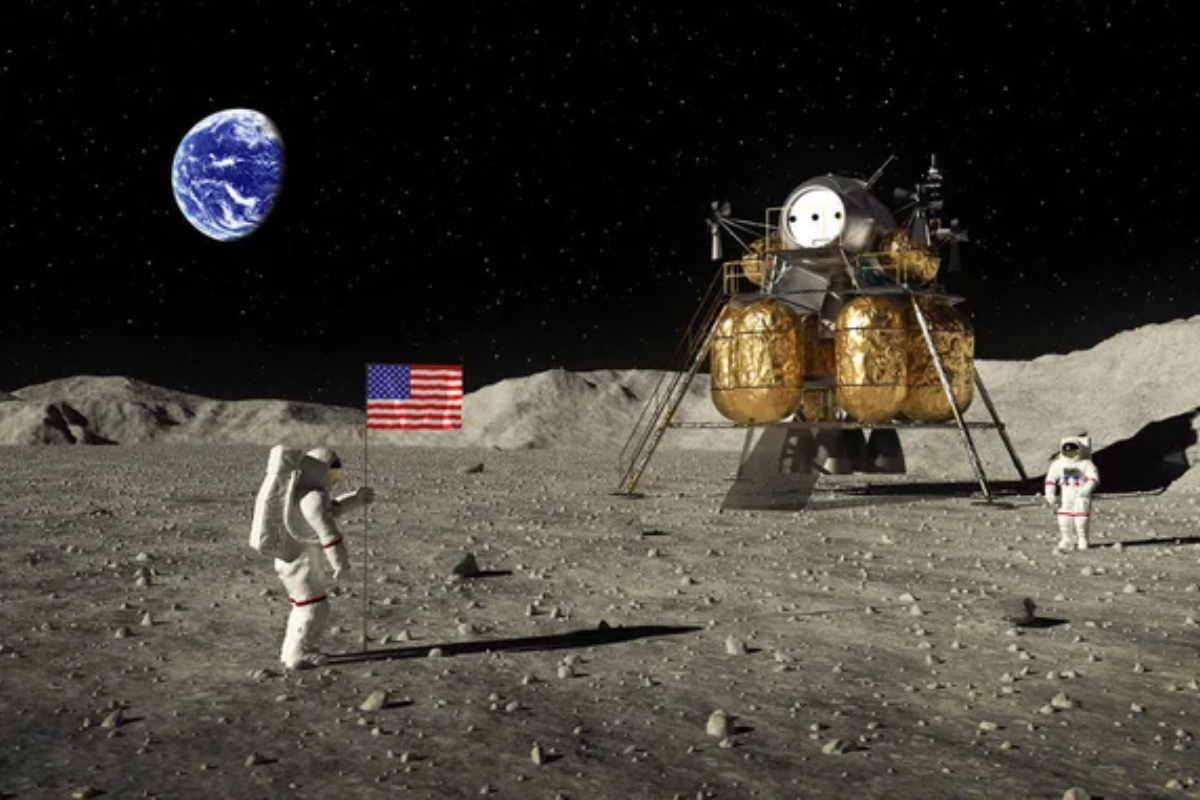
These rule-breaking astronauts remind us that the most memorable moments in space exploration often came from human spontaneity rather than rigid protocols. Their willingness to improvise, personalize, and sometimes directly disobey orders added emotional depth and authenticity to missions that could have been purely technical exercises.
Today’s space travelers continue this tradition of finding humanity among the stars, proving that the best explorers know when to follow procedures and when to trust their instincts. The future of space exploration will likely depend on astronauts who can balance careful planning with the creative rule-breaking that turns routine missions into historic achievements.
More from Go2Tutors!

- The Romanov Crown Jewels and Their Tragic Fate
- 13 Historical Mysteries That Science Still Can’t Solve
- Famous Hoaxes That Fooled the World for Years
- 15 Child Stars with Tragic Adult Lives
- 16 Famous Jewelry Pieces in History
Like Go2Tutors’s content? Follow us on MSN.



