15 Phrases Your Parents Said That You Swore You’d Never Repeat (And Now You Do)
There’s something both horrifying and hilarious about the moment you hear your parent’s voice coming out of your mouth. You’re standing in the kitchen, talking to your kid or your partner, and suddenly you pause mid-sentence because the words that just escaped your lips are the exact ones you rolled your eyes at twenty years ago.
The phrases you swore were outdated, unnecessary, or just plain annoying have somehow become part of your daily vocabulary. Turns out, your parents weren’t just making noise — they were preparing you for the inevitable moment when you’d need those same words to navigate your own life.
Because I Said So

Your logical, well-reasoned arguments hit a wall the day you realized some conversations don’t need to be debates. This phrase cuts through endless loops of “but why” faster than any explanation ever could.
Money Doesn’t Grow On Trees

The financial wisdom hits different when you’re the one paying the bills. Suddenly, every request for new sneakers or the latest gadget gets filtered through your own mental calculator of what things actually cost and how long it took you to earn that money.
If Your Friends Jumped Off A Bridge, Would You?

You spend years thinking this is the most ridiculous hypothetical question ever invented, designed purely to annoy teenagers with its obvious answer (which is, naturally, that your parents think peer pressure works like some kind of mind control where rational thought disappears entirely). But then you find yourself watching someone make a spectacularly poor decision — maybe it’s your coworker agreeing to take on extra work they clearly can’t handle just because everyone else in the meeting nodded along, or your teenager explaining why they absolutely had to try that obviously dangerous thing because their friends were doing it — and the question tumbles out of your mouth before you can stop it.
And you realize (with no small amount of horror) that the bridge metaphor actually captures something true about how people abandon their own judgment when they’re following the crowd. The question isn’t really about bridges at all.
It’s about learning to trust your own instincts even when everyone around you is making different choices.
Don’t Make Me Come Up There

This threat works on a level that defies explanation. The specifics of what happens when someone “comes up there” are never clearly defined, yet the phrase carries enough weight to stop most behavior in its tracks.
We Have Food At Home

The grocery store becomes a different place entirely when you’re the one buying the food, and you start seeing restaurant meals and convenience store snacks through the lens of what’s already sitting in your refrigerator and pantry. What once seemed like your parents being unreasonably cheap now reveals itself as basic household economics and meal planning.
You hear yourself saying it to your own kids (or even to yourself when you’re tempted to order takeout for the third time this week) because the math is undeniable: there really is perfectly good food at home, and spending money on more food when you already have food starts to feel wasteful rather than convenient. So you find yourself defending the leftovers and suggesting people look in the fridge before declaring there’s “nothing to eat,” which is usually code for “nothing I feel like eating right now.”
The phrase becomes less about being a killjoy and more about teaching people to work with what they have.
I’m Not Running A Hotel

Household management reveals itself as actual work once you’re responsible for it. The phrase emerges when you realize that cleaning up after other people and providing endless services without acknowledgment turns you into unpaid staff in your own home.
Turn Off Those Lights

Every electricity bill trains you to see empty rooms with lights blazing as small acts of financial rebellion. The environmental awareness doesn’t hurt either, but mostly it’s the realization that paying for illuminating rooms nobody’s using adds up over time.
Close The Door, We’re Not Air Conditioning The Whole Neighborhood
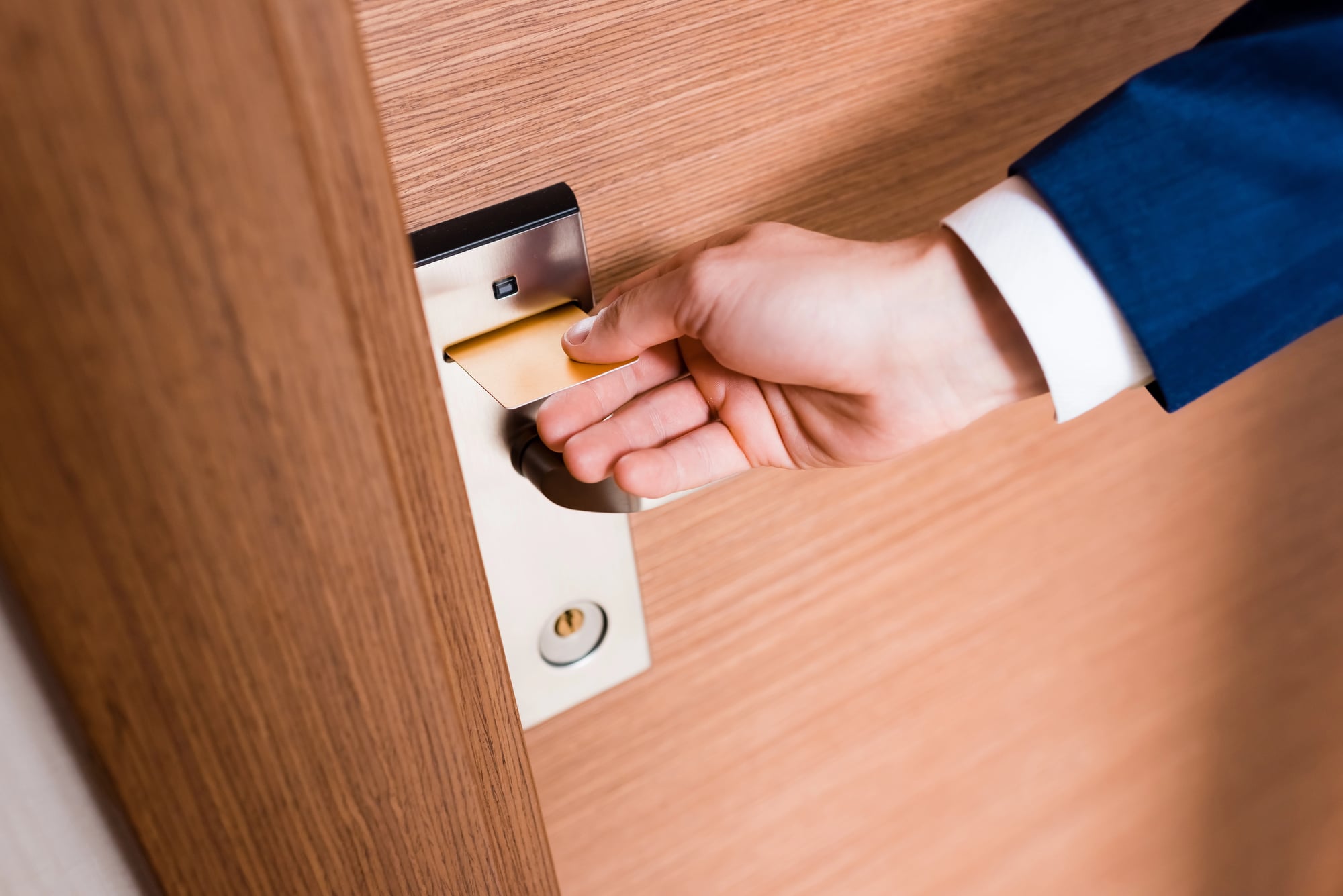
Climate control becomes personal when you’re paying for it, and open doors start looking like money floating away into the atmosphere (which, let’s be honest, is exactly what they are when your air conditioner is running and someone’s propped the front door open). You develop an almost supernatural awareness of doors that have been left ajar and windows that are open while the heat is on, not because you’ve become obsessed with energy efficiency as some kind of abstract concept, but because you’ve seen how quickly utility bills can climb when you’re essentially trying to heat or cool the entire outdoors.
The phrase comes out sharper than you intend because you know exactly how much that open door is costing you per minute — and it’s more than you want to spend on giving the neighborhood free air conditioning. Your parents weren’t being dramatic.
They were being mathematically accurate.
Don’t Touch The Thermostat
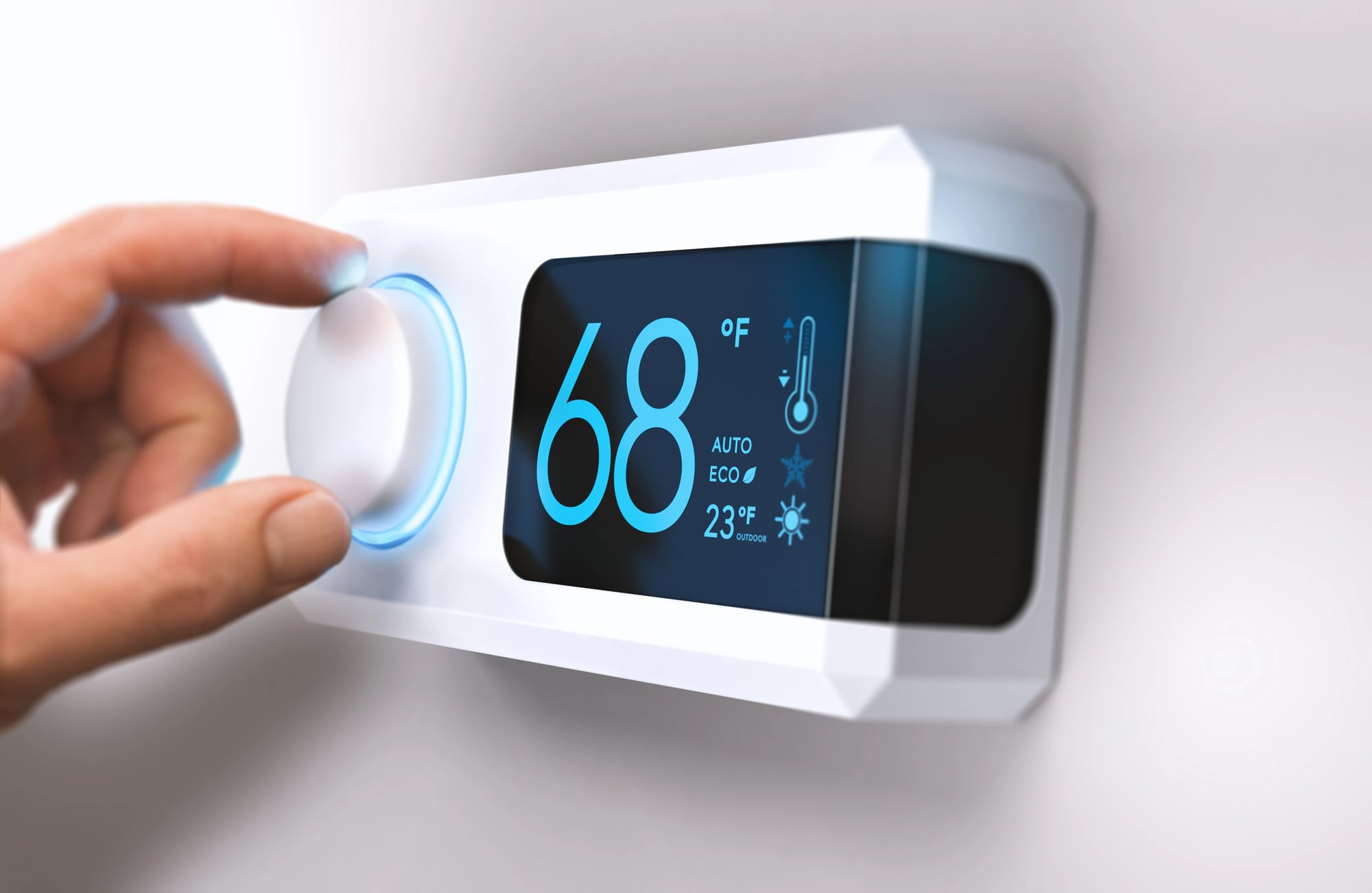
Temperature control becomes a carefully calibrated system once you understand the relationship between comfort and cost. The thermostat transforms from an innocent dial into the command center of your monthly energy expenses.
You’ll Understand When You’re Older

Time delivers the understanding your parents promised, usually without announcement or ceremony. The phrase stops sounding condescending when you find yourself trying to explain concepts that only make sense with experience behind them.
Life’s Not Fair

This phrase cuts through complaints faster than lengthy explanations about how the world actually works (which is to say, inconsistently and without regard for what anyone thinks they deserve). You start saying it not because you’ve given up on fairness as a concept, but because you’ve learned that expecting fairness from every situation sets people up for constant disappointment and frustration.
Some people get lucky breaks they didn’t earn, other people work hard and don’t get rewarded for it, and most of life falls somewhere in the messy middle where effort and outcome don’t line up in neat, predictable ways. The phrase becomes a tool for helping people adjust their expectations to match reality rather than staying angry at circumstances that were never going to be fair in the first place.
It’s not cynicism. It’s preparation for dealing with a world that operates by its own rules.
Clean Your Room
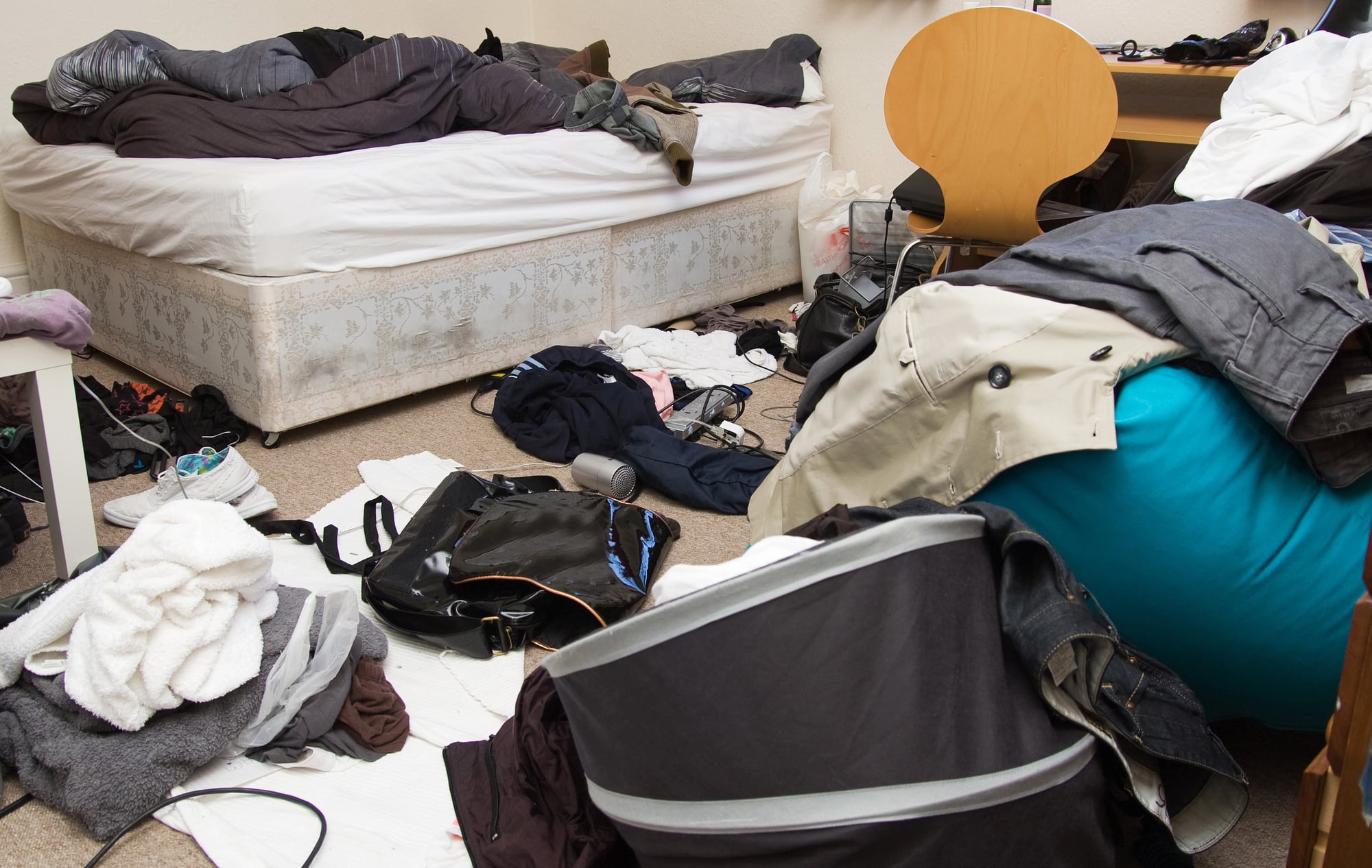
Organization becomes less about arbitrary rules and more about creating space where you can actually function. A messy room stops being a personal choice when it starts affecting someone’s ability to find things, sleep properly, or maintain basic hygiene.
I Brought You Into This World

The nuclear option emerges when regular authority stops working and you need to remind someone of the fundamental power dynamic at play. The phrase carries weight precisely because it’s not used casually — it’s reserved for moments when respect has completely broken down.
Don’t Slam The Door

Doors become expensive when you’re the one replacing them, and aggressive door-slamming starts looking like minor property damage rather than harmless emotional expression (because that’s exactly what it is — doors have limits, hinges wear out, and frames can only take so much abuse before they need repair). You find yourself protecting the hardware of your house the same way your parents protected theirs, not because you’ve become unreasonably attached to door frames, but because replacing doors and fixing damaged hinges costs money and time you’d rather spend on other things.
The phrase comes out automatically when you hear that telltale crash of someone using a door to punctuate their feelings because you know that sound means something in your house just took damage. Plus, there are more mature ways to express frustration than taking it out on innocent doors.
Wait Until Your Father Gets Home
The delayed consequences carry more weight than immediate ones sometimes. This phrase creates anticipation that’s often more effective than whatever the actual consequence turns out to be, and it gives everyone time to think about what happened.
When You Look Back On This Moment

The phrases your parents repeated weren’t just filling air or exercising their authority for its own sake. They were preparing you for the moment when you’d need the same words to navigate the same situations, armed with the same hard-won understanding that only comes from being responsible for other people and the spaces they share.
The real surprise isn’t that you ended up saying these things — it’s how naturally they fit when the time comes to use them.
More from Go2Tutors!

- The Romanov Crown Jewels and Their Tragic Fate
- 13 Historical Mysteries That Science Still Can’t Solve
- Famous Hoaxes That Fooled the World for Years
- 15 Child Stars with Tragic Adult Lives
- 16 Famous Jewelry Pieces in History
Like Go2Tutors’s content? Follow us on MSN.