17 Everyday Inventions With Shocking Origin Stories
The objects you use every day have stories that would surprise you. That innocent-looking item sitting on your desk or in your kitchen might have originated from warfare, ancient rituals, or someone’s desperate attempt to solve a completely unrelated problem. These familiar inventions hide fascinating histories that reveal just how strange and unpredictable innovation can be.
From household essentials to modern conveniences, everyday items often began their lives serving entirely different purposes than what we know them for today. Here is a list of 17 everyday inventions with shocking origin stories.
Bubble Wrap

Alfred Fielding and Marc Chavannes were trying to create textured wallpaper in 1957 by sealing two shower curtains together with air bubbles trapped between them. Their decorative wall covering failed miserably, but they realized those air pockets made perfect packaging material.
What started as a home décor disaster became the world’s most satisfying packing material and stress-relief tool.
Treadmill

The treadmill began as a torture device in British prisons during the 1800s, designed to punish inmates through exhausting, pointless labor. Prisoners would climb these massive wheels for hours, powering mills or simply walking to nowhere as punishment.
Today’s fitness enthusiasts voluntarily pay for gym memberships to use modern versions of what was once considered cruel and unusual punishment.
High Heels

King Louis XIV of France popularized high heels in the 1600s to make himself appear taller and more imposing during court ceremonies. Persian cavalry soldiers originally wore heeled shoes to keep their feet secure in stirrups during battle.
These masculine military and royal accessories somehow transformed into symbols of feminine fashion that torture feet in the name of style.
Duct Tape
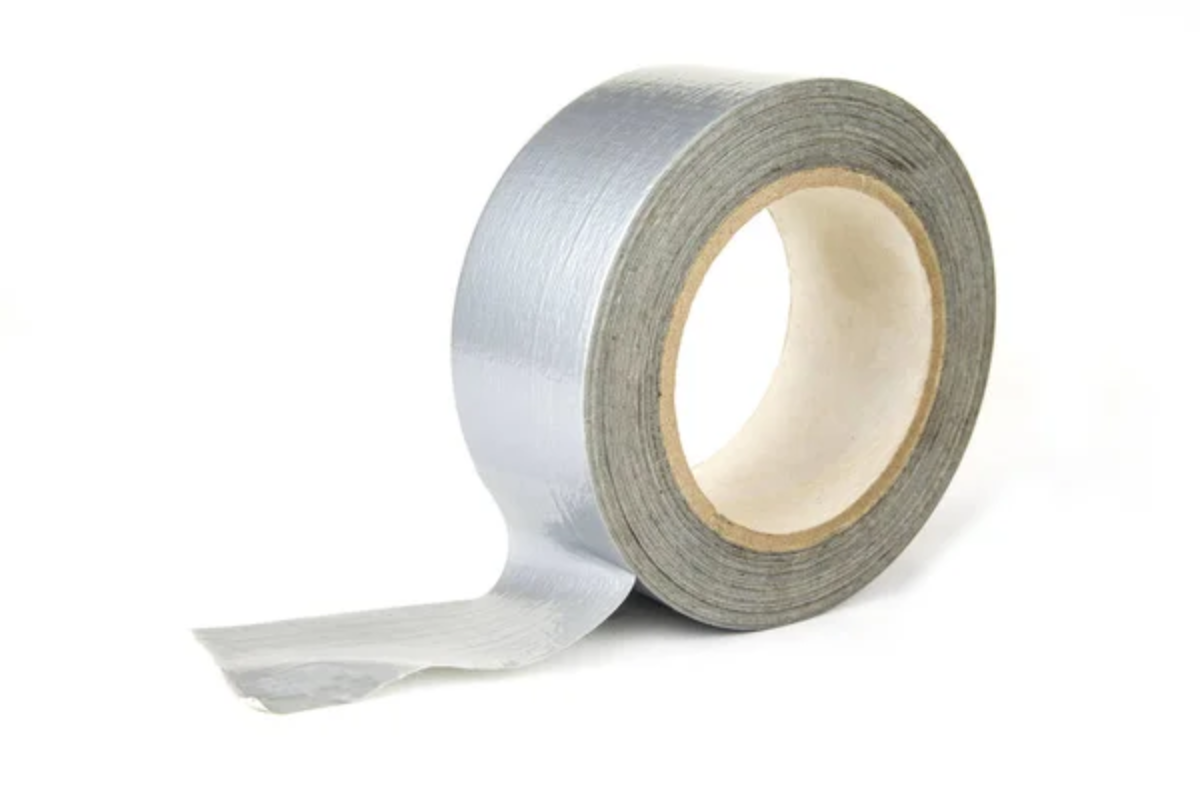
Johnson & Johnson created duct tape during World War II as waterproof ammunition sealing tape, earning it the nickname ‘duck tape’ because water rolled off like a duck’s back. Soldiers used the strong, flexible tape to repair everything from jeeps to field equipment in combat zones.
The military’s all-purpose repair solution became the handyman’s best friend and the go-to fix for everything from car bumpers to formal wear emergencies.
Kleenex
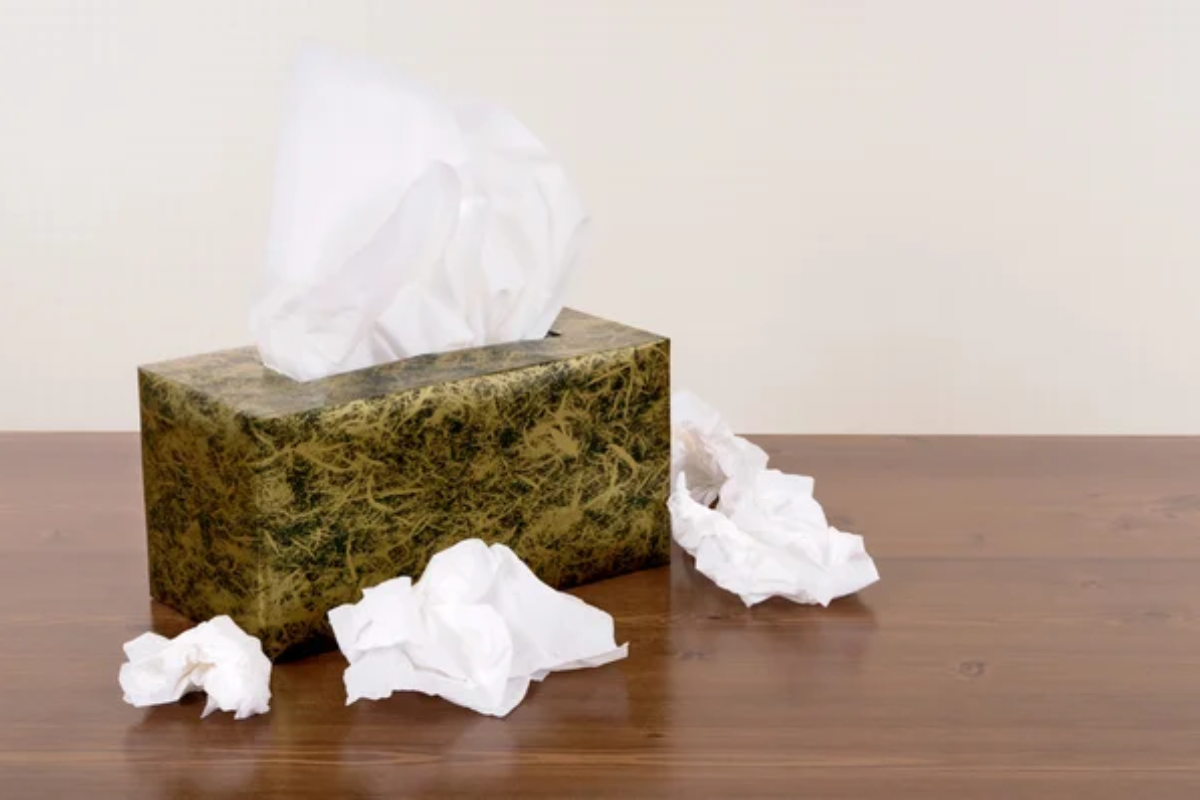
Kimberly-Clark developed Kleenex during World War I as disposable gas mask filters and surgical bandages for wounded soldiers. The company marketed them as cold cream removers for women in the 1920s, but customers kept writing to say they were using them to blow their noses instead.
This accidental consumer feedback transformed battlefield medical supplies into the tissues that sit on every nightstand during flu season.
Pringles
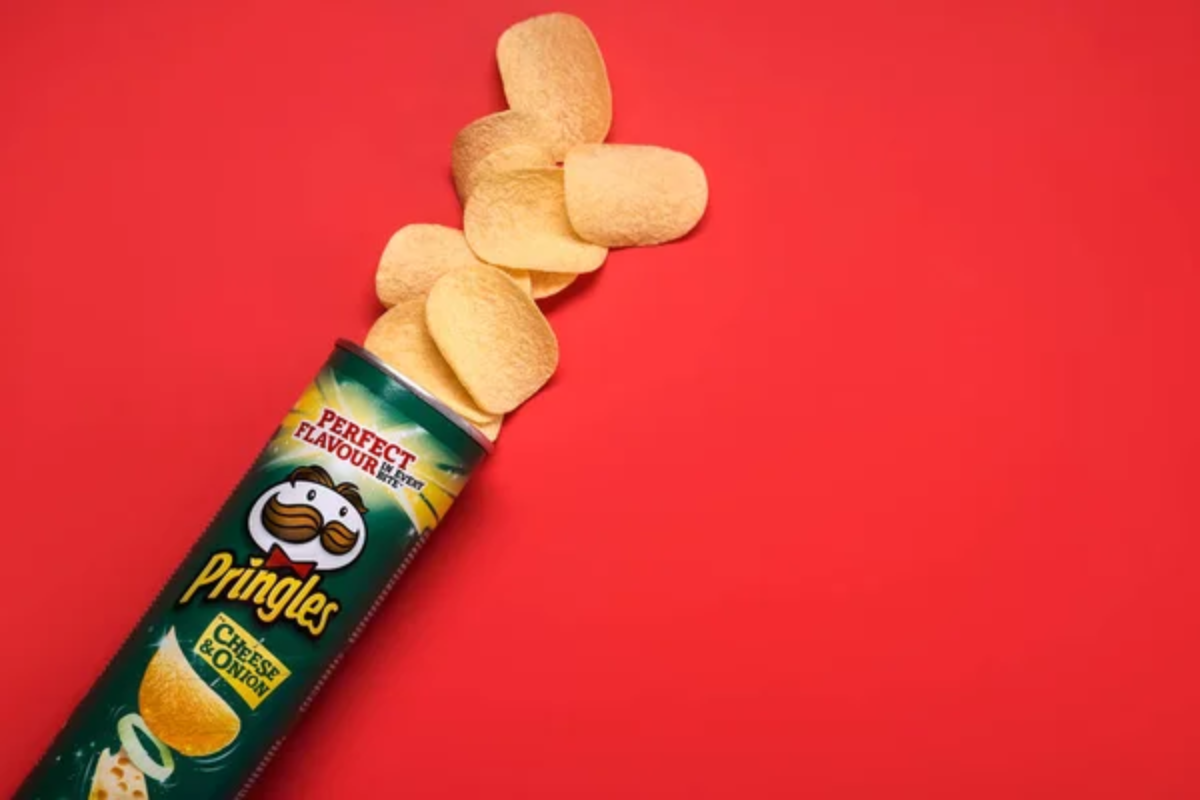
Pringles were developed by chemist Fred Baur in the 1960s—not for taste, but to solve a packaging problem. He was frustrated by traditional chip bags being mostly air and broken crumbs.
He used a machine to create uniform, stackable chips out of dehydrated potato flakes. Ironically, he loved his invention so much, his family honored his wish to be buried in a Pringles can.
Listerine
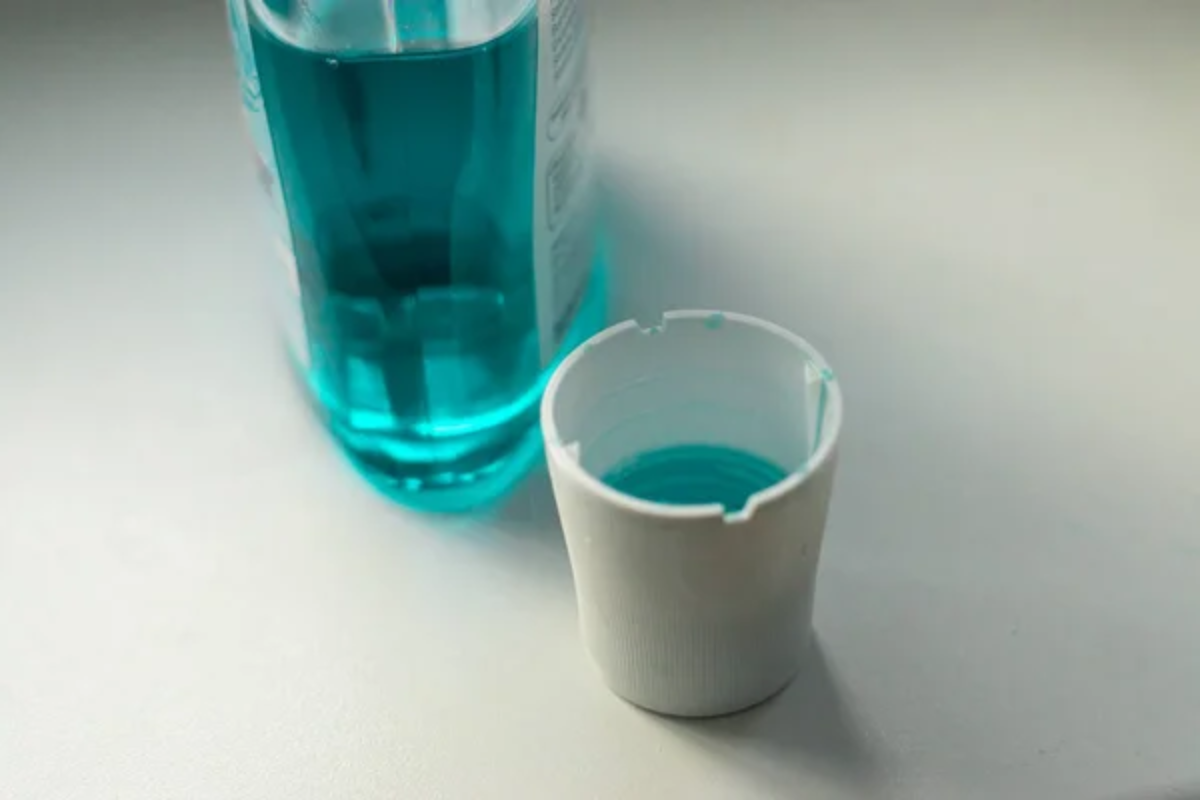
Listerine was originally marketed as a surgical antiseptic and even a floor cleaner before its makers rebranded it as a cure for bad breath—a medical-sounding condition they dubbed halitosis to boost sales.
This marketing trick worked so well that it convinced millions that they had a problem they didn’t even know existed. A cleaning solution turned into a mouthwash empire built on manufactured anxiety.
Frisbee
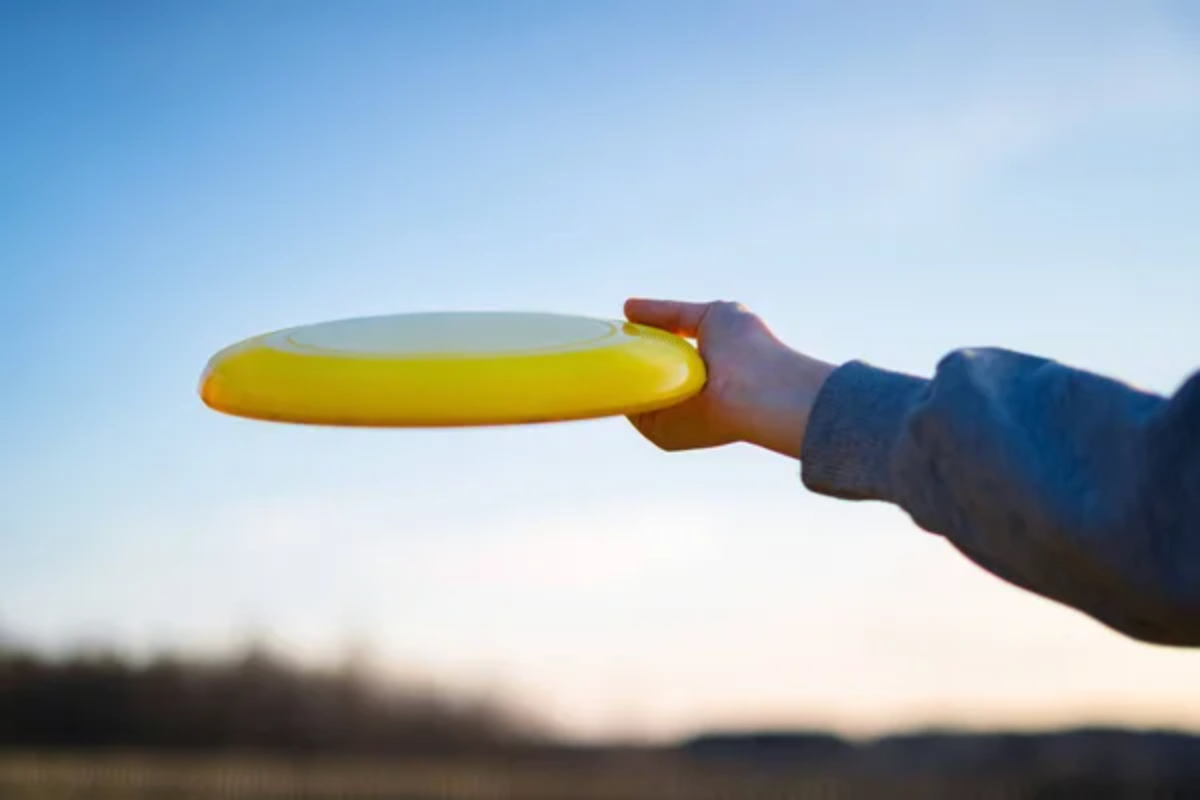
College students in the 1950s discovered that empty pie tins from the Frisbie Pie Company flew beautifully when thrown across campus. The metal tins became popular for throwing toys at universities, especially at Yale where students would shout ‘Frisbie!’ as they hurled the improvised flying discs.
A simple case of college kids playing with their garbage evolved into a worldwide recreational phenomenon.
GPS Technology

The Global Positioning System started as a military project to track Soviet submarines during the Cold War in the 1960s. The U.S. military needed precise navigation for nuclear deterrence and missile guidance systems.
This top-secret defense technology eventually found civilian applications, turning from weapons guidance into the reason you can find the nearest coffee shop without getting lost.
Coca-Cola

Pharmacist John Pemberton created Coca-Cola in 1886 as a medicinal tonic to cure headaches, impotence, and morphine addiction. His syrup contained cocaine from coca leaves and caffeine from kola nuts, marketing it as a brain tonic and intellectual beverage.
The world’s most famous soft drink began as a pharmacy counter cure-all that promised to fix everything from fatigue to drug addiction.
Silly String
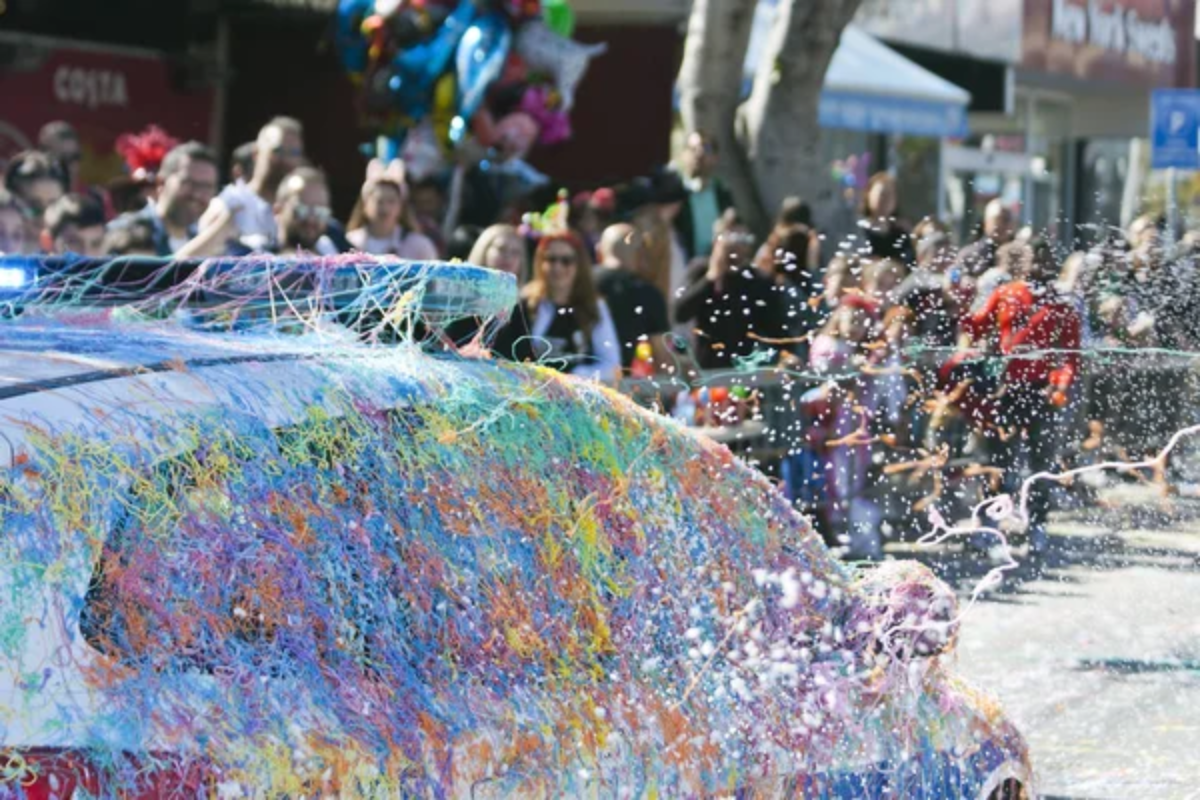
Leonard Fish and Robert Cox were trying to develop a spray-on cast for broken bones in 1972 when they created a substance that shot out in colorful streams instead. Their medical innovation became a party novelty that could spray up to 30 feet and stick to almost anything.
The failed orthopedic treatment turned into the ultimate celebration accessory and prank weapon.
Play-Doh
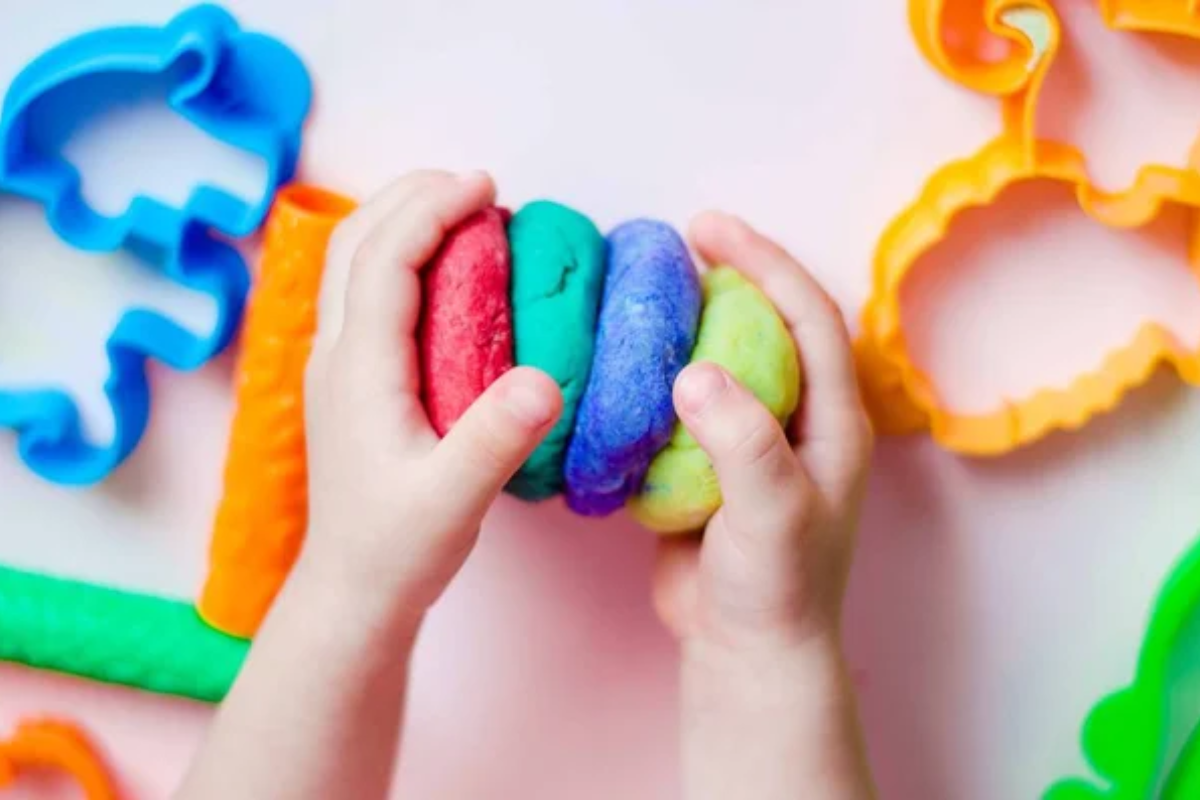
Noah McVicker developed Play-Doh in the 1930s as a wallpaper cleaner to remove coal residue from walls in homes heated by coal furnaces. When natural gas heating made the cleaning compound obsolete, his family company faced bankruptcy until they realized children loved playing with the moldable substance.
The cleaning product found new life as a creative toy that has entertained kids for generations.
Chainsaws

The chainsaw’s original purpose wasn’t for cutting trees—it was invented in the 1780s by two Scottish doctors to make childbirth easier. The earliest chainsaws were hand-cranked tools used to remove pelvic bone to help deliver babies in obstructed labor.
The medical device that once sawed through human bone eventually evolved into a tool for logging and horror films.
WD-40
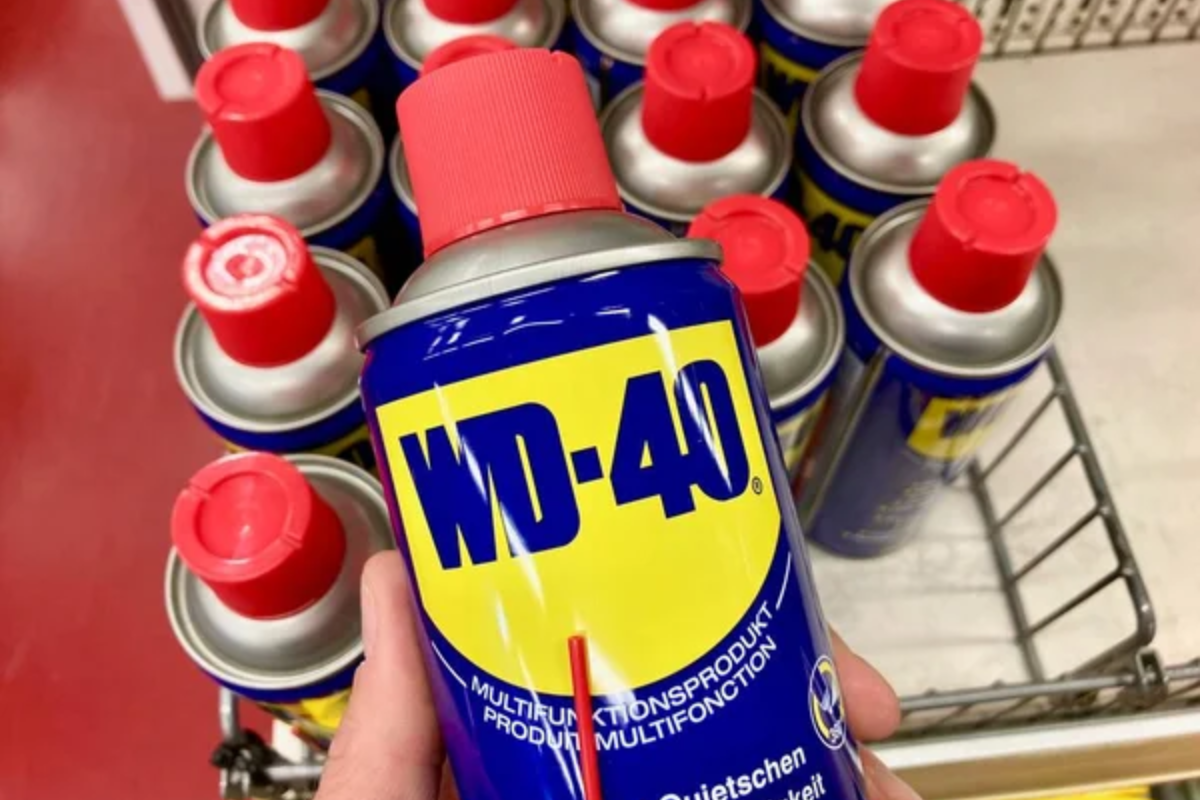
Rocket Chemical Company created WD-40 in 1953 to prevent nuclear weapons from rusting during the Cold War. The formula prevented corrosion on nuclear Atlas rockets, earning its name from ‘Water Displacement, 40th formula’ after 39 failed attempts.
This top-secret military rust prevention eventually became the household miracle spray that fixes squeaky hinges and removes stubborn stickers.
Hair Dye
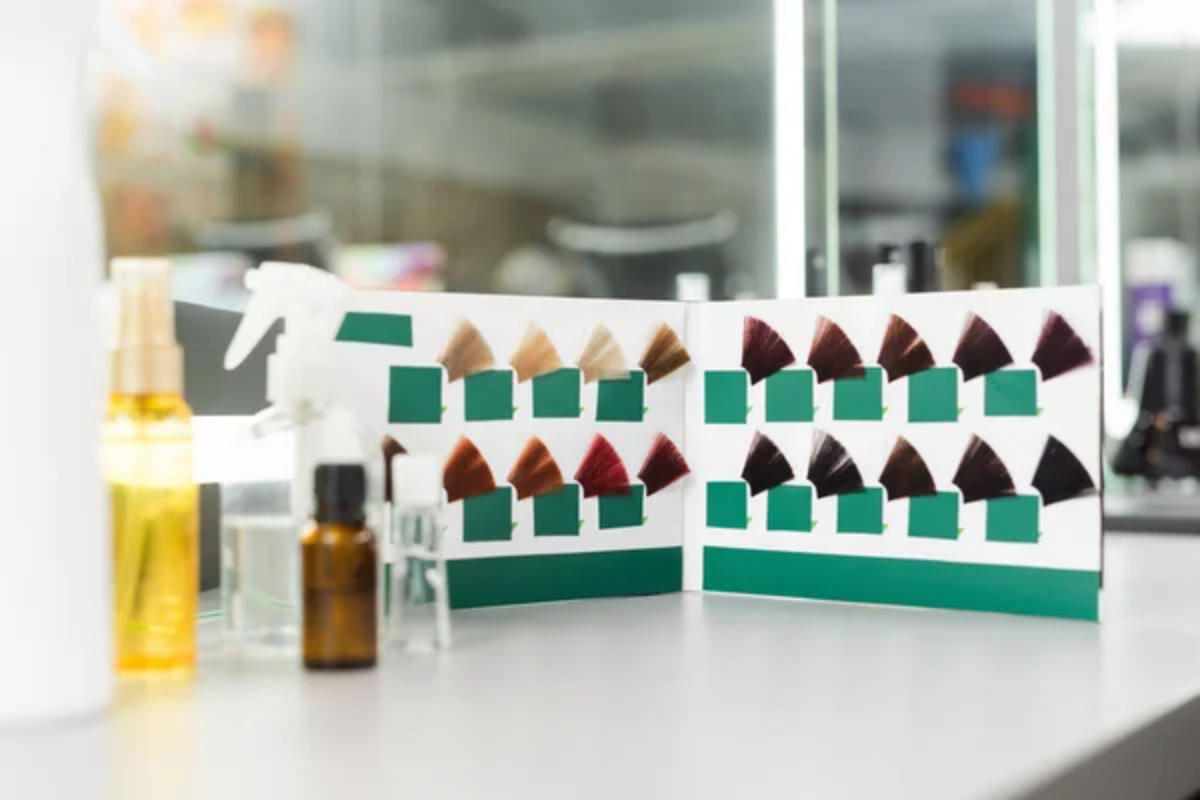
In 1907, French chemist Eugène Schueller developed the first synthetic hair dye—but not to glamorize. His chemical formula was so strong that it raised safety concerns, especially when early customers experienced rashes and burns.
Schueller later founded L’Oréal and reportedly kept connections to far-right political groups in the 1930s. What started as a questionable chemical cocktail turned into a global beauty empire with a murky past.
QWERTY Keyboard
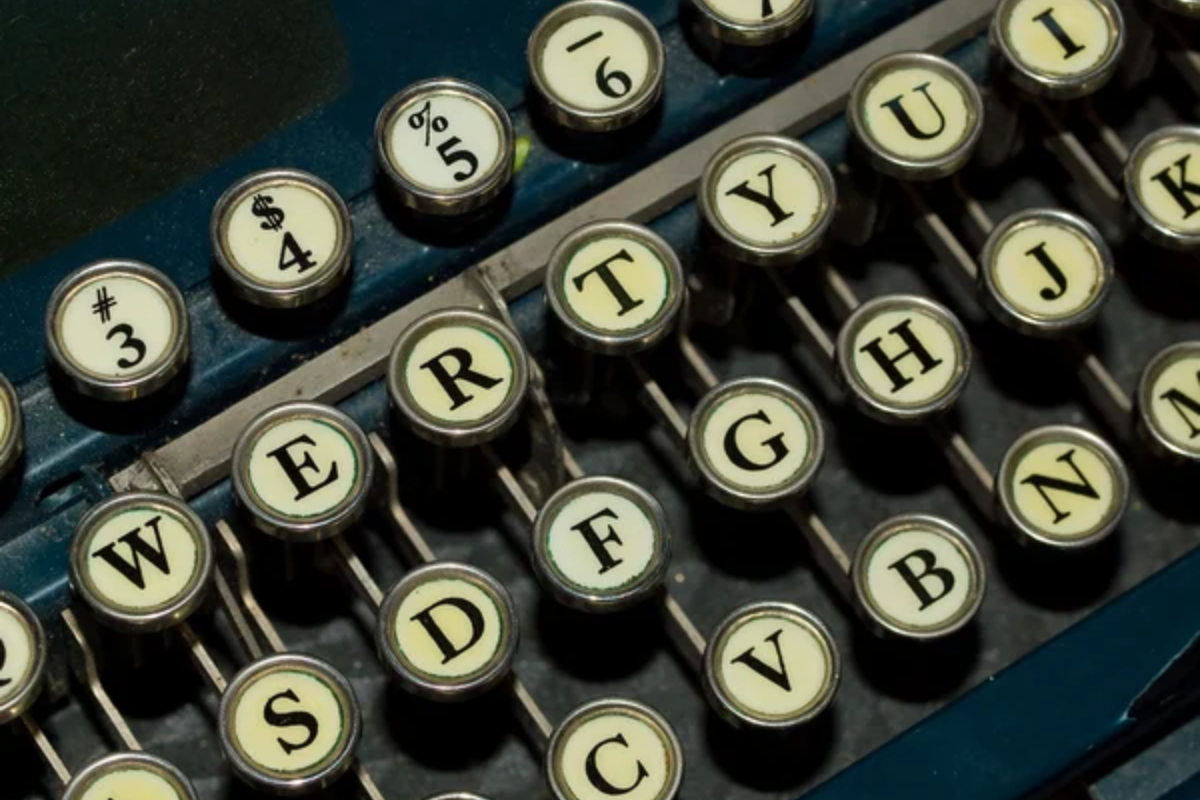
The QWERTY layout wasn’t made for speed—it was designed to slow typists down. In the 1870s, early typewriters jammed when people typed too fast, so inventor Christopher Sholes rearranged the letters to space out commonly paired keys.
This inconvenient layout became standard by accident and stuck, even after technology no longer needed it.
Q-tips
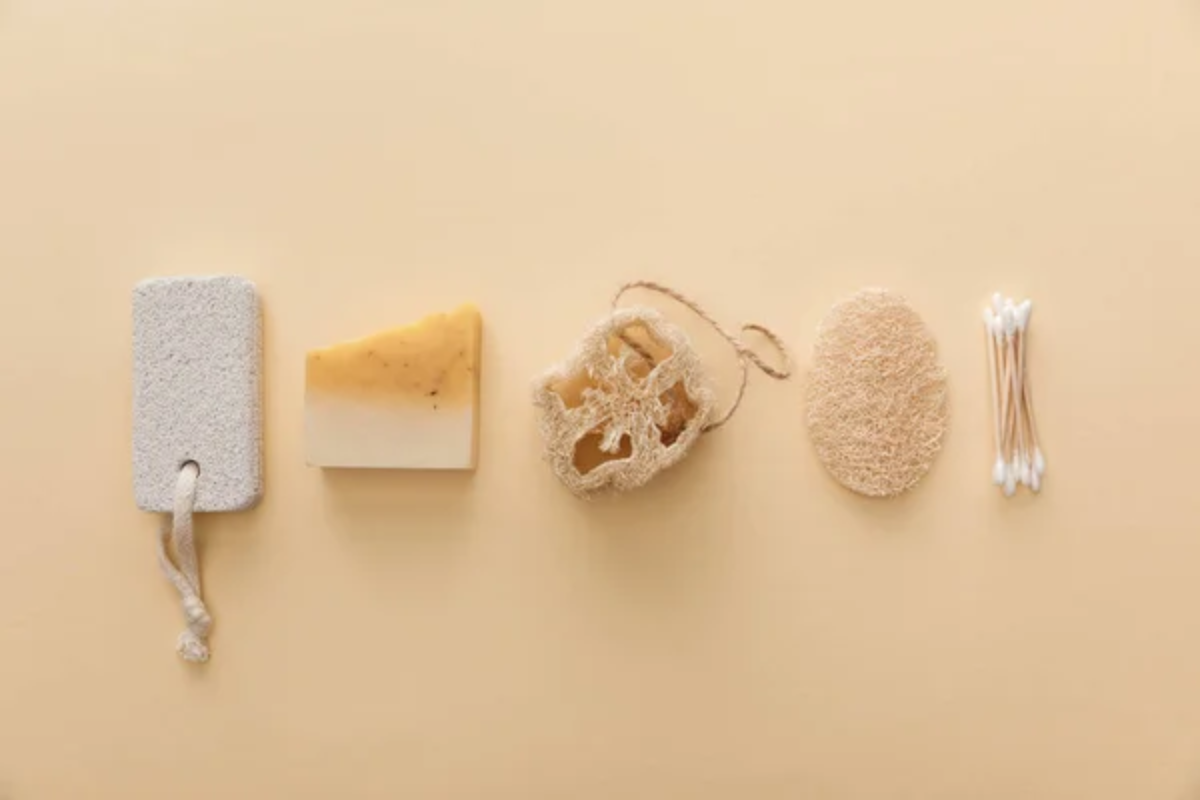
Leo Gerstenzang invented Q-tips in 1923 after watching his wife attach cotton to toothpicks to clean their baby’s ears. He created a machine to mass-produce these cotton-tipped sticks, originally calling them ‘Baby Gays’ before settling on ‘Q-tips Quality Tips.’
His observation of makeshift baby care created one of the most versatile household items, despite warnings not to stick them in your ears.
From Strange Beginnings to Daily Essentials
These everyday inventions prove that necessity isn’t always the mother of invention—sometimes it’s accidents, military needs, or completely unrelated problems that spark the most useful innovations. The journey from original purpose to current use often involves decades of evolution, consumer creativity, and pure serendipity.
Today’s entrepreneurs and inventors can learn from these stories that the most successful products often find their true calling in ways their creators never imagined. The next time you use any of these common items, remember that behind every ordinary object lies an extraordinary story of human ingenuity and adaptation.
More from Go2Tutors!

- The Romanov Crown Jewels and Their Tragic Fate
- 13 Historical Mysteries That Science Still Can’t Solve
- Famous Hoaxes That Fooled the World for Years
- 15 Child Stars with Tragic Adult Lives
- 16 Famous Jewelry Pieces in History
Like Go2Tutors’s content? Follow us on MSN.



